|
|
RCEI Newsletter
February 2026
Issue 5
| | A Message from RCEI's Director | | In moments when climate and energy progress feel stalled, the magnitude of the challenges can be daunting. Yet real breakthroughs are rarely linear. Persistence is one of our most powerful tools. Every day, our faculty, students, and partners push forward: advancing cutting‑edge scholarship, sharpening our understanding of Earth and human systems, and translating that knowledge into action. | |
As you read this newsletter, I hope you’ll feel the momentum they’re building—the creativity, resilience, and leadership that continue to move our work from insight to impact.
We’ve achieved a great deal, but there is always another bold step ahead. I invite you to engage with RCEI in whatever way resonates with you, including through collaboration, events, learning, or supporting our mission. Thank you for being part of this community and for standing with us as we stay on the course and move forward together.
| To learn more about our work, visit https://rcei.rutgers.edu/. We look forward to connecting with you soon. | | |
Julie Lockwood
RCEI Director
| | Climate Experts’ Review U.S. DOE Climate Working Group Report | | |
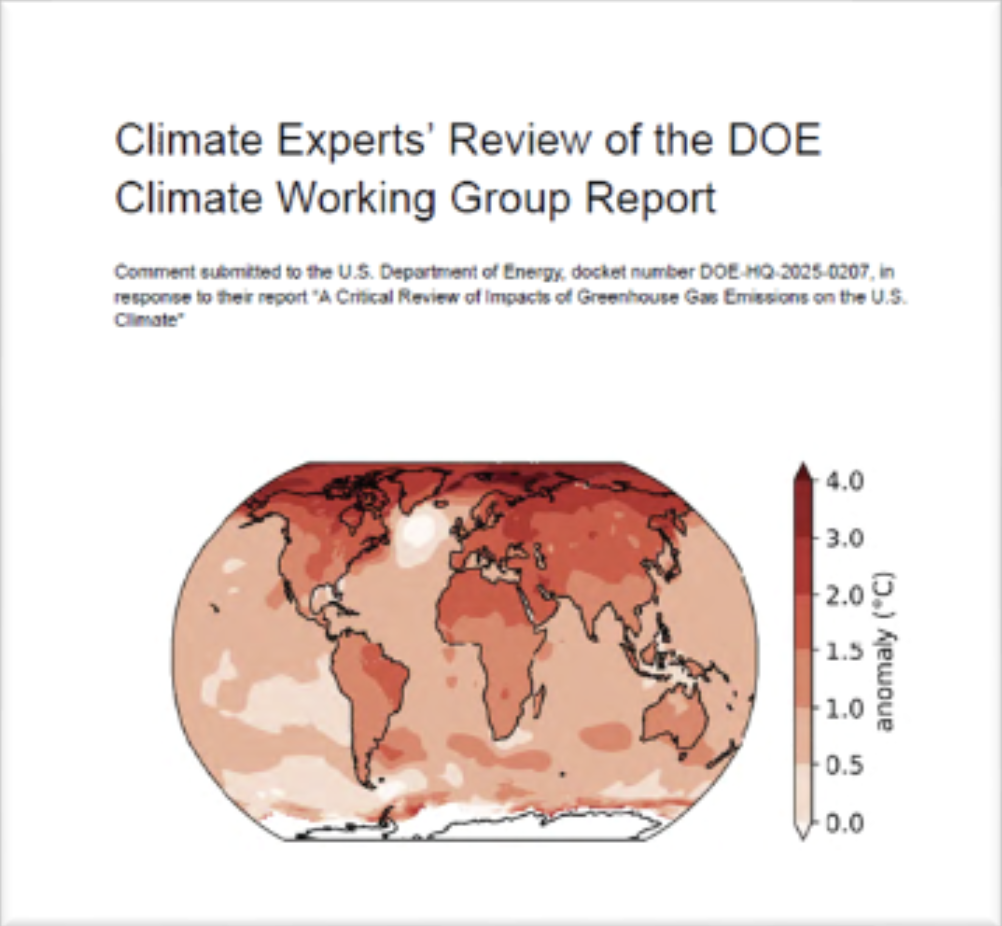
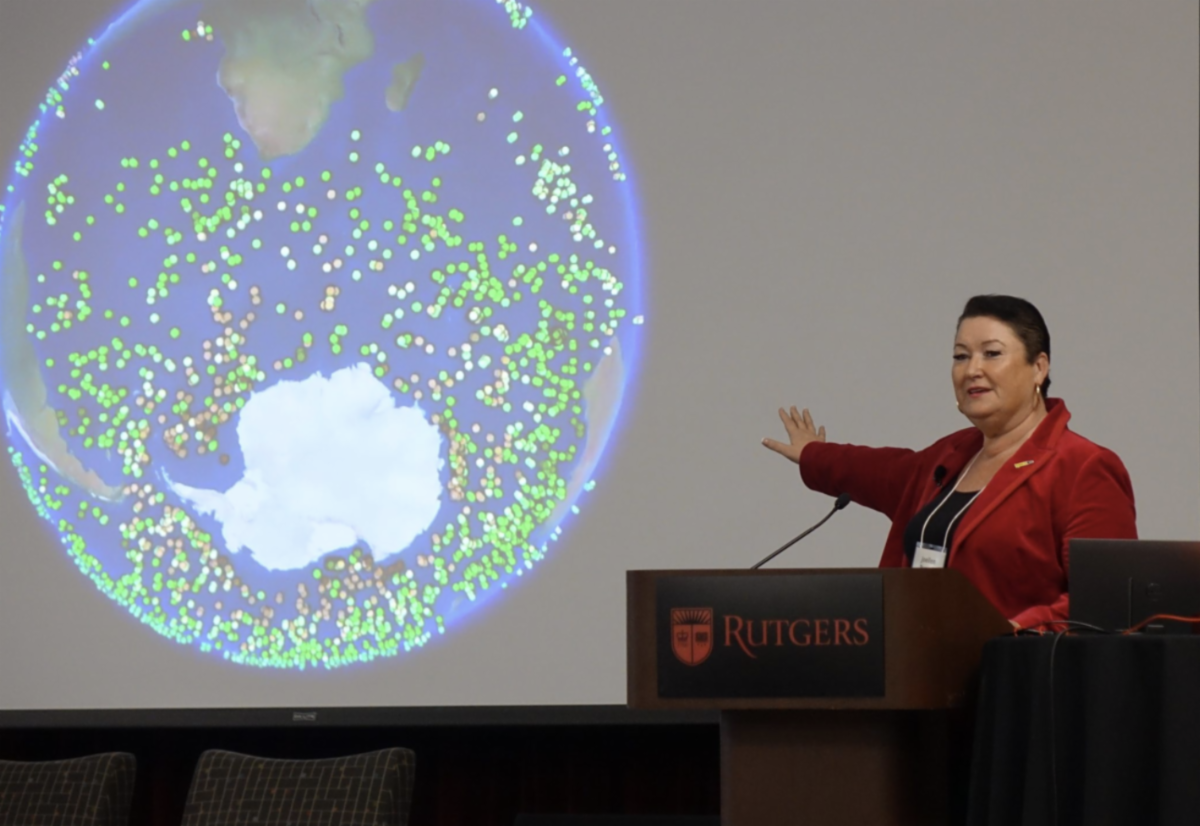
| More than 85 scientists worldwide authored a 450-page expert review responding to the U.S. Department of Energy’s July 2025 Climate Working Group report, cited in the EPA’s challenge to the Endangerment Finding. RCEI affiliates Robert Kopp and Pamela McElwee contributed to the review (Professor Kopp also served as Co-Editor), which finds the DOE report misleading and omissive of well-established climate impacts. Read more → | | | RCEI Climate Symposium Highlights Ocean Science, Innovation, and Action | | Researchers, faculty, and students from across the Mid-Atlantic gathered on November 12, 2025, for Rutgers’ annual Climate Symposium, The Blue Planet, focused on the oceans’ central role in Earth’s climate system. Featuring interdisciplinary plenary talks and more than 35 research posters, the event highlighted regional collaboration, innovation, and the urgency of sustained climate action. Learn more → | | Joellen Russell at the Rutgers Climate Symposium. | | Welcome to RCEI’s New Team Members | | |
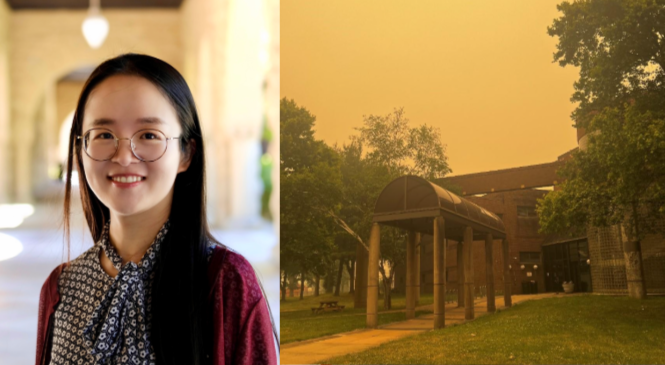
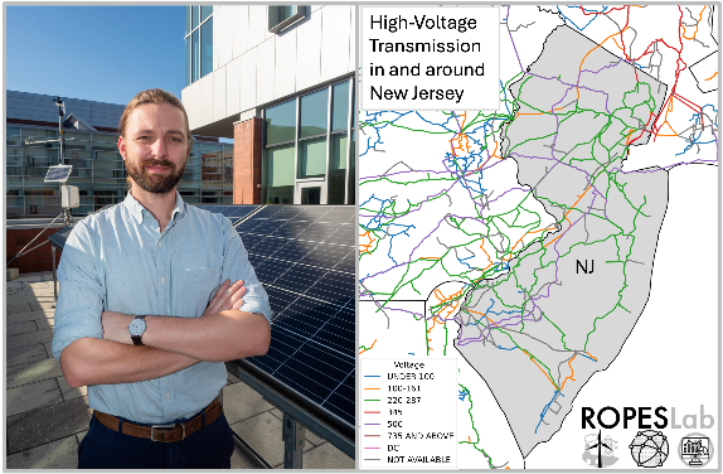
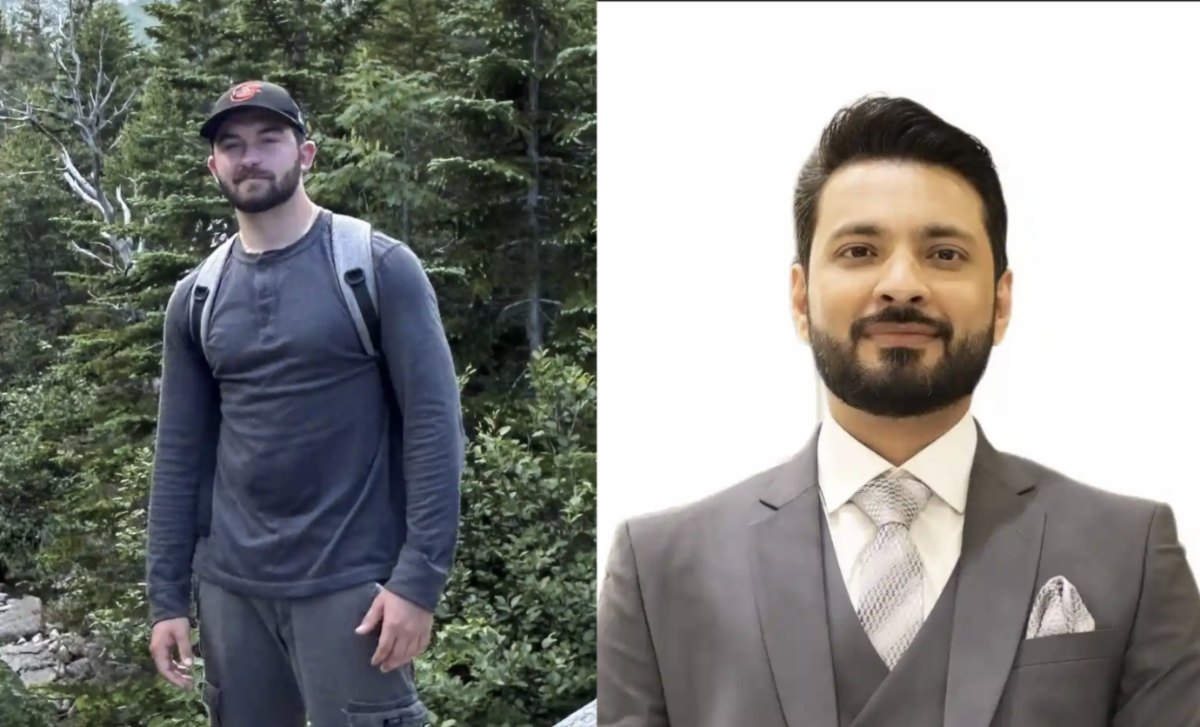
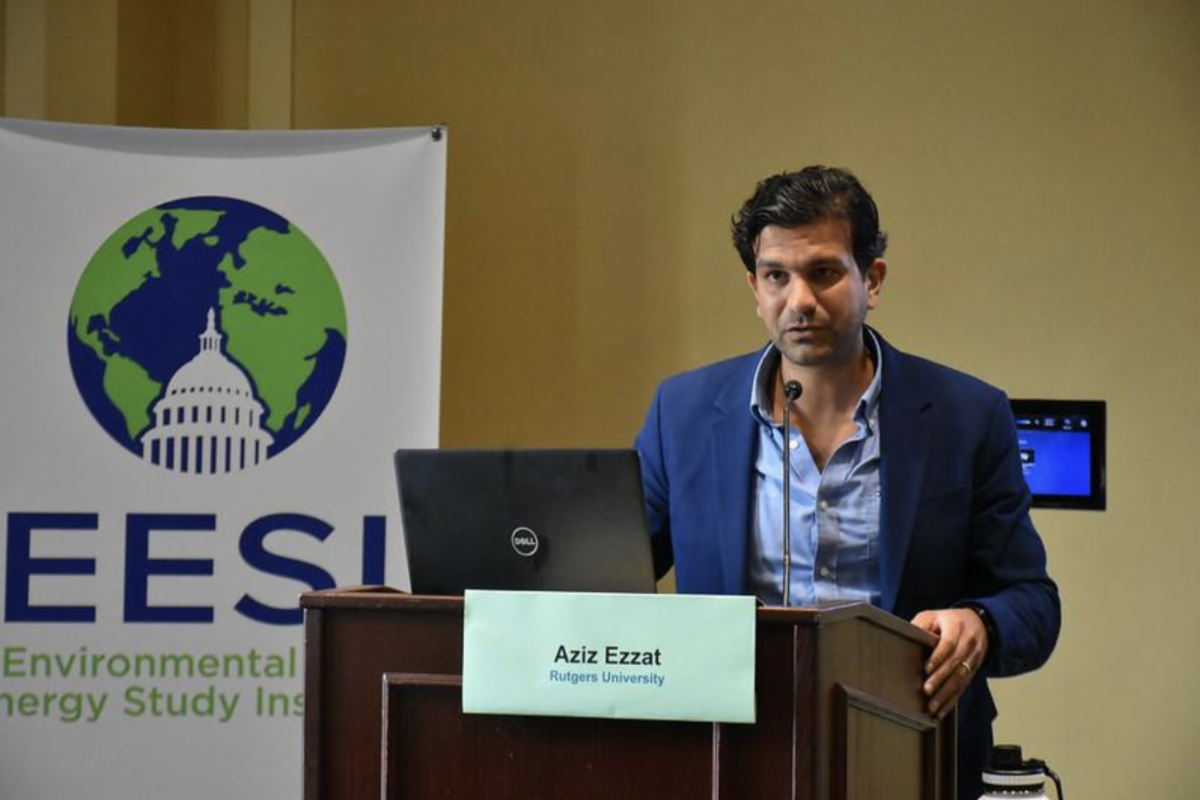
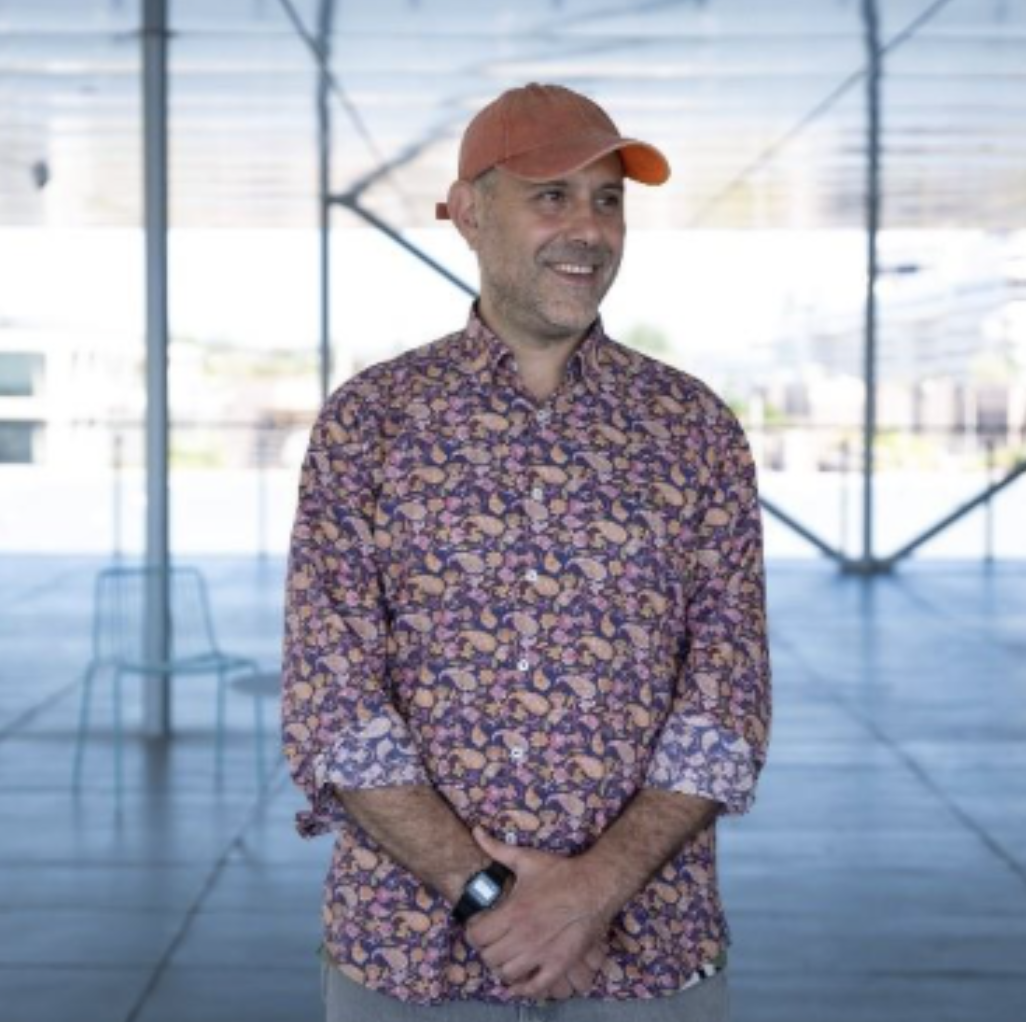
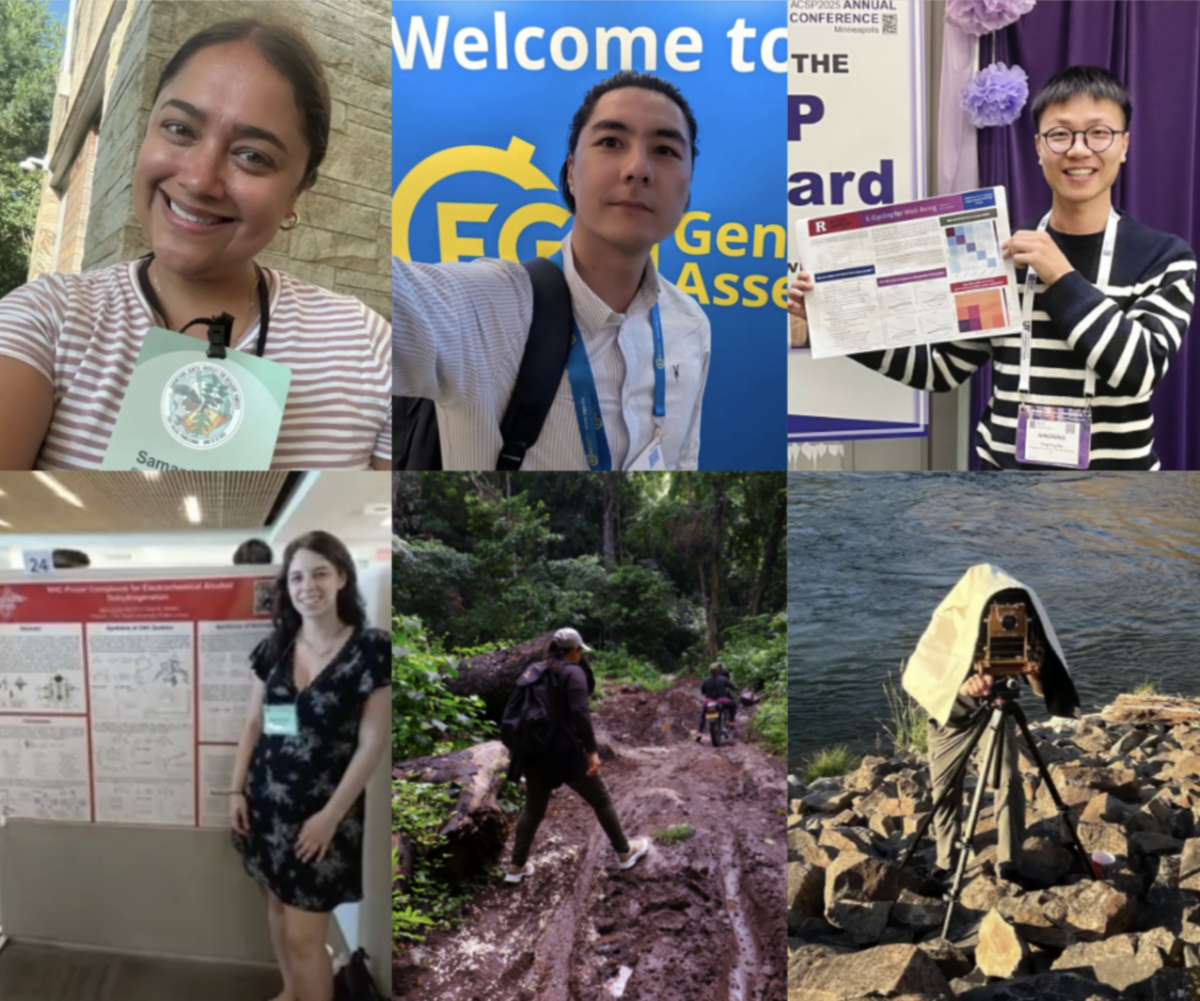
| RCEI welcomes two new staff members: Sean Harris (left) joins as Clean Energy Program Coordinator, bringing experience in public administration, offshore energy analysis, and leadership from his service with the U.S. Department of the Interior and the U.S. Army. Leon Green-Tkacenko (right) joins as a Postdoctoral Research Associate, contributing expertise in conservation ecology, offshore wind, and the intersection of renewable energy and biodiversity. | | RCEI Groundwork Grants Advance AI-Driven Climate and Energy Research | | RCEI awarded 2025 Groundwork Grants to faculty affiliates to support innovative AI-driven research addressing climate and energy challenges. | | Xiaomeng Jin is applying physics-informed AI to improve estimates of extreme air pollution from wildfires, with implications for public health preparedness. | | Robert Mieth is developing an open-source, high-resolution model of New Jersey’s power grid to support research at the intersection of AI, energy systems, and climate resilience. | | | | Lucas Marxen, Roger Wang, and Efthymios Nikolopoulos (pictured left to right) are creating an AI assistant for NJFloodMapper that enables natural-language interaction with complex flood and climate data. | | RCEI Partners with NJ Board of Public Utilities to Offer Clean Energy Graduate Student Fellowships | | In partnership with the New Jersey Board of Public Utilities, RCEI’s Clean Energy Graduate Fellowship gives Rutgers graduate students hands-on experience supporting New Jersey’s clean energy transition. Fall 2025 fellows Vincent Fedoryka (Master's student in Economics) and Adnan Zia (Master’s student in Public Informatics) worked on policy reforms for the Competitive Solar Incentive program and clean energy budget tracking. Learn more → | | Left to right: Vincent Fedoryka and Adnan Zia | | Aziz Ezzat Participates in Congressional Briefing | | | | RCEI Affiliate Aziz Ezzat, Assistant Professor of Industrial and Systems Engineering, spoke at a September 25, 2025, congressional briefing on AI in climate and energy, highlighting how AI can reduce uncertainty in energy systems, improve forecasting, and lower reserve capacity needs by up to 5% while maintaining reliability. Learn more → | | Atif Akin, RCEI Climate Change Communications Area Lead, blends art, science, and design to explore climate and society. His installation O transformed Istanbul oil silos into immersive art, provoking reflection on energy, ethics, and sustainability. Read more → | |  | Katherine Bermingham, Associate Professor of Earth and Planetary Sciences, studies meteorites to reveal Earth’s formation and the Solar System. Using high-precision isotopic analysis, her work spans planetary evolution, core composition, and tracing greenhouse gas sources. Read more → | | | Cristina Marte’s Dance and Democracy program integrates movement into education, helping students explore societal and environmental issues, including climate change. Through embodied learning, Marte empowers learners to reflect, advocate, and develop empathy using dance as a transformative tool. Read more → | | | Anthony Broccoli, Distinguished Professor and RCEI Earth Systems Science Area Lead, studies climate dynamics, paleoclimate, and predictive modeling. He is especially interested in exploring how the planet’s climate system has evolved over millennia. Read more → | | | RCEI Graduate Student Support Program | | The RCEI Student Support Program supports students’ academic and professional development by advancing their research, collaboration, and communication skills, while helping them share their work, build networks, and prepare for careers as climate and energy scholars and professionals. Meet some of our most recent awardees and see the inspiring work these funds support. | | |
Top row: Samantha Gigliotti, Ph.D. candidate in Ecology and Evolution, presented her research on using southern oak trees to help restore northeastern forests at the 2025 Forest Genetics Conference, sharing insights on climate-resilient restoration. Aldiyar Mukhatzhanov, Ph.D. candidate in Earth and Planetary Sciences, presented research on ancient coastal and shelf processes offshore New Jersey at the 2025 European Geosciences Union General Assembly in Vienna. Yingning Xie, Ph.D. candidate in Planning and Public Policy, presented their research on e-bike use at the 2025 ACSP Annual Conference. The study surveyed over 500 U.S. riders to explore impacts on travel, accessibility, and overall well-being.
Bottom row: Alex Corral, Ph.D. candidate in Chemistry and Chemical Biology, presented research on catalysts for converting alcohols from biomass into sustainable fuels and chemicals at the Organometallic Chemistry Gordon Research Conference in Newport, Rhode Island. Daniela Mosquera-Camacho, Ph.D. student in Geography, studied coal mining in Cesar, Colombia, exploring its cultural, economic, and social impacts. Andrew Jarman, MFA candidate in Visual Art, is documenting Palm Springs’ Prescott Preserve and Oregon’s Deschutes River to explore human interaction with landscapes through photography.
| Lean more about the program here → | | RCEI Affiliate Research Highlights | | Explore recent research from RCEI affiliates, highlighting new insights and innovations across climate, energy, and environmental systems. | | |
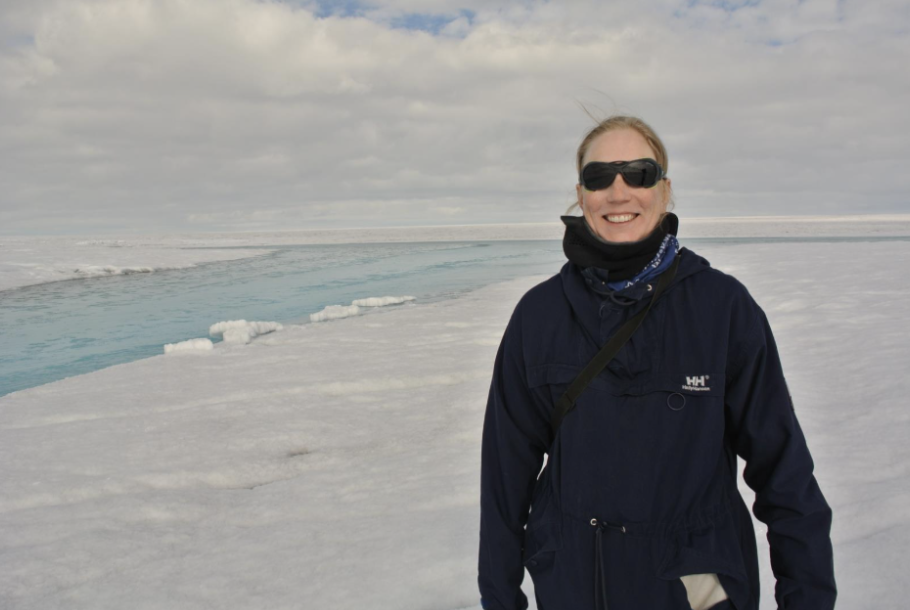
Meltwater Pools on Greenland’s Ice Are Speeding Up Melting More Than Expected
New research co-authored by RCEI affiliate Åsa Rennermalm finds that thousands of small meltwater pools on Greenland’s ice sheet absorb far more solar heat than previously detected. Using drones and satellites, the study shows these overlooked features may accelerate ice loss and sea-level rise beyond current model predictions. Read more →
| |
|
Why Energy Efficiency Alone Won’t Solve Our Climate Problems
A new study co-authored by RCEI affiliates Clinton Andrews and Rachael Shwom finds that energy efficiency alone cannot solve climate change. Reviewing over 200 studies, the research shows efficiency gains can be offset by increased energy use and may deepen inequities, underscoring the need for policies that reduce total consumption and address social and political realities. Read more →
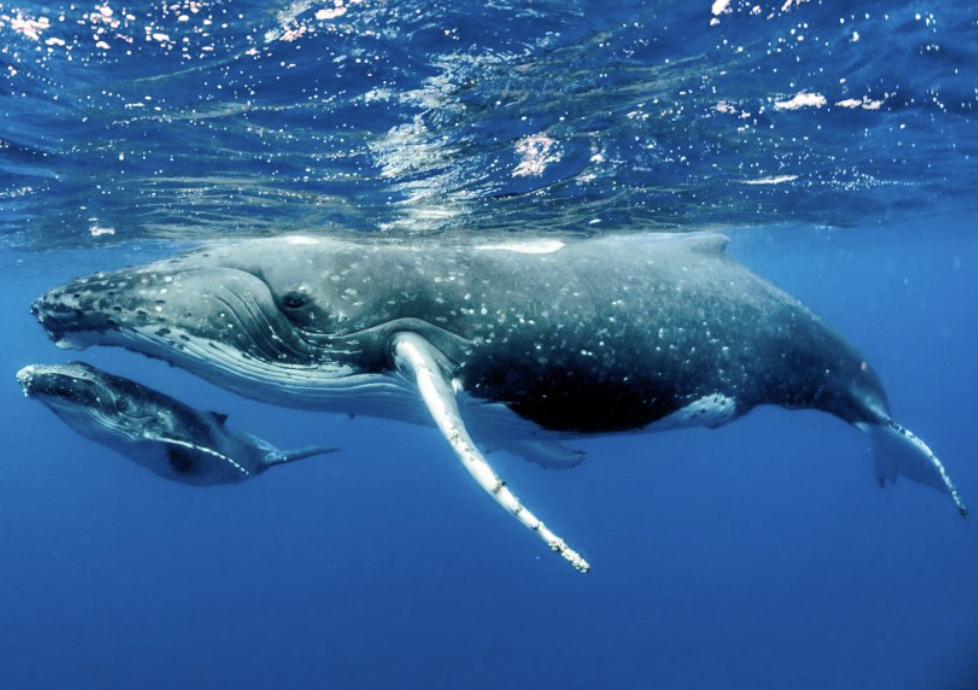
| | Can Saving Fish and Whales Help Fight Climate Change? | New research co-authored by RCEI affiliate Grace Saba shows that marine animals like fish and whales help move carbon from the ocean surface to deeper waters, where it can be stored for long periods. Protecting and restoring marine life could strengthen natural climate solutions and help slow climate change. Read more → | | |
How Puerto Rican Communities Stepped Up After Hurricane María
New research co-authored by RCEI affiliate Kevon Rhiney examines how Puerto Rican community groups stepped in after Hurricane María when government aid fell short. By centering care, cooperation, and justice, groups like PECES and Comedores Sociales built long-term, grassroots resilience rooted in local needs and collective action. Read more →
| | View all affiliate research articles here → | | Rutgers Climate and Energy Early Career Fellowships | | Rutgers Climate and Energy Fellowships provide support for early career researchers to participate in RCEI program offerings. | | From left to right: Sharanya Sahu (Master’s student, Public Policy), Md Arafat Hassan (PhD candidate, Geography), and Zeru Shi (PhD candidate, Computer Science) – Sahu is exploring AI for Community Resilience Hubs, while Hassan and Shi are developing AI tools to detect Greenland Ice Sheet melt, improving climate monitoring and sea-level rise research. Learn more → | | | | |