|
|
|
Grüner Veltliner
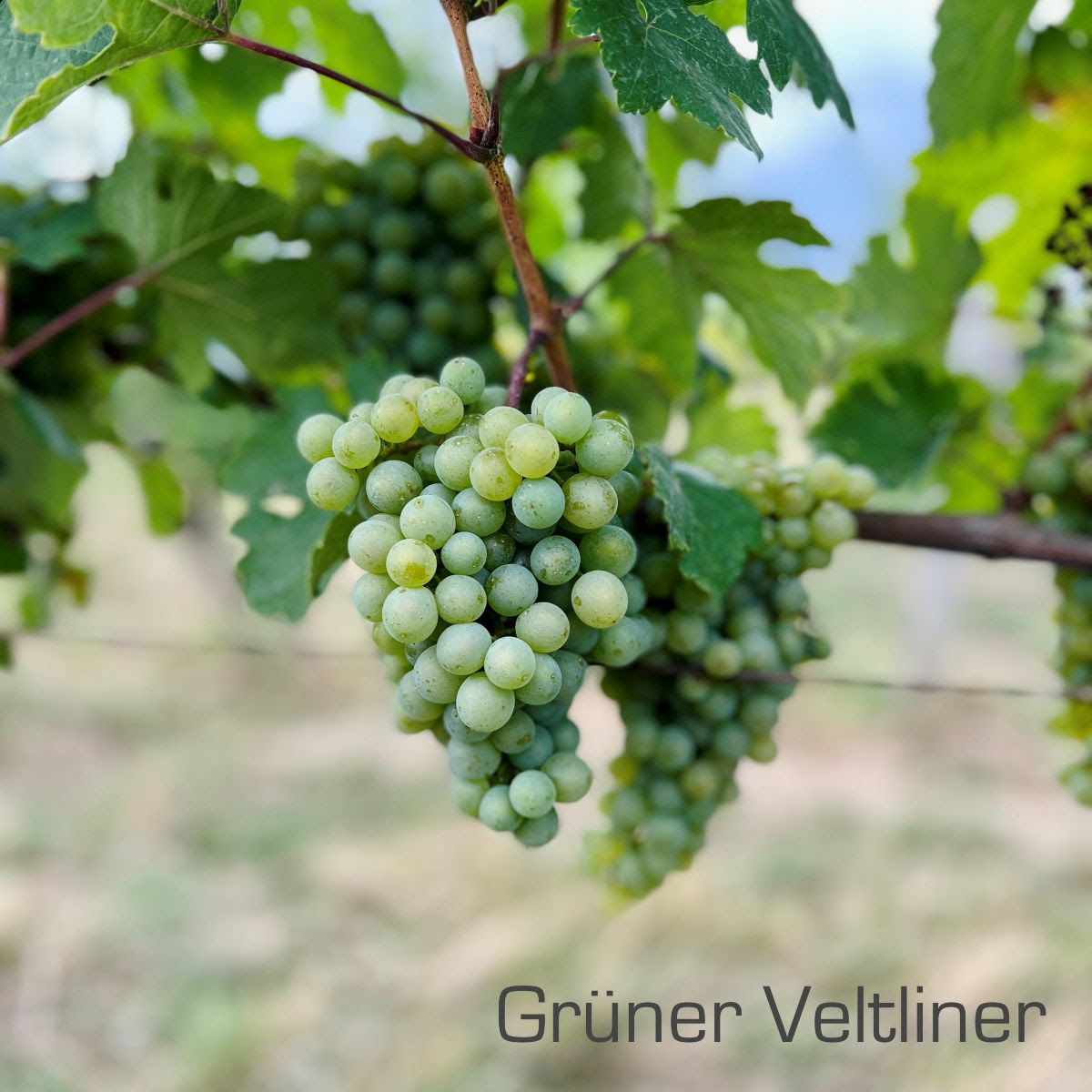
Peppery spice, fruity, usually dry. With a share of about a third of Austria’s total viticultural area, the Grüner Veltliner is the most important variety grown in Austria. The quality spectrum of the Grüner Veltliner is sweeping, extending from light, effervescent wines that are best drunk young – as “Heuriger” – to Rieden (single vineyard) wines that are rich in extracts and alcohol and thus age particularly well.
Veltlin, according to Wine Folly, was a region in Austria in the 16th century, in what is now modern-day Italy. And despite sharing the name, there is no genetic link between Grüner Veltliner grapes and any other Veltliner grapes. The Grüner variety is a product of cross-breeding the French grape, Savignin (also known as "Traminer") with a now nearly extinct Austrian grape called St. Georgener-rebe
| |
|
|
|
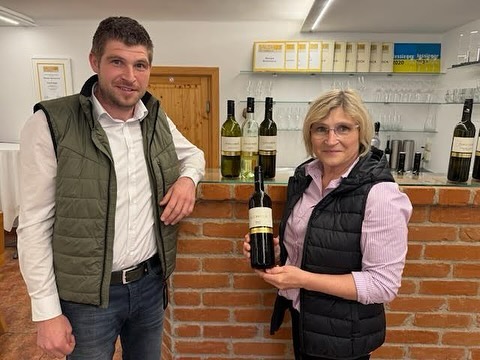
Mathias Ruttenstock
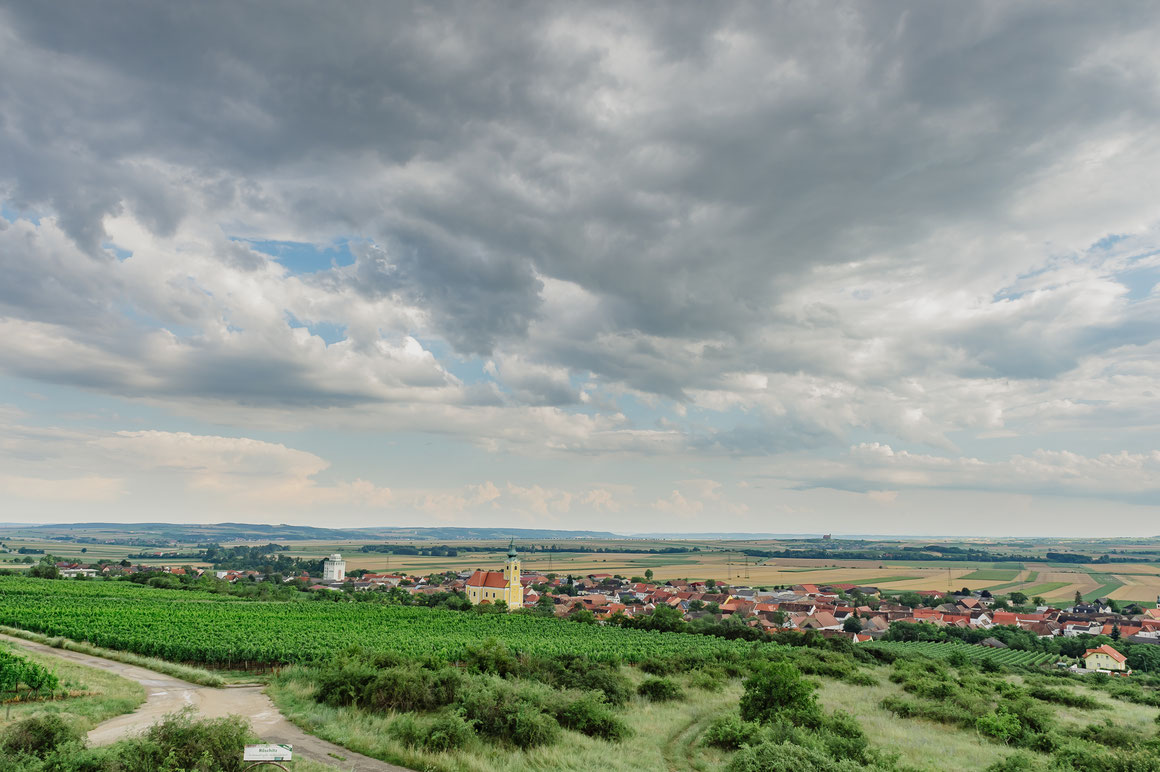
Weinviertel - Röschitz
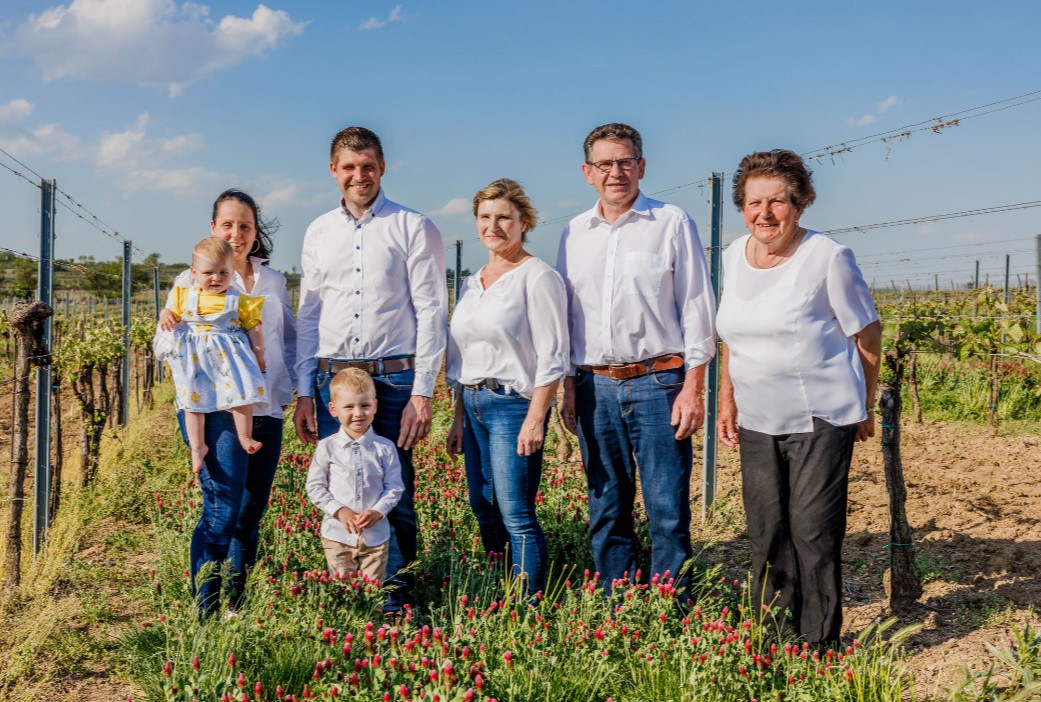
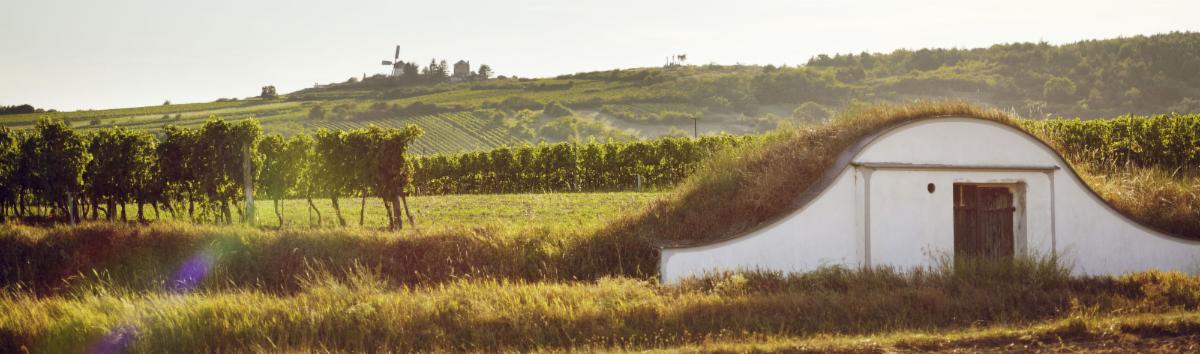
The Ruttenstock winery has been producing beautiful wines for four generations in the village Röschitz in the Weinviertel region of Austria. The Weinviertel is quite vast relative to other Austrian wine regions, it stretches from the Danube valley in the south to the Czech border in the north, and from the Manhartsberg in the west to the border of Slovakia in the east. The region is mostly known for Grüner Veltliner and was the first DAC in Austria. If the label reads Weinviertel DAC it is always 100% Grüner Veltliner. One of the great highlight of the western part of Weinviertel is the area around the historic wine-trading town of Retz, with its labyrinth of underground wine cellars.
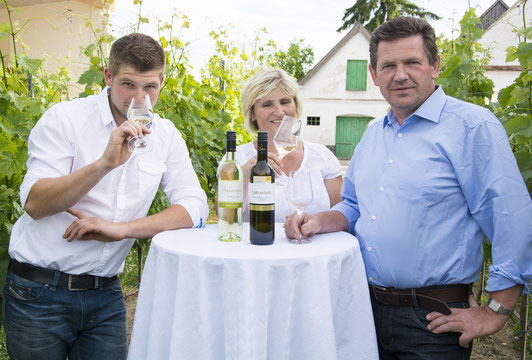
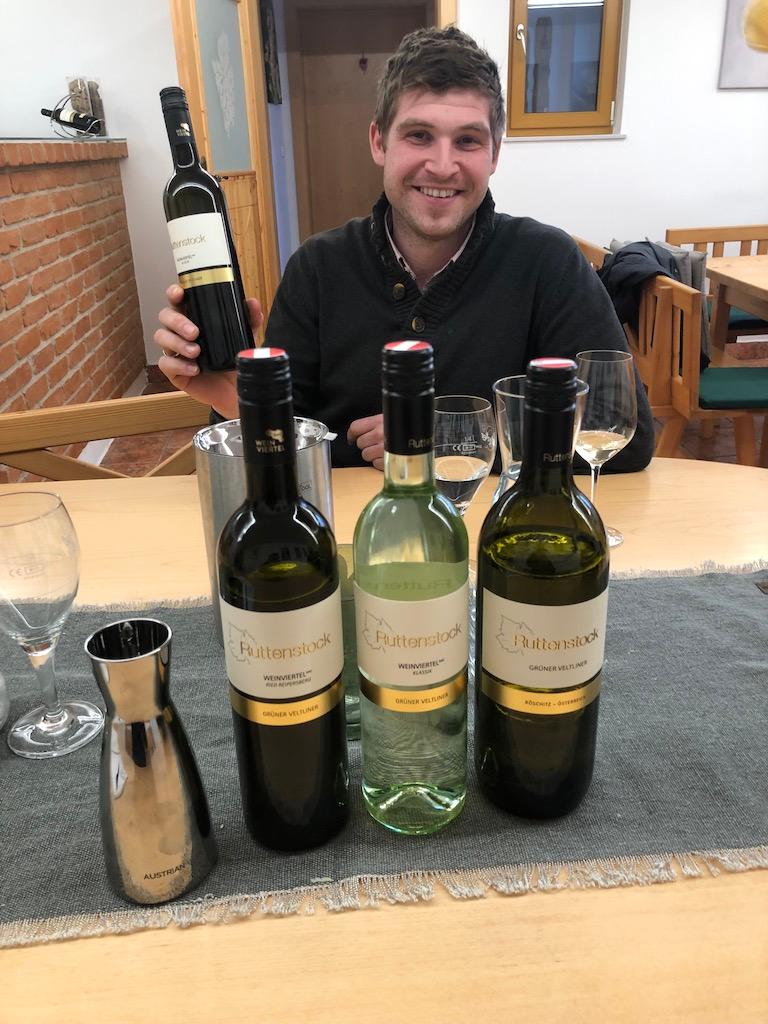
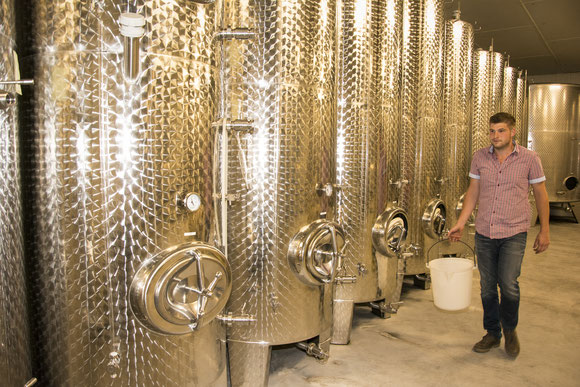
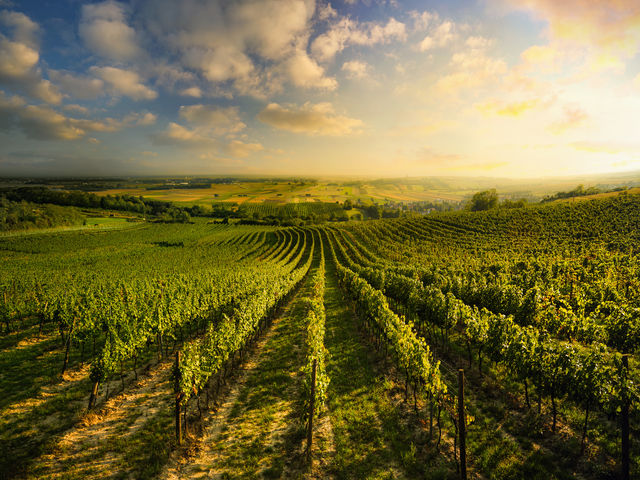
Mathias Ruttenstock is the current wine maker at Ruttenstock having taken over from his father in 2011 and now following in the footsteps of his father, grand-father and great grand-father. Mathias gained his experience not only on his families farm but by working with Anton Bauer in the Wagram as well as internships with Roman Pfaffl and Julius Klein. The Ruttenstock vineyards are located in the foothills of the "Manhartsberg" in the western Weinviertel. This terroir is comprised of primary rock and loess and this combined with sunny warm days and cool nights give great elegance to the wines both on the pallet and aromatically. The focus at Ruttenstock is sensitive and careful care in the vineyards, naturally harnessing the power of nature in a sustainable manner. No insecticides are used, only organic fertilizers with yearly new plantings of grass between the rows. "Respectful and ecological treatment with the natural resources is very important to us - this is the only way to produce elegant and fine-fruity wines." Mathias Ruttenstock. Total vineyard plantings is roughly 18 hectares (44.5 acres) of which almost 80% are planted with "Grüner Veltliner. Total production is 80,000 bottles.
| | | |
|
|
|
Weinviertel
WHERE THE "PFEFFERL" GROWS
Austria’s largest specific wine-growing region (14,001 hectares) is home to a wide range of varieties, but Grüner Veltliner clearly stands out. These wines have a strong regional character that includes a marked spicy, peppery nose. In 2003, Grüner Veltliner from the Weinviertel was the first Austrian wine to gain DAC status.
CULINARY TIP
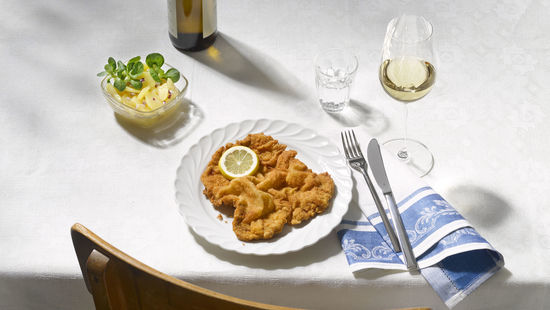
The Weinviertel DAC is an ideal wine to serve alongside many dishes from the classic Austrian repertoire – from cold cuts in the wine-tavern to pasta with ham, cheese and onions – and of course with Wiener Schnitzel. It also shines with many bistro classics and dishes with a Mediterranean twist. Reserve wines, on the other hand, will also go perfectly with sophisticated and creative dishes, as well as spicy recipes from the Asian cookbook.
check out this Weinviertel video
| | | | |
|
|
The 2023 vintage certainly put Austrian winemakers through their paces. Dry spells, challenging damp periods and, in some places, severe storms meant that a lot of painstaking work was required in the country’s vineyards. However, all the hard work was rewarded with a glorious autumn. Expressive, dense and well-balanced white wines can be expected, as well as the next brilliant red-wine vintage. Furthermore, winemakers were once again able to produce significant volumes of Eiswein.
read more......
| | |
|
|
Grüner Veltliner
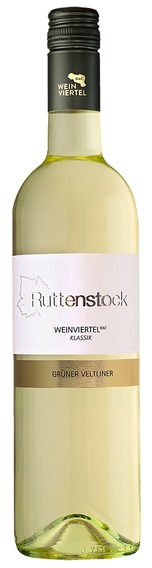
2023 Weinviertel DAC Klassik
Peppery and spicy on the nose, yellow apples.
Racy and elegant, fresh and lively, with grapefruit flavors.
The Ruttenstock Gruner Veltliner Weinviertel Klassik is a white wine made exclusively from 100% Gruner Veltliner grapes grown on 25-year-old vines. It is produced using a manual harvest method, with grapes sorted on a table and destemmed.
The fermentation takes place in stainless steel tanks, and the lees are stirred for a duration of 5 weeks.
This Gruner pairs well with cold appetizers, soup, fish, and Schnitzel. It offers a nose characterized by peppery and spicy notes, along with aromas of yellow apples. On the palate, it is described as racy, elegant, fresh, and lively, with distinct grapefruit flavors.
| | |
|
|
Grüner Veltliner
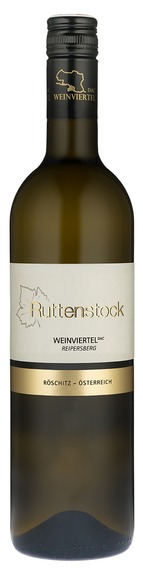
2023 Ried Reipersberg
Weinviertel DAC
From one of the older Grüner Vineyards in the Weinviertel, the Ried Reipersberg has “Urgestein” and shows wonderful complexity, minerality, fresh intense exotic scent, spic and elegance.
58 year old vines
The wine offers a touch of pear, spice and dried fruit aromas on the nose, and exotic fruit characters.
Minerality emerges from the primary rock soils, followed by an elegant and lively finish.
| | |
|
|
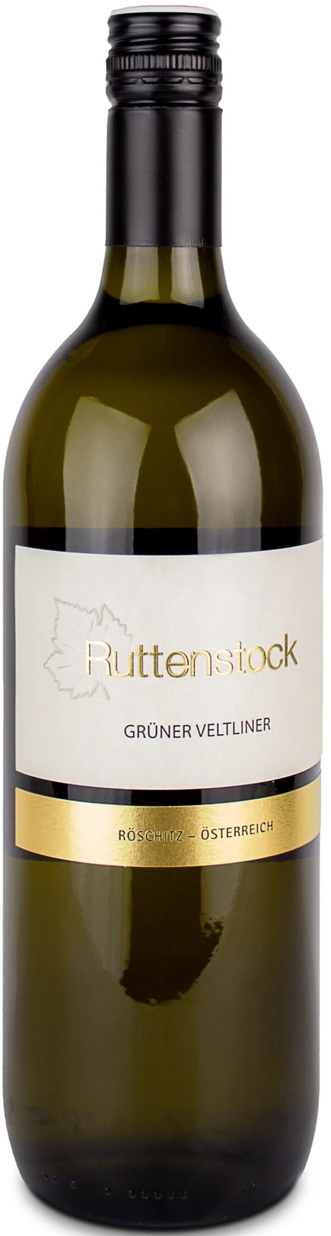
Grüner Veltliner
2023 Weinviertel - RÖSCHITZ
Almost Sauvignon Blanc-like, this Grüner has a very aromatic nose, some citrus, classic white pepper with a clean, fresh, and dry finish.
1 liter = 33% more wine
than a reg. 750ml bottle
WHAT MAKES THE WINE FROM RÖSCHITZ SO SPECIAL?
The vineyards at the transition between the Weinviertel and Waldviertel benefit from the special micro-climate with warm daytime temperatures and cool nights. The fruitiness of Röschitz wines is the result of these unique climatic conditions. This micro-climate also offers space for rich flora, fauna, and birdlife.
The deep loess soil produces fragrant, creamy, and dense Veltliner, while the primary rock soil particularly expresses the spicy, peppery, and mineral note. The Grüner Veltliner thrives on both loess and primary rock soils.
Print a Shelf Talker
| |
|
Your Passport to Austrian Wine
Austrian wine is immensely popular and a perennial favorite of sommeliers throughout the world. Austrian wines are known for their wide diversity of styles, aromas, and terroirs.
Klaus Wittauer – KWSelectionLC
703-624-6628
| |
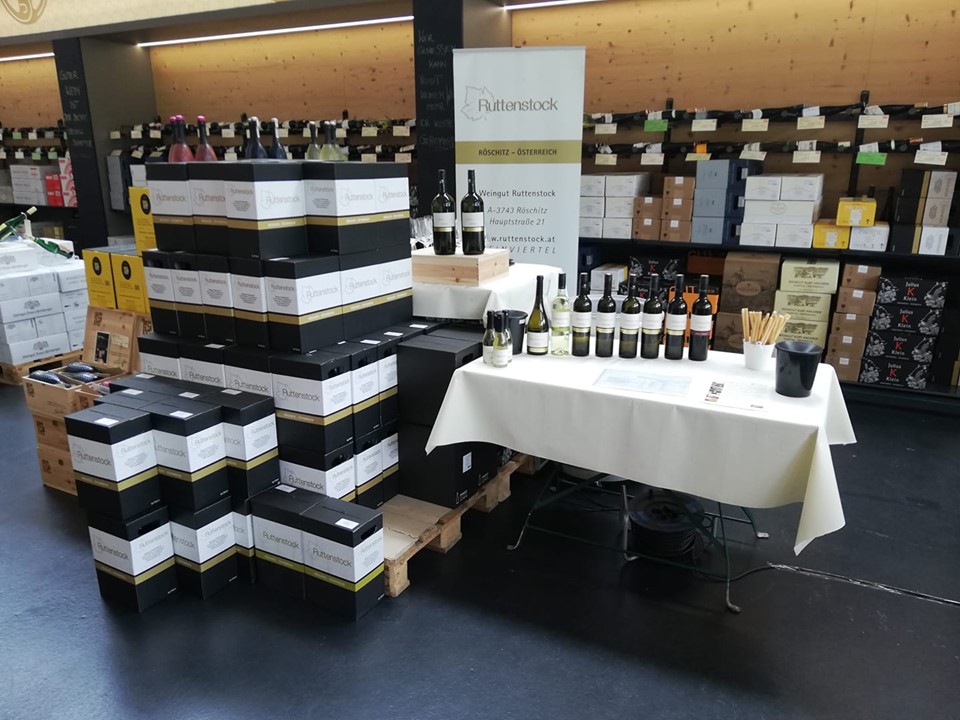
Ruttenstock National Importer - Virginia/Maryland/Washington DC | | | | |