|
The Article 6.4 Supervisory Body has adopted a new standard on suppressed demand, opening the door for more inclusive climate action in regions with limited access to basic services such as water and sanitation.
Suppressed demand refers to situations where people use very little energy or services, not because they don't need them, but because they can't afford them or the infrastructure doesn’t exist. The new standard allows climate projects that help meet these basic human needs to earn carbon credits, even if emissions would naturally rise as a result of improved access.
This approach helps ensure that people in low-income communities can benefit from climate finance, by recognising the emissions that would occur if their basic needs were met and supporting projects that meet those needs in the cleanest way possible.
The decision allows suppressed demand to be recognized in mechanism baselines to credit projects that provide essential services. These baselines reflect the expected emissions if communities had normal access to those services and enable fairer crediting for development-focused projects.
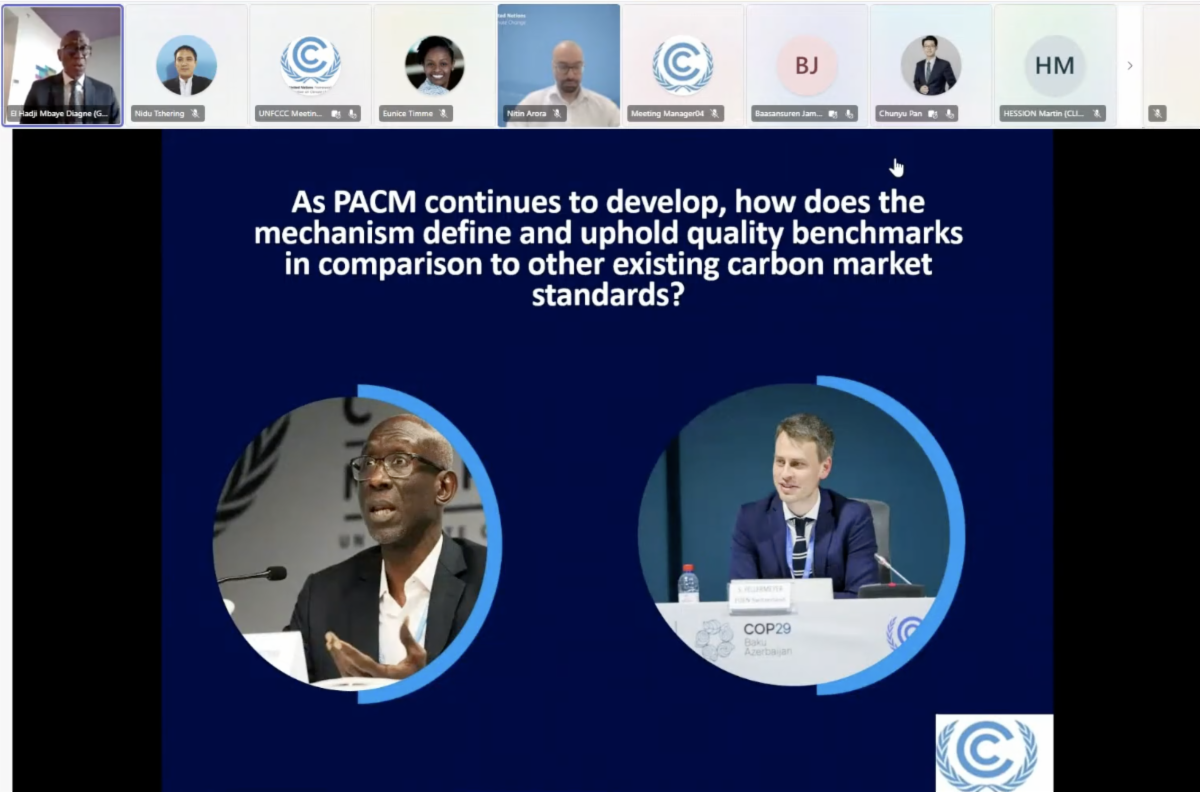
“We’ve recognized that baselines can be established with reference to basic human needs where they aren’t being met. This approach allows the mechanism to support real development benefits, particularly in communities where access is currently limited,” said Martin Hession, Chair of the Supervisory Body.
Read the full article on the outcomes of SBM017 and the meeting report on the UN Climate Change website.
|