|
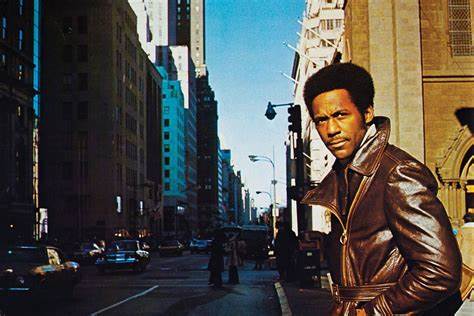
Sims said the 1971 movie was one of the first movies to be considered as part of the Blaxploitation genre and many film scholars recognize the powerful impact that Roundtree’s portrayal had on the Blaxploitation genre and young urban audiences despite the genre’s problems and limitations.
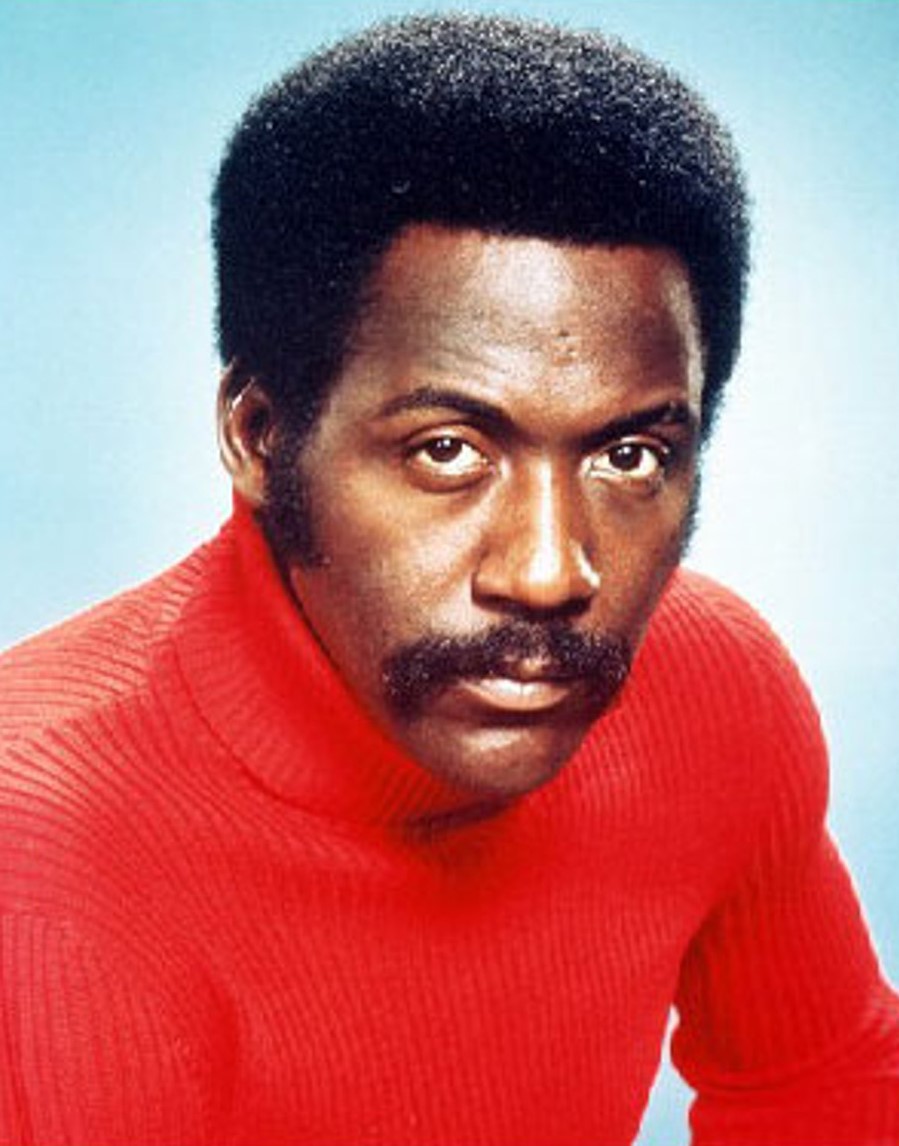
Before “Shaft,” Roundtree was an unknown male model and actor, but his portrayal of a cool detective who enjoyed the finer things in life while solving crime catapulted him into legendary status.
While Sims’ book “Women of Blaxploitation: How the Action Heroine Changed American Popular Culture” (McFarland, 2006) focuses on such actresses as Pam Grier, Tamara Dobson, Teresa Graves and Jeanne Belle, Sims said “Shaft” inspired legions of young African American audiences who wanted their own Black action hero.
But despite the film’s success and its popular soundtrack by Isaac Hayes, Roundtree did not exactly cash in since he received no residuals.
“Roundtree received a little $13,000 dollars while the movie and soundtrack went on to make millions for the studio and Hayes. Roundtree never saw any of that,” Sims said. “Can you imagine how revolutionary it would have been for Roundtree to be able to negotiate better pay for such a role that has become a staple in American popular culture?
“It is the same problem musicians face in not owning their master recordings. It creates a lack of agency for the actor and musician alike,” Sims said.
Still, the role launched his prolific career. Roundtree went on to act in two sequels, “Shaft's Big Score!” (1972) and “Shaft in Africa” (1973), and continued the character in a CBS television series (1973-74), also titled “Shaft.”
He also had roles in such popular TV series as “Roots,” “A Different World,” “Desperate Housewives,” “Heroes” “Soul Food,” “Roc,” “Lincoln Heights,” “Being Mary Jane,” and “Family Reunion” and made guest appearances in many others. His major film credits included “Earthquake” (1974), “Night Visitor” (1989), “Se7en” (1995), “Brick” (2005) and ”Speed Racer” (2008).
Decades after “Shaft” became a cultural phenomenon, the character remained so popular that John Singleton attempted an update with a new “Shaft” in 2000. A reboot directed by Tim Story came in 2019. Both films featured Roundtree reprising his original role and Samuel J. Jackson taking the lead as the younger John Shaft.
Sims said neither modern version connected the way the original “Shaft” did.
“Roundtree’s John Shaft represented a particular moment that extended beyond the film industry in 1971,” Sims said, “and a movie seeking to recapture that moment in the 21st century would have to recognize the changing sociopolitical and cultural context from 1971 to the millennia.”
Even though these versions were not as popular as the original, introducing new audiences to the character proved the enduring impact of “Shaft.”
“Now there are more opportunities as seen in the ‘Black Panther’ movies to see African American heroes and superheroes, but we are still waiting to see African American superheroines,” Sims said.
###
About South Carolina State University
Founded in 1896 as a land grant institution with a mission of providing service to the citizens of the state, South Carolina State University has evolved from a small teachers’ college into a major University center of learning and research. Located in Orangeburg, S.C., South Carolina State offers more than 50 different fields of study on the undergraduate and graduate levels. South Carolina State University is accredited by the Southern Association of Colleges and Schools and is a member of the Council of Graduate Schools.
|