If viewing on a mobile device, rotate to landscape mode.
| |
Welcome to the May 2022 SCMR Newsletter! | |
|
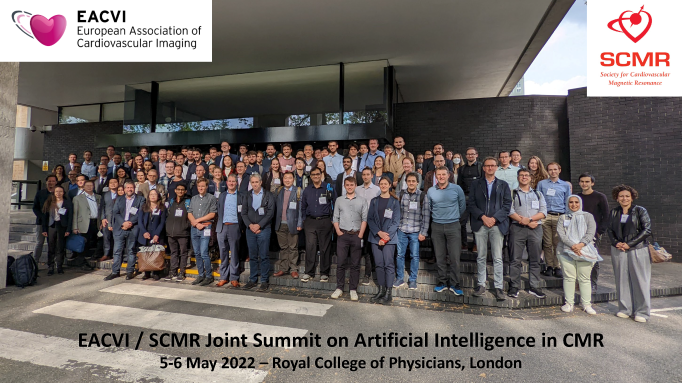
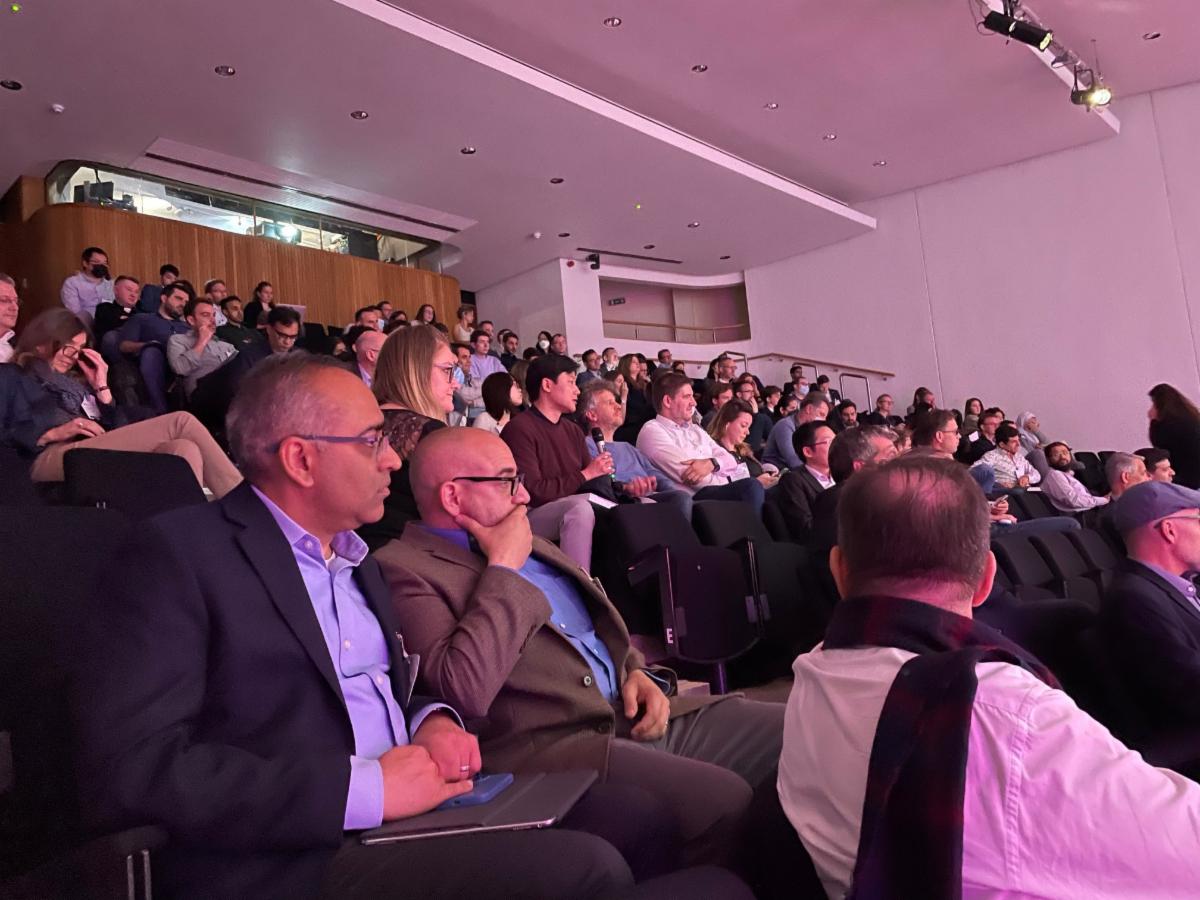
By far the best news this month was that we had our first in-person SCMR meeting in more than 2 years! It was absolutely wonderful to see so many of you at the AI in CMR Summit in London, co-organised by EACVI and SCMR. The atmosphere was truly buzzing, and delegates enjoyed not only the scientific sessions but just as much the opportunity to finally be able to meet and talk to colleagues in the flesh again. Over the next months we will be offering several in-person Level 1 courses (watch this space) and are well on the way with the planning for the 2023 Scientific Sessions in San Diego, which will primarily be an in-person meeting but with a virtual option for those who cannot travel. Other highlights this month include the introduction of Steve Leung, MD, FSCMR, as our new webmaster, who will work with our management company AMC to refresh and later completely revamp our website—welcome to the team! And finally, a huge thank you to our many volunteers who support the society in our committees and so many other functions. Without you all and your tireless commitment, there would be no SCMR—thank you, all!
Sincerely,
Sven Plein, MD, PhD
SCMR President
| |
|
To accomplish its mission to improve cardiovascular health by advancing the field of CMR, SCMR relies on a network of member volunteers who actively participate in a variety of different committees. We appreciate the work of all the SCMR volunteers to enhance the Society, offer value for our members, and promote the role of CMR in cardiovascular health globally. We recognize the 2022-2023 Committee Chairs and Vice Chairs.
| |
|
Advocacy Committee
Chair: Timothy Albert, MD, FSCMR
Vice Chair: Rafidah Abu Bakar, MB, BCh, FSCMR
U.S. Advocacy Subcommittee
Chair: Ibrahim Saeed, MD, FSCMR
Vice Chair: Robert Biederman, MD
Clinical Practice Committee
Chair: Monika Arzanauskaite, MD
Vice Chair: Robert Manka, MD, FSCMR
Clinical Trials Committee
Chair: Sujata Shanbhag, MD, MPH
Vice Chair: Chetan Shenoy, MBBS, MS
Communications Committee
Chair: Manish Motwani, MB, ChB, PhD, FSCMR
Vice Chair: John Grizzard, MD
Social Media Subcommittee
Chair: Vass Vassiliou, MBBS, PhD, FSCMR
Vice Chair: Vineeta Ojha, DM
Education Committee
Chair: Marianna Fontana, MD, PhD
Vice Chair: Ming-Yen Ng, BMBS, FSCMR
International Outreach Committee
Chair: Dudley Pennell, MD, MSCMR
Vice Chair: Lilia Sierra-Galan, MD, FSCMR
| |
|
Membership Committee
Chair: Ruud van Heeswijk, PhD, FSCMR
Vice Chair: Julio Garcia Flores, PhD, FSCMR
Publications Committee
Chair: Dipan Shah, MD
Vice Chair: Declan O'Regan, PhD
Public Relations Committee
Chair: Jennifer Jordan, PhD, MS, FSCMR
Vice Chair: Rajesh Janardhanan, MD
Registry Committee
Chair: Orlando Simonetti, PhD, MSCMR
Vice Chair: Han Kim, MD
Science Committee
Chair: Daniel Kim, PhD, FSCMR
Vice Chair: Johnathan Weinsaft, MD, FSCMR
Translation Committee
Chair: Yuchi Han, MD, FSCMR
Vice Chair: Andrea Cardona, MD, FSCMR
Verification Committee
Chair: Gaby Weissman, MD
Vice Chair: Jeremy Collins, MD
| |
Congratulations to the March 2022 Class of SCMR Fellows!
SCMR recognizes the Fellows class selected March 2022. The FSCMR designation distinguishes those with a significant level of involvement, dedication, and accomplishments consistent with the overall mission of the Society. The following FSCMR designees are recognized for their dedication to SCMR and the field of CMR:
| |
|
Maryam Alkuwari, MD, FSCMR
Bradley David Allen, MD, MS, FSCMR
Mauricio F. Barbosa, MD, PhD, FSCMR
Aurelian Bustin, PhD, FSCMR
Francisco Contijoch, PhD, FSCMR
Patrycja Galazka, MD, FSCMR
Thu-Thao Le, PhD, FSCMR
Simon Lee, MD, FSCMR
| |
|
Ting Liu, MD, PhD, FSCMR
Matthijs F. Mejis, MD, FACC, FSCMR
Christopher Nguyen, PhD, FSCMR
Markus Renno, MD, MPH, FSCMR
Sachin Saboo, MD, FSCMR
Tarinee Tangcharoen, MD, FSCMR
Thomas Treibel, PhD, BA, FSCMR
| |
The final 2022 deadline for the FSCMR program is 1 September. All applicants must be Regular or Technologist members of SCMR in good standing for the past 3 consecutive years with a distinguished record of CMR science, education, or clinical practice. Learn more about FSCMR benefits and the application process. | |
Recognizing Your Hard Work and Dedication to the CMR Field
The FSCMR designation provides a way for physicians, scientists, and technologists to be recognized for their dedication to SCMR and the field of CMR. FSCMR designation distinguishes those with a significant level of involvement, dedication, and accomplishments consistent with the overall mission of the Society. Benefits of FSCMR designation include entitlement to use the FSCMR credential, a credential certificate for your documentation, recognition in the SCMR Newsletter and website, inclusion in the forthcoming Patient Information Portal, recognition on name badges and Final Program at SCMR meetings, FSCMR lapel pin, and formal recognition at SCMR’s Annual Business Meeting. New for 2022, FSCMR designees will also receive preferred consideration for premier volunteer opportunities (writer or reviewer) for position statements and guidelines published by SCMR and partner societies. Learn more about eligibility criteria and how to apply!
| |
SCMR Appoints New Webmaster | |
|
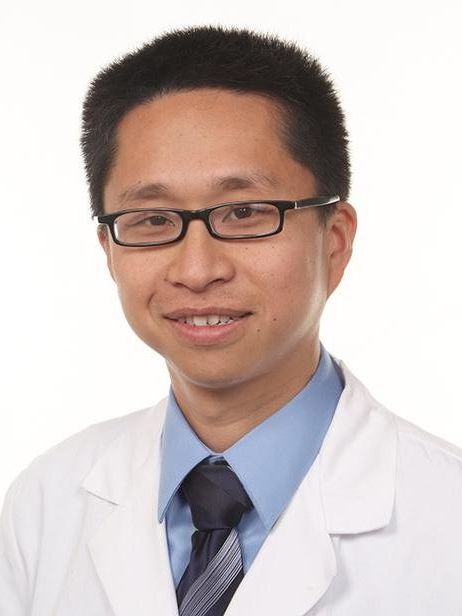
It is with great honor that I will serve as the webmaster for SCMR. I have been involved with SCMR ever since I was an imaging fellow, when Dr. James Moon created the original Online Introductory Course for CMR. Since then, I have enjoyed every aspect of creating content for the website as part of the Web Committee (now Communications Committee), the Education Committee, and the Public Relations Committee. With this new opportunity, I look forward to working with the board members, the committees, and the special interest groups to help revitalize the scmr.org and heartmri.org websites. Our goal is to ensure that we have useful, up-to-date, and accurate information readily available for our users. In the next year, we will be working on a redesign of the website to improve functionality and ease of use. We want to make scmr.org the go-to site for anyone (e.g., SCMR members, trainees, referring providers, patients) interested in anything related to cardiovascular magnetic resonance imaging!
Best,
Steve W. Leung, MD, FSCMR
SCMR Webmaster
| |
|
Help SCMR Translate Critical CMR Publications
| |
|
Thank you to the members of the SCMR Translation Committee for all their efforts translating selected critical publications to extend their global reach in the field of CMR. Visitors can view translated articles by publication title or click on one of the following languages to view papers translated into a specific language: Italian, Japanese, Korean, Persian, Portuguese, Romanian, Simplified Chinese, Spanish, and Turkish.
In addition to these translated publication papers, the Translations Committee has also made contributions to the translation of several presentations from the SCMR "How I Do..." educational series. This series breaks down step-by-step how CMR experts perform a specific CMR protocol. Visit the "How I Do..." series webpage to learn more.
SCMR is looking for volunteers to translate publications. In order to engage CMR professionals around the world, the Society is working to ensure that the necessary education is available in languages other than English. If you are a fluent or near-fluent member capable of providing clinical-level translations, please submit the interest form. There is no deadline for applying. Applications will be reviewed year-round.
| |
SCMR Call to Action—Act by 1 June! | |
|
Dear U.S. Members of SCMR,
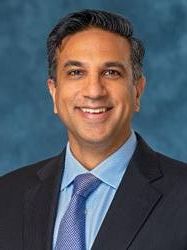
As Chair of the SCMR’s U.S. Advocacy Group, I’m reaching out with a crucial appeal to support our initiative for appropriate reimbursement for CMR. We all know CMR is special, but as a society we need to be on equal terms with other forms of cardiovascular imaging.
After serving three years in the American Medical Association (AMA) Specialty and Service Society (SSS) Caucus, SCMR will, for the first time in the history of SCMR, be eligible to join the AMA House of Delegates (HOD). Earning a seat at the AMA HOD places us on equal footing with other societies such as the American College of Radiology, American College of Cardiology, American Society of Echocardiography, and the American Society of Nuclear Cardiology.
But to do that, we have to demonstrate a large percentage of our U.S. Members are AMA members.
Our deadline is 1 June.
And here is our chance, finally!
So here is the ask!
-
If you need to renew or join AMA, please click here.
-
Complete the SCMR survey to validate your status by clicking here.
Fellows and Residents, please join! You are critical in this process as well.
Once SCMR is seated in the HOD (June 2023), we will be asked to identify a physician to serve on the AMA CPT Advisory Committee and the AMA RUC Advisory Committee. CPT Advisors give advice on procedure coding and appropriate nomenclature as relevant to the member's specialty, by providing documentation on the medical appropriateness of various medical and surgical procedures under consideration for inclusion in the CPT code set. RUC Advisors assist the AMA RUC in developing recommendations to CMS on the relative values to be assigned to new or revised CPT codes performed by the specialty’s physicians. RUC Advisors represent the specialty by generating relative value recommendations using a survey method developed by the RUC and presenting relative value recommendations to the full RUC.
We are counting on YOU to sign up to be an AMA member by May 31. This initiative is crucial to ensuring the future health and competitiveness of CMR as a modality and to your future as a CMR practitioner, so please respond positively.
Magnetically Yours,
Ibrahim M. Saeed, MD, FACC, FSCMR
Chair, U.S. Advocacy, SCMR and Your Loyal Servant
| |
AI in CMR Summit a Success | |
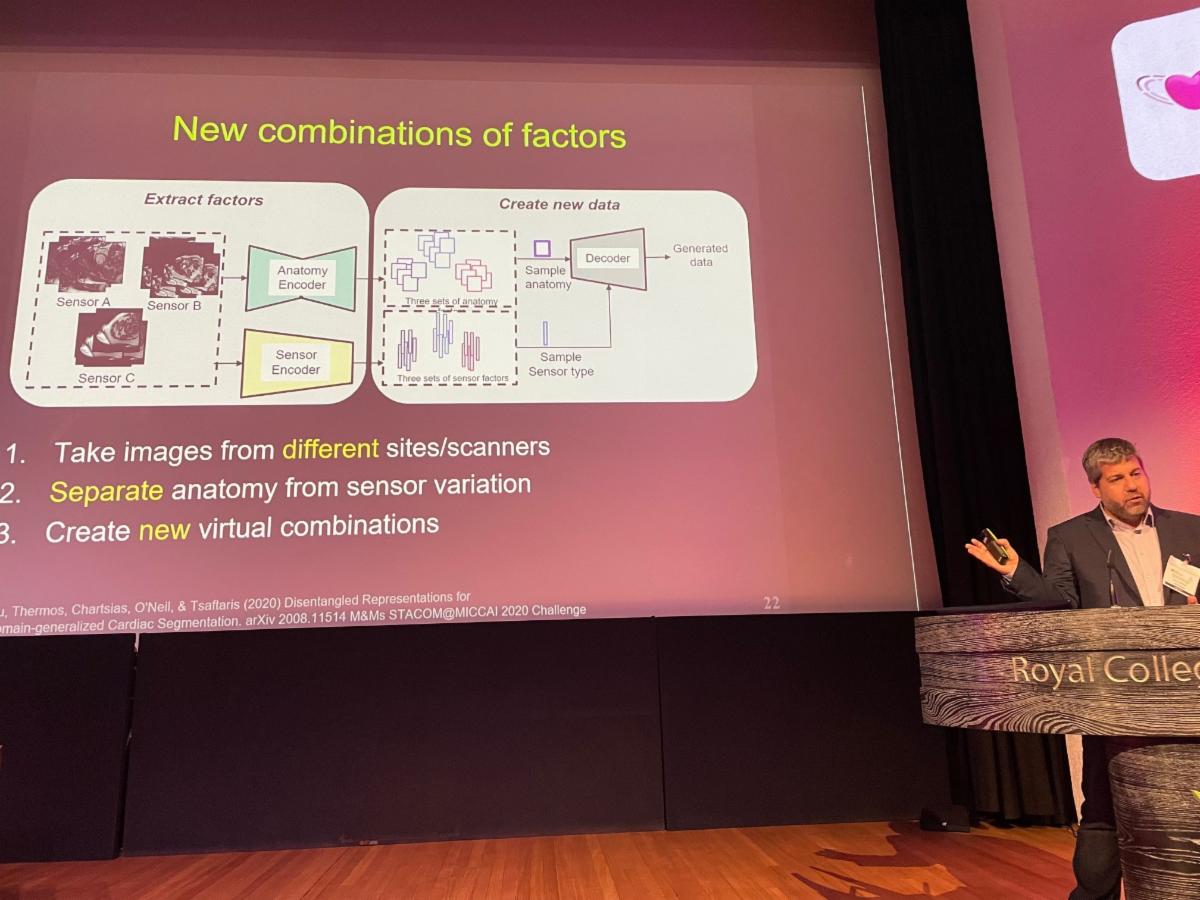
Artificial Intelligence in Cardiovascular Magnetic Resonance Imaging—A Joint Summit of the EACVI and SCMR
| |
The first summit of AI in CMR was held in London 5 - 6 May 2022. The 2-day workshop was held as a face-to-face meeting and was a very successful collaboration between the SCMR and the EACVI. Indeed, AI is a important growing field in CMR, allowing to accelerating acquisitions, automating postprocessing, and reporting. The workshop offered the opportunity for different actors, such as engineers, physicians, and companies, to interact and meet and discuss the cutting-edge developments in this field. It was an inaugural approach for such a summit and given its success we hope to continue this collaboration or organize further AI-based events. We would like to particularly thank the EACVI and SCMR organizing committee for organizing this successful meeting. | |
Updated Reporting Guidelines | |
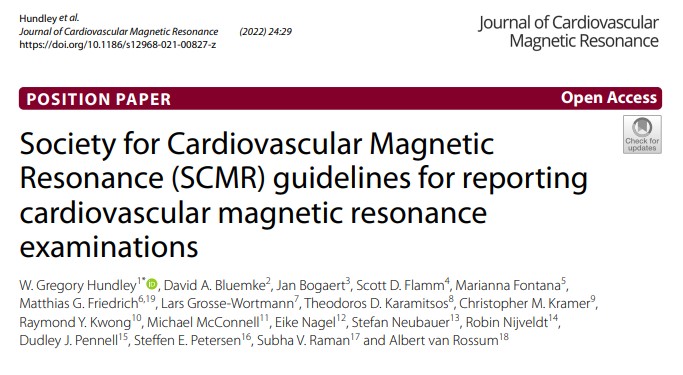
Society for Cardiovascular Magnetic Resonance (SCMR) guidelines for reporting cardiovascular magnetic resonance examinations
SCMR is releasing a revision of reporting standards for cardiovascular magnetic resonance studies. This update was accomplished by CMR providers representing multiple disciplines and countries. The document reflects time-dependent changes that occurred across the field in both technique and disease specific protocols relative to the release of the prior reporting document in 2009. New to the document are a series of tables that enable readers to rapidly identify critical elements to report relative to the use of CMR in the evaluation of cardiovascular disease.
| |
|
Save the Date for SCMR 26th Annual Scientific Sessions
25 - 28 January 2023
Sheraton San Diego Hotel & Marina
San Diego, CA, USA
Hear from experts in the field, learn the latest in CMR, and network with colleagues around the world at this premier event for CMR professionals! Featuring scientific sessions and hands-on case sessions on various topics like coronary artery disease, cardiac masses, CMR in cardio-oncology, vascular imaging, and multi-modality imaging in valvular heart disease.
Registration and lodging Information coming soon!
| |
João Cavalcante, MD, FSCMR
Program Chair
| |
Jadranka Stojanovska,
MD, MSc, FSCMR
Program Vice Chair
| |
Tobias Schaeffter, PhD
Science Chair
| |
CMR in Mumbai, India—a Personal Ambition and Journey
In the 1980s, WHO lauded cardiovascular disease as one of the leading causes of mortality. The 1980s was also when I returned to India having finished a cardiac MRI fellowship under the guidance of Professor Charles Higgins at University of California San Francisco. In 1988-1989, I had the opportunity to start a CMR service in Mumbai, the first of its kind, at the Breach Candy Hospital. As is common in healthcare systems, any change, even a change for the better, is met with its own tribulations, but I continued to pursue my ambition with additional support and kind mentorship from several US colleagues at Cleveland Clinic, Texas Heart Institute, National Institutes of Health (NIH), and Northwestern University. Each helped me hone skills, better understand clinician needs from imaging, and helped bring immense joy to my work. By the 2000s, CMR had vertical growth not only in Mumbai but in all major Indian cities, driven by increased recognition of its capability for highly detailed non-invasive evaluation for multiple cardiac diseases. Due to this welcome change in the clinical sector and substantially increased volume of referrals, we gained the necessary platform for a cardiac imaging training programme in CMR for both cardiology and radiology fellows. My next challenge is to advocate for integration of CMR into the postgraduate syllabus in our medical schools. In India, where 25% of mortalities are still accounted for by cardiovascular disease, we hope CMR becomes the standard-of-care and universally available in the near future. JAI HIND!
Om Tavri, MD, DMRE, FICR
Professor of Radiology, University Of Mumbai, India
Chief Radiologist, Asian Heart Institute, Mumbai, India
| |
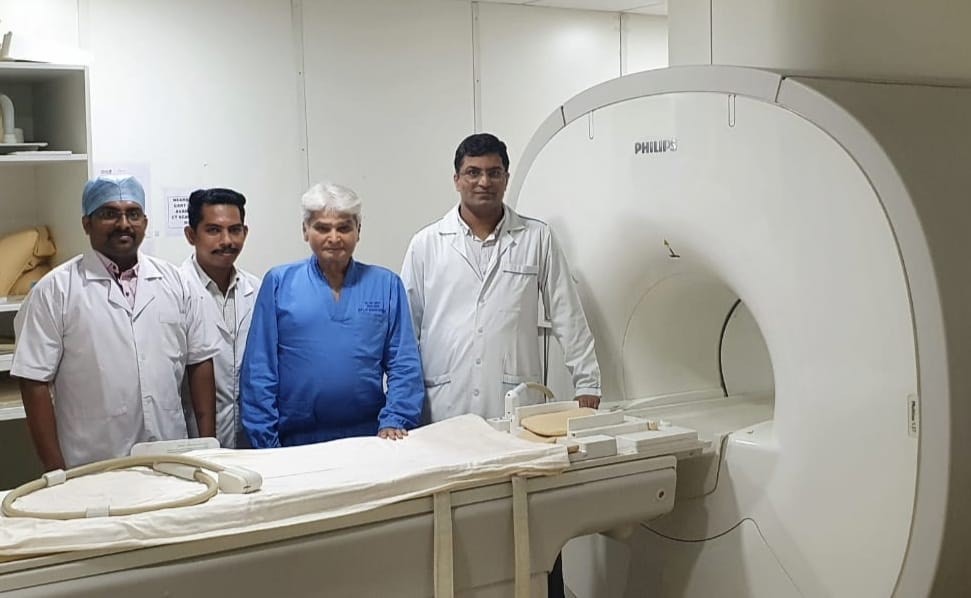
Professor Om Tavri (center, blue), Dr. Ganesh Bahate (right), and their technologist team (Sagar Bait and Sumit Pokle) at Asian Heart Institute, Mumbai, India | |
Congenital Heart Disease Corner | |
Tetralogy of Fallot
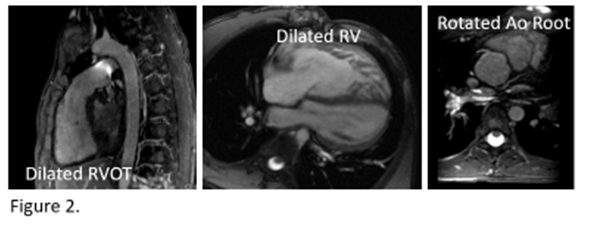
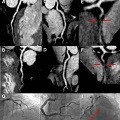
This month we focus on Tetralogy of Fallot. CMR is very commonly used for evaluation of the most common cyanotic heart defect which consists of 1) pulmonary stenosis, 2) conoventricular VSD, 3) overriding aorta, and 4) right ventricular hypertrophy (Figure 1). The degree of RV outflow tract obstruction varies and governs the degree of cyanosis. There is clockwise rotation of the aortic root with 5% of patients having coronary artery anomalies including LAD from RCA (3%) or dual LADs (1.8%), which guide surgical intervention. A right aortic arch is present in 25% of cases. Depending on the specific anatomy, the surgical repair is typically performed at 3-4 months of age and includes VSD closure and may involve a transannular patch or an RV to PA conduit. Although CMR is rarely used in preoperative assessment (excluding TOF with pulmonary atresia), it is the gold standard imaging modality for postoperative assessment in these patients who are often left with a significant degree of pulmonary regurgitation. #WhyCMR provides unrestricted views of the right ventricular outflow tract, pulmonary arteries, quantification of the degree of pulmonary regurgitation, relative pulmonary artery flow, RV volumetric and functional assessment, RV:LV volume ratio and assessment of myocardial fibrosis (Figure 2). Ideal timing for pulmonary valve replacement remains unclear but should be considered when RVEDVi>160ml/m2, RVESVi>80ml/m2, RV:LVEDV>2 (Stout et al., 2018).
| 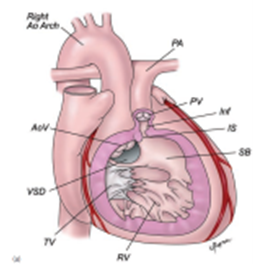 | |
Figure 1. demonstrating components of TOF from textbook Lai et al., Echocardiography in Pediatric and Congenital Heart Disease, West Sussex, Wiley, 2009. | |
|
Kanwal Farooqi, MD
Department of Pediatrics
Columbia University, New York, United States
| |
|
Arrhythmia Imaging
Scanning patients with arrhythmia is always a challenge. There are different reasons why the patient’s heart rate is irregular, but it usually means the images are messy. There are several ways we can around imaging irregular heart rates: using the arrhythmia rejection programs on the scanners, using prospective triggering instead of retrospective triggering: or using real-time sequences.
To use the arrhythmia rejection sequences on a Siemens scanner, you can choose to correct the arrhythmia by using the select by time option. This allows the operator to choose the average R-R time, and the scanner only uses the information acquired when the R-R is within the selected time.
To acquire prospective imaging on a Siemens scanner, you go onto the physio page and change your ECG option from retro trigger to prospective trigger. This allows the operator to select the R-R window (similar to the arrhythmia rejection option); however, the scanner only scans during the preselected time. This may lead to you missing part of the cardiac cycle and diastole.
Real-time imaging has made significant advancements lately. The image resolution can be compared to a regular cine image, and the real-time sequence will often show up to 10 heartbeats in the cine loop, allowing the clinician to make their diagnoses.
The operator might have to try several options before, but one tip I was told is always includes a traditional cine so that the clinician can see why you have chosen that option. Perhaps, if you are lucky, the patient will have a regular, irregular heartbeat, and you can work around it.
| |
The SCMR Introductory Course in CMR (2021 Update) | |
Participate in the 2021 revision of the SCMR Introductory course in CMR. This course is designed to cover theory, knowledge, and some of the skills required for core training in CMR. The course takes approximately 10 hours to complete and is split into 15 topics. There is a strong interactive component, with questions at the end of each topic, as well as lots of case reviews along the way.
The course is not designed to replicate the practical aspects of scan acquisition and live reporting that can only be gained from working in a CMR department. The course will, however, provide you with 10 hours of theoretical and case-based learning and contribute 30 online cases toward your level I, II, or III certificate.
If you are enrolled in the course via SCMR, a certificate will be provided at the end. Nonmembers will need to sign up as a guest to complete. Registration is free to SCMR members and $100 for nonmembers. To learn more about becoming an SCMR member, visit the SCMR membership page.
SCMR also provides a listing of other upcoming introductory courses and fellowship opportunities at scmr.org. Be sure to check out future training opportunities at https://scmr.org/page/IntroTraining.
| |
SCMR China Webinar Series | |
Join us for the first ever SCMR Chinese-language cardiac magnetic resonance imaging (CMR) educational webinar series covering the basic CMR topics. The series is aimed at those starting to develop their skills in CMR and will cover late gadolinium enhancement, volumes, perfusion imaging in ischemic heart disease, cardiomyopathies and flow measurements/valves. | |
|
Perfusion Imaging & Ischemic Heart Disease
7 June 2022
Online
| |
Webinar generously sponsored by Siemens Healthineers. | |
|
Flow and Valves
21 June 2022
Online
| |
Cardiomyopathies
12 July 2022
Online
| |
|
Volumes
20 July 2022
Online
| |
Online Educational Opportunities | |
|
The simulation based training course at IMMAST includes intensive hands-on practice in state-of-the-art lab environment, under personal supervision of eminent national & international faculty. Participants shall be assessed for the knowledge and skills acquired, at the end of the course.
Post training, candidates will maintain a record (indication, diagnosis, complications) of CMR examinations performed on in their practice for next 6 months and will submit it to IMMAST.
| |
|
June
COURSE OF IMAGE, TECHNOLOGY AND INTERVENTIONAL CARDIOLOGY (CITIC)
29 June - 1 July 2022
Mexico City
This course is intended to bring the doctor involved in cardiovascular imaging and technology closer to scientific and technological innovations, as well as the most important advances in cardiovascular medicine. Attendees will have the opportunity to learn not only with sessions with the experts but through simulators and hands on experiences so that they can immediately apply the knowledge acquired in their daily practice.
| |
|
September
HOUSTON METHODIST CMR WORKSHOP - A WEEKLONG HANDS-ON WORKSHOP
12 - 16 September 2022
Houston, TX, USA
This program emphasizes the development of practical skills and knowledge, therefore it is limited to small groups in order to better facilitate lectures and hands-on experiences. Designed for cardiologists, radiologists and technologists interested in gaining exposure to CMR, attendees can expect to review up to 50 clinical CMR cases during the workshop.
| |
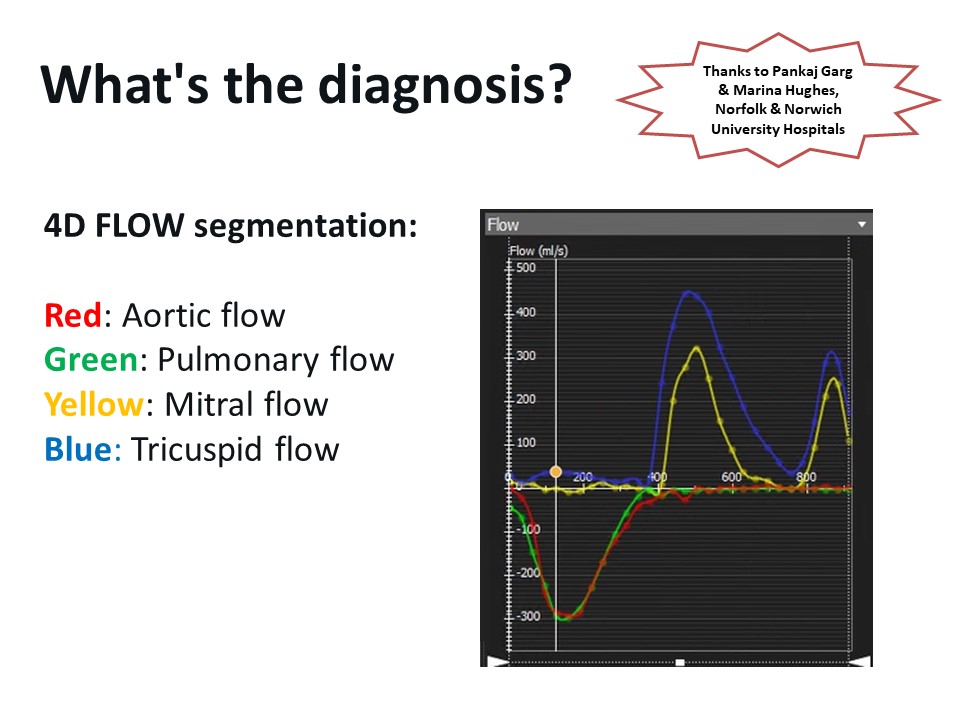
4D Flow for Pediatric Congenital Heart Disease: Clinical Use and Future Directions Webinar Recording | |
|
4D Flow for Pediatric Congenital Heart Disease: Clinical Use and Future Directions Webinar Recording
On Demand
Moderated by: Dr. Sujatha Buddhe, Seattle Children's Hospital, USA; Dr. Simon Lee, Nationwide Children's Hospital, USA; and Dr. LaDonna Malone, Children's Hospital Colorado, USA
Speakers: Dr. Ali Syed, Stanford, USA, and Dr. Reena Ghosh, The Children's Hospital of Philadelphia, USA
Panelists: Dr. Shreyas Vasanawala, Stanford, USA, and Dr. Mark Fogel, Children's Hospital of Philadelphia, USA
| |
|
SCMR’s one-hour webinar, recorded on18 May 2022, is now available for on-demand access!
Learn how to implement clinical use of 4D flow phase contrast imaging and how it will aid in evaluating pediatric congenital heart disease. Our expert speakers and panelists will help you better understand how to apply 4D flow in pediatric congenital heart disease, replace previous 2D phase contrast methods, and maintain image quality and validity of data to guide clinical management.
This webinar recording qualifies for CME credit and is free to SCMR members and nonmembers! This is the first of three webinars by SCMR's Peds/CHD subcommittee that will offer CME credit.
| |
22-05: COVID-19 Vaccine-Related Myocarditis | |
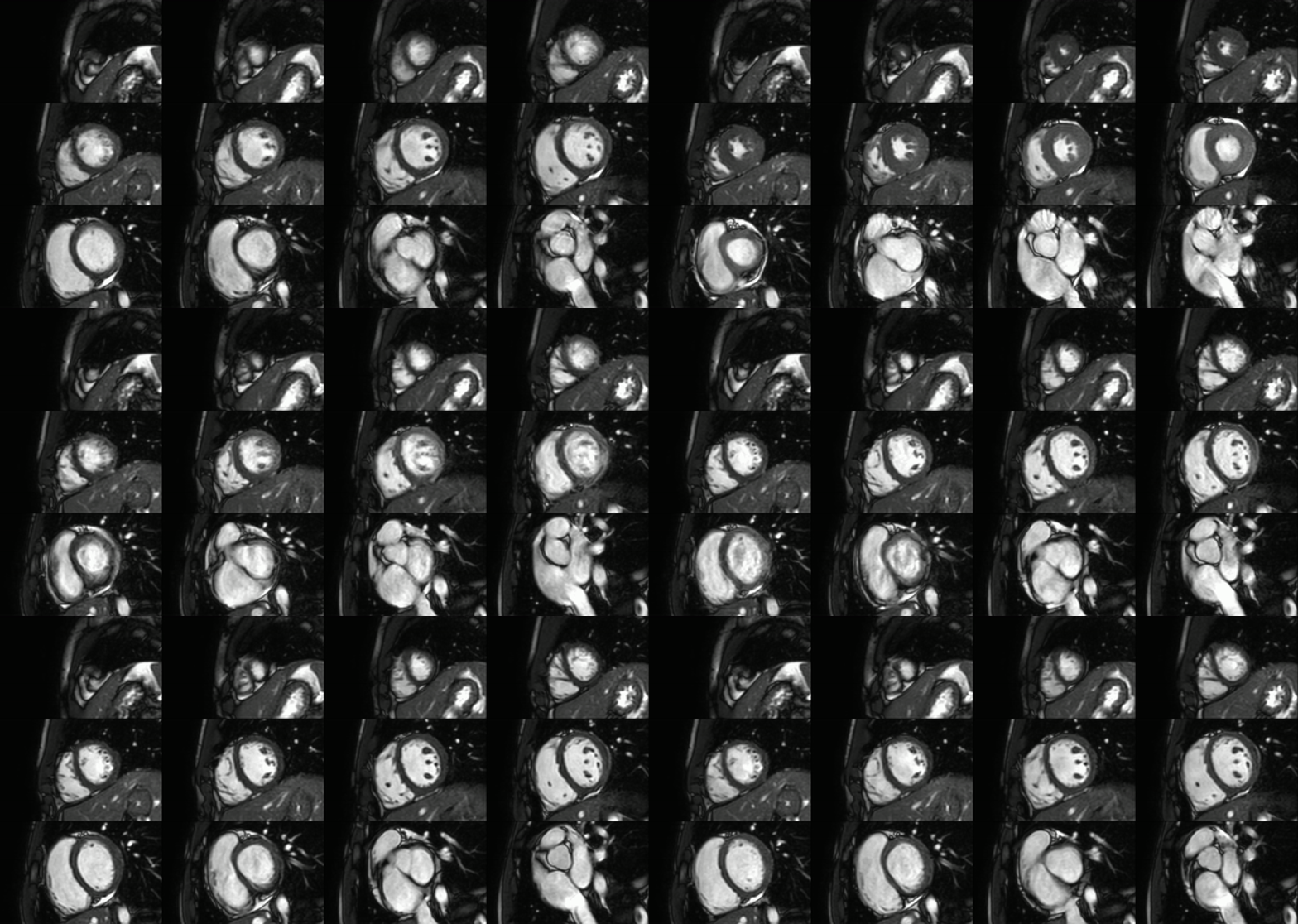
A 16-year-old male presented to our institution for CMR 6 months after an episode of COVID-19 vaccine-related myocarditis (CVAM). He had previously been admitted to an outside hospital with mid-sternal chest pain three days after the second dose of Pfizer-BioNTech COVID-19 vaccine. There was no associated fever, shortness of breath, palpitations, or dizziness. Laboratory work-up revealed elevated inflammatory markers and troponin I level (peak = 9.78 ng/ml, normal value ≤0.08 ng/ml). The work-up was negative for other infectious, rheumatologic and toxicologic etiologies. There was no evidence of other end-organ damage. ECG showed ST segment elevations in precordial leads V4-V6, and no arrhythmias. | |
Video 1: Short-axis SSFP cine demonstrating normal left and right ventricular size and global systolic function. No regional wall motion abnormalities noted. | |
Sylvia Chen, MBBS
Editor
Cases of SCMR
| |  |
Jason N. Johnson, MD, MHS
Deputy Editor
Cases of SCMR
| | |
|
SCMR is looking for interesting CMR cases for publication on Cases of SCMR. We are particularly interested in cases where CMR was essential in diagnosis and management. Submission of multi-imaging modality cases are encouraged.
Submitted cases will be peer-reviewed by the web committee before acceptance and can be listed as a peer reviewed web publication on CVs. Cases published or under consideration for publication elsewhere or that have been previously presented at SCMR Scientific Sessions will not be accepted.
| | |
|
What Caught Our Cardiac MR Eyes This Month?
by Manish Motwani, Newsletter Editor
Twitter-based #WhyCMR journal watch 📚⌚- join the online discussion!
1. INCAPS2: cardiac imaging strikes back after COVID peaks! 🌎🦠💥📸
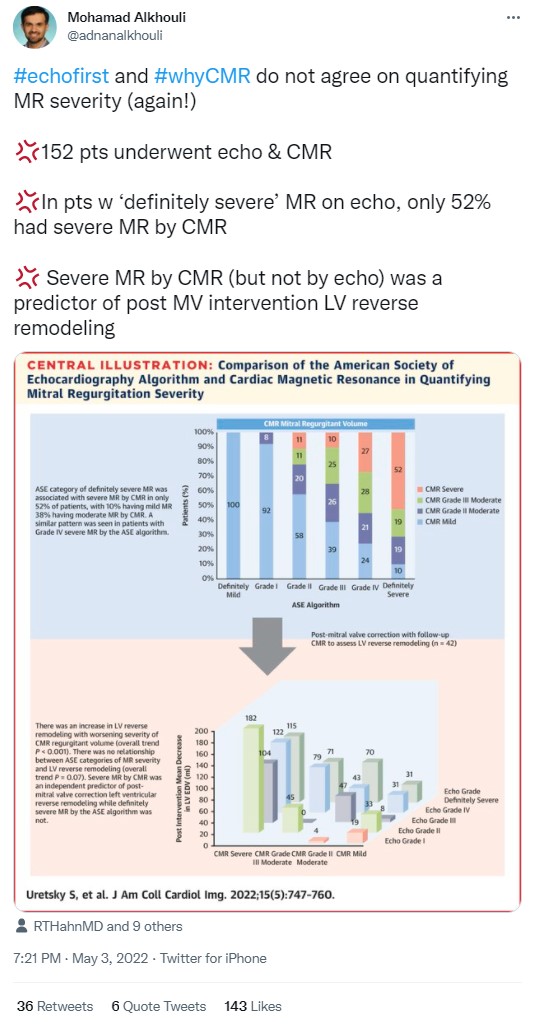
2. Family feuds: echo & CMR disagree on mitral regurgitation severity 🥊👨👨👧👦💧
3. Relax man! CMR for diastology assessment 🆒 ☺💓
4. CMR for MINOCA – high yield for Trop>211 & <2weeks 🧲🕗
5. New equation: CMR + genotype = better risk stratification for DCM 🧲🧬📈
6. Sugar heart: more fibrosis & higher ECV in poorly controlled diabetes 🍩💚💙💔
7. Myocardial entropy: new measure of tissue heterogeneity & arrhythmia risk 🖤🤍🎯
| |
|
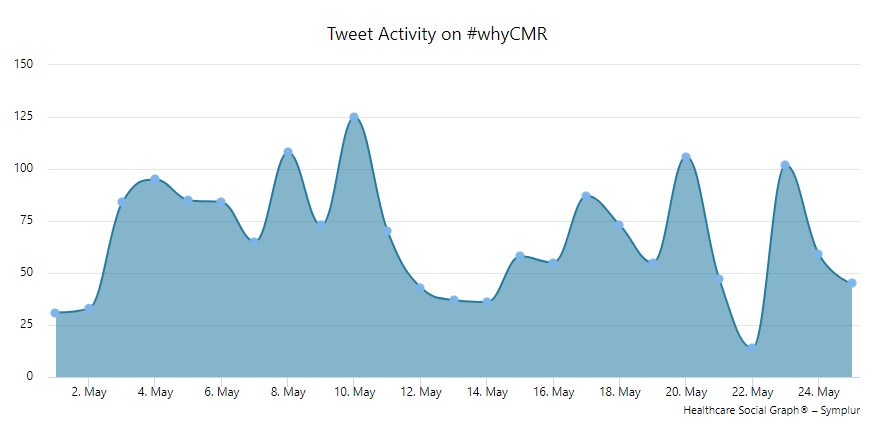
1 May to
25 May 2022
#WhyCMR Activity
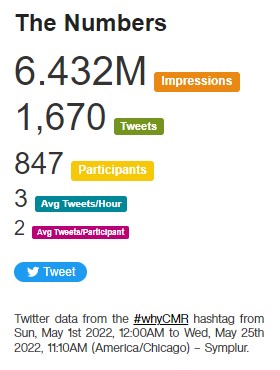
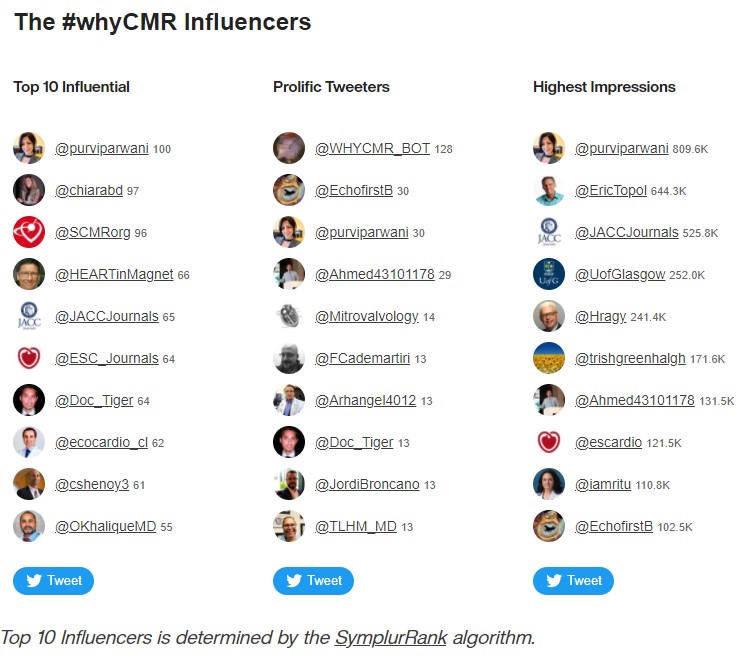
Each month our social media committee correspondents update us on the latest #WhyCMR activity stats and most popular tweets or threads. Join the conversation and use the #WhyCMR in your social media posts and follow @SCMRorg!
| | |
| |
|
Please use this link for a filtered PubMed list of all CMR-related manuscripts for May 2022—more than 300 in total!
| | |
|
SOCIETY FOR CARDIOVASCULAR MAGNETIC RESONANCE
8735 W. Higgins Rd., Ste. 300
Chicago, IL 60631, USA
+1 847.375.4747
| |
|
Manish Motwani
Newsletter Editor
| |
|
| | | | |