President's Message:
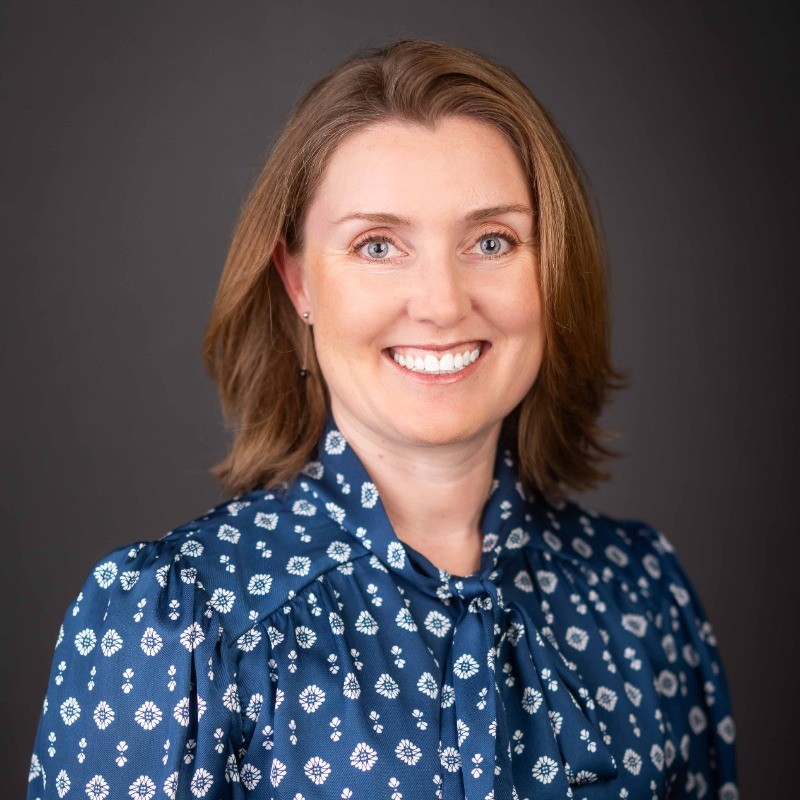
Kelsey Parolini
2025-2026 SEAOC President
In structural engineering, it’s easy to measure progress in projects delivered, deadlines met, and details refined. But every so often, our profession asks us to zoom out and consider something more foundational: how we demonstrate competency, how we protect the public, and how we preserve the credibility of the title “Structural Engineer.” One of the clearest ways we do that in California is through structural licensure.
Our communities deserve competent code application, clear load-path thinking, sound detailing, and engineering judgment that helps to ensure acceptable structural performance. Structural licensure is, at its core, an ethical commitment to the health, safety, and welfare of the public. Through the required education, experience, and examination, we affirm that we are prepared to take responsible charge of structures that shelter families, support essential services, and shape the overall resilience of our cities.
For early-career engineers, the benefits are practical as well. Licensure expands the types of work you can pursue, strengthens mobility across state and international borders, and signals to clients and peers that you have invested in mastery. Just as importantly, it builds confidence to speak with authority, to lead, and to serve as a trusted resource within your firm and in the broader built environment sector. If structural engineering is the path you’ve chosen, structural licensure is one of the most meaningful ways to honor that choice.
Of course, many of you are acutely aware that the path to licensure has felt more complicated lately. With the transition of the NCEES PE Structural exam (formerly called the 16-hour Structural Exam) to computer-based testing (CBT), candidates have been navigating a new testing environment, new tools, and new exam logistics. The CBT format separates the exam into four sections (vertical breadth, vertical depth, lateral breadth, and lateral depth) with breadth sections offered year-round and depth sections offered twice per year. Candidates can now pass sections independently with no window for completion, but the process can still feel like a marathon when paired with work, life, and limited depth section testing windows.
The first year of CBT also brought understandable frustration, prompting significant feedback from examinees – feedback that SEAOC and other SEA’s across the country have been vocal in amplifying. NCEES is receptive to comments and has announced several specific refinements as the program matures. Most notably, beginning with the Spring 2026 administration, the total exam time for the Vertical Depth and Lateral Depth sections increased by one hour. Updated exam specifications reflecting these changes have also been issued. SEAOC will continue to monitor these updates closely and share timely information as it becomes available.
SEAOC is committed to supporting candidates and advocating for a fair, rigorous, and workable licensure process. Last year, our Licensure Committee hosted a panel discussion where members shared candid perspectives on what to expect during CBT and how to plan for the multi-part testing experience. We are also leveraging SEAOC’s long-standing relationships with the California Board for Professional Engineers, Land Surveyors, and Geologists (BPELSG) to ensure member concerns regarding the test experience are heard. And for those who want to contribute directly to improving the exam, SEAOC has provided a stipend opportunity for members who participate in exam development activities, helping strengthen the quality and relevance of future test content. If you are interested in participating in exam development activities, learn more at https://ncees.org/volunteer/
To our young professionals in particular, I want to echo the message from “A Young Engineer’s Case for Structural Licensure” (Structure Magazine, Oct 2014) by Emily Guglielmo, SE:
Licensure is not simply a personal milestone; it is a shared responsibility
that elevates the profession for all of us. Pursuing the SE license helps protect the public, strengthens the credibility of our work, and reinforces the idea that structural engineering is a distinct and vital discipline. If you are on this path, stay the course. Seek mentors. Use the resources available through SEAOC and your regional Member Organization. And if you’ve recently taken the exam, consider sharing your experience. Your voice can help shape improvements that benefit those who follow.
Finally, to all members: whether you are decades into practice or just beginning, SEAOC’s strength comes from our willingness to show up for one another and for the profession. If you have capacity, consider getting involved with licensure advocacy, volunteering with SEAOC committees, or participating in exam development efforts. Together, we can support a licensure process that is both appropriately rigorous and appropriately attainable. One that continues to earn the trust of the public and reflects the excellence of structural engineers in California.
|