The NC State University School Garden Summer Institute invites educators, school garden advocates, and garden-based learning enthusiasts to submit proposals to share their expertise, strategies, and innovative ideas for utilizing school gardens to enrich learning and promote well-being. We seek engaging, practical presentations and workshops that inspire participants to make the most of school gardens as dynamic, educational spaces. | |
|
Categories:
-
Curriculum Connections: Share ideas for integrating school gardens into science, math, language arts, social studies, and more. Demonstrate how garden-based learning aligns with standards and enhances students' understanding.
-
Outdoor Classroom Management Strategies: Present effective techniques for maintaining order, safety and engagement in outdoor classroom settings, considering the unique challenges and rewards of teaching outside.
-
Resiliency and Wellness: Offer sessions on how school gardens can nurture resilience, mental health, and social-emotional well-being in students and staff. Topics could include mindfulness, nature therapy, and stress reduction.
-
Tasting and Nutrition: Share recipes, nutrition lessons, or programs that encourage healthier eating habits and an appreciation for fresh food.
-
Beyond Raised Beds: Show us how you've gone beyond the traditional raised bed to create inspiring, unique garden spaces and structures, such as vertical gardens, wildlife habitats, pollinator gardens and hydroponics.
-
Growing and Maintenance: Do you have a rock solid strategy for planting schedules, resources for pest management, expertise in soil health, or tips for climate-specific challenges? We can't wait to hear about them.
| |
|
Session Formats:
-
50-Minute Session: Presenters will share knowledge and strategies in a concise format, with opportunities for Q&A.
-
110-Minute Hands-On Workshop: Interactive, hands-on workshops that allow participants to apply concepts and gain practical skills.
| |
|
Submission Deadline: December 2, 2024
Notification Date: December 13, 2024
Presentation Date(s): June 22-23, 2025
Submission Guidelines: Please submit your proposal(s) detailing the session title, category, format, and a brief description of your presentation or workshop. Be clear about the skills, knowledge or tools participants will gain.
Submission Link: SGSI 2025-Call for Proposals
Join us in making school gardens a thriving part of educational landscapes!
| |
|
The Youth Garden Grant is currently accepting online applications through December 13, 2024. Any organization in the United States or US Territories planning a new or improving an existing garden program that serves at least 15 youth between the ages of 0 and 18 is eligible to apply.
Organizations must:
- Support, work with, or serve communities with a majority of individuals that are under-resourced (systematically denied resources and opportunities based on race, gender, ethnicity, income level, abilities, geographic location, etc., or currently experiencing hardship such as a natural disaster, etc.)
- Have received less than $10,000 in grants for the garden program during 2023 and 2024 combined.
This program will award 50 grants valued at $500 each.
| |
Career Connection: Registered Dietitian Nutritionist (RDN) | |
|
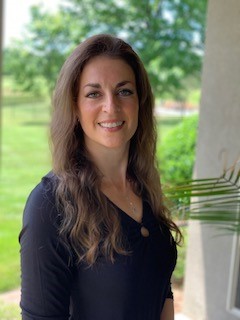
In each newsletter this year, Doug will share an interview with someone whose career connects to school gardens; whether directly or indirectly, we recognize that school gardens can inspire students in ways that few other “classrooms” can. This featured career is closely tied to one of the missions of school gardens–improved nutritional habits of children. Enjoy reading about the journey and day-to-day work of a Registered Dietitian, Alicia Knetsche.
Name: Alicia Knetsche
Organization: Atrium Health and the Rowan-Cabarrus YMCA
Position: Registered Dietitian Nutritionist (RDN)
Q: What do you do?
A: I am a Registered Dietitian Nutritionist (RDN), Certified Diabetes Care and Education Specialist (CDCES), and Certified Personal Trainer through ACSM. As an RDN, there are many career paths, including clinical nutrition (which includes all the specialty areas such as oncology, pediatrics, cardiology, endocrinology), foodservice management, community nutrition, corporate wellness, sports nutrition, integrative medicine, culinary nutrition, and so many more.
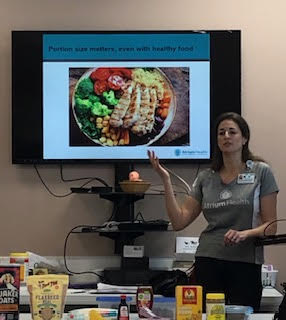
My career has been in the areas of community nutrition and outpatient clinical nutrition. My current position involves a partnership between Atrium Health and the Rowan-Cabarrus YMCA to deliver a six-week community wellness program called Path to Wellness.
Q: What was your path to your current career?
A: From my very first memories as a child, I had a passion for food! I was brought up in a household where healthy food and delicious food were not separate concepts. Coming from a Lebanese heritage on my mother’s side, I learned to prepare Southern dishes with a Middle Eastern cooking style. For example, my Aunt Gloria (the cook of the household) made sautéed collard greens with onions and olive oil, and our salad dressing consisted of crushed garlic, salt, fresh lemon juice, and olive oil. I quickly learned that these dishes were not only incredibly delicious but also healthy.
| |
|
When I started contemplating college choices, one in particular stood out. It was the “Food and Nutrition” major at Winthrop University. I thought angels had descended from heaven when I realized that I could major in FOOD! I completed my Bachelors of Science in Human Nutrition, then continued in Winthrop’s graduate program and was accepted into the highly competitive Dietetic Internship program. As an intern, I was assigned to different locations to work full-time without pay for six months in the areas of clinical nutrition, foodservice management, and community nutrition. After completing the internship, I set for the exam to become a Registered Dietitian.
My first job was at the Union County Health Department working for the WIC (Women, Infants, and Children) program. After five years there, I was ready for a change, and that’s when I took a position with Atrium Health as the Outpatient Clinical Dietitian for Myers Park Internal Medicine, a clinic for the underserved population. This position allowed for professional growth as I not only used my clinical experience working with diabetes, congestive heart failure and other cardiology issues, but enhanced my experience with counseling patients and cultivating motivational interviewing skills. I obtained my training and certification to become a CDCES since I worked in the diabetes clinic and counseled so many people with diabetes and prediabetes – a certification that has proven crucial in my current work.
After 10 years there, a position opened up working with the partnership between Atrium Health and the YMCAs. My passion has always been fitness and wellness, so this was the perfect transition for me. Most of my work focuses on the Path to Wellness program, which is led by our wonderful nurse, Jane Kelly. Path to Wellness is a joint effort between Atrium Health and the Rowan-Cabarrus YMCA to improve the health of our community. The 6-week lifestyle management program is designed to provide guidance, encouragement and education to help participants achieve a healthier lifestyle. It helps those living with a medical condition, recovering from surgery or an injury, or seeking a healthier lifestyle. This is by far my favorite job!
| |
|
Q: How important are core subjects to your success in your career?
A: Math, science, and communication skills are the absolute foundation of my career! For almost every client I see, I calculate their calorie, carbohydrate, protein, and fat needs. Any recommendations that I give are evidence-based, so it’s imperative that I stay up-to-date on current nutrition research and scientific evidence. Some of the information that I taught 20 years ago has completely changed based on research. Nutrition is an ever-changing field. Communication skills are crucial. It’s not enough to simply KNOW the information - I have to be able to communicate it in a way that people can understand, realize the impact of their food choices, and be able to implement the proper changes.
Q: What is most fulfilling about your career?
A: I regularly see people make significant changes in their lifestyle and then experience the benefits. Here are a few examples:
- Sometimes it’s seeing a decrease in their overall blood sugars which can lead to decreasing or getting off some of their medications.
- Sometimes it’s seeing someone lose a significant amount of weight which can impact a myriad of conditions.
- Sometimes it’s someone who is able to improve their cholesterol or blood pressure, which decreases their risk of heart disease and stroke.
- And sometimes it’s just seeing someone realize how much better they feel when they choose better quality food and move their bodies more.
I am very fortunate to be in a career where rewards are around every corner.
Q: Prior to your career, did you have experience with a school garden, home garden or community garden?
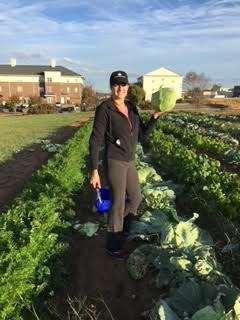
A: Prior to my current job, I had absolutely no experience working in any kind of garden! If I’m being completely honest, I really didn’t have an interest. However, when I started working with the West Cabarrus YMCA, they were in their second year of starting the YMCA Share the Harvest Farm, where they grow produce specifically to be distributed to families in need in the community. They asked me to be a part of the farm committee, which grew into my volunteering at the farm periodically throughout the year, helping to plant and harvest the crops. At first, I had no idea what I was doing, but under the leadership of David Goforth, it was easy to jump right in and do whatever was needed. I can’t even begin to tell you how much I’ve learned about planting and harvesting vegetables and fruits. It’s truly fascinating!
Q: How do you see your career intersecting with school gardens?
A: The idea of school gardens is genius. Getting children involved with planting and harvesting vegetables instills interest at a crucial time in their lives. Although the YMCA Share the Harvest Farm is not a school garden, it is used as an educational tool for children of all ages in the community. I have worked with the YMCA summer cooking camp, where for the first few years I was able to incorporate “farm to table” days during those sessions where I would take the 7-11 year-olds out to the farm, pick some of the produce, and then take it back to the YMCA kitchen where we would cook what they picked. The kids thought that was pretty cool, and they ate every bit of it, including beets and jalapenos!
I think it’s very important to teach children where their food comes from and how it’s grown. They are much more interested in eating vegetables and fruits when they are a part of the process. In the past few years, we have been able to meet the kids out at the farm one day during their cooking camp and grill some of the summer vegetables, including summer squash, zucchini, potatoes, onions, and green beans. It’s a healthy and delicious way to enjoy vegetables, and the kids love it!
| |
Consider inviting an RD in your area to come visit your students so they can learn more about nutrition from a professional that can explain the importance of eating well for the long run. You never know, it could spark a career interest in a young foodie! | |
Find more School Garden Resources on our website: | | | | |