How 4 SL@B Innovations Are Addressing Maternal Obstetric Emergencies
|
|
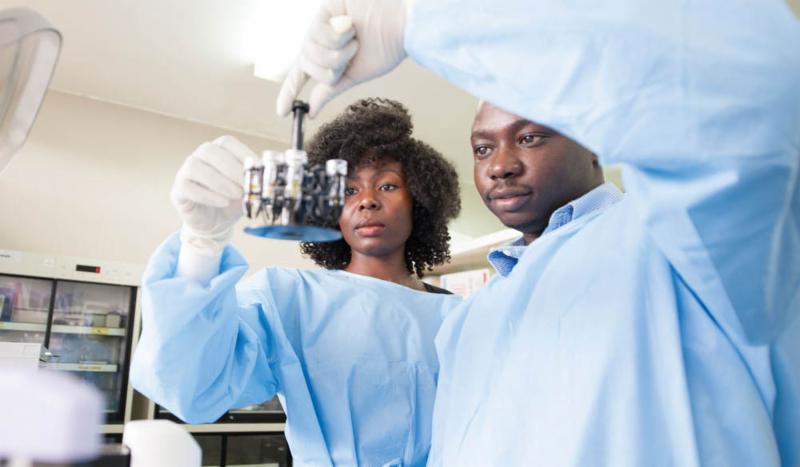
| Photo: International AIDS Vaccine Initiative |
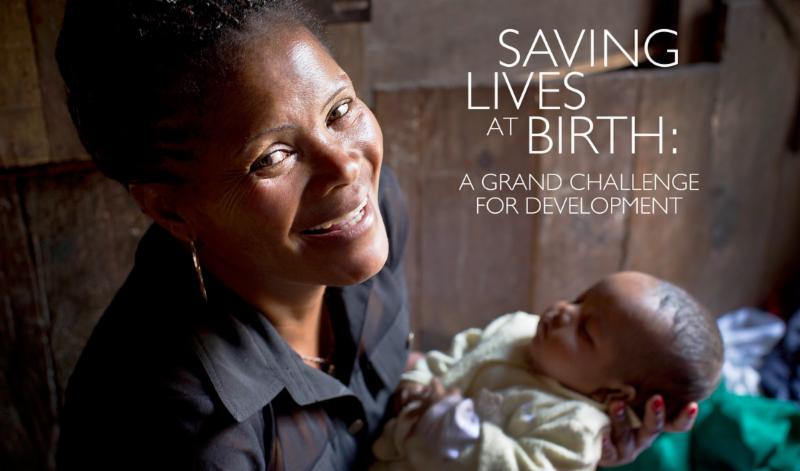
Saving Lives at Birth calls upon the brightest minds across the globe to identify and scale up transformative innovations for the prevention and treatment of pregnancy-related challenges and conditions affecting the world's most underserved populations around the time of birth. Through eight rounds of funding calls, the Saving Lives at Birth Partners strive to create a community of innovators who are working to turn potentially life-saving ideas into real-world approaches and tools.
Several SL@B grantees work to address obstetric emergencies affecting women and their babies in low-resourced settings. Conditions such as postpartum hemorrhage can be life-threatening for both women and their babies at various points throughout pregnancy, labor or birth. Though maternal, neonatal and newborn mortality rates have fallen in many parts of the world thanks to efforts of governments and partners, obstetric emergencies such as pre-eclampsia, postpartum hemorrhage and a lack of safe quality surgical care still claim the lives of many thousands of mothers and their babies each year.
Here's a look at four Saving Lives at Birth grantees who are making significant headway in addressing some of the world's most common maternal obstetric emergencies, as well as the innovations they're using to help save lives.
|
 |
|
|
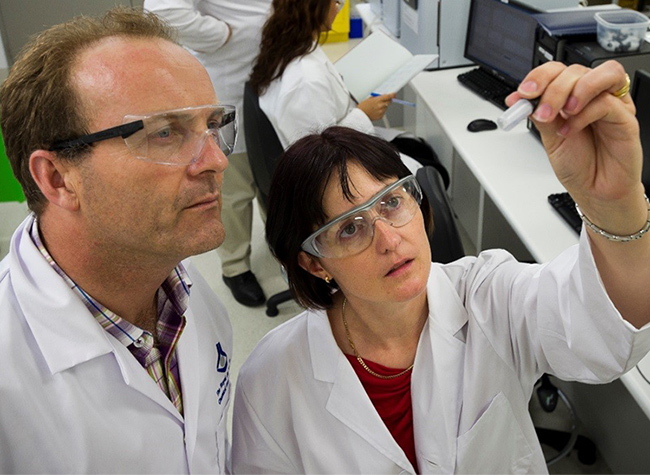
Monash University researchers, led by Dr Michelle McIntosh, are developing an inhalable formulation of oxytocin. Photo: Monash University
|
What It Is: A small plastic inhaler designed to provide an accurate dose of an inhaled form of oxytocin to women in order to prevent or treat potentially fatal hemorrhage during or after delivery of their babies.
Why It Matters: Though oxytocin has been shown to be an important drug for preventing maternal obstetric emergencies, there have historically been a number of challenges with the delivery and adoption of the drug. Before the introduction of inhaled oxytocin, the drug was primarily received via injections, requiring needles and cold storage, as well as opening up the potential for transmitting blood-borne diseases. Monash researchers believe that the
inhaled oxytocin will play a role in the developing world, where there may be issues of insufficiently trained staff in storage and administration, lack of cold-chain capability, and limited availability of the necessary consumables required.
|
|
|
|
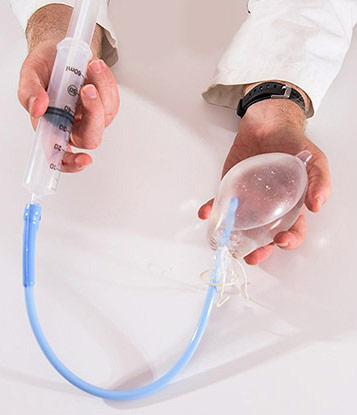
By scaling the high impact, ultra-low-cost MGH uterine balloon tamponade innovation, death and disability among the world's most vulnerable mothers can be reduced.
Photo: Massachusetts General Hospital |
What It Is: The Every Second Matters for Mothers and Babies
--- UBT is an ultra low-cost (less than $5) device consisting of a condom tied to a Foley catheter, which is inflated with clean water through a syringe and one-way valve designed to address postpartum hemorrhage (PPH).
Why It Matters: Postpartum hemorrhage (PPH) is a leading killer of pregnant women worldwide. In resource-poor settings
--- especially in rural areas
--- many women lack access to quality, assisted delivery by skilled birth attendants and are therefore at a higher risk for suffering injury or death as a result of PPH. Uterine balloon tamponade is a standard of care in the United States, but manufactured medical balloons used in US hospitals are single-use and can cost over $400 each. The ESM-UBT device provides an ultra-affordable alternative that is highly effective in saving women's lives.
|
|
|
|
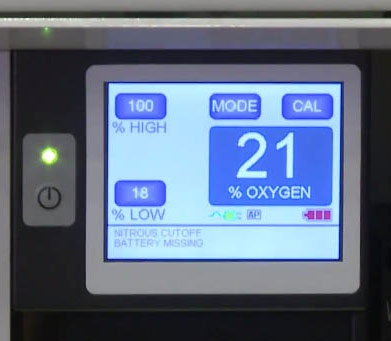
Close up of Gradian's UAM which is the world's only internationally-certified anaesthesia machine designed to work without electricity and medical oxygen. Photo: Saving Lives at Birth |
What It Is: Gradian's Universal Anaesthesia Machine
(UAM) is the world's only internationally-certified anaesthesia machine designed to work without electricity and enables anaesthesia delivery and medical oxygen without an O2 source.
Why It Matters: Gradian's model involves developing, distributing & sustaining world-class medical equipment in low-resource hospitals around the world. Through a SL@B-supported program in Zambia, Gradian is strengthening emergency care during childbirth by equipping more than 30 Zambian hospitals with the Gradian's Universal Anaesthesia Machine (UAM) and providing specialized clinical training courses for anaesthesia providers and technical training for biomedical technicians. Gradian seeks to improve the high rates of maternal and newborn mortality and limited access to surgical care (such as C-sections) through their two-pronged innovation combining safe and reliable technology with hands-on training.
|
|
|
|
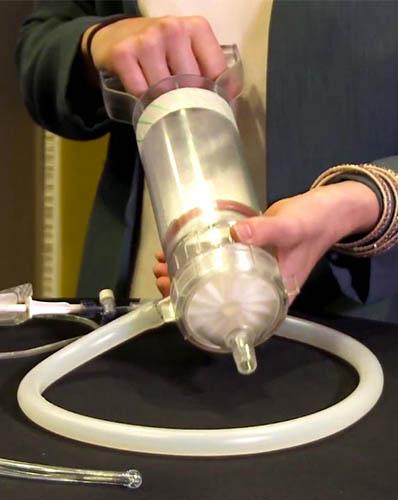
Hemafuse provides access to blood in cases of internal bleeding and is a safer, faster, more accessible alternative. Photo: Saving Lives at Birth |
What It Is: A handheld syringe for intraoperative autotransfusion of blood collected from an internal hemorrhage, designed to replace or augment donor blood in emergency situations.
Why It Matters: In sub-Saharan Africa, life-saving surgeries often cannot be performed due to a lack of access to blood, creating a critical gap in patient care which specifically impacts mothers suffering from ruptured ectopic pregnancy. While crude blood transfusion methods do exist in such areas, they are unsafe to both patients and clinicians and are associated with numerous caveats. Sisu Global Health's Hemafuse device provides access to blood in cases of internal bleeding and is a safer, faster and more accessible alternative to simple manual methods, which may lack proper sanitation practices and often employ the utilization of household items such as soup ladles and gauze.
|
Recap: SL@B Xcelerator Workshop
Durham, North Carolina
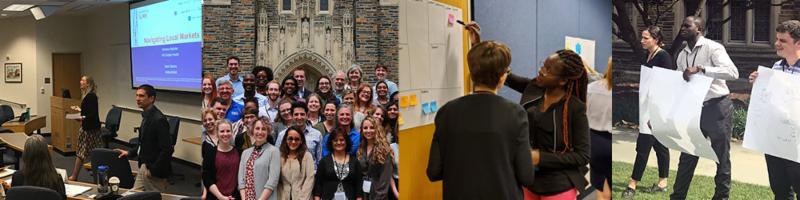
The 2019 Xcelerator Workshop, led by the Accelerating SL@B program consortium of partners, is an interactive 4.5-day workshop designed to amplify the impact of the SL@B grant program by providing targeted, tailored assistance to its innovations to reach scale and sustainability for greater health impact. In attendance were 24 SL@B teams (over 40 innovators) representing 12 countries.
Each day of the conference focused on one of four key domain challenges critical to growth, adoption, and sustainable scale of an innovation
--- team, market, business model, product/service/approach
--- and featured interactive sessions, including strengthening team capacity, navigating regulatory approvals and evidence generation, defining the customer segments, and accessing blended capital.
The innovators refined their individual action plans, developed their business model canvas, and tested their customer hypotheses with peers and potential customers.
|
Using Phones as Ultrasound Scanners
|
|
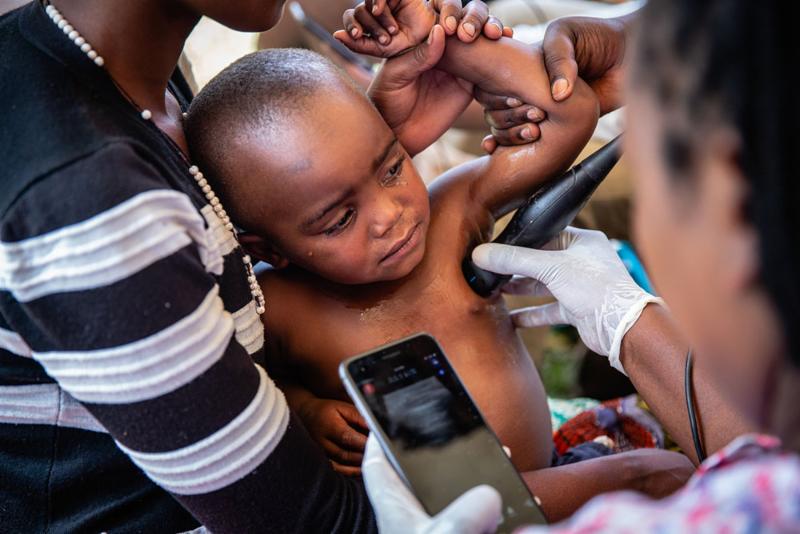
| A child is examined for pneumonia in Kakomo, Uganda. While pneumonia is the leading concern, doctors have used the scanners to evaluate other organs. Photo: Esther Ruth Mbabazi, NYTimes.com |
A new device, the size of an electric shaver, is changing the face of ultrasound technology in rural and resource-stricken parts of the world. The
Butterfly iQ, approximately the size of an electric shaver, is powered by battery and designed to resist breakage from being dropped. While also a useful tool for doctors and nurses in the developed world, the scanner holds a great deal of potential in areas such as rural Africa, Asia, and Latin America, where the nearest X-ray machine may be hours away, and access to CT and MRI scanners may be even more limited.
Backed by SL@B partner the
Bill and Melinda Gates Foundation, Connecticut-based Butterfly Network
--- the company behind the Butterfly iQ
--- has donated scanners to medical charities working in 13 low-income countries, seven of which are in Africa. "Two-thirds of the world's population gets no imaging at all," says Butterfly Network founder Jonathan Rothberg. "When you put something on a chip, the price goes down and you democratize it. My team is engineers and computer scientists. We'd love to be able to save lives the way doctors do, but we can't
--- so every tweet from Africa about the Butterfly is an incredible adrenaline shot for us."
|
GDHI Releases Inaugural State of Digital Health Report
|
|
|
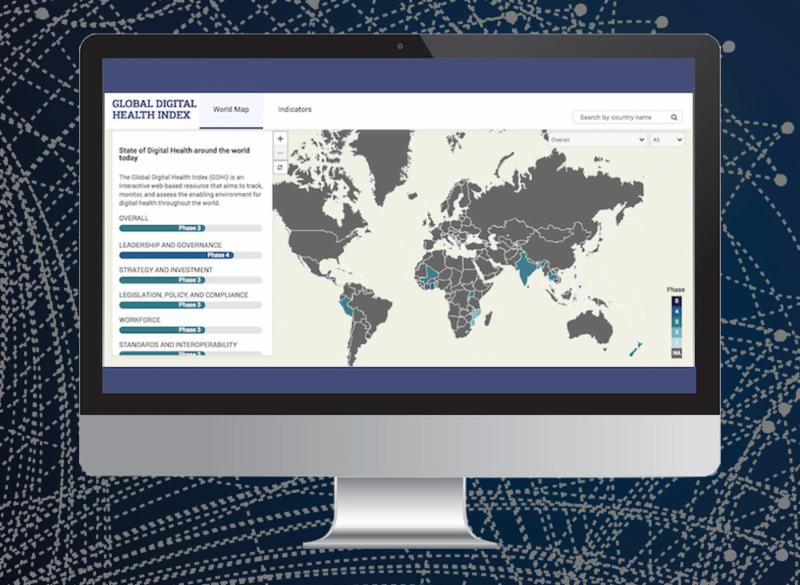
Image: digitalhealthindex.org
|
In a first-ever initiative, the
Global Digital Health Index (GDHI), has released a report featuring trends, benchmarks and contextualization of findings in relation to digital health milestones and other global trends analyses. The inaugural
State of Digital Health report provides a first-hand glimpse into the world's digital health ecosystems and lays a foundation for better informed and coordinated investments in digital health going forward. Data analyzed was collected from 22 countries across 6 regions that participate in the Global Digital Health Index.
First launched in 2016, the
Global Digital Health Index is an interactive digital resource that tracks, monitors, and evaluates the use of digital technology for health care purposes across countries. Though openly available to the public, The
State of Digital Health report is also a call to action urging global government leaders and health care providers to commit to improving the data on existing digital health ecosystems, thus promoting better analyses in future years.
USAID is part of the Steering Committee that oversees GDHI leadership.
Click here to download a copy of the report in PDF format.
|
Strengthening Community Health Worker Programs:
A Free Online Course from HarvardX
|
|
|
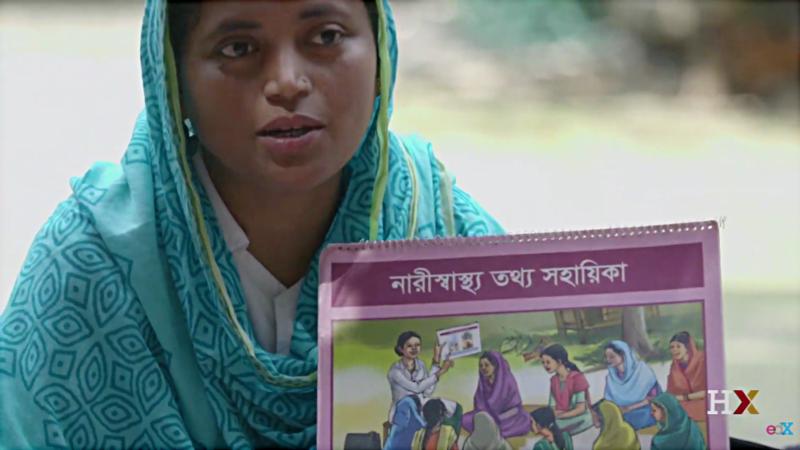
| This course introduces learners to the core concepts of well-designed and well-managed community health worker programs. Photo: Harvard.edu |
HarvardX is now offering a new self-paced online course that speaks in many ways to the efforts and mission of the Saving Lives at Birth Grand Challenge.
Strengthening Community Health Worker Programs is a six-week course taught by Harvard University Assistant Professor Rajesh Ramesh Panjabi. It covers core concepts in community health as part of primary health systems, key components in the design and optimization of community health worker programs as exemplified through country case studies, common issues that arise in implementing community health worker programs at scale, and much more.
Created by health systems leaders for health systems leaders, the course is completely free of charge and is expected to require 2-4 hours of effort per week from participants.
Click here to learn more and to enroll in the course.
|
USAID Introduces Innovation Realized:
Expanding the Path to Health Impact!
|
"Why innovate?"
"When should I consider innovation?"
"How do I start the innovation process?"
These questions and many more are explored in a brand new resource from
USAID's Center for Innovation and Impact designed to more clearly define innovation in the context of the organization's global health work. Called
Innovation Realized: Expanding the Path To Health Impact, this guide lays out ways in which staff can identify opportunities to use innovation to solve real, everyday problems which influence the current state of USAID's work to address and meet the UN's 2030 Sustainable Development Goals.
A valuable resource to assist in the understanding and application of innovation, the guide is currently available as a free working draft
--- a living document which is expected to be refined through feedback, testing and input from the global health community.
|
|
|
|