Please share this newsletter with your communities! | | |
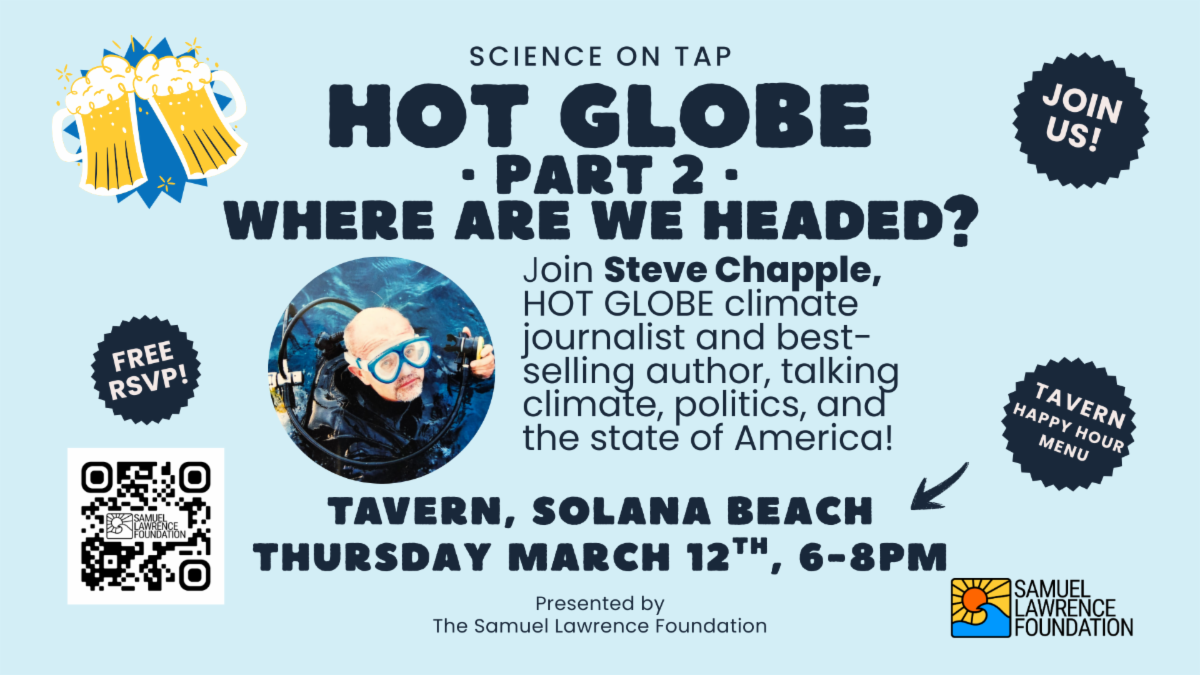
Thank you to everyone who joined us at the Belly Up Tavern for Science on Tap, our new live lecture series that brings people together for an accessible, science-based talk and community discussion (with happy hour drinks) about the issues shaping our world. Our first event featured Steve Chapple, and the room was full of engagement, fun education, and a shared desire to turn concern into action. We explored the big-picture science and stakes of our moment, like why a warming atmosphere intensifies extremes (“the sponge effect”), and why informed communities gathering locally still matters.
We’re keeping the momentum going: our next Science on Tap is March 12 (6–8 PM) at the Tavern with the same happy hour deals. Bring a friend! The Luma invite link is below. We will also be streaming on YouTube Live, stay tuned!
| | Joint Letter on San Onofre Nuclear Waste Sent Today! | | |
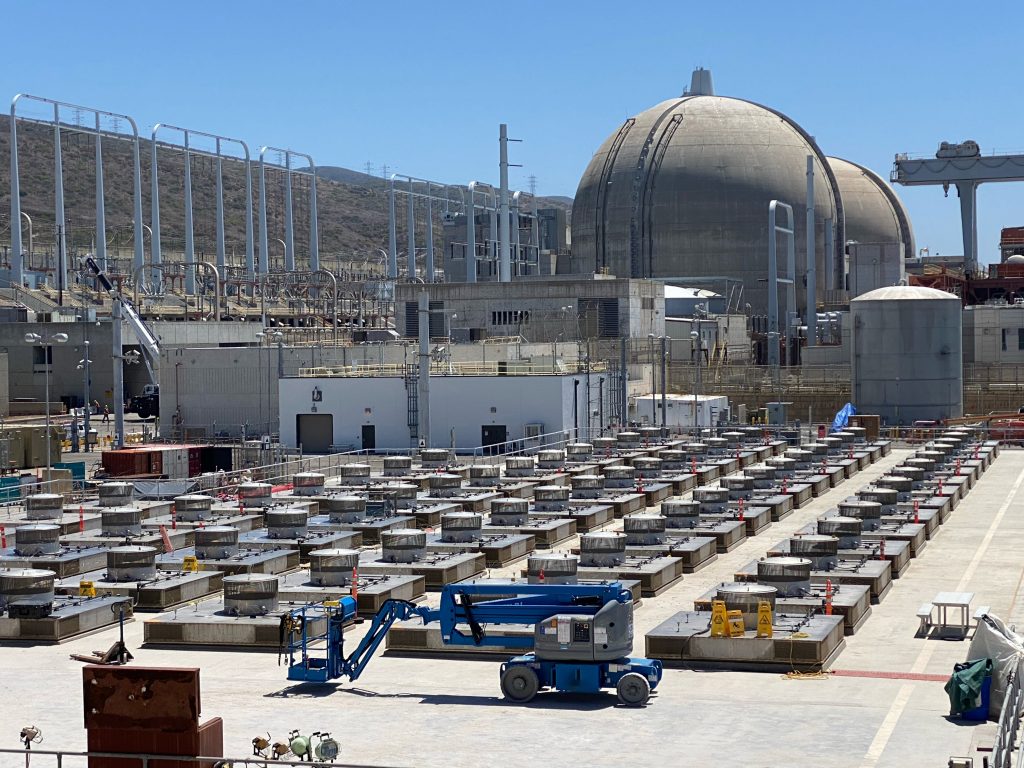
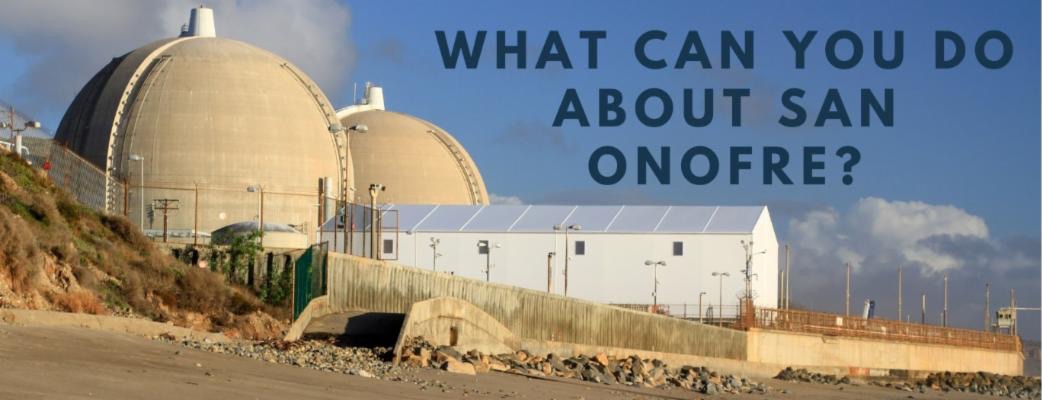
This morning, SLF and a national coalition of 22 organizations sent a joint letter to the San Diego County Board of Supervisors ahead of the County’s 90-day report due March 9. The letter urges the Board to reject nuclear waste “recycling” (reprocessing) as a proposed solution for San Onofre’s 3.6 million pounds of stranded spent fuel. Reprocessing is dirty, dangerous, and expensive.
We’re calling on the County to keep the report focused on proven, realistic pathways that protect public health, national security, and the coastline, including near-term options that advance safe relocation in California.
| | |
Department of Energy
Fast-tracking Approvals for “Advanced” Reactors
| | |
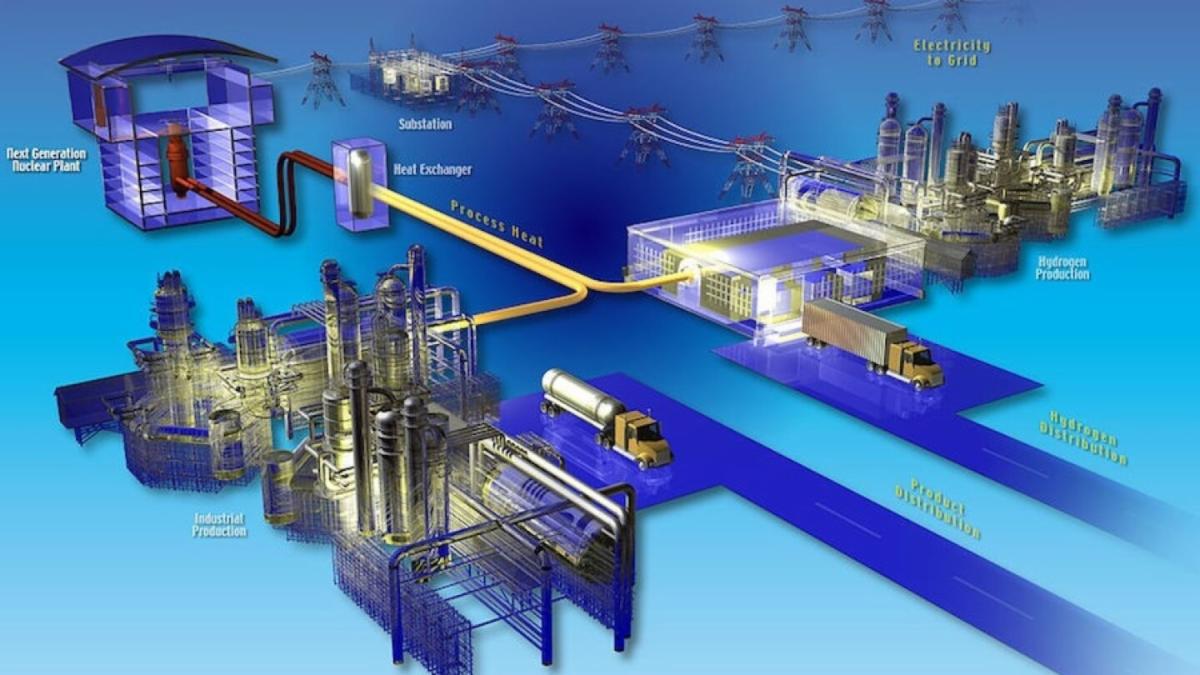
The U.S. Department of Energy is taking comments on a new policy that would create an exclusion under environmental law for many “advanced nuclear reactor” projects. This means the siting, construction, operation, and decommissioning of certain reactors could be approved without preparing an environmental assessment or full Environmental Impact Statement.
Nuclear reactor projects need environmental review and community scrutiny. It would be foolish to accelerate these projects before their impacts (including waste, water use, safety, and local cumulative burdens) are fully evaluated in a transparent public process.
Save our community from more nuclear waste until there is a solution. Comments are due March 4, 2026.
| | Higher Cancer Risk Near Nuclear Plants | | |
A new Harvard T.H. Chan School of Public Health study reports a statistically significant association between cancer incidence and living closer to nuclear power plants. Using Massachusetts Cancer Registry data from 2000–2018, researchers analyzed ZIP-code–level cancer incidence against an inverse-distance proximity measure to seven nuclear plants within ~120 km of Massachusetts population centers, finding elevated risks that were strongest among older adults and that declined with distance.
The authors estimate that about 3.3% of cancers within 30 km (18.6 miles) of a plant could be “attributable to proximity,” translating to roughly ~20,600 cases over the study period, with associations reported across multiple cancer types.
| | Our Response to New Report on Nuclear Waste | | |
On January 15, a new report, The Path Forward for Nuclear Waste in the U.S., led by former NRC chair Allison Macfarlane and colleagues at UBC School of Public Policy and Global Affairs, proposed a national blueprint to break decades of federal gridlock on nuclear waste centered on developing one or more deep geologic repositories and using consolidated storage only as a bridge to disposal.
SLF shares several core conclusions: the U.S. must move from endless delay to a consent-based, durable implementation pathway, and any “interim” storage must be enforceably tied to a final repository so temporary doesn’t become permanent. Where we diverge is the report’s governance direction, especially its recommendation for an industry-led implementer (“NuCorp”) and its openness to “recycling” (reprocessing) pathways, which raise serious cost, safety, waste, and security concerns while still requiring a repository in the end. Read the report and our full response.
| | Federal Government No Longer Believes Controlling Greenhouse Gases Protects Health & Environment | | |
Last week, the Trump administration eliminated the Environmental Protection Agency’s 2009 “endangerment finding.”.” This was the legal and scientific underpinning used by the federal government to regulate greenhouse gases like carbon dioxide and methane. Initially, all greenhouse gas emissions standards will be removed from the largest U.S. emissions source - cars. However, this also opens the door to undoing or blocking future controls on power plants, oil and gas sites, and more.
This shift could slow the transition to cleaner transportation, create regulatory uncertainty that impacts businesses, and push the U.S. toward a patchwork of state-by-state rules. The U.S. will fall behind China and the rest of the world as they continue to accelerate clean energy initiatives.
Environmental and health groups have already filed suit, and more legal challenges are expected.
| | |
Why Another “Nuclear Renaissance”
Is A Folly
| | |
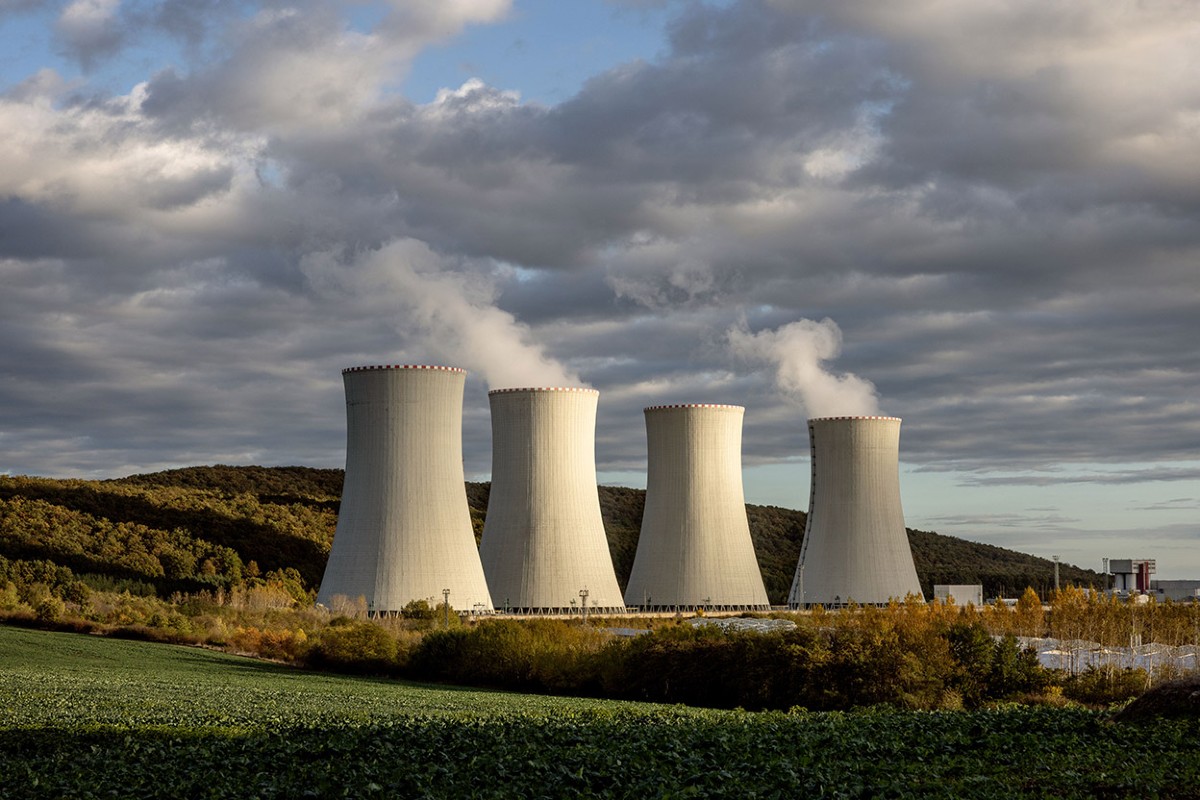
During the first nuclear renaissance in the early 2000s, the nuclear industry secured government support after promising better, faster, and safer reactors. If this sounds familiar, you are not alone. In their comprehensive report, “The Next Nuclear Renaissance?”, the Cato Institute examines why nuclear energy failed in the past, and why it will still fail now.
Despite promises from the nuclear industry on SMRs and new-gen reactors, Cato affirms that they are still too costly, take too long to construct, and are not reliable for a national rollout. As before, it is anticipated that government subsidies into the nuclear industry will only result in failed projects and raised energy costs to consumers.
| | NRC Gutting Radiation Protection Standards | | |
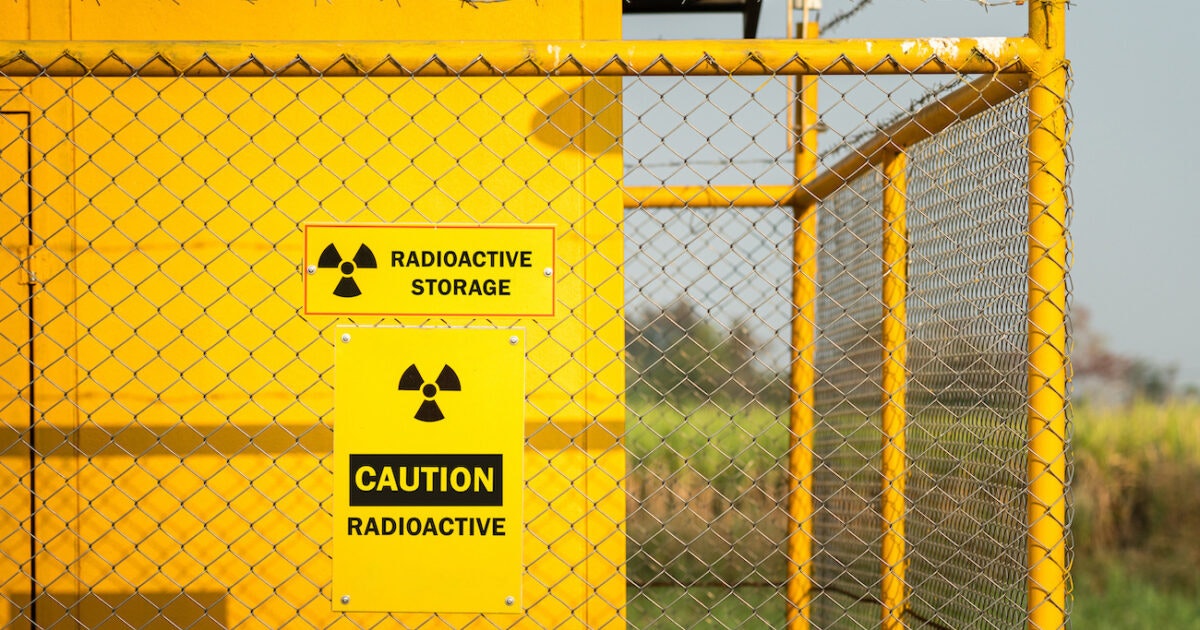
The Nuclear Regulatory Commission is advancing changes to U.S. protection from radioactivity exposure from the commercial nuclear industry, with public comments allowed starting April 30, 2026 when the draft rule is released.
Proposed revisions could weaken two core safeguards:
- ALARA (“as low as reasonably achievable”) - the standard that radiation exposure should be kept well below limits, not treated as a target.
- LNT (linear no-threshold) - the scientific basis that risk increases with dose, with no guaranteed “safe” threshold at low doses.
If ALARA is diluted or LNT is sidelined, the result can be higher routine exposures and releases with the greatest burden on the most vulnerable, including women and children.
Please add your voice on this critical issue. We will share sample talking points in our next newsletter.
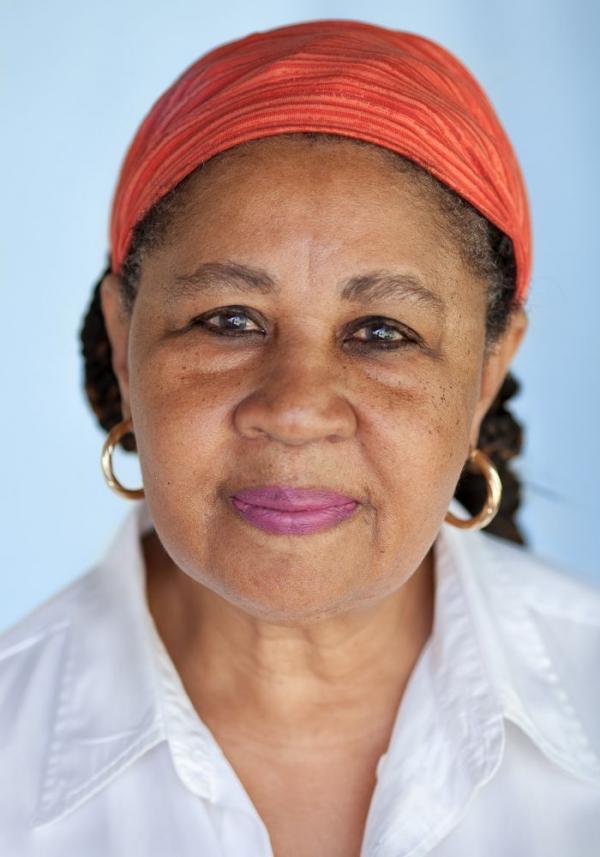
| | | | Jamaica Kincaid in conversation with Dean Nelson | |
On Thursday, February 26, 2026 at 7:00 PM at Crill Performance Hall at Point Loma Nazarene University, the Writer's Symposium by the Sea and Warwick's La Jolla are hosting The Evening Interview: a live, on-stage conversation with Jamaica Kincaid, one of the most influential voices in contemporary literature, known for her sharp, poetic writing on identity, family, colonialism, and power. She’ll be interviewed by Dean Nelson, the longtime founder/host of the series.
Parking is free, but limited. There’s also a “with book” ticket option that includes a copy of Kincaid’s new collection, Putting Myself Together: Writing 1974–, available at check-in.
| | |
Show Up & Speak Out
→ Share our message, attend events, and help grow awareness in your community.
Contact Your County Supervisor
→ Demand stronger oversight of waste storage in your region.
Back Your Local Leadership
→ Support Larry Agran’s initiative for an independent study to move the waste.
Support Federal Legislation
→ Back Rep. Mike Levin’s push in Congress for long-term nuclear waste solutions.
Join the Movement!
→ Partner with SLF in our grassroots campaign for safety and accountability.
Find a template to contact your reps here.
→ Or email us at admin@samuellawrencefoundation.org to get involved.
| | |
Copyright © 2026
Samuel Lawrence Foundation
All rights reserved.
Our mailing address is:
P.O. Box F, Del Mar, CA 92014, USA
Email us at:
admin@samuellawrencefoundation.org
| |  | |
Thank you for supporting the Samuel Lawrence Foundation. Your gift, of any size, makes our
programs and advocacy possible.
Click here to make a donation
View this email as a Webpage
| | | | |