| |  |
|
From The Editor
Helen Colby, PhD
| |
This issue wasn't planned around a particular theme, but one emerged anyway.
Several of the articles reflect on the paths that brought people to SMDM - and what convinced them to stay. Reading them together was a nice reminder that successful professional societies aren't built solely on excellent research. They're built through mentorship, volunteer work, chance conversations, and the communities that grow around them.
You'll find those themes throughout this issue, including Katie Martinez's reflections on more than a decade of SMDM membership, the Career Development Committee co-chairs' perspectives on mentorship and service, and Emily Burger and Torbjørn Wisløff's look back at a memorable Annual Meeting in Oslo, where SMDM welcomed a recent-meeting record of 576 attendees to our first annual meeting outside North America. Alongside those reflections are articles on risk communication, a new funding opportunity, member achievements, and other ways to stay engaged with the society.
This is my last issue as editor, and I'd like to thank everyone who has contributed articles, announcements, ideas, photos, and countless last-minute responses over the past two years. It's been a privilege to help tell the society's story, and I'm grateful to everyone who made that possible.
| From the SMDM leaders and staff: We'd like to extended a special thank you to Helen Colby as she finishes her service as this newsletter's Editor-in-Chief. We are grateful for her vision, dedication, and time in making the newsletter a publication that SMDM can be proud of. Thank you Helen! |
From The President
Beate Jahn, PhD
| |
Reflections and Thanks
Thank you to our amazing SMDM 2026 48th Annual Meeting co-chairs Emily Burger and Torbjørn Wisløff, our dedicated project management team, tireless volunteers, and all who delivered rigorous and impactful scientific contributions; you’re the momentum behind our expanding international footprint. From early waypoints in Toronto (1983) and Leiden (1986, our first biennial European meeting) to this July’s vibrant gathering in Oslo, we’ve transformed a set of meetings into a truly connected international community. We’ve now tuned our rhythm to a single global cadence - two meetings in North America followed by one in Europe - with recent stops in Boston, Ann Arbor, and now Oslo. And here’s a telling snapshot of that momentum: we planned for fewer than 300 attendees in Oslo and welcomed over 550, nearly double, reflecting strong engagement from both Europe and North America. As the rotation continues to bridge continents, we’re energized to close remaining gaps in Asia, Eastern Europe and other regions.
As our meetings grow globally and our attendance increases, the question naturally follows: what remains at SMDM’s core? Decision science is showing up everywhere at clinical meetings, in health economics, and across HTA; our role is to lead on methods and collaborate for impact. With ISPOR, we launched SMDM-ISPOR Frontiers in Health Decision Modeling initiative in Philadelphia; in Oslo, we tackled “Where causal inference meets modeling,” and at ISPOR in Vienna we’ll spotlight GenAI agents for model conceptualization and transportability. We’re updating the ISPOR–SMDM Good Modeling Practice papers to set the next standard. Ambassadors with the International Shared Decision Making Society are aligning our SDM SIG and leadership, and our partnership with SUSTAIN HTA is translating innovative methods into real-world decisions. We also conducted a very engaged business meeting, collecting ideas and reflecting on our history of fruitful collaborations with further peer societies.
We reviewed recent abstracts - AI-assisted, human-checked - because methods power everything we do. In Oslo, we saw our SMDM core come to life. Decision science, health economics, and decision psychology are thriving; we’re eager to welcome deeper contributions from biostatistics, operations research, data science, implementation science, and neighboring disciplines. Cancer and cardiovascular work are prominent, and we aim to deepen ties with infectious disease modelers - as well as colleagues working in primary care, mental health, rare diseases, and global health. If this is your area, or you can introduce a colleague, SMDM welcomes you.
After one meeting comes the next. Mark your calendars: 6–9 June 2027, we’ll gather in Toronto for SMDM’s 49th Annual Meeting, returning to a city that hosted one of our earliest global milestones. And 11–14 June 2028, we’ll celebrate our golden 50th Annual Meeting in Salt Lake City; let’s sustain the international momentum in methods, collaboration, and impact.
Thank you to all our donors and funders - individual members and private philanthropists, industry partners, institutional and academic sponsors, the SMDM Development Committee, and fundraising volunteers. Your support powers our society and our meeting; funds travel awards and trainee scholarships; catalyzes methods initiatives; and sustains key programs throughout the year.
We are very proud that the new Decision Psychology Pilot Award, made possible by a generous gift from Brian Zikmund-Fisher, has been established. For interested researchers, don’t miss the Decision Psychology Special Interest Group’s new Pilot Research Idea Tournament.
New developments with the Patient Advisory Council (led by Chairs Ellen Engelhardt and Ashley Housten); we’re rethinking the PAC as a source of information and guidance for working together with patients. Check out the glossary the PAC has produced, available on our website.
I’m proud that we now have so many ways to stay connected. Please take advantage of them. Even if you’re on annual break or headed on vacation, sneak in a webinar between adventures or queue up a short course on the train. Stay engaged year-round through webinars, short courses, the Core Course certificate, and our SIGs, and help shape SMDM by joining committees, volunteering for SIG leadership, and entering the Board pipeline. See you soon.
Beate Jahn
President, Society for Medical Decision Making
|
From the Oslo Meeting Co-Chairs
Emily Burger, PhD & Torbjørn Wisløff, MSc, PhD
| |
Thank You for Making SMDM 2026 a Record-Breaking Success!
As we return home from Oslo, we want to extend our heartfelt thanks to everyone who helped make the 48th Annual Meeting of the Society for Medical Decision Making such a memorable week. Between the seemingly endless Norwegian sunshine, World Cup excitement, and an incredible scientific program, the energy throughout the meeting was truly special.
Together, we welcomed a recent meeting record 576 attendees from around the world to the first SMDM Annual Meeting ever held outside North America. Nearly 440 attendees joined us for the unforgettable evening at Oslo City Hall, where we were honored to be welcomed by the Mayor of Oslo, a pediatrician by training, who spoke about how inspiring it was to see so many people dedicated to improving health and healthcare decision making. (And yes...despite the rumors, the sold-out crowd was not the reason the food ran out!)
A meeting like this is only possible because of an extraordinary community of volunteers. Our sincere thanks go to the MWS management team, our Meeting Co-Chairs, SIG Chairs, Meeting Ambassadors, volunteers, reviewers, speakers, presenters, supporters, and every attendee who contributed to the discussions, asked thoughtful questions, presented their work, and helped create such a welcoming atmosphere.
Thank you for making history with us in Oslo. We look forward to seeing you at next year's Annual Meeting in Toronto. Tag, you're it, Lauren, Petros and Konstantinos!
Sincerely, your former Annual Meeting Co-chairs,
Emily Burger and Torbjørn Wisløff
| |
A Special Thank You to Our Abstract Reviewers
The response to our call for abstracts was remarkable, with over 500 submissions. Ensuring each abstract received the rigorous, independent review it deserved required an extraordinary volunteer effort. With 16 reviewers per abstract, our dedicated reviewer community collectively contributed over 8,000 individual reviews. We are deeply grateful for their time, expertise, and commitment to upholding the scientific standards that define SMDM.
|
| | |
|
Why We Stay
Katie Martinez, PhD
| |
Why do some people remain members of a professional society for decades?
It’s a question I’ve been thinking about a lot lately. As Membership Co-Chair, I’ve spent time considering what attracts people to SMDM and, even more importantly, what keeps them coming back year after year. This year marks my 13th year as an SMDM member and my 12th annual meeting. (I only missed Vancouver because I was too pregnant!) When I reflect on this journey, I realize the reasons I joined are not the reasons I stayed.
Like many members, I joined SMDM as a trainee. I was looking for a place to present my research, meet others with similar interests, and learn from leaders in the field. I found all those things. What I didn’t expect was to find a professional home.
My first meeting was in Baltimore in 2013. As a first-year postdoc, I was astonished by the expertise of my fellow attendees. It was hard at that point to imagine I would ever belong to the same professional society as these giants of decision science! Over time, I stopped feeling like the newest person in the room. Familiar faces became collaborators, mentors became friends, and eventually I found myself judging Lusted posters, serving on committees, and singing karaoke. Those experiences didn’t happen because I attended a single annual meeting. They happened because I kept coming back.
It’s not hyperbole that I owe my entire career to my involvement in SMDM. I interviewed for my current academic position pool-side at the Trump Doral, a meeting facilitated by another SMDM member. SMDM members were mentors on my K award, champions for my recent stint on the board, and now, Co-Is on my first R01. They have also ushered me through phases of impostor syndrome, challenges balancing work and family, and navigating the tricky position of being a PhD in a medicine department. None of those opportunities came from attending a single meeting. They came from belonging to a community I kept returning to.
Every long-time member was once a first-time attendee nervously wandering around a poster session. My hope is that today's new members will someday discover what so many of us have: the reasons we join SMDM are not the reasons we stay. We stay because, over time, this becomes more than an annual meeting. It becomes a home we return to for the science and for one another.
|
| | |
What do you mean by “Rare”?
Alistair Thorpe, PhD
| |
Verbal probability words are everywhere. We use them because they are easy, familiar, and seem to work just fine for everyday life. It is rare to find parking that close to the stadium. That coffee shop is almost always busy. Most of the time, no one stops the conversation to ask, “I am sorry, but did you mean 8%, 30%, or 70% of the time?”
While their flexibility is part of why verbal probability words are useful, it is also why they can be problematic. Multiple studies show that people do not map verbal probabilities onto numbers in the same way. For example, a review published in J Gen Intern Med covering 24 studies found that interpretations of “rare” ranged from 0% to 80%, and for “common” ranged from 10% to 100%.
There are many reasons why people may think of different numbers when they are told something is “unlikely”. For instance, saying it is “unlikely to rain” may give people different ideas depending on whether the sentence ends with “in Seattle” or “in Las Vegas” because people have different ideas of how likely it is to rain in those places to begin with. The relationship between the speaker and listener matters too. A friend saying “You might have upset some people” could reflect genuine uncertainty, or it could be them hedging, softening criticism, and trying to be polite even though they know you did. Another issue is directionality. Saying “There is a small chance this could happen” and “this is unlikely to happen” may appear to convey similar probabilities, but they turn attention in different directions. The first phrasing draws attention to the fact that the event might happen, whereas the second draws focus toward it not happening, which can influence whether people think an event is more or less likely.
Together, these few examples show that what people hear in a probability word can depend on multiple factors including their prior expectations, who is saying it, and the particular way the probability word is phrased. This creates a particular problem for health communication as these words are often used around high stakes decisions such as whether to start a medication, pursue cancer screening, or undergo surgery. This matters because a patient who is told a medication’s side effects are “rare” without further context may believe they will never affect them or might think it likely enough to change whether they intend to take the treatment.
For that reason, in our JAMA Insights piece, Brian Zikmund-Fisher, Angela Fagerlin, and I started with this recommendation for helping reach informed decisions: When communicating risk probabilities, use numbers, even if approximate, rather than verbal probability terms alone. This does not mean removing words from patient conversations, but rather not relying on words like “rare” or “unlikely” to do the work of numbers, especially when the goal is to help patients make informed decisions about their health. Of course, communicating medical numbers is difficult, and this only touches the surface. In the article, we also discuss the use of consistent denominators, reporting percent change with absolute differences, using part-to-whole visualizations, and providing contextual or interpretive information. Each of these choices matters, and together they illustrate how much of health communication lies not in what we say, but in how we choose to say it.
|
| | |
Finding Our Place at SMDM
Marissa Reitsma, PhD; Stijntje Dijk, MD, PhD; Jinyi Zhu, PhD
Career Development Committee Co-Chairs
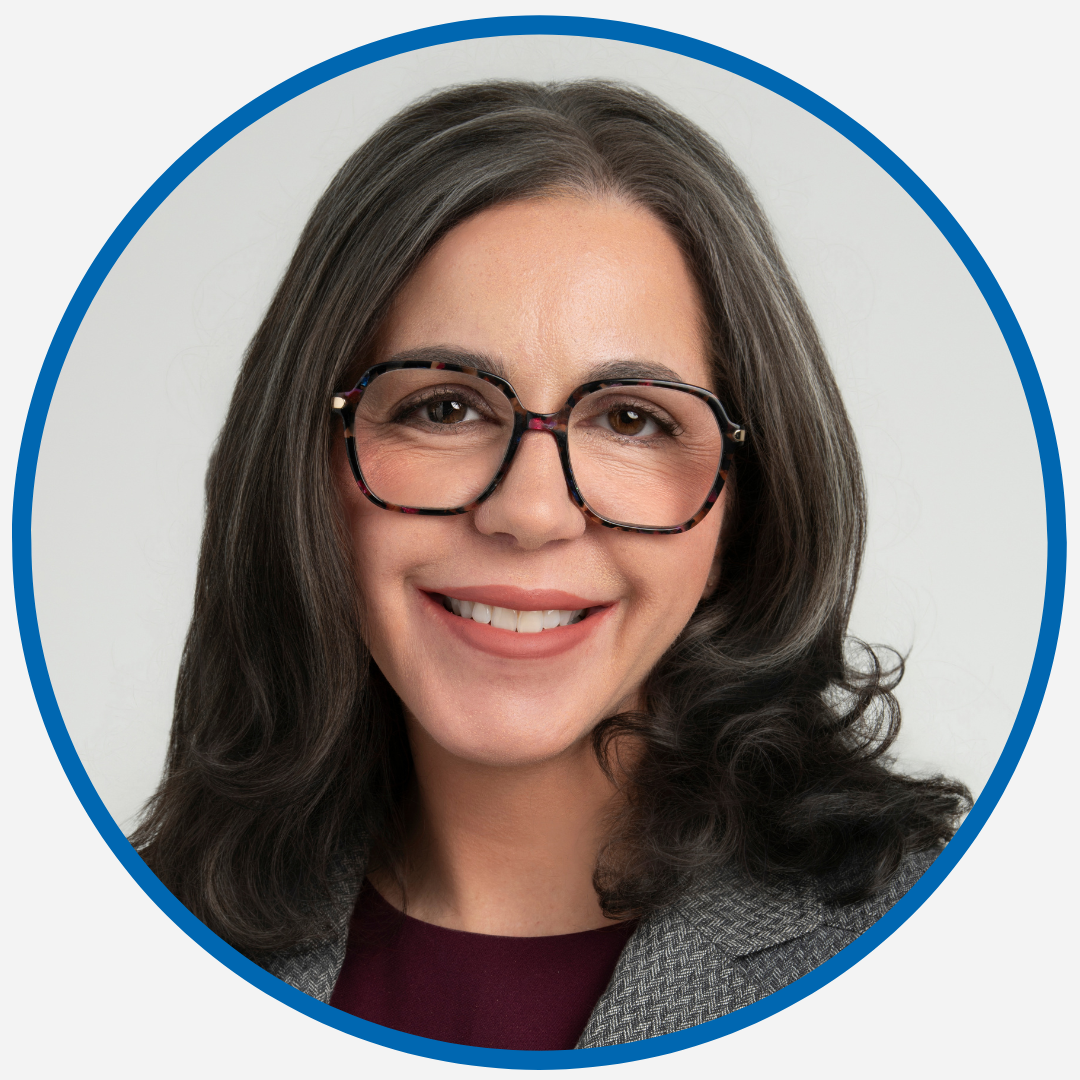
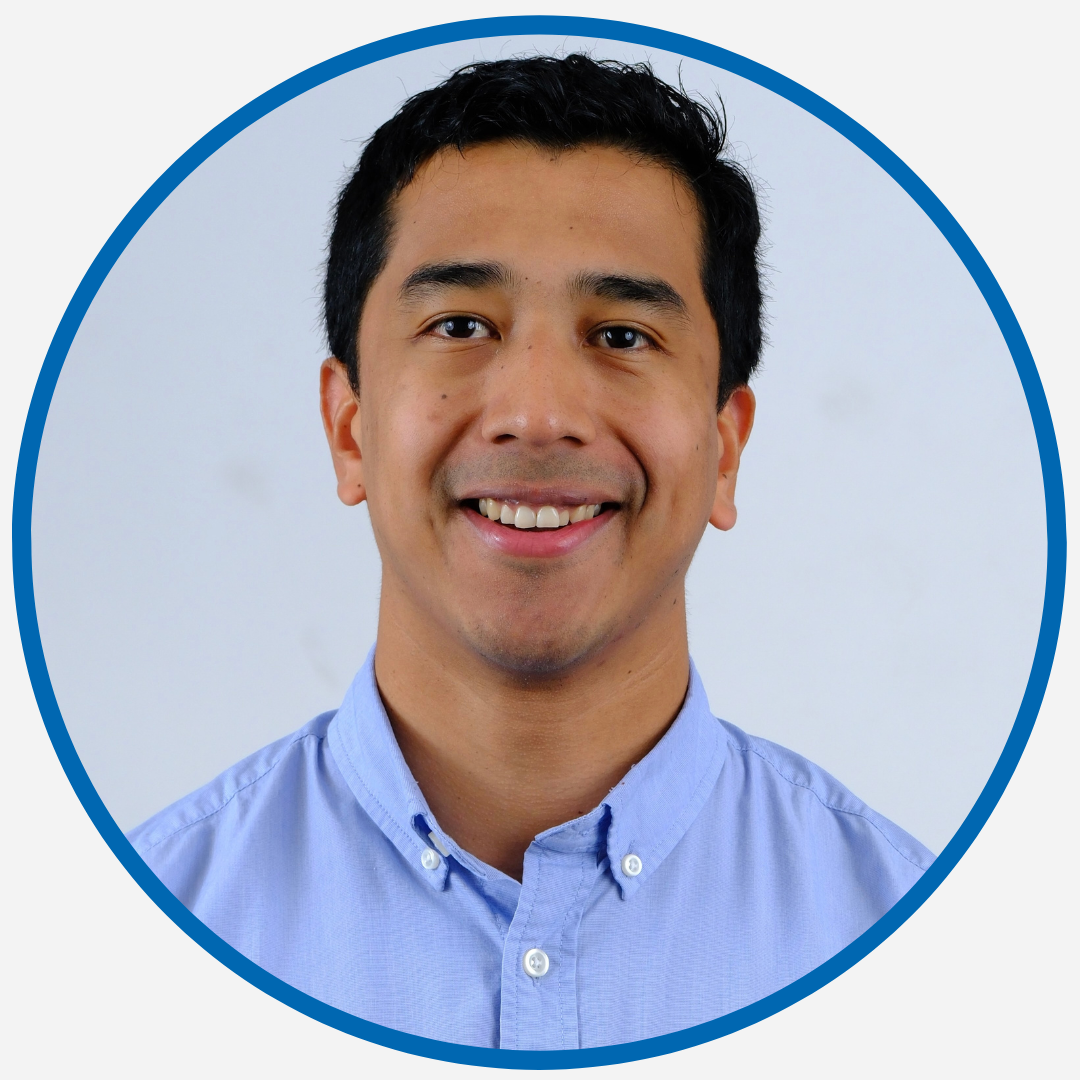
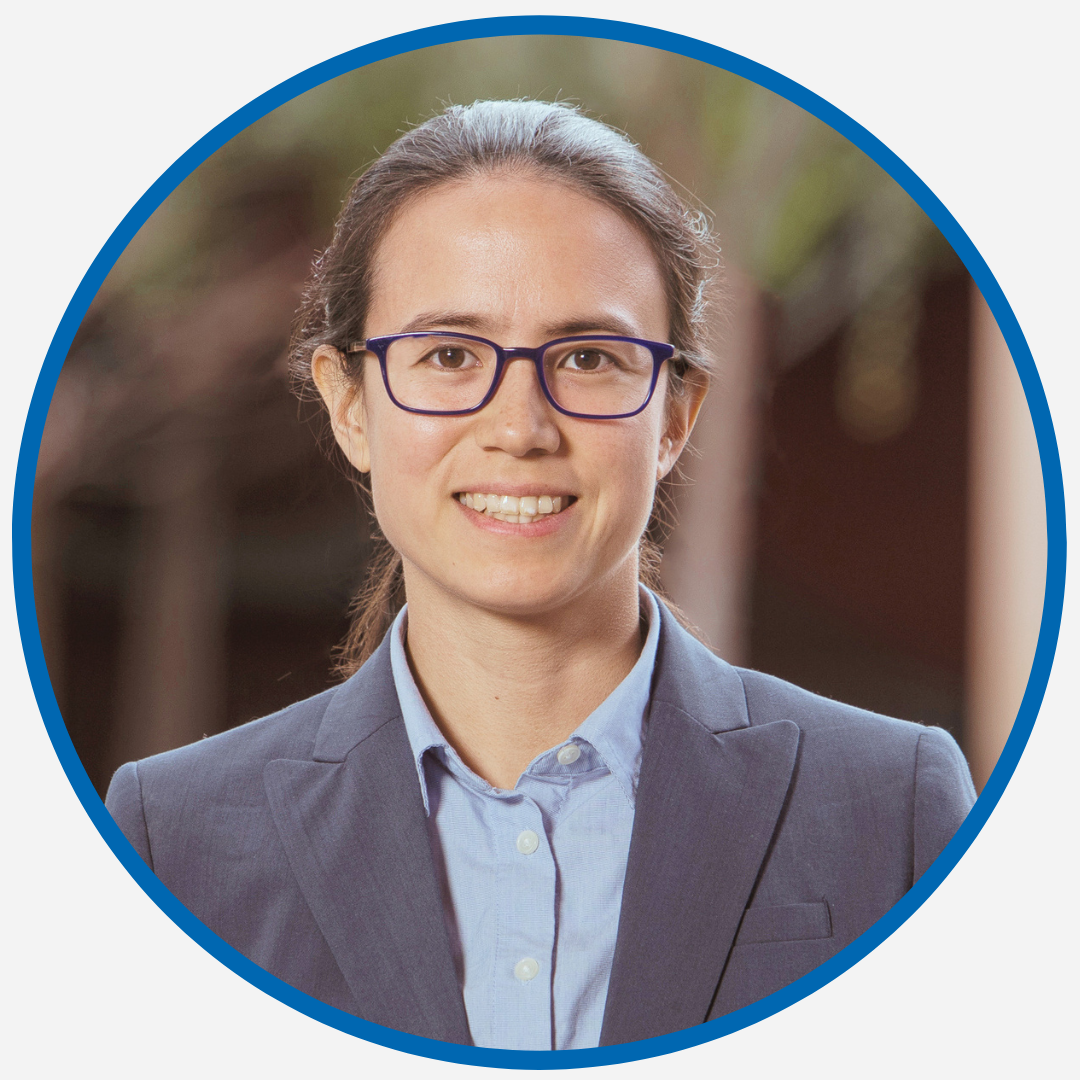
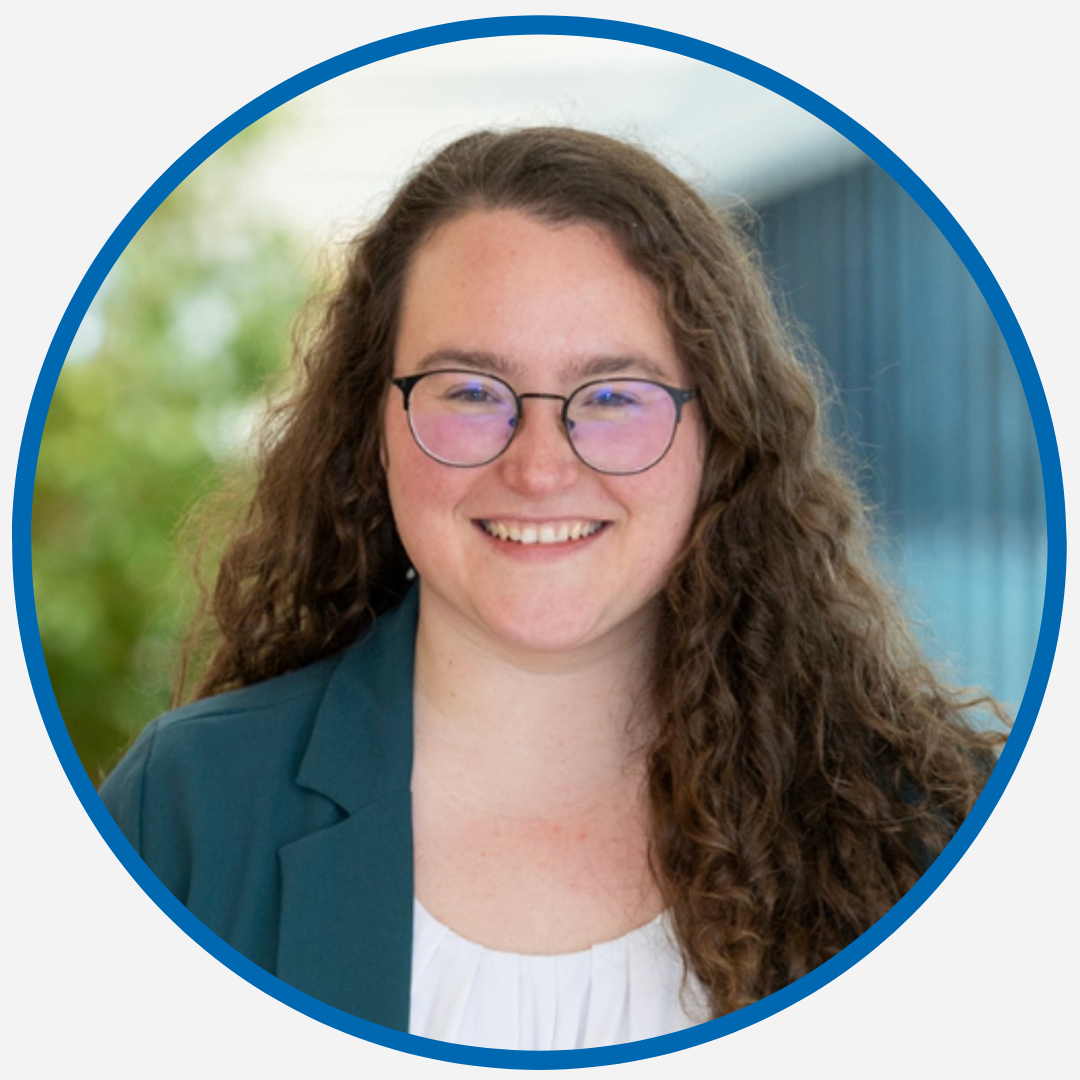
| As co-chairs of the Career Development Committee (CDC), we spend a lot of time thinking about how to help SMDM members connect, grow, and feel at home in our community. The CDC leads activities that support the professional development of society members at all career stages. When we were invited to write this newsletter piece, we wanted to use the opportunity to reflect on our own journeys and the role SMDM and the CDC have played in them. Here are three stories about what SMDM has meant to each of us. | |
Marissa Reitsma: I first attended SMDM as a second-year PhD student in 2020. Even though the conference was held virtually, I was impressed by how welcoming and supportive the community felt. I participated in the One-to-One Mentorship Program and was paired with Karen Kuntz. We had a great conversation that year, and my positive experience through this CDC flagship program inspired me to sign up as a volunteer. I ended up co-leading the mentorship program for several years, which allowed me to connect with many SMDM members and give back to the society. I encourage you to consider joining the CDC or another SMDM committee that aligns with your interests. It’s a wonderful way to meet other members while contributing to programs that make our society special.
|
| |  | Stijntje Dijk: I was fortunate that my PhD supervisor, Myriam Hunink, was a major advocate for SMDM. Our university funded one international conference during our studies, and for me, that was SMDM in Berlin. What impressed me most was the genuine willingness of senior researchers to help juniors grow. This was visible in many ways: from the highly attended poster sessions and casual coffee breaks to what was most impressive and new to me, the CDC activities like speed mentoring and one-on-one sessions. The great thing about SMDM is that if you benefit from an initiative, you are always welcome to contribute to it the following year. Regardless of your background or experience level, anyone with time and ideas will find a welcoming community within the society that shares their passion. It’s also a fun way to get to know people from other institutions, hear about their work and how their PhD trajectories differ from your own, and make sure the next conference you visit you’ll have plenty of reunions to look forward to.
| |
Jinyi Zhu: I first attended SMDM in 2017 as a second-year PhD student. I wasn’t presenting that year; I came to listen, learn, and get a sense of the field. What I remember most, though, was how welcoming the community felt. By the next meeting, I was recognizing familiar faces in poster sessions and hallways and felt like I truly belonged. The CDC played a big role in that experience. As a trainee, I participated in both the Speed Mentoring and One-to-One Mentoring programs, and those early conversations made SMDM feel much more approachable. Years later, when I was on the faculty job market, many of the people I reached out to were people I had first met through SMDM. One of those connections—Ashley Leech, whom I met at an SMDM networking event—is now my colleague at Vanderbilt. Serving as a co-chair of the CDC now feels like coming full circle: a chance to help create the same welcoming community that shaped my own career.
| Looking back, all three of us started out simply attending SMDM. We didn’t expect that a mentoring conversation, a volunteer opportunity, or a conference introduction would lead to friendships, collaborations, and career-long connections. The best part of SMDM isn’t just the science; it’s the people. If you’ve benefited from this community, we hope you’ll consider helping shape it for someone else, whether through the CDC or another committee. We’d love to have you join us! |
| | |
Decision Psychology Idea Tournament and Pilot Research Awards
By Brian Zikmund-Fisher
I’m excited to be launching two new initiatives for the decision psychology/experimental social scientist community within SMDM: The Decision Psychology SIG Pilot Research Idea Tournament and the Zikmund-Fisher Pilot Award program.
| | | Decision Psychology Pilot Idea Research Tournament | |
On behalf of the Decision Psychology Special Interest Group (SIG), please join us for the Decision Psychology Pilot Research Idea Tournament, at any of three sessions:
- Session 1: 31 August 2026, 10:00 AM EDT / 16:00 CEST
- Session 2: 31 August 2026, 7:00 PM EDT / 01:00 CEST (Tues 1 Sept)
- Session 3: 14 September 2026, 10:00 AM EDT / 16:00 CEST
| | |
Each presenter will have 5 minutes
- 2 minutes for idea presentation (focus on the research question and its significance, with minimal discussion of methods)
- 3 minutes for quick questions and answers (which will be posed in the chat and read by the moderators)
All attendees will have the opportunity to provide qualitative feedback on the perceived strengths and challenges of each research idea using an online form. Several members of the Selection Committee for the Z-F Pilot Awards will also be in attendance and provide feedback.
The goal of the Pilot Research Idea Tournament is to allow people to make quick pitches of possible study designs and to receive constructive feedback about strengths and weaknesses from the Decision Psychology SIG membership.
In particular, we hope to (a) encourage involvement from psychologists and other social scientists who may not have past experience with medical decision making research and medical contexts and (b) support matchmaking between clinician researchers and social scientists.
The Idea Tournament will also be a great way to try out research ideas for the Z-F Pilot Award Program; read on to learn more.
| | | Zikmund-Fisher Decision Psychology Pilot Award Program | |
As was announced back in June, I’m also happy to be supporting and launching the Z-F Pilot Award Program, which will fund 3-4 pilot awards to support new, primary data collections related to applications of decision psychology methods to patient and/or clinician medical decision making. Preference will be given to proposals that address important practical questions grounded in specific health contexts, ideally with immediate real-world implications. E.g., randomized tests of communication formats for decision-relevant medical / risk data, comparative tests of alternate framings or presentations of medical decision options, or assessments of associations between patient or clinician cognitive characteristics with medical decisions. Note that the Z-F Pilot Awards are not intended for tests of shared decision making interventions, although studies testing design decisions for such interventions might be appropriate.
While Z-F Pilot Award awardees must be SMDM members at the time of their full application and for the length of the award, letters of intent are strongly encouraged from non-members, on the understanding that they will join SMDM if they are selected to submit a full application. Preference will be given to (a) psychologists and related social scientists at any career stage who are making a new pivot towards applied medical decision making research, (b) clinician investigators establishing new collaborations with social scientists to study medical decision making issues, and (c) student / trainee / early career researchers in medical decision making.
| |
Important Dates:
- Letters of intent due: 1 October, 2026
- Notification of finalists: on or before 15 October, 2026
- Full applications due: 15 November, 2026
- Initial awards: January 2027
For more detailed information, please click below:
| I hope that many of you will not just consider participating in these initiatives but sharing information about them widely. These initiatives are an opportunity to show our psychologist / social scientist colleagues both how cool medical decision making topics can be to research and how welcoming SMDM is as an interdisciplinary professional community. Please don’t hesitate to reach out to me directly (bzikmund@umich.edu) if you have further questions. | | | Survey on AI-Assisted Self-Triage Under Uncertainty | |
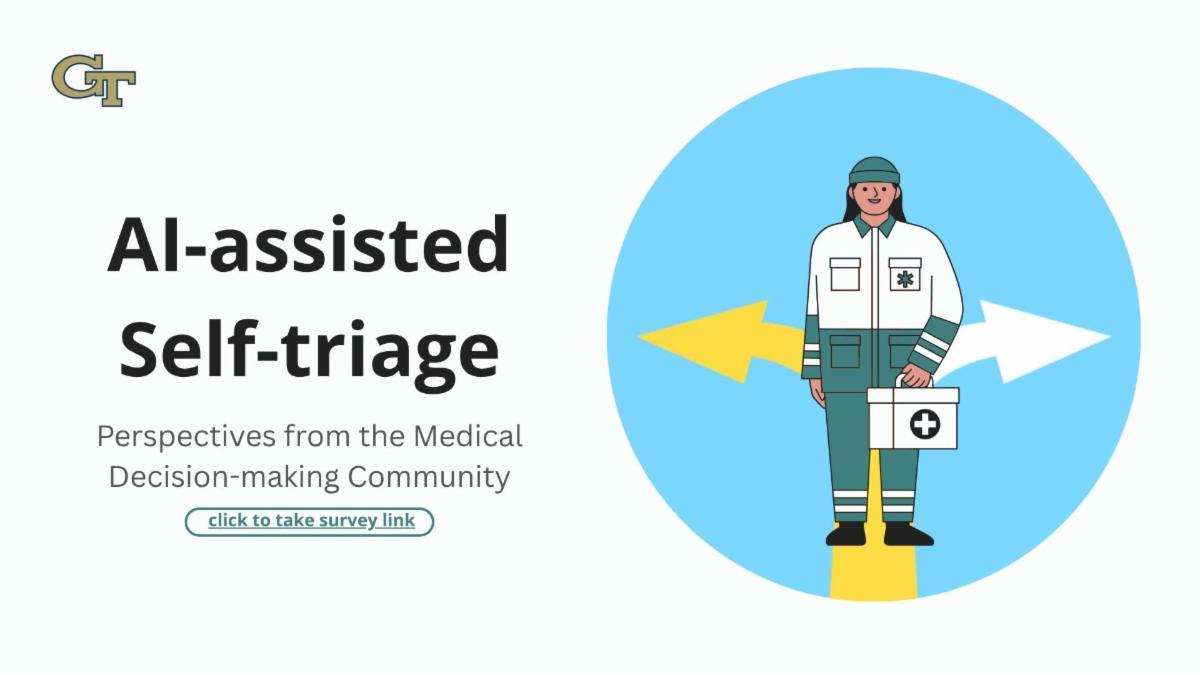
How should large language models (LLMs) be used in medical self-triage when evidence is incomplete, risk is uncertain, and the consequences of error can be substantial? As patients increasingly use AI tools such as ChatGPT to interpret symptoms and decide whether to seek care, these systems raise important questions for medical decision making, risk communication, and healthcare policy.
We are conducting a survey at Georgia Tech to understand how clinicians and healthcare researchers evaluate AI-assisted self-triage. We invite members of the medical decision-making community, including clinicians, health services researchers, policy experts, and decision scientists, to share their perspectives. The survey takes approximately 20 minutes and is approved by the Georgia Tech IRB (IRB2025-388).
| | | Invitation to Submit to The Journal of Economic Psychology | |
The Journal of Economic Psychology invites submissions to a special issue on Numeracy and Economic Decisions. Papers are due April 30, 2027.
Contributions should advance our understanding of how numeracy shapes economic judgments, decisions, and behaviours, broadly defined. We welcome work spanning laboratory and field studies, cross-cultural comparisons, and applied interventions, using diverse approaches and methodologies.
For informal inquiries regarding fit or scope, please contact:
Ellen Peters: ellenpet@uoregon.edu
Brittany Shoots-Reinhard: shoots-reinhard.1@osu.edu
Pär Bjälkebring: pop-par.bjalkebring@psy.gu.se
| | | |
Assistant/Associate/Full Professor, Pharmacoepidemiology/Pharmacoeconomics
Department of Clinical Pharmacy, School of Pharmacy, University of California, San Francisco
The UCSF Department of Epidemiology and Biostatistics (DEB) invites applications for a full-time Assistant or Associate Professor with expertise in methods of clinical epidemiology, a strong interest and experience in teaching the methods of contemporary predictive analytics as applied to clinical decision-making and healthcare delivery, record of accomplishment in applied research related to predictive analytics, and experience with electronic medical record-based informatics and/or research.
DEB faculty are expected to lead an independent, extramurally-funded research program; participate in formal instruction to professional and graduate students in the methods of clinical and epidemiologic research; provide project-specific and career mentoring to all levels of trainees; and contribute to departmental and university service.
Review detailed qualifications (https://apptrkr.com/9719440) including doctorate-level professional degree in medicine, pharmacy, or nursing (or equivalent clinical experience). Apply online (https://apptrkr.com/9719440) by September 30, 2026, with a cover letter, CV, statement of research, statement of teaching experience, and three reference contacts.
| |
Cancer Population Science (CPaS)
Postdoctoral Training Position
The Georgetown Lombardi Comprehensive Cancer Center (GLCCC)
GLCCC is seeking outstanding candidates for an NCI-funded T32 postdoctoral training program in CPaS. Applicants should have a doctoral degree in psychology, epidemiology, health services, or related field. Previous experience conducting cancer-related research is desirable but not required. First-year trainee salary is $72,000. To learn more, click here: lombardi.georgetown.edu/education/cpas-program.
| |
Full-time Postdoctoral Scholar Position Focused on Policies to Address Homelessness, Opioid Use Disorder, and Their Health Impacts
Department of Health Policy and Department of Management Science and Engineering, Stanford University
Prof. Jeremy Goldhaber-Fiebert in Stanford’s Department of Health Policy and Prof. Margaret Brandeau in Stanford’s Department of Management Science and Engineering seek a highly skilled individual for an outstanding opportunity to work as a full-time postdoctoral scholar. The position will start in September 2026, although the exact starting date is flexible and negotiable. The position is for a one-year term with the possibility of renewal for a second year.
The position is supported by a National Institute on Drug Abuse-funded R01 award. The position involves contributing to a dynamic team engaged in developing and applying a combination of statistical analyses and decision-analytic simulation modeling of the opioid epidemic and homelessness, including links to HIV, hepatitis C virus, and other communicable diseases along with model-based evaluations of the health and economic impacts of housing provision, opioid use disorder (OUD) treatment, and other interventions for people experiencing homelessness with OUD. The position may also involve other collaborations with faculty and trainees at Stanford and other institutions and work with partners in government agencies and non-governmental organizations engaged in the planning and delivery.
This position is ideal for a candidate with experience in data analytics, computation, statistical analyses, and decision-analytic modeling who is interested in health policy and economic evaluation. Prior work in any of the following areas would be a plus: substance use, homelessness, infectious disease epidemiology, and/or transmission dynamics modeling of infectious diseases.
Required Qualifications:
- A successful candidate should have a PhD in health policy; management science and engineering; operations research; economics; or a related field.
- They should exhibit strong attention to detail, time management skills, fluency in a relevant programming language (e.g., R or Python).
- Strong written and oral communication skills.
- Experience managing multiple projects at once.
- Willingness to learn new technical skills and gain knowledge in the areas of US health policy related to the opioid epidemic, homelessness, and related health impacts.
Required Application Materials:
- Cover letter highlighting professional background, research interests, qualifications for this position, and career goals
- Curriculum vitae
- Contact information for 2 references
- 1-2 representative publications
Announcement details available at: https://postdocs.stanford.edu/prospective/opportunities/open-postdoctoral-position-faculty-mentor-jeremy-goldhaber-fiebert
Stanford is an equal opportunity employer and all qualified applicants will receive consideration without regard to race, color, religion, sex, sexual orientation, gender identity, national origin, disability, veteran status, or any other characteristic protected by law.
| | Uwe Siebert Receives 2026 Career Achievement Award | |
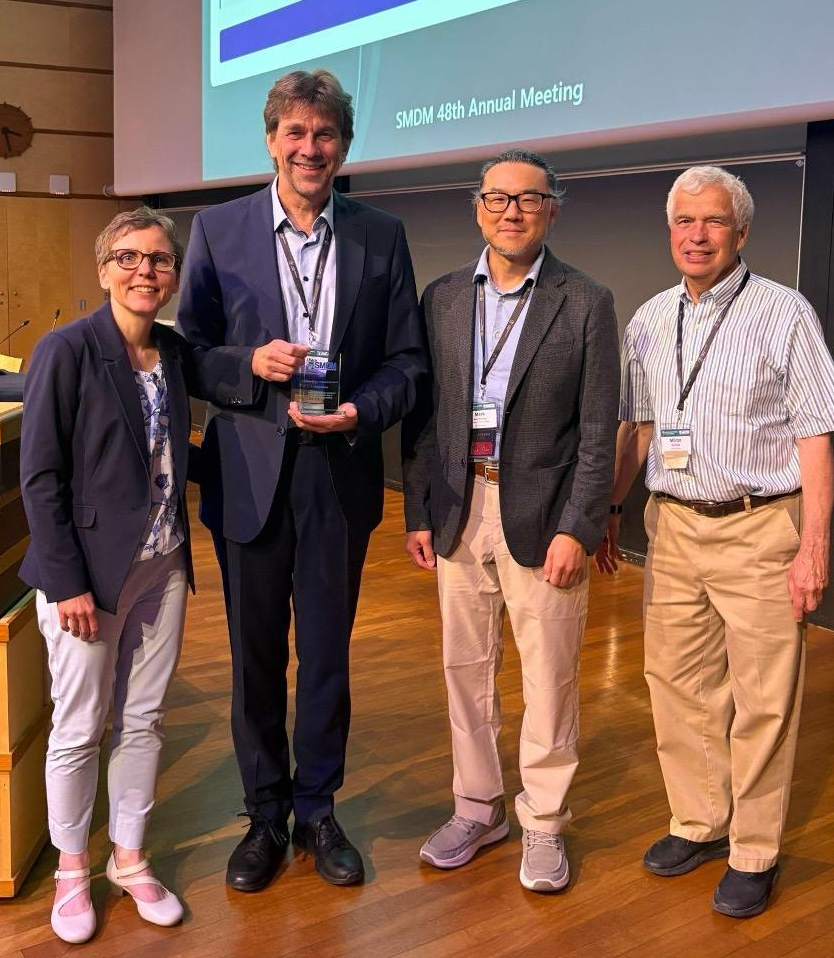
The Society for Medical Decision Making (SMDM) presented its highest career honor, the 2026 Career Achievement Award, to Professor Uwe Siebert, MPH, MSc, ScD, recognizing his decades of transformative contributions to medical decision making through groundbreaking research, international leadership, education, and service.
The award was presented during the Leadership Awards Session at the SMDM 48th Annual Meeting in Oslo, Norway, by Professor Mark Bounthavong, PharmD, PhD, Chair of the SMDM Awards Committee and Professor of Clinical Pharmacy at the Skaggs School of Pharmacy and Pharmaceutical Sciences at the University of California, San Diego.
The SMDM Career Achievement Award recognizes distinguished senior investigators whose sustained contributions have significantly advanced the science and practice of medical decision making. Recipients are selected through a competitive nomination process following an open call and are evaluated by the Society’s Awards Committee.
“It was a tremendous honor to present the Society for Medical Decision Making’s 2026 Career Achievement Award to Professor Uwe Siebert,” said Professor Bounthavong. “Throughout his career, Professor Siebert has exemplified the qualities this award celebrates, scientific excellence, methodological innovation, visionary leadership, and an unwavering commitment to improving healthcare decisions through rigorous evidence. His work has influenced researchers, clinicians, policymakers, and generations of trainees around the world, making him exceptionally deserving of this recognition.”
Professor Siebert serves as Professor of Public Health, Medical Decision Making and Health Technology Assessment and Head of the Institute of Public Health, Medical Decision Making and Health Technology Assessment at UMIT TIROL – University for Health Sciences and Health Technology in Austria. He is also Adjunct Professor of Health Policy and Management, and Epidemiology, at the Harvard T.H. Chan School of Public Health, and an affiliated researcher at the Center for Health Technology Assessment at Mass General Brigham, Harvard Medical School.
A physician by training, Professor Siebert began his career working in international public health projects in West Africa, Brazil, and Germany before pursuing training in public health, epidemiology, and decision sciences. He earned his Master of Public Health from the Munich School of Public Health and Epidemiology and both his Master of Science in Epidemiology and Doctor of Science in Health Policy and Management from the Harvard School of Public Health. Today, he directs Harvard’s internationally recognized summer course, Decision Analysis in Clinical Research, helping educate future leaders in health decision science.
Over more than three decades, Professor Siebert has become one of the world’s leading voices in medical decision making. His pioneering work in medical decision analysis, benefit-harm assessment, health economic evaluation, decision-analytic modeling, health technology assessment, epidemiology, and causal inference has advanced the science of evidence-based healthcare while directly informing clinical guidelines, cancer screening programs, health technology assessments, reimbursement decisions, and national health policies around the world.
His influence extends well beyond research. Professor Siebert is a Past President of SMDM and served as the 2025–2026 President of ISPOR – The Professional Society for Health Economics and Outcomes Research. Throughout his career, he has advised governments, health technology assessment agencies, professional societies, and international organizations on evidence-based policy and healthcare decision making. He has authored more than 500 publications, including scientific articles, textbook chapters, policy briefs, and HTA reports, and serves in editorial leadership roles for several internationally recognized scientific journals.
Accepting the award, Professor Siebert reflected on the mentors, colleagues, students, and collaborators who shaped his career, emphasizing that scientific advancement is built not only on ideas but on the people who inspire, challenge, and support one another.
“I am deeply honored to receive this award, and I am truly grateful for this special recognition,” said Professor Siebert. “This award reflects not only my own work but also the dedication and expertise of my entire team. It also reflects the support, encouragement, and inspiration I have received throughout my career from my students, fellows, colleagues, mentors, friends, and my family. SMDM has been an extraordinary intellectual home, and I am grateful to this community for the opportunities it has given me to learn, collaborate, and grow.”
One of the most poignant moments of Professor Siebert’s remarks came as he reflected on the profound influence of his longtime mentor, Milton Weinstein, PhD, whose Harvard course first introduced him to decision analysis and ultimately shaped the direction of his career. Professor Weinstein received SMDM’s Career Achievement Award in 1996, making Professor Siebert’s recognition especially meaningful as it comes exactly thirty years after his mentor received the Society’s highest honor.
“Careers are built not only on ideas,” Professor Siebert reflected during his acceptance remarks, “but also on the people who inspire us, believe in us, and open doors.”
Throughout his address, Professor Siebert highlighted the importance of interdisciplinary collaboration and working directly with healthcare decision-makers to translate research into meaningful improvements in patient care. Drawing on examples from his own career, he described how collaborative decision modeling informed national COVID-19 vaccination strategies and cancer screening policies, illustrating how rigorous decision science can have a lasting impact on healthcare systems and population health.
He concluded by encouraging the next generation of researchers to embrace collaboration across regions and disciplines and to remember that one of the most valuable skills in science is listening, to colleagues, patients, decision-makers, and one another.
Professor Siebert joins a distinguished group of Career Achievement Award recipients whose work has defined and advanced the field of medical decision making over the past three decades. Previous honorees include Anne Stiggelbout, John B. Wong, Dawn Stacey, Michael Kattan, Doug Coyle, Karen Kuntz, Murray Krahn, M.G. Myriam Hunink, Valerie Reyna, Ivar Kristiansen, Alvin Mushlin, Mark Roberts, Donald Redelmeier, Annette O’Connor, Howard Raiffa, J. Sanford (Sandy) Schwartz, Alan Garber, Barbara J. McNeil, Peter Wakker, David J. Spiegelhalter, Allan Detsky, Joseph Pliskin, Jerome P. Kassirer, Daniel Kahneman, George Torrance, John Eisenberg, Dennis Fryback, Harold Sox, Arthur Elstein, Milton Weinstein, and Stephen Pauker.
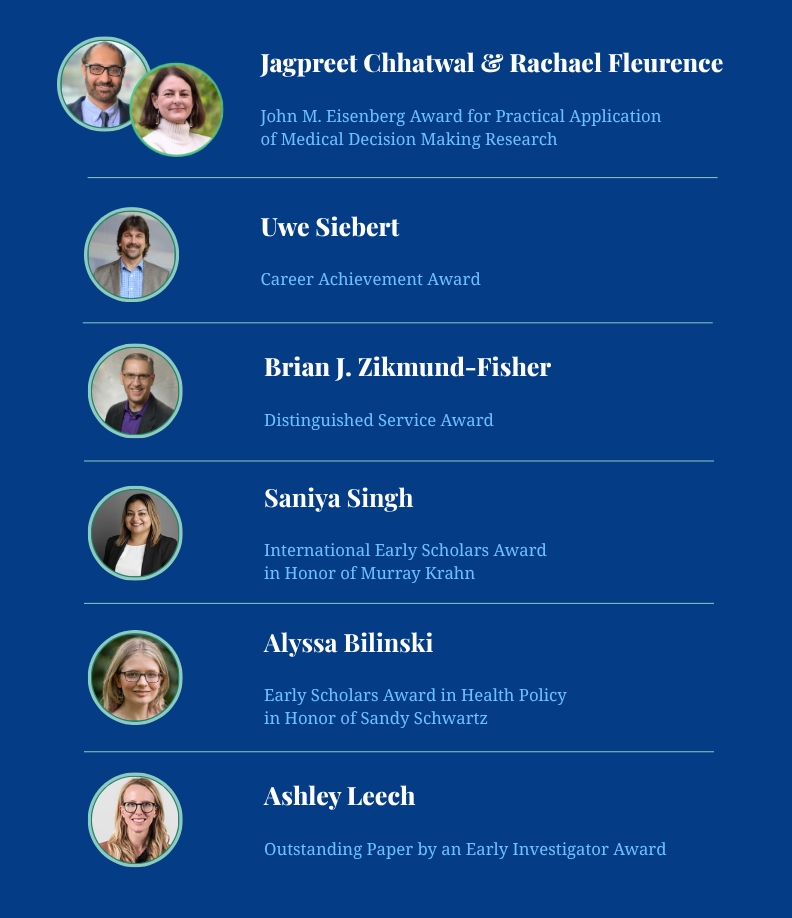
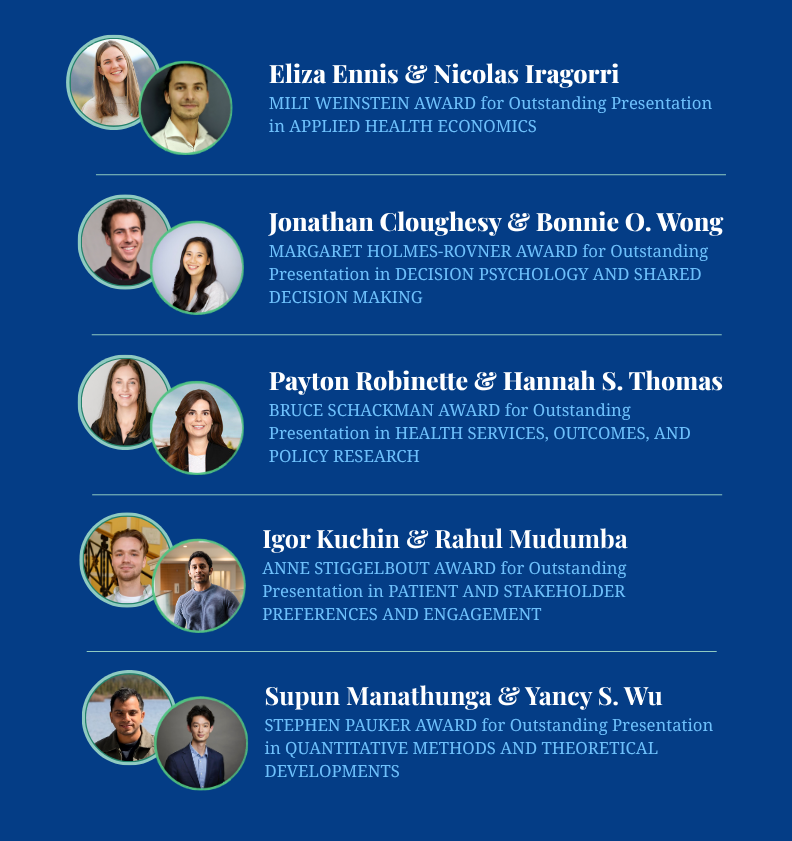
| | | Please join us in congratulating all of the 2026 award winners and thanking the award committee for its time and dedication. | | 2026 Lee B. Lusted Student Prize Competition Winners | | | | |