|
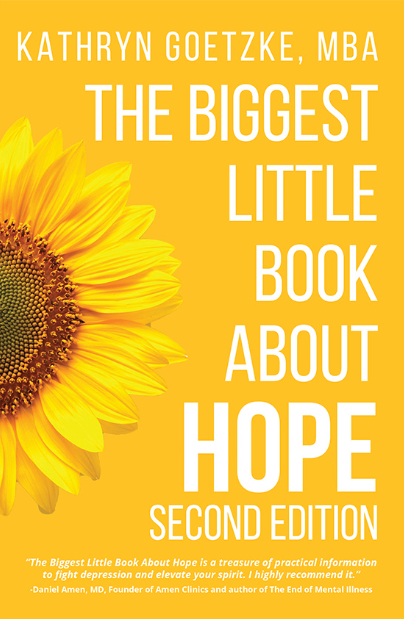
Goetzke’s perspective is informed by her own experience with depression, hopelessness, and suicide, giving the book a deeply personal dimension while remaining grounded in research and practical application. The book has also received endorsements from mental health professionals who have highlighted its accessible science, practical resources, and relevance to suicide prevention.
One of the book’s most valuable ideas is that hope is not the same as positive thinking. When someone is experiencing overwhelming pain or hopelessness, telling them to “have hope” is rarely enough. Instead, we can help people develop skills that create room for possibility, agency, connection, and a different future.
That makes hope something we can actively build—not only within ourselves, but within our families, organizations, and communities.
A small book with an important message: hope can be cultivated, practiced, and strengthened—and that gives us another tool for suicide prevention.
|