Dear HSToday Readers,


Following direct military strikes by the United States and Israel against Iran targets during Operation Epic Fury, and Iran’s subsequent retaliation, the implications for homeland security extend far beyond the Middle East. The unfolding conflict is rapidly reshaping our threat landscape, raising urgent questions about cyber warfare, proxy retaliation, supply chain disruption, and the potential for violence or influence operations closer to home.


This Special Edition examines the many dimensions of this evolving crisis. 


Our contributors explore how Iran may respond through a layered strategy combining military action, cyber operations, and proxy networks, even as escalation dynamics constrain a full-scale regional war. We look at the most common cyber tools the Iranians have used and highlight warnings from cybersecurity experts about how Iranian state-sponsored actors, hacktivists, and affiliated criminal groups could intensify cyber activity against U.S. organizations and critical infrastructure. 


Other critical pieces highlight the wider operational effects already being felt—from missile and drone retaliation and cyber incidents across the region to disruptions affecting aviation, logistics, and global supply chains. The conflict has also triggered difficult questions for homeland security leaders about threat warnings, preparedness, and whether the United States is adequately communicating risks to the public as retaliation scenarios – and threats of activated cells -- evolve. 


At Homeland Security Today, we brought together expert perspectives across counterterrorism, cybersecurity, intelligence, narrative strategy, and infrastructure protection to examine what this moment means for the homeland security community. The contributions from homeland security experts look beyond the headlines to help leaders anticipate the complex risks that may emerge as this crisis unfolds.


In solidarity and service,


Kristina

Kristina Tanasichuk

Executive Editor

Homeland Security Today

Perspectives

U.S. and Israel Strike Iran, Triggering Gulf-Wide Missile Retaliation from Tehran


By: Megan Norris

The conflict between the United States, Israel, and Iran entered its second day Sunday with a series of developments that mark a fundamental turning point: the first confirmed American combat deaths of the operation, the killing of Iran’s Supreme Leader, and Iranian strikes extending into a second consecutive day across Gulf nations.

Read the full story here.


Operation Epic Fury Ends Negotiating Deadlock, Targets Iran’s 47-Year “Death to America” Campaign


By: Andrew Borene

The transition from a “Talks Track” to a “Strike Track” regarding Iranian nuclear capabilities and the regime’s grip on power is now a kinetic reality.

Read the full story here.


Incoming Cyber Attacks From Iran: Top 4 State Sponsored Threat Groups & Tactics to Prepare for


By: Scott Algeier

While the line between hacktivist and state-sponsored threat actors can be blurry, Iran is a formidable adversary hosting several prominent threat actors.

Read the full story here.

What War in the Middle East Means for CIOs and CISOs in the United States


By: Ann Dunkin

If you’re a Chief Information Officer (CIO) or a Chief Information Security Officer (CISO), you’ve more than likely developed a strategy and operating plan, assessed your risks and even done some tabletop exercises to prepare for the inevitable crisis.  But were you – and are you – ready for war in the Middle East? 

Read the full story here.

The End of the Mad Mullah Movement?


By: Mubin Shaikh

The modern Mad Mullah Movement was born in the fateful year of 1979. That year saw the so-called “Islamic Revolution” in Iran, a dramatic seizure of state power by clerical revolutionaries who promised moral renewal but delivered ideological absolutism.

Read the full story here.

Escalating Risks of Iranian Retaliation on American Soil Following Epic Fury Campaign


By: Richard Rempo

Operation Epic Fury has elicited strong pledges of retaliation from Iran, which has raised concern about the possible mobilization of sleeper cell networks and sympathizers here on U.S. soil.

Read the full story here.


U.S.-Israel Attacks on Iran Fuel Complex Domestic Radicalization and Counterterrorism Challenges


By: Dennis Alexander Pracht

The expanding confrontation among the United States, Israel, and Iran is not confined to the Middle East.

Read the full story here.


The Gulf’s Military Transformation: How Arab States Built the Defenses Now Countering Iran


By: Dalia Ziada

As the US-Israel war on the Iranian regime continues to escalate, the key question is not why Tehran has chosen to strike Arab countries rather than directly retaliating against Israel or the American forces stationed along its maritime borders. 

Read the full story here.


Iran Responds to Operation Epic Fury with Layered Military, Cyber, and Proxy Strategy Amid Escalation Constraints


By: Frédéric Lemieux, PhD

Iran’s response to Operation Epic Fury reflects a pre-planned, multi-domain retaliation framework designed to impose costs while preserving regime survivability and avoiding escalation thresholds that could trigger overwhelming U.S. retaliation. 

Read the full story here.

Preparing for an Iranian Cyber War on U.S. Soil: Top 6 Risks to Expect


By: James L. Turgal

Heightened geopolitical tension—particularly following a leadership decapitation event or direct military exchange—significantly raises the probability of Iranian-linked cyber activity targeting U.S. interests. 

Read the full story here.


Operation True Promise 4: How Iran’s Narrative Mobilizes Followers Across the Middle East


By: Suha Hassen, PhD

Missile launches, chants like “Madad Ya Imam,” and rituals such as the red flag atop the Jamkaran Mosque encoded messages interpretable only by members of the Shi’a community. 

Read the full story here.

Iran’s Islamic Revolutionary Guard Corps State: How the Regime’s Security Apparatus Drives External Threats


By: Anna Corsaro

Iran no longer functions as a traditional theocracy. While religious authority remains at the apex, the state’s operational core is now a securitized system dominated by the IRGC and the Supreme Leader’s office. 

Read the full story here.


Strikes on Iran Trigger Regional Disruptions, Forcing Companies to Reassess Security and Supply Chains


By: Claire Moravec & Nikki Rutman

As of March 2, 2026, coordinated United States and Israeli airstrikes and Iran’s subsequent response have resulted in active military operation, including retaliatory missile and drone activity disrupting air and sea travel with significant impacts on transportation and the supply chain. 

Read the full story here.

Iran Strike: Operation Epic Fury Underway — Why Has DHS Not Issued an NTAS Alert?


By: Charles Sowell

Operation Epic Fury, the joint U.S.-Israeli military operation targeting key elements of Iran’s internal security apparatus, entered its second day on March 1, 2026, and the Department of Homeland Security has still not issued a National Terrorism Advisory System (NTAS) alert.

Read the full story here.

Intelligence Sharing and Counterterrorism Preparedness at the Local Level


By: Peter Simpson

Actions unfolding across the globe also have local impacts. State and local law enforcement stand as the frontline against these threats. Local agencies need to lean in and prepare themselves and their communities for the possibility of a targeted attack.

Read the full story here.

NEW to HSToday: Frontline Watch

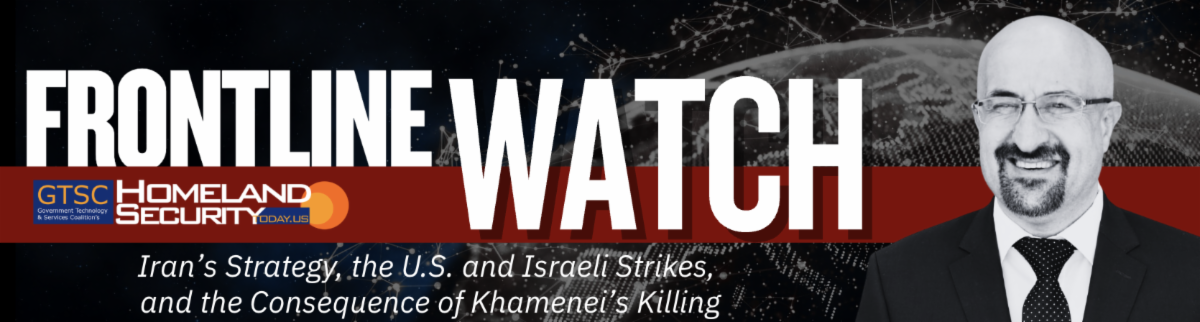
Since the 1979 Shah Revolution that ousted Mohammad Reza Shah Pahlavi, the Islamic Republic of Iran has maintained hostile relations with the Western world, especially the United States and Israel. Based on the doctrine of Velayat-e Faqih (Guardianship of the Jurist), which grants ultimate authority to the Supreme Leader, Iran developed a strategic model focused on forward defense and extended deterrence. In this framework, Tehran aims to project power beyond its borders by supporting and directing non-state armed groups aligned with Iranian national interests.


Iran’s leadership often frames its foreign policy within a religious narrative, but its strategy combines ideological mobilization with state-centered power projection. By mobilizing sectarian solidarity, especially among Shia populations in geopolitically sensitive states, Iran has expanded its influence across the Middle East.


Read the rest of Frontline Watch
here. 
Interested
a weekly look at emerging terrorist activity and global threat trends? Subscribe here!

IRGC Qods Force Vows to “Open the Gates of Fire” to Avenge Iranian Supreme Leader Khamenei


Read the full story here.


Iran-Led “Axis of Resistance” Movements in Iraq and Yemen: “The War Against Iran Is the New Battle of Karbala”


Read the full story here.


PFLP-Affiliated Samidoun and Masar Badil Call for Global “Mass Demonstration of Rage” Against the U.S. and Israel in Response to Iran Attack


Read the full story here.

The Latest

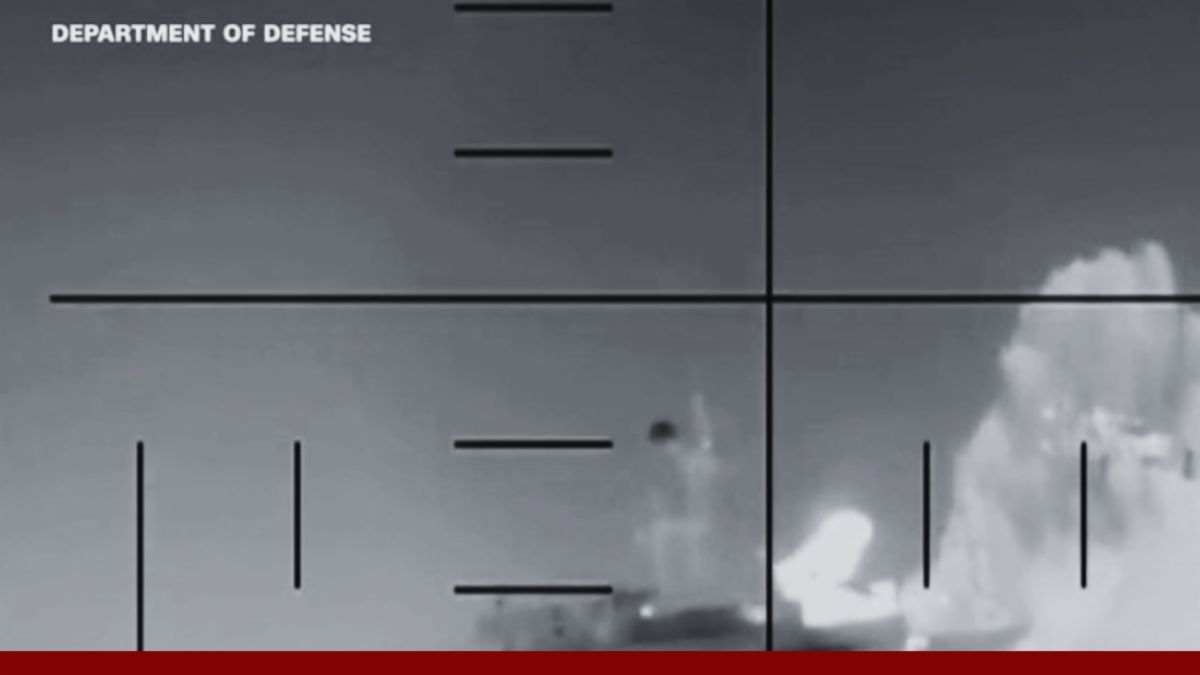
Hegseth Confirms Sinking of Iranian Warship


An American attack submarine sank an Iranian Navy ship off the coast of Sri Lanka, extending the ongoing conflict with Iran to the Indo-Pacific.

Read the full story here.


Silicon Valley Engineers Charged with Trade Secret Theft, Sending Sensitive Data to Iran


Three engineers working at major Silicon Valley technology companies have been indicted on federal charges of stealing sensitive trade secrets and transferring confidential data to unauthorized locations, including Iran.

Read the full story here.

FBI Resource Highlights Cyber Intelligence and Terrorism Risks to U.S. from Iran

In its counterintelligence resource titled “The Iran Threat,” the Bureau stated that threats from the Iranian regime and its terrorist partners can reach across the globe, including inside the United States. 

Read the full story here.


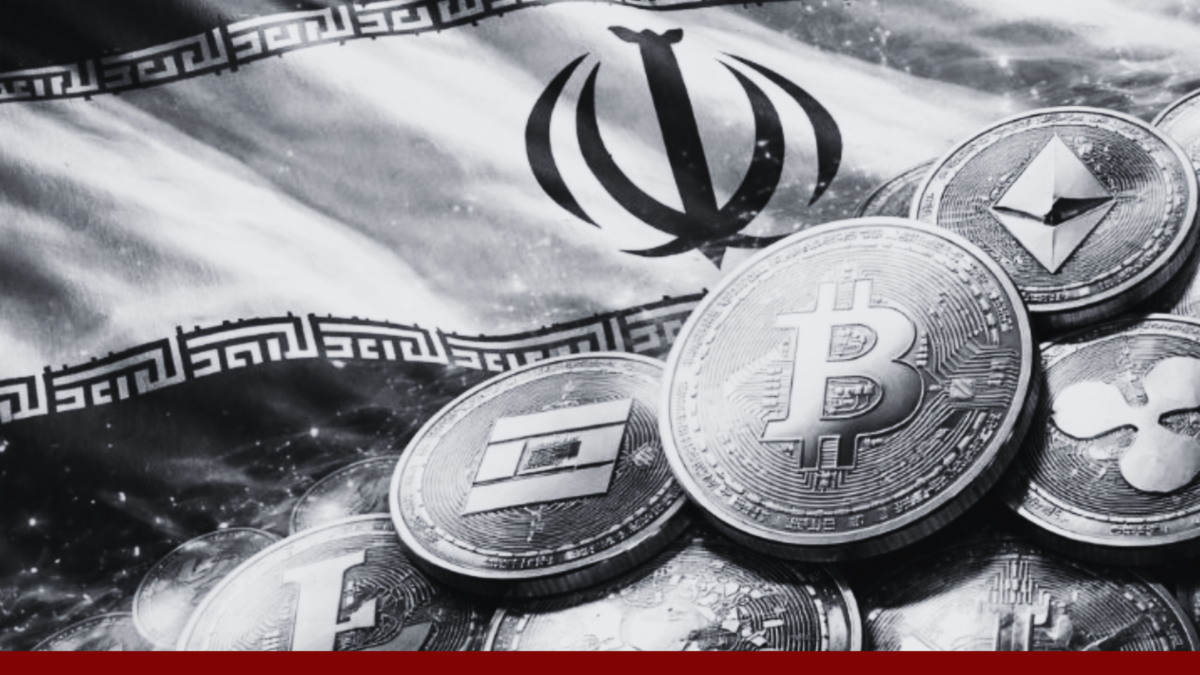
Two UK Crypto Exchanges Moved $1B for Iranian Regime Using Fake CEO, OCCRP Investigation Reports


The Iranian regime has been funneling billions of dollars’ worth of digital assets through a fictional woman in the UK, the Organized Crime and Corruption Reporting Project (OCCRP) revealed on Friday, following an extensive investigation.

Read the full story here.


Japanese National Sentenced to 20 Years in Prison for Conspiring to Sell Nuclear Materials to Iran


Takeshi Ebisawa, a Japanese national, was sentenced to 20 years in prison for his participation in a conspiracy to traffic nuclear materials, including uranium and weapons-grade plutonium, from Burma to other countries, as well as his participation in international narcotics trafficking, weapons, and money laundering crimes.

Read the full story here.

State Security Announces Apprehension of Two Cells Linked to Iranian Revolutionary Guard


As part of ongoing efforts to protect the country’s security and stability, the competent authorities have successfully arrested two cells operating for the Iranian Revolutionary Guard in the State of Qatar.

Read the full story here.


X Share This Email
LinkedIn Share This Email

Want more news in homeland?

  • Have a news tip? Reach out here.
  • Sign up for our other newsletters covering subject matter areas across homeland security here.
Facebook  LinkedIn  X  Web  YouTube