A Note from the Executive Editor...


Thank you for your interest in our Special Edition on Prevention.


The devastating shooting in Oregon brings another community into unimaginable grief—and renews the urgency of the work we must do together to prevent violence. Our hearts are with the victims, their families, and everyone whose life has been changed by this tragedy.


We cannot view these tragedies as something happening in "someone else’s" community. At any moment, it could be us: our community, our school, our family. At HSToday, prevention means recognizing what could happen and actively building the conditions, relationships, and pathways to intervention that can keep it from happening.


As we expanded our expert verticals this last year and a half, we added Prevention to give greater attention to the people, research, and interventions that can help stop violence before it occurs. This Special Edition reflects that commitment: bringing practical knowledge to the people who can put it to work.

We invite practitioners across disciplines to share your experience, your work, and the lessons others can use. What has helped you recognize concerning behavior, connect someone with support, or bring partners together to intervene? Where are the gaps? We also welcome submissions to Pracademic Affairs, our journal connecting scholarship with practice, to strengthen the exchange between research and those working on the front lines.


This is a community we must build together. Sharing knowledge, strengthening relationships, and learning from one another can help us act faster and intervene earlier. No single person, profession, agency, or organization can do this alone.


We must all become part of the solution. Join us. Please SHARE THIS RESOURCE!


Kristina

Kristina Tanasichuk

Executive Editor, Homeland Security Today


A Note from Prevention's Editor-At-Large....


In the aftermath of the tragedy in Bend, Oregon, our heart goes out to the victims, their families and the community.


It is human nature that in the wake of such tragedies, we all look for explanations. It is important to note that bad actors may try to fill the information void that understandably exists as investigators do their important work, with manipulative information designed to hijack our collective emotions and advance their agenda.


At HS Today, we encourage our readers to reflect on the victims, and also to turn their thoughts to preventing this from happening in other communities around the country. We all have a role to play.


Prevention isn’t about blame: it is about building the systems of care and positive interventions that help people thrive, building awareness of concerning behaviors and how to foster referrals for those individuals to someone who can help, and equipping individuals to navigate on- and offline information environments in a way that protects them from manipulation, dehumanization, hopelessness, or hate.


We do not yet know all the relevant details about what unfolded last week, and we will wait for a more clear picture to emerge before offering recommendations specific to this event. But we will also move with a sense of urgency to advance targeted violence prevention programs, research and the community of practice as we continue to mourn, and to learn.


Preventing targeted violence requires action across schools, workplaces, families, and communities. This special edition brings together a public health-informed prevention framework, lessons from school safety and threat assessment, practical resources, and research on the pathways that can lead to violence.


Explore HSToday’s Prevention Beat.


Bill

Bill Braniff

Editor-at-Large for Prevention, Homeland Security Today

Executive Director, Polarization & Extremism Research & Innovation Lab (PERIL), American University

What Homeland Security Can Learn From Public Health About Preventing Targeted Violence


By Sharon Gilmartin

Sharon Gilmartin argues for addressing conditions that contribute to violence earlier, alongside threat detection and intervention. She draws on public health practice to examine what homeland security can change before concerning behavior becomes visible.

Read the story here.

Advancing a Public Health-Informed Approach to Targeted Violence Prevention


By Theo Warner & William Braniff

Theo Warner and William Braniff outline a public health-informed framework for preventing targeted violence. Their approach connects early intervention, risk and protective factors, and multidisciplinary partnerships while emphasizing civil rights and community trust.

Read the story here.


A Coordinated Approach to Campus Safety: Bridging Clery, Title IX, and Behavioral Threat Assessment


By Mary Rohmiller and Kelly Berkell

Mary Rohmiller and Kelly Berkell examine how campus safety systems can work together. Their recommendations address governance, information sharing, joint training, and documented decisions across Clery, Title IX, and behavioral threat assessment and management.

Read the story here.


Lessons From an Evaluation of Targeted Violence and Terrorism Prevention Efforts in Wood County, Ohio


By Megan K McBride and Lauren K Hagy

A year-long evaluation of Wood County’s youth prevention efforts offers lessons for school and community partners. The authors examine parent engagement, flexible threat assessment teams, continuity of care, and the relationships needed to sustain coordinated support.

Read the story here.

PERSPECTIVE: Why Recognizing Warning Signs is Key to Preventing Targeted Violence


By Dr. Amy Cooter

Following a deadly mosque attack in the San Diego area, Amy Cooter discusses the gap between noticing concerning behavior and knowing how to respond. She calls for practical support for families, schools, and communities before a crisis.

Read the story here.


Patterns of Missed Red Flags in School Shootings Highlight Prevention Gaps


By Matt Seldon

Drawing on reporting about Uvalde and the Minnesota shooting, this article examines warning signs and missed opportunities for intervention. It considers how greater awareness of patterns preceding school attacks could support prevention.

Read the story here.

New Study Explores How Weapon Inscriptions May Inform Threat Assessments in Mass Shooting Cases


By Matt Seldon, Veridium

A study examines weapon inscriptions as potential context within behavioral threat assessment and management. Researchers emphasize that markings must be considered alongside behavior, communications, and planning; inscriptions alone are not proof of motive or intent.

Read the story here.

Experts Warn of Youth Radicalization Online in New Interview


An interview examines online youth radicalization following alleged plots against two Canadian high schools. The coverage highlights how geographically separated young people can connect online and why prevention responses need to account for those networks.

Read the story here.


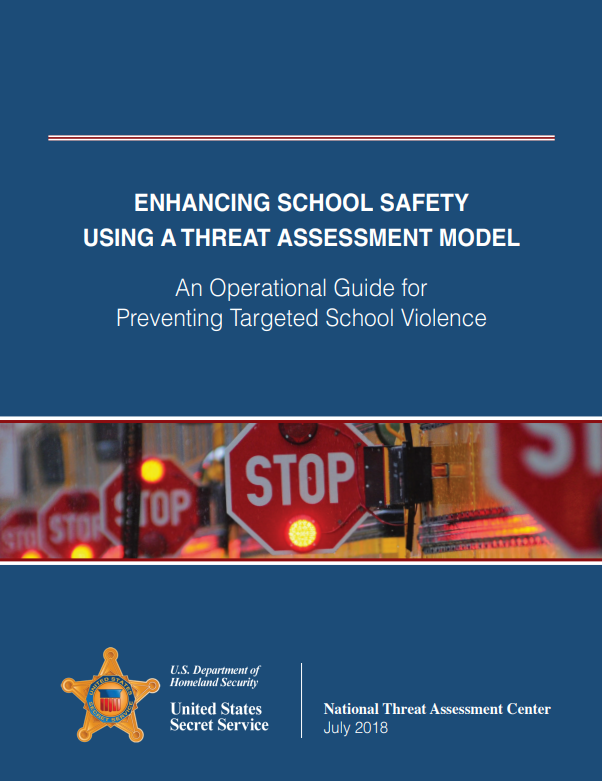
Enhancing School Safety Using a Threat Assessment Model


This operational guide provides direction for schools developing programs to prevent targeted violence through a threat assessment model. Pair it with NTAC’s research on averted school attacks.

Read the story here.

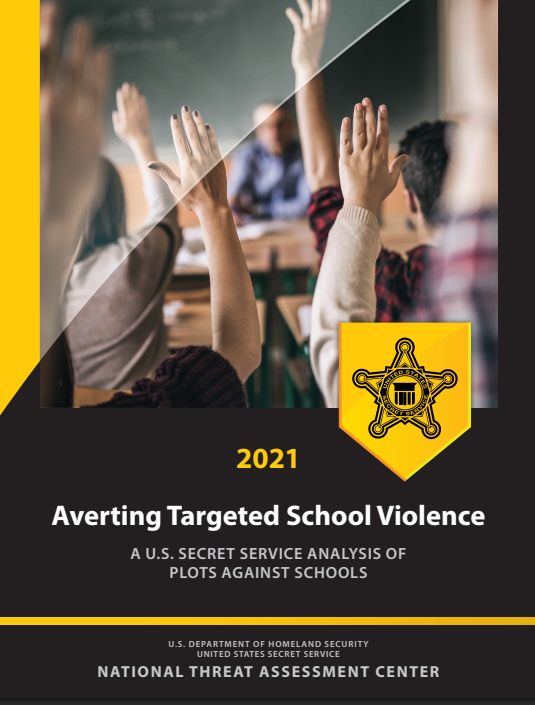
Averting Targeted School Violence


NTAC’s analysis of plots against schools examines attacks that were stopped before violence occurred. The report offers a practical research companion to the school safety guide.

Read the story here.

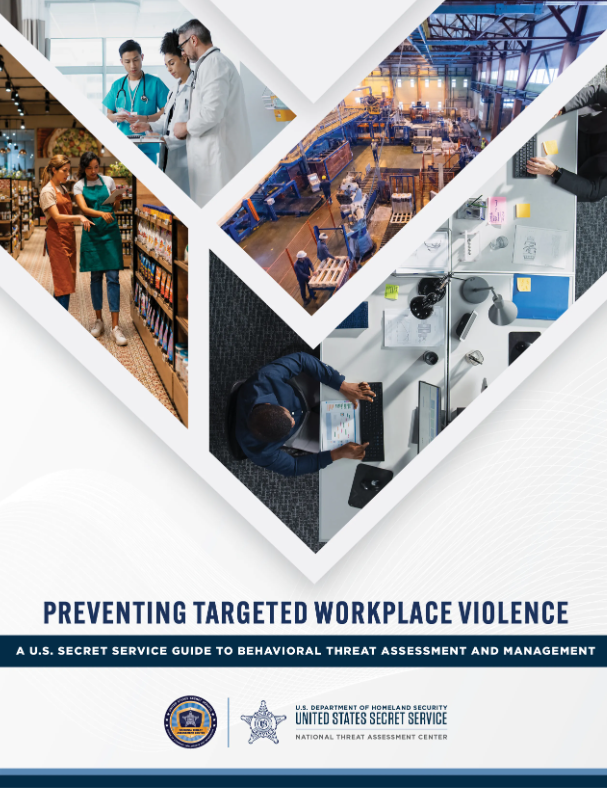
Secret Service NTAC to Release Comprehensive Targeted Workplace Violence Prevention Guide and Host Webinar


NTAC has announced a workplace violence prevention guide and accompanying virtual event for October 21, 2026. The forthcoming publication will address behavioral threat assessment and management in organizations and workplaces. Visit the official announcement for details.

Read the story here.

Recognizing the Warning Signs: What Every Parent and Professional Should Know About Radicalization


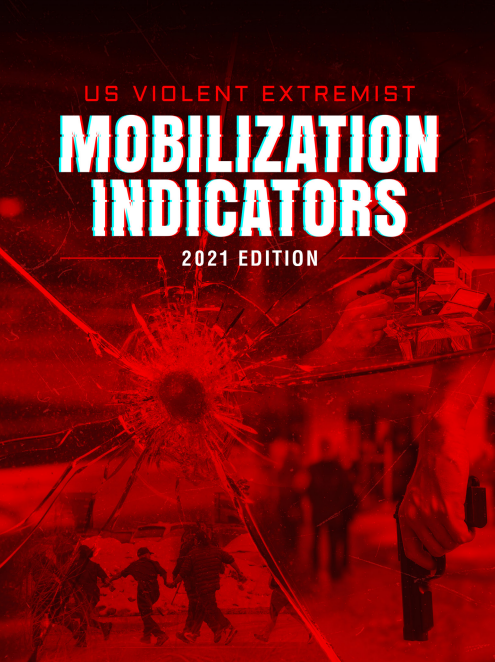
This overview directs parents, educators, counselors, and other professionals to the 2021 Mobilization Indicators Booklet. It introduces a public resource for understanding behavioral indicators associated with movement toward violent extremist activity.

Read the story here.

Pathway to Violence


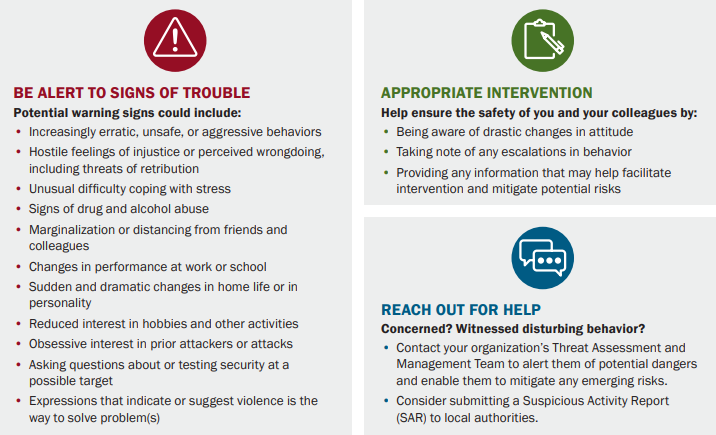
CISA’s factsheet and accompanying video explain a general pathway-to-violence framework. They cover behavioral indicators and include expert discussion of engagement strategies and responses to someone who may be moving toward violence.

Read the story here.

Violence Prevention Through De-escalation Video


CISA’s published video introduces principles and techniques for recognizing concerning behavior and reducing the risk of targeted violence. It is intended for security and non-security professionals in critical infrastructure and public gathering settings.

Read the story here.

New Book Explores Social Work’s Role in Countering Violent Extremism


By Dr. James Marley

James Marley reviews a book on case management, direct practice, and collaboration in countering violent extremism. He considers its relevance for social workers and clinicians while noting differences between the Canadian, German, and U.S. contexts.

Read the story here.


Fostering Social Connection to Prevent Targeted Violence and Terrorism


By Susan Szmania and Jeremy Goldsmith

Susan Szmania and Jeremy Goldsmith examine social connection as a protective factor within a broader prevention approach. They discuss research, an averted case, and practical actions for schools, law enforcement, and community partners.

Read the story here.

Threat Assessment and Medicaid Case Study: An Essential Partnership for Preventing Targeted Violence


By Tiffany Sewell

Tiffany Sewell describes work in Colorado to connect behavioral threat assessment referrals with clinical care. The case study explores provider training, reimbursement, and liability concerns that can affect access to services for young people.

Read the story here.

Survey Reveals Findings on Youth, Loneliness and Political Violence in the U.S.


By Matt Seldon

The first wave of the Kettering Foundation/Gallup Democracy for All Project examines attitudes toward political violence and community connection. Its findings raise questions about age and social isolation; survey associations should not be treated as proof of causation.

Read the story here.

Threat Prevention Starts Long Before Violence


By Braden Schrag

Drawing on research and community engagement, Braden Schrag discusses how public safety professionals can strengthen primary prevention. His focus is the work that can begin before a threat surfaces or a community reaches crisis.

Read the story here.


Study Highlights Role of Community-Based Programs in Preventing and Countering Violent Extremism


A qualitative study compares two community-based social reintegration programs in the Philippines. It examines local collaboration and the transition of former violent extremists into community life, providing an international example for prevention practitioners to consider.

Read the story here.

Report Tracks Nearly 3,000 Terrorism and Targeted Violence Incidents Across U.S. From 2023-2025


By Matt Seldon, Veridium

A START research brief documents terrorism and targeted violence in the United States from 2023 through 2025. Its database includes successful, failed, and foiled incidents across school, workplace, hate-related, and other targeted violence categories.

Read the story here.

Study Examines Link Between Childhood Adversity and Violent Extremism


By Matt Seldon, Veridium

A review examines research on adverse childhood experiences and violent extremism. The authors discuss implications for trauma-informed prevention and call for more longitudinal research to clarify developmental pathways and the complex relationships involved.

Read the story here.

Study Examines Antisemitism’s Role in Post-October 7 Extremist Violence Surge


By Matt Seldon, Veridium

HSToday covers Eoin B. Healy’s study of terrorism trends following the October 7, 2023, attacks. The research examines antisemitism and the proposed roles of contagion and validation effects in extremist mobilization.

Read the story here.

Study Examines Rise of Nihilistic Violence and Online Extremist Subcultures in Latin America


By Matt Seldon, Veridium

An analysis considers violent incidents in Latin America in relation to online subcultures that glorify mass violence and previous attackers. It raises concerns about imitation, notoriety, and the amplification of violent content.

Read the story here.


PERSPECTIVE: From Counterterrorism to Targeted Violence Prevention


By John Wyman

John Wyman reflects on operational lessons from counterterrorism and threat management. He emphasizes behavior-based assessment, proportionate intervention, sustained responsibility across handoffs, and partnerships established before a crisis.

Read the story here.

PERSPECTIVE: Moral Injury and the Digital Pathways to Adolescent-Perpetrated Targeted Violence


By Frank Straub

Frank Straub examines how online extremist communities, coercive networks such as 764, and conversational AI may intensify moral injury and adolescent grievances. He explores the implications for targeted violence prevention, highlighting early intervention and trusted relationships while emphasizing that moral injury alone does not explain violence.

Read the full story here.

Networked Threats Demand Networked Prevention


By Paula Granger and Benjamin Voce-Gardner

Takeaways from the 2026 Building the Northeast Network symposium emphasize multidisciplinary partnerships, behavioral threat assessment, community engagement, and connections between research and practice. The authors describe how localities can develop prevention capacity over time.

Read the story here.

Targeted Violence Prevention Begins With Recognition, Not Reaction


By Mickey Paul Middaugh

Mickey Paul Middaugh examines the organizational challenge of connecting separate observations of concerning behavior. The article focuses on the systems needed to recognize, share, and act on information before violence occurs.

Read the story here.

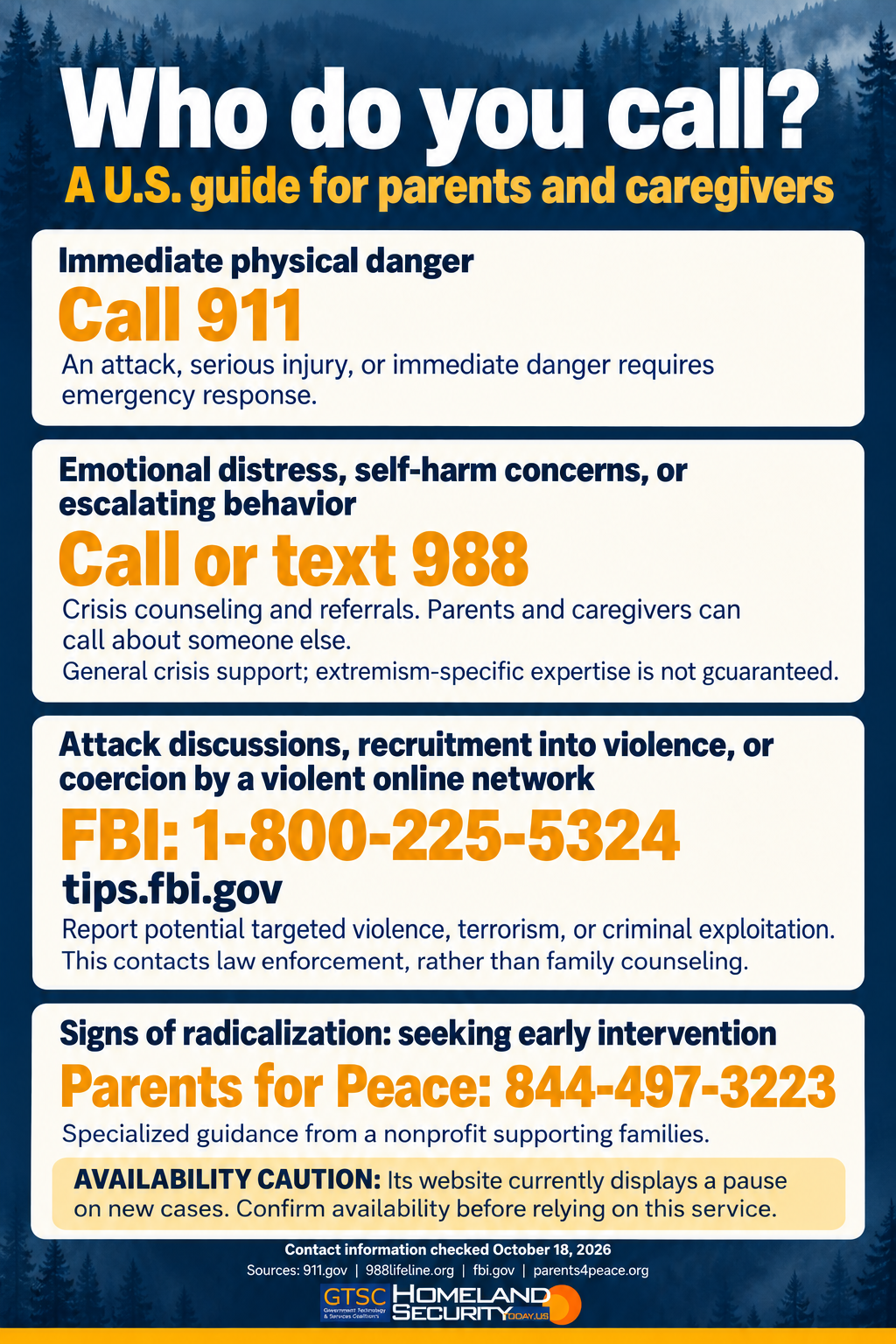
911.gov

988lifeline.org

fbi.gov

parents4peace.org


Artificial Intelligence in Upstream Terrorism Prevention: Data, Tools, and Training


By Susan Szmania and Perla Medrano

Susan Szmania and Perla Medrano examine how AI can support early terrorism prevention. Drawing on research, policy recommendations, and discussions through Girl Security’s Summer 2026 Mentorship Program, they call for a broader focus on AI’s prevention potential through learning and collaboration.

Read the story here.

From Warning Signs to Prevention: How AI Can Help Stop Targeted Violence


By Bruno Dias

Bruno Dias considers how artificial intelligence changes the settings in which threats emerge and are communicated. The article explores prevention opportunities and the governance questions raised as AI enters education, workplaces, and threat assessment workflows.

Read the story here.

The Three-Vector Problem in Counterterrorism and Targeted Violence Prevention


By Michael Varga

Michael Varga argues that prevention professionals need to consider several ways AI is changing the threat environment. The analysis extends beyond malicious use of AI tools to include emerging risks associated with the technology itself.

Read the story here.

When AI Becomes Part of the Case: A Prevention Approach to Emerging Harm


By Jameson Ritter

AI chatbots can become confidants or advisers, help organize grievances, or turn ideas into plans. This article considers the emerging challenges these interactions present for violence prevention practitioners as AI capabilities develop.

Read the full story here.


Micro-Radicalization, Accelerationism, and the New Extremist Ecosystem


By Dr. Michael G. Morgan

Michael G. Morgan examines how repeated exposure to grievance narratives, conspiracy theories, and dehumanizing content can shape online radicalization. The article considers the challenges posed by decentralized digital environments and accelerationist influence.

Read the story here.

A Neo-Nazi Terror Brand Finds a New Audience in Young Nihilists


This report examines online promotion linking a network associated with nihilistic violent extremism to a channel claiming affiliation with The Base. It highlights the overlap between neo-Nazi branding and online audiences drawn to violence.

Read the story here.

PERSPECTIVE: How My Child Was Pulled Into Online Extremism, and How I Fought Back: Part I


By Dana Grueser

Dana Grueser shares her family’s experience of online nihilistic violent extremism and the path toward recovery and reconnection. This first-person account introduces concerns relevant to parents and youth professionals. Content includes self-harm and suicide.

Read the story here.

PERSPECTIVE: How My Child Was Pulled Into Online Extremism, and How I Fought Back: Part II


By Dana Grueser

The second part of Grueser’s account explores changes in her son’s behavior and the family’s experience of online coercion. Read Part I first. Content includes self-harm, suicide, and political extremism.

Read the story here.