|
Dear Homeland Security Today Readers,
As we approach FEMA's 46th birthday this April, it's an opportune moment to reflect on the agency's evolving role and explore how upcoming changes will impact the emergency management community, fire services, and the victims of disaster. Currently, FEMA is responsible for our nation's disaster response and recovery, risk mitigation, administering flood insurance programs, providing emergency management training, and supporting fire safety initiatives through the U.S. Fire Administration.
President Trump's recent Executive Order signed March 19, 2025, signals a significant shift in these responsibilities to the states. The true scope of this is not yet clear.
Additionally, the newly established FEMA Review Council is tasked with assessing and potentially reforming the agency's efficacy, priorities, and competence. This council is tasked with evaluating whether FEMA's existing structure hinders its ability to respond effectively to disasters.
These changes have sparked a rigorous conversation within the community, and we are proud to share thoughts and considerations from numerous proven leaders who are experts in both FEMA as an entity and emergency response in practice. In this FEMA Special Edition, we share observations from the HSToday 2025 Threat Forecast, perspectives from former leaders in the agency, and some of the developing news around FEMA's missions.
Thank you to those who have engaged with us and remain committed to continuing our nation's service to the victims of disaster — in the best way possible.
Yours in service,
Kristina
Kristina Tanasichuk
Executive Editor
Homeland Security Today
| | |
2025 Homeland Security Threat Forecast: Erosion of Trust
The future of emergency management hinges on rebuilding public trust in government. Misinformation, political polarization, and communication failures have eroded confidence in emergency management, threatening the effectiveness of disaster response. Restoring that trust requires clear, transparent communication, active disinformation countermeasures, and a renewed commitment to the people behind the mission. Read More>>
| | | | | |
2025 Homeland Security Threat Forecast: Emergency Management
Disasters are growing in frequency, scale, and cost, placing new pressure on an already strained emergency management system. The future of FEMA depends on modernizing disaster recovery by streamlining federal assistance, empowering state and local governments with flexible funding, and incentivizing proactive risk reduction. With bipartisan momentum for reform, coordinated action across all levels of government would strengthen resilience. Read More>>
| | |
2025 Homeland Security Threat Forecast: Vulnerable Healthcare System is a National Security Threat
Recent crises like the New Orleans terrorist attack and the California wildfires exposed dangerous gaps in healthcare capacity during large-scale disasters. In an era of overlapping threats and climate-driven emergencies, strengthening healthcare systems must become a top priority for homeland security and emergency management. Read More>>
| | | | |
The Future of FEMA
FEMA faces growing strain from increasingly frequent disasters, funding freezes, and political instability, all of which threaten national preparedness. The agency’s unique role in coordinating federal support in disaster response is critical to the U.S. emergency management system. Strengthening FEMA’s workforce, simplifying disaster assistance, and adapting to climate change are essential for future resilience. Read More>>
| | |
Disaster Diplomats: Why the Future of Emergency Management is a Matter of National Security
The future of emergency management lies in redefining the profession as central to national security, not secondary to it. As disasters grow in complexity and consequence, emergency managers must step into leadership roles—building resilience, shaping policy, and coordinating across sectors like diplomats navigating crises. Read More>>
| | | | |
Supporting a Fully Comprehensive Review and Reform of FEMA
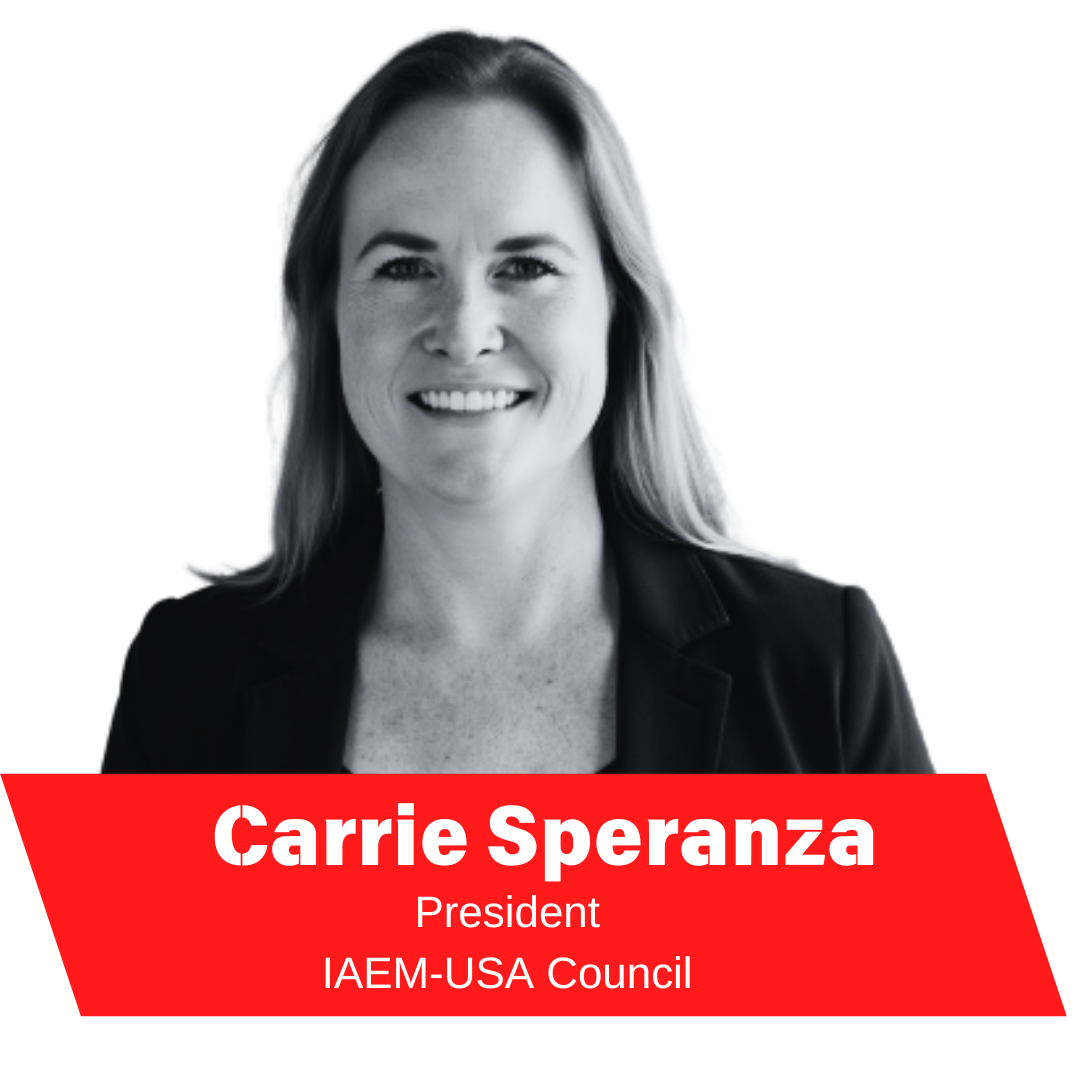
In her testimony before Congress, Carrie Speranza, President of IAEM, emphasized that the future of FEMA depends on sustaining its core preparedness and mitigation programs while advancing meaningful reforms. A federally supported, state-administered, and locally executed model remains essential, especially as disasters intensify. A shift towards local efforts can strengthen FEMA’s impact, better serving communities across the nation. Read More>>
| | | |
Current Wildfire Strategies Require a Fundamental Shift
With wildfires increasing in frequency and intensity, current response-based strategies are not sustainable. Protecting communities requires a fundamental shift toward proactive risk reduction, fire-adapted planning, and local-level solutions—not just forest management. The future of FEMA and wildfire policy must focus on empowering communities through resilient infrastructure, updated codes, and strategic investment. Read More>>
| | | | |
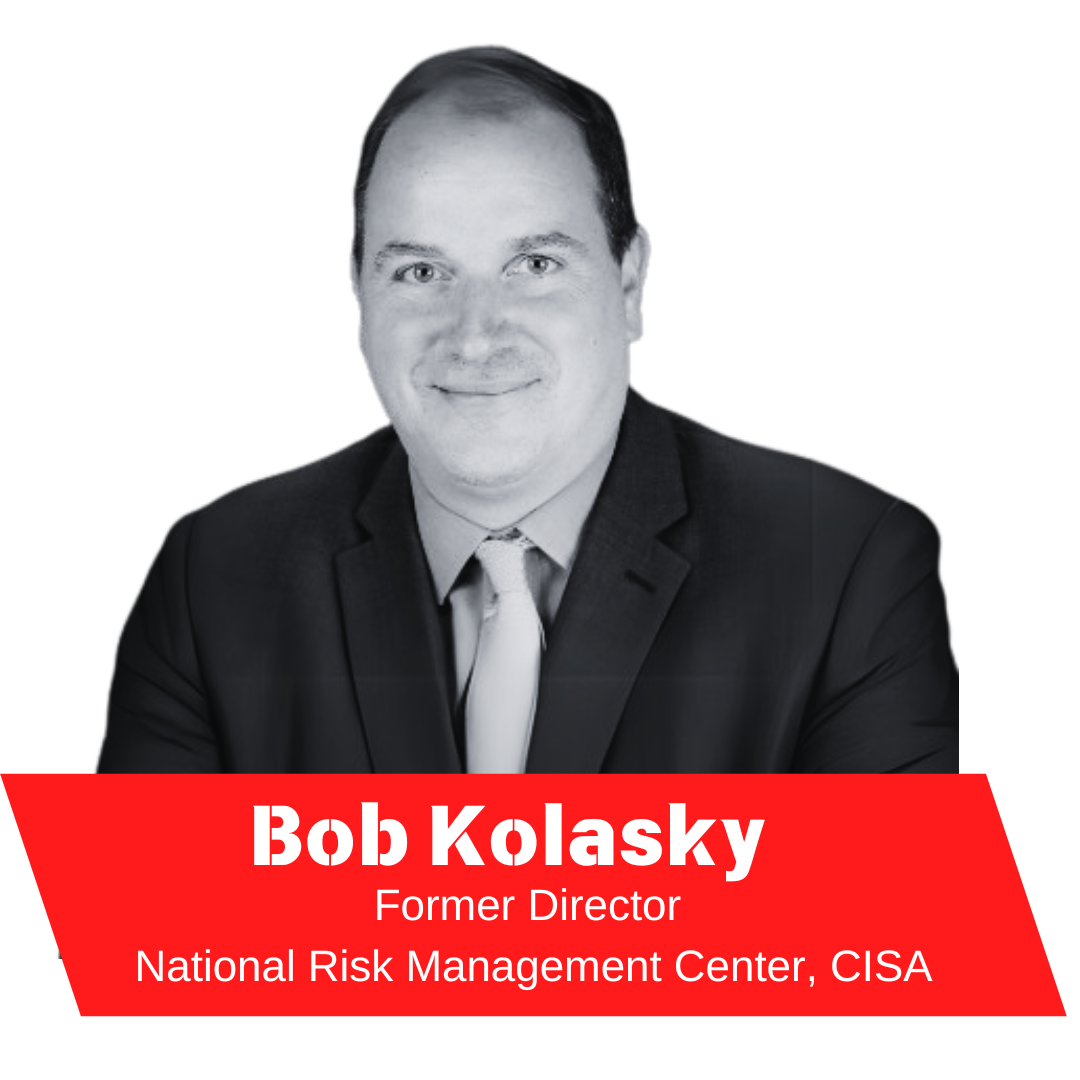
30-Year FEMA Veteran Weighs in on Fixing America’s Disaster Response Agency
The future of FEMA hinges on three key areas. Priorities include fully implementing Public Assistance block grants to streamline recovery, modernizing FEMA’s outdated IT systems, and rethinking the unsustainable National Flood Insurance Program. Meaningful change will require sustained investment, intergovernmental cooperation, and a shift away from reactive, one-disaster-at-a-time thinking. Read More>>
| |
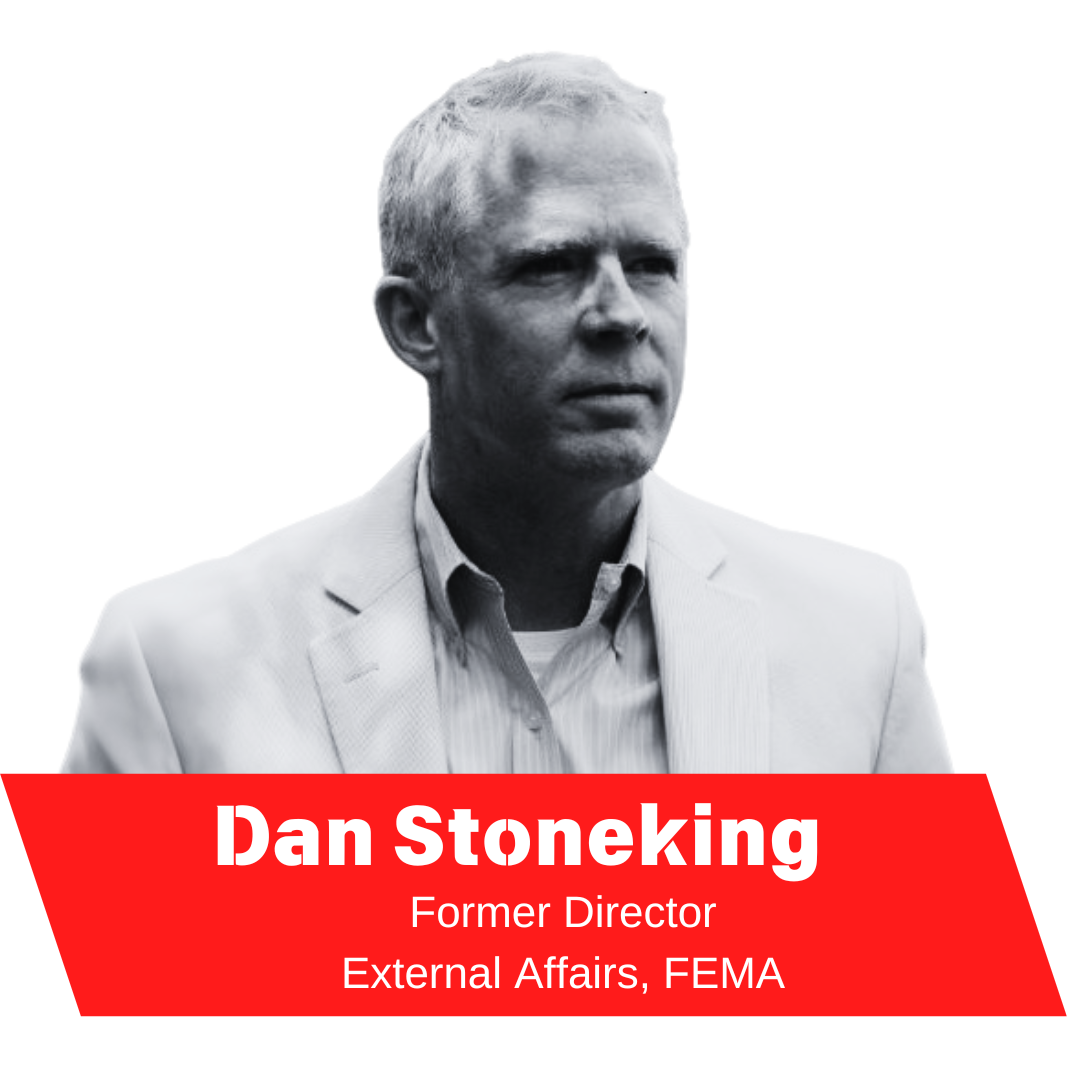
FEMA’s Future: Responder or Facilitator?
Dan Stoneking outlines his vision for a leaner, more effective FEMA. Proposals include eliminating Individual Assistance and the National Flood Insurance Program, restructuring disaster grants and declarations, decentralizing operations, and elevating FEMA to a standalone Cabinet-level agency. At the heart of it all is a call for streamlined coordination, smarter investments, and leadership rooted in experience. Read More>>
| | | | |
COLUMN: Dear FEMA Leadership
FEMA stands at a pivotal moment as its workforce endures unprecedented terminations amid growing political scrutiny and national disaster demands. With no clear roadmap ahead, the focus is on adapting with dignity, advocating for one another, and holding onto hope for the future of FEMA and those who serve within it. Read More>>
| | | | |
Thoughts on FEMA’s Future
Block grants are presented as a solution to streamline disaster recovery, but they risk creating inefficiencies, misaligned priorities, and a fragmented national preparedness strategy. Lessons from past programs like UASI show how funding incentives can lead to inflated threats, bureaucratic burdens, and superficial investments. The path forward requires FEMA to emphasize accountability, coordination, and resilience over reactive funding mechanisms. Read More>>
| | |
Eliminate FEMA? “Unbundle” it Instead
FEMA’s current structure is overly complex and constrained by outdated regulations. Rather than eliminating the agency, its programs should be streamlined and reassigned to federal departments with more aligned missions, allowing FEMA to focus on rapid response. Further, strengthening state and local emergency management capacity is essential to reduce dependence on federal aid and create a more resilient disaster system. Read More>>
| | | | | |
Building on What Works: The Importance of Critical Infrastructure Partnership
A new executive order shifts the power to state and local governments to lead emergency preparedness efforts. While the order rightly calls for an updated critical infrastructure policy, it overlooks the importance of the private sector in national resilience. Without reestablishing the Critical Infrastructure Partnership Advisory Council (CIPAC), the government risks losing a proven framework for collaboration with the private sector. Read More>>
| | Top News on the Future of FEMA | | |
White House Orders Major Overhaul in Disaster Preparedness, Shifts Focus to State and Local Governments
Read More>>
By Matt Seldon
| | |
Trump Signs Executive Order Aimed at ‘Drastically’ Improving FEMA Efficacy, Priorities, Competence
Read More>>
Homeland Security Today
| | |
Emergency Management Leaders Request FEMA Reform, Not Elimination
Read More>>
By Megan Norris
| | |
National Fire Academy Training Classes Abruptly Canceled: Should States Be Ready to Take Over?
Read More>>
By Megan Norris and Dr. Lori Moore-Merrell
| | |
Secretary Noem Privately Pushes New Plan to Drastically Limit FEMA's Role
Read More>>
By Erin Caine
| | |
Emergency Leaders Call for FEMA Reform During Congressional Hearing
Read More>>
Homeland Security Today
| | |
GAO: Opportunities Exist for FEMA to Improve Oversight of Disaster Contracting
Read More>>
By Megan Norris
| | |
Experts Say New Executive Order Signals Shift in FEMA Strategy, Not Elimination
Read More>>
By Erin Caine
| |
Bipartisan Lawmakers Propose FEMA Independence Act
Read More>>
By Erin Caine
| | |
FEMA’s Top Political Official Indicates Staff Cuts and Changing Roles in Internal Email
Read More>>
By Erin Caine
| | |
FEMA Hiring Overhaul Drives Fears of Agency Dismantling as Hurricane Season Nears
Read More>>
Homeland Security Today
| | |
Senior Leader Departures Raise Concerns About FEMA’s Disaster Readiness
Read More>>
By Megan Norris
| |
Want more news in homeland?
-
Have a news tip? Reach out here.
-
Sign up for our other newsletters covering subject matter areas across homeland security here.
-
Post or apply for a job in HSToday's FREE job board here.
| | | | | | |