|
BIPOC (Black, Indigenous, and People of Color) Mental Health Month is observed each July to bring awareness to the unique struggles that racial and ethnic communities face regarding mental illness in the United States.
Mental health affects us all, and everyone deserves the inherent right to have access to mental health support, resources, and care. Still, not everyone has equal and equitable access to these crucial services.
As most of you know, the FDA is working on their guidance doc: Diversity Action Plans to Improve Enrollment of Participants from Underrepresented Populations in Clinical Studies. In June, they released the latest version, which brings more clarity and direction for the content and objectives of Diversity Action Plans. It's a step forward in the pathway to making these plans a mandated requirement for drug development, which will ultimately impact and influence the commercialization goals for drug and device developers. The updated guidance is now available and open for a 90-day commentary period.
NAMI's Minority Mental Health Month toolkit offers resources to help spread awareness and shift mental health culture through conversation. Download their toolkit HERE.
MHA’s online BIPOC Mental Health Resource Center offers a wealth of information and tools to bring light to the unique experiences of BIPOC communities and empower and uplift BIPOC individuals on their mental health journeys. Check out MHA's resources HERE.
BDSA also offers excellent resources for BIPOC Mental Health Month HERE.
Diversity continues to be a priority in clinical trials. To that end, The STARR Coalition has created a Diversity Resources page, a Diversity Measures Survey to identify gaps, and a Diversity Pledge.
Learning about how cultural factors affect mental health care treatment and access is the first step to addressing inequality and ensuring everyone has access to mental health care. ❤
| |
News from the Certified Sites | | |
|
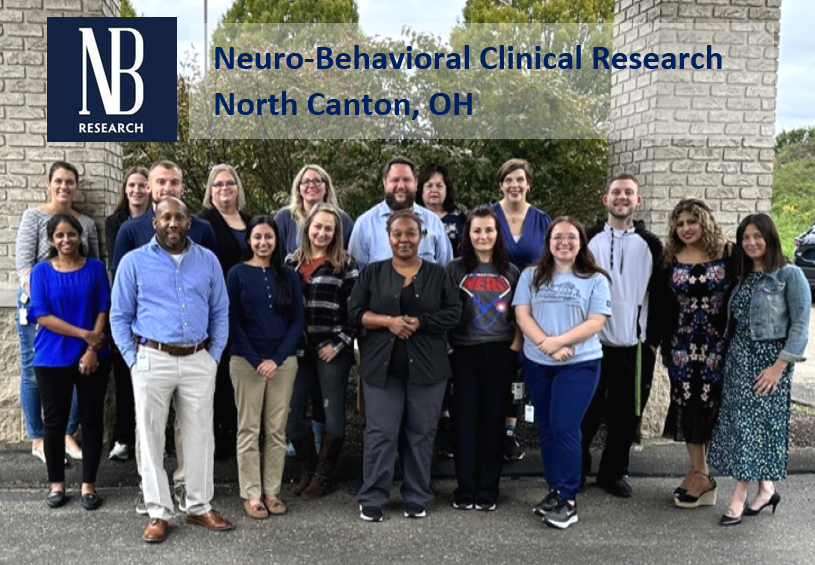
Neuro-Behavioral Clinical Research is expanding their North Canton, Ohio research campus! They are adding 16 observation unit beds to their existing 12, more than doubling the size of their inpatient unit. The NBR research site conducts in-patient and out-patient clinical research trials, as well as offering a clinical psychiatric practice.
To help support the expanding unit, Dr. Malhotra is looking for a Research Director to join the NBR management team. Find details on joining the fantastic team at NBR here!
| | |
|
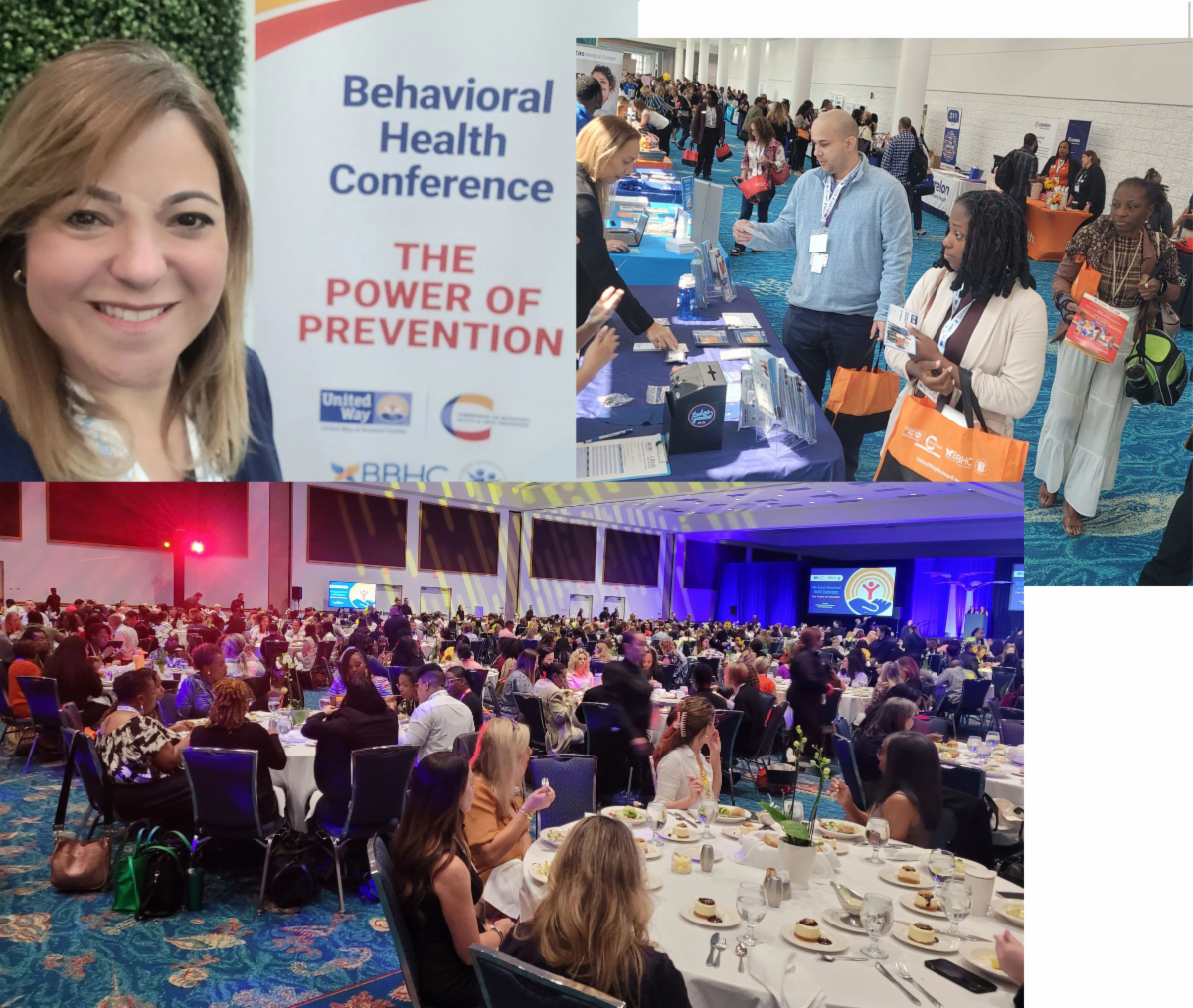
CenExel RCA sponsored the 9th Annual Behavioral Health Conference hosted by the United Way of Broward County's Commission on Behavioral Health and Drug Prevention in collaboration with Broward Behavioral Health Coalition. The CenExel RCA team hosted a booth and a table, educate the participants about mental health clinical research.participating in the unique learning experience through presentations, discussions, and hands-on workshops. Shout out to United Way and the Broward Behavioral Health Coalition for organizing a great event!
| | |
|
In other CenExel RCA news, the team set up an info table at the City of Miramar Job Fair. The event was very successful, with 80+ vendors and over 3,000 participants, all of whom had the opportunity to get information not only about CenExel job openings, but also information about open trials. Participants were very interested to learn more about research and left with CenExel brochures to share with their friends and loved ones.
| | |
|
The Pillar Clinical Research announced the appointment of Zach Mitchell as their new Chief Commercial Officer! Most of you know Zach, who brings an invaluable breadth of industry knowledge and experience (formerly with iResearch ATL), and will be leading Pillar’s commercial functions, strategy, and continue to execute Pillar's mission for research to be seen as a care option through community outreach initiatives.
Join us in welcoming Zach to the Pillar team! ❤
| |
In other Pillar news, the Richardson, Texas site hosted their own Summer Olympics Games! Volunteers and staff competed in jump rope, pull-ups, planking, sprints, free throw, hula-hoop, push-ups, and tug-of-war contests.
An amazing day of fun and camaraderie was had by all. And check out that fancy winner platform! 🏅
| | |
|
Midwest Clinical Research Center, part of the ERG group, is delighted to join 'On the Front Lines Community Alliance', a community of professionals in the fields of mental health, addiction, and recovery professionals, where anyone in need can find support, resources, and community guidance, helping people find individualized recovery services. Stemming from this, a group named United Outreach has formed that creates care bags with mental health and addiction resources for street outreach! It is an amazing way to build relationships with our community resources and be out boots on the ground delivering to those most vulnerable people in a safe group! Midwest Clinical Research Center is excited to be a part of this organization and have another outlet to share information!
| | |
|
At Segal Trials, we believe in fostering holistic well-being for our employees. That's why we recently hosted a rejuvenating virtual yoga session led by the incredible Kourtney Passero (Yogi Kourt Style). 🧘♀️✨
During the session, we delved into various techniques to enhance mental clarity and physical vitality, including:
🌬️ Box breathing to center ourselves and find inner peace.
🧘♂️ Silent meditation to manage emotions and alleviate anxiety.
👐 Wrist & finger stretches to relieve tension from daily tasks.
💨 Inhale/exhale breathing exercises for mindful relaxation.
🐱🏍 Cat & cow poses to invigorate the spine and cultivate positivity.
It was inspiring to see our team come together, prioritize self-care, and embrace these empowering practices. Huge thanks to Kourtney Passero for guiding us through this journey of wellness! 🙏💫
| | |
|
Richmond Behavioral Associates (RBA-ERG) has had an eventful start to summer in the mental health world. The RBA-ERG team had the honor of attending Senator Lanza's Special Needs fair in New York City. This fair was located on Staten Island and featured over 100 organizations there to support mental health and provide resources. The team set up a table, meeting with a variety of attendees and having meaningful face to face conversations about the importance of research and taking care of yourself. Some of these insightful conversations were with individuals looking for education on mental health treatments and how they could fit into the world of medical research. Others were with young families of children who had just received a diagnosis and were inspired to learn more about what future research could do to support their journey. We have many more events planned for the summer and can't wait to share more about our outreach efforts. ❤
| | |
|
Synergy Research Center has joined the Evolution Research Group (ERG) family as the newest portfolio company! Located in San Diego, Synergy Research Center, led by long-time member of the STARR Coalition, Woody Woodaman, has comprehensive inpatient and outpatient capabilities, focusing primarily on psychiatric therapeutic areas including schizophrenia, bipolar disorder, and depression. Their expertise extends beyond psychiatry, encompassing successful trials in migraine, healthy normal volunteers, diabetes, Alzheimer’s disorder, as well as many other CNS disorders.
Woody Woodaman is joining the ERG BD team and his son Ryan Woodaman, who currently runs operations at Synergy Research Center, is taking over operational leadership of the region, working closely with our PRN team.
| | |
|
Many of you may be familiar with the wit and wisdom of the brilliant Dr. Harry Tracy, but the NeuroGram below was a must-share, given the implications of ICER's review and the FDA's decisions regarding Lykos' MDMA treatment for PTSD.
According to ICER's wiki page, "The Institute for Clinical and Economic Review is a Boston-based independent nonprofit organization that seeks to place a value on medical care by providing comprehensive clinical and cost-effectiveness analyses of treatments, tests, and procedures." They promote themselves as "working toward fair pricing, fair access, and future innovation." Their review of novel psychiatric treatments refutes this - at least the fair access and future innovation aspects.
The STARR Coalition supports our community members that are working to find novel treatments for highly stigmatized illnesses. We are true proponents of access and innovation.
Whereas we didn't submit any comments on the MDMA review that ICER undertook, the STARR did submit comments on ICER's review of KarXT. We encourage our community members to pay attention to ICER's reveiw of psychiatric treatments and participate in the process, when possible.
| |
|
The mental health of those in BIPOC communities has been overlooked and underserved for far too long. The unique challenges and experiences faced by Black, Indigenous, and People of Color must be acknowledged when addressing mental health issues. The impact of persistent racial discrimination and intergenerational trauma is profound, such that it is crucial to recognize the intersectionality of race and mental health in order to provide appropriate support and resources. Traditional mental health services have often failed to adequately address the specific needs of BIPOC individuals, leading to disparities in care and outcomes.
It is time for a bold shift in our approach to mental health, centering on cultural humility, inclusivity, and social justice for everyone, regardless of their background or identity. By focusing on these principles in mental health services, we can begin to address the systemic barriers that have prevented BIPOC individuals from receiving the care they deserve. This shift requires a commitment to actively listening to and learning from the experiences of BIPOC communities, as well as advocating for policies that promote equity and access to mental health resources. Prioritizing culturally competent care that acknowledges the unique perspectives and needs of diverse backgrounds is essential.
Only by working together to dismantle the structures that perpetuate inequality and discrimination can we create a mental health system that serves all individuals with dignity and respect.
| | |
|
|
What is the real impact of TD on patients?
Teva's IMPACT-TD Registry is the most comprehensive study of its kind evaluating the holistic effects of TD over three years. Findings show that nearly 98% of patients experience quality of life impact as a result of TD including social, psychological, physical and recreational aspects of daily living. The study highlights for the first time that TD has a multidimensional impact on patients including those with mild TD severity.
Learn more here!
| |
|
Strategizing for Diversity
in Clinical Research
Increasing Diversity, Equity, and Inclusion in clinical trials is identified as a high‐priority area by the Institute of Medicine. Among 32,000 individuals who participated in new drug trials in the U.S. in 2020, only 8% were Black, 6% Asian, 11% Hispanic, and 30% were age 65 and older. These figures exemplify the underrepresentation of these demographic groups, who often carry the largest burden of the same chronic diseases that garner the highest investments in researching and developing treatments.
In order to address these disparities, diversification strategies are needed in every stage of clinical trials, to ensure reliable results that can be used for generalization to broader populations. Actively considering and including diversification practices is multifaceted, but they are essential to upholding the ethicality and integrity of clinical trials.
The first step in strategizing for increased diversity amongst enrollment is diversifying staff. For example, the CenExel HRI Team, comprised of multiple age groups, ethnicities, and education levels, leverages its diversity to gather insights and increase engagement with potential participants from multiple communities. This not only allows us to strengthen relationships between these communities and CenExel, but it also contributes to the broader goals of medical research and treatment development.
| |
Another common strategy for increasing the engagement and familiarity of these communities with clinical trials is educating staff throughout the research process on the history of clinical trial participation of diverse populations - something that contributes directly to current lingering distrust between said populations and clinical trials. By developing a deeper understanding of the origin of this distrust and actively working to address participant concerns and mend these ends, overall trust, familiarity, and engagement of these communities increase. These strategic approaches to diversifying clinical trials lead to finding interventions that are effective for individuals of all demographics.
Sources:
| |
|
Intra-Cellular Therapies announced positive topline results in their second phase 3 trial evaluating Lumateperone as an adjunctive therapy in patients with major depressive disorder (MDD). Lumateperone is an oral, once-daily atypical antipsychotic medication. Two phase 3 studies form the basis of the company’s supplemental New Drug Application for this adjunctive treatment for MDD. Both studies are multicenter, randomized, double-blind, placebo-controlled, parallel-group, fixed dose studies including patients who have experienced an inadequate response to ongoing antidepressant therapy.
Boehringer Ingelheim reported the latest results from the phase 3 CONNEX-X study, which explores the potential of glycine transporter-1 inhibitor iclepertin (BI 425809) to address cognitive impairment associated with schizophrenia (CIAS). Building on promising results from earlier phase 2 trials that indicated iclepertin’s ability to enhance cognition in patients with schizophrenia, phase 3 trials are now underway. CONNEX-X (NCT05211947) is an extension trial aimed at gathering additional safety data regarding the long-term use of iclepertin in patients who have completed previous phase 3 trials.
First Participant Dosed in Study of BPL-003 Neurophysiological Effects. BPL-003 is currently under investigation in phase 2 studies for treatment-resistant depression (TRD) and alcohol use disorder. Initial results from a phase 2a study of BPL-003 for TRD in March 2024 showed that a single dose of BPL-003 rapidly induced an antidepressant response in 55% of patients the day after dosing (day 2).2 Approximately 55% of patients experienced remission of depressive symptoms at day 29 and 45% of patients experienced remission of depressive symptoms at day 85, demonstrating the longevity of effect. BPL-003 also takes effect quickly in the clinic, with patients assessed as ready for discharge by the investigators in 2 hours or less, on average. The phase 2b study received the FDA’s first ever Investigational New Drug approval for a phase 2b clinical trial of a short-acting psychedelic last year. Initial results from this study are expected later in 2024.
Phase 2 Study has been initiated for ALTO-101 for cognitive impairment with schizophrenia. Alto Neuroscience has announced the initiation of a phase 2 double-blind, placebo-controlled study of the transdermal formulation of ALTO-101, a novel PDE4 inhibitor being studied for the treatment of cognitive impairment associated with schizophrenia (CIAS). Data from this phase 2 study is expected in the second half of 2025.
Some Antidepressants May Help Reduce Cognitive Deterioration in Late-Life Major Depression. A meta-analysis review out of the Centre for Addiction and Mental Health (CAMH) at the University of Toronto found that antidepressant pharmacotherapy of LLD appears to improve certain domains of cognitive function, particularly memory and learning. This effect may be mediated by an improvement in depressive symptoms.
Rakesh Jain, MD, shares why clinicians should be excited about Austedo XR. The FDA has approved Teva Pharmaceuticals’ Austedo XR (deutetrabenazine) as a 1 pill, once-daily pill treatment option, available across therapeutic doses (30, 36, 42, 48 mg), indicated in adults for tardive dyskinesia (TD) and Huntington disease (HD) chorea control.
RE104: A Novel, Fast-Acting Psychedelic for Postpartum Depression. Drs Alexander, Hocevar-Trnka, and Bryson and Ms Taylor of Reunion Neuroscience review the results from the first-in-human phase 1 study of this treatment, plus a preview of its upcoming phase 2 trial. Reunion’s leading clinical drug candidate, RE104, is a patented prodrug of 4-OH-DiPT with 5HT2A agonist activity that produces a brief, but intense, psilocybin-like psychedelic activity that lasts only ~4 hours. Data from the phase 1 study in healthy adults show a favorable safety profile compared with available PPD treatments.
Apex Labs Files IND Application for APEX-52 Study of Take-Home Microdose Psilocybin. The study is set to be conducted at the Yale School of Medicine’s DrivSim Lab, utilizing the lab’s DSRI miniSim research driving simulator. Apex Labs, a pharmaceutical company focused on advancing mental health care through the use of psilocybin, will act as the study sponsor. The outcomes of this study are expected to inform the development of PATHFINDER-52, APEX’s upcoming phase 2b clinical trial involving 294 patients using APEX-52 take-home microdose psilocybin,1 which has shown efficacy in recent research in the improvement of symptoms of mental health disorders such as PTSD and MDD.
Mental health service use before first diagnosis of a psychotic disorder: Do people who are diagnosed with a psychotic disorder have unique trajectories of preceding mental health service use and diagnoses compared with people diagnosed with a mood disorder? In this cohort study of 10 501 individuals aged 15 to 29 years with a first diagnosis of psychotic disorder, these individuals used mental health services, particularly acute care services, significantly more in the preceding 3 years compared with matched individuals with a first mood disorder.
The Supreme Court on Friday overruled a longstanding legal doctrine that gives federal agencies latitude to interpret federal law, which legal scholars and industry have warned could destabilize the FDA. The court overturned the 40-year-old legal doctrine, known as the Chevron doctrine, which agencies have used to make regulatory decisions without having to consult Congress or the courts. Writing for the majority, Chief Justice John Roberts argued that Chevron went too far in interpreting the Administrative Procedure Act as giving agencies permission to interpret ambiguous federal statutes. But writing for the minority in opposition, Justice Elena Kagan fiercely disagreed. She explained how it’s not appropriate for courts to make complex scientific decisions for which the agencies have the specialized knowledge and personnel. (continued in 2nd paragraph)
Reshma Ramachandran, a professor of medicine at Yale University and the chair of Doctors for America’s FDA taskforce, wrote in a post on X that she’s concerned the court’s decision could lead to potential delays in the FDA’s issuing of regulations as it could take longer to determine what authority the agency holds. “By having courts seize the reins in being the ultimate arbiters of administrative authority, the Supreme Court has only further politicized regulatory processes that should be grounded in science and expertise,” she said in a statement.
NIMH released their Strategic Plan Progress Report highlighting the accomplishments and progress toward the goals laid out in the Strategic Plan. Among the accomplishments listed in the report, they noted that researchers analyzed genomic data from over 24,000 people
with schizophrenia and 97,000 people without schizophrenia, identifing ten genes with ultra-rare coding variants that were significantly associated with schizophrenia, which aligned with NIMH Goal 1: Define the Brain Mechanisms Underlying Complex Behaviors.
In June, the FDA announced the availability of the ICH's latest version of “E6(R3) Guideline for Good Clinical Practice.” The draft guidance outlines modernized Good Clinical Practice considerations to guide thoughtful design and responsible conduct of clinical trials in a manner that ensures participant safety and the reliability of trial results. This draft guidance encourages innovation, focuses on quality, and establishes proportionate and risk-based approaches for conducting clinical trials, while minimizing unnecessary complexities. The guidance is intended to provide flexible, modern, and clear Good Clinical Practice for conducting clinical trials. You can download the Guideline draft HERE. For a quick overview of the guidance and latest changes, check out the ICH's explainer video or this 16 minute video.
CDC Issued a HAN Health Advisory Following DOJ Indictment of Digital Health Provider of Adderall. The indictment, announced by the U.S. Department of Justice (DOJ), alleges that the defendants and other parties involved distributed more than 40 million pills, including Adderall and other stimulants, to generate $100 million in revenue. According to a DOJ release, the defendants solicited subscribers by targeting drug seekers and spending millions of dollars on deceptive advertisements on social media platforms, directed toward their telehealth platform, Done, which was intentionally designed to facilitate easy access to Adderall and other stimulants.
Clinical Trials of Prescription Digital Therapeutics for Schizophrenia, written by Haig Goenjian, MD of CenExel CNS, provides an update on recent advances and learnings from ongoing studies. The article includes a table of current FDA-approved prescription DTx products and a promising DTx in development for schizophrenia (CT-155).
Differences in the long-term response among antidepressants for MDD are reported following a nationwide cohort study in Denmark. The investigators referenced a comprehensive, systematic review and meta-analysis of 522 trials comprising 21 different antidepressants that differentiated some by acute treatment response, but they pointed out that the need remains for comparisons by long-term effect. “Although antidepressants also reduce relapse rates, there is no consensus on which antidepressants should be preferred as a first option for long-term use,” Kessing and colleagues wrote. This study, the investigators said, “presents for the first time systematic, population-based, nationwide data on comparative 2-year long-term response within 6 antidepressant drug classes and 17 different antidepressants in patients with a first diagnosis of MDD in psychiatric hospital settings.”
Adjuvant psychotherapies to prevent relapse in bipolar disorder: Do skill-oriented, material-based cognitive behavioral therapy (SEKT) and supportive, patient-centered, emotion-focused therapy (FEST) forms of psychotherapy prevent relapse in patients with euthymic bipolar disorder?
The Potential of Ketamine: Public Workshop and New Research Explores Uses. While ketamine is a not approved for the treatment of depression or chronic pain, clinicians have shown increased interest in using it for these conditions. An FDA workshop exploring its potential was held in June - check out the video from the workshop HERE.
On June 4th, the FDA Psychopharmacologic Drugs Advisory Committee voted against the approval of MDMA-assisted therapy for the treatment for PTSD. While MDMA seemed to have a positive effect on many participants in the 2 phase 3 clinical trials, MAPP1 and MAPP 2, several issues swayed the vote in the negative. Cited reasoning included faulty study design and ethical violations.
Prior to the FDA's thumbs-down on Lykos Therapeutics' MDMA treatment, Clinicians were excited about the FDA Committee Meeting: Patients Deserve More Options.
After the FDA Committee's comments, Lykos responded with a Statement on the FDA Committee decision.
| |
|
Diversity in clinical research is essential for ensuring that findings are applicable to a broader population. It helps identify potential differences in drug responses and side effects across various groups, leading to more effective and equitable healthcare outcomes.
Improving diversity in clinical trials involves several strategies, such as engaging with communities underrepresented in research, leveraging data analytics to identify and address gaps in trial participation, and ensuring trial designs are inclusive. For example, as a community outreach coordinator, you could use your expertise in mental health advocacy to collaborate with research groups, focusing on diversifying participant pools in mental health research trials.
Engaging underrepresented communities effectively requires understanding their unique challenges and leveraging platforms where they feel seen and heard. A practical approach is to learn from experts who have navigated similar paths. For example, taking a course like "Courage as Your Superpower" could provide insights into overcoming inequity and injustice, which is directly applicable to your role in mental health advocacy and community outreach.
"Diversity is not about how we differ. Diversity is about embracing one another's uniqueness" ~ Ola Joseph
| |
|
Is it normal to
talk to yourself?
Being caught talking to yourself can feel embarrassing, but decades of research show that talking to yourself is completely normal; most if not all of us engage in some form of self-talk every day. So why do we talk to ourselves? And does what we say matter? Dig into the psychological benefits of positive self-talk.
Check out this 5+ minute thought-provoking TEDed video by Avi Ofer!
| |
|
The Inflation Reduction Act (IRA) is one of the most consequential healthcare laws since the Affordable Care Act was signed into law. Featuring a presentation from Council for Affordable Health Coverage President Joel White, this 45-minute webinar will identify new Medicare insurance coverage benefits designed to help patients enrolled in Medicare Part D, which provides coverage for prescription drugs.
Medicare beneficiaries in rural America will gain an understanding of how to access these new benefits, as well as potential unintended consequences of the Part D benefit redesign, including access to treatments and changes to plan premiums and formularies. A Q&A session will follow.
Sponsored by Grange Advocacy, this free webinar (on Thursday, July 11th) will be presented by Rural Minds and the National Grange via Zoom with the option of audio-only.
| |
|
July 12, 2024 marks the 50th anniversary of the enactment of the National Research Act.
The National Research Act was a response to public outcry that the federal government let hundreds of Black men in rural Alabama go untreated for syphilis for 40 years to study the impact of the disease on the human body. The Act included creation of federal rules to protect human participants in research. It also led to the establishment of the National Commission for the Protection of Human Subjects of Biomedical and Behavioral Research to identify ethical standards to guide human research. This OHRP commemorative event will reflect on what happened following the passage of the National Research Act, showcase the diverse role research participants play in contemporary research, and consider what future scientific advances may mean for research participants and public trust in research.
Livestream on Friday, July 12, 2024
12:00 pm to 2:30 pm ET
No Registration Required
| | |
|
2024 American Neurological Association Annual Meeting (ANA2024) will be held from September 14-17, in Orlando, FL. The ANA’s 149th Annual Meeting will convene the nation's top academic neurologists and neuroscientists. The Meeting will feature six main symposia, which highlight groundbreaking conceptual and therapeutic advances in a variety of neurologic disease states, as well as interactive lunch workshops, special interest group sessions, and poster sessions.
| |
|
MHACon 2024 will be held Sept 19-21 in Washington D.C. and online. At this year's conference, explore ways to DISRUPT systemic barriers, REFORM harmful practices that prevent progress, and TRANSFORM the current landscape, ensuring everyone has equitable opportunity for optimal mental health and well-being.
| |
|
The APA's 2024 Mental Health Services Conference is taking place in Baltimore, MD, Sept. 26-28. The 2024 Mental Health Services Conference will bring psychiatrists and other mental health professionals together to collaborate on practical advice to influence systems-level change for their patients. Connect and collaborate across the mental health services team and find practical ways to integrate new research and treatment strategies into clinical practice; identify barriers to care, including health service delivery issues, recognize and improve mental health disparities in the community, and more.
| |
|
ANA2024 will be held Sept 14 – 17 in Orlando, FL. The Annual Meeting has been designed to foster discussions among investigators in academia, industry, and foundations toward the common goal of furthering translational science. As usual, it will include professional development workshops offering daily sessions designed for early career, mid-career, and residency directors.
| |
|
The Global Site Solutions Summit will be held from Sept. 27-29 in Hollywood, FL. The Summit provides a unique hub where sites, sponsors, CRO executives, and regulators come together to discuss best practices and ideas while developing strategic partnerships through ideation sessions, workshops, and focus groups. Whether your priority is networking with sponsors and CROs or learning best practices built for research sites, the Summit will provide a valuable experience for your business.
| |
|
Neuroscience 2024 will be held Oct. 5-8 in Chicago. Each year, scientists from around the world congregate to discover new ideas, share their research, and experience the best the field has to offer. Attend so you can: present research, network with scientists, attend session and events, and browse the exhibit hall. Join the nearly half a million neuroscientists from around the world who have propelled their careers by presenting an abstract at an SfN annual meeting — the premier global neuroscience event.
| |
|
Psych Congress is the nation's conference on practical psychopharmacology and a community of passionate mental health clinicians. The 37th annual Psych Congress will be in Boston from Oct. 29 - Nov. 2. This year, the Schizophrenia & Psychosis Action Alliance (SPAA) is partnering with Psych Congress to bring two special sessions: A Primer on Negative Symptoms and Cognitive Impairment in Schizophrenia and a session on Long-Acting Injectable Anti-psychotics. Members of the SPAA community can use code SPAA for a $50 discount on registration. Find more info here.
| |
|
The National Federation of Families National Conference is Nov. 7-9 in Orlando, FL. NFF brings together families, parents, community leaders, providers, partners, and legislators at the Annual Conference and work to leverage our lived experience and learned solutions for the support and advancement of families whose children – of any age – experience mental health and/or substance use challenges. For more information on the 2024 NFF Annual Conference, click HERE.
| |
|
CNS Summit will be held Nov. 10-13 in Boston. The meeting was founded in 2009 by leaders in the life sciences as a community to advance the work of life sciences companies with a focus on innovation, collaboration and technology.
| |
How can summer refresh your brain?
Summer can inspire us to change up routines and gain perspective through new discoveries and adventures.
SCIENCE SAYS:
Trying new things activates dopamine, a brain chemical that makes us feel good. When we learn new things, our brain forms new connections. Breaking out of your normal routine can renew your energy by giving you a fresh perspective and expanding possibilities.
WAYS TO BEGIN:
- Get inspired to try new things. Experiment with a new hobby or set out on adventure. Take advantage of the seasonal change in routine to do something uplifting that you have never done before.
- Seek out moments of awe and wonder. Taking time to reflect on the beauty of nature and the people around you can help to process your emotions, encourage mindfulness and manage stress.
- Reconnect with old friends, or make new ones. Taking time to cultivate important relationships in daily life can promote psychological well-being, physical health and even longevity.
- Break for hydration. Summer is the perfect time to strengthen brain-healthy habits, like paying more attention to hydration and sugar intake (especially in coffee and energy drinks).
Source: Center for Brain Health. Be part of the Great Brain Gain movement.
| |
|
Final note to reflect upon this Minority Mental Health Month:
One of NIMH’s 75th Anniversary events included a talk from Ruth Shim, M.D., M.P.H., Professor in Cultural Psychiatry and Professor of Clinical Psychiatry in the Department of Psychiatry and Behavioral Sciences, at UC Davis.
Dr. Shim discussed the social determinants of health as being the societal, environmental, and economic conditions that impact and affect mental health outcomes across various populations. These conditions are shaped by the distribution of money, power, and resources at global, national, and local levels, which are themselves influenced by policy choices.
The social determinants of health are prominently responsible for health disparities and inequities seen within and among populations.
What are 'Health Disparities'?
Dr. Shim provided the US definition of health disparities:
Differences in health status among distinct segments of the population, including differences that occur by gender, race or ethnicity, education or income, disability or living in various geographic localities.
In comparison, the World Health Organization defines health inequities as disparities in health that are a result of systematic, avoidable, and unjust social and economic policies and practices that create barriers to opportunity.
The US definition places the burden on the individual, while the WHO's definition places the blame on society. The US definition is an example of structural racism: a system in which public policies, institutional practices, cultural representations, and other norms work in various, often reinforcing ways to perpetuate racial group inequity.
Understanding is the first step in finding solutions.
*Find Dr. Shim's remarkable presentation HERE, starting at 23:27.
| |
|
The mission of the STARR Coalition is to create meaningful change by increasing COMMUNICATION, PARTNERSHIPS, and GOODWILL among stakeholders in the areas of mental health clinical research, advocacy, and treatment with emphasis on community and advocacy engagement, stigma reduction, and ensuring that research is widely recognized as a trusted care option. ❤
| |
|
The STARR Coalition | phone: 501-725-8890 | www.thestarr.org
SHARE, CARE, AND BE KIND.
| | | | |