| |
STARR News & Updates
July 2026
| | |
A Focus on Trauma-Informed Care for BIPOC Mental Health Month
During BIPOC Mental Health Month, clinical research sites have a chance to look at something easy to miss: how trauma shapes a participant's experience in the room.
Trauma runs deep in serious mental illness. Research puts PTSD prevalence around 30 percent across SMI populations, with histories of physical and sexual abuse even higher. For BIPOC participants, that baseline often carries another layer. Discrimination, community violence, and generations of historical harm shape how someone walks into a visit, long before the first assessment starts.
That history shows up in ordinary moments. A crowded waiting room. A delayed appointment. A rushed conversation about a form nobody explained well. None of it reads as trauma on paper. But for someone carrying it, these moments can trigger real distress, and that distress can look like noncompliance when it's really dysregulation.
Trauma-informed care gives sites a way to respond instead of react. Ask what happened to someone, not what's wrong with them. In practice, that means slowing down, speaking plainly, and giving people real choices about what comes next. It means noticing when the waiting room is doing the escalating, not the participant.
None of this takes new infrastructure. It takes staff who catch the signs early and know how to de-escalate before frustration turns into a missed visit or a dropped participant.
This is where BIPOC Mental Health Month and retention meet. Trust isn't just diverse advisory boards or translated consent forms, important as those are. It's whether someone felt safe in the room. Sites that build trauma-informed practice into everyday visits aren't adding a program. They're closing the same gap the first piece pointed to: not who enrolls, but who stays.
| | |
A Policy Opportunity Worth Paying Attention To
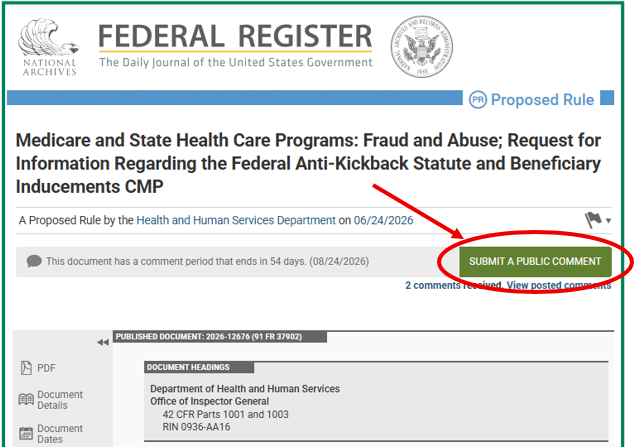
The HHS Office of Inspector General just opened a comment period on something that quietly affects every clinical trial that compensates its participants.
Comments are due August 24.
Here is the situation. When sponsors pay participants for their time, cover a copay, or reimburse transportation costs, there is no formal federal rule that says that is legal. It has mostly worked anyway. OIG has issued favorable advisory opinions over the years, and the research community has operated accordingly. But there has never been a clear, permanent safe harbor that makes it unambiguously protected.
That matters for a few reasons. Smaller sites and nonprofit organizations cannot easily access the advisory opinion process that larger sponsors use to get clarity. Third-party organizations that might administer participant compensation on behalf of sponsors have no formal framework to rely on. And as clinical trial participation support programs become more sophisticated, the legal foundation underneath them should be more solid than "we think this is probably fine."
OIG is now asking whether a formal rule should be established. That is a good thing, as long as the resulting rule actually protects current practice and expands access rather than restricting it. That distinction is worth saying out loud in your comment.
If you submit a comment, consider adding one more item. There is a second problem that sits alongside the safe harbor issue: participant payments are currently treated as taxable income, which can put federal benefits like Medicaid and SNAP at risk for low-income enrollees. OIG cannot legislate a fix, but it can use this process to formally acknowledge that gap and recommend that participant compensation be treated as exempt income at the federal level. Ask them to say so on the record.
The comment does not need to be long. A few paragraphs grounded in your real experience carries weight. For more information and to access the STARR's comments to the OIG, visit our website at thestarr.org/trial-compensation-public-comment/.
The deadline is August 24. This is a reasonable ask of anyone who has a stake in how participant compensation gets treated going forward.
| | |
|
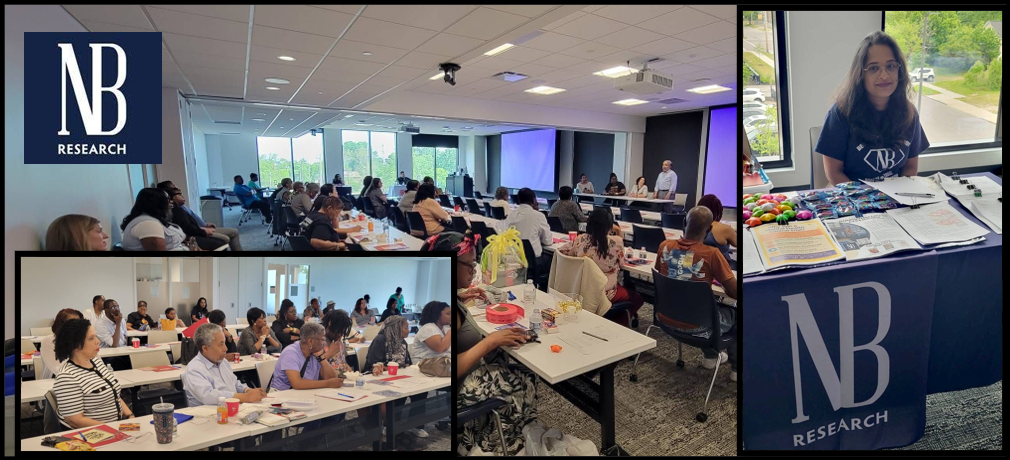
Neuro-Behavioral Clinical Research (NBR) was proud to be one of the sponsors of the Behind the Brave Face event, hosted by Sickle Cell Warrior and Founder of Kincaid's Kindred Spirits, Adrienne Kincaid.
This event brought together advocates, healthcare professionals, and community members for candid conversations about trauma and mental health in the sickle cell community and among their caregivers.
The NBR team members shared information about clinical research and returned with valuable insights from the event's engaging panel discussions. Events and conversations like this create opportunities for learning, collaboration, and growth that can help drive meaningful change in healthcare and improve outcomes for those affected by sickle cell disease and mental illness.
|
| | |
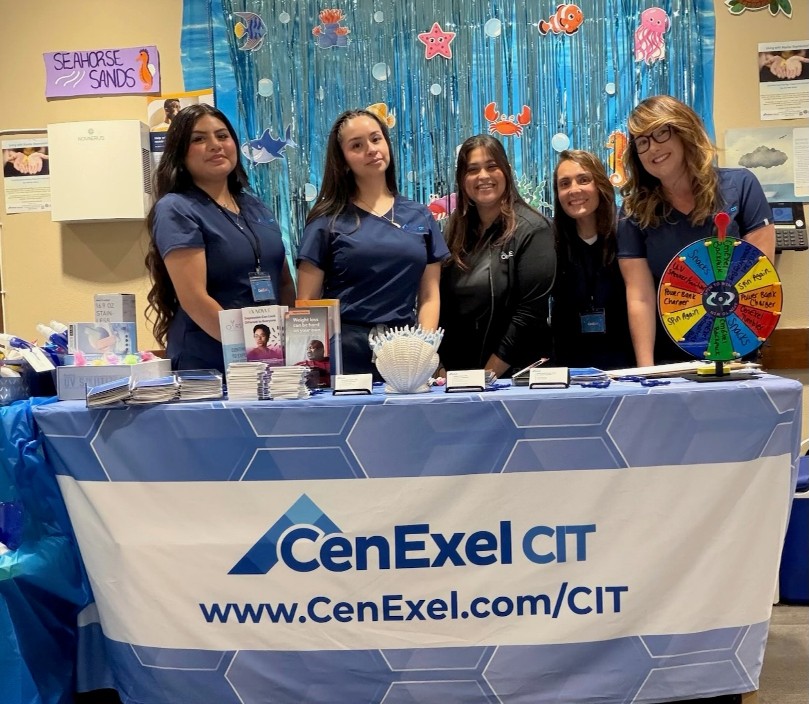
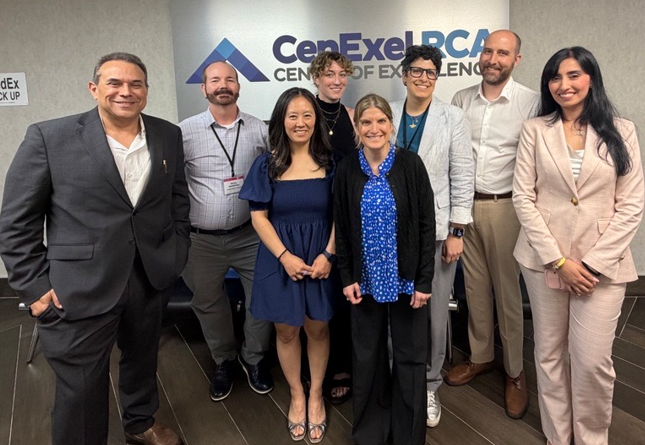
CenExel CA (CIT) was honored to participate in the Fontana Community Senior Center’s Community Health and Resource Fair. It was a wonderful opportunity to share information about our services and reinforce our commitment to supporting the communities we serve. Our team enjoyed connecting with residents and distributing out backpacks, power banks, water pouches, fidget spinners, nurse duckies, pens, notepads and snacks.
The opportunity to engage with attendees firsthand and connect individuals with valuable resources made the event especially meaningful. We are committed to expanding our presence throughout the communities we serve, building lasting relationships, and continuing to be a trusted resource. We look forward to creating more meaningful connections with our community! ❤
|
| | |
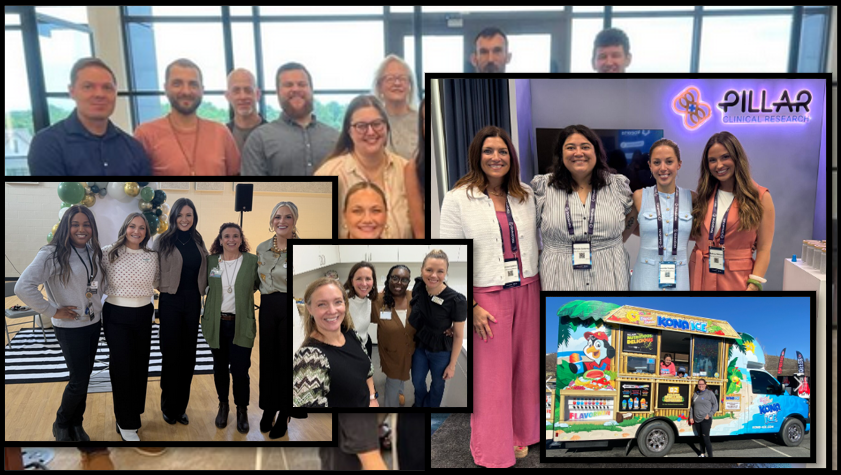
Pillar Clinical Research's Little Rock site kept busy last month, hosting five community partner meetings for lunch, real conversations about clinical research, and resources they can actually use to keep supporting their communities. No jargon, no sales pitch. Just useful information shared over a meal.
Pillar also brought in snow cone trucks, parked right in their lot for patients and community partners to enjoy. Simple gesture, but it says a lot. Research sites can be places people want to show up to, not just clinical spaces they pass through.
|
| | |
CenExel Hollywood recently welcomed a clinical team from Bristol Myers Squibb for an onsite visit. Dr. Sarah Kazmi, MD, COO, and Dr. Edwin Gomez, MD, Principal Investigator, hosted the visit and walked the team through site operations and current study activities.
Visits like this matter. They give sponsors a firsthand look at the people and processes behind the data, and they reinforce the kind of collaboration that keeps trials running smoothly for everyone involved, sites, sponsors, and the participants who show up every day.
|
| |
Advocacy Partner Spotlight:
International Society for
Bipolar Disorders (ISBD)
| | | |
When it comes to advancing the science of bipolar disorders, few organizations bring the global reach and professional depth of the International Society for Bipolar Disorders (ISBD).
ISBD is a nonprofit membership society with a clear and focused mission: to foster international collaboration in education, research, and clinical care to improve the lives of people living with bipolar disorders. With members spanning more than 60 countries, the organization serves as a connective hub for those working at the frontlines of bipolar research and treatment.
ISBD's primary audience is the professional and early-career community — clinicians, researchers, and academics who dedicate their work to advancing understanding of bipolar disorders. While individuals with lived experience are welcome to join and engage, the society's programming, publications, and resources are largely designed to support those building careers and contributing to the field.
Importantly, ISBD does not provide direct patient care or referrals. Its strength lies in the professional ecosystem it sustains — conferences, working groups, consensus guidelines, and a peer network that crosses borders and disciplines.
| | |
You are invited to register for the 28th Annual Conference of the International Society for Bipolar Disorders (ISBD) being held September 28-30, 2026 at the Westin Bayshore in Vancouver, Canada. ISBD's annual meeting is the premier venue for clinicians, scientists, advocates, patients and caregivers to meet, present, and learn about new advances in the diagnosis and treatment of mood disorders. The conference offers an unparalleled platform for the top minds studying bipolar disorders to exchange ideas for the future.
For STARR's community of research sites and partners, ISBD represents a valued ally: an organization that elevates the science, strengthens the workforce, and amplifies the importance of rigorous, compassionate research in bipolar disorders.
| | |
New analysis from BioXcel Therapeutics' SERENITY At-Home Phase 3 trial showed BXCL501, sublingual dexmedetomidine, reduced agitation associated with bipolar disorder and schizophrenia when self-administered at home, with the strongest effect in severe episodes. The trial captured 2,628 agitation episodes across 246 patients, with no drug-related serious adverse events and no tolerability-driven discontinuations. BXCL501 is already FDA-approved as Igalmi for medically supervised settings; BioXcel has submitted a supplemental NDA to expand the label to at-home use, with a PDUFA date of November 14, 2026.
Neumora Therapeutics has discontinued development of navacaprant, a kappa opioid receptor antagonist, after the Phase 3 KOASTAL-2 and KOASTAL-3 trials failed to show statistically significant improvement over placebo in MDD. The drug had already missed in KOASTAL-1 in early 2025. Neumora is reducing its workforce by 35% and shifting focus to three remaining pipeline programs targeting Alzheimer's disease agitation, schizophrenia, and cardiometabolic disease.
Otsuka announced positive topline results from a Phase 3b study of centanafadine XR in adults with ADHD and comorbid anxiety. The trial met its primary endpoint, showing statistically significant improvement on the AISRS at week 8, with separation from placebo seen as early as week 1. Centanafadine, a first-in-class NDSRI, is under FDA Priority Review for ADHD, with a PDUFA date of July 24, 2026.
Otsuka America has completed its acquisition of Transcend Therapeutics, a clinical-stage biotech developing treatments for PTSD. Transcend's lead candidate, TSND-201 (methylone), is a rapid-acting non-hallucinogenic neuroplastogen now in Phase 3 testing after positive Phase 2 results. The therapy holds FDA Breakthrough Therapy designation and was selected for the priority voucher program designed to accelerate access to psychedelic treatments, a notable step for a field still working through methodology challenges.
Definium Therapeutics' Phase 3 EMERGE trial of DT120, an oral formulation of LSD, met all endpoints in major depressive disorder, delivering an 8.1-point placebo-adjusted improvement on the Montgomery-Åsberg Depression Rating Scale at six weeks. The effect held through 12 weeks at a 7.3-point reduction, with no new safety signals. Definium, formerly MindMed, is also studying DT120 in PTSD and generalized anxiety disorder. The company plans to use these results to support an upcoming FDA submission, with a second Phase 3 depression trial currently underway.
Helus Pharma (Cybin) reported its Phase 3 APPROACH study of HLP003, an adjunctive treatment for major depressive disorder, has surpassed 88% enrollment, with topline data expected Q4 2026. Phase 2 data showed 100% response and 71% remission at 12 months post-dosing. The company also reported positive Phase 2 signal data for HLP004 in generalized anxiety disorder and closed a $50 million offering to support its second Phase 3 HLP003 trial, EMBRACE.
Autobahn Therapeutics reported positive Phase 2 topline data for elunetirom, an oral CNS-targeted thyroid hormone receptor agonist, as adjunctive treatment for bipolar I and II depression. In the open-label AMPLIFY-BD trial of 21 adults, elunetirom met its primary endpoint with a 16.8-point HAMD-17 reduction at week 6, alongside 75% response and 50% remission rates. The drug also showed benefit in patients with atypical depression features. Elunetirom holds FDA Fast Track designation. Autobahn plans to present full AMPLIFY-BD results at a medical conference in the second half of 2026 and is engaging with the FDA to discuss a path to registration for bipolar depression. The company is also running a separate Phase 2 AMPLIFY trial of elunetirom in major depressive disorder, with topline data expected in Q3 2026.
The FDA issued a Complete Response Letter for Cingulate's CTx-1301, a once-daily, timed-release dexmethylphenidate formulation for ADHD. The agency asked for specific information about chemistry, manufacturing, and controls, without detailing what aspects of CMC needed addressing, and raised no concerns about clinical safety or efficacy. Phase 3 data in children and adolescents previously showed dose-dependent symptom improvement with rapid onset and sustained coverage throughout the day. Cingulate plans to address the requests and resubmit.
A systematic review in JAMA Psychiatry analyzed 114 studies covering nearly 11,000 participants across the schizophrenia spectrum, finding that adverse social determinants of health, including early life adversity, social disconnection, racism, poverty, and food insecurity, are consistently linked to neurobiological abnormalities. These include cortical thinning, brain volume reduction, decreased structural connectivity, and abnormal neurochemical levels. Most evidence centered on early life adversity. The authors argue social adversity becomes biologically embedded, supporting equity-oriented approaches that integrate social and biological factors into schizophrenia research and care.
A Psychiatric Times review examines how estrogen's neuroprotective effects shape schizophrenia in women, who have two onset peaks, ages 25-30 and after 45, compared to men's single peak. Lower estrogen periods, including menstruation, postpartum, and menopause, correlate with higher relapse risk. The authors note women are less often prescribed clozapine or long-acting injectables despite comparable hospitalization rates, and highlight dosing considerations across the reproductive lifecycle, including pregnancy, lactation, and menopausal transitions.
A meta-analysis published in JAMA Psychiatry, covering 23 trials and 2,016 participants, found psychological and psychosocial interventions targeting auditory hallucinations in schizophrenia spectrum disorders significantly reduced symptom severity at posttreatment and follow-up, with small to moderate effect sizes. Avatar therapy showed the largest effect on severity. Benefits extended to frequency, distress, depression, and anxiety. Authors note these targeted approaches should be considered alongside, not in place of, standard antipsychotic treatment.
Researchers have identified blood-based exosomal microRNA biomarkers that can predict psychosis conversion in clinical high-risk patients, addressing a key limitation of relying on symptom-based prediction alone. The biomarkers stratify patients by a redox dysregulation signature linked to mitochondrial dysfunction, NMDA receptor hypofunction, and neuroinflammation, identified in roughly half of an early psychosis cohort and validated externally across a 300-patient, multicenter sample. For drug developers, this points toward stage-specific, mechanism-targeted treatment strategies, including mitochondria-targeted antioxidants like MitoQ, now advancing to clinical testing.
HHS launched a coordinated department-wide initiative in June to reverse the trend of clinical research moving overseas and reestablish the U.S. as the preferred destination for drug development. Key components include FDA proposals to shorten Phase 1 timelines by six to twelve months, draft guidance allowing a single high-quality late-stage trial to support drug approval, and ONC exploring ways to connect patients with trials through electronic health records. The HHS Office of Inspector General also issued a Request for Information on whether anti-kickback safe harbors should be updated to cover clinical trial participation incentives, a question with direct implications for sites.
| | |
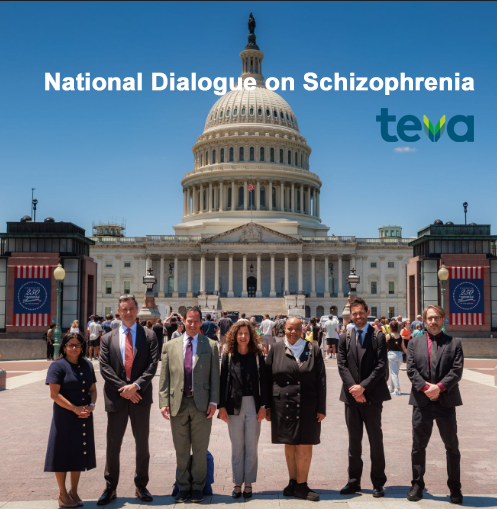
Teva Pharmaceuticals marked a milestone in its National Dialogue on Schizophrenia initiative on June 24, hosting a Capitol Hill briefing that brought together people living with schizophrenia, care partners, clinicians, advocates, and policymakers to address the often-overlooked complexities of the condition.
Now more than two years in the making, the National Dialogue has convened stakeholders across the country, with state-level briefings previously held in Texas and Pennsylvania. The June event elevated the initiative to the federal stage, featuring voices from the Texas Judicial Commission on Mental Health, Mental Health Partnerships, NAMI Colorado, and a Virginia caregiver advocate, alongside Congresswoman Andrea Salinas, Co-Chair of the House Mental Health Caucus.
For clinical research sites working in schizophrenia trials, initiatives like this one matter on a few levels: they expand the web of trusted community relationships sites can draw on for outreach and referrals, and they move the needle on public awareness and stigma reduction in ways that shape who feels comfortable saying yes to research. Legislative visibility can also influence payer behavior and access, effects that eventually reach the trial level.
| |
CALL FOR SITES:
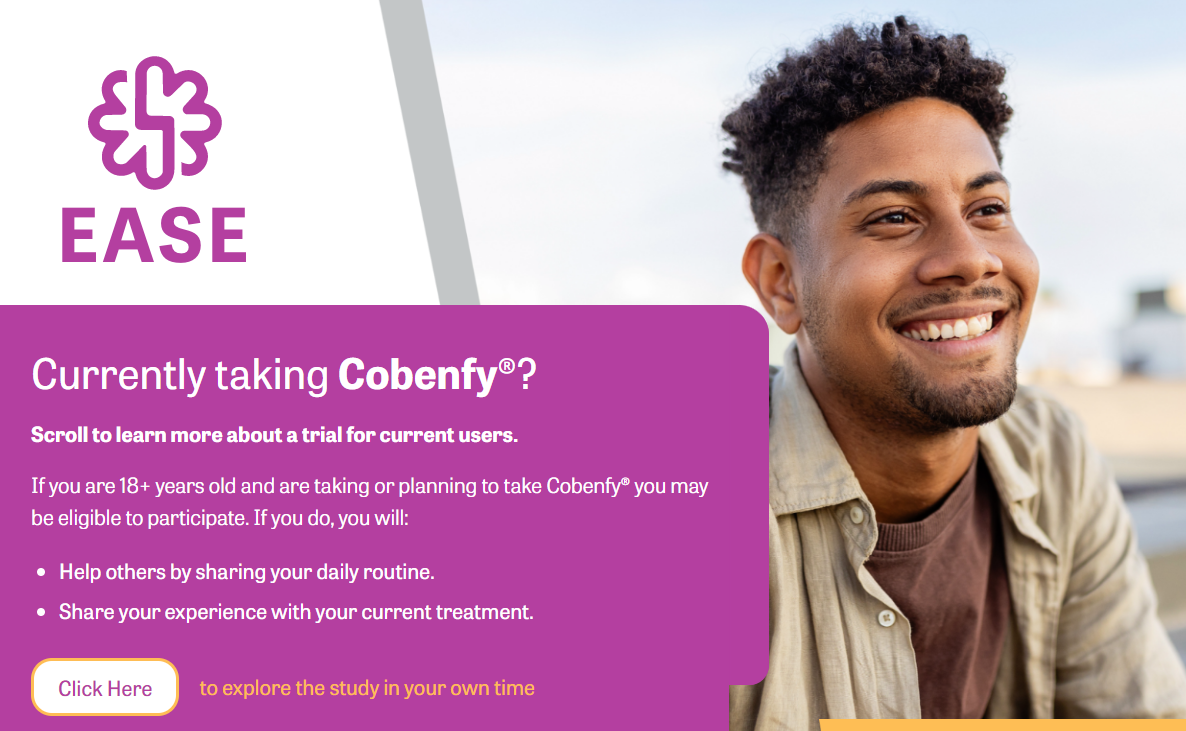
If you care for patients who are taking or about to start Cobenfy®, they may be eligible for a voluntary observational study focused on real‑world experiences.
Participation does not change treatment or care. Learn more at TheEaseStudy.com or on clinicaltrials.gov (NCT07379827).
| | |
S&PAA Launches $COPE 360™: A New Tool for Advocacy and Research
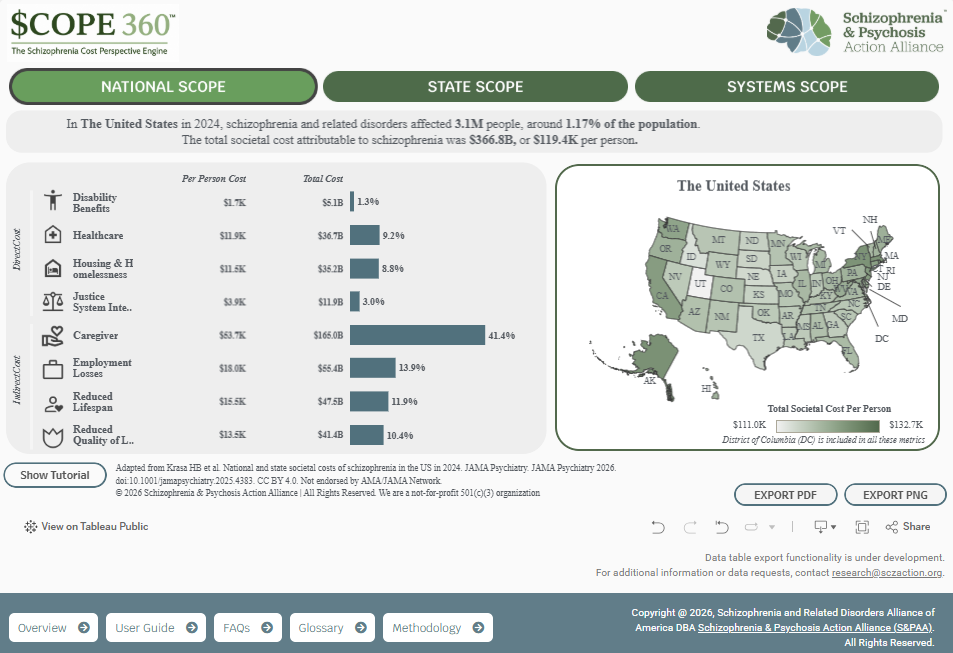
The Schizophrenia and Psychosis Action Alliance has launched $COPE 360™, an interactive platform that visualizes the societal cost of schizophrenia across all 50 states.
Drawing from published science and economic modeling, the dashboard spans healthcare, housing, employment, justice involvement, and caregiving, turning complex data into accessible, shareable graphics. For clinical research sites, $COPE 360™ offers ready-made tools for policy conversations, funding discussions, and public awareness efforts.
Explore the platform at sczaction.org/scope360/tool/
| | |
A New Resource Worth Sharing With Your Patients
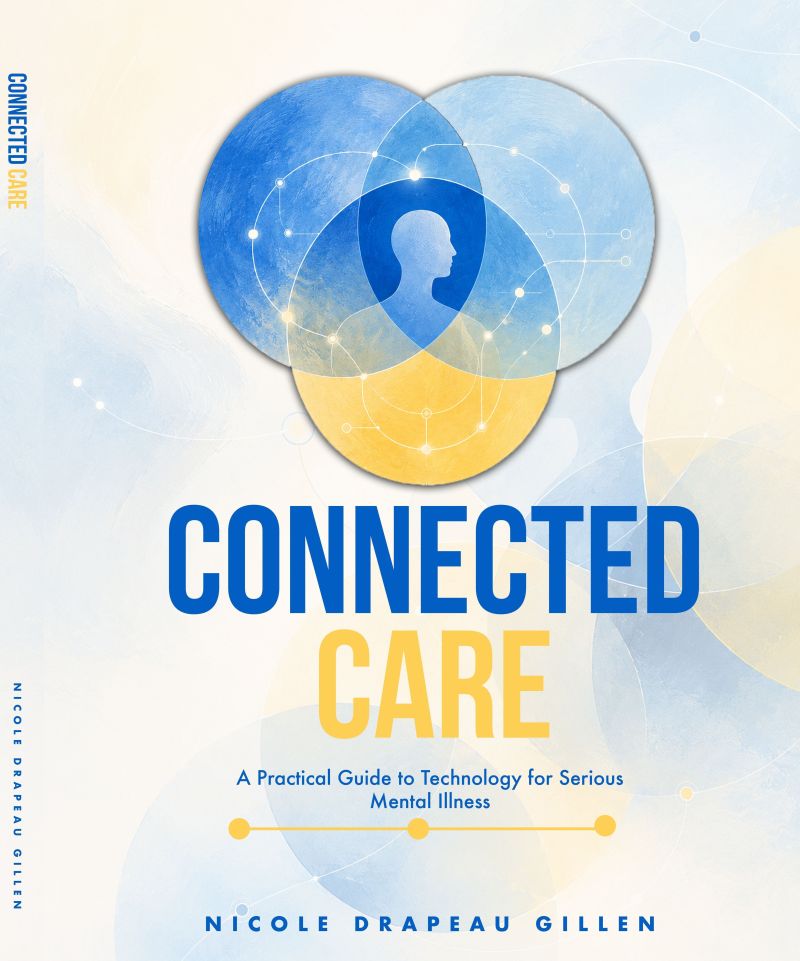
If you've ever had a caregiver ask you "is there an app for that?" this book is your answer.
Connected Care: A Practical Guide to Technology for Serious Mental Illness, by Nicole Gillen, just hit shelves and it's already the #1 new release in Mood Disorders. Gillen is a mom to a child diagnosed with schizophrenia, and she wrote the book she wished existed when her family was starting out. It's not written from a distance. It's written from someone who's lived it.
Inside, families will find over 42 vetted apps and digital tools, 60 pharma assistance portals organized by type, and nearly 20 practical checklists they can start using right away. There's also a clear, no-jargon breakdown of telepsychiatry platforms, FDA-cleared digital therapeutics, and where AI is actually showing up in mental health care today.
Here's why we're flagging it for sites: this could be a simple, high-value addition to your waiting room. Patients and caregivers are often searching for exactly this kind of guidance and coming up empty, or worse, overwhelmed by conflicting information online. A copy on hand gives your team an easy way to point families toward vetted resources without adding to your workload.
Research works best when it's connected to real support systems in people's daily lives. This book is one more bridge between the clinic and the home.
Consider keeping a copy in your waiting room or resource area. Learn more or order a copy here.
| | |
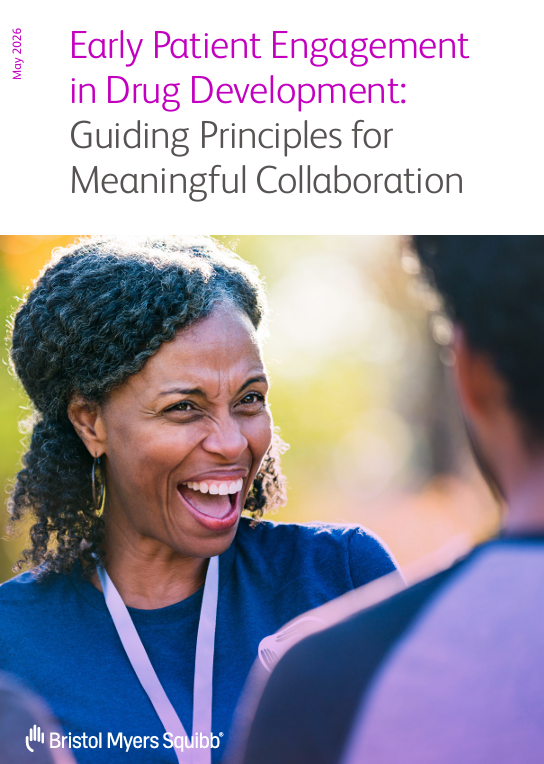
Bristol Myers Squibb's May 2026 white paper on early patient engagement in drug development lands on a familiar pain point for CNS and psychiatric trial sites: screen failure, amendments, and slow enrollment driven by designs that ignored real-world participation burden until too late.
Co-authored with patient advocacy leaders across multiple disease areas, the paper, Early Patient Engagement in Drug Development: Guiding Principles for Meaningful Collaboration, reframes engagement as a structured practice starting in preclinical research, not a downstream communications task. It outlines nine components of effective engagement, grouped into three domains: community relationships and communication, development strategy and trial design, and accessibility, metrics, and data. The paper cites data showing protocols developed with early patient input carried budgets roughly 28% below plan, included about 30% fewer endpoints, and saw fewer substantial amendments once trials were active.
As a case study, the paper points to BMS's Patient Expert Engagement Resource (PEER) Program, which has reviewed every pivotal Phase 3 protocol since 2020. In 2025, 72% of those reviews resulted in changes informed directly by advocacy input, an indication of how consistently this kind of feedback is shaping protocols before they ever reach a site.
Check out the white paper here.
| | |
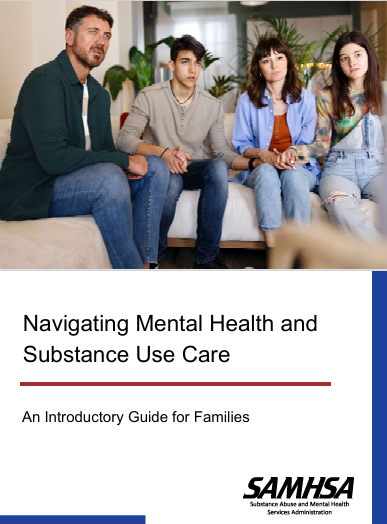
SAMHSA published Navigating Mental Health and Substance Use Care: An Introductory Guide for Families last month, built from input from over sixty family member representatives with lived experience. The guide walks families through recovery basics, systems navigation, peer support options, and advocacy, all in plain language.
For research sites, this is a resource worth having on hand. Waiting rooms are full of caregivers and family members trying to understand a system they didn't sign up to learn. Offering this guide gives them something concrete to hold onto between visits, and it's a small, tangible way to show families that support extends past the consent form.
Download the pdf HERE.
| | |
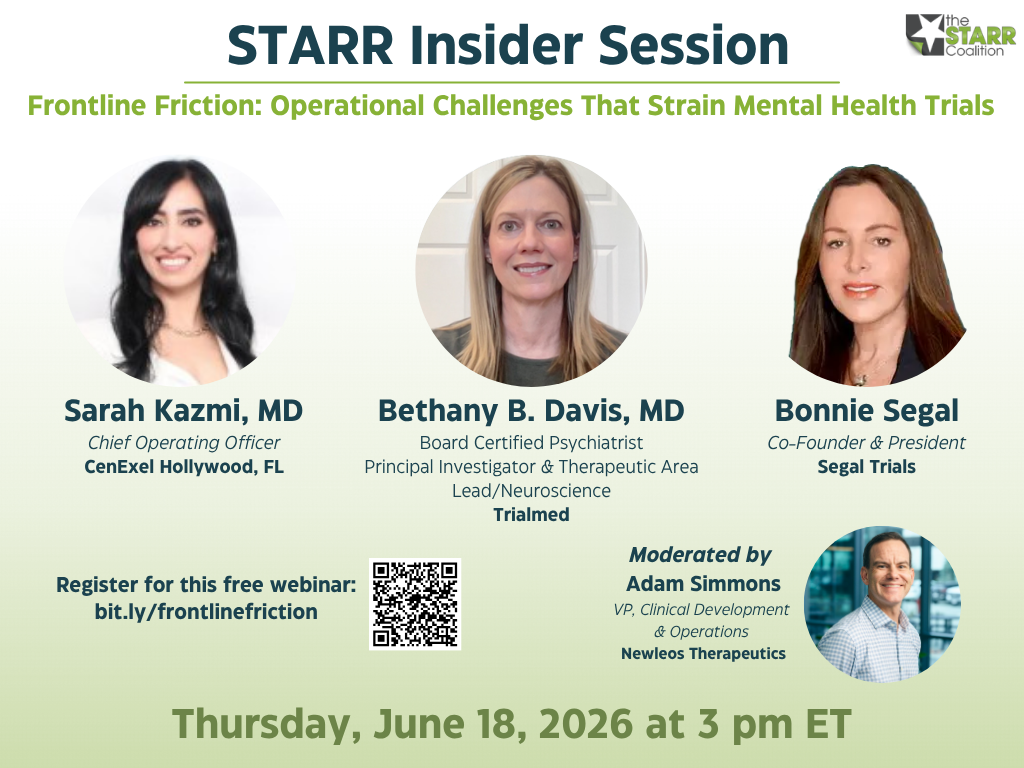
Did you miss last month's STARR Insider Session 'Frontline Friction: Operational Challenges That Strain Mental Health Trials'?
In last month's STARR Insider Session, Adam Simmons of Newleos Therapeutics moderated a candid conversation with Bonnie Segal of Segal Trials, Dr. Sarah Kazmi of CenExel, and Dr. Bethany Davis of Trialmed – three veteran site leaders unpacking the operational pressure points that don’t make it into the protocol: patient burden during long screening visits, the hidden cost of third-party assessments, and the ethical line sites walk when a study ends but a patient’s care needs don’t.
The discussion made one thing clear – reducing burden and building trust aren’t separate goals from running a successful trial. They’re a package deal.
The recording is available to STARR Certified Sites and Corporate Members HERE. We'll send out the password, or you can feel free to contact us for it so you can access this fantastic session!
| | |
The CURESZ Foundation Tenth Anniversary Summit will be held July 10-11, 2026 at the Graduate Hotel in Cincinnati. Themed "Bridging the Gap Between Advances in Knowledge and Clinical Practice," the event will spotlight cutting-edge and underutilized schizophrenia treatments and introduce the Schizophrenia Colloquium, a major new scientific initiative. Attendees will have the opportunity to connect with leading researchers, clinicians, and individuals living with schizophrenia. Featured speakers include CURESZ founders Bethany Yeiser and Dr. Henry Nasrallah, keynote speaker Dr. Rajiv Tandon, and Dr. Jonathan Meyer. For more information and to register, visit the CureSZ website HERE.
| |
APA 2026, taking place August 6-8 in DC, brings together psychologists, researchers, clinicians, educators, and advocates to share the latest advances in psychological science and clinical practice. Each year, the convention highlights emerging research, innovative treatment approaches, and opportunities to strengthen collaboration across the mental-health community. Registration opens April 22.
| |
Psych Congress will hold their 39th Annual Meeting from September 15-19, 2026 in New Orleans, LA. The nation's leading conference on practical psychopharmacology and a community of passionate mental health clinicians, this is one of our favorite meetings of the year!
| |
The International Society for Bipolar Disorders (ISBD) 28th Annual Conference will be held September 28–30, 2026 at The Westin Bayshore in Vancouver, Canada. The conference brings together over 600 international researchers, clinicians, and scientists for keynote lectures, workshops, and symposia focused on advancing treatment and improving outcomes for those living with bipolar disorder and related conditions.
| |
Mental Health America will hold their conference from October 8-9, 2026. The 2026 Mental Health America Conference will focus on the theme More Good Days, Together. Through this theme, the conference will explore how to make more good days possible for all by connecting people to the right support at the right time and recognizing that “good” is defined by unique mental health experiences and goals. Show your support for mental health and connect with thought leaders, innovators, and decision-makers.
| |
The National Federation of Families 36th Annual Conference will be held October 13–15, 2026, in Orlando. The event will bring together hundreds of researchers, administrators, policymakers, clinicians, youth, family leaders, and other stakeholders working to strengthen supports for children and families affected by mental health challenges.
| |
Site Solutions Summit will be held from October 15-18, 2026 in Orlando, FL. The Summit provides a unique hub where sites, sponsors, CRO executives, and regulators come together to discuss best practices and ideas while developing strategic partnerships through ideation sessions, workshops, and focus groups. Whether your priority is networking with sponsors and CROs or learning best practices built for research sites, the Summit provides a valuable experience.
| |
The American Neurological Association (ANA) will hold their 151st Annual Meeting ANA2026 from October 17-20, 2026 in San Diego, CA. The Annual Meeting has been designed to foster discussions among investigators in academia, industry, and foundations toward the common goal of furthering translational science..
| |
The CNS SUMMIT 2026 will be held November 1-4, 2026 in Boston at Encore Boston Harbor. The Summit brings together decision makers from pharma, biotech, CROs, investigator sites, technology, investors and other stakeholders.
| |
The NEI Fall Congress, held November 5-8, 2026 in Colorado Springs, is for mental healthcare professionals dedicated to advancing their knowledge and skills. Designed for all members of the mental healthcare team to help clinicians make informed decisions by breaking down complex concepts through animation and a unique visual language exclusive to the NEI.
| |
Neuroscience 2026 will be held November 14-18, 2026 in Washington DC. Each year, scientists from around the world congregate to discover new ideas, share their research, and experience the best the field has to offer. Attend so you can: present research, network with scientists, attend session and events, and browse the exhibit hall at the premier global neuroscience event.
| | |
A Spoken Word Look Inside "Wonderland"
This month, we're featuring something a little different: a spoken word piece called "Alex in Wonderland" by Alex Sheehan. Using the imagery of Lewis Carroll's Wonderland (the rabbit hole, the Mad Hatter, the Queen of Hearts), Alex paints a vivid picture of what depression, hallucinations, and suicidal thoughts can actually feel like from the inside. It's honest, and at times heavy.
But the piece doesn't end there. It moves through therapy, medication, and the support of peers, and lands on a message of hope: healing isn't a straight line, but it's real, and it's possible.
For everyone working to advance mental health research, this is a powerful reminder of why the work matters and what trust and care can look like from the patient's side.
Watch it here: https://youtu.be/hHHAED-NYu0?si=LfzQcjFAnuNhtABu
Note: this piece discusses suicidal thoughts and may be difficult for some readers.
| | |
How to sound more polite: Slow down.
What does politeness sound like? A new study set out to test the relationship between speech rate and politeness. Researchers ran four studies where subjects took part in a few different tasks: they listened to slow versus fast speech in an unfamiliar language, imagined speaking politely or casually, and then recorded themselves reading the same message under different politeness instructions.
They found that study participants consistently perceived slower speech as more polite. And when they were trying to speak politely, they also tried to speak more slowly. “People not only associate politeness with a slower speech rate but also use slower-paced speech to convey politeness,” the study concluded.
Next time you’re in a conversation with someone, don’t be afraid to slow it down.
| | |
Thank you for reading!
If you have questions, comments, or would like to submit an item to be included in an upcoming newsletter, please email erica@thestarr.org.
| | |
The STARR Coalition | www.thestarr.org
LEAD WITH HEART.
| |
| How did you like this email? | | | | | | |