| |
STARR News & Updates
June 2025
| | |
June is
PTSD Awareness Month
June is PTSD Awareness Month and there is something that you can do to help raise awareness of the symptoms and treatment options.
Everyone with PTSD - whether they are Veterans or civilian survivors of a traumatic event - needs to know that treatments really do work and can lead to a better quality of life.
June 27th is PTSD Screening Day -- This quick 5-question screen for PTSD is simple and anonymous. Share the link on your social media and via text to your contacts so they can take the self-test. Of course, you don't have to wait until June 27th. ❤
| |
PTSD Treatment Updates
As of mid-2025, PTSD research is advancing with a few treatments entering clinical trials and new technologies enhancing diagnostic and therapeutic strategies. These developments reflect a more nuanced and inclusive approach to both treatment and trial design.
We've pulled together some of the latest PTSD research, including pharmacological advances, neuromodulation and device-based therapies, and innovations in trial design and diagnoses. You can check out the full article HERE.
| | |
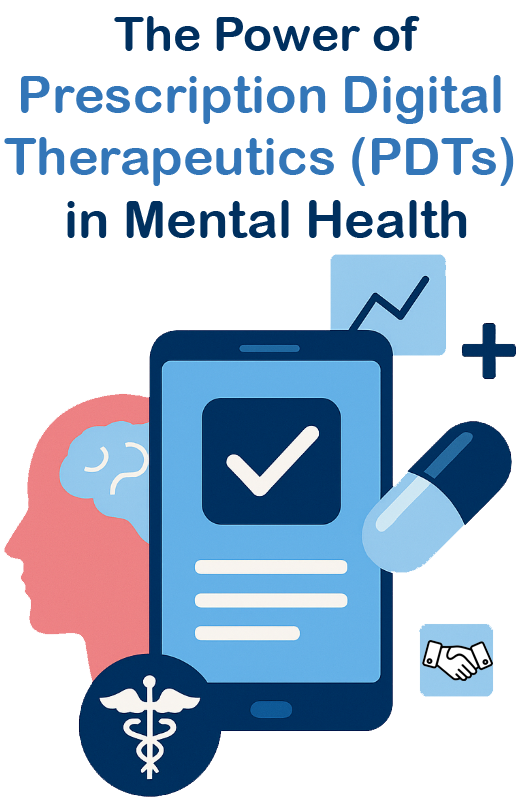
Prescription Digital Therapeutics (PDTs) are reshaping the landscape of mental health treatment, offering a clinically validated, scalable, and patient-centric approach to managing psychiatric disorders. For leaders in pharmaceutical clinical research, PDTs represent an essential evolution in comprehensive patient care and a strategic opportunity for collaboration and innovation.
Unlike traditional pharmacotherapy, PDTs utilize evidence-based cognitive behavioral therapy and other therapeutic modalities delivered digitally, often through mobile apps or web-based platforms. The FDA has increasingly approved PDTs for conditions such as substance use disorder, insomnia, ADHD, and depression, highlighting their robust clinical efficacy and safety profiles. These digital interventions complement pharmaceutical therapies, potentially enhancing patient outcomes by providing continuous, accessible, and personalized support.
For clinical research leaders, PDTs present distinct opportunities. Integrating PDTs into clinical trials can yield richer patient data through digital biomarkers and real-time adherence tracking, improving the quality and depth of research outcomes. Additionally, incorporating PDTs into pharmaceutical strategies can bolster medication adherence and engagement, directly addressing challenges often encountered in psychiatric treatment regimens.
However, the successful adoption of PDTs requires navigating regulatory complexities and developing partnerships with digital health innovators. Leaders must consider collaborative models, aligning with digital therapeutic developers to co-create combination therapies that leverage both pharmacological and digital interventions. This synergy can transform mental health care by offering holistic, tailored solutions to patients.
Prescription Digital Therapeutics hold substantial promise for advancing mental health treatment and research. Pharmaceutical leaders positioned to integrate PDTs into their strategic frameworks will not only enhance patient care but also pioneer the future of mental health clinical innovation. As these technologies mature, PDTs are poised to become important components of comprehensive mental health management.
| | |
Additional Information & Resources:
FDA-Approved PDTs for Mental Health Conditions: The FDA has authorized several PDTs for various mental health conditions. For instance, EndeavorRx is approved for treating ADHD in children, Rejoyn for major depressive disorder, reSET for substance use disorder, reSET-O for opioid use disorder, and Somryst for chronic insomnia. (American Psychiatric Association, Verywell Mind)
Complementing Pharmacotherapy: PDTs are designed to complement traditional pharmacological treatments. Rejoyn, for example, is intended to be used alongside antidepressants to enhance treatment outcomes for major depressive disorder. (Prescription digital therapeutics (PDTs) bridge the gap between treatment and everyday life)
| |  | |
Integration into Clinical Trials: Incorporating PDTs into clinical trials can enhance data collection through digital biomarkers and real-time adherence tracking. This integration can lead to more efficient trials with richer data sets.
Combination Therapies: There is a growing trend of combining digital therapeutics with pharmacological treatments to create synergistic effects. For example, Click Therapeutics has developed Software-Enhanced Drug™ therapies that integrate digital therapeutics with medications to improve clinical outcomes.
clicktherapeutics.com, Click, BI, Otsuka)
Regulatory Considerations: The FDA is actively working on frameworks to regulate the integration of software with medications, ensuring that such combinations meet safety and efficacy standards. (Axios)
| | |
The amazing staff at Segal Trials was proud to walk as Team Fight Club at the NAMIWalks2025 in NAMI Miami-Dade — and even prouder to be ranked among the Top 11 fundraisers, raising $2,473 in support of mental health awareness!
Segal Trials has participated in NAMI Walks for nearly a decade because we believe in what this movement stands for. As a team committed to CNS research, we witness firsthand the critical importance of mental health advocacy and equitable access to care. By walking together, we’re helping raise awareness, break stigma, and support real change, one step at a time. 💚
| | | |
May was busy at Neuro-Behavioral Clinical Research (NBCR), as it was both Older Americans Month and Mental Health Awareness Month. Throughout the month, NBCR took part in no less than 7 (seven!) large health and wellness events and delivered 9 (nine!) presentations. The large-scale events drew between 100 and 300 attendees each.
Key partnerships with local YMCAs, colleges, Silver Sneakers groups, Goodwill, and Senior Service Networks played a vital role in creating and promoting these outreach opportunities. The response from participants was overwhelmingly positive, resulting in a significant increase in intake appointments. Many attendees shared feedback such as, “We didn’t know about your organization,” and “I’ve struggled with mental health issues for years—I wish I had known about you sooner.”
| | | |
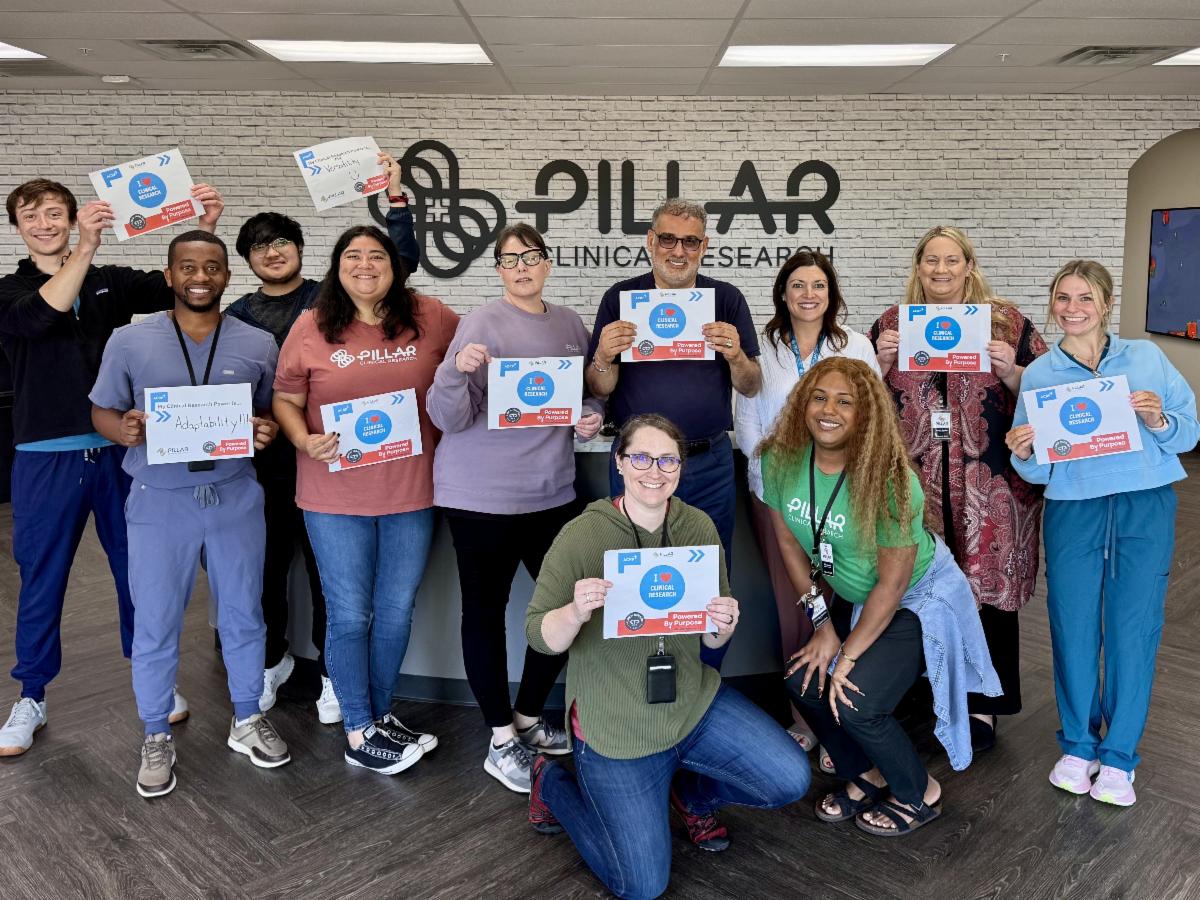
Pillar Clinical Research's Bentonville team celebrated Clinical Trials Day with subjects and staff! Organized and promoted by ACRP since 2014, Clinical Trials Day (May 20) is a joyful opportunity to pause in reflection, recognition, and admiration of all that has been accomplished thanks to clinical trials and the people behind them.
From left to right, that’s Max Greenway, Eric Foster, Sterling Yang, Nichole Gutierrez, Andi Wise, Dr. Fayz Hudefi, Adrienne Catalina, Rachel Tucker, Parker Brown, Whitley Cates, and Cici Sanchez.
| |
In honor of International Nurses Week (the week of May 6th), Pillar's Little Rock and Bentonville sites recognized some of their outstanding nurses with gifts! Pictured left to right, is Little Rock's Adrianne Funmaker, MSN, APRN, CPNP-AC, PMHNP-BC Jamie Pettus, RN, and Belinda Horton, RN.
Also, Pillar celebrated Patient Experience Week through a variety of activities encouraging conversations around enhancing care delivery, patient satisfaction, and staff morale. The focus of Patient Experience Week goes beyond just patient care; it encompasses the entire journey patients and their families go through, as well as the dedication of the healthcare teams.
| | | |
Throughout May, CenExel Georgia took time to spotlight the dedicated professionals who make their clinical research efforts possible. In recognition of Mental Health Awareness Month and Clinical Trials Day, team members from CenExel Atlanta and Decatur shared reflections on their work and the meaning it holds for them. Abel Beck, Project Manager of Study Start-Up at CenExel Atlanta, shared that he finds fulfillment in transforming scientific discoveries into real-world treatments, emphasizing the ethical responsibility of ensuring patient safety and data integrity. Casey Chacona, Lead Coordinator at CenExel Decatur, reflected on her 30-year career, noting the progress in mental health treatments and the personal significance of seeing their impact on loved ones and patients alike.
Christy Carroll, Director of Clinical Operations at CenExel Atlanta, underscored the importance of blending science with compassion. “We honor the people who make progress possible—our participants, investigators, coordinators, and research staff.”
The STARR Coalition commends CenExel Georgia for celebrating the professionals advancing research and improving mental health care every day.
| | | |
Across the United States, many individuals living with schizophrenia face unnecessary delays in accessing the medications that work best for them—delays caused by restrictive step therapy policies imposed by insurance plans. Step therapy, sometimes called “fail first” policies, forces patients to try and fail on one or more medications before insurers will cover the medication originally prescribed by their provider.
This approach can be particularly harmful in the treatment of serious mental illnesses like schizophrenia, where timely access to the right medication is critical. Every patient responds differently to antipsychotics, and what works for one person may not work—or may cause intolerable side effects—for another. Yet, step therapy protocols often require patients to cycle through older or less appropriate treatments, increasing the risk of symptom relapse, hospitalization, and reduced quality of life.
| |
In some states, these restrictions are especially severe. For example, Florida has one of the most burdensome step therapy requirements for antipsychotic coverage, mandating patients try and fail multiple medications before accessing newer options. These policies prioritize cost savings over clinical judgment and ignore the urgency of stabilizing individuals with serious psychiatric conditions.
All patients deserve access to treatments based on their individual needs—not insurance algorithms. Step therapy may be appropriate in some cases, but for those living with schizophrenia or other serious mental illnesses, it can pose unnecessary barriers to care.
One thing you can do today to support equitable access to care is sign on to a joint letter urging the Florida policymakers to eliminate step therapy requirements for antipsychotic medications. This letter brings together organizations across the mental health and research communities to advocate for policies that prioritize clinical evidence and patient well-being. If your organization would like to be part of this collective voice, you can review and sign the letter here or individuals can request more information here.
| | | | |
Looking for Ways to Take Action?
With legislative sessions well underway across the country and changes happening at the federal level, check and follow ABC's Advocacy Activities Page to stay abreast of important legislation and efforts to have your voice heard.
| | |
Advancing PTSD Treatment Through Clinical Research
By Brandon Williams, CNS Healthcare
June marks PTSD Awareness Month, a time to reflect on the serious impact of Post-Traumatic Stress Disorder and reaffirm our collective commitment to advancing care for those affected. PTSD is a complex condition that can impact every part of a person’s life, with symptoms like anxiety, depression, and sleep disturbances, and it remains a significant public health challenge—particularly for individuals who face systemic barriers to timely and effective treatment.
Clinical research plays a powerful role in expanding the landscape of PTSD care. For individuals who do not respond to current therapies or face difficulty accessing care due to insurance limitations, geographic barriers, or provider shortages, clinical trials can offer alternative pathways to treatment. These studies not only generate the evidence necessary for regulatory approval and clinical practice changes but also contribute to real-world access to novel interventions.
At CNS Healthcare, our work in PTSD research reflects a broader commitment shared across the field—to generate high-quality data, ensure ethical and compassionate participant care, and help close gaps in access. Our clinical teams provide physician-led oversight and investigational care in supportive environments that prioritize participant well-being.
Raising awareness about PTSD must go hand-in-hand with reducing stigma, improving engagement, and building trust in research. As professionals dedicated to mental health innovation, we have a responsibility to continue this work—by advancing knowledge, advocating for equity in access, and collaborating to ensure that research translates into meaningful improvements in care.
| | |
Celebrating Pride Month 2025: Fostering Inclusion in Mental Health Research
June is Pride Month - a time to honor the resilience, achievements, and voices of the LGBTQ+ community. Fostering diversity and inclusion in clinical research isn’t just the right thing to do - it’s essential to advancing mental health treatment for all.
LGBTQ+ individuals experience higher rates of depression, anxiety, substance use disorders, and suicidal ideation, yet they remain underrepresented in clinical trials. This gap in participation means that research findings may not fully reflect the experiences and needs of LGBTQ+ patients, particularly in mental health. Pride Month serves as a powerful reminder to address these disparities head-on.
We all share a responsibility to create environments where every person feels safe, seen, and respected. That includes inclusive recruitment strategies, affirming language in consent forms, and partnerships with LGBTQ+ advocacy groups to build trust and access.
This month, we encourage you to reflect on your site or organization’s practices and consider how they may impact LGBTQ+ participation in trials. Inclusion is not a checkbox - it’s a commitment to equity in every aspect of the research process.
❤❤❤❤❤❤
| | |
Boehringer Ingelheim, the University of Oxford, and Cumulus Neuroscience are joining forces to provide insights into the day-to-day experiences of people living with psychiatric disorders, and how these experiences relate to their brain activity. The first-of-its-kind study will use novel technology to quantify brain activity, mood, and behavior at home in people who have been diagnosed with borderline personality disorder (BPD), an often neglected group of patients. The aims are to explore the acceptability of this technology in patients and gain quantitative, fine-grained, insights that could potentially guide the research and development of much-needed new therapies.
Teva presented the results from the latest real-world claims studies evaluating extended-release injectable UZEDY® (risperidone) which show improved adherence and persistence rates, fewer inpatient, outpatient and emergency department (ED) visits versus second-generation daily oral options.
New Data from Teva Shows Substantial Rates of Undertreated Tardive Dyskinesia in Long-Term Care Settings. Less than half of patients diagnosed with TD residing in LTC settings received the standard of care treatment recommended by the APA. The majority were treated with a non-FDA approved treatment, primarily benztropine, and a quarter were not treated at all.
Based on data from a phase 2 trial of 189 patients with acute schizophrenia, the novel phosphodiesterase 10A (PDE10A) inhibitor known as CPL'36 (Celon Pharma) is effective and generally safe in acute exacerbations of schizophrenia. preparing for a meeting with the FDA later this year about creating a much larger phase 3 trial. The current plan is to include both the 20-mg and 40-mg doses, but flexible dosing may be included in other future studies.
Loss of PTSD Diagnosis in Response to Evidence-Based Treatments: This systematic review and meta-analysis included 34 randomized clinical trials and found that military and veteran (milvet) samples had lower proportions of diagnosis loss than nonmilvet samples for cognitive processing therapy and prolonged exposure. Exploratory analyses showed some evidence that eye movement desensitization and reprocessing had the highest proportion of diagnosis loss.
A year after the FDA opened the door to clinical use of LSD, US-based MindMed has launched phase 3 trials in the US and Europe of MM120 (lysergide d-tartrate) for the treatment of generalized anxiety disorder (GAD) and major depressive disorder (MDD). MindMed has launched three phase 3 double-blind, randomized clinical trials to study the MM120 efficacy for GAD and MDD. The two GAD studies, Voyage and Panorama, are expected to enroll approximately 200 US participants and 250 US and European participants, respectively.
Reduced brain responsiveness to emotional stimuli with escitalopram but not psilocybin therapy for depression. A study out of the UK found that despite large improvements in depressive symptoms in the psilocybin group, psilocybin therapy had only a minor effect on brain responsiveness to emotional stimuli. These results are consistent with prior findings that the antidepressant action of SSRIs is often accompanied by a reduction in emotional responsiveness, but this effect may not occur in psychedelic therapy.
Fremanezumab was associated with a significantly greater reduction in monthly migraine days and symptoms of depression than placebo in patients with migraine and comorbid major depressive disorder (MDD), new research showed. Improvements in both migraine and depressive symptoms were maintained even throughout the open-label extension.
Seasonality is linked to different bipolar features and treatment response, based on a study presented at APA25. The current study included 1702 patients enrolled in the Mayo Clinic Bipolar Disorder Biobank who had data on seasonality. Of these, 45% had at least one type of seasonality and were divided into one of four groups on the basis of when their prevailing mood episodes occurred: Fall-winter depression, spring-summer hypomania, the first two groups combined (biphasic seasonality), and indeterminate seasonality, used when a patient had seasonality patterns that did not fit the other categories. Compared with no seasonality, fall-winter depression was associated with a higher use of lifetime antidepressants and any psychotropic medication, while spring-summer hypomania was linked to a lower likelihood of rapid cycling and a lower number of lifetime antidepressants used.
Glucagon-Like Peptide 1 Receptor Agonists and Mental Health: A Systematic Review and Meta-Analysis. This investigation with more than 107,000 patients found that compared with placebo, treatment with GLP1-RAs was not associated with increased risk of psychiatric adverse events. Furthermore, GLP1-RA treatment was associated with improvements in both physical and mental health–related quality of life, as well as reduced emotional eating behaviors and increased eating restraint.
Menopause symptoms may signal future dementia risk, new research suggests. Findings from an online Canadian project on aging and brain health revealed that experiencing more symptoms during perimenopause was associated with greater cognitive and behavioral changes later in life, suggesting the burden of perimenopausal symptoms not only affected immediate well-being, but could also signal long-term brain health risks. Participants who used estrogen-based hormone therapies for perimenopausal symptoms showed fewer behavioral changes than non-users, suggesting a possible role for estrogen in dementia risk reduction.
Vitamin D is important for women's brain health but doesn’t appear to have this beneficial effect in men, early research suggested. In women, investigators found a significant association between vitamin D levels and the volume of the putamen and pallidum, with a near-significant trend for the thalamus. In contrast, studies show that in men, higher vitamin D levels were associated with smaller volumes of the thalamus, putamen, and pallidum.
One in three youth visiting the ED with a mental health crisis spends over 12 hours in the ED waiting for a psychiatric bed, according to estimates based on nationally representative data from 2018 to 2022. Seven in ten of all kids staying in the ED over 12 hours were there for suicidal thoughts or attempts, and over half for aggressive behaviors.
Northwestern University is launching the Institute for Adolescent Mental Health and Well-Being, an interdisciplinary initiative to research issues related to the psychology and mental health of young adults and leverage its findings to benefit Northwestern students. The institute is made possible by a $25 million gift from an anonymous donor and will study the psychology of emerging adults, leading to innovative wellness programming for students at the University and beyond
| |
The second annual State of the Science address explores the current status of the U.S. research enterprise and strategies for navigating a rapidly changing scientific landscape.
In her recent State of the Science address, National Academy of Sciences President Marcia McNutt warned of a “pessimistic future” for U.S. science — from federal budget cuts to a burdensome regulatory environment to a loss of international talent — and proposed a range of actions to strengthen the research enterprise.
The address is followed by a panel moderated by Kelvin Droegemeier, former science adviser to President Trump and director of the White House Office of Science and Technology Policy from 2019 to 2021. This address is well worth the watch.
| |
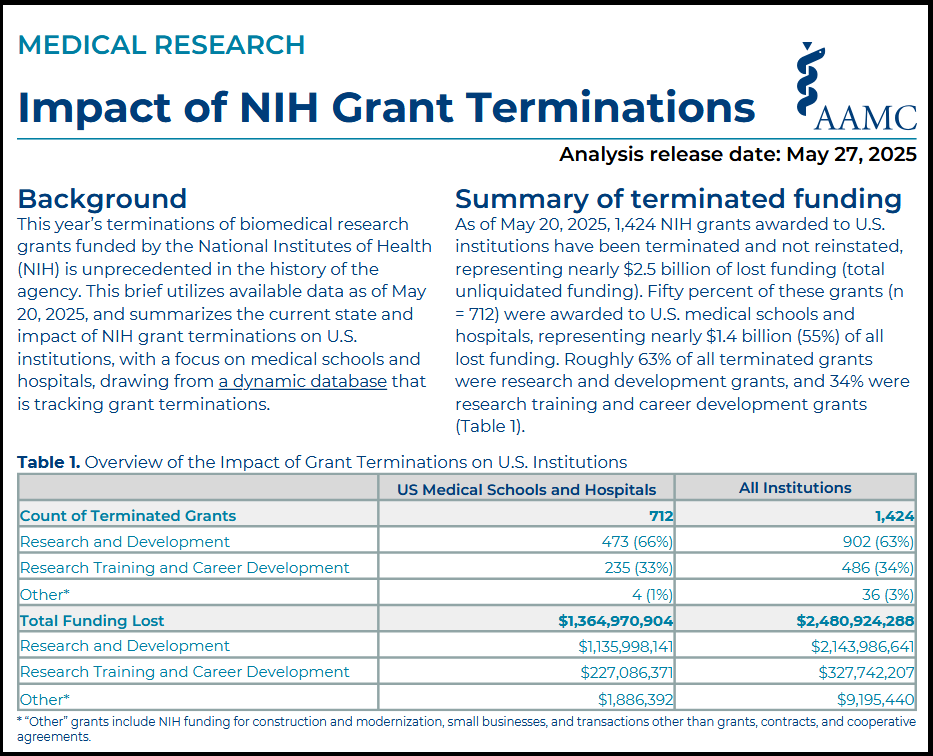
AAMC released a report on the Impact of NIH Grant Terminations. This brief utilizes available data as of May 20, 2025, and summarizes the current state and impact of NIH grant terminations on U.S. institutions, with a focus on medical schools and hospitals, drawing from a dynamic database that is tracking grant terminations.
One-hundred thirty of the terminated grants (9%) were associated with 160 active NIH-funded clinical trials and represented 30% of lost NIH funding ($739 million). Of these terminated grants, 50 (38%) focused on mental or behavioral health.
| | |
In this session, we will talk about the family peer career ladder and all the possible roles family members with lived experience have. When you reach a leadership position in the family peer workforce, it is often essential to the sustainability of your organization to receive grant funding. Understanding how to write grants is an essential skill that those who climb to the top of the family peer career ladder need to have. Join us for tips on writing successful government and foundation grant proposals.
| | |
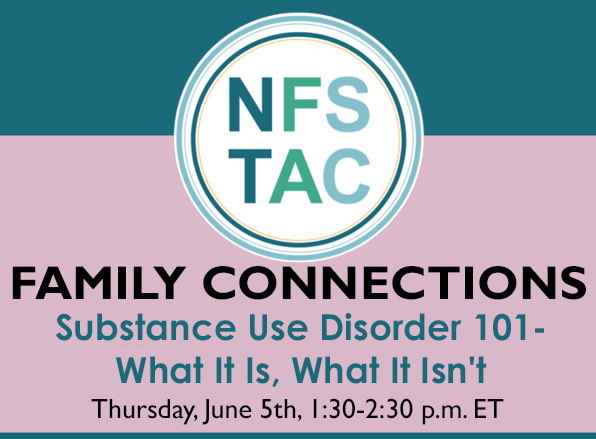
In this session, we will discuss substance use disorder (SUD) and its stages — from experimentation to progression to disorder. SUD includes a wide range of drugs such as cocaine, methamphetamines, or prescription opioids that are considered risks. However, it also encompasses a wider range of substances, such as alcohol, tobacco, inhalants, and prescription medications. This issue affects millions of people from all walks of life—including families and caregivers. We’ll also discuss the unique challenges that face families and caregivers and how to access support.
| | |
Video Spotlight: Michelle Hammer’s Story – Living with Schizophrenia
In this powerful short video, advocate and artist Michelle Hammer shares her personal journey with schizophrenia. Diagnosed in her early twenties after years of navigating paranoia and psychosis, Michelle now channels her experience into advocacy through her brand, Schizophrenic.NYC.
Michelle’s perspective reinforces the need for research to remain grounded in the voices of those it serves and her voice highlights why incorporating the perspectives of those with lived experience is essential to building trust and improving outcomes in schizophrenia research and care.
| | |
At NAMICon 2025, we’re meeting you where you are—whether at home, at work, or on your unique mental health journey. Held virtually from June 11-13, this year’s conference is your chance to connect, inspire, and drive meaningful change. The 2025 Call for Proposals is Open! Share your story, experiences, and transformative ideas to inspire and empower a diverse audience. Whether through personal insights or innovative research, your voice has the power to challenge perspectives and drive change in mental health. More information and to submit a proposal here.
| |
At BIO 2025, you can access more than 100 sessions across 18 focus areas with discussions from leading biotechnology companies, investors, service providers, government officials, regulators, and patient advocates committed to ground-breaking therapies and innovation.. Join us June 16-19 in Boston.
| |
The American Brain Coalition Annual Membership Meeting is being held Wednesday, June 25th, 8am-9:30am ET in Rockville, MD or virtual. Following the ABC Membership Meeting, please plan to stay for the Public-Private Partnership NINDS Nonprofit Forum, which starts at 10am in the same room.
| |
ANA2025 will be held Sept 13 – 16 in Baltimore, MD. The Annual Meeting has been designed to foster discussions among investigators in academia, industry, and foundations toward the common goal of furthering translational science. As usual, it will include professional development workshops offering daily sessions designed for early career, mid-career, and residency directors.
| |
Psych Congress is the nation's conference on practical psychopharmacology and a community of passionate mental health clinicians. The 38th annual Psych Congress will be in San Diego from Sept. 17-21. For five days this fall, engage in a unique, integrated forum full of practical, real-world training, covering the latest techniques, treatments, best practices, and evidence-based care. The 2025 event will feature more sessions, more credits, and more opportunities than ever before.
| |
The Global Site Solutions Summit will be held from Sept. 28-Oct. 1 in Orlando, FL. The Summit provides a unique hub where sites, sponsors, CRO executives, and regulators come together to discuss best practices and ideas while developing strategic partnerships through ideation sessions, workshops, and focus groups. Whether your priority is networking with sponsors and CROs or learning best practices built for research sites, the Summit will provide a valuable experience for your business.
| | |
The Mental Health America 2025 Conference will be held October 16-17 in Washington D.C. and will explore the theme "Turn Awareness Into Action". The conference will bring together experts, innovators, and advocates who are implementing strategies that work — approaches that improve mental health care, expand access, and create lasting change.
| |
CNS SUMMIT 2025 will be held Nov. 2-5 at the
Encore Boston Harbor. The Summit brings together a curated group of top decision makers from pharma, biotech, CROs, investigator sites, patient advocacy groups, investors and other stakeholders. Your event registration also provides access to our year-round programming and community activities.
| |
Neuroscience 2025 will be held Nov. 15-19 in San Diego. Each year, scientists from around the world congregate to discover new ideas, share their research, and experience the best the field has to offer. Attend so you can: present research, network with scientists, attend session and events, and browse the exhibit hall at the premier global neuroscience event.
| | | | |
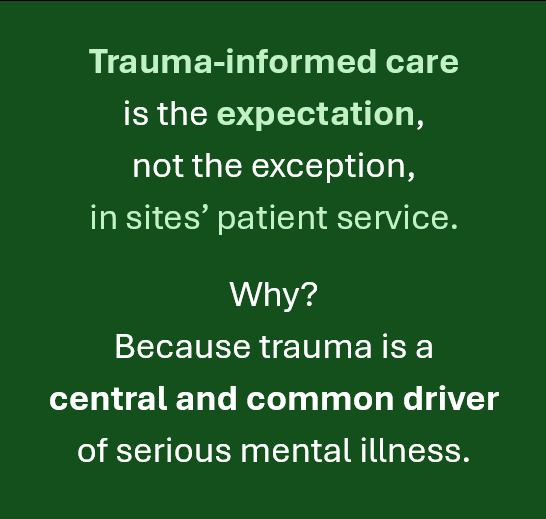
Trauma-informed care (TIC) is an organizational framework that acknowledges the widespread impact of trauma and integrates this understanding into policies, practices, and interactions. It is a well-established model for fostering environments that promote psychological safety for individuals with trauma histories, while actively working to minimize the risk of re-traumatization in clinical and research settings.
In mental health clinical research, adopting a trauma-informed approach is not only an ethical imperative - it plays a critical role in improving participant engagement, building trust, and supporting retention throughout the course of a study.
| | If your site is not yet actively implementing—or even aware of—trauma-informed care principles, now is the time to take action. Contact The STARR Coalition - TIC to schedule a trauma-informed care training session and ensure your team is equipped to foster trust, safety, and long-term participant engagement. | | |
Stat: $8.7 million. That’s how much prescription digital therapeutics
can save payers in healthcare costs per 1 million commercial members.
(Fierce Healthcare via Morning Brew)
| | |
Policy Stability Fuels Innovation:
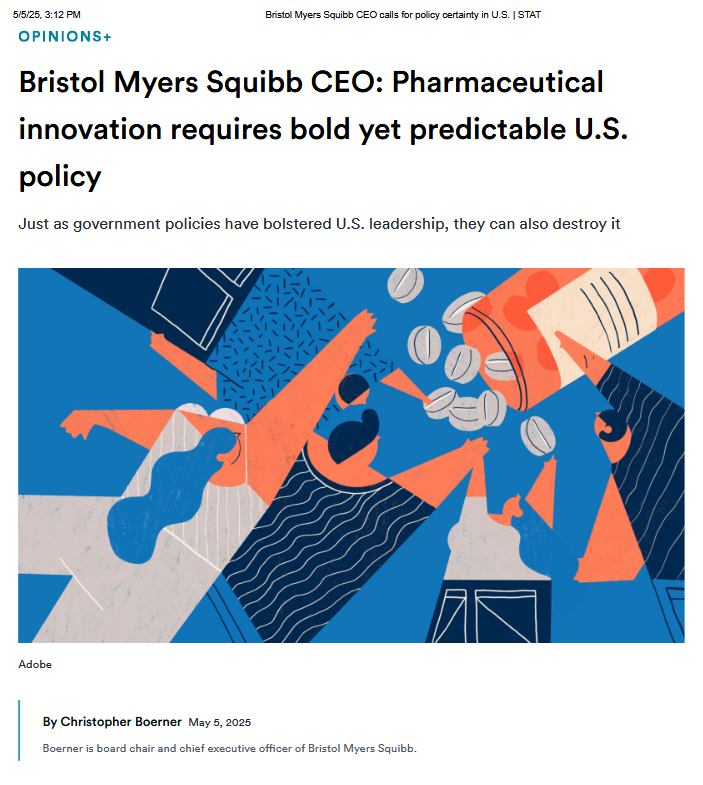
What BMS’s $40B U.S. Investment Means for Mental Health Research
In a recent op-ed, Bristol Myers Squibb CEO Christopher Boerner emphasized the need for stable U.S. policies to sustain pharmaceutical innovation. He highlighted that unpredictable regulations and reduced funding for medical research could hinder the development of transformative medicines .
Boerner announced a $40 billion investment over five years to enhance U.S. research and manufacturing capabilities, including advancements in radiopharmaceuticals and AI integration. This move aligns with the Trump administration's executive order to expedite domestic pharmaceutical plant approvals, aiming to strengthen supply chains amid potential tariffs on imports .
For mental health clinical researchers, these developments underscore the importance of policy predictability in fostering innovation. Stable support is crucial for advancing treatments in areas like depression and schizophrenia, where unmet needs remain significant.
(Click on the graphic to download the full article.)
| | | | |
The Harley Jacobsen Clinical Trial Participation Income Exemption Act seeks to exclude all payments to participants in clinical trials from being treated as taxable income so welfare benefits are not put at risk.
WHAT CAN YOU DO TO SUPPORT THIS IMPORTANT LEGISLATION?
1. Sign the petition on Change.org to show your support for the Harley Jacobsen Act. Share the petition with your network and colleagues.
.
2. Sign on the Mural Health website, supporting the Harley Jacobsen Act.
| | |
Thank you for reading!
If you have questions, comments, or would like to submit an item to be included in an upcoming newsletter, please email erica@thestarr.org.
| | |
The STARR Coalition | www.thestarr.org
SHARE, CARE, AND BE KIND.
| | | | |