| |
STARR News & Updates
June 2026
| | |
Congratulations to STARR Site of the Year: Trialmed
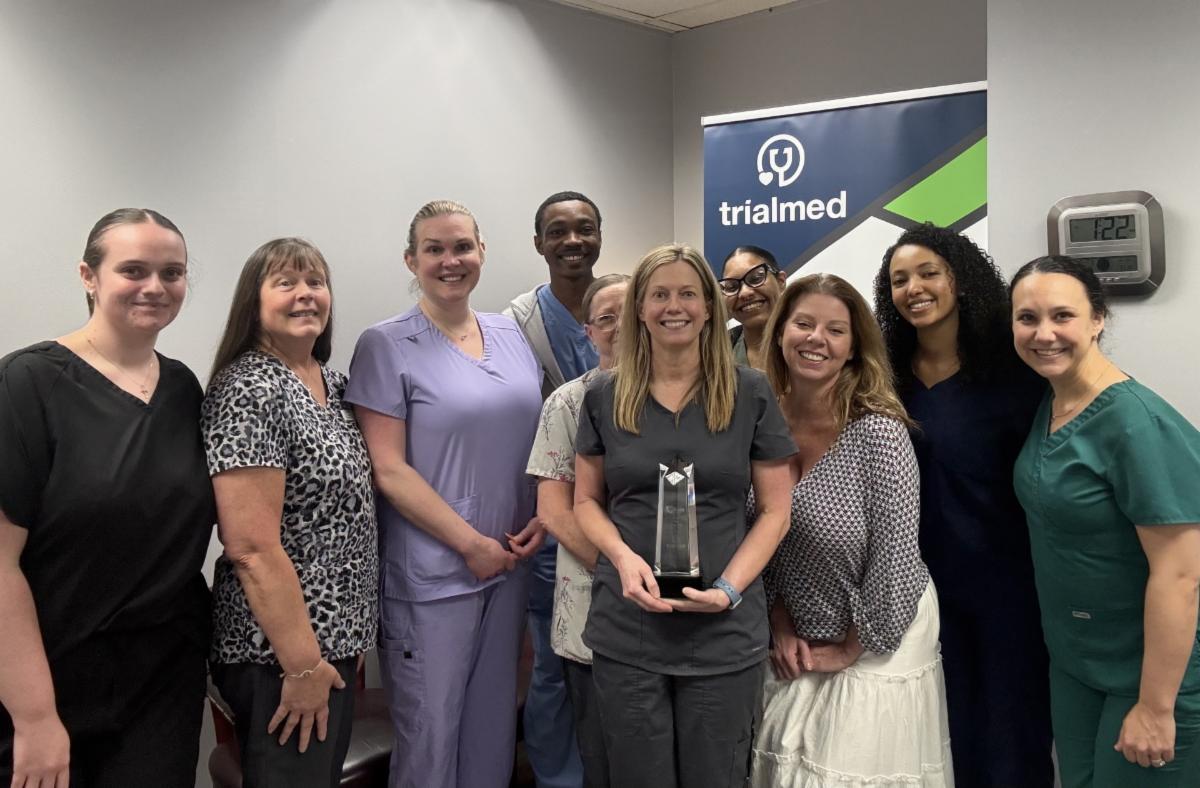
We are honored to recognize the Trialmed Atlana site as this year's STARR Site of the Year!
The STARR Site of the Year Award recognizes a site that embodies excellence in study volunteer care, deep commitment to community engagement, and active partnership within the STARR community. This year's recipient has exemplified each of those qualities in ways that stand out even among exceptional peers.
| | |
Bruce Trimble, Chief Experience Officer at Pillar Clinical Research, last year's award recipient, presented the honor. Passing the torch from one exceptional site to another, he introduced this year's winner: Trialmed Atlanta, formerly Synexus Atlanta.
Under the leadership of Dr. Bethany Davis, a Board-Certified Psychiatrist with more than 18 years of psychiatric clinical trial experience, Trialmed Atlanta has built something worth celebrating. Their commitment to rigorous GCP, GDP, and placebo response reduction training is matched by an innovative inpatient partnership with The Cottages at Mountain Creek, a therapeutic residential setting designed to support participant comfort and reduce placebo response.
Their community footprint has grown just as impressively. This past year, Trialmed partnered with Clubhouse Atlanta at MemberFest '25, collaborated with NAMI Georgia, sponsored the NAMI Walk, and hosted a Community Open House that expanded referral pathways and reduced stigma through honest conversation.
Accepting the award, Dr. Davis spoke to the impact of the partnership: "The STARR Coalition making the clinical trial world in the mental health space such a priority — it just warms my heart. My eyes have been opened to so many different opportunities that we didn't know were there. We love advocating for clinical trials with them, and we look forward to working with the STARR Coalition for many years to come." She closed with gratitude: "We are so honored to receive this award."
Host Adam Simmons (Newleos Therapeutics) noted that Dr. Davis has always been deliberate about the studies she takes on — carefully evaluating each molecule and hypothesis to ensure it aligns with what her patients are actually seeking. That selectivity isn't caution for its own sake. It's a reflection of how seriously Trialmed Atlanta takes its responsibility to the people it serves, and it's precisely what makes them a true partner in advancing mental health clinical research.
Congratulations to Dr. Davis, site manager Emily (Oppenheim) Yaniv, outreach coordinator Jennifer Fleming, and the entire Trialmed Atlanta team!
Pictured above, from Left to Right: Camille Compton, Patti Gilbert, Bonnie Raufman, Darius Rubin, Melissa Windham, Dr. Bethany Davis, AJ Claire, Jennifer Fleming, Ruth Dawit, and Emily Yaniv. Not pictured: Dr. Radhika Rao, Dr. Patrice Mann, Bethany Rose Kinzel, and Elia O’Dell
| | Don't miss our next STARR Insider Session! | | |
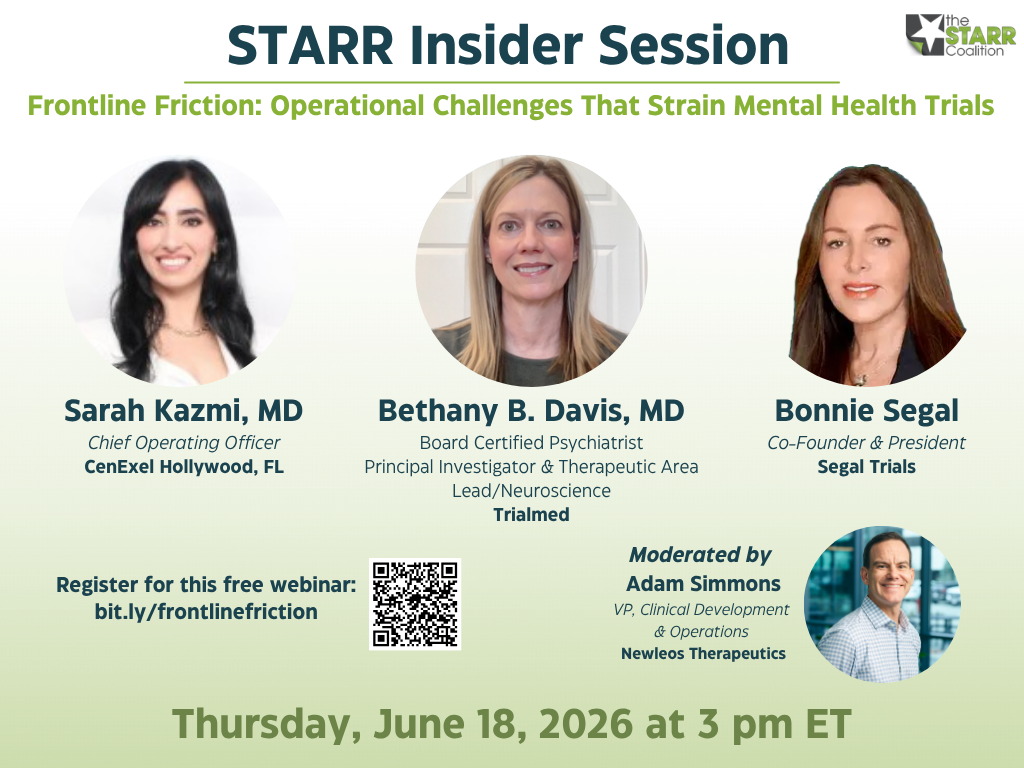
Frontline Friction: Operational Challenges That Strain Mental Health Trials brings together three experienced voices for a candid conversation about the everyday friction points that slow sites down and drain time and energy. Panelists Sarah Kazmi, MD (CenExel), Bethany B. Davis, MD (Trialmed), and Bonnie Segal (Segal Trials) will share what they're seeing on the ground and explore practical workarounds.
Topics on the table include:
- Participant no-shows and engagement drop-off — what's driving retention challenges and what's actually moving the needle.
- Diagnostic and database complications — how sites are navigating eligibility hiccups in real time when records don't reflect current diagnoses.
- Credentialing and scope-of-practice constraints — protocol requirements that create unnecessary bottlenecks, and whether pragmatic solutions exist.
-
Reimbursement and incentive structures — what's working, what isn't, and alternatives worth considering.
Moderated by Adam Simmons of Newleos Therapeutics.
| | |
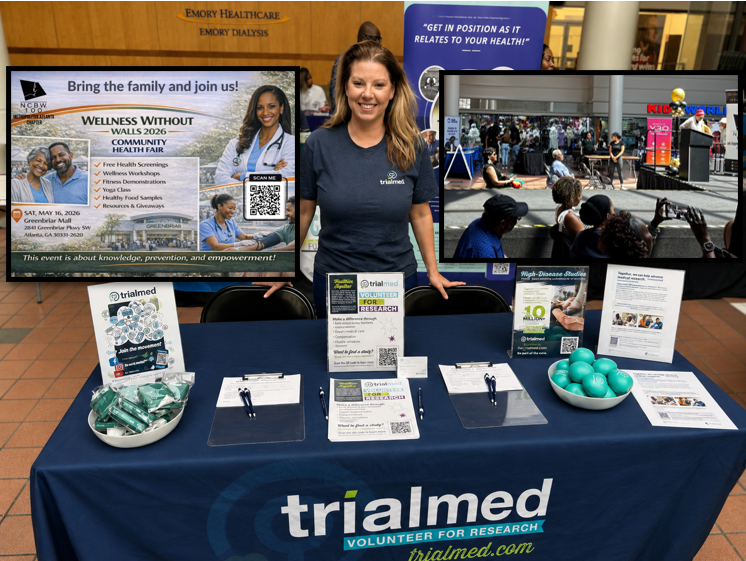
Trialmed showed up for the Atlanta community last month at Wellness Without Walls 2026, the annual Community Health Fair hosted by the National Coalition of 100 Black Women, Inc., Metropolitan Atlanta Chapter. The free event is designed to bring health education, screenings, and resources directly into the community — exactly the kind of setting where conversations about clinical research can take root naturally. The Trialmed team connected with attendees throughout the day, sharing information about current trials and what participation looks like. Moments like these are how trust gets built, one conversation at a time.
| |
Trialmed's ties to the Atlanta community run deep. Clinical research coordinator Jennifer Flemming and rater Bethany Rose Kinzel represented the team at the Our House "OH What a Night" Gala, showing up for a longtime partner in the work. Our House provides comprehensive support to metro Atlanta families experiencing homelessness, including behavioral and mental health services — a mission that aligns closely with Trialmed's commitment to the communities it serves. Nights like this are a reminder that research doesn't happen in a vacuum. It's built on relationships. ❤
| |
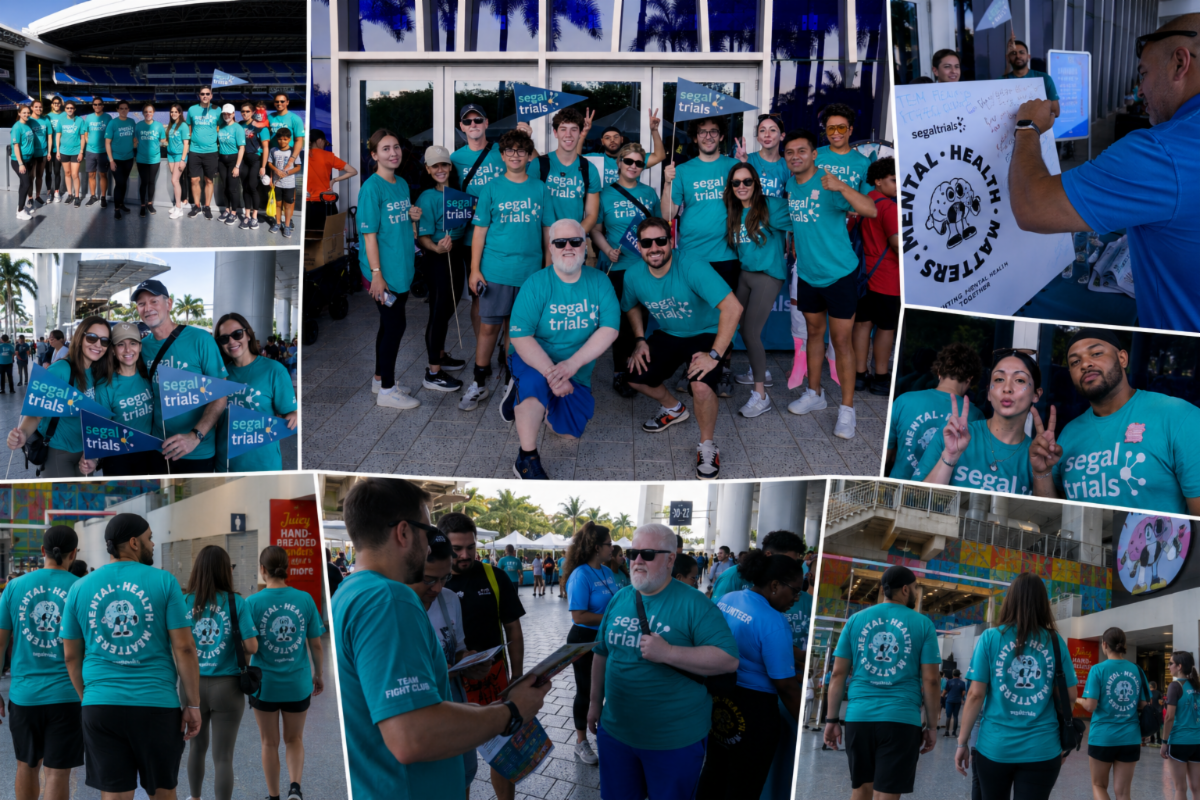
Segal Trials had an amazing day out at NAMIWalks Miami 2026!
The team spent the day connecting with the community and helping spread awareness about mental health and clinical research as a possible care option. The Segal Trials' booth was full of energy all morning, with attendees stopping by to spin the wheel of prizes and learn more about Segal Trials.
And no surprise: they surpassed their fundraising goal of $4,500, raising a total of $5,178 for NAMIWalks Miami! 💙
| |
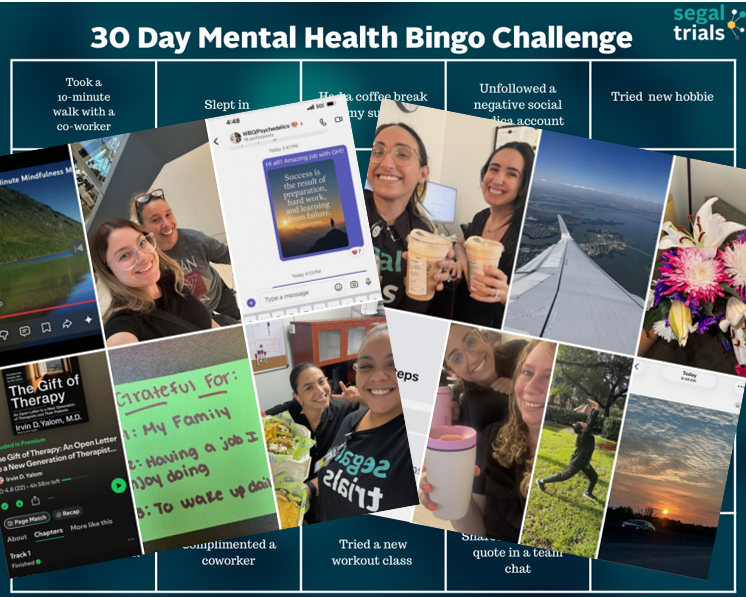
Segal Trials brought Mental Health Awareness Month to life with a staff-wide Mental Health Bingo Challenge that turned everyday wellness habits into a month-long team experience. Employees completed bingo card activities spanning self-care, mindfulness, healthy habits, and team engagement, sharing photos along the way that kept the energy going across the office.
Completed rows and columns earned raffle entries toward a grand prize, sparking some friendly competition. The result was a month filled with shared moments and a genuinely supportive atmosphere built around mental wellness. Congratulations to the winner, and to the whole Segal team for showing up for each other.
| |
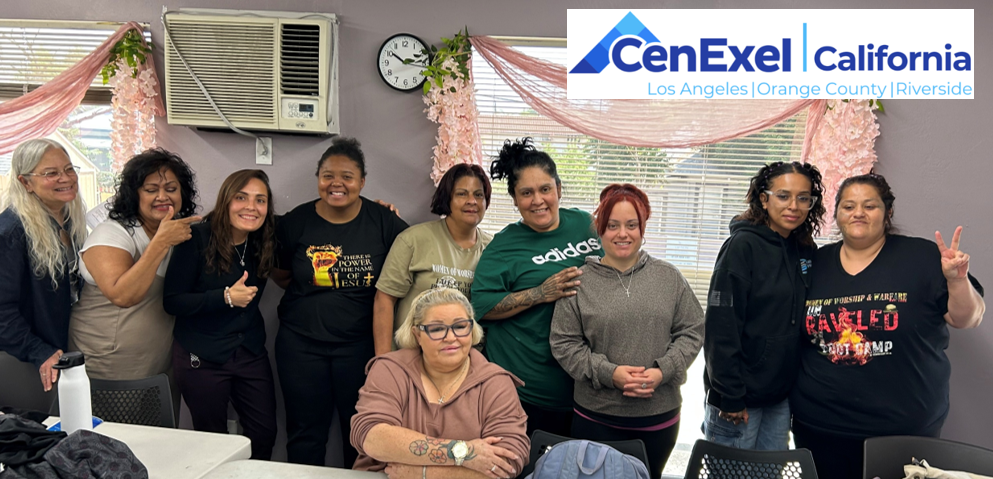
CenExel CA's community outreach specialist Marissa Diaz hosted an informational meeting with Option House, a local nonprofit organization dedicated to supporting the community. The event provided an opportunity to share information about CenExel and highlight the important role clinical research plays in advancing healthcare.
CenExel was honored to provide lunch while connecting with an inspiring group of women who have overcome significant life challenges and demonstrated remarkable resilience and a strong desire to give back to their community. The women learned how CenExel serves as a community partner by offering access to clinical research opportunities and compensation for participation.
The enthusiasm, gratitude, and meaningful conversations shared throughout the event reinforced the value of community engagement. CenExel looks forward to continuing to build relationships and support local communities through future outreach efforts.
| |
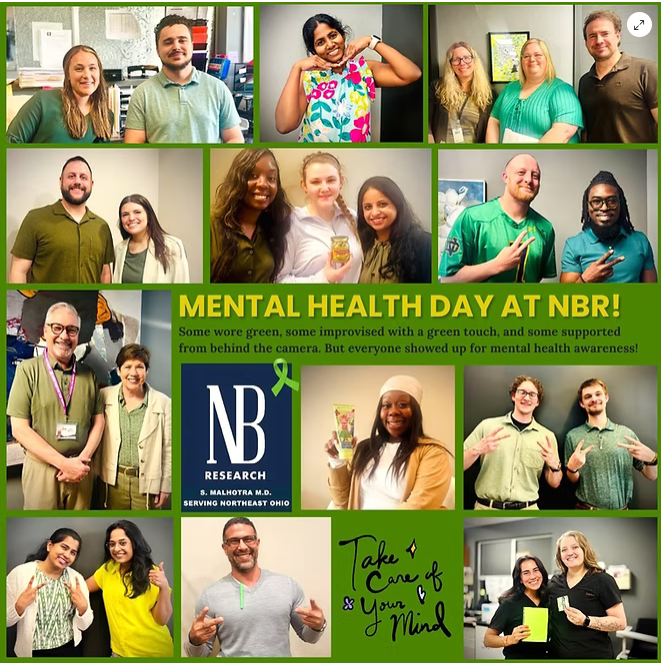
Neuro-Behavioral Clinical Research (NBR) marked International Clinical Trials Day in style, decked out in green and as committed as ever to the mission behind the moment. With more than 200 studies completed, the NBR team used the occasion to celebrate the staff driving that work forward and the patients who inspire it every day. Clinical Trials Day fell during Mental Health Awareness Month this year, making it the perfect moment to honor the intersection of research, compassion, and stigma reduction that defines what great clinical research sites do. Congratulations to the entire NBR team — the progress is real, and so is the impact.
|
| | |
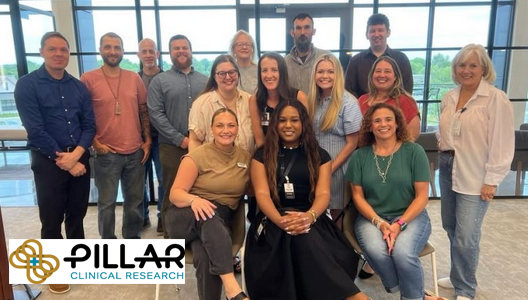
Pillar Clinical Research joined fellow mental health providers at the quarterly Mental Health Professionals Luncheon hosted by Alleviant Integrated Mental Health in Northwest Arkansas — and Outpatient Recruitment Coordinator Cici Sanchez made the most of it. Alongside colleagues from Water's Edge Counseling Services, Inner Circle Autism Network, and other regional providers, Cici spent the afternoon strengthening referral partnerships and building the kind of cross-provider relationships that make a real difference for individuals and families navigating mental health care. This is community engagement at its best — clinical research showing up at the table, connecting with the broader care ecosystem, and helping ensure that more people know their options. Way to represent, Cici and team!
| | | |
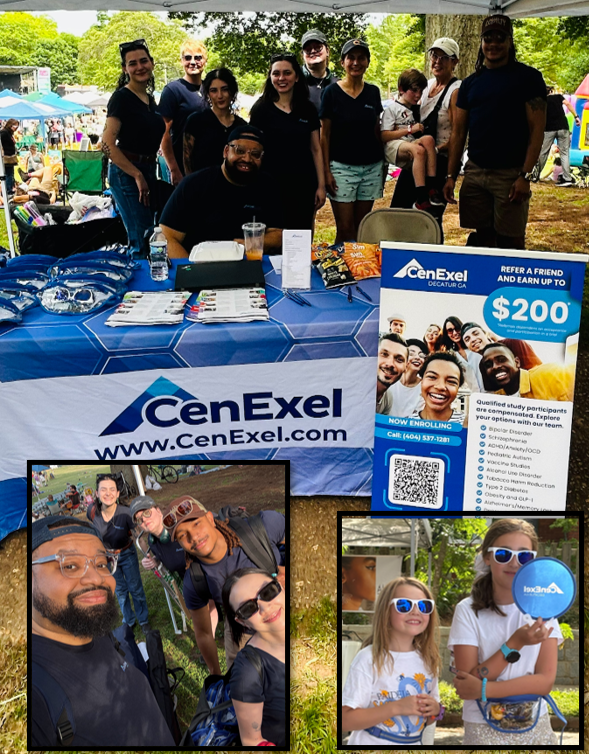
CenExel Decatur GA brought clinical research to the neighborhood at the 2026 Kirkwood Spring Fling on May 16 in Atlanta. The annual community event was the perfect setting for the team to meet families, spark conversations, and share information about current research opportunities in an environment that felt familiar and welcoming. They showed up as neighbors first, researchers second — and it showed. More than 25 people signed up for prescreening appointments on the spot, a testament to what genuine community presence can do. That kind of response doesn't happen by accident. It happens when a research team puts in the work to earn trust before they ever ask for anything.
Great work, CenExel Decatur GA — this is exactly what community-engaged research looks like. ❤
|
| | |
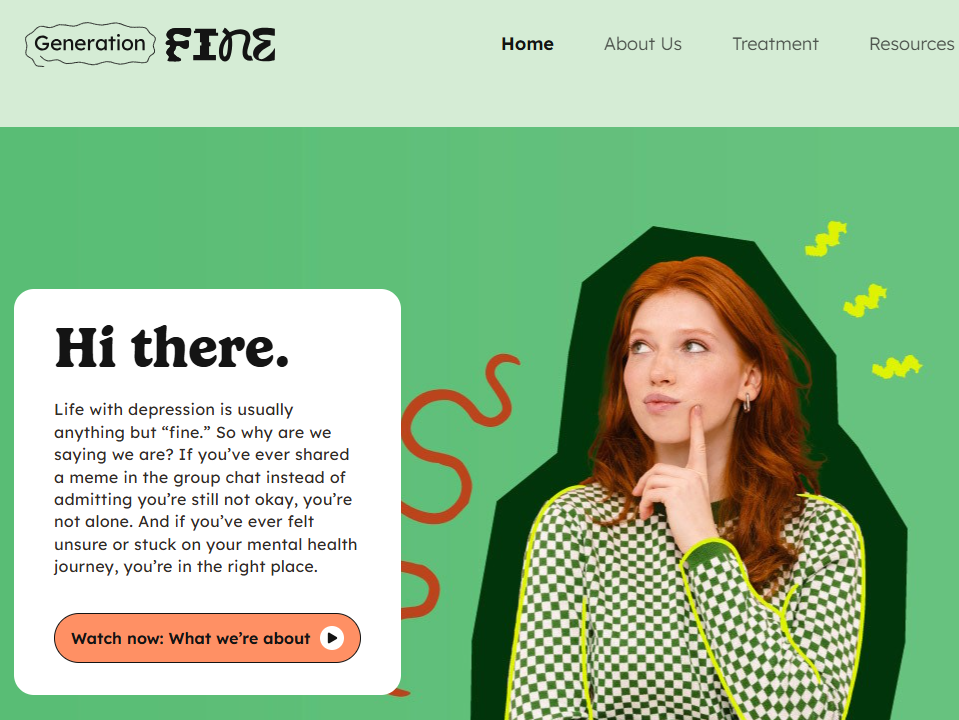
Johnson & Johnson Launches Generation Fine: A New Resource for Patients Living with Depression
Johnson & Johnson has launched Generation Fine, a global initiative designed to challenge the quiet acceptance of "good enough" in depression care and encourage patients to expect more from their treatment. The effort comes on the heels of a global survey finding that nearly 4 in 5 people living with major depressive disorder don't believe antidepressants will address all of their symptoms or help them reach remission — a sobering reminder of how low the bar has been set in the minds of many patients.
Built alongside mental health advocates and grounded in lived experience, Generation Fine offers resources, patient stories, and conversation tools that clinical teams can point patients to when discussing treatment goals. For sites working with MDD populations, this kind of patient-facing material can open doors to deeper conversations about symptom burden, unmet needs, and what meaningful improvement actually looks like.
Visit Generation-Fine.com to explore the full suite of resources.
| | 2026 Stop the Stigma Champion Awards | |
Ange (Anderson) Kamga Fotso
North Stafford High School (Stafford, VA)
| |
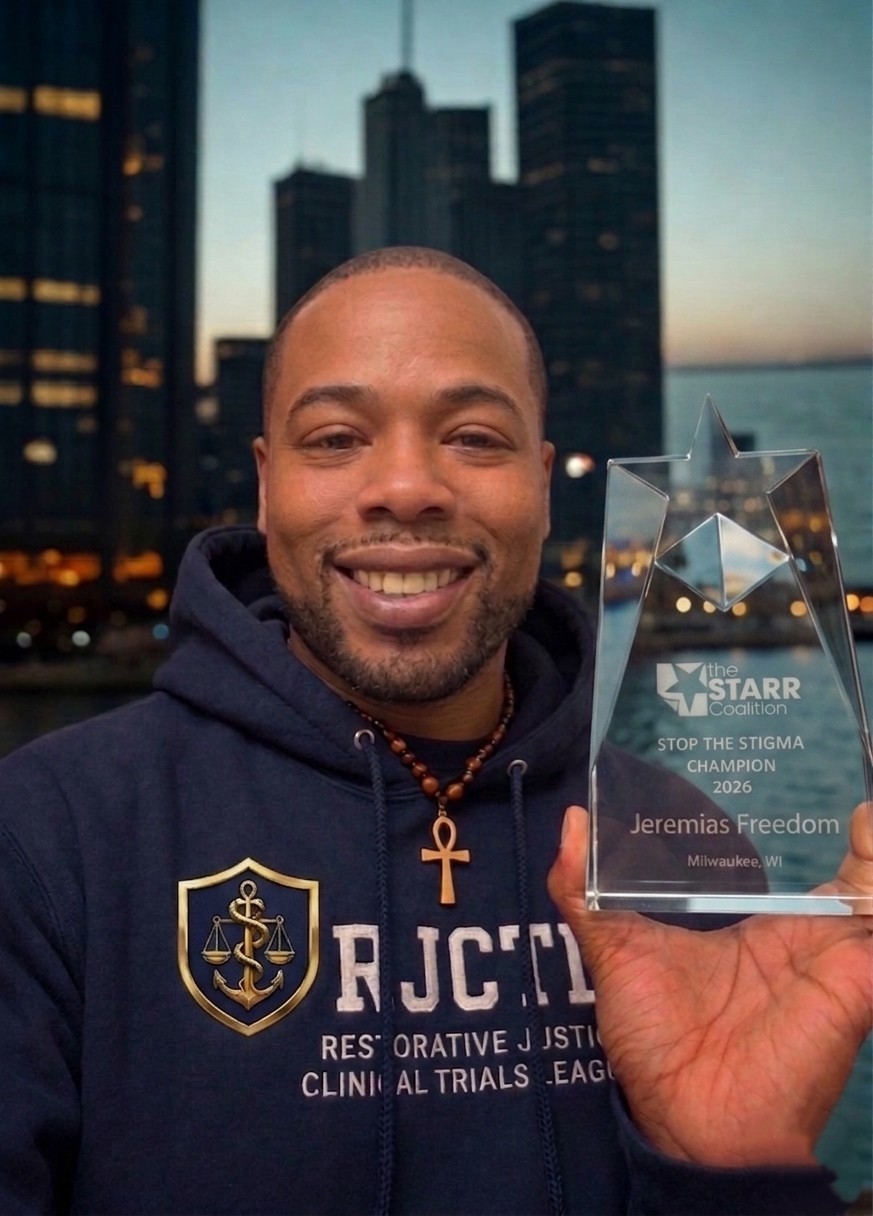
Jeremias Freedom
Milwaukee, WI
| | |
Congratulations to Our 2026 Stop the Stigma Champions!
The STARR Coalition is proud to recognize two exceptional individuals whose work proves that stigma doesn't stand a chance against the right kind of leadership.
Anderson Kamga Fotso, a senior at North Stafford High School in Stafford, VA, is our 2026 High School Stop the Stigma Champion. Driven by urgency and loss within his own community, Anderson built Safe Space, a student club designed around connection and belonging. Before graduating, he secured NAMI on Campus approval to ensure the work would continue without him. He didn't wait for permission. He built the thing and made sure it would last.
Jeremias Freedom of Milwaukee, WI is our inaugural Community Level Stop the Stigma Champion, a new category The STARR Coalition created because his story demanded it. After experiencing incarceration, Jeremias earned his GED, completed multiple certifications, and founded Restorative Justice Clinical Trials League Inc to amplify voices shaped by lived experience. His impact earned its own recognition.
Check out the full article on both Anderson and Jeremias HERE.
We are honored to celebrate them both!
| | |
Teva Pharmaceuticals presents new data from the IMPACT-TD Registry — the largest real-world TD study to date — at APA 2026, revealing a stark diagnostic gap: 85% of young adults with comorbid mood disorders experience moderate to severe TD impact, yet only 23% have received a formal diagnosis. Patients waited more than 3.5 years after symptom onset before diagnosis, with formal identification rates lowest among adults under 40 — underscoring the need for more consistent screening in psychiatric populations.
BioXcel Therapeutics presents new Phase 3 SERENITY At-Home data on BXCL501 (sublingual dexmedetomidine) at ASCP 2026, showing reduction in agitation associated with bipolar disorder and schizophrenia across all baseline severity levels — with the most pronounced effect in severe episodes and benefit maintained with repeated dosing over 12 weeks. An sNDA for at-home label expansion of IGALMI has been accepted by FDA, with a PDUFA action date of November 14, 2026.
Axsome Therapeutics' Auvelity (dextromethorphan/bupropion) has received FDA approval for agitation associated with Alzheimer's disease, the first non-antipsychotic approved for this indication, following clinical trials demonstrating meaningful symptom reduction with a favorable tolerability profile. The approval adds to a growing body of evidence supporting glutamatergic mechanisms as viable targets in neuropsychiatric conditions, and reflects broader momentum in CNS drug development toward novel mechanisms beyond dopamine and serotonin.
Seaport Therapeutics reports clinical progress across its Glyph platform pipeline. New Phase 1 data for GlyphAgo (agomelatine) demonstrate therapeutic exposures at doses projected to avoid liver enzyme elevations — potentially eliminating the need for liver function monitoring, a key differentiator for this candidate. Enrollment in the Phase 2b BUOY-1 trial of GlyphAllo (oral allopregnanolone) for MDD remains on track, with topline data expected in the first half of 2027.
Spinogenix's tazbentetol is a potentially first-in-class synaptic regenerative therapy that could represent a fundamentally new approach to treating schizophrenia. Phase 2 interim data presented at SIRS 2026 by principal investigator David Walling, PhD, Chief Clinical Officer at CenExel, showed greater PANSS reductions versus placebo across positive and negative symptom domains, alongside significant EEG biomarker improvements in cortical oscillatory dysfunction — with a favorable safety profile. Full data are expected later this year.
Synendos Therapeutics initiates dosing in its Phase 2 trial of SYT-510, a potentially first-in-class selective endocannabinoid reuptake inhibitor (SERI), in patients with generalized anxiety disorder — the first time a SERI molecule has been dosed in a patient population. Conducted in collaboration with King's College London, the trial will assess effects on amygdala activity as a neurobiological marker of anxiety, with preliminary data expected in early 2027.
NRx Pharmaceuticals receives FDA clearance to initiate the MIND1 Phase 2/3 trial evaluating NRX-101 (D-cycloserine/lurasidone) as adjunctive therapy to robotic-assisted TMS in adults with treatment-resistant MDD and suicidality. Preliminary research suggests D-cycloserine may more than double TMS's antidepressant effect. The randomized, double-blind, placebo-controlled trial will enroll 240 participants across academic, clinical, and military treatment sites.
New research published in Schizophrenia Research proposes that schizophrenia be formally recognized as a neurodevelopmental syndrome rooted in early brain development and makes a three-pronged case for reclassification in the DSM and ICD, renaming the condition to reduce stigma, and reshaping societal narratives. Authors argue the reframing could expand insurance coverage for early intervention, improve equity in care, and open new pathways for earlier identification and treatment.
Researchers at the Icahn School of Medicine at Mount Sinai have identified a substantial genetic basis for postpartum psychosis, with roughly 55% of risk attributable to inherited factors. Published in Molecular Psychiatry, the study found rare mutations in the HMGCR gene — which governs cholesterol biosynthesis — and significant genetic overlap with bipolar disorder, schizophrenia, and several autoimmune conditions, pointing toward biological pathways that may one day inform prediction, prevention, and targeted treatment.
A systematic review and network meta-analysis examining FDA-approved atypical antipsychotics for adjunctive treatment of MDD finds that these agents exhibit meaningful differences in efficacy, acceptability, and tolerability with direct implications for treatment selection and sequencing. Across 22 trials and nearly 11,000 participants, lumateperone showed the highest efficacy effect size, followed by aripiprazole, while aripiprazole led on acceptability. Researchers conclude both dimensions should be weighed simultaneously to guide individualized treatment decisions.
A systematic review and meta-analysis of 26 randomized clinical trials published in finds that intravenous ketamine rapidly reduced both suicidal and depressive symptoms in patients with a major depressive episode with significant effects emerging within hours of a single infusion and sustained through repeated infusions. Though not FDA-approved for these indications, researchers suggest it may be a viable off-label option for patients at risk or not responding to other treatments.
At the 2026 APA Annual Meeting, Roger McIntyre, MD, presented a clinically focused review of mixed features in bipolar disorder, challenging the outdated DSM-IV construct and underscoring that "pure" bipolar depression without concurrent subthreshold manic symptoms is far less common than many clinicians assume. His core recommendation: rigorous, individualized patient characterization — assessing phenomenology, illness course, trauma history, and comorbidities — remains the most powerful diagnostic tool available until validated biomarkers emerge to guide clinical decision-making.
A meta-analysis of 36 randomized clinical trials finds that digital interventions for eating disorders produced moderate, durable improvements across core symptom outcomes — including binge eating and overall eating disorder psychopathology — as well as transdiagnostic benefits for depression, anxiety, and quality of life. Researchers conclude that digital delivery formats hold real potential to expand access to evidence-based care and meaningfully narrow the treatment gap.
The Lancet has launched the Lancet Commission on Schizophrenia and Psychotic Disorders, bringing together an international team of leading researchers, clinicians, and people with lived experience to advance scientific understanding, improve clinical care, and shape global health policy. The Commission's final report will cover nine chapters — from diagnostic validity and biomarkers to stigma, treatment, and future research priorities — with a stated goal of translating scientific progress into meaningful, practical improvements for people living with schizophrenia and related disorders worldwide.
| | |
A new Psychiatric Times podcast features Michael Gitlin, MD, and Joseph Goldberg, MD, tackling one of psychiatry's more stubborn challenges: no medication has ever been FDA-approved specifically for any personality disorder. Unlike bipolar disorder, schizophrenia, or MDD — where drug development follows a clear symptom-and-endpoint model — personality disorders are pervasive, long-standing patterns of experience and behavior that don't map neatly onto the traditional regulatory framework. Gitlin's approach: stop trying to treat the diagnosis, and instead target the specific symptom clusters driving impairment. Mood instability, impulsivity, cognitive-perceptual disturbances — these have pharmacologic evidence behind them, even when the overarching diagnosis doesn't. The conversation also addresses therapeutic alliance and placebo effects, reinforcing that medication in this population works best as one tool within a broader, patient-centered treatment plan.
| |
LAST CALL FOR COMMENTS!!
CMS Proposes Major Updates to Prior Authorization for Drugs
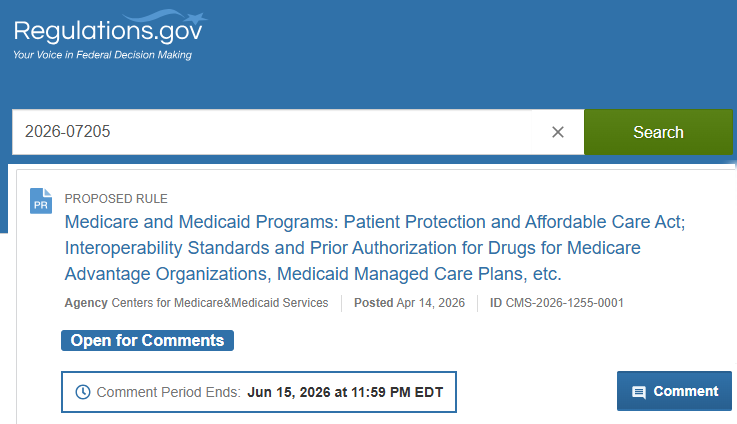
On April 10, 2026, CMS released a proposed rule (CMS-0062-P) that would significantly expand electronic prior authorization requirements to include drugs covered under both medical and pharmacy benefits — and establish new decision timeframes for drug PA requests across Medicare Advantage, Medicaid, CHIP, and qualified health plans. The rule would also require payers to provide specific reasons for drug PA denials and publicly report PA metrics. A key Request for Information seeks stakeholder input on streamlining step therapy through technology and data sharing.
For mental health clinical research sites, these changes have real implications — particularly around step therapy requirements that can delay patient access to the right treatment.
Comments are due June 15, 2026. For more information and to submit comments, visit our webpage HERE.. This is your opportunity to make your voice heard.
| | |
ENLIGHTEN Youth Study: Final Recruiting Push -- If your site is involved in the ENLIGHTEN Youth Study, the final recruiting stage is now underway. The study evaluates LYBALVI (olanzapine and samidorphan) versus olanzapine in participants aged 10 to 17 with schizophrenia or bipolar I disorder.
The primary outcome is BMI change over time, a concern families consistently raise around psychiatric medications and a meaningful entry point for caregiver discussions. A few features that may support your recruiting conversations: enrollment is open to both diagnoses with no baseline disease severity restrictions, which broadens your eligible population.
For more information, visit enlightenyouthstudy.com.
| | |
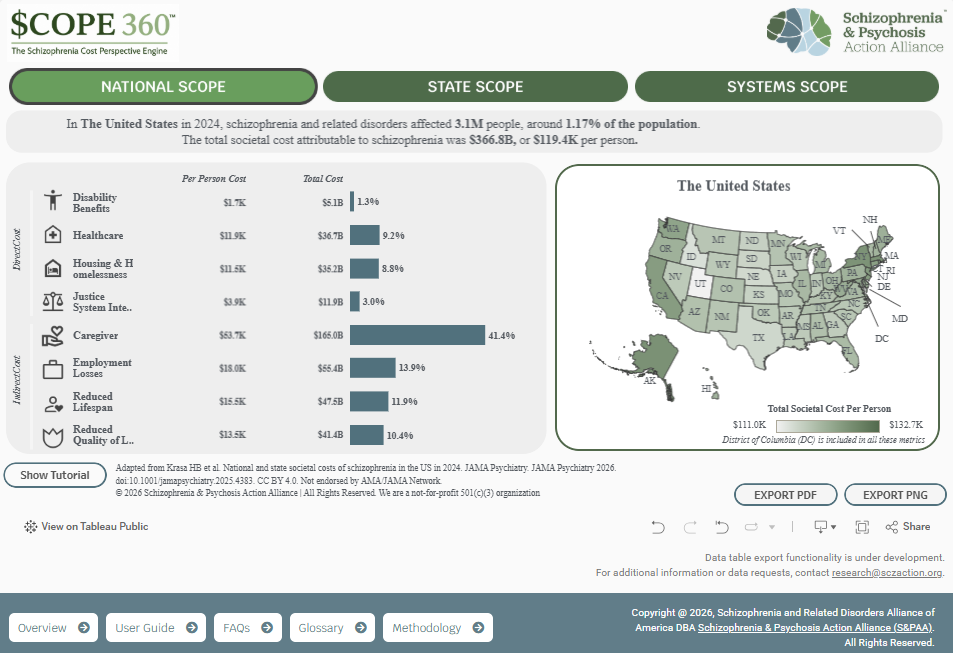
S&PAA Launches $COPE 360™: A New Tool for Advocacy and Research
The Schizophrenia and Psychosis Action Alliance has launched $COPE 360™, an interactive platform that visualizes the societal cost of schizophrenia across all 50 states.
Drawing from published science and economic modeling, the dashboard spans healthcare, housing, employment, justice involvement, and caregiving, turning complex data into accessible, shareable graphics. For clinical research sites, $COPE 360™ offers ready-made tools for policy conversations, funding discussions, and public awareness efforts.
Explore the platform at sczaction.org/scope360/tool/
| | |
Get STARR Certified — Get Found, Get Connected, Get Supported
Pharma companies and CROs actively search the STARR Certified Sites list when identifying sites for their studies. Certification signals that your site is experienced, community-connected, and backed by the STARR Coalition network — all of which translates to better enrollment and stronger trial performance.
But the real value goes deeper than visibility.
| | |
Once certified, STARR gets to work for you. We identify community organizations within 30 miles of your site, open the door on your behalf, and provide a warm introduction — the kind of relationship-building that typically takes years. Then we track events those organizations are hosting so your team knows exactly where to show up to keep that momentum going.
Add practical, proven training tools — suicide prevention, empathy training, stigma reduction — and you have a certification that strengthens your team from the inside while expanding your reach in the community.
As for the $2,500 annual fee? Think of it as a marketing investment with a measurable return. The certification fee is tax-deductible — and for many sites, it’s coverable by pharma partners as part of a study marketing budget. What you’re funding: the infrastructure, introductions, and resources STARR builds on your behalf, year-round.
Start your pre-assessment today at thestarr.org/pre-assessment. It takes just a few minutes.
| | |
The CURESZ Foundation Tenth Anniversary Summit will be held July 10-11, 2026 at the Graduate Hotel in Cincinnati. Themed "Bridging the Gap Between Advances in Knowledge and Clinical Practice," the event will spotlight cutting-edge and underutilized schizophrenia treatments and introduce the Schizophrenia Colloquium, a major new scientific initiative. Attendees will have the opportunity to connect with leading researchers, clinicians, and individuals living with schizophrenia. Featured speakers include CURESZ founders Bethany Yeiser and Dr. Henry Nasrallah, keynote speaker Dr. Rajiv Tandon, and Dr. Jonathan Meyer. For more information and to register, visit the CureSZ website HERE.
| |
APA 2026, taking place August 6-8 in DC, brings together psychologists, researchers, clinicians, educators, and advocates to share the latest advances in psychological science and clinical practice. Each year, the convention highlights emerging research, innovative treatment approaches, and opportunities to strengthen collaboration across the mental-health community. Registration opens April 22.
| |
Psych Congress will hold their 39th Annual Meeting from September 15-19, 2026 in New Orleans, LA. The nation's leading conference on practical psychopharmacology and a community of passionate mental health clinicians, this is one of our favorite meetings of the year!
| |
The International Society for Bipolar Disorders (ISBD) 28th Annual Conference will be held September 28–30, 2026 at The Westin Bayshore in Vancouver, Canada. The conference brings together over 600 international researchers, clinicians, and scientists for keynote lectures, workshops, and symposia focused on advancing treatment and improving outcomes for those living with bipolar disorder and related conditions.
| |
Mental Health America will hold their conference from October 8-9, 2026. The 2026 Mental Health America Conference will focus on the theme More Good Days, Together. Through this theme, the conference will explore how to make more good days possible for all by connecting people to the right support at the right time and recognizing that “good” is defined by unique mental health experiences and goals. Show your support for mental health and connect with thought leaders, innovators, and decision-makers.
| |
The National Federation of Families 36th Annual Conference will be held October 13–15, 2026, in Orlando. The event will bring together hundreds of researchers, administrators, policymakers, clinicians, youth, family leaders, and other stakeholders working to strengthen supports for children and families affected by mental health challenges.
| |
Site Solutions Summit will be held from October 15-18, 2026 in Orlando, FL. The Summit provides a unique hub where sites, sponsors, CRO executives, and regulators come together to discuss best practices and ideas while developing strategic partnerships through ideation sessions, workshops, and focus groups. Whether your priority is networking with sponsors and CROs or learning best practices built for research sites, the Summit provides a valuable experience.
| |
The American Neurological Association (ANA) will hold their 151st Annual Meeting ANA2026 from October 17-20, 2026 in San Diego, CA. The Annual Meeting has been designed to foster discussions among investigators in academia, industry, and foundations toward the common goal of furthering translational science..
| |
The CNS SUMMIT 2026 will be held November 1-4, 2026 in Boston at Encore Boston Harbor. The Summit brings together decision makers from pharma, biotech, CROs, investigator sites, technology, investors and other stakeholders.
| |
Neuroscience 2026 will be held November 14-18, 2026 in Washington DC. Each year, scientists from around the world congregate to discover new ideas, share their research, and experience the best the field has to offer. Attend so you can: present research, network with scientists, attend session and events, and browse the exhibit hall at the premier global neuroscience event.
| | |
PTSD, Trust, and the Missing Link
June is PTSD Awareness Month, and for those of us working in clinical research, it raises a question worth sitting with: are we designing research that truly meets people where they are?
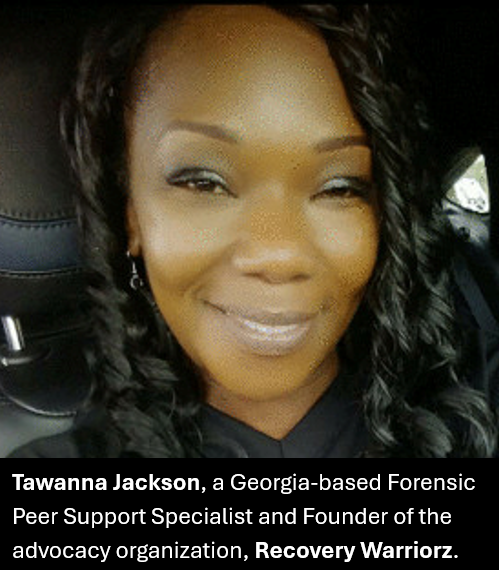
To explore this, we spoke with Tawanna Jackson, a Georgia-based Forensic Peer Support Specialist and founder of Recovery Warriorz. Her lived experience with PTSD and her work supporting others navigating trauma, the justice system, and recovery offers powerful insights for anyone involved in mental health clinical trials.
From integrating peer support into study design, to addressing real-world barriers like housing and employment, to building trust through community relationships, her perspective is a blueprint the field needs.
"The most effective research doesn't just study trauma, it understands the lives shaped by it."
Read the full article on our website.
| | |
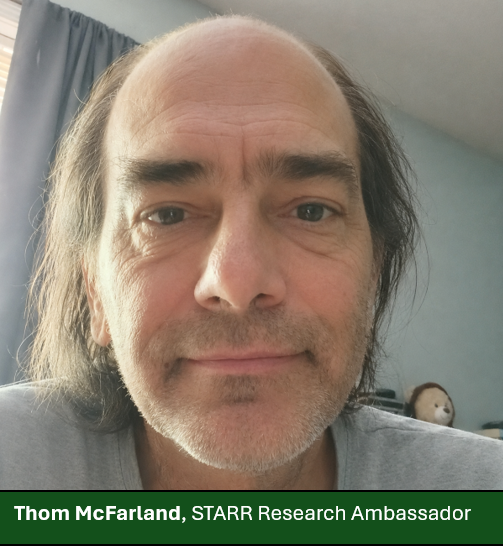
In honor of World Schizophrenia Awareness Day last month, STARR Research Ambassador Thom shared what it's actually like to live with the diagnosis — and his story is both honest and hard to look away from.
Stigma, he says, isn't theoretical. It shows up in the way someone's eyes change when he discloses his diagnosis, in strangers who physically step back, and in family members who still don't believe the diagnosis is real. "They'll say it's a fad," he shared, "or that I'm trying to get out of something."
Thom also spoke to something clinicians and research teams know well: public misunderstanding of symptoms has real consequences. When he experiences a crisis, his first instinct is to call for EMTs — not police — because the difference in response can be the difference between safety and harm.
His message for World Schizophrenia Awareness Day was simple and worth repeating: getting schizophrenia out of the dark matters.
Read the full article on our website.
| | |
Thank you for reading!
If you have questions, comments, or would like to submit an item to be included in an upcoming newsletter, please email erica@thestarr.org.
| | |
The STARR Coalition | www.thestarr.org
LEAD WITH HEART.
| |
| How did you like this email? | | | | | | |