| |
STARR News & Updates
November 2025
| | |
As November arrives, we’re reminded of the power of gratitude—a simple act that grounds and connects us. In mental health advocacy and clinical research, where progress often comes in small, meaningful steps, gratitude helps us see the impact of our shared work.
At The STARR Coalition, we’re thankful for each of you—the researchers, advocates, and partners advancing compassionate, community-driven mental health research. Your dedication inspires hope and trust in every corner of our field.
We wish you a wonderful season of gratitude and a very happy November!
| | |
November is National Family Caregiver Appreciation Month—a time to recognize the compassion, strength, and resilience of those who provide essential care and support to loved ones living with chronic illness, mental health conditions, or disabilities.
Family caregivers are often the unsung heroes of our healthcare system. They manage appointments, medications, crises, and emotional care, all while balancing their own lives and responsibilities. For those supporting individuals with serious mental illness, caregiving can bring unique challenges—navigating treatment access, managing stigma, and advocating for dignity and understanding at every step.
As mental health advocates and clinical researchers, we see firsthand how deeply caregivers impact recovery and engagement in care. Their insights often guide more effective, person-centered approaches in both community programs and research settings. This month offers a meaningful opportunity to pause and say thank you—to listen to caregivers’ experiences, amplify their voices, and include them as true partners in our work.
At The STARR Coalition, we honor the caregivers who bring empathy and endurance to the heart of mental health care. Your dedication fuels progress, hope, and healing for countless individuals and families. ❤
| | |
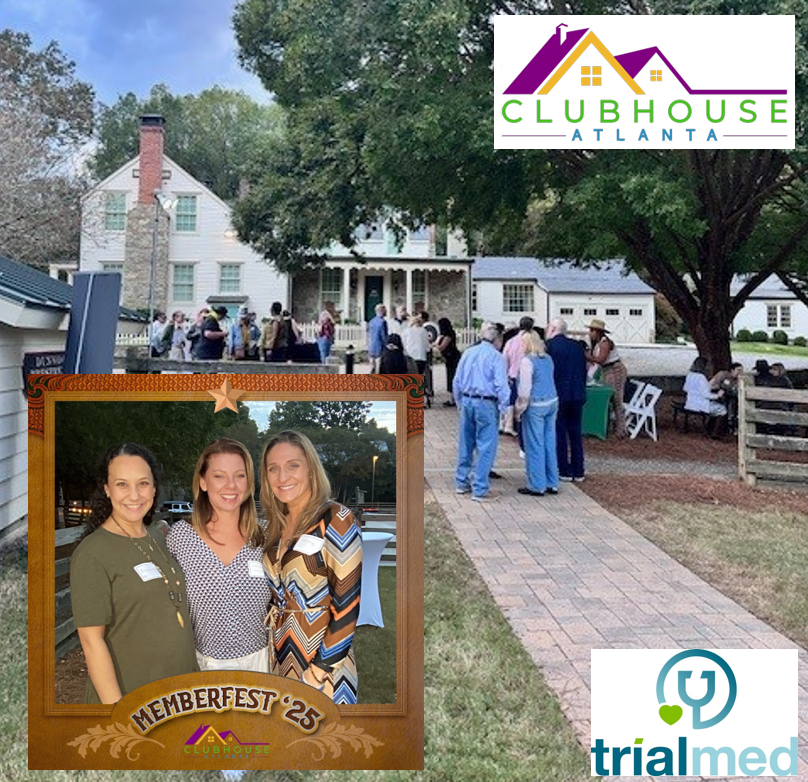
Trialmed Atlanta was honored to take part in Clubhouse Atlanta’s MemberFest ’25, celebrating five years of community, connection, and recovery at the beautiful Historic Donaldson-Bannister Farm in Dunwoody, GA. The anniversary event brought together members, families, and supporters for an afternoon of music, dancing, great food, and celebration. Trialmed team members were on hand to share how clinical research contributes to advancing mental health care—helping attendees understand how participation in clinical trials can open doors to new treatments and better outcomes for those living with mental health conditions.
| | | |
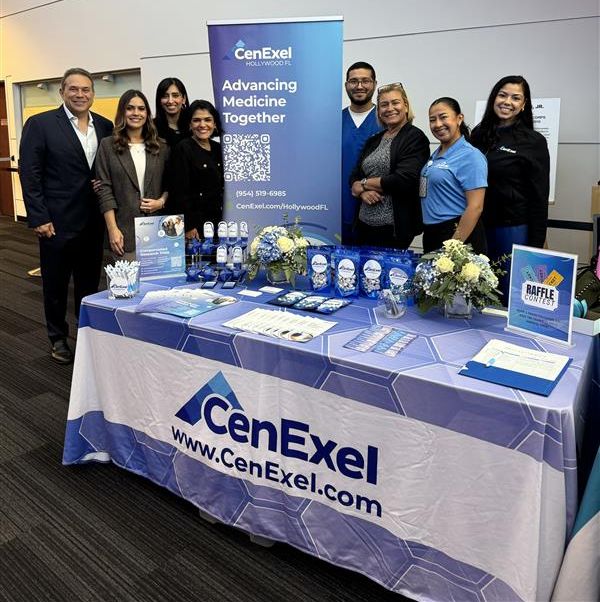
CenExel Florida was honored to take part in the South Florida Mental Wellness Summit & Expo, hosted by Mental Health America of Southeast Florida. The event brought together behavioral health professionals, community leaders, and advocates united in promoting mental wellness across the region. CenExel team members connected with attendees to share how clinical research helps advance understanding and treatment of mental health conditions—highlighting how participation in clinical trials can expand access to innovative care and strengthen community trust in research. Through their involvement, CenExel Florida continues to foster collaboration between clinical research and the broader mental health community.
| | | |
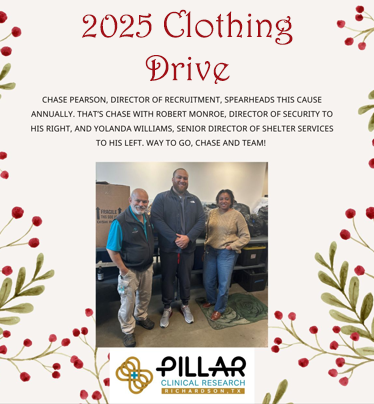
Pillar Clinical Research is once again giving back to the communities it serves through its annual clothing drives, which kicked off October 1 and ran through October 31. What began in 2020 as a local initiative led by Chase Pearson, Director of Recruitment at Pillar’s Richardson, TX site, has now grown into a multi-site effort spanning four locations. This year’s drives will support local nonprofit partners including New Beginnings of Northwest Arkansas (Bentonville), La Salle Church (Chicago), Inspirations Day Treatment (Little Rock), and the Austin Street Shelter (Richardson).
Last year, the Richardson site alone collected 344 coats, 170 blankets, 310 sweaters, and 36 pairs of shoes for neighbors in need—and with all four sites participating this year, an even greater impact is expected. Through efforts like this, Pillar continues to demonstrate its deep commitment to community care, compassion, and connection. ❤
| |
Pillar Chicago joined the community in supporting this year’s NAMIWalks event, which brought together more than 500 participants and raised nearly $215,000 for mental health awareness and advocacy. The event celebrated hope, connection, and collective action toward ending stigma and expanding access to care. NAMI organizers shared their gratitude for Pillar’s support, noting that the success of the walk “couldn’t have happened without your help.” Through partnerships like this, Pillar Chicago continues to strengthen ties between clinical research and the broader mental health community—working together to build understanding and promote wellness for all.
| | | |
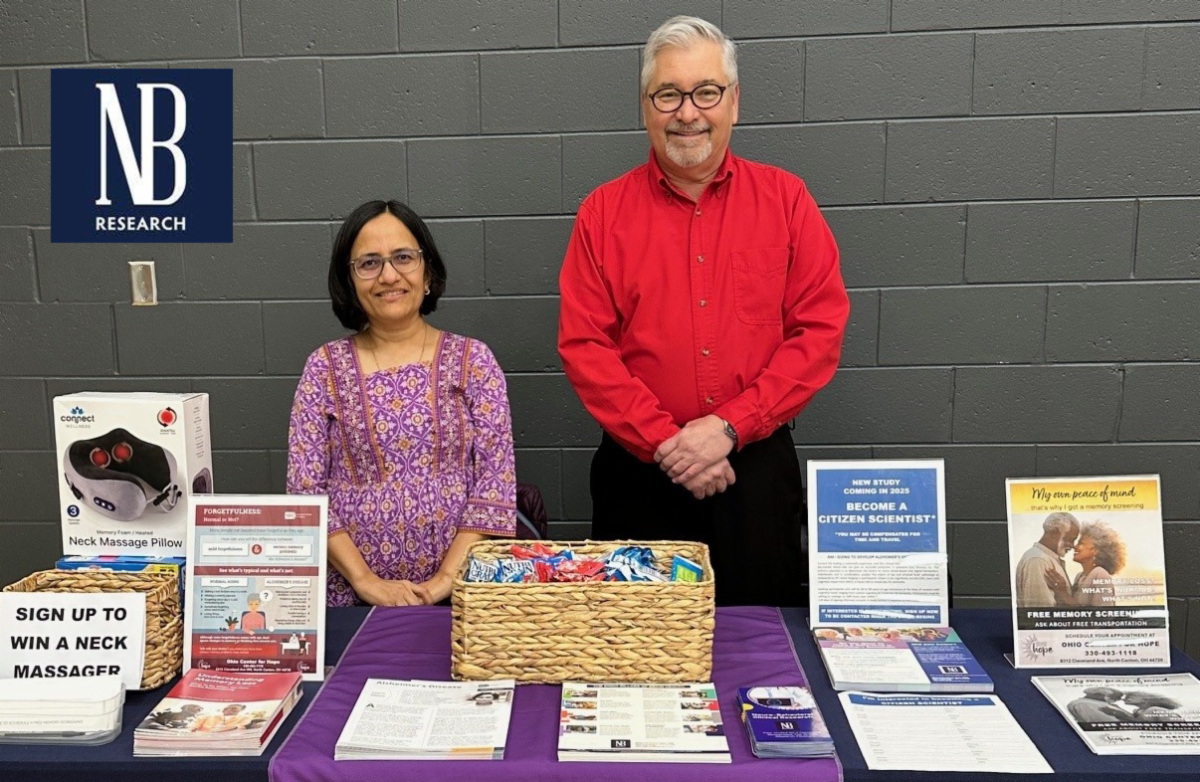
Neuro-Behavioral Research has been actively engaging with the community, with Jim and his growing outreach team attending and speaking at events nearly every day. Recent highlights include a caregiver event at Memory Care, where attendees were eager to learn more about memory screenings, and Run for the Roses, an event at the Art Museum and YMCA on October 7. There, Jim shared a brief but impactful presentation with social workers and hospital discharge planners about the benefits of clinical trials. Many attendees expressed surprise at the recent advancements in research and the expanding opportunities for patients to access innovative treatments through clinical trial participation. Through these ongoing efforts, the Neuro-Behavioral team continues to build trust and bridge understanding between clinical research and the communities it serves.
| | | |
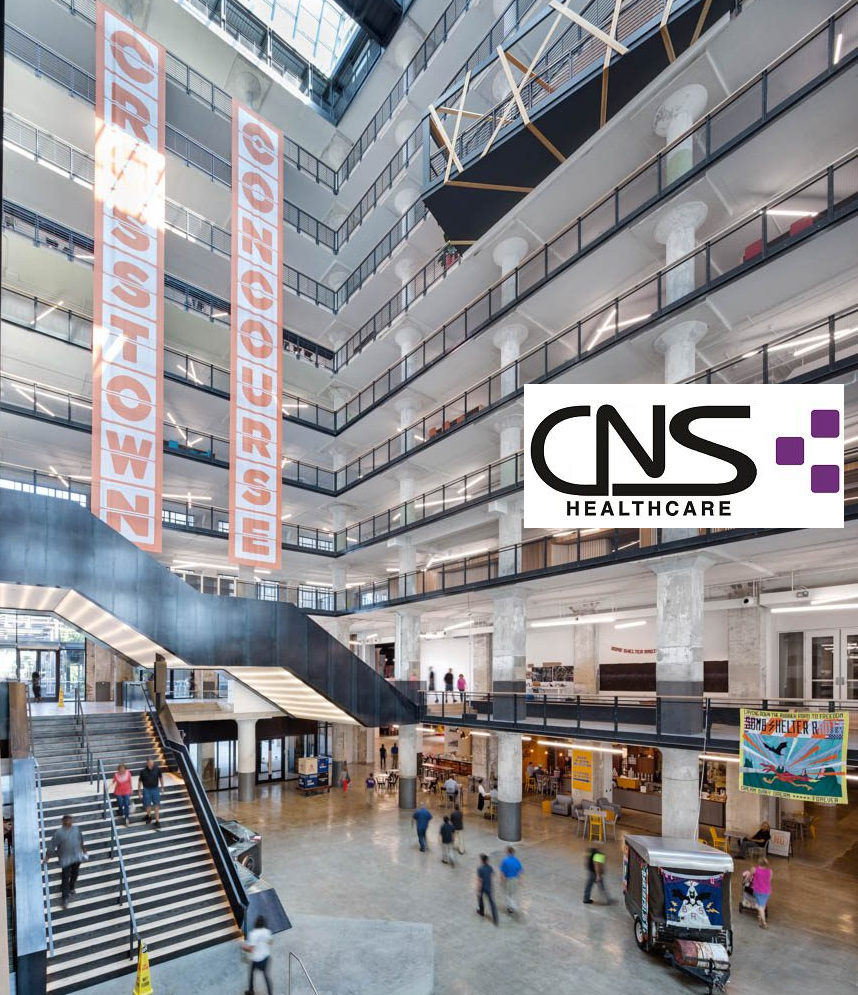
CNS Healthcare spent the day at Crosstown Concourse in Memphis on Wednesday, October 29, meeting with community members and sharing information about clinical trials currently enrolling in the area. The team enjoyed connecting with attendees, answering questions, and helping individuals learn how participation in clinical research can lead to new treatment options and improved mental health care. Events like this highlight CNS Healthcare’s ongoing commitment to community engagement and to making research accessible, approachable, and impactful for all.
| | | |
Start Planning Now for Your Holiday Giving & Outreach
Community engagement is a cornerstone of the STARR Site Certification for good reason: it fosters happier, healthier workplaces and serves as a force for good locally, while connecting research to the community and building trust.
The holidays are the perfect time to super-charge your engagement and spread joy. Here are 10 community-building holiday giving campaigns that uplifts staff, volunteers, and the community:
🎁 1. Host a “Giving Tree” for Local Mental Health Organizations
Set up a small tree in your waiting area with ornaments representing donation items (e.g., warm socks, hygiene kits, gift cards). Staff and participants can choose an ornament to fulfill. Partner with a local shelter or mental health nonprofit to distribute items.
🍪 2. Support a Social Enterprise
Partner with local Clubhouse, YMCA, or community mental health center to purchase treats, crafts, or gifts made by their members or clients. Give them to patient volunteers, another community organization, or even your referral partners.
🧣 3. “Warm Wishes” Drive
Collect winter essentials (blankets, hats, gloves) for individuals in your programs or local community centers. Include handwritten encouragement notes from staff and volunteers.
💌 4. Holiday Card Exchange
Invite volunteers and staff to create holiday cards with positive messages or artwork. Cards can be shared anonymously with others in treatment or with local inpatient facilities to brighten spirits.
☕ 5. Community Coffee & Conversation
Host a low-key open house or hot cocoa event for participants, families, and community partners. Use it to build connection and reduce stigma—no recruitment, just goodwill and warmth.
🕯️ 6. “Light the Path” Tribute Wall
Set up a wall or area where people can post names or messages honoring someone who inspires hope in mental health recovery. Share anonymized notes on social media or in your newsletter.
🥫 7. Holiday Food or Hygiene Kit Assembly
Organize a volunteer day for staff and participants to assemble care kits for local shelters or outreach programs. Simple, tangible, and deeply appreciated.
📚 8. Gift a Good Read
Partner with a local bookstore or library to collect gently used books—especially ones related to wellness, mindfulness, or recovery—and create a small lending library at your site.
🌟 9. “Pay It Forward” Staff Challenge
Encourage site staff to perform small acts of kindness—buy a coffee, donate a toy, volunteer an hour—and share their stories on a staff board or internal email chain. Build camaraderie and meaning.
🕊️ 10. Holiday Gratitude Campaign
Invite volunteers and staff to share what they’re grateful for this season. Feature anonymous quotes or artwork on social media or in your lobby to celebrate resilience and community.
| | |
MapLight Therapeutics raised $251 million in an initial public offering it priced with the help of a little-used regulatory workaround enabling it to debut on Wall Street during the ongoing federal government shutdown. MapLight, which is developing a rival schizophrenia drug to Bristol Myers Squibb’s Cobenfy, shares rose almost 8% after the listing from their starting price of $17.
MapLight's IPO followed closely on the heels of LB Pharmaceuticals $285 million Nasdaq debut, which eded the longest biopharma IPO drought in 15 years. Proceeds from the LB's IPO will bankroll a Phase 3 schizophrenia program and a Phase 2 study in bipolar depression, as well as extend the company’s cash runway into 2028—critical in a capital-tight environment for CNS drug development. LB CEO Turner has emphasized that the raise is not just about a single trial, but about building a durable platform in serious mental illness, where unmet need remains high despite many existing antipsychotics. Analyst coverage has highlighted LB-102’s differentiated risk–benefit profile and commercial potential in the U.S. schizophrenia market.
The FDA has approved CAPLYTA® (lumateperone) as an adjunctive treatment to antidepressants for adults with major depressive disorder (MDD). The approval – the first under J&J leadership following its acquisition of Intra-Cellular Therapies, Inc. – provides patients with a safe and effective new treatment option that can enable a path to remission.
The FDA has approved an expanded indication for risperidone (Uzedy, Teva) extended-release injectable suspension, allowing it to be used for the maintenance treatment of bipolar I disorder in adults, either as monotherapy or in combination with lithium or valproate. Uzedy was first approved in the US in 2023 for the treatment of adults with schizophrenia. For bipolar I disorder, Uzedy was approved in three once-monthly dosing options (50 mg, 75 mg, and 100 mg).
BMS' Anti-MTBR-Tau-Targeting Antibody, BMS-986446, Granted Fast Track Designation by U.S. FDA for the Treatment of Alzheimer’s Disease. The anti-microtubule binding region-tau antibody is being investigated as a potential disease-modifying therapy to slow or delay progression of disease. Fast Track Designation recognizes the potential of anti-MTBR tau to be an important treatment option for patients with Alzheimer’s disease
An investigational inhaled psychedelic therapy was associated with significant improvement in treatment-resistant depression (TRD), with benefits reported within 2 hours of treatment and persisting for at least 6 months, a new study showed. GH001, under development by GH Research PLC, is a vaporized synthetic formulation of the psychedelic mebufotenin, a nonselective serotonin (5-HT) agonist.
Bristol Myers Squibb, Takeda and Astex Pharmaceuticals, members of the AI Structural Biology (AISB) Network, agreed to share their proprietary datasets with the Federated OpenFold3 Initiative in an effort to train an AI model capable of powering small molecule drug discovery. The three companies join fellow AISB members, AbbVie and Johnson & Johnson, who teamed up with Columbia University and German network security firm Apheris in March to improve the predictive accuracy and generalisability of the OpenFold3 model by sharing their wealth of molecular information.
Evotec Announces Progress in Preclinical Neuroscience Partnership with Bristol Myers Squibb. Launched in 2016, the collaboration focuses on discovering and developing disease-modifying treatments for neurodegenerative diseases, where current treatment options remain limited. Since then, the companies have built a strong pipeline of innovative programs, including EVT8683, in-licensed by Bristol Myers Squibb in 2021 as BMS-986419, that has completed Phase 1 clinical trials. The partnership was extended in 2023 for an additional eight years, reflecting the shared commitment to bringing transformative treatments into the clinic.
Compass Pathways is pulling forward the expected launch of its experimental psilocybin-based depression therapy by 9 to 12 months. Following a positive meeting with the FDA, Compass plans for a rolling submission, providing trial results as they are completed, and the agency to review them upon receipt (the usual process involves companies submitting its entire application at once). Of note: The fast-growing market for psychedelic-based treatments for psychiatric conditions could be worth up to $50 billion, according to analysts. Atai Life Sciences, Cybin and MindMed are among other companies developing psychedelic-based treatments for psychiatric conditions.
Sex differences may affect neurocognitive performance and somatic outcomes in people with bipolar disorder (BD) and schizophrenia (SZ), new research suggested. Significant interactions between sex and diagnosis were found for age at first outpatient treatment, illness duration, and rate of substance use.
A recent systematic review and network meta-analysis published in The Lancet reveals significant variations in the cardiometabolic effects of different antidepressants, highlighting the need for personalized treatment approaches. The systematic review analyzed data from 151 clinical trials and 17 FDA reports, involving over 58,000 participants. The study aimed to assess the effects of 30 different antidepressants on various physiological parameters, including weight, heart rate, and blood pressure, over an average treatment duration of eight weeks.
GoodRx is reportedly in talks with the Trump administration to join TrumpRx, a government-run drug-discount website launching in 2026. Meanwhile, major pharma companies are rapidly building direct-to-consumer platforms—Amgen’s new AmgenNow offers Repatha at 60% off, with BI, Novartis, BMS, and AstraZeneca unveiling similar discounted sites to meet Trump’s MFN pricing push.
New research data show noncocaine psychostimulant use disorder among Medicaid-enrolled young adults rose 8–12-fold from 2001–2020, with high mental-health and substance-use comorbidity, underscoring urgent need for better prevention and treatment. In 2020, most patients with a stimulant UD also had a mental health diagnosis (68%-82%) or another substance UD (72%-78%). 89.5% of young adults aged 18-24 years and 69.4% of adolescents with stimulant UD did not have an ADHD diagnosis or prescription.
Use of a self-help CBT-based smartphone app over 4 weeks in addition to usual care was associated with alleviated depressive symptoms, improved quality of life, and enhanced self-esteem vs usual care alone in adults with intellectual disabilities, a new study showed.
Focused ultrasound plus microbubbles can temporarily open the blood-brain barrier with standardized dosing, enabling safer, targeted delivery of drugs or liquid biopsies for brain tumors and neurodegenerative diseases — a step closer to clinical adoption.
High levels of total screen time in young Canadian children are associated with lower reading and math test scores in elementary school, new research suggested. The prospective study of data from 2008 to 2023 from more than 5000 children showed that each additional hour of daily screen time was associated with roughly 10% lower odds of achieving a higher level in reading and math in elementary school.
Past-month cannabis use in individuals with psychosis rose after legalization by 9.53 percentage points. The growing commercialization of the drug is “a cause for concern” for individuals with psychosis who have experience higher symptom burden and relapse rates than nonusers, the investigators noted. Previous studies have shown that cannabis use is associated with an increased risk for psychosis. However, this study is the first to investigate how recreational legalization affects cannabis use in those with psychosis. To date, 24 states have legalized cannabis for recreational use.
The American Foundation for Suicide Prevention (AFSP), a leading suicide prevention organization, recently launched The Upright, — a collection of AFSP's resources including research, programs, and policy — that aims to advance health equity in suicide prevention. The Upright is a part of AFSP's commitment to support communities with disproportionate impacts related to suicide.
| | |
The American Brain Coalition (ABC) and American Neurological Association (ANA) have joined forces to present the Advocacy 101 Broadcast Series, a tool to help advocates at all levels successfully navigate the halls of Congress—virtually or in-person—and to establish and maintain relationships with their legislators. These three broadcasts will help you:
- Begin (or enhance) your advocacy efforts;
- Get to know your federal legislators;
- Identify legislators’ connections to neuroscience and brain health issues;
- Host effective advocacy meetings in and outside of Washington, DC and virtually; and
- Engage with legislators through traditional and social media.
Whether you're new to advocacy or a seasoned pro, these broadcasts will provide you with useful tips and ideas to bolster your efforts.
| | |
STARR at the BI Global Mental Health Community Summit 2025:
Advancing Person-Centered Mental Healthcare on a Global Stage
Last month, The STARR Coalition had the honor of participating in Boehringer Ingelheim’s 2025 Global Mental Health Community Summit (GMHCS) in Wiesbaden, Germany. This powerful convening brought together leading mental health advocates, experts, and community organizations from around the world with a shared goal: to reshape mental health systems so they are more effective, equitable, and centered on the lived experience of individuals.
The summit’s theme—“Redefining Mental Healthcare Together”—resonated deeply with our mission at STARR. We were proud to contribute to the global conversation around building trust in mental health clinical research, integrating research into care models, and ensuring that the voices of those with lived experience are meaningfully represented in system-level decision-making.
Over several days of panels, working sessions, and global collaboration, one thing became clear: there is incredible power in aligning advocacy, research, and community support. We return from Wiesbaden energized and committed to continuing this work—side by side with partners around the world—to create mental health systems that truly serve the needs of individuals, families, and communities.
| | |
Need ideas or support for your Holiday Giving & Outreach?
The STARR team is here to help you get started.
Email us at action@thestarr.org -- we're happy to brainstorm ideas with you
or connect you with local community service providers!
❄️❤️🎁
| | |
Call for Nominations for 2025 STARR Awards!
The STARR Coalition is excited to announce the call for nominations for the prestigious 2025 STARR Awards! The STARR Awards shine a spotlight on the tireless advocates, researchers, and organizations that work passionately to create positive change in the mental health space. As part of the STARR Coalition’s mission to support mental health clinical research, these awards serve as a symbol of gratitude and recognition for those who are helping lead the way toward a future of greater mental health understanding, acceptance, and treatment.
We are proud to honor individuals and groups who have gone above and beyond in the following categories:
-
STARR Advocate of the Year: This recognition is given to the advocacy organization that has demonstrated exceptional dedication to advocating on behalf of those living with mental illnesses, their efforts to fight the stigma of mental illness, and their support of the STARR Coalition’s collective efforts to support mental health clinical research.
-
STARR Site of the Year: A recognition that celebrates one site's outstanding commitment to patient care and community engagement.
-
STARR Sponsor of the Year: Recognizing a pharmaceutical or drug development company for their work supporting mental health research and advocacy, and for their continued support of individuals living with mental illnesses and their patient advocacy organizations.
-
STARR Lew Yagodnik Award: The ‘Lewie’ is the only STARR award given to an individual that exemplifies leadership, compassion, and commitment to the mental health community and who has distinguished themselves in their exceptional dedication to those living with mental illness.
As we look toward the 2025 Awards, we want to once more congratulate the winners of last year's STARR Awards, who have inspired so many with their achievements:
- Teva Pharmaceuticals: STARR Sponsor of the Year
- Schizophrenia & Psychosis Action Alliance (S&PAA): STARR Advocate of the Year
-
Pillar Clinical Research: STARR Site of the Year
- Greg Hansch: STARR Lew Yagodnik Award
We invite the STARR community to nominate those who continue to fight for a better world for those living with mental health conditions. Nominations for the 2025 STARR Awards are now open, and we look forward to receiving your submissions!
| | |
Depression and Bipolar Support Alliance (DBSA) will be hosting its inaugural Mental Health Equity Convening November 13-14, 2025 in Chicago. This gathering will bring together senior-level staff and volunteer leaders from mental health organizations working to support marginalized communities. Participants will share resources, identify opportunities for collaboration, and elevate collective impact across organizations.
| |
NAMI NYS 2025 Annual Education Conference will be held Nov. 14-16 in Albany, NY. Join professionals, peers, parents, and providers involved in the mental health journey, ensuring that everyone has the knowledge and tools they need to support recovery. The conference explores advancements and ongoing challenges in mental health, and offers comprehensive education, valuable resources, cutting-edge research findings, and diverse treatment options to everyone affected by mental illness.
| |
Neuroscience 2025 will be held Nov. 15-19 in San Diego. Each year, scientists from around the world congregate to discover new ideas, share their research, and experience the best the field has to offer. Attend so you can: present research, network with scientists, attend session and events, and browse the exhibit hall at the premier global neuroscience event.
| | |
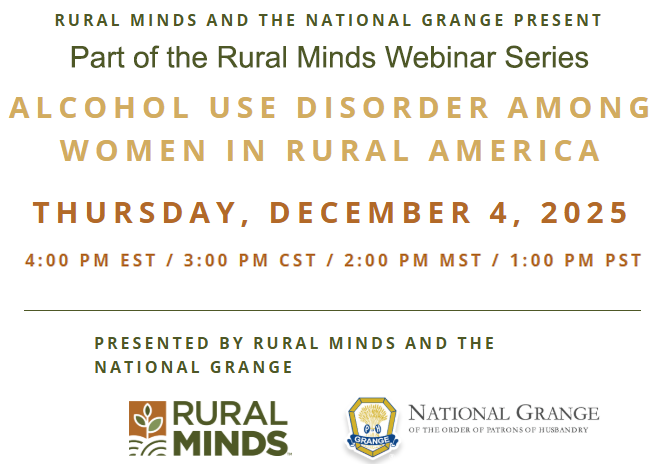
Join Rural Minds for this one-hour webinar featuring Heather Majewski sharing her lived experience of managing her alcohol use disorder that began when she was a teenager living in a small town in a rural area. We will also hear from Mayo Clinic’s Dr. Pravesh Sharma about his work leading a project funded by the Patient-Centered Outcomes Research Institute (PCORI) and Mayo Clinic Research to improve patient-centered research with women who misuse alcohol.
| | |
Thank you for reading!
If you have questions, comments, or would like to submit an item to be included in an upcoming newsletter, please email erica@thestarr.org.
| | |
The STARR Coalition | www.thestarr.org
SHARE, CARE, AND BE KIND.
| | | | |