| |
STARR News & Updates
October 2026
| | |
Your Next Participant Isn't Searching for a Trial
As of September 19, ClinicalTrials.gov listed 46 interventional, industry-funded depression studies in the U.S., backed by 29 sponsors. Roughly 1 in 5 American adults live with depression, and young adults ages 18 to 29 carry the highest rate of all, close to 28%. Reaching them starts with connection: meeting people where they already are.
October is both National Depression Education & Awareness Month and Mental Health Screening Month, an opportunity for sites to go out and educate the community. Where do people with depression actually go? Rarely to a trial listing. They go to their primary care doctor, the pharmacy, a support group, a pastor, and their phone.
So plug in. Support screening efforts around National Depression Screening Day on October 9. Build referral paths with primary care and community mental health centers. Partner with trusted messengers like clergy and peer-support leaders. Then support people by designing around the condition: rides, telehealth, flexible scheduling, one steady point of contact.
None of this is separate from care. Done well, it is care. ❤
| | |
5 Channels to Try This Quarter
Connecting with people gets easier when you go where people already are. Five to test:
- Primary care practices. Most depression is treated here first. Build a warm referral path so providers can offer a study as another option.
- Community mental health centers and support groups. Partner with local DBSA and NAMI chapters to reach people already engaged in their care.
- Faith communities. Clergy are trusted messengers. A single conversation with a pastor can open a door no ad can.
- Pharmacies. People filling antidepressants are close to the moment of need. Ask about a flyer or a counter card.
- Geo-targeted digital. Meet people in the apps they open daily, from streaming and social to food-delivery and rideshare. A local, well-placed ad beats a waiting-room flyer.
| | |
October is full of chances to educate, screen, and connect. The observances below run throughout the month (links included for details):
Focus weeks in October:
Focus days in October:
| | |
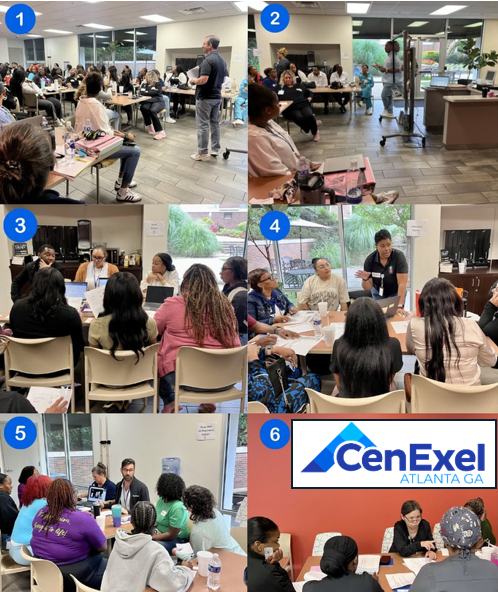
CenExel Atlanta spent two days doing something every strong team needs: learning together. Principal investigator Dr. Josh Rothstein, a trained emergency medicine physician, led staff through safety and medical emergency drills, while AEMT Lewis S. guided fire and severe weather exercises. The team also rotated through interactive stations representing each clinical research department, sharing best practices and getting to know one another's work. Training like this does more than sharpen skills. It builds the confidence, trust, and teamwork that help people respond with care when it matters most. Great research starts with great people, and days like these make the CenExel Atlanta team stronger, both as researchers and as neighbors serving their community.
| | | |
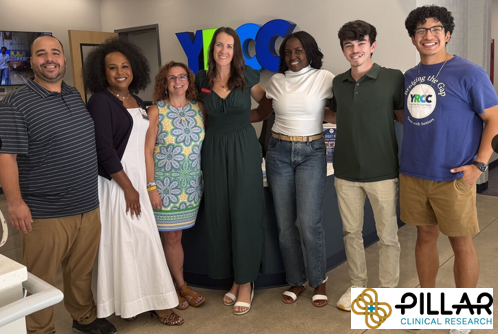
Pillar Clinical Research's Cici Sanchez attended the Mental Health Professionals Luncheon at the Yvonne Richardson Community Center in Fayetteville. The gathering brought mental health professionals together to connect, share community resources, and build relationships that strengthen support for young people and families across Northwest Arkansas. Sanchez, who also works with Immerse Arkansas, highlighted how collaboration helps youth overcome barriers and move toward resilient, successful futures. Events like this show how partnerships expand the care available in the community.
| | | |
|
In a recent TIME piece, Dr. Shishuka Malhotra, founder of Neuro-Behavioral Clinical Research (NBR), argues that empathy and self-awareness deserve a bigger role in modern medicine. Drawing on nearly two decades in psychiatry and research, she frames self-compassion as a safeguard against burnout and compassion fatigue, not a sign of detachment. She calls for teaching physicians relational skills alongside clinical knowledge, treats empathy as a shared responsibility across the care team, and sees trust as central to patient participation and outcomes. Thank you, Dr. Malhotra, for shining such a positive light on clinical research, and congratulations on a wonderful article.
| | | |
|
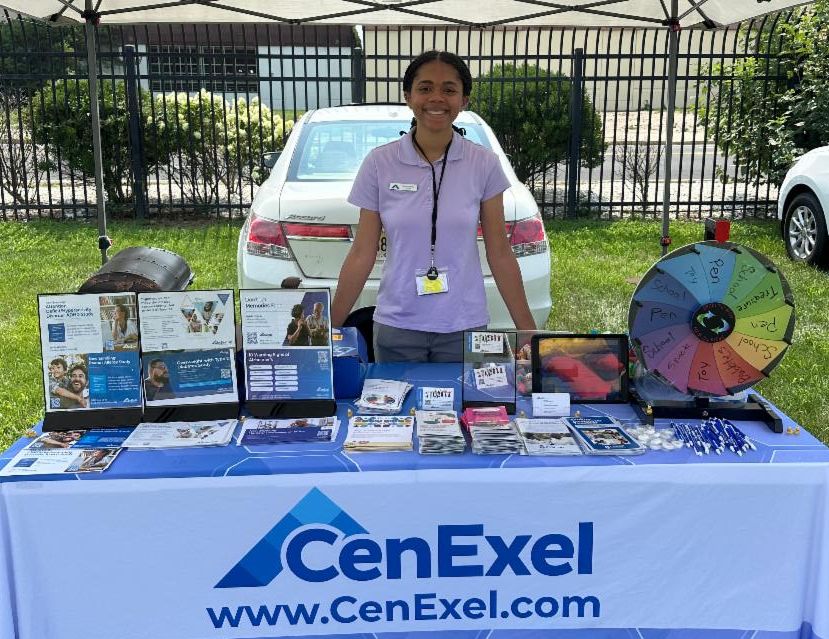
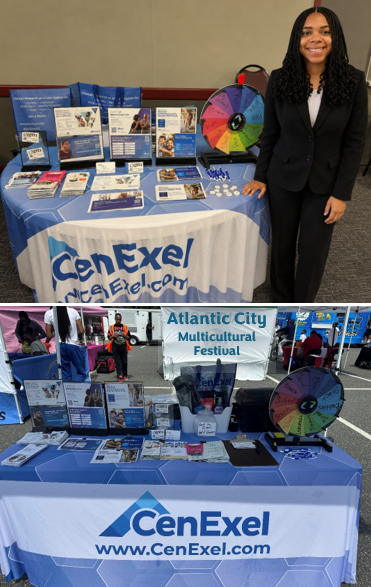
CenExel Marlton NJ showed up across South Jersey, bringing back-to-school supplies, giveaways, healthcare resources, and information about clinical trials to three community events.
The first was at Building Bridges Family Success Center, a free, family-centered gathering place in Camden County where residents go for support, workshops, and connection. Meeting families in a space they already know and trust let CenExel share health resources and explain what taking part in research can look like, in a familiar setting and with no pressure.
| |
Next, the team showed up at Winslow Township Family Day in Sicklerville with vendors, activities, and a community concert. CenExel joined neighbors for a day built around families, handing out school supplies and giveaways while opening easy conversations about health and clinical research.
Finally, the Atlantic City Multicultural Festival, which celebrates Atlantic City's diversity through performances, food, and community pride. Spaces like this matter for research. Reaching people from many backgrounds is how trials come to reflect the patients they are meant to serve, and CenExel was there to listen and connect.
Across all three events, the goal was the same: build real partnerships and make research a trusted, accessible part of community life. ❤
|
| | |
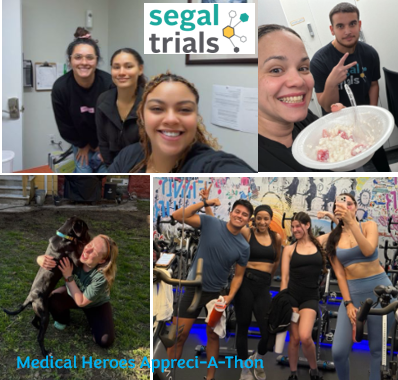
More than 90 Segal Trials employees have joined CISCRP's 8th Annual Medical Heroes Appreci-A-Thon, a two-week event pairing physical activity with fundraising to honor the participants and professionals who make medical progress possible. Running September 1 through 15, the challenge raises funds for CISCRP's work educating the public about clinical research. Segal Trials raised $2,500 and logged more than 81,000 Footprint Points. President Bonnie Segal noted that progress still depends on people, those who volunteer for research and those who dedicate their careers to advancing medicine.
| |
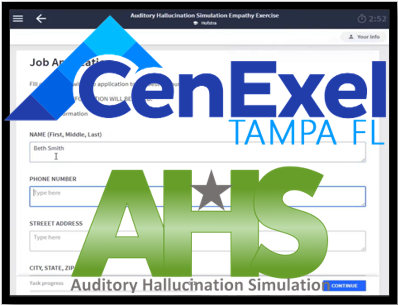
CenExel Tampa completed its first STARR Auditory Hallucination Simulation (AHS) Empathy Exercise since becoming a STARR Certified Site. As the site staffs up for schizophrenia studies, the AHS gives research teams a firsthand sense of what living with schizophrenia can feel like, building empathy for this patient population. The Tampa team engaged fully in the facilitated debrief, then held their own 30-minute round table to discuss how the experience will shape their approach to patients. The team called the AHS enlightening, eye-opening, and valuable training.
| |
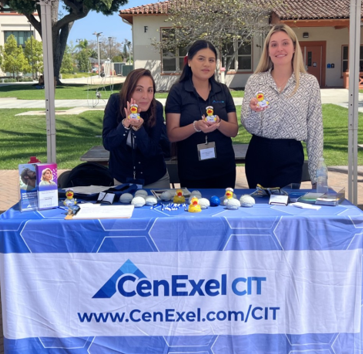
CenExel California served as a resource vendor at the City of Long Beach's Racial and Health Equity Symposium. The event brought community members and organizations together to share information and connect people with resources that support their health and well-being. The CenExel CA team met individuals seeking mental health services and community partners interested in collaborating. Events like this show why communities and organizations benefit from coming together, sharing resources, and raising awareness of the services available to those in need.
| | | |
|
CenExel Decatur GA, a Global Alzheimer's Platform Foundation GAP-Net site, brought brain health to the community during World Alzheimer's Month. At an interactive session at Berean Christian Church in Snellville, Georgia, more than 50 community members joined for brain health games, prizes, and conversation. The CenExel Decatur team completed memory screenings for more than 30 participants, connecting research with the people it serves.
|
| | |
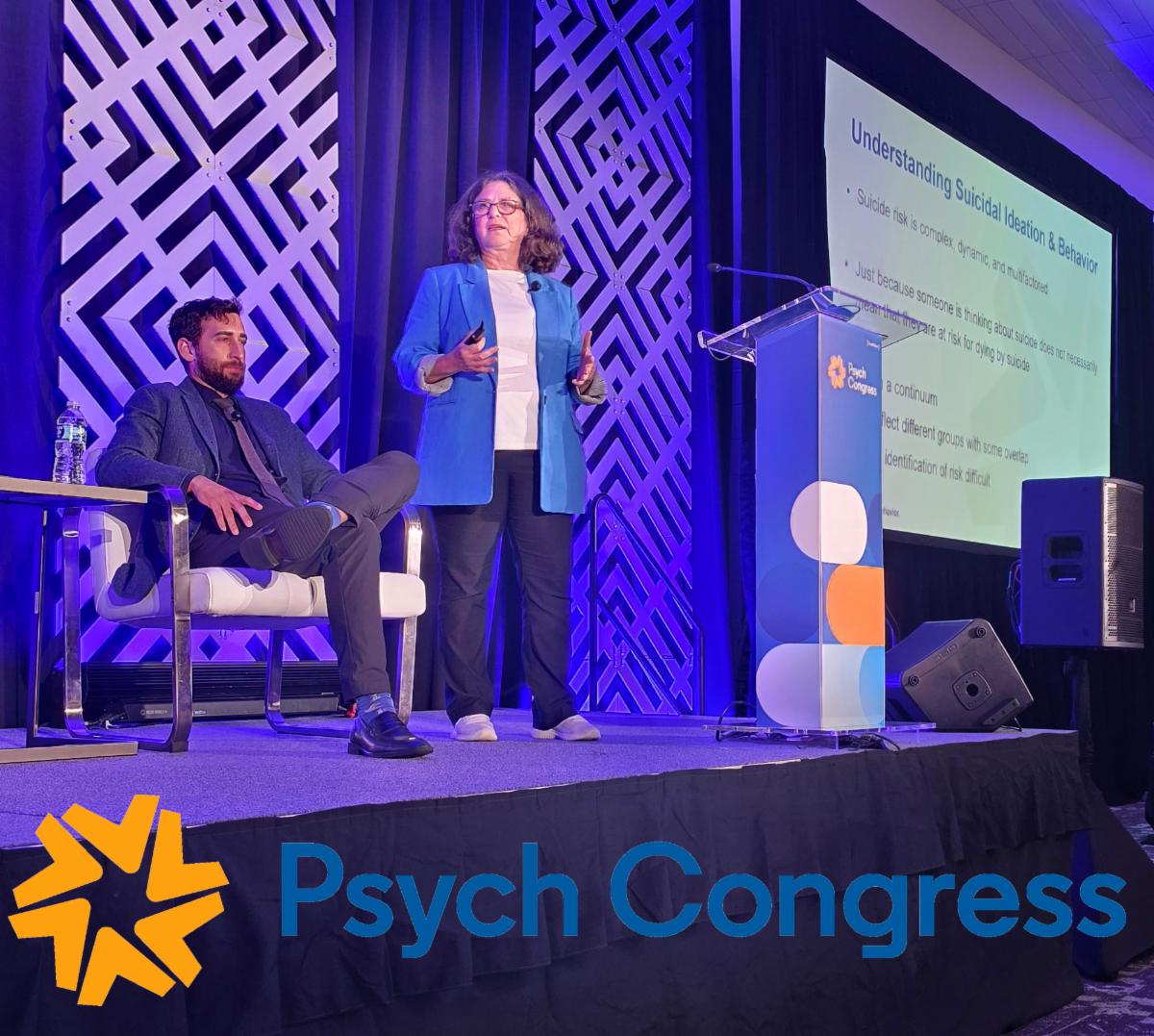
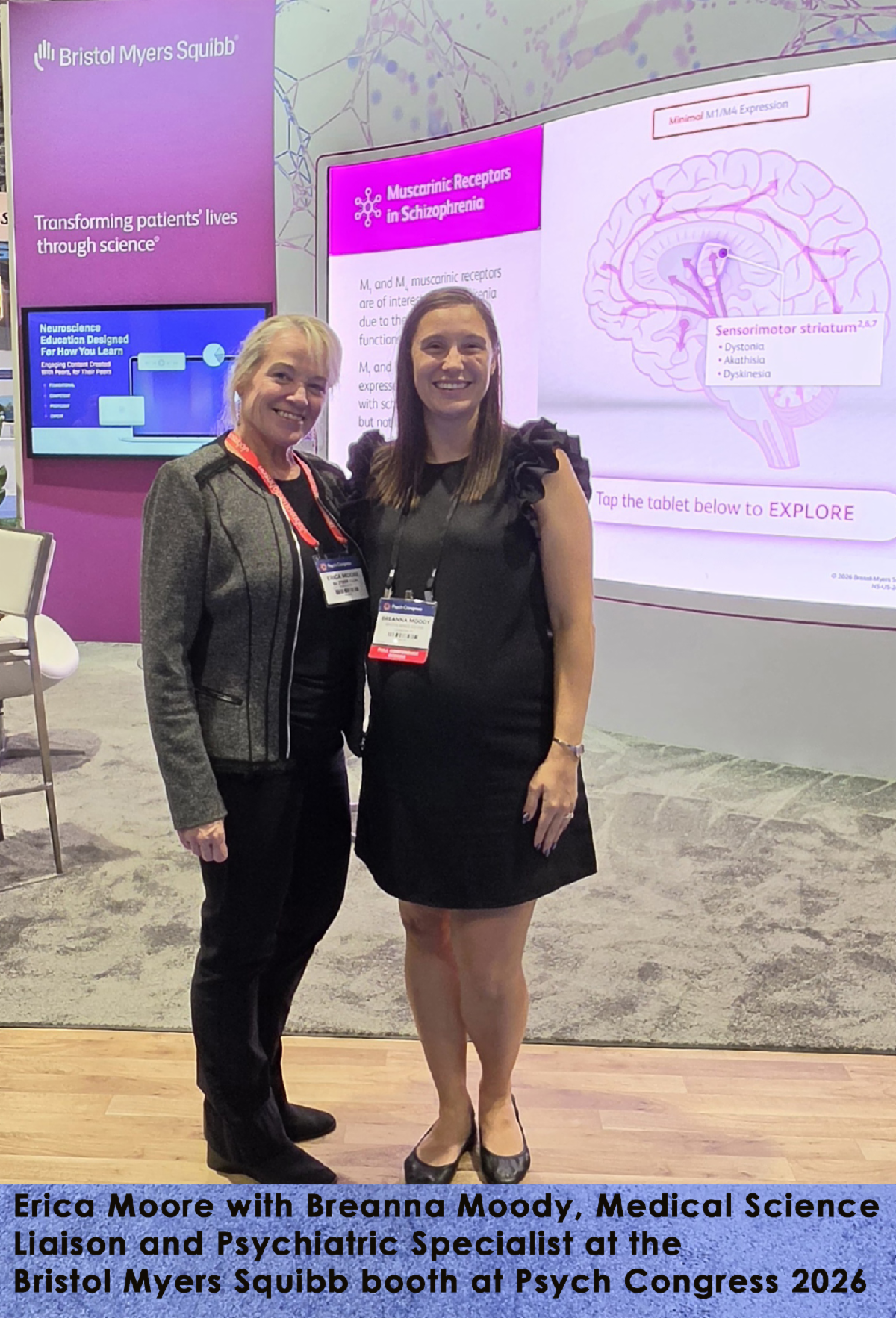
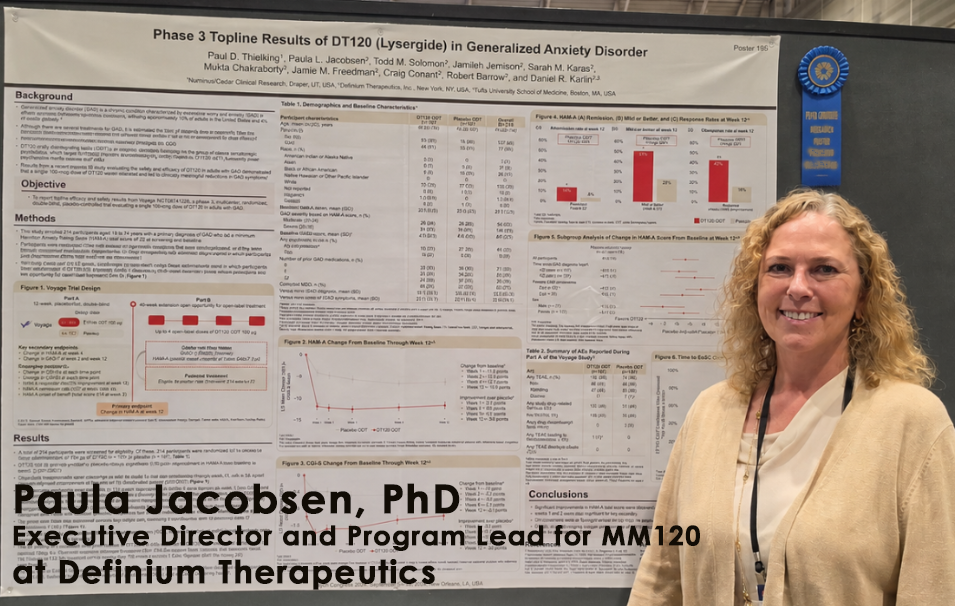
Fall is officially underway, and it started in New Orleans. Psych Congress 2026 brought our field back together, and past the joy of seeing so many of you again, one thread ran through the whole week. The science is moving fast, and trust is what turns that science into real help for real people. A few highlights stood out. ❤
Psych Congress 2026 Take-Aways
This month we're bringing New Orleans to your inbox, distilled for the STARR community of research sites, pharma and CRO partners, and advocates. The meeting made one thing clear. New mechanisms and sharper measurement mean little without the community trust that helps someone say yes to care. Below are our top takeaways, each paired with a "So what" for sites and a practical tip your teams can put to work.
| |
The Take-Aways...
-
A deeper, more targeted pipeline. Late-stage data spanned bipolar mania, bipolar depression, schizophrenia, and major depression. Johnson & Johnson shared its first late-stage results in bipolar mania, plus new work on anhedonia, the loss of pleasure so many patients describe. Studies are slicing by symptom and subgroup now, not just diagnosis.
So what: Map your 2026 to 2027 study mix against these subgroups. Refresh prescreen tools to flag features like anhedonia and mixed symptoms, and coach staff to explain outcome measures to participants and families in plain, human language.
-
Schizophrenia care keeps evolving. Non-dopaminergic mechanisms, including the muscarinic approach behind newer agents, drew a steady crowd. Long-acting injectables stayed front and center for cutting relapse and hospitalization, and longer-interval dosing points toward fewer clinic visits and steadier outcomes.
So what: Get your teams ready now. Build education on new mechanisms, tighten LAI logistics (inventory, cold-chain, administration SOPs), and fold caregiver support into retention plans.
|
-
Depression research is getting specific. Sleep came up again and again. Investigational options targeting the orexin system for depression with insomnia drew real interest, alongside continued data on rapid-acting treatment for treatment-resistant depression. Phenotype matters.
So what: Add sleep and insomnia screeners at prescreen. Match recruitment to phenotype, and give coordinators clear, friendly ways to talk about safety, tolerability, and how a person might actually feel day to day.
-
Tardive dyskinesia deserves more attention. New real-world data showed how often TD goes unrecognized and how much it costs patients in everyday life, along with fresh work on patient-reported measures that capture that burden.
So what: Train referral partners on the AIMS exam. Keep a simple "TD vs. EPS" quick card in your community education and consent conversations for antipsychotic studies.
-
Advocacy had a seat at the table. Some of the strongest moments came from clinicians, advocacy groups, and people with lived experience sharing the same room. That is the work STARR believes in. Trust gets built in community, long before anyone walks into a clinic.
So what: Co-host "Clinical Trials 101" conversations with local advocacy partners. Add a lived-experience advisor to your outreach planning, and share a myth-busting one-pager families can actually use.
The throughline is simple. The science gave us real reason for hope. Connection is what carries it home. When research shows up as care and meets people where they are, more of our neighbors get a real shot at the progress happening right now.
| | |
A Nobel Prize for Learning to See the Brain at Work
Great news for brain science! The 2026 Nobel Prize in Physiology or Medicine went to Karl Deisseroth, Peter Hegemann, and Georg Nagel for the discoveries behind optogenetics, a technique that lets researchers switch individual neurons on and off with pulses of light. It has transformed how scientists study the brain, giving them a way to test cause and effect in living neural circuits, from memory and movement to mood and motivation.
The connection to mental health runs deep. Deisseroth is a practicing psychiatrist at Stanford, and optogenetics has become a key tool for probing the circuits behind depression, anxiety, and addiction. As the prize committee put it, the technology lets scientists map the brain "in a way that we could once only dream of." The three laureates share the roughly $1.2 million prize. A well-earned honor, and a hopeful reminder that understanding the brain is how we build better care.
--------------❤----------------
J&J reported positive topline results from the first of two pivotal Phase 3 trials of CAPLYTA (lumateperone) for acute manic episodes in adults with bipolar I disorder. The once-daily 42 mg drug met its primary endpoint, showing a 4.8-point greater reduction in Young Mania Rating Scale scores versus placebo at week 3, with improvement seen by day 3. CAPLYTA is not yet approved for bipolar mania.
AbbVie presented real-world data on cariprazine (Vraylar) at Psych Congress 2026, including two observational studies in major depressive disorder and bipolar I depression. In the CReW BP-I study of 118 adults, MADRS scores fell from 32.2 to 19.9 over 12 weeks, with functioning and quality of life improving. Interim MDD results from the ProACt study showed PHQ-9 scores dropping from 15.7 to 7.1 by week 6. The findings suggest trial efficacy translates to routine practice.
Otsuka presented new Phase 3b results for SIMTRIYO (centanafadine) in adults with ADHD and comorbid anxiety disorders at Psych Congress 2026. In the 315-patient study, centanafadine significantly improved ADHD symptoms (AISRS) and anxiety (HAM-A) versus placebo at week 8, with consistent gains across executive function, emotional dysregulation, and both clinician- and patient-rated measures. SIMTRIYO, the first NDSRI for ADHD, was approved by the FDA in August and is now under DEA scheduling review.
Helus Pharma presented four new analyses of HLP003, an investigational oral deuterated psilocin analog being developed as an adjunctive treatment for major depressive disorder. The analyses covered effects on MADRS items and anhedonia, the psychedelic experience, expanded safety, and an update on the Phase 3 PARADIGM program. Unlike psychedelic candidates targeting treatment-resistant depression, HLP003 aims at the larger partially responsive MDD population. Topline data from the pivotal APPROACH study is expected in Q4 2026.
Vistagen reported preliminary positive data from the open-label extension of its PALISADE-4 Phase 3 study of fasedienol, an intranasal pherine for social anxiety disorder. Among 322 adults using the nasal spray as needed for up to 12 months, it was well tolerated, and exploratory efficacy improved over four months, with mean LSAS scores dropping 31.4 points by month four. The randomized portion of the trial missed its primary endpoint in June. Vistagen plans to meet with the FDA this quarter.
Alkermes reported positive Phase 1b proof-of-concept results for ALKS 7290, an investigational oral orexin 2 receptor agonist for ADHD, the first in its class to show clinically meaningful ADHD symptom improvements in adults. In 50 adults, median AISRS scores fell 14 points on the 20 mg dose and 19 points on the 50 mg dose by day 14. ALKS 7290 was generally well tolerated. A Phase 2 study is enrolling, with data expected in 2027.
Seaport Therapeutics reported positive Phase 1 results for GlyphAllo (SPT-300), an oral prodrug of the neurosteroid allopregnanolone for major depressive disorder. In a driving simulation trial of 33 healthy volunteers, bedtime dosing at 375 mg and 250 mg caused no next-morning driving impairment versus placebo, while a zopiclone control did impair driving. GlyphAllo was well tolerated. Seaport continues enrolling its Phase 2b BUOY-1 trial, with topline data expected in the first half of 2027.
Celon Pharma's alofropodect, a second-generation PDE10A inhibitor, met its primary endpoint in a Phase 2 schizophrenia trial, the first PDE10A inhibitor to do so after three earlier compounds in the class failed. Among 189 adults hospitalized with acute schizophrenia, 20 mg and 40 mg doses significantly improved PANSS positive scores at four weeks versus placebo, with 42.3% of the 40 mg group responding. It was well tolerated, though extrapyramidal symptoms and somnolence occurred.
Compass Pathways reported 52-week open-label data from Part C of its Phase 3 COMP005 trial of COMP360 psilocybin for treatment-resistant depression. Patients originally in the 25 mg arm who received an additional dose averaged a 13-point MADRS reduction from baseline at one year. Across all Part C patients, 40% to 45% responded and about 30% remitted. A rolling NDA submission remains on track for Q4.
In the open-label stage of Teva's Phase 3 SOLARIS trial, 56% of 411 participants achieved stabilization, only 4% of those relapsed, and 21% treated for at least six months met remission criteria. The new post hoc data cover TEV-'749, an investigational once-monthly subcutaneous olanzapine long-acting injectable for schizophrenia in adults, and were presented at Psych Congress 2026. Switching analyses supported moving patients from oral or short-acting olanzapine. An FDA approval decision on TEV-'749 is expected in Q4 2026.
Lipocine initiated its Phase 3 BLOOM study of LPCN 1154, an oral form of brexanolone, for postpartum depression, with the first participant expected to be dosed in early Q4 2026. The outpatient trial will enroll about 120 participants and test a 48-hour at-home regimen, with the primary endpoint measured at 60 hours. The study follows a prior Phase 3 trial that missed its endpoint amid data-quality issues at one site, and adds tighter monitoring.
A network meta-analysis in Advances in Therapy compared lumateperone with other atypical antipsychotics approved as adjunctive treatment for major depressive disorder. Across 10 registrational trials of aripiprazole, brexpiprazole, cariprazine, lumateperone, and quetiapine XR, all were more effective than placebo plus antidepressant. Lumateperone 42 mg showed the largest MADRS improvement and ranked highest for efficacy across endpoints. It was also the only treatment with no weight gain versus placebo.
J&J presented data from a survey of 200 adults with depression and 151 clinicians comparing treatment preferences for treatment-resistant depression (TRD). Three things drove choices for both groups: how likely a treatment is to work after one year, whether it is FDA approved with long-term safety data, and how likely it is to work within eight weeks. Patients gave more weight than clinicians to avoiding weight gain and dissociation. The poster was presented at Psych Congress 2026.
A new American College of Neuropsychopharmacology position paper, co-led by UCLA Health and published in NPP – Digital Psychiatry and Neuroscience, lays out a roadmap for biomarker-guided psychiatric drug trials. Developed by a task force of academic, pharmaceutical, NIMH, and FDA representatives, it argues the main bottleneck is no longer biomarker discovery but a lack of shared standards, validation, and data sharing. Its recommendations include common biomarker definitions, small focused studies of blood, EEG, and wearable signals, and early engagement with regulators. The authors also note that biomarkers can already be used in drug trials without a lengthy FDA approval process, a common misunderstanding they say slows progress. The goal: move psychiatry beyond trial-and-error prescribing.
An FDA public hearing, "Considerations for Potential Therapeutic Use of Psychedelic Drugs," drew mixed testimony from researchers, pharma, veterans, and advocates, exposing a field divided as approvals near. Framed as part of a "whole of government" effort after an April 2026 executive order, the session surfaced recurring tensions: whether efficacy evidence is strong enough given small, unblinded trials; who should administer the drugs, with psychiatrists, nurses, and sponsor-specific credentialing all proposed; how to separate the drug's effect from the therapy; and how to track safety once trial safeguards loosen. The hearing came as Compass Pathways' COMP360 psilocybin undergoes a rolling FDA submission and Definium's LSD-based DT120 nears a pre-NDA meeting.
On September 30, HHS and ARPA-H launched a program to rebuild how trials are designed, plus three projects to fix the surrounding bottlenecks: sites, data, and patient access. The pitch is faster, cheaper trials with fewer participants, so the U.S. stays a top place to run research. SURPASS, the design piece, aims for one continuous, adaptive trial instead of stop-and-start phases. STACK helps new sites become trial-ready. COMMONS builds national data and consent infrastructure. CINCH helps patients find trials that fit. For existing sites, the upside is less paperwork, faster startup, and better matched patients. Worth watching: more sites means more competition, and smaller trials may mean fewer slots. Experience and strong community ties will set sites apart... that's where STARR certification helps.
The Unified Agenda has published FDA's intention to put forth a proposed rule that would revise the responsibilities of sponsors and investigators for clinical investigations of drugs and biologics. The goal of the rule will be to bring requirements up to date with how trials are run. STARR will be watching closely for the release of the proposed rule and tracking what it means for participants and research sites.
ASCP is currently seeking volunteers to serve on the Review Subcommittee for the 2027 ASCP Annual Meeting. As a reviewer, you will review all submissions and help evaluate and provide thoughtful feedback to support a fair and high-quality selection process. Deadline to Volunteer: October 9, 2026.
Congratulations to our friends at the National Shattering Silence Coalition (NSSC), who received a $229,337 grant from Bristol Myers Squibb to launch Crisis to Care, a 12-month family navigation pilot for families of adults with severe mental illness. The pilot will support 50 families across five states by pairing lived-experience Family Navigators, who respond within 24 hours of a referral, with Primary Record's secure digital health app for organizing and sharing medical information during a crisis. The program aims to reduce psychiatric readmissions and strengthen caregiver support, and will include an independent evaluation.
| | |
Bristol Myers Squibb is marking its 11th Annual Global Patient Week, a companywide effort to listen to, reflect on, and reconnect with the patient voices at the center of its work. BMS created Global Patient Week to bring employees together to hear directly from patients, caregivers, and advocates, and to keep their experiences at the heart of how the company discovers and develops new treatments. The week reinforces a simple idea: everything BMS does begins and ends with a patient, and the purpose of research is giving patients hope. For the clinical research community, it's a meaningful reminder to center the people our work ultimately serves.
| |
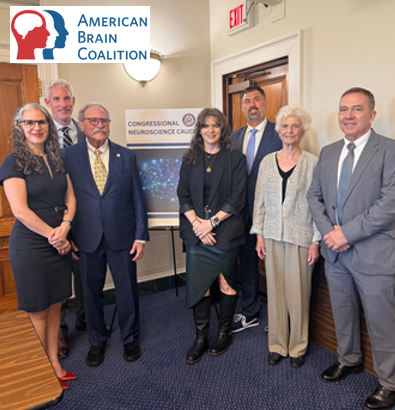
The American Brain Coalition (ABC) hosted a Congressional Neuroscience Caucus briefing, "Psychedelics in Brain Health: From Promise to Practice," bringing together researchers, clinicians, advocates, and policymakers to discuss the evolving science of psychedelic therapies and their potential role in brain health. The briefing was co-hosted with the American College of Neuropsychopharmacology and the Society for Neuroscience, with speakers and attendees sharing expertise on where the research stands and what it will take to move from promise to practice. The conversation comes at a pivotal moment for the field. The FDA issued guidance on psychedelic clinical trials in 2026, the VA launched psilocybin studies for veterans, and Congress has shown growing bipartisan interest in the research. Briefings like this help policy keep pace with the science. Check the link - summary and recording coming soon.
| |
Join the International OCD Foundation in honoring OCD Awareness Week (#OCDweek) October 11-17, 2026. This worldwide event serves to dispel myths about obsessive-compulsive disorder, break the stigma around mental illness, call for advances in research, and provide education. For the over 240 million people worldwide living with OCD, public misconceptions can prevent them from accessing the effective treatment they need to move from suffering to thriving.
| |
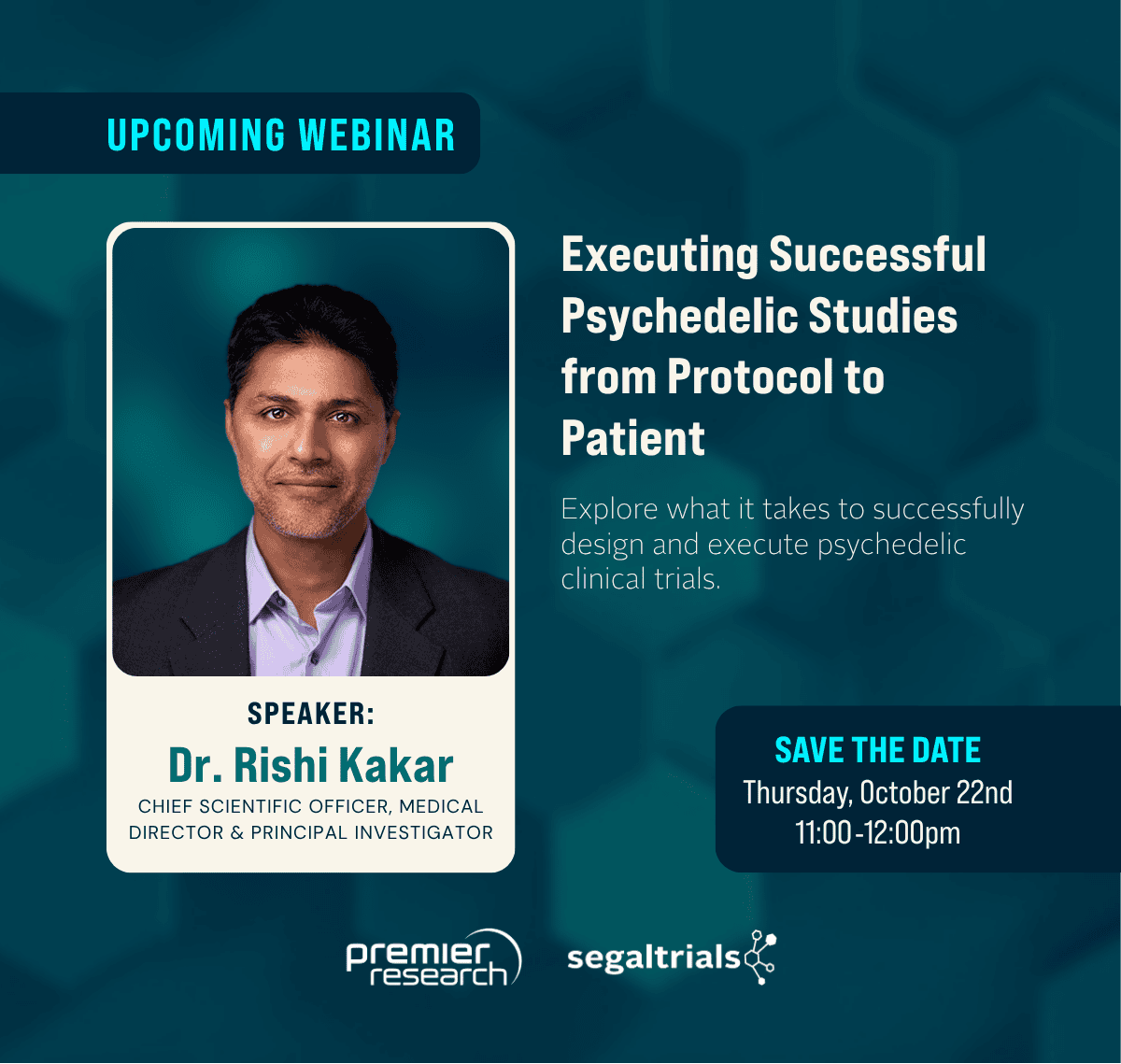
Join Segal Trials for the webinar "Executing Successful Psychedelic Studies: From Protocol to Patient" on Thursday, October 22, 2026, 11:00 AM to 12:00 PM EDT.
Featuring Segal Trials' Dr. Rishi Kakar and Premier Research's Dr. Andreas Schreiner, the session pairs site and CRO perspectives on three areas: translating psychedelics' traits into trial design, operationalizing complex studies at the site level, and building assessment strategies for reliable data.
Register to learn how to anticipate challenges and strengthen execution.
Register HERE for this educational webinar!
| |
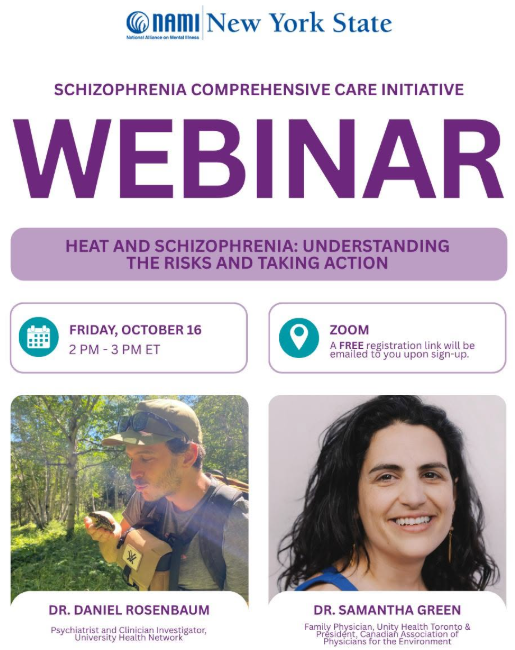
Join NAMI New York State for an upcoming Schizophrenia Comprehensive Care Initiative Webinar: Heat and Schizophrenia: Understanding the Risks and Taking Action.
People living with schizophrenia may face increased risks of serious health complications during periods of extreme heat. Join this webinar with Dr. Samantha Green of Unity Health Toronto and the Canadian Association of Physicians for the Environment, and Dr. Daniel Rosenbaum of University Health Network to learn about the connection between extreme heat and schizophrenia, and practical ways to take action.
Friday, October 16, 2026 - 2–3 PM ET
This session is open and free for everyone interested in learning
Register HERE to join this important conversation.
| | |
New Study Opens Doors for Teens Living With Schizophrenia
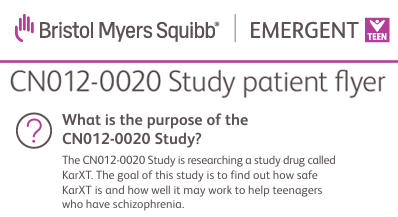
BMS is enrolling teens in the EMERGENT-TEEN study (CN012-0020), a clinical trial of KarXT for adolescents with schizophrenia. The study looks at how safe KarXT is and how well it may work for this age group.
Participants must be 13 to 17 years old and diagnosed with schizophrenia. They also need to be willing to stop their current medication during the study, under a doctor's care. Participation runs about 11 weeks, and those who finish can join a one-year open-label extension.
For sites: Teens have waited a long time for more research built around them. Download the Patient Flyer and Poster to share with families and referring providers. More info available at BMSClinicalTrials.com.
| | |
EASE Study Wants to Hear From Adults Taking Cobenfy
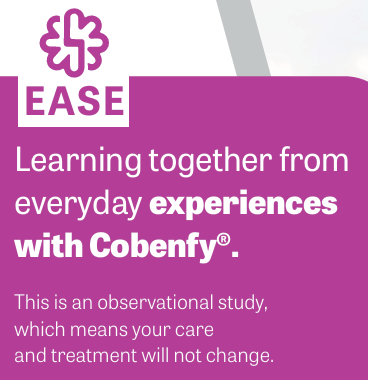
BMS is inviting adults to share real-world experiences with Cobenfy (KarXT) in EASE (CN012-0134), an observational study. Care and treatment stay exactly as they are. Eligible participants are 18 or older and taking, or about to begin, Cobenfy. They share their daily treatment routine and their experience on the medication, at their own pace.
For sites and community partners: Share the Patient Flyer with your network today.
| | |
Eli Lilly no longer lists its Phase 1 programs on its public pipeline page or in earnings materials. The company never announced the change. Reporters spotted it by comparing documents: early programs were visible in February 2026 and gone by spring. Merck is the other top 15 drugmaker taking this approach, while AstraZeneca and Novo Nordisk still share early work.
Is it allowed? Yes. Federal law does not require Phase 1 drug trials to be registered on ClinicalTrials.gov, and pipeline updates are voluntary.
Why do it? Competitive secrecy tops the list, since fast followers, especially international rivals, can copy a new target or mechanism. It also cuts noise, because management no longer explains every early setback. And it offers room to quietly test, reposition, or retire molecules without moving market sentiment.
The tradeoff is transparency. Going silent on early molecules adds to a wider pullback on sharing targets, mechanisms, and diseases under study.
For clinical researchers, that matters. Sites and advocates plan outreach around what is coming. Earlier visibility helps them prepare communities, and trust grows when people can see where the science is headed. If you want to stay in the loop, ask your sponsors what they are willing to share early.
| | |
The Latest in the CMS Negotiation Fight:
Where the Real Value Lies
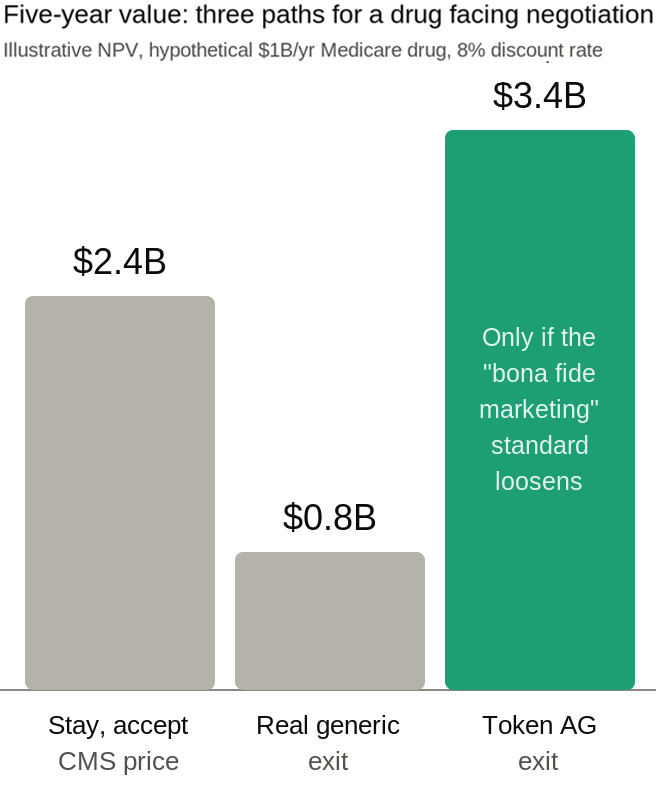
The latest Teva ruling in the CMS pricing negotiation fight raised a sharp financial question: is it better to accept CMS's negotiated price, or trigger a generic and exit the program?
Run the numbers and the answer may surprise you. A single-source drug sold at a negotiated Maximum Fair Price keeps its whole market, just at a discount. Launching a real generic to escape the negotiated price hands the market to competitors, and the lost volume almost always costs more than the discount ever did. In a simple five-year model, staying under negotiation beat a genuine generic exit even when the mandated cut hit 70%.
So why fight over how a generic "counts"? Because one exit path changes everything. If a token authorized generic could remove a drug from the program without real competition, a brand could escape the price cut and keep near-brand revenue. That is the prize.
That is also exactly what CMS's "bona fide marketing" standard is built to block. The outcome of this new fight - initiated on Oct. 3rd - is worth real money.
| | |
Mental Health America will hold their conference from October 8-9, 2026. The 2026 Mental Health America Conference will focus on the theme More Good Days, Together. Through this theme, the conference will explore how to make more good days possible for all by connecting people to the right support at the right time and recognizing that “good” is defined by unique mental health experiences and goals. Show your support for mental health and connect with thought leaders, innovators, and decision-makers.
| |
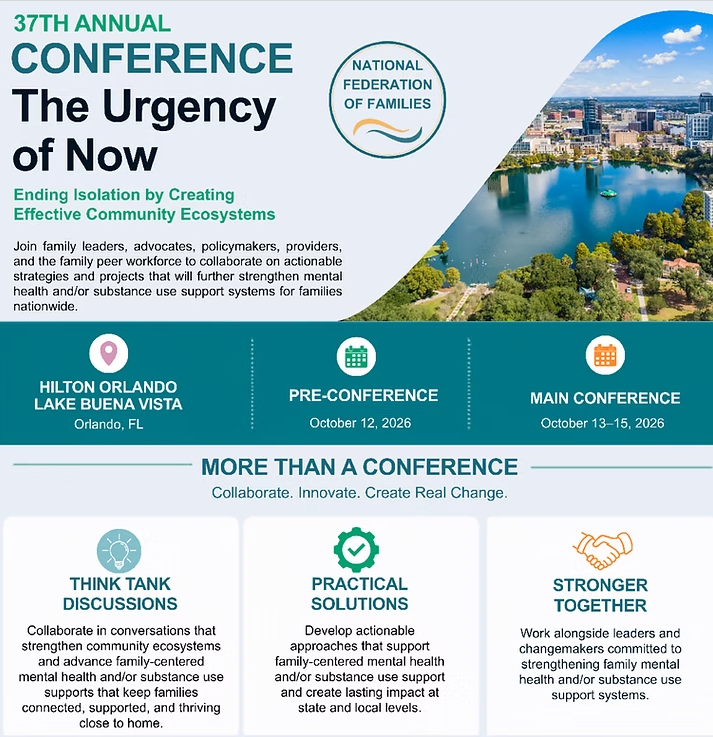
The National Federation of Families 37th Annual Conference will be held October 13–15, 2026, in Orlando. This is one of the largest family mental health and substance use gatherings in the U.S. It brings together families, family leaders, family peer specialists, youth peers, advocates, researchers, providers, and national leaders to address today's most pressing challenges and strengthen the movement for community-based mental health and/or substance use support. It’s a rare chance to connect directly with decision-makers and families in one place. Click HERE for more information and to register. For exhibit opportunities and information, HERE.
| |
Site Solutions Summit will be held from October 15-18, 2026 in Orlando, FL. The Summit provides a unique hub where sites, sponsors, CRO executives, and regulators come together to discuss best practices and ideas while developing strategic partnerships through ideation sessions, workshops, and focus groups. Whether your priority is networking with sponsors and CROs or learning best practices built for research sites, the Summit provides a valuable experience.
| |
The American Neurological Association (ANA) will hold their 151st Annual Meeting ANA2026 from October 17-20, 2026 in San Diego, CA. The Annual Meeting has been designed to foster discussions among investigators in academia, industry, and foundations toward the common goal of furthering translational science..
| |
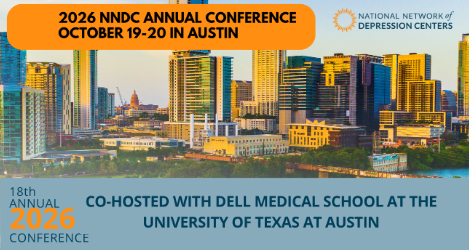
The National Network of Depression Centers Annual Conference is taking place October 19-20, 2026 in Austin, TX and is co-hosted by Dell Medical School at The University of Texas at Austin. The NNDC conference is where experts, innovators, and thought leaders gather to advance depression care and break down barriers to mental health treatment. For more information and to register, click here.
| |
BIO’s Patient Advocacy Changemakers Event (PACE) is taking place October 22-23 in Washington, D.C. Over two days, advocates, patients, caregivers, policymakers, innovators, and industry leaders will come together for inspiring patient perspectives, policy and industry insights, and meaningful discussions that drive progress for patients and families. Join us for an empowering and inspiring event focused on breaking barriers to access and ensuring that innovative medicines reach the patients that need them.
| |
The CNS SUMMIT 2026 will be held November 1-4, 2026 in Boston at Encore Boston Harbor. The Summit brings together decision makers from pharma, biotech, CROs, investigator sites, technology, investors and other stakeholders.
| |
The NEI Fall Congress, held November 5-8, 2026 in Colorado Springs, is for mental healthcare professionals dedicated to advancing their knowledge and skills. Designed for all members of the mental healthcare team to help clinicians make informed decisions by breaking down complex concepts through animation and a unique visual language exclusive to the NEI.
| |
Neuroscience 2026 will be held November 14-18, 2026 in Washington DC. Each year, scientists from around the world congregate to discover new ideas, share their research, and experience the best the field has to offer. Attend so you can: present research, network with scientists, attend session and events, and browse the exhibit hall at the premier global neuroscience event.
| | |
The National Federation of Families (NFF) is the nationwide advocacy organization with families as its sole focus, playing an important role in helping parents, caregivers, and families and their loved ones whose lives are impacted by mental health and/or substance use disorders.
2026 has opened with unprecedented challenges for families whose loved ones experience mental health and/or substance use challenges. Across the country, a troubling resurgence of calls to return to mass institutionalization is taking hold. This renewed push toward institutional care, driven by workforce shortages and gaps in effective treatment, threatens to reverse decades of progress. NFF believes the most powerful antidote to this trend is an informed, mobilized, and well-supported network of families, community leaders, policymakers, and frontline professionals.
So, please joing us: NFF is hosting its 37th Annual Conference: The Urgency of Now – Ending Isolation by Creating Effective Community Ecosystems on October 13-15th at the Hilton Orlando Lake Buena Vista in Florida. This gathering will bring together families, family leaders, family peer specialists, youth peers, advocates, researchers, and national leaders to confront the challenges ahead and strengthen the movement for community-based mental health and/or substance use support.
| | |
NAMI New York State Annual Education Conference 2026
Be part of NAMI New York State’s Annual Education Conference, taking place November 13–15, 2026, at the Marriott Hotel in Albany, New York.
Join advocates, professionals, and community leaders from across the state for the 2026 NAMI NYS Annual Education Conference: Mental Health for All: Uplifting Each Other Through Support and Advocacy.
This year’s conference will focus on strengthening connections, amplifying lived experience, and advancing equitable access to mental health care for all New Yorkers—while addressing the ongoing challenges facing our communities and the action needed to move forward. The dynamic agenda will feature national leaders in mental health, innovative practitioners, passionate advocates, and influential voices committed to expanding awareness, reducing stigma, and driving meaningful change.
For more information and to register, visit NAMI NYS EdCon 2026!
| | |
The International Conference on ADHD, taking place December 3-5, 2026 in Baltimore, MD, is the largest and longest-running multidisciplinary ADHD gathering in North America. From keynotes and research presentations to exhibitors, support groups, and networking events, this is where the ADHD community comes to connect with colleagues, learn about the latest research and treatments, and thrive alongside people who truly get it.
| | | | |
Time to Start Planning for
Your Holiday Giving & Outreach!
Community engagement is a cornerstone of the STARR Site Certification, and the holidays are the perfect time to give back. Consider how your site can spread joy—serve meals, collect goods or gifts, or volunteer at local events. These efforts not only help those in need but also strengthen community trust in mental health research.
❄️❤️🎁
| | |
Thank you for reading!
If you have questions, comments, or would like to submit an item to be included in an upcoming newsletter, please email erica@thestarr.org.
| | |
The STARR Coalition | www.thestarr.org
LEAD WITH HEART.
| |
| How did you like this email? | | | | | | |