| |
STARR News & Updates
October 2025
| | |
As of September 30, ClinicalTrials.gov listed 43 interventional industry-funded studies for depression disorders in the U.S., sponsored by 25 different companies (spreadsheet here). These include Phase 2–4 trials that are not yet recruiting, actively recruiting, or active but not recruiting. This activity underscores the breadth of research investment and relevance to National Depression Education & Awareness Month.
At the same time, population data highlights the scale of need: the CDC’s 2024 BRFSS shows 19% of U.S. adults (≈1 in 5) report ever being diagnosed with depression, while a 2025 Gallup poll places that figure at 28.5%. Differences reflect survey design, but both point to a substantial and growing public health challenge that mental health clinical researchers are uniquely positioned to address.
How?
| | |
Beyond bridging care gaps and accelerating new treatment options—critical given that nearly half of depression patients do not achieve remission on first-line therapies—mental health research leaders are uniquely positioned to:
Elevate Measurement-Based Care -- Integrating validated tools like the HAM-D, MADRS, PHQ-9, and functional assessments across trials and community outreach standardizes and strengthens scientific rigor, enhancing real-world patient monitoring and aligning with best-practice models of care.
Engage Communities & Reduce Stigma -- Collaborating with advocacy groups, caregivers, and local organizations to embed lived experience into outreach, and retention strategies builds trust, improves participation, and helps dismantle stigma surrounding depression.
Shape Policy & Advance Equity -- Leveraging trial data to inform policymakers and payers on how research expands access, improves outcomes, and sustains investment in psychiatric innovation supports policy and promotes and equity in mental health care.
| |  | |
The month of October is filled with mental health awareness events, sharing of information and education on mental health illnesses, screenings, and prevention. The following are observed throughout October (with links to details):
Observed focus weeks throughout October are:
Observed focus days include:
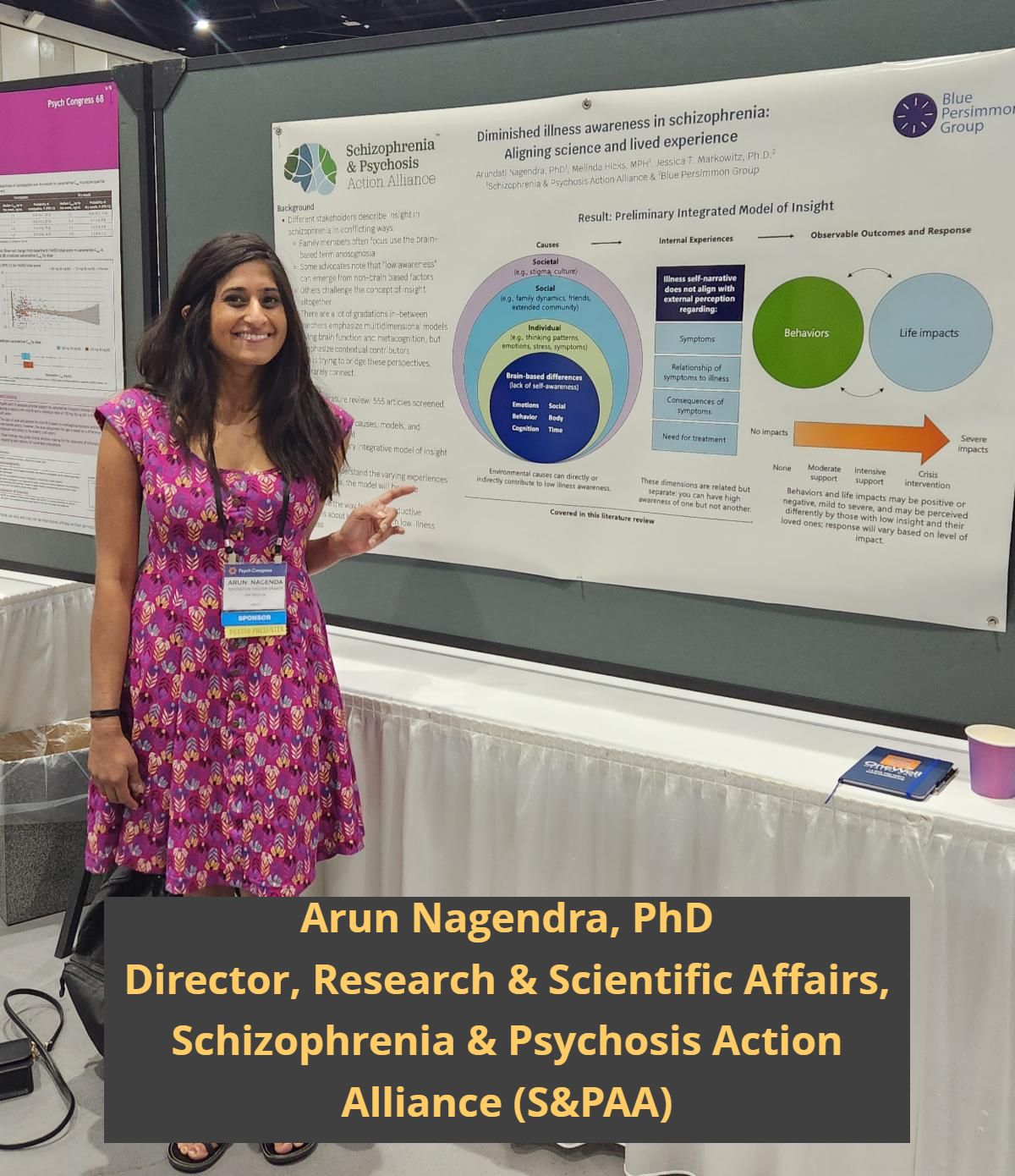
| | The numbers make it clear: depression is a growing public health challenge, and research plays a vital role in addressing it. This National Depression Education & Awareness Month is a reminder that clinical research leaders are uniquely positioned to translate innovation into better care, stronger communities, and real hope for those living with depression. | | We kicked Fall off at Psych Congress 2025 in September, where—beyond reconnecting with so many of you—the conversation centered on turning evidence into everyday impact. As we head into the fall conference stretch, we’ll keep you posted on the big take-aways. ❤ | |
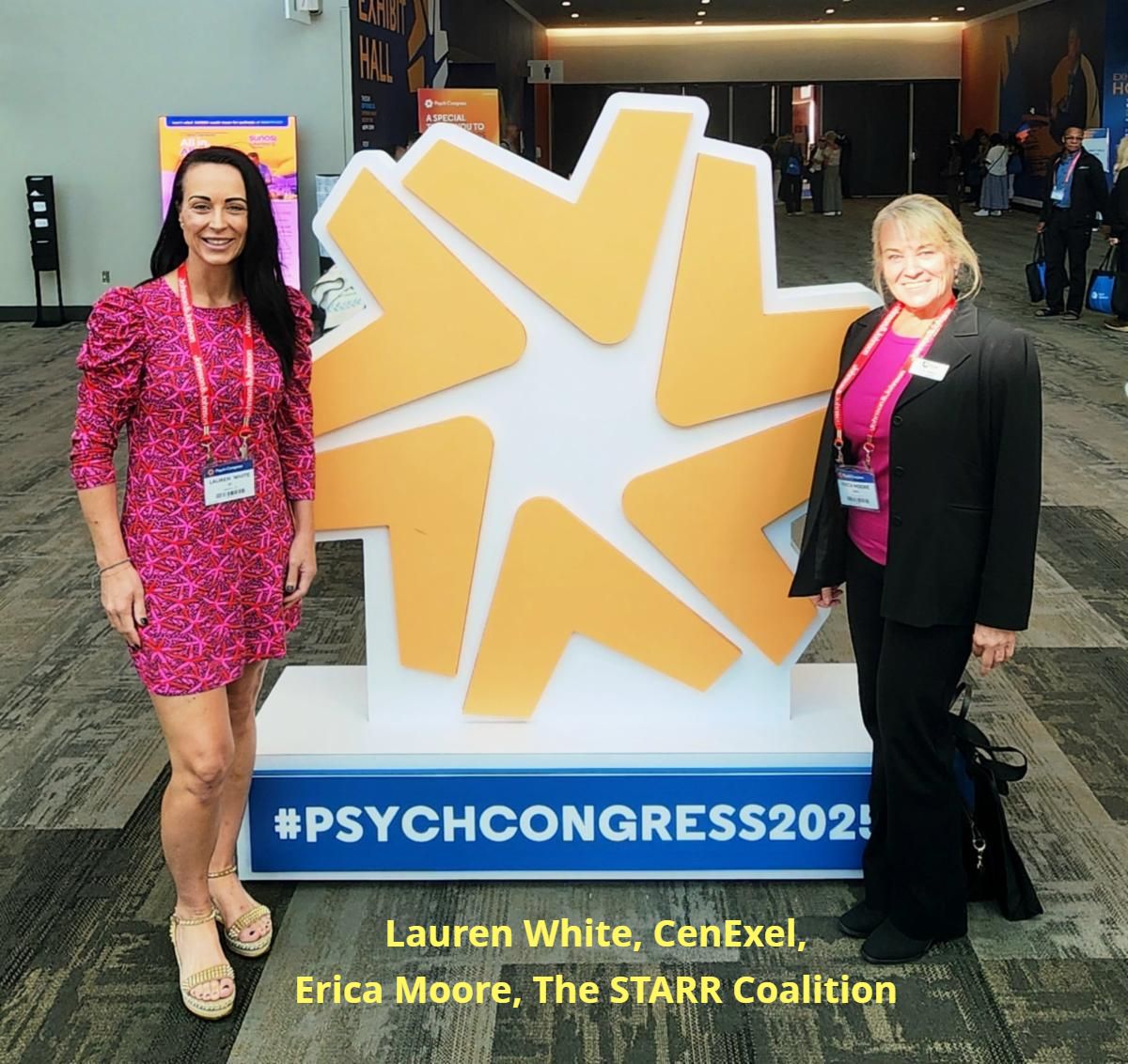
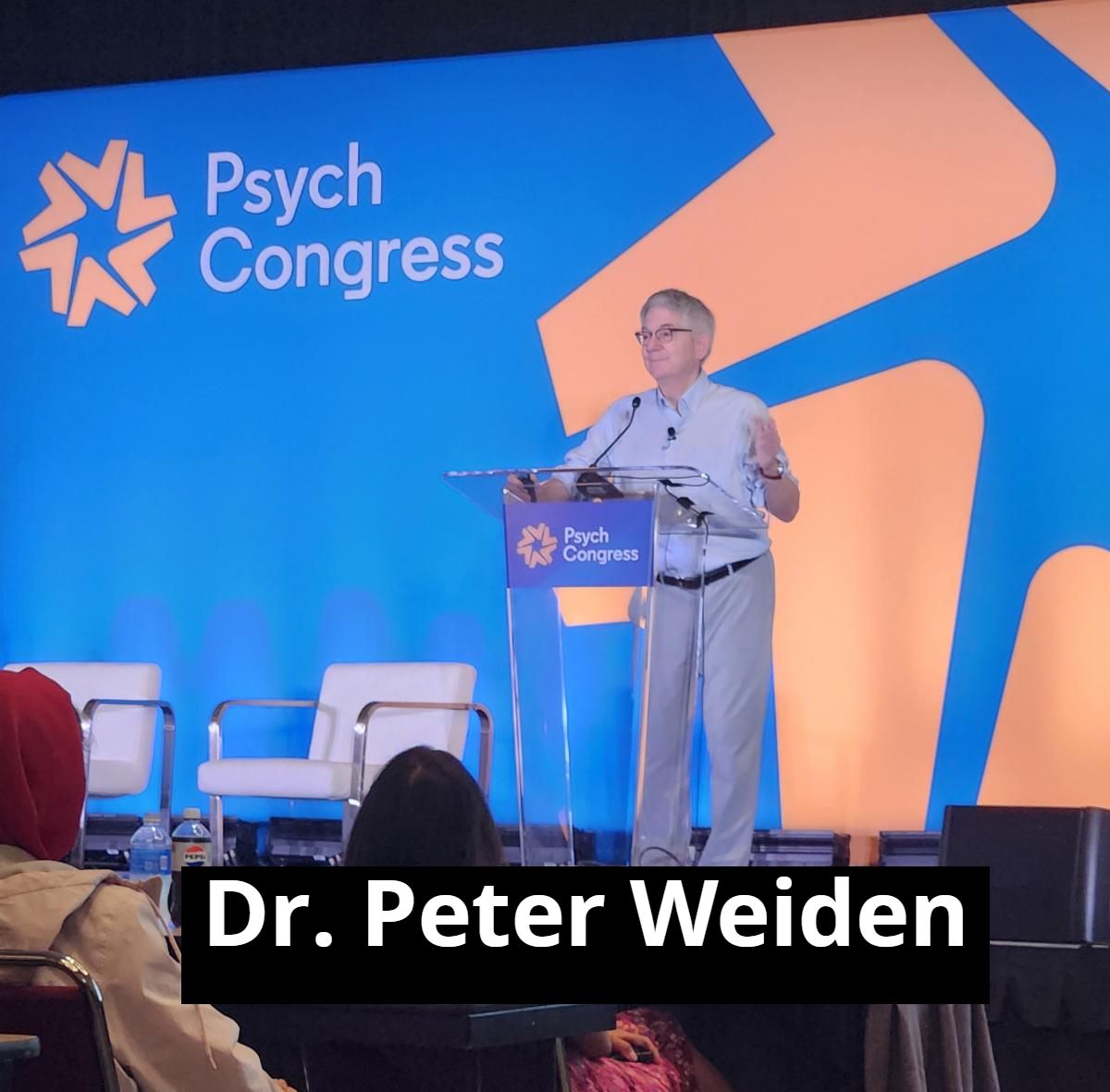
Psych Congress 2025 Take-Aways
This month, we’re bringing Psych Congress 2025 to your inbox—distilled for the STARR community of research sites, pharma/CRO partners, and advocates. Beyond the headlines, the meeting underscored a clear mandate: pair practice-ready evidence with trust-building in the community. Here are our top takeaways, plus “So what” insights on what it means for sites, along with some practical tips to help your teams work smarter.
The Take-Aways...
Pipeline breadth. Dense MDD/TRD/schizophrenia posters—many slicing by anxious distress, mixed features, and long-term outcomes—signal more targeted inclusion and endpoints ahead.
So what: Map your 2025–26 study mix to these subgroups; refresh prescreen questionnaires (anxiety/mixed features flags); train staff on outcome domains sites will be asked to capture and explain to families.
| |
Schizophrenia innovation. Non-dopaminergic mechanisms and long-acting injectables (LAIs) continued to draw interest for adherence and outcomes.
So what: Prep for next-wave mechanisms (staff education modules, AE monitoring checklists); optimize LAI logistics (inventory, cold-chain, administration SOPs); build caregiver engagement steps into retention plans.
Practical psychopharm updates. Late-stage data emphasized sleep-depression phenotypes and cleaner adjunct options that could influence step-therapy discussions.
So what: Add “sleep disturbance” screeners at prescreen; tune recruitment to phenotype (e.g., insomnia + MDD); equip coordinators with payer-friendly talking points on safety/tolerability and functional outcomes.
Psychedelics: implementation over hype. First U.S. real-world psilocybin outcomes from Oregon services hit the poster floor; meanwhile, COMP360’s Phase 3 win shaped TRD sequencing chatter, and FDA’s public MDMA CRL raised the trial-quality bar. So what: Build a readiness checklist (screening, supervision, documentation) and a patient-facing “state-program vs clinical-trial” one-pager.
| |
TD vigilance, especially in long-term care (LTC). Fresh analyses documented undertreatment/mislabeling of tardive dyskinesia in LTC. So what: Train referral partners on AIMS; include a “TD vs EPS” quick card in community education and consent reviews for antipsychotic-exposed studies.
Digital therapeutics are becoming “real” (and reimbursable). Dedicated programming on digital health/PDTs + bipartisan bills (S.1702/H.R.3288) to establish Medicare/Medicaid coverage signal maturing pathways you can reference in site-integration talks. So what: Prep a 1-page explainer for sites on documenting PDT use alongside trial participation.
Measurement-Based Care (MBC) + patient voice moved up the agenda. Agenda materials and industry posters leaned into structured PROs and patient-voice/AI analyses—useful for selecting instruments and scripting how coordinators review scores in visits. So what: Standardize PHQ-9/GAD-7/functional measures in pre-screen and retention check-ins. Record scores so you can show a quick trend line at visits. You can tell participants: “These 3 quick surveys help us track how you’re feeling and functioning so we can support you better.”
Advocacy in the room. Stronger ties among clinicians, advocacy groups, and people with lived experience advanced equity and trust. So what: Co-host quarterly “Clinical Trials 101” Q&As with local advocacy partners; add a lived-experience advisor to your site’s outreach planning; publish a myth-busting one-pager for families.
Read the expanded article and access some of the presentations on the STARR website HERE.
| | |
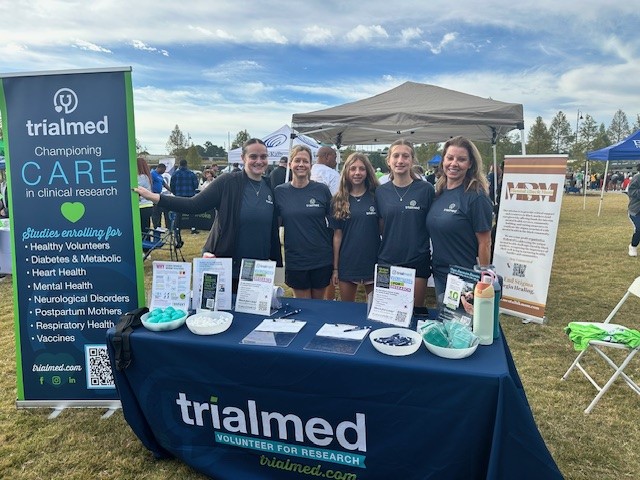
The Trialmed Atlanta team proudly joined hundreds of advocates and families at the NAMI Georgia NAMIWalks event to raise awareness, end stigma, and promote hope for those affected by mental illness. As part of the walk, Trialmed team members shared information about the role of clinical research in advancing mental health care, helping educate attendees on how participation in clinical trials can expand treatment options and improve outcomes.
By engaging directly with the community, Trialmed emphasized that mental health progress depends on both compassionate care and scientific innovation. The team was honored to stand with NAMI Georgia in building a future of understanding, inclusion, and recovery. 💚
| | | |
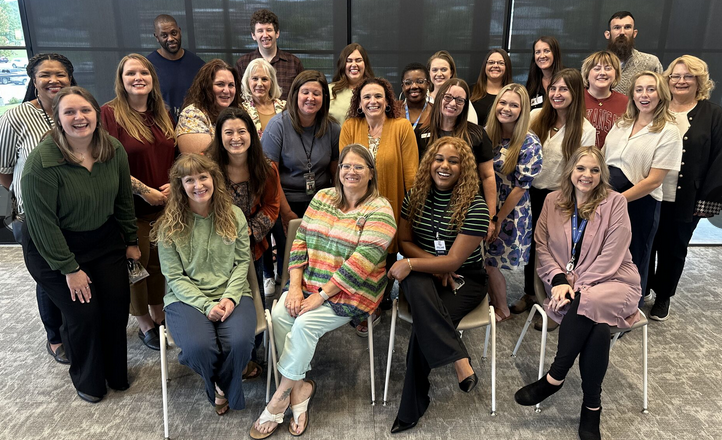
Pillar Clinical Research partnered with Alleviant Integrated Mental Health and Inner Circle Autism Network to host a luncheon bringing together dedicated mental health professionals from across the region. The event created a space for meaningful conversation, collaboration, and education—including the important role of clinical research in expanding treatment options and improving patient outcomes. Attendees shared insights, resources, and personal experiences that underscored the collective commitment to compassionate, innovative mental health care. Pillar was inspired by the passion in the room and remains dedicated to fostering partnerships that bridge clinical research and community-based care.
| | | |
CNS Healthcare is thrilled to announce that it has been awarded the 2025 Standout Award at the SCRS Global Site Solutions Summit in Orlando, FL! This recognition celebrates nearly 30 years of dedication to advancing clinical research and improving experiences for patients, sponsors, and site teams. Partnering with SiteCentric, CNS Healthcare continues to place research sites at the center of innovation—building tools by sites, for sites—and shaping a more collaborative, patient-focused future. The team extends heartfelt thanks to SCRS, their partners, and colleagues across the industry for this meaningful honor and shared commitment to excellence in clinical research.
| | | Teva’s Award-Winning TD Poster Highlights Psychological Impact Beyond Motor Symptoms | | |
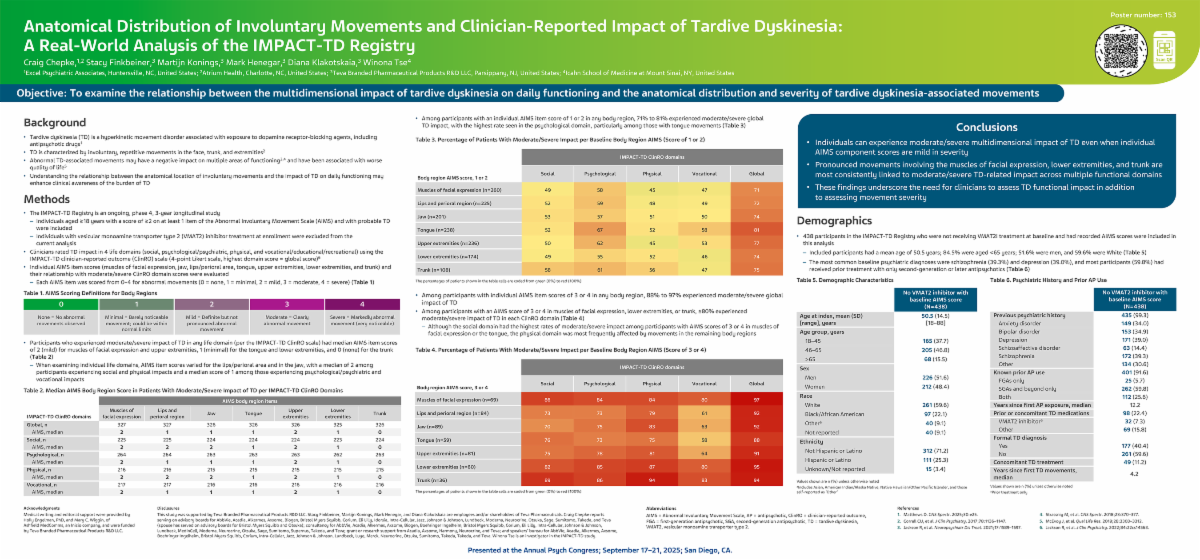
At Psych Congress 2025, Teva Medical presented 20 abstracts and posters from across their neuropsychiatry portfolio. One of the posters, “Anatomical Distribution of Involuntary Movements and Clinician-Reported Impact of Tardive Dyskinesia: A Real World Analysis of the IMPACT-TD Registry" was selected as a 2025 Poster Award Winner and will be placed in the Psych Congress “Hall of Fame”.
The awarded poster looked at a large TD dataset linking where involuntary movements show up on the body with how much they disrupt people’s lives —especially psychologically— related to day-to-day wellbeing.
What popped: The psychological domain --including mood, self-confidence, ability to connect with others, and overall happiness --emerged as the area of greatest burden for individuals living with TD. The impact on emotional wellbeing was often more profound than the physical burden of the movements themselves.
Why that matters: Recognizing that TD can carry such a significant psychological weight is important: even people with mild TD movements reported significant impact. Individuals who may not show obvious physical difficulties can still experience challenges such as sadness, depression, anxiety, low self-esteem, or hopelessness.
| | | |
Why It Matters for Sites Not Running TD Trials:
Even if your site isn’t conducting TD-focused studies, you may encounter participants with TD in other psychiatric or neurologic research. This matters because:
- Given the psychological weight of TD, even in those with only mild movements, individuals who may not display obvious physical difficulties can still face serious challenges, including depression, anxiety, and worsening psychiatric symptoms such as psychosis or aggression, and even reduced adherence to medications.
-
From a patient engagement perspective, understanding this connection can help your staff validate participants’ experiences and build trust, even if TD isn’t the focus of the visit.
- From a holistic perspective, this is a reminder that movement disorders like TD don’t just affect the body—they can shape the whole trajectory of someone’s mental health journey.
Congrats to the Teva team on the Psych Congress 2025 Poster Award win! A well-deserved honor for shedding light on the far-reaching impact of TD.
| | |
In a rare move, Bristol Myers Squibb plans to launch Cobenfy in the UK at a list price equal to the US launch price. The launch of Cobenfy is the first time BMS has sold a drug at the same price in the UK and the US, and is a rare corporate pricing announcement ahead of a UK regulatory filing that comes as global pharmaceutical companies are trying to fight off Trump’s demands that they cut US drug price to match those paid overseas.
MindMed’s LSD-based MM120 significantly reduced anxiety and depression symptoms in adults with generalized anxiety disorder in a phase 2b trial. A single 100 µg dose achieved 65% response and 48% remission at 12 weeks, with effects beginning day 1 and lasting three months, supporting advancement to phase 3 trials.
Kynexis announces first patient dosed in Phase 2 trial of KYN-5356 for cognitive impairment associated with schizophrenia. Based on previously reported positive Phase 1 results, Kynexis is advancing KYN-5356, a first-in-class KAT-II inhibitor, into Phase 2, which seeks to establish proof-of-concept of KYN-5356. Topline results are expected by Q4 2026.
A phase 3 trial found lumateperone (42 mg) plus antidepressants significantly improved depression and anxiety symptoms and increased response and remission rates versus placebo in adults with MDD. The treatment was well tolerated, with mostly mild side effects, supporting its potential as a new adjunctive option for inadequate antidepressant response.
Post-hoc analyses suggest SPRAVATO® (esketamine) monotherapy reduces anhedonia and emotional blunting in adults with treatment-resistant depression, delivering rapid, clinically meaningful improvements versus baseline and sustained through follow-up, with a safety profile consistent with labeling.
A 5-year real-world analysis of nearly 1.5 million esketamine treatments found its safety profile consistent with clinical trials. Most side effects—sedation, dissociation, and mild blood pressure increases—were transient; serious adverse events occurred in <0.2% of sessions, with no new safety concerns identified.
Teva released the long-term safety data from the completed SOLARIS Phase 3 trial showing no incidence of post-injection delirium/sedation syndrome (PDSS) in study participants taking olanzapine LAI (TEV-'749), a once-monthly, long-acting injectable (LAI) subcutaneous formulation of olanzapine.
A review of 16 studies involving over 390,000 people found that stimulant treatment for ADHD can sometimes lead to psychosis or bipolar symptoms. The risk was higher in those taking amphetamines than in those taking methylphenidate.
A randomized clinical trial of 154 patients with schizophrenia, overweight or obesity, and prediabetes, found that 30 weeks of semaglutide, 1.0 mg/week, significantly lowered glycosylated hemoglobin A1c. Moreover, semaglutide reduced body weight by a mean value of 9.21 kg and improved physical quality of life without exerting negative mental health consequences.
Bendable Therapy and Osmind present the first real-world outcomes data from legal U.S. psilocybin services. Real-world data from 88 adults under Oregon’s legal psilocybin framework showed significant mental health improvements. Depression and anxiety decreased from moderate to mild, while well-being increased notably within 30 days, suggesting psilocybin sessions may offer sustained benefits warranting further long-term research.
A systematic review of neurofilament light chain (NfL) in cerebrospinal fluid (CSF) or blood as a viable aid in differentiating behavioral variant frontotemporal dementia (bvFTD), a neurodegenerative disorder with prominent neuropsychiatric symptoms, from psychiatric disorders. The review found that levels of NfL in CSF and blood were significantly higher among patients with bvFTD than patients with psychiatric disorders, indicating that NfL may help supplement clinical diagnostic evaluations in differentiating bvFTD from psychiatric disorder diagnoses.
Global experts released updated VasCog-2-WSO diagnostic criteria for vascular cognitive impairment and dementia, adding neuroimaging and biomarker guidance to improve diagnostic accuracy and consistency across preclinical to major stages. The revision, endorsed by the World Stroke Organization, aims to standardize diagnosis, strengthen research validity, and enhance clinical decision-making worldwide.
A decade-long U.S. study found self-reported cognitive disability nearly doubled among adults under 40, rising from 5.1% to 9.7%. Researchers cite widening disparities linked to income, education, and structural inequities, warning that cognitive challenges are becoming a leading health issue—especially among younger and socioeconomically disadvantaged adults.
A new genetic biomarker-guided clinical trial in psychiatry, looking at ANK3 as a novel genetic biomarker for liafensine in Treatment-Resistant Depression, is providing a new path for developing precision medicines in the field.
A cohort study out of German found that soft drink consumption was significantly associated with diagnosis of major depressive disorder, as well as depression severity, across a single-study cohort of 932 clinically diagnosed patients and healthy controls. This association was significantly mediated by Eggerthela abundance in female patients and controls.
Phase 2 trial results show the novel SNRI ammoxetine significantly improves depressive symptoms in major depressive disorder with mostly mild side effects and reduced liver toxicity versus duloxetine. Researchers say findings support ammoxetine’s safety, efficacy, and potential as a next-generation antidepressant, warranting phase 3 validation.
New research from UW BRiTE Center and S&PAA - "Automated Flagging of Cognitive Biases in the Spoken Language of People Hallucination Experiences" - explores using natural language processing to automatically detect cognitive biases in speech, advancing scalable, tech-driven tools to enhance CBT for psychosis.
A 20-year U.S. study found no significant differences in outcomes between oral and parenteral antipsychotics for agitated schizophrenia patients in emergency departments. Return rates, mortality, adverse events, and metabolic effects were similar, suggesting both routes provide comparable safety and effectiveness in acute care settings.
A systematic review of 99 studies found high-THC cannabis products (≥10% THC) strongly linked to psychosis, schizophrenia, and cannabis use disorder. Researchers warn that rising THC potency increases psychiatric and addiction risks, especially in nonmedical users, underscoring the need for caution and clearer patient education about potential harms.
A large longitudinal study found that consuming high amounts of artificial sweeteners was linked to 62% faster cognitive decline—about 1.6 years of extra brain aging—especially in adults under 60 and those with diabetes. Researchers warn these “sugar substitutes” may not be harmless and could endanger long-term brain health.
MHA released The State of Mental Health in America 2025, highlighting the latest national data and providing state-level rankings on mental health and well-being in the U.S.
PhRMA announced three major actions as part of industry’s commitment to Americans: PhRMA member companies are committing $500B in U.S.-based manufacturing and infrastructure, providing financial assistance to millions of insured and underinsured patients, and announcing AmericasMedicines.com, a new website that will connect patients with manufacturer direct purchase programs, set to launch in January 2026.
White House announces new prescription drug website, TrumpRx, a direct-to-consumer website where individuals can buy prescription medications out of pocket at discounted prices rather than through insurance. The White House said in a post on X that "virtually all drugs" will be available discounted on the site, but currently only has a deal with Pfizer.
CMS released the publication of final guidance for the third cycle of negotiations under the Medicare Drug Price Negotiation Program. The Final Guidance can be found at CMS' Medicare Drug Price Negotiation Program website.
A new analysis by the Congressional Budget Office (CBO) exposes the growing costs of 340B discounted hospital drug pricing costs, which are being borne by American taxpayers. The report shows not only that a segment of the program has surged from $6.6 billion in 2010 to $43.9 billion in discounted spending in 2021, most of it concentrated among a disproportionate share of hospitals. Critically, CBO also documents how 340B has fueled increased costs for all Americans.
Schizophrenia & Psychosis Action Alliance (S&PAA) released the findings from their Schizophrenia Caregivers Study. A survey of 200 caregivers for people with schizophrenia found high emotional and financial strain, with average out-of-pocket costs of about $1,800 per month for daily needs and up to $2,400 annually for major life events. The study highlights the need for greater clinical and community support to reduce caregiver burden.
Rural Minds Founder & Chairman Jeff Winton and Pennsylvania Grange President Matt Espenshade were interviewed by host Roger Hearing on BBC World Service’s World Business Report, which reaches an estimated 100 million listeners worldwide. The discussion was around the ongoing economic farm crisis, trade disruptions, and how these challenges are affecting the mental health of farmers and rural communities.
| | |
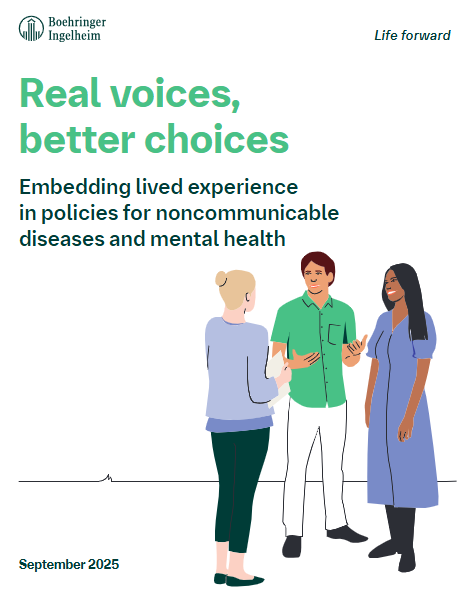
Boehringer Ingelheim Calls for Greater Inclusion of People with Lived Experience in Health Policy
Boehringer Ingelheim released of a new white paper highlighting the urgent need to ensure that people with lived experience of health conditions—particularly mental health challenges—have a meaningful voice in shaping the policies that affect their care.
Despite growing global recognition of mental health as a public priority, the report underscores that individuals living with these conditions and their families remain largely excluded from decision-making. This lack of inclusion, it warns, contributes to persistent gaps in access, equity, and quality of care—issues that cannot be fully addressed through data or clinical evidence alone.
The white paper calls for collaborative action among policymakers, healthcare leaders, and patient organizations to embed lived experience at every stage of health policy development, ensuring systems that are more compassionate, responsive, and effective.
| | Written by Heather Reitz, Marketing Manager at CenExel Georgia, in recognition of the International Day of Older Persons (October 1). | | |
According to the U.S. Census, nearly one in six people in the United States are 65 or older, a number that is expected to rise significantly in the coming decades. Yet older adults remain underrepresented in most clinical trials, with many mental health studies setting the age cutoff around 65. This limitation leaves a gap in understanding how new treatments affect a rapidly growing population. Including older adults in trials allows researchers to better evaluate safety, dosing, and overall effectiveness.
CenExel Atlanta makes research participation easier and more accessible for seniors by conducting studies that address their unique health needs. The site has conducted Alzheimer’s, Parkinson’s, and vaccination studies, welcoming older adults into clinical research to generate meaningful data that can lead to improved care and treatment options for seniors now and in the future.
| | |
Time to Start Planning for
Your Holiday Giving & Outreach!
Community engagement is a cornerstone of the STARR Site Certification, and the holidays are the perfect time to give back. Consider how your site can spread joy—serve meals, collect goods or gifts, or volunteer at local events. These efforts not only help those in need but also strengthen community trust in mental health research.
Need ideas or support?
The STARR team is here to help you get started!
❄️❤️🎁
| | |
Call for Nominations for 2025 STARR Awards!
The STARR Coalition is excited to announce the call for nominations for the prestigious 2025 STARR Awards! The STARR Awards shine a spotlight on the tireless advocates, researchers, and organizations that work passionately to create positive change in the mental health space. As part of the STARR Coalition’s mission to support mental health clinical research, these awards serve as a symbol of gratitude and recognition for those who are helping lead the way toward a future of greater mental health understanding, acceptance, and treatment.
We are proud to honor individuals and groups who have gone above and beyond in the following categories:
-
STARR Advocate of the Year: This recognition is given to the advocacy organization that has demonstrated exceptional dedication to advocating on behalf of those living with mental illnesses, their efforts to fight the stigma of mental illness, and their support of the STARR Coalition’s collective efforts to support mental health clinical research.
-
STARR Site of the Year: A recognition that celebrates one site's outstanding commitment to patient care and community engagement.
-
STARR Sponsor of the Year: Recognizing a pharmaceutical or drug development company for their work supporting mental health research and advocacy, and for their continued support of individuals living with mental illnesses and their patient advocacy organizations.
-
STARR Lew Yagodnik Award: The ‘Lewie’ is the only STARR award given to an individual that exemplifies leadership, compassion, and commitment to the mental health community and who has distinguished themselves in their exceptional dedication to those living with mental illness.
As we look toward the 2025 Awards, we want to once more congratulate the winners of last year's STARR Awards, who have inspired so many with their achievements:
- Teva Pharmaceuticals: STARR Sponsor of the Year
- Schizophrenia & Psychosis Action Alliance (S&PAA): STARR Advocate of the Year
-
Pillar Clinical Research: STARR Site of the Year
- Greg Hansch: STARR Lew Yagodnik Award
We invite the STARR community to nominate those who continue to fight for a better world for those living with mental health conditions. Nominations for the 2025 STARR Awards are now open, and we look forward to receiving your submissions!
| | |
The Mental Health America 2025 Conference will be held October 16-17 in Washington D.C. and will explore the theme "Turn Awareness Into Action". The conference will bring together experts, innovators, and advocates who are implementing strategies that work — approaches that improve mental health care, expand access, and create lasting change.
| |
Save the date for the BBRF International Mental Health Research Symposium on Friday, October 24, 2025 for presentations on leading research discoveries across brain and behavior disorders by the Brain & Behavior Research Foundation’s 2025 Outstanding Achievement Prizewinners and the Pardes Humanitarian Prizewinner.
Save the date for the virtual and in-person event!
| |
CNS SUMMIT 2025 will be held Nov. 2-5 at the
Encore Boston Harbor. The Summit brings together a curated group of decision makers from pharma, biotech, CROs, sites, investors and other stakeholders.
| |
The National Federation of Families (NFF) will be hosting its 36th Annual Conference on November 3rd, 5th, and 7th, 2025, virtually. The event will welcome hundreds of key researchers, administrators, policymakers, family members, youth, clinicians, and other stakeholders across the nation. Together, we'll explore the most pressing issues impacting families and the mental health and well-being of their loved ones—all through the lens of a family-driven approach. Join The STARR Coalition at our panel session on Leveraging Clinical Research to Fill Gaps in Mental Health Care for Families!
| |
Depression and Bipolar Support Alliance (DBSA) will be hosting its inaugural Mental Health Equity Convening November 13-14, 2025 in Chicago. This gathering will bring together senior-level staff and volunteer leaders from mental health organizations working to support marginalized communities. Participants will share resources, identify opportunities for collaboration, and elevate collective impact across organizations.
| |
NAMI NYS 2025 Annual Education Conference will be held Nov. 14-16 in Albany, NY. Join professionals, peers, parents, and providers involved in the mental health journey, ensuring that everyone has the knowledge and tools they need to support recovery. The conference explores advancements and ongoing challenges in mental health, and offers comprehensive education, valuable resources, cutting-edge research findings, and diverse treatment options to everyone affected by mental illness.
| |
Neuroscience 2025 will be held Nov. 15-19 in San Diego. Each year, scientists from around the world congregate to discover new ideas, share their research, and experience the best the field has to offer. Attend so you can: present research, network with scientists, attend session and events, and browse the exhibit hall at the premier global neuroscience event.
| | Call for Caregiver Stories! | | |
November is National Family Caregiver Appreciation Month, a month-long tribute to those individuals providing care-giving support to a family member or loved one with a chronic illness or disability.
In honor of this important celebration, we’re asking for caregivers' stories, photos and advice for the November newsletter.
Please email action@thestarr.org for more information or with caregiver stories!
| | |
Thank you for reading!
If you have questions, comments, or would like to submit an item to be included in an upcoming newsletter, please email erica@thestarr.org.
| | |
The STARR Coalition | www.thestarr.org
SHARE, CARE, AND BE KIND.
| | | | |