|
Two new conservation easements will protect 86 acres in Peoa and 2,772 acres near Huntsville, Utah
Park City, Utah (September 22, 2025) – Last week, Summit Land Conservancy, Park City’s local accredited land trust dedicated to saving land and water, permanently conserved 2,858 acres across the Wasatch Back: Marchant Meadows, an 86-acre preserve in Peoa, and Bally Watts Ranch, a 2,772-acre property southeast of Huntsville. Together, these projects advance the Conservancy’s Utah Headwaters Initiative, which protects the rivers, streams, and wetlands that ultimately feed the Great Salt Lake. Marchant Meadows and Bally Watts Ranch are the 4th and 5th conservation agreements the Summit Land Conservancy has completed so far in 2025, safeguarding a total of 5,267 acres this year alone.
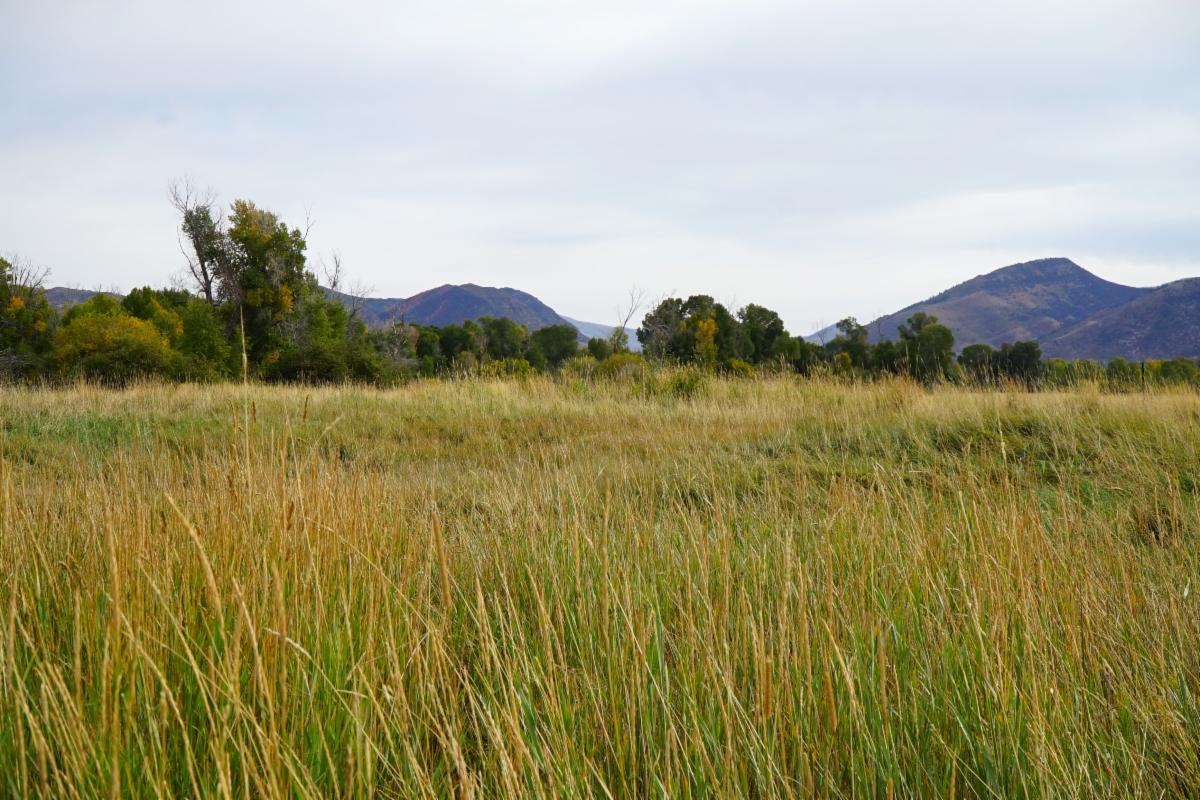
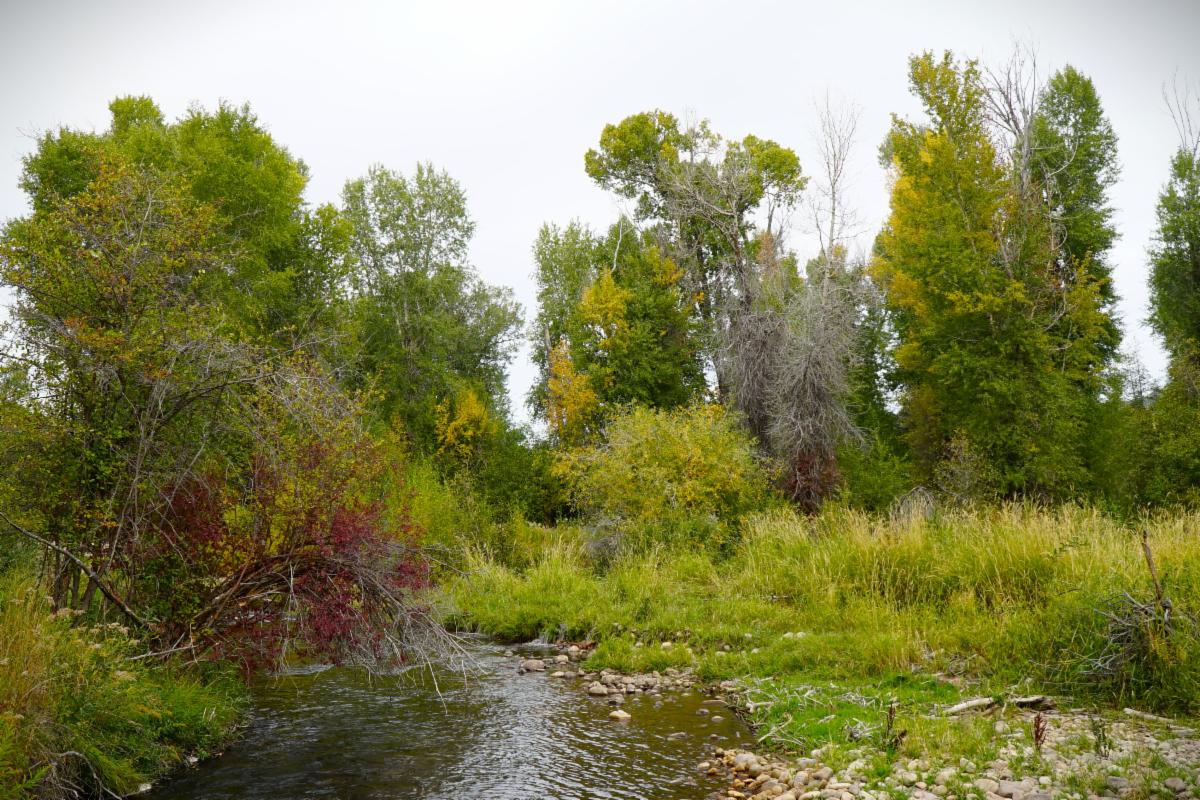
Marchant Meadows, purchased in 2020, is the Conservancy’s first preserve to be both acquired and managed for public benefit. Located along two branches of the Weber River, the land features wetlands, riparian forests, and heritage farmland once stewarded by the Marchant family for six generations. The property protects clean water, offers critical habitat for wildlife ranging from elk, mule deer and sandhill cranes, and hosts a Great Blue Heron rookery that returns year after year. In the future, Marchant Meadows will also provide low-impact public access for recreation along the Weber River. Funds to buy and protect the land were sourced through Summit County, the USDA (United States Department of Agriculture) NRCS (Natural Resources Conservation Service), foundation grants and a public fundraising campaign. The Conservancy owns these acres as a public access preserve, and the NRCS will hold the conservation easement on the property, which is the second U.S. held Regional Conservation Partnership Program easement in the country.
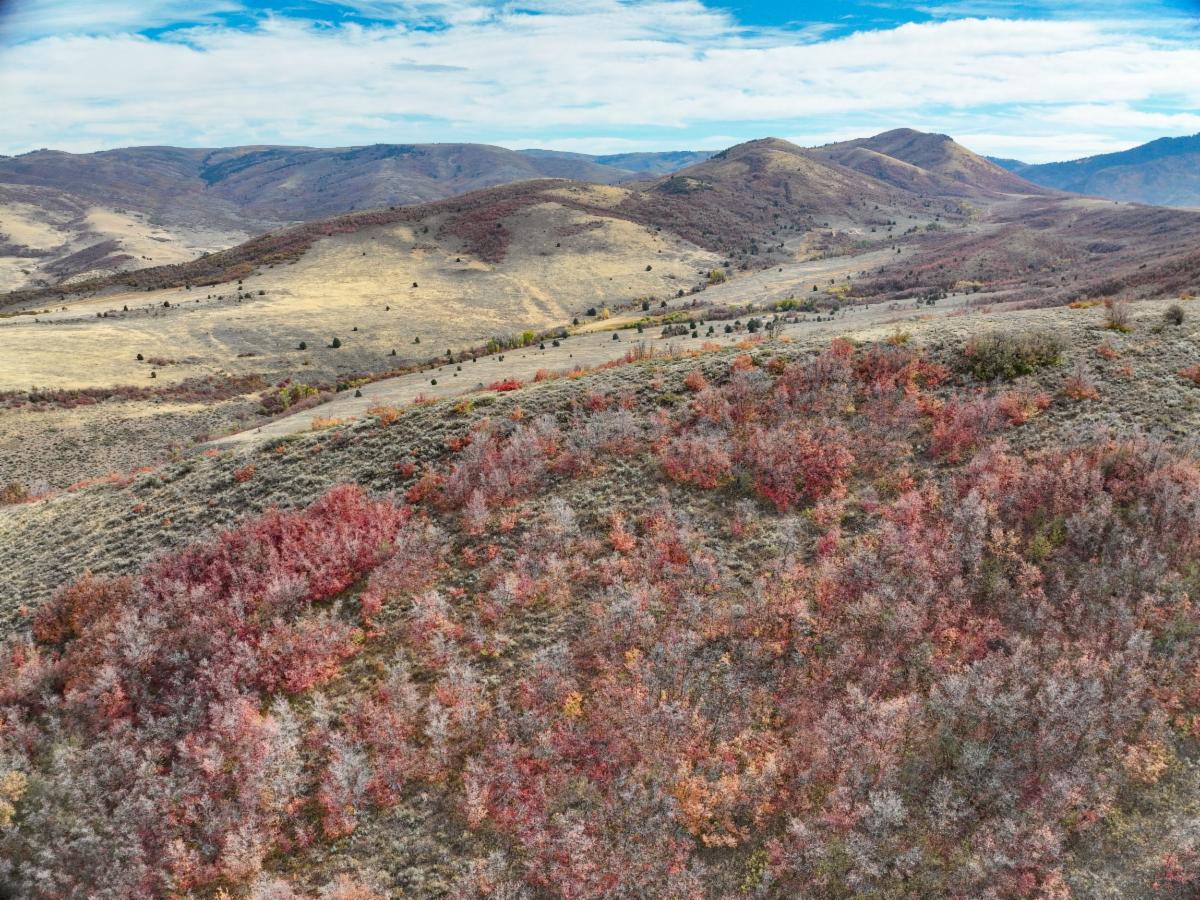
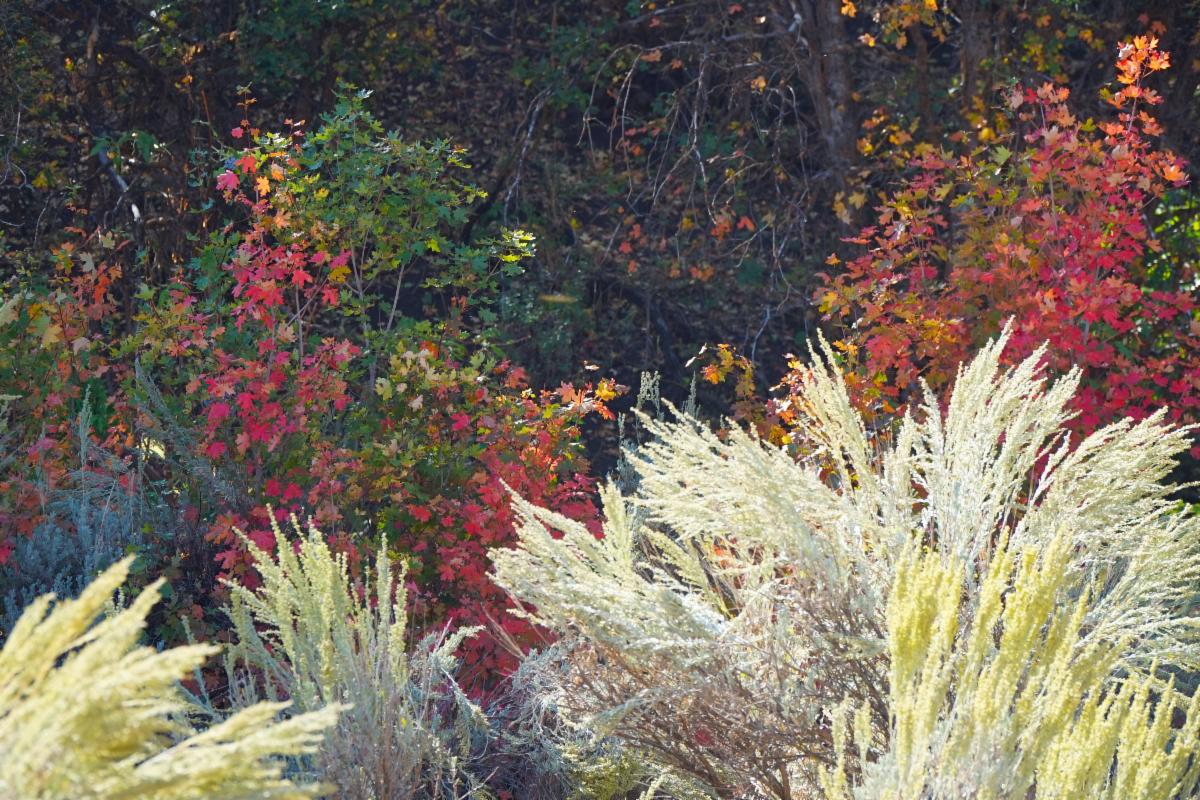
The Bally Watts Ranch adds nearly 3,000 acres of intact sagebrush rangeland, aspen groves, and high-elevation conifers to the Conservancy’s collection of protected lands in Weber County. The property provides essential habitat for elk, moose, and mountain lions, as well as sensitive bird species like Greater sage-grouse and Columbian sharp-tailed grouse — species that require large, unbroken landscapes to survive. In addition, Bally Watts Ranch protects working agricultural lands, safeguards clean water flowing into Pineview Reservoir and the Ogden River, and preserves dramatic ridgelines visible from Snowbasin Resort and Huntsville.
“We have a team of experts in accessing federal funding,” said Summit Land Conservancy CEO Cheryl Fox. “Since 2011 we've completed fifteen conservation easements, bringing in over $46 million federal dollars for conservation here in the Wasatch Back. Summit Land Conservancy is one of only a few land trusts across the United States to achieve Certified Entity status. You get this status by being accredited and by having closed over ten federally funded projects.”
Fox added: “Summit Land Conservancy gets things done. It’s never easy to get federal dollars and it shouldn’t be. The recent scrutiny of federal spending has slowed down some of our projects; the NRCS has also lost seasoned staff and had to rearrange people. So, it is slower, but with our experience, we’re able to navigate the process. At the same time, we don’t put all our eggs in one basket.”
The Conservancy continues to advance a portfolio of projects across northern Utah. “We’re working with the City of Oakley on several projects, we’re protecting the public benefit of the Homestead Resort redevelopment working with Midway City and the developer there; we’re working on three easement donations up near Snowbasin. We also partner with other Utah-based land trusts, like Bear River Conservancy and Ogden Valley Land Trust and The Nature Conservancy, to support land conservation across the state.”
The Conservancy notes that while federal Farm Bill programs remain crucial tools, especially with increased funding through the Big Beautiful Bill, land protection depends on more than federal dollars. “There’s lots to do with and without federal funding,” Fox said, “but none of it is possible without support from individuals.”
|