SPINE AND WELLNESS CENTERS OF AMERICA

For the past 10 years, Spine and Wellness Centers of America has been serving patients in South Florida with the highest level of care and compassion using minimally invasive techniques to treat pain.


We're proud to have helped thousands of patients improve their lives and are excited to celebrate our 10-year anniversary with you. We remain committed to providing exceptional care and support to our patients and look forward to continued success in the future.


At SWCA, we believe the best results come from mutual trust between physician and patient. Our team of Double Board-Certified physicians aims to put their extensive knowledge and combined years of experience toward helping you get back to being you. All of our patients can achieve optimum health with the right support system.


Visit our Website

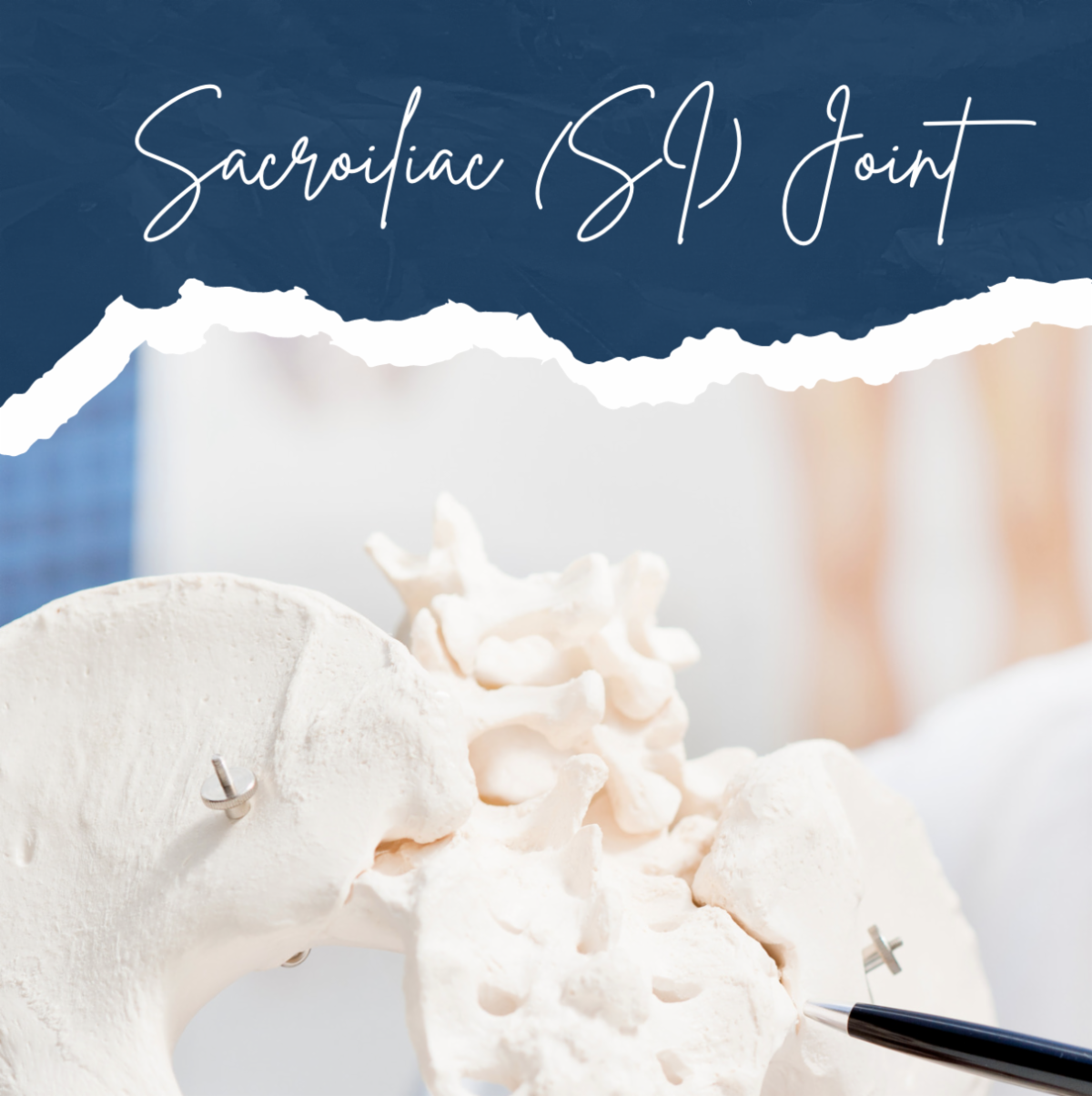
What is the Sacroiliac (SI) Joint?

by María Alejandra De La Peña, MD

The sacroiliac (SI) joint is a joint located between the sacrum and the ilium, which are two bones in the pelvis. The sacrum is a triangular bone at the base of the spine, composed of fused vertebrae, while the ilium is one of the three bones that make up the hip bone. The SI joint connects the sacrum and the ilium, providing stability and transmitting forces between the spine and the lower body.


The SI joint is a synovial joint, meaning it has a joint capsule and is lined with synovial fluid, which lubricates the joint and reduces friction during movement. The joint is reinforced by strong ligaments that help support the pelvis and provide stability. The main functions of the SI joint are to absorb shock, transmit forces between the upper body and the legs, and allow for a small amount of movement. While the SI joint is designed to be relatively stable, it does have some degree of mobility. The movement at the SI joint is generally limited to a small amount of rotation, tilting, and minimal sliding.


Understanding Sacroiliac Joint Problems: Sacroiliac joint dysfunction occurs when there is abnormal movement or inadequate support within the joint. This condition can lead to pain and discomfort in the lower back, hips, and buttocks. The exact cause of SI joint problems can vary from person to person, but common factors include injury, pregnancy, arthritis, and degenerative conditions.


Symptoms of Sacroiliac Joint Problems: The symptoms of sacroiliac joint problems can vary in intensity and duration. Some common signs to watch out for include:

  • Pain in the lower back, buttocks, and thighs.
  • Difficulty in sitting or standing for long periods.
  • Pain while transitioning from sitting to standing or vice versa.
  • Limited range of motion in the lower back or hips.
  • Aching or sharp pain while climbing stairs or walking on uneven surfaces.


At SWCA, we have innovative solutions to treat Sacroiliac Joint Problems such as PaintEQ, Radiofrequency Ablation (RFA), SIFIX Si joint Fusion System, and VYRSA™ V1. Discover if you are a candidate with one of our SWCA physicians.

SI Joint Pain Reduction Exercises

Modified Cobra Stretch:

Lie on your stomach with your forearms on the ground and your elbows bent. Push up through your forearms, lifting your upper body off the ground while keeping your pelvis on the floor. Hold for a few seconds, and then lower back down.

Bird-Dog Stretch:

Start on your hands and knees in a tabletop position. Extend one arm forward while simultaneously extending the opposite leg backward. Keep your core engaged and maintain a neutral spine. Hold for a few seconds and then return to the starting position. Repeat with the opposite arm and leg.


Hydration

Drinking adequate water helps reduce inflammation, as it supports proper circulation and digestion. Additionally, hydration keeps joints lubricated and can help alleviate symptoms like swelling and stiffness. Stay cool and prioritize your health this summer.

Book your appointment

Dr. Michelle Weiner's Academic Research Paper

by Michelle Weiner, DO, MPH

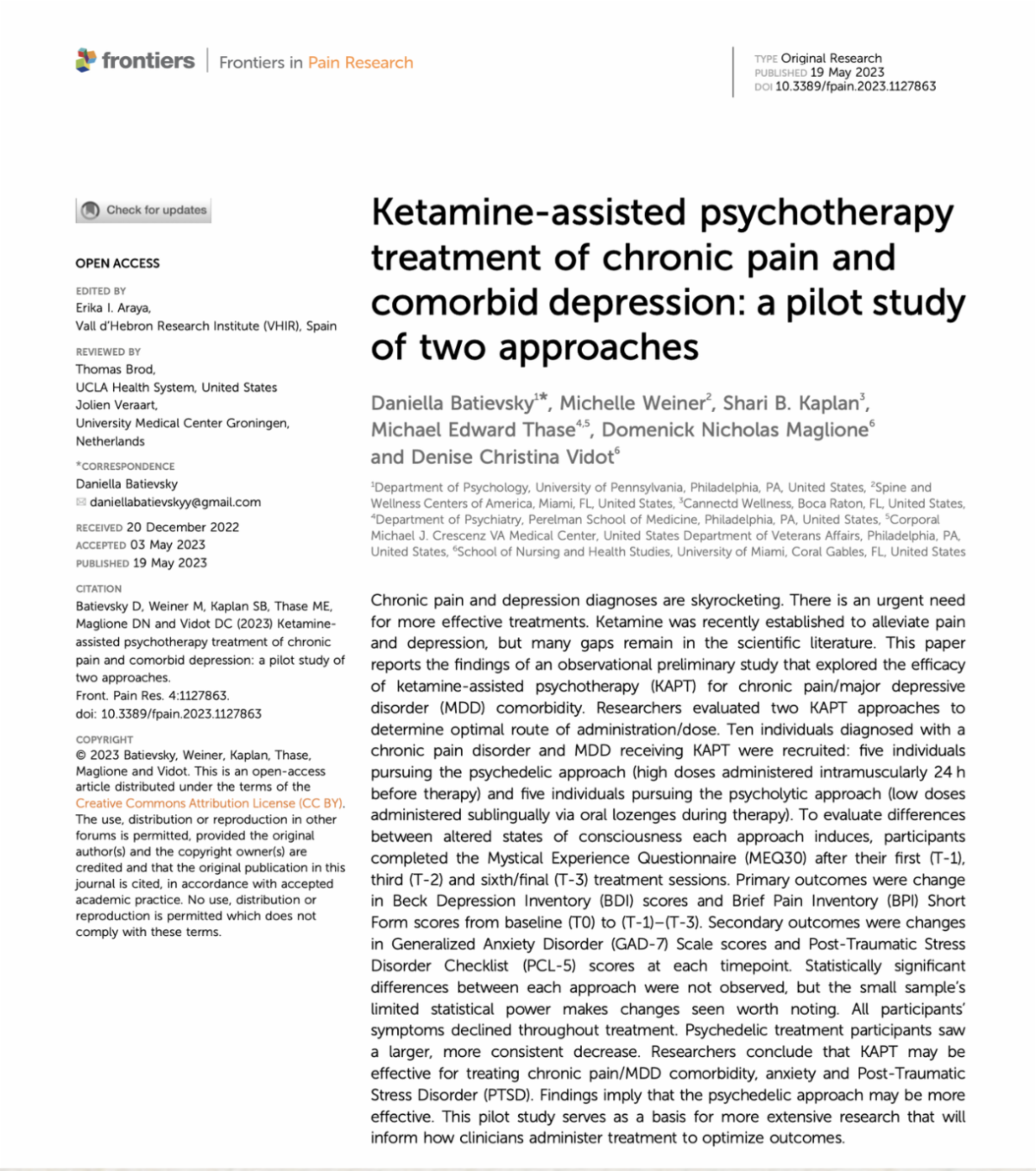
"I am excited to share that my academic research paper was published in Frontiers in Pain Research, section Pharmacological Treatment of Pain!


We researched the impacts of two different approaches to Ketamine-Assisted Psychotherapy (KAPT) treatment on individuals diagnosed with major depressive disorder (MDD) and a comorbid chronic pain disorder. ⁠

⁠

We concluded that ketamine-assisted psychotherapy may be effective for treating chronic pain/major depression disorder comorbidity, anxiety, and Post-Traumatic Stress Disorder (PTSD). Findings imply that the psychedelic approach may be more effective than the low-dose psycholytic approach. This pilot study serves as a basis for more extensive research that will inform how clinicians administer treatment to optimize outcomes.⁠

⁠

I'd like to extend a huge thank you to my co-authors Daniella Batievsky, Shari B Kaplan, LCSW, Michael Thase, Domenick Maglione, and Denise C. Vidot, Ph.D. ⁠" - Michelle Weiner, DO, MPH

Read Study

Follow us on Social Media

Facebook  Instagram  Twitter