OUR MISSION: To be a leading voice in promoting safe, quiet waterways and respectful boating practices through education, advocacy and legislative change.


May 2026 Newsletter

Chair’s Message

Happy May Long Weekend!


The much anticipated spring and cottage opening is upon us! After a long winter it is exciting to get back on the water in all the ways we enjoy.  


Safe Quiet Lakes has been busy over the past few months crafting new education and awareness communication materials and getting organized to be back in the community with those messages. We will also be continuing our project to update our Boaters Code signs at public docks and marinas. We are currently looking to hire a summer student and still open to volunteers for our various committees. Please reach out if you would like to help!


Stay safe and hope to see you on the water.


Warm regards,


Diana Piquette

Chair, Safe Quiet Lakes


It's Safe Boating Awareness Week (May 16-22)

Safe Boating Awareness Week serves as a reminder for boaters to prioritize safety through public awareness about boating safety and an emphasis on the importance of safe and responsible boating practices.


To help boaters focus on what is important, the Canadian Safe Boating Council and its partners are promoting five key boating safety messages directed toward the most common boating-related incidents. They include:


  • Wear Your Lifejacket – If everyone wore their lifejackets while in small open boats, we predict there could be an instant 50% reduction in boating deaths.
  • Boat Sober – It is dangerous and socially unacceptable to drink or take drugs and drive a vehicle. The same holds true for drinking or taking drugs and boating.
  • Take a Boating Course – Like any activity, more knowledge brings more competence and pleasure. Boating is no different.
  • Be Prepared – You and Your Vessel – Mechanical breakdowns and running out of gas account for over 80% of the calls for help. Most of these embarrassing incidents are preventable by ensuring your vessel is serviceable, you have sufficient gas. Part of being prepared is also making sure that the weather and water conditions are suitable for your day out on the water.
  • Be Cold Water Safe – Cold water is an environmental factor that all boaters should understand and prepare for. 


For more information visit the Canadian Safe Boating Council Website here.

Pleasure craft licences now have an expiration date


If you own a motorized boat (10+ horsepower), check if your licence now has an expiry date. Be ready to renew every 5 years and expect to pay the $24 fee.


Recent changes to pleasure craft licences (PCLs) across Canada came into effect through Transport Canada regulations on December 31, 2025. These updates are important for boat owners heading into the 2026 season.


Join MLCC Jan 2026 bigbox article

Previously, many boat licences were valid for life. That’s no longer the case.


  • All new and renewed licences are now valid for 5 years
  • Existing lifetime licences are being phased out and given expiry dates

Some older licences (especially pre-1975) are already expiring in 2026, while others will phase out by around 2030.


Starting December 31, 2027, wind-powered pleasure craft over 6 metres long will need a Pleasure Craft Licence


According to Transport Canada, the updates aim to improve boating safety, keep owner information accurate, help address abandoned or unsafe vessels, and support search and rescue efforts.

Join the Safe Quiet Lakes Team This Summer!

Looking for a job in Muskoka this summer?


Safe Quiet Lakes is hiring a motivated post-secondary student to join our team this summer! If you’re passionate about communications, community engagement, and protecting our lakes, we’d love to hear from you.


This role includes:


🌊 Creating social media content and supporting marketing initiatives

🌊 Connecting with the community through outreach and education

🌊 Promoting safe and respectful boating practices across Muskoka


This is a hybrid position based in the Muskoka region, with opportunities to attend local events and weekend activities. Access to a vehicle is required.


This role is funded in part through the Canada Summer Jobs program.


Interested? Send your resume and a short cover letter to outreach@safequiet.ca


Find the job description here.


Resources for Your Lake Association This Summer


As boating activity increases across our lakes this season, Safe Quiet Lakes is here to support lake associations in promoting safe, respectful, and enjoyable lake use.


We provide educational materials on boating safety, wake management, PWC use, and engine noise, along with printed signs such as “No Wake” and our new “Boater’s Code” signs.


We can also contribute newsletter or website content, attend AGMs and community meetings, and support outreach initiatives tailored to your lake or region.


If your association is planning seasonal communications or events, we would be pleased to help with resources, materials, or presentations.


Contact us at outreach@safequiet.ca

Understanding Give-Way vs. Stand-On: The Simple Rules That Are Easy to Forget


From BoatBlurb:


On a busy summer afternoon, there’s a moment every boater eventually faces: another vessel is approaching, neither of you is slowing down, and both operators are quietly wondering, who’s supposed to move?


It isn’t about politeness or size. It’s governed by a clear, and often misunderstood, set of rules. There has never been a better time to read up on the International Regulations for Preventing Collisions at Sea, also known as COLREGS.


At the core to understanding give-way vs. stand-on are three basic encounter types: crossing, overtaking, and head-on. Put another way, the core of boating navigation is about understanding who is the "give-way" vessel and who is the "stand-on" vessel.


In a crossing situation, the boat on your starboard (right) side has precedence. That means if another vessel is approaching from your right, you are the “give-way” vessel. You must alter course early and obviously. The biggest mistake boaters make here is hesitating or making small, unclear adjustments. If you are giving way, make it obvious.


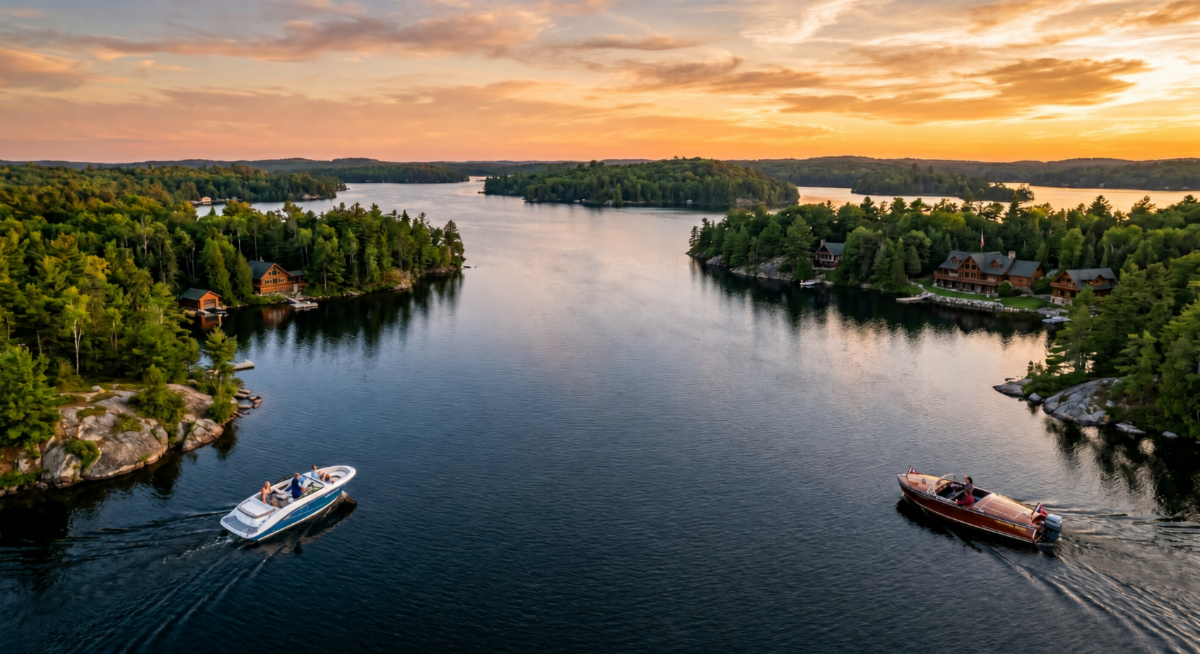
Head-on situations are simpler in theory but are still frequently mishandled. When two boats approach directly, both should alter course to starboard, essentially passing port-to-port. Yet many operators either freeze or make last-second moves that create confusion.


You can find the full article here.


You can subscribe to BoatBlurb here.

We build partnerships to encourage conversations about respectful boating and to lead change through education and advocacy. Your donation will help drive our programs.


Have questions? Contact us at outreach@safequiet.ca

ABOUT US  YOUR ROLE  INFORMATION & RESOURCES  DONATE  CONTACT US

Join the Conversation
Facebook  Twitter  Instagram  Youtube