|
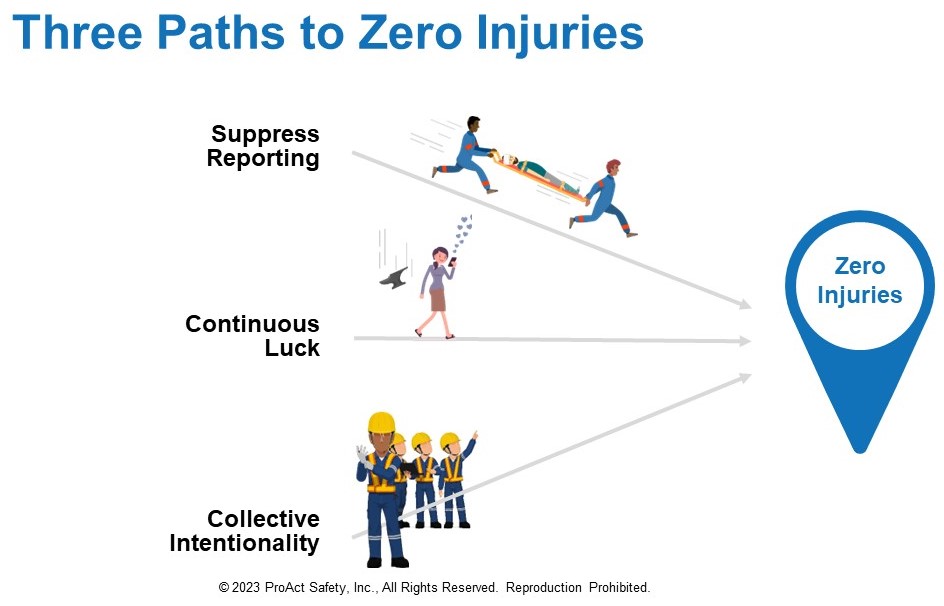
Zero incident goals may feel inspiring, but they often motivate risk-taking, not excellence. When "safety" gets defined as "no incidents," people learn a dangerous shortcut: "If nothing happened, it must have been safe."
That belief is how complacency grows. Risk gets normalized. And eventually, leaders say things like, "How did we miss that?" or "I can't believe that experienced person did that."
Think about health. Is health the absence of visible symptoms? Or is it early detection and early response? Safety works the same way. Excellence is not just avoiding failure. It's building the ability to detect weak signals, respond to deviations, and improve before someone gets hurt.
So ask yourself: What do we want, specifically, in safety?
What behaviors, what conditions, what follow-through?
Are we measuring success… or just the absence of bad news?
This week: pick one leading measure that proves you're getting safer, not just getting luckier.
|