Safety Topic - The Capacity Model

As we embark in a new year we can reflect on the successes and the challenges we faced in 2023. One thing that we will carry on with us is the focus on getting all our fellow employees home safely every day.


The Capacity Model shifts the focus from simply preventing mistakes to building the space or capacity for these mistakes to happen safely. By introducing the capacity to fail safely into the workplace, mistakes can be absorbed without major injury or death.

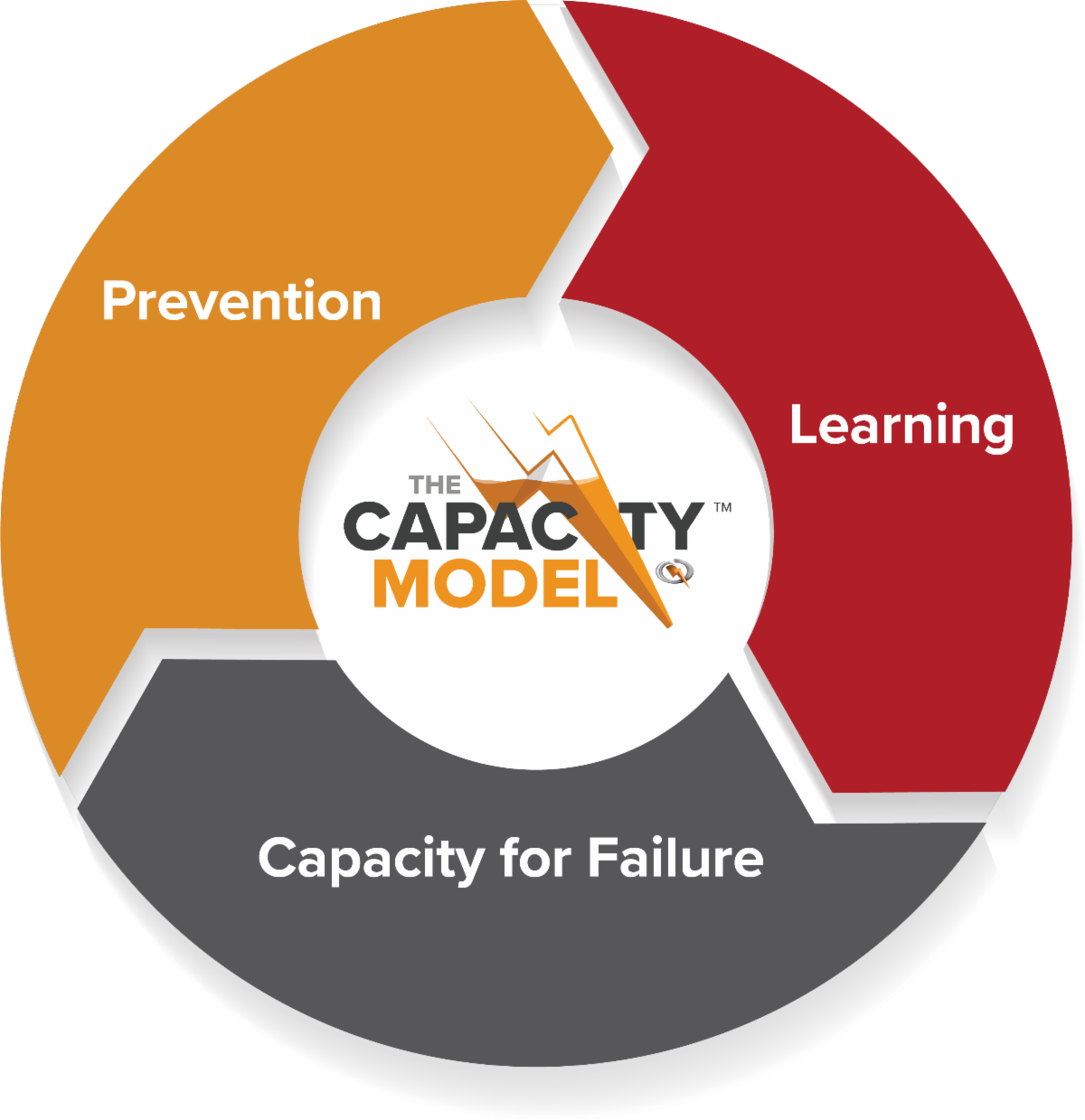
The Capacity Model seeks to change the game by taking a three-part approach to safety: prevention, learning, and capacity for failure.

  1. Prevention: Continue to work at preventing accidents from occurring.
  2. Learning: Accept that mistakes are inevitable in life and business; learn from them to improve prevention and build capacity.
  3. Capacity for Failure: Apply enough safeguards and controls to absorb the consequences of an incident safely (without seriously injuring or killing anyone) when a mistake occurs.

All three pillars of The Capacity Model—prevention, learning, and the capacity to fail safely—work together to drive us relentlessly toward the elimination of life-threatening, life-altering, and life-ending events.


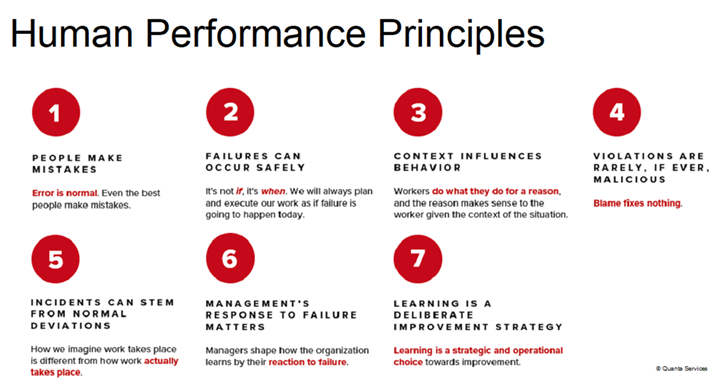
At the core of The Capacity Model™ is a human performance philosophy. Human performance is the ways people interact with their real-life work environment—their tasks, equipment, coworkers, physical setting, and culture. It is how normal human behavior plays out in the workplace. The Quanta human performance principles are the foundation of The Capacity Model and acknowledge that as imperfect people deal with the constantly changing demands of their jobs, there will inevitably be failures and mistakes. No amount of training has ever, or will ever, change that fact. Quanta’s human performance principles are:

The Capacity Model features four distinct elements for creating capacity.

  1. STKY (Stuff That Kills You)
  2. A focus on the hazards that can seriously injure or kill people.
  3. The Quanta Energy Wheel
  4. A hazard-identification tool that should be used before and during work to identify hazards.
  5. Operational Learning
  6. An approach to learning that promotes successful operations and prevents negative events from repeating. Operational learning relies on front-line workers to explain the context of how a particular work activity actually gets done.
  7. STKY Controls Framework
  8. Safety controls that empower workers to start work.


At Summit Line Construction, safety is a core value. The Capacity Model is driven by leadership and leaders are responsible for ensuring the safety of their people. Quanta’s management team creates a culture in which employees also have the opportunity and responsibility to take ownership for their safety and the safety of their coworkers. We’ve always held the belief that our most valuable asset – what truly sets us apart – is our employees. At the end of the day, there’s nothing more important than our employees coming home safely.


Stay Safe!

Nate Strickland

Safety Director