|
Since joining My Sister's Place just over six months ago, I've been listening to the people who come through our doors, and what I've learned has shifted how I think about our work entirely.
Domestic violence isn't simply a safety crisis—though safety matters deeply. It's an economic crisis. It's a cultural crisis. More than one in three women and one in six men have experienced domestic violence in their lifetime. And here’s what we know: survivors often stay in unsafe situations not because they want to, but because they lack the financial resources, housing options, job access, and support systems to leave. Research shows that financial abuse occurs in nearly all domestic violence cases—as many as 99%—yet it's rarely talked about. It’s one of the most powerful reasons survivors stay, or return. Economic dependence becomes a trap. Cultural isolation becomes a barrier. Safety alone doesn't solve this.
At My Sister's Place, we refuse to stop at safety. We're committed to walking with survivors throughout their entire healing journey. We know that survivors don't need rescue—they need partnership. From the moment someone walks through our doors, through safe, affordable housing, through job training and workforce development, we're building supportive communities, secure homes, and pathways to economic security and mobility. We work alongside people as they heal, build stability, and create the futures they envision for themselves and their families.
In October, as we observe Domestic Violence Awareness Month, I'm asking all of us—survivors, allies, neighbors, community members—to reframe how we talk about this work. Safety is essential. But it’s just the beginning of the journey to independence and a life filled with possibility.
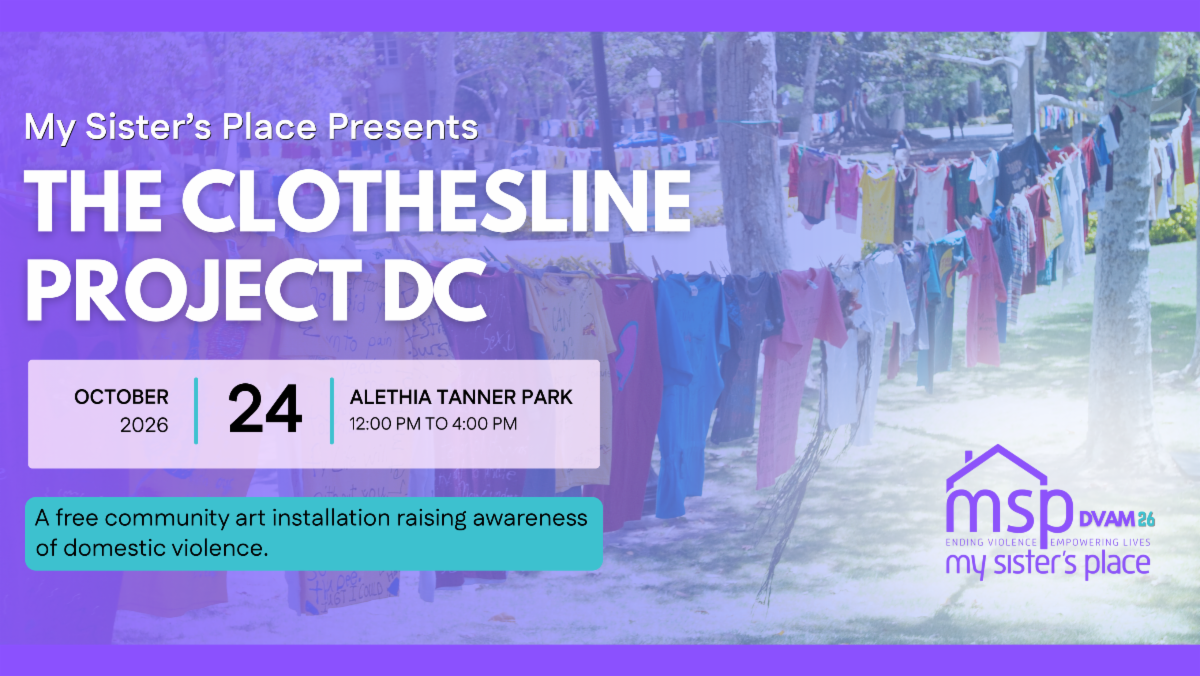
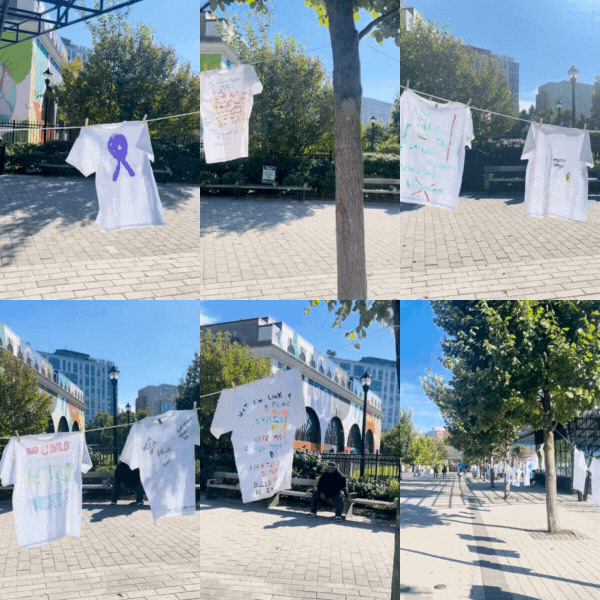
That’s why I’m inviting you to The Clothesline Project DC on Saturday, October 24 at Alethia Tanner Park. This free, family-friendly gathering is at the heart of how we observe Domestic Violence Awareness Month—a space for survivors, allies, and neighbors to gather and be heard. It's an afternoon to celebrate healing, solidarity, and the power of our collective voice.
Whether you come to participate, to support, or simply to stand with us, your presence matters. You'll see that survivors aren't defined by what happened to them. You'll witness what healing looks like when we show up for each other, and when we commit to the futures that every person deserves.
Together, we're redefining what survivor support looks like: one centered on healing, stability, and opportunity. I hope you'll join us.
|