New Advisory Board member and New Emerging Issues paper.
Summer update from Ginny Broadhurst:
Our colleagues at Border Policy Research Institute are documenting reduced traffic and economic hardship at the US/Canada border. It’s no surprise that Canadians are reducing their trips to Washington state due to anger and frustration with new tariff policies. What can we do? We talked about the current situation and shared some ideas during a recent webinar and you can watch the recording here: https://foundation.wwu.edu/event/trust-tension-and-action-border.
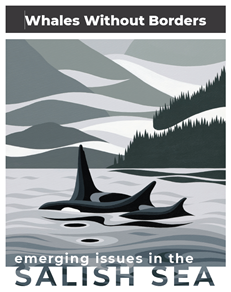
The Salish Sea Institute hosts discussions and builds collegial relationships across the Salish Sea. This work feels ever more important during this time of political tension with our Canadian friends and neighbors. We share research along with management challenges and successes through our Emerging Issues series. We’re proud to announce the latest paper Whales Without Borders (link below), written by Chloe Robinson from Ocean Wise in British Columbia. Chloe is in our Salish Sea Fellows Program.
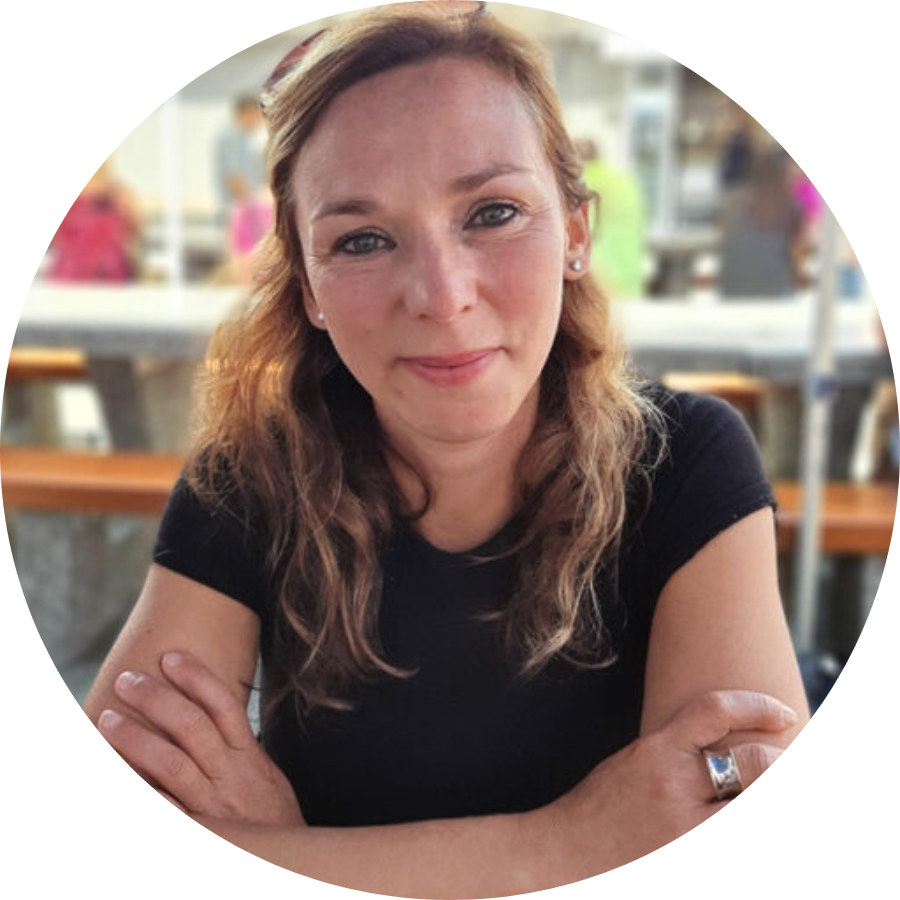
We are excited to welcome Dr. Beatrice Frank as a new member to the Salish Sea Institute Advisory Board.
Beatrice's work has spanned multiple sectors, from academia and government to non-profits, consulting, and Indigenous collaboration. Working with and for Indigenous communities has impacted her deeply, has exposed her to intergenerational knowledge and values, and taught her to listen with care, communicate with mindfulness and practice with reciprocity. Through these extensive collaborations, she has gained a nuanced understanding of environmental policy, governance, and advocacy, always focusing on equity, fairness, mutual learning and respectful, innovative, and inclusive approaches, which she hopes to further nurture at and with the Georgia Strait Alliance.
We also want to take this opportunity to thank Dr. Erin Meyer for the time she served on the Salish Sea Institute's Advisory Board.
Emerging Issue Series Published 2025
It's July 2025 and a new Emerging Issues paper has been released. Let's take a look at it Issue # 10 and the other 3 Emerging Issues papers released this year.
Chloe Robinson writes about the insufficient protections afforded whales and their prey in the Salish Sea. Specifically for the Southern Resident killer whales who are facing extinction due to limited cross-border cooperation, gaps in legislative protection, and frameworks. However, enhanced protection of whales and their prey is possible within the Salish Sea with identifying and developing unified pathways. Through learning and reflecting on current strategies on either side of the border, a greater understanding of legislative processes between both countries can be achieved, which in the long-term will facilitate more cohesive and robust environmental protections.
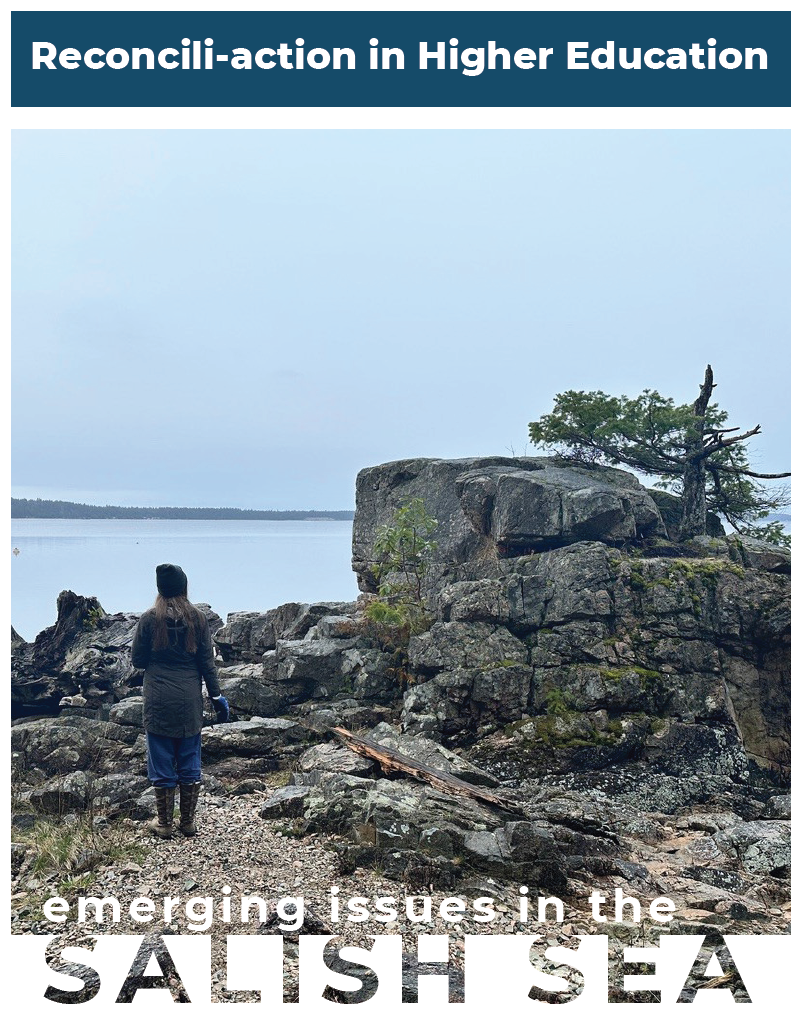
WWU students Tegan Keyes, Liz McLane and Professor Nick Stanger write about the course "Socio-ecology and Reconcili-action in the Northern Salish Sea" offered through Western Washington University. This class wove together land-based learning and relationship building to engage students in reconciliation. They describe the challenges and insights gained, as well as critically examine the conception, implementation and lasting impact of the course.
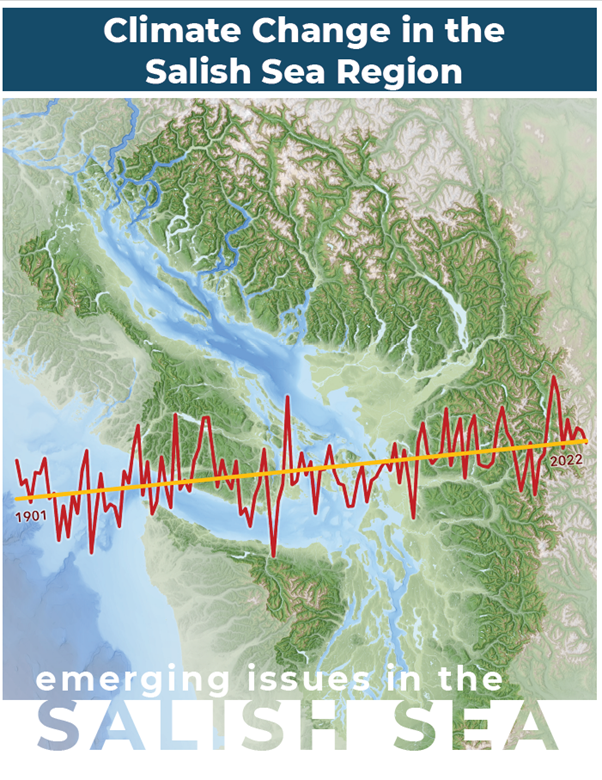
Aquila Flower and colleagues write about their work comparing historical and projected future trends in temperature and precipitation to the Salish Sea region. This work is important as it spans the U.S.-Canadian border providing a full scope of climate change impacts in this region. This information is vital to help local and regional communities prepare for, mitigate, and adapt to the changing climate.
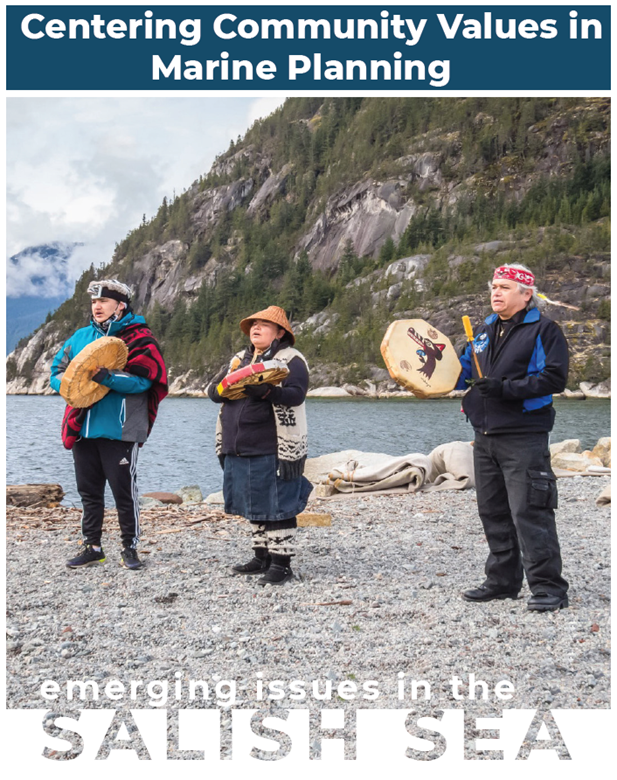
Fiona Beaty writes about a community mapping project from Howe Sound (Átl’ka7tsem) near Vancouver, BC that provides lessons for other areas in the Salish Sea. The maps visualized place-based values and revealed why these locations are important to community members. This data is critical to consider when maps are used to inform decisions about ocean access and management. This study illustrates a local and Indigenous-partnered approach that centers community values and knowledge in early marine planning stages.
If you have missed any of our previous publications, or want a location where you can go to find new publications when they come out. You can check the Emerging Issues in the Salish Sea Series page on the Salish Sea Institute website where all of the Emerging Issues publications will be listed.
Salish Sea Institute | 516 High Street MS 9110 | Bellingham, WA 98225 US