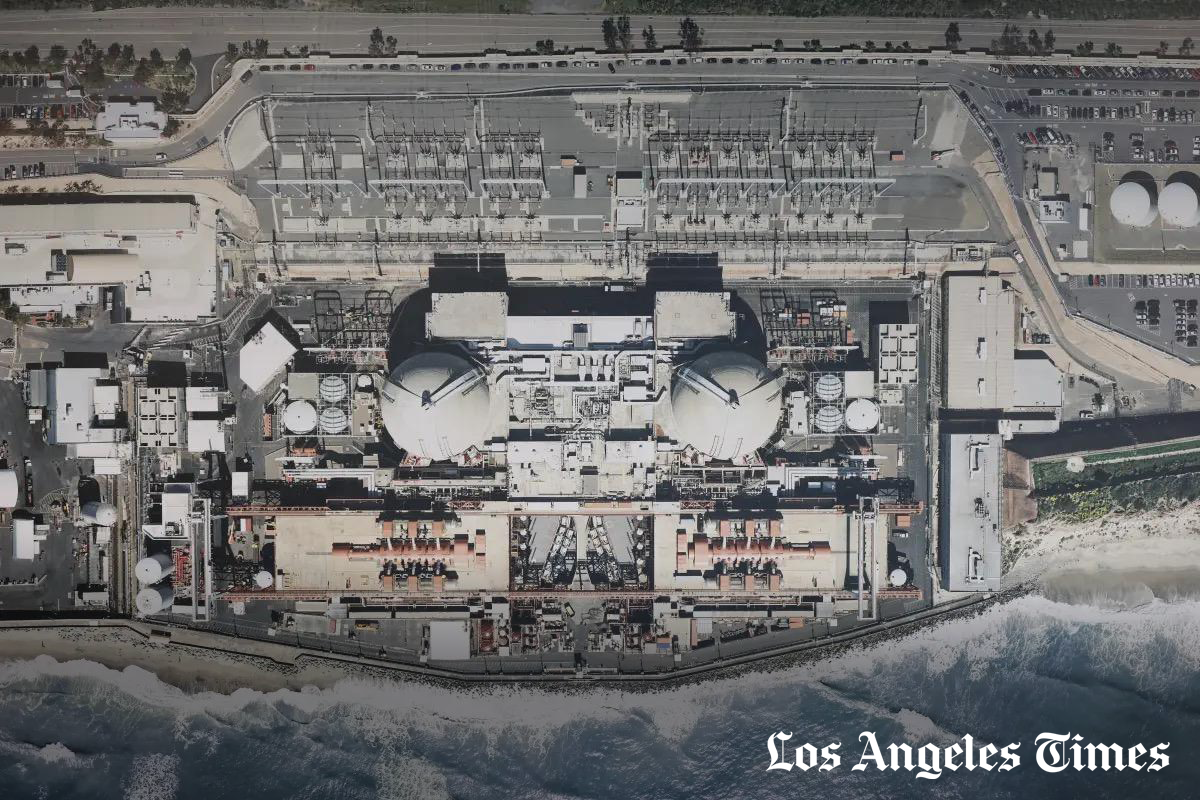
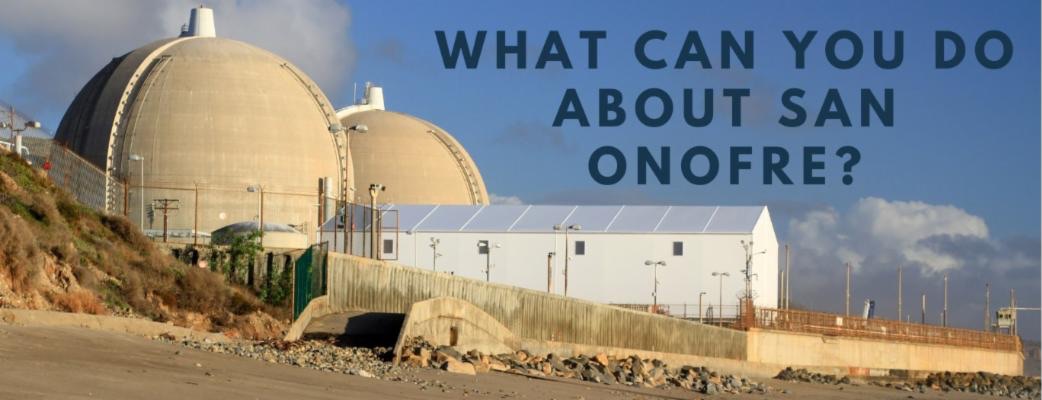
Stay informed about nuclear waste risks on our coastline | | SLF in the Los Angeles Times | | The conversation SLF has been driving reached the front page of the Los Angeles Times. An August 28 article on the future of San Onofre's radioactive waste draws on our Scripps Seaside Forum symposium and features several of our speakers, alongside Southern California Edison's own case for its storage system. The piece lands on a point we've made for years: even the utility companies want the waste moved. It also takes readers inside the decommissioning site and looks at the Department of Energy's proposed nuclear lifecycle campuses in five states, the latest federal attempt at a path forward. | | |
SLF Sponsoring
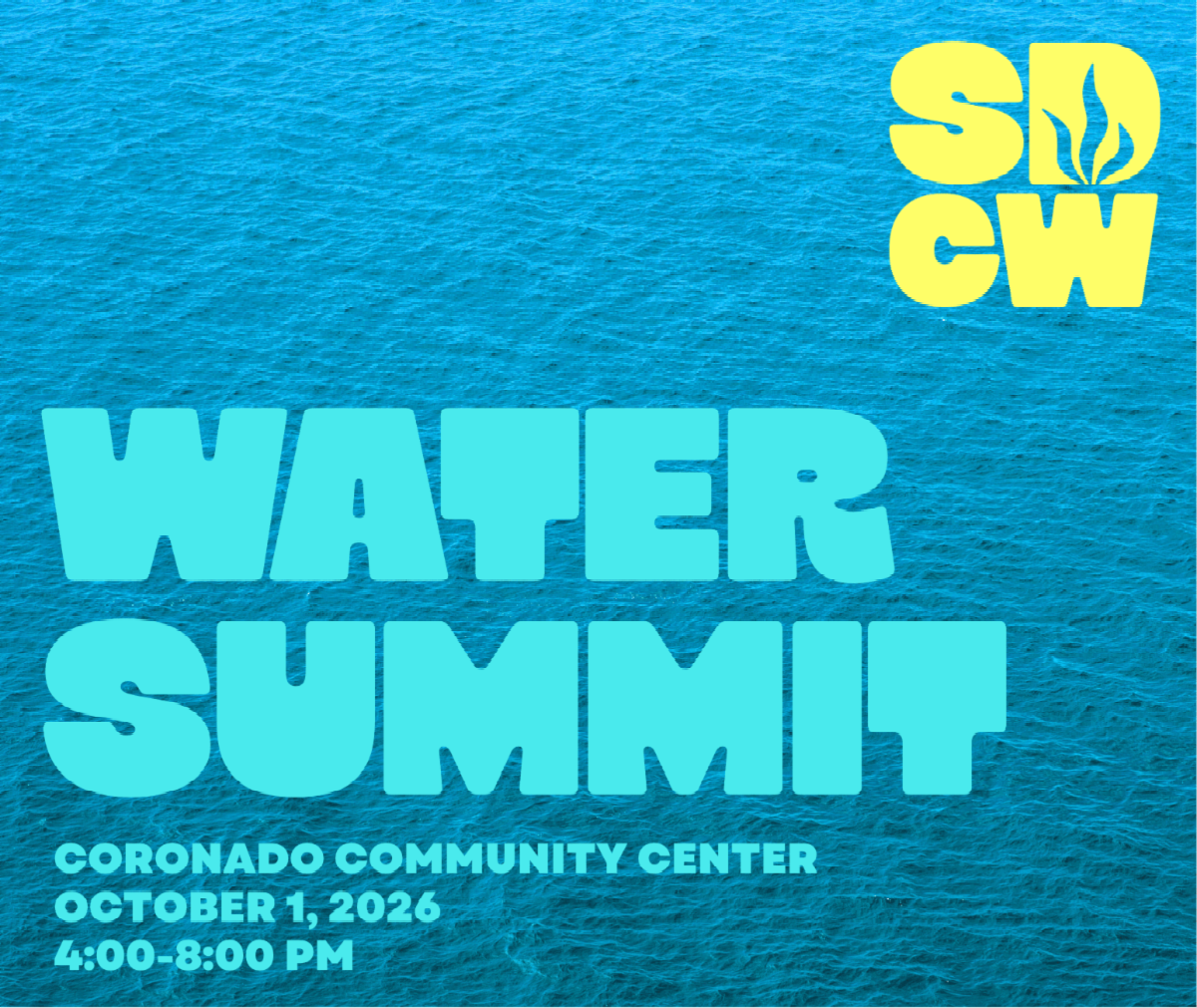
San Diego Climate Week Water Summit
| | |
We are excited to join WILDCOAST as a sponsor of the San Diego Climate Week Water Summit on October 1 at the Coronado Community Center. Come hear SLF President, Bart Ziegler, provide remarks on the San Onofre waste crisis. Please join!
Event details:
- 4PM: Ceremonial Paddle Out, a visual protest in hazmat suits at the shoreline.
-
5PM: Make Waves Fair (Come say hello or volunteer for our table!)
- 6PM: Tri-National panel on the Tijuana River sewage crisis with leaders from both sides of the border and Tribal nations
- 7PM: Solution-focused breakout sessions (SLF- led session on nuclear waste).
This year's climate week is particularly important as a new United Nations report says crossing the 1.5 degree Celsius threshold is nearly unavoidable. The potential impacts are staggering. For SLF's work on moving nuclear waste off the coast, we are especially concerned about the risks of intensified extreme weather and rising sea levels. Now it's a matter of collectively and urgently pursuing adaptation and mitigation actions to limit peak warming and bring temperatures back down quickly.
| | |
Join Us for Science on Tap:
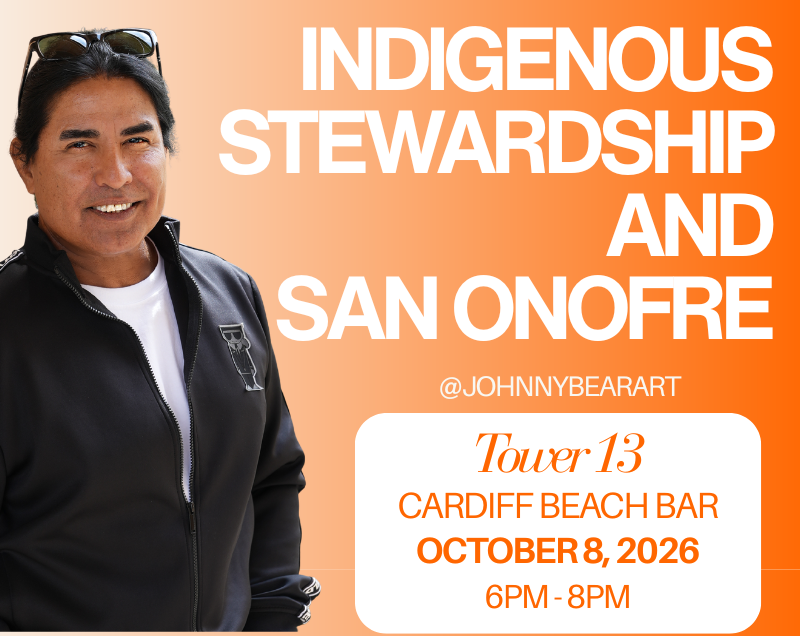
October 8 with Kumeyaay Tribal Leader Johnny Bear
| | |
As part of San Diego Climate Week, our next Science on Tap brings Johnny Bear of the Kumeyaay Nation (San Pasqual Band) to discuss what tribal consent means, and why it matters for decisions about nuclear waste. The Kumeyaay have lived along this coast for thousands of years, long before San Onofre was built, and their perspective is essential to any conversation about what happens to the 3.6 million pounds of spent fuel stored there now. Federal proposals for moving nuclear waste increasingly depend on consent from the communities asked to host it, and tribal nations are central to that question.
Grab a drink, bring a friend, and join us for an evening of conversation.
Where: Tower 13 in Cardiff
When: Wednesday, October 8, from 6:00 to 8:00 PM
Tickets are $10 and open to the public. Parking lot and bike racks available; carpooling and rideshare recommended.
| | House of Representatives Holds Hearing on Spent Nuclear Fuel | | On September 15, the House Energy and Commerce Committee held a hearing on spent nuclear fuel policy and the Nuclear Lifecycle Innovation Campuses. Much about the campuses remains undefined, and SLF sees them as one potential path toward the lasting, safe solution for spent nuclear fuel that communities like ours have long sought. We were concerned, however, by parts of the hearing: safety questions received little serious discussion, and some proposals would commit host communities early in the process, before key details are settled. SLF's position is straightforward. We will work in good faith with any partner, but any siting framework must be built on meaningful, informed consent and must prioritize solving the waste problem permanently. We are working with Congressional offices toward that framework, and we'll share ways for readers to weigh in as the legislation develops. | | |
Thank You for Joining the
San Onofre Symposium!
| | |
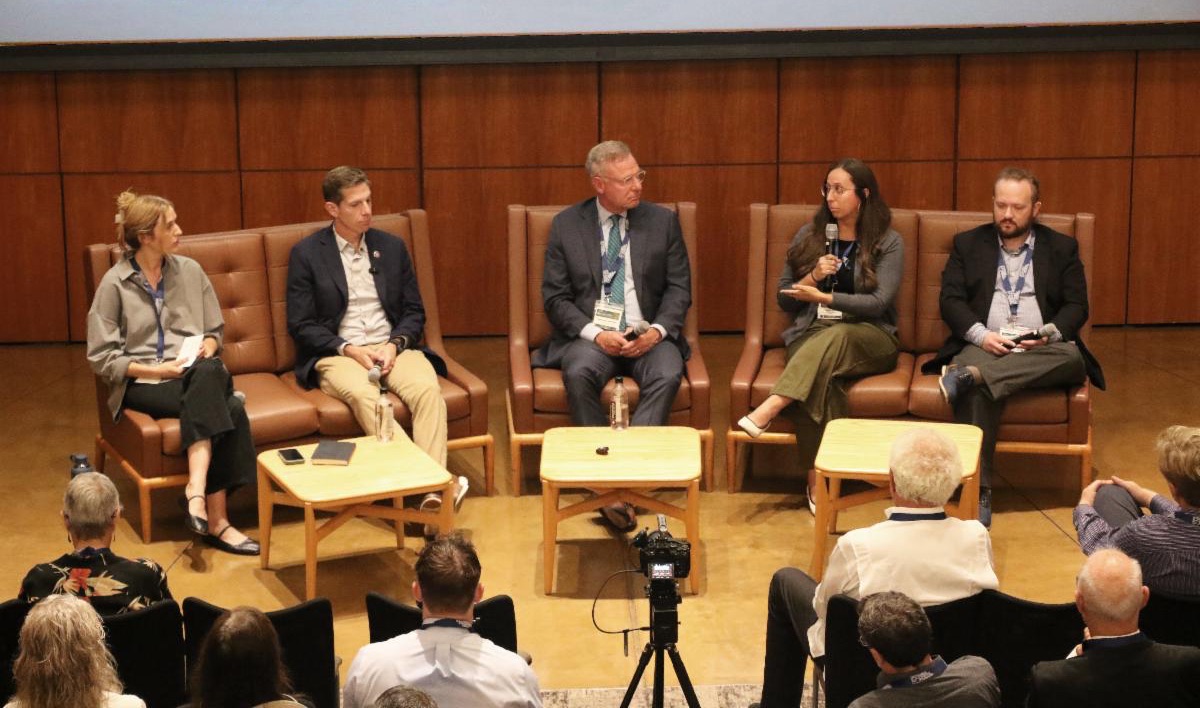
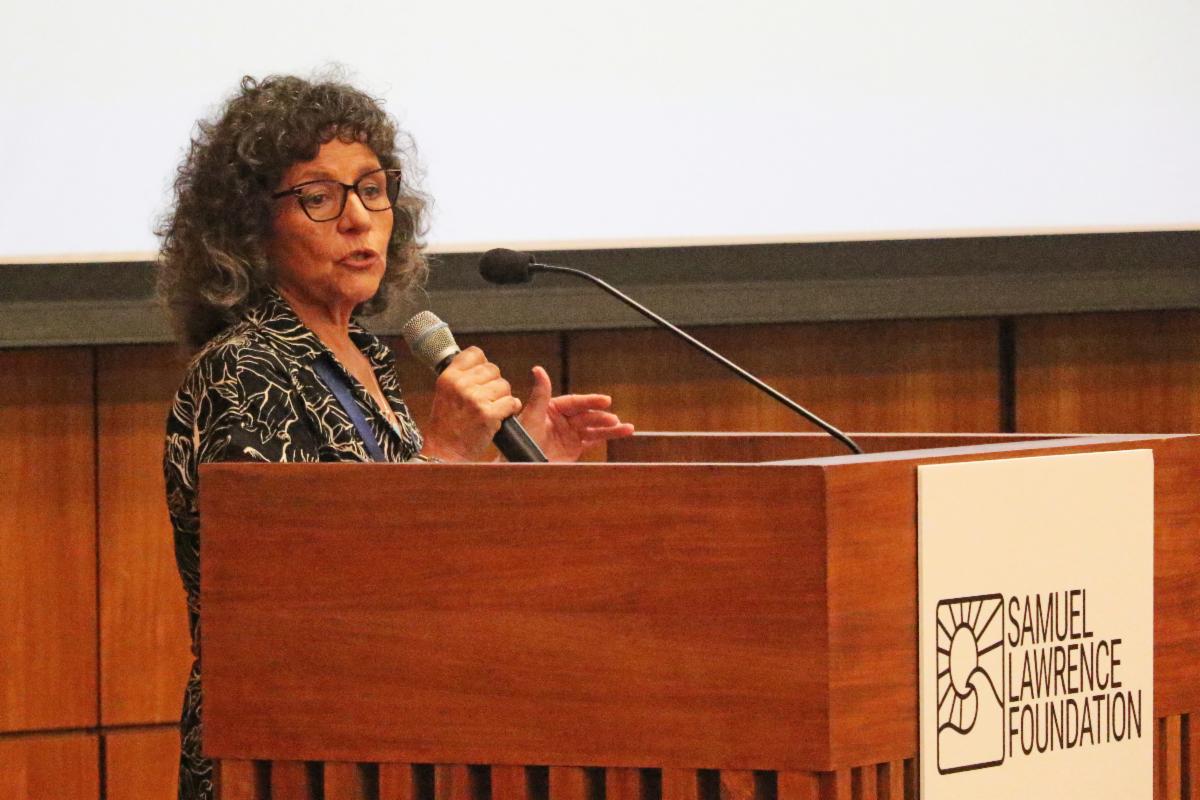
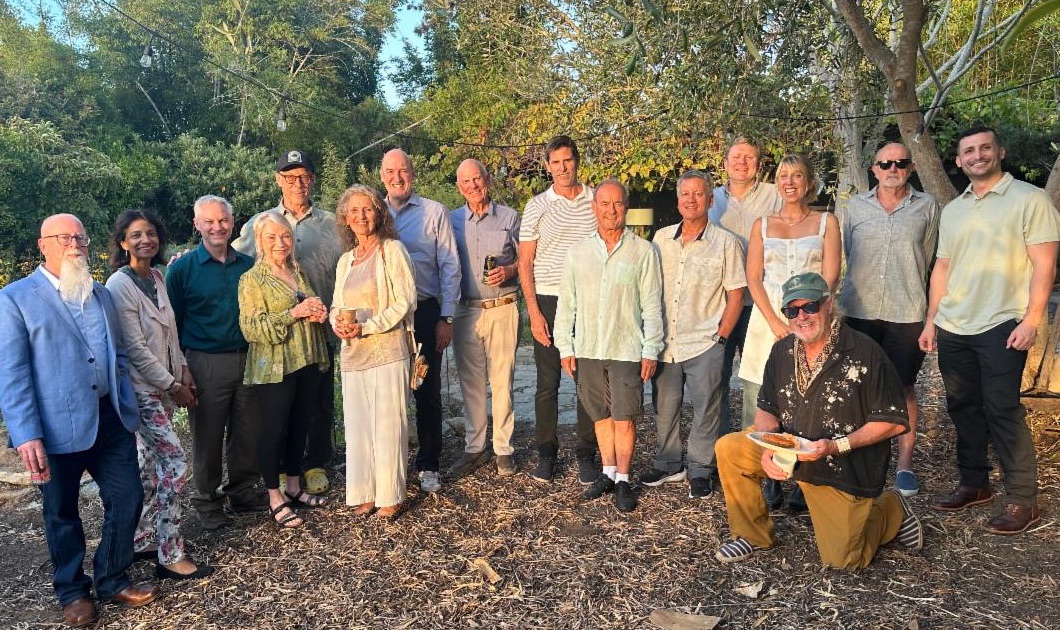
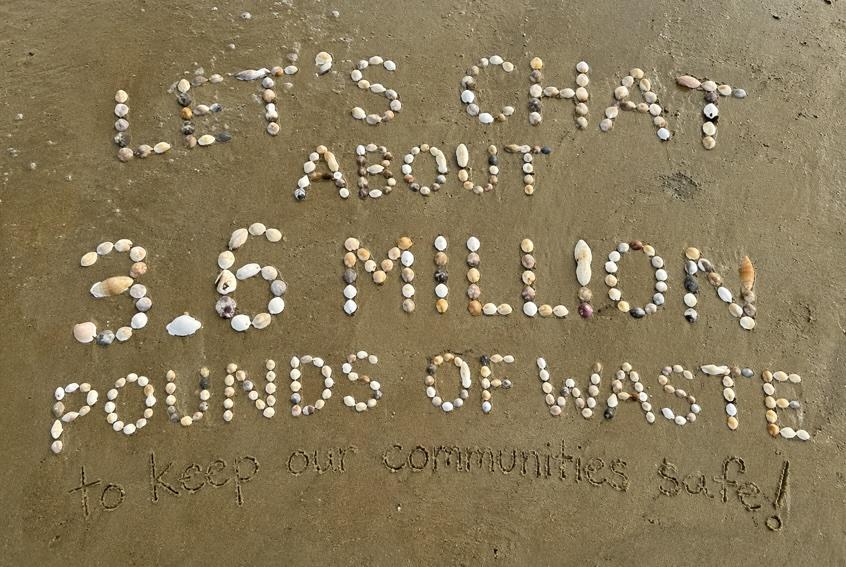
On August 20, our symposium brought together scientists, former regulators, and elected officials to confront the 3.6 million pounds of spent nuclear fuel stored on the beach between Interstate 5 and the Pacific. Thank you to everyone who joined us!
A common thread that ran through the day was that there is still no national plan to move the waste. Speakers described a facility sitting near San Diego County's primary earthquake fault, while the federal government pays $2 million a day for its failure to find a permanent disposal site. The former Nuclear Regulatory Commission chairman, Dr. Greg Jaczko called San Onofre the test case for whether the country can manage its nuclear waste at all.
Presenters also shared emerging research on health impacts near nuclear sites and new ideas for creating a clean energy system for California that does not need to rely on nuclear energy.
Solutions exist, but they require the political will to pursue them.
| | Our Symposium Keynote Speaker Tina Cordova Addresses the United Nations | | |
Tina Cordova, keynote speaker at our San Onofre Symposium, addressed the United Nations General Assembly on August 31 to mark the International Day against Nuclear Tests.
Cordova founded the Tularosa Basin Downwinders Consortium more than 20 years ago to fight for New Mexicans sickened by the 1945 Trinity Test, the world's first nuclear detonation. Her advocacy helped secure the 2025 expansion of the Radiation Exposure Compensation Act, a bill that provides restitution to generations of families (including her own) with serious illnesses stemming from radiation exposure.
Her message to world leaders was that compensation is not enough. Eighty-one years after Trinity, she called for a world without nuclear testing and without nuclear weapons.
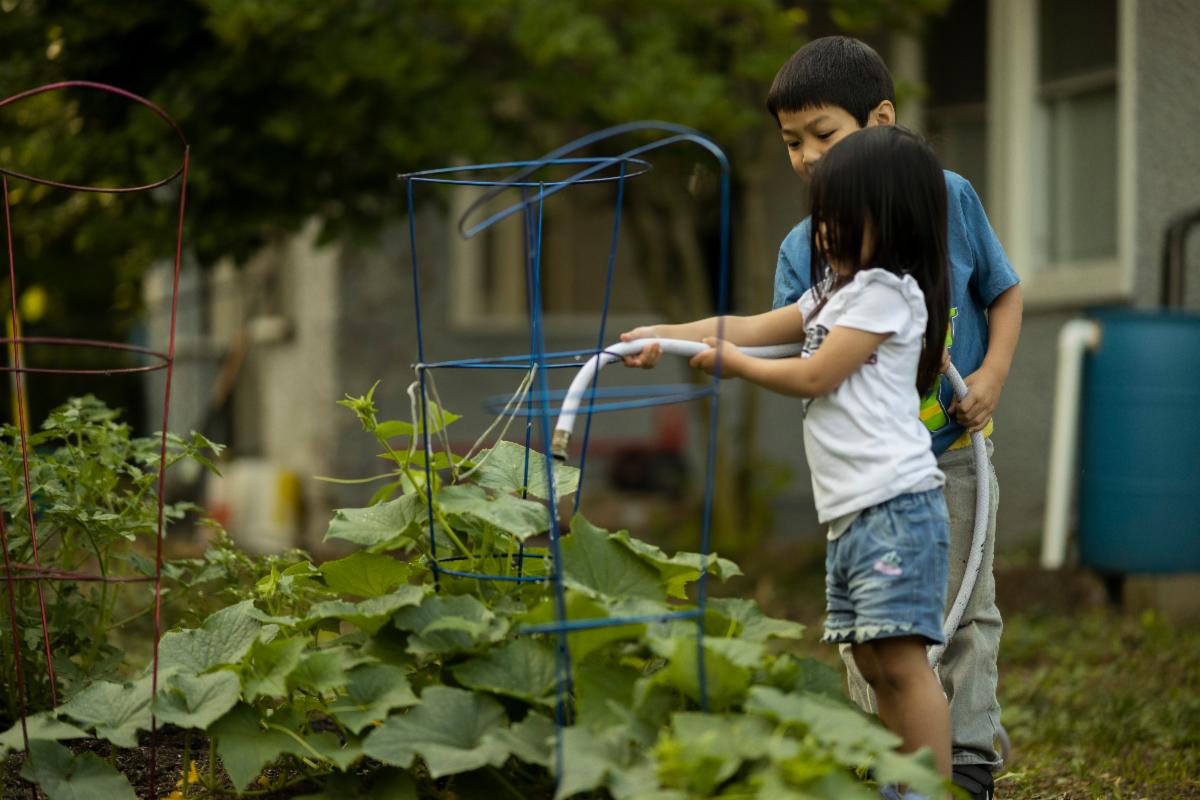
| | SLF Program Highlight: Barrio Botany | | Barrio Botany, one of SLF's fiscally sponsored programs, is launching "Semillas del Barrio," an early childhood education pilot serving under-resourced families in a home-based Head Start preschool program. Working with two nonprofit partners, the pilot trains home-visiting coaches to help parents lead a flexible food discovery curriculum in their own kitchens. Children ages 3 to 5 explore new foods through hands-on "Tastivities," sensory activities that build early habits around healthy eating. Each participating family also receives a microgreens growing kit, so kids can sow, harvest, and taste fresh produce at home. | | |
The Public Has Spoken:
U.S. Must Maintain Radiation Exposure Safety Standards
| | |
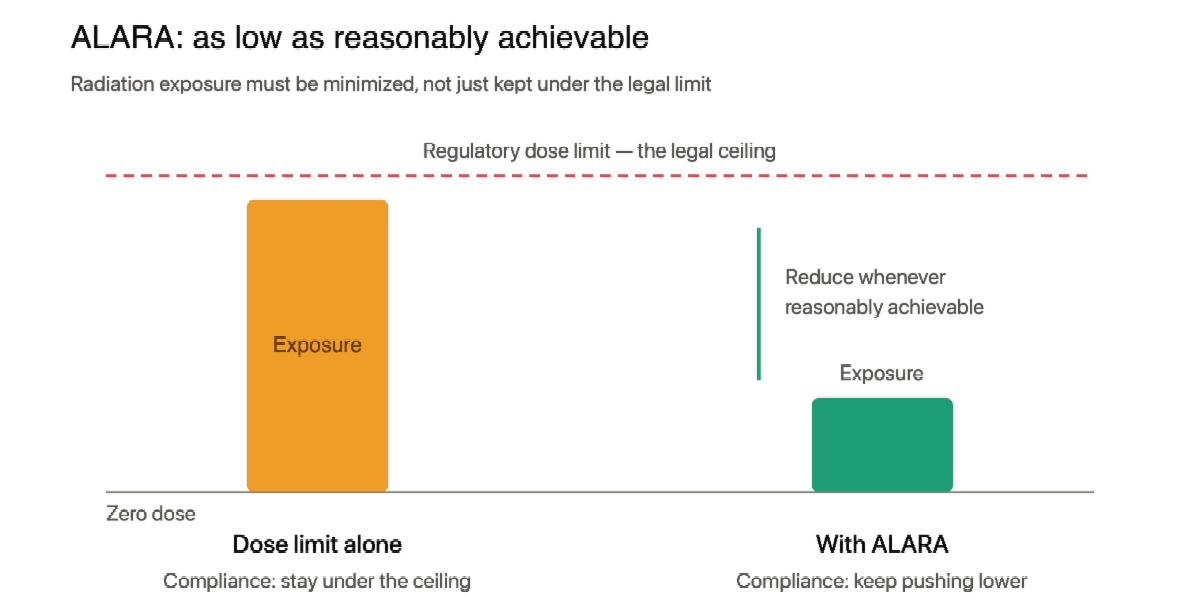
The comment period closed August 31 on a Nuclear Regulatory Commission proposed rule which would eliminate ALARA, the longstanding requirement that radiation exposure be kept "as low as reasonably achievable." We analyzed all 2,084 comments filed: 93% opposed the rule.
The opposition spans far more than nuclear advocacy groups:
-
Labor unions, including the AFL-CIO and National Nurses United, opposed removing protections for workers who face radiation exposure daily.
-
State Attorneys General: A multi-state Attorneys General filing (including California) and several state radiation programs objected. States enforce these rules on the ground, so their opposition carries practical weight.
-
The radiation protection establishment, including the Health Physics Society and the National Council on Radiation Protection and Measures, declined to endorse the rule as drafted, even while agreeing that the current framework has flaws.
Support came almost entirely from the nuclear industry, uranium producers, and free-market policy institutes. San Onofre appears in 16 comments, alongside Hanford and Fukushima.
We filed an eleven-page comment focused on pregnant workers and children near nuclear facilities, and joined thirteen organizations in a coalition filing that challenged the rule's legal basis.
What’s next? The government must respond to significant comments in writing before finalizing the executive order. Stay tuned.
| | Nuclear Hotseat Covers the Symposium | | |
Libbe HaLevy, host of the international podcast Nuclear Hotseat and a survivor of the Three Mile Island accident, attended our symposium and devoted a special episode to it, with post-event interviews from speakers and attendees.
Interviews walked through why the coastline is a poor place for 1,700 tons of spent fuel: because of a seismic zone, unstable offshore geology, coastal erosion, and canisters sitting roughly 100 feet from the water. Others explained the economics of decommissioning, including how citizens can intervene in Edison's next decommissioning proceeding in 2027.
The best moment comes from a collegestudent who arrived pro-nuclear and left saying the symposium changed his stance: "At the very least, we should not build more nuclear until we figure out what to do with the waste."
| | |
Staff Spotlight:
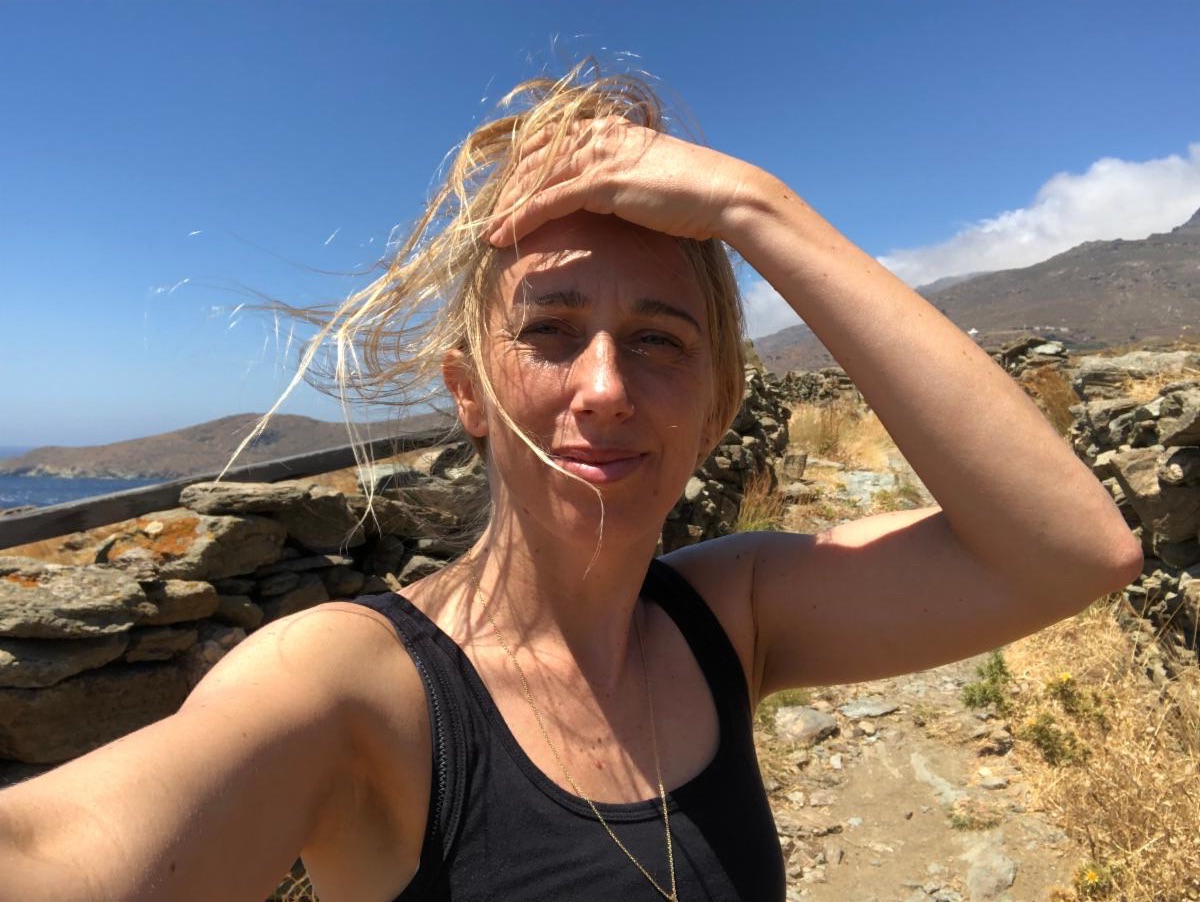
Stephanie Keane, Director of Narrative and Strategy
| | |
Something about me that's not in my bio: One of my favorite artists is Ralph Steadmen, I studied his work at school and use similar pen nips, ink, and watercolor dyes to create art.
Most memorable trip: Traveling to Tinos, Greece, and celebrating the traditional saint day festival while dancing and feasting with the Grecians, swimming in the Aegean Sea, and studying the handmade dry stone walls called xerolithies that outline the island.
Favorite Songs: Sunday Bloody Sunday, Song by U2 ‧ 1983
I listened to this tape around age 6, driving around San Diego, and before the internet and cell phones, this was a first line to think about other parts of the world. It felt hopeful, and the drums were very comforting.
Favorite SLF memory: San Onofre Symposium: Clean Energy to Nuclear Waste! We are still culling the conversations and ripples of change through the New York Times, handshakes, and policy on the horizon.
Something fun I did this weekend: Working on an art project with morse code.
| | We are gearing up for Climate Week events, and we would love you to join us! We need volunteers to table at the Water Summit, Walter Munk Day, and for our next Science on Tap! Whether you can make graphics, greet people at the doors, or help behind the scenes, there's a role for everyone. Reach out and let's get to work. | | |
Stay on top of NRC rulemakings
The NRC is rewriting its regulations at a pace not seen in decades, and each proposed rule has a public comment period. Comments become part of the official record, and the agency must respond to them. Bookmark the NRC's Documents for Comment page to catch future dockets. We'll flag the ones that matter for San Onofre in every newsletter.
Watch the San Onofre Symposium
On August 20, scientists, policymakers, and community leaders convened for a full day on nuclear waste and the clean energy transition. Watch here.
Tell Congress to pass the Nuclear Waste Administration Act
Rep. Mike Levin's bipartisan bill would create an independent agency dedicated to managing the nation's nuclear waste, with consent-based siting and reliable funding. Ask your representatives to cosponsor. Template here.
Contact Your County Supervisor
San Diego and Orange County supervisors co-chair the Spent Fuel Solutions coalition. Tell them to keep San Onofre at the top of the agenda. Find yours here.
Volunteer With Us
Join us at tabling events, the symposium, and beyond. Sign up below.
| |
Forward this to one Southern Californian who should know this issue exists.
THANK YOU!
| | |
Copyright © 2026
Samuel Lawrence Foundation
All rights reserved.
Our mailing address is:
P.O. Box F, Del Mar, CA 92014, USA
Email us at:
admin@samuellawrencefoundation.org
| |  | |
Thank you for supporting the Samuel Lawrence Foundation. Your gift, of any size, makes our
programs and advocacy possible.
Click here to make a donation
View this email as a Webpage
| | | | |