THANK YOU FOR READING AND SHARING WITH YOUR NETWORK | | SAVE THE DATE: San Onofre Symposium | | |
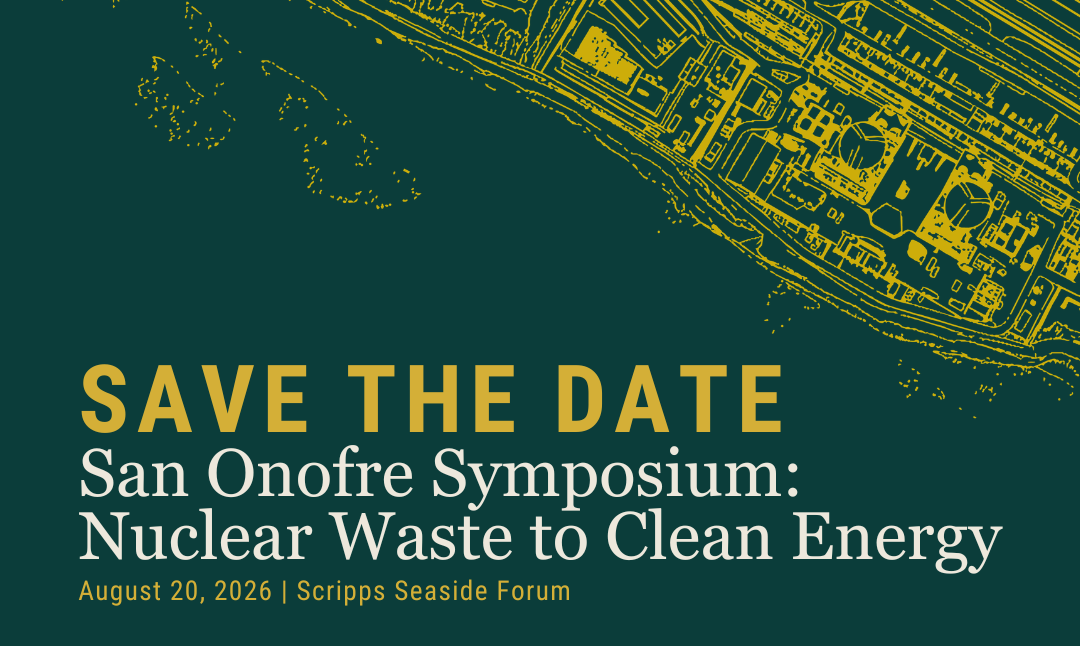
Join us on Thursday, August 20th at the Scripps Seaside Forum in La Jolla for a San Onofre Symposium: Nuclear Waste to Clean Energy. Interact with scientists and industry insiders as they debate real solutions to safely deal with the nuclear waste on our beach and beyond. Expect a full day of expert panels, keynote speakers, and presentations about nuclear waste, clean energy, and what comes next for San Onofre. We'll be bringing together policymakers, scientists, community voices, and energy experts to separate fact from fiction and chart a path forward. Email nadia@samuellawrencefoundation.org for sponsorship inquiries!
When: August 20, 2026
Where: Scripps Seaside Forum, La Jolla
Time: 9 AM - 4 PM (lunch included)
| | From Hazard to Hope: Arts in Action | | |
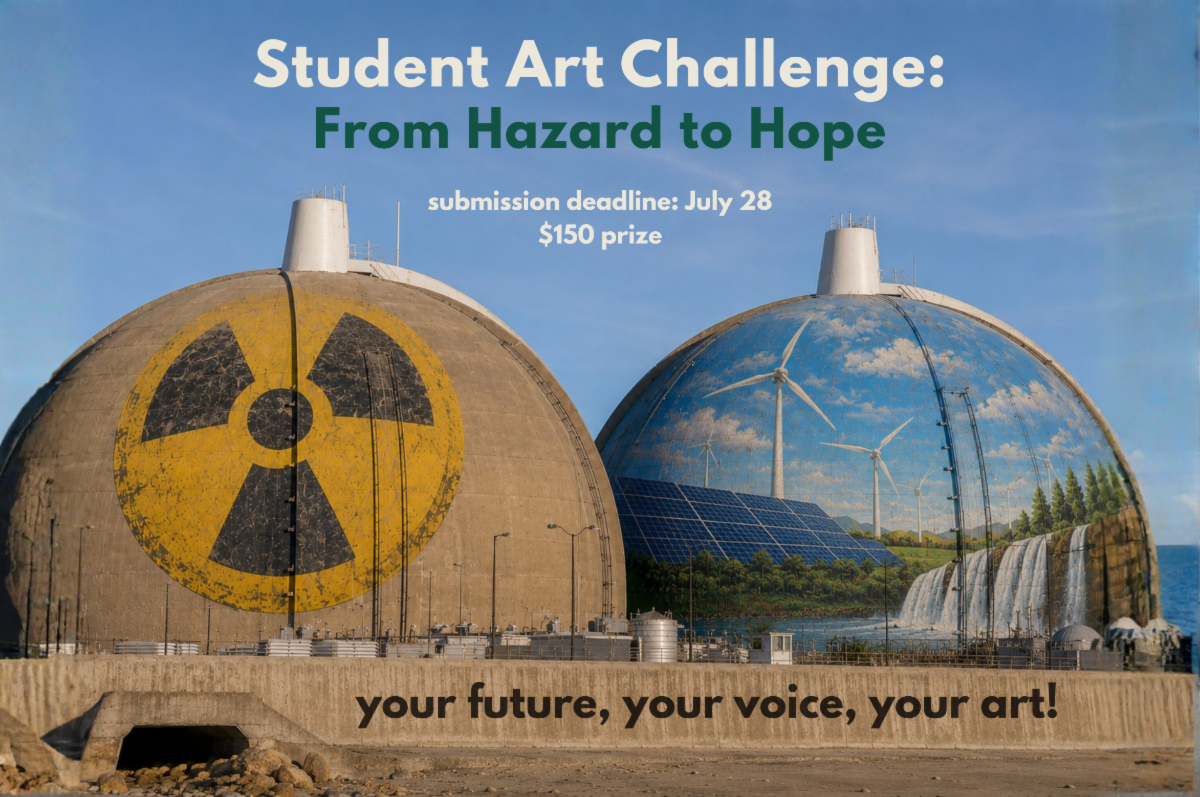
Submit your art into our symposium challenge! We're inviting students and recent graduates (ages 18–23) to create original work in one of two categories: raising awareness about the nuclear waste crisis at San Onofre, or spotlighting the promise of a renewable energy future.
Accepted mediums include graphics, short video, visual art, sculpture, comic books, dance, music, essays, and poetry. Selected artists receive a $150 prize, a letter of recommendation, media exposure, and an invitation to attend the Symposium alongside policymakers, scientists, and community leaders.
Know a young artist, student, or recent grad who cares about the environment? Send this their way. Selected artists will be notified on August 6 and announced at our Symposium.
| | New Harvard Study on Nuclear Proximity and Cancer | | |
A series of studies from the same Harvard research team discovered an alarming and increasingly robust signal that proximity to nuclear power plants significantly increased mortality from an array of cancers. The team's earlier Massachusetts study established the correlation between nuclear plant proximity and cancer but drew criticism for limited statistical power and scope. The February 2026 national study in Nature Communications addressed many of those concerns, analyzing cancer mortality across all U.S. nuclear plants and every U.S. County and estimating roughly 115,000 attributable cancer deaths between 2000 and 2018.
Published yesterday in the Journal of Exposure Science & Environmental Epidemiology, the team's latest study extends the data through 2020, more granularly delineates the mortality burden by cancer type, sex, and age, and more rigorously accounts for confounding variables. The signal is strong, specific, and consistent: proximity to nuclear plants within 50 kilometers measurably increases mortality from lung, breast, and colon cancers. The risk doesn't become negligible until you're beyond that 50km mark—a radius that includes San Clemente and San Diego.
Consistent low levels of ionizing radiation are deadly. There are mounting levels of rigorous studies that show this correlation is undeniable and large, but more research is needed; which is why we applaud Representative Mike Levin for co-sponsoring a new bill supporting research on the health effects of nuclear radiation on women and girls- the most vulnerable and least studied. What is clear: the Nuclear Regulatory Commission should be raising safety standards, not lowering them.
| | |
Upcoming:
Community Engagement Panel Meeting
| | |
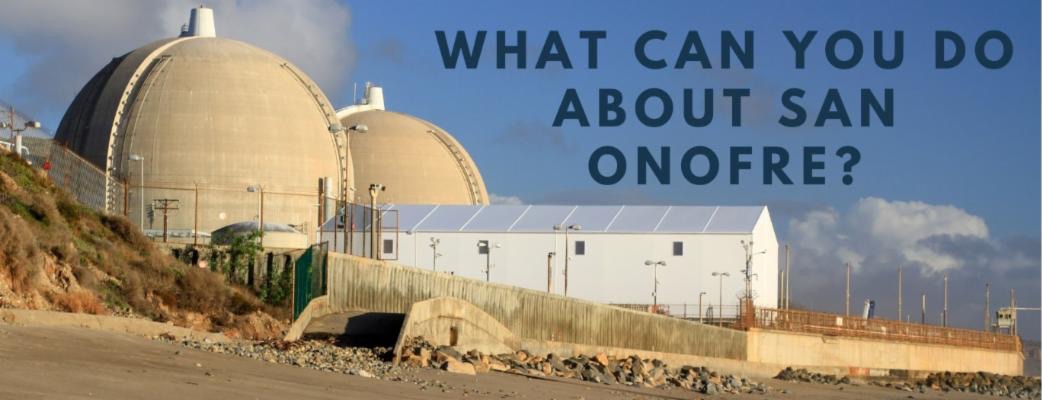
The San Onofre Community Engagement Panel was created so that the community would have insight and oversight into the handling of the nuclear waste near us. But we can’t hold operators accountable unless we are engaged and focused on ways to remove the nuclear waste once and for all.
Come join our voices together as the Spent Fuel Solutions Coalition hosts a special panel discussion on the future of our beach and ALL U.S. nuclear waste with a Allison Macfarlane, Lake Barett, and Tom Isaacs. These are the people who have thought about nuclear waste policy for decades, but infused with new urgency and better community outreach, are moving toward concrete solutions. This is our opportunity to make sure the community is heard loud and clear. Attend in person or join online.
Thursday, June 4 | 5:30–8:00 PM PT
In-person: The Casino San Clemente, 140 Avenida Pico, San Clemente, CA
Remote: Microsoft Teams
| | San Diego Is Cutting Arts Funding by 86% | | |
Mayor Todd Gloria's proposed budget slashes arts and culture funding by $11.8 million—gutting support for hundreds of organizations including local museums, theater groups, and cultural centers. The arts sector generated $1.2 billion in economic activity in San Diego in 2022 alone.
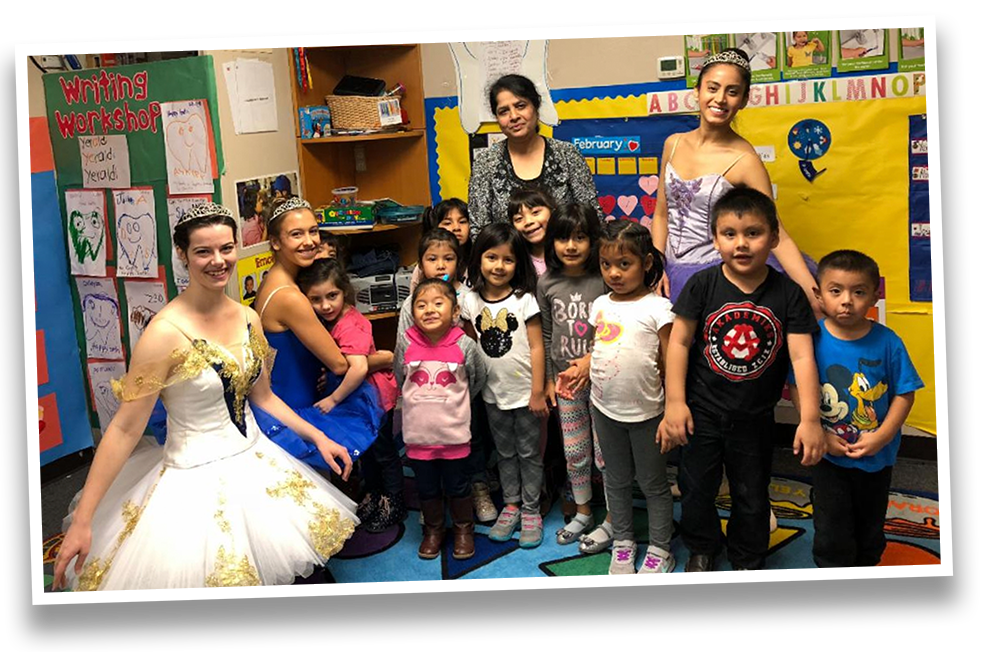
At SLF, art is central to how we communicate urgent issues, build community, and inspire action. Cutting arts funding hurts artists and silences the voices communities rely on to make sense of the world. The City Council vote is expected in early June. We encourage our San Diego readers to make their voices heard.
| | ‘Science on Tap’ – A Clash of Powers | | |
| |
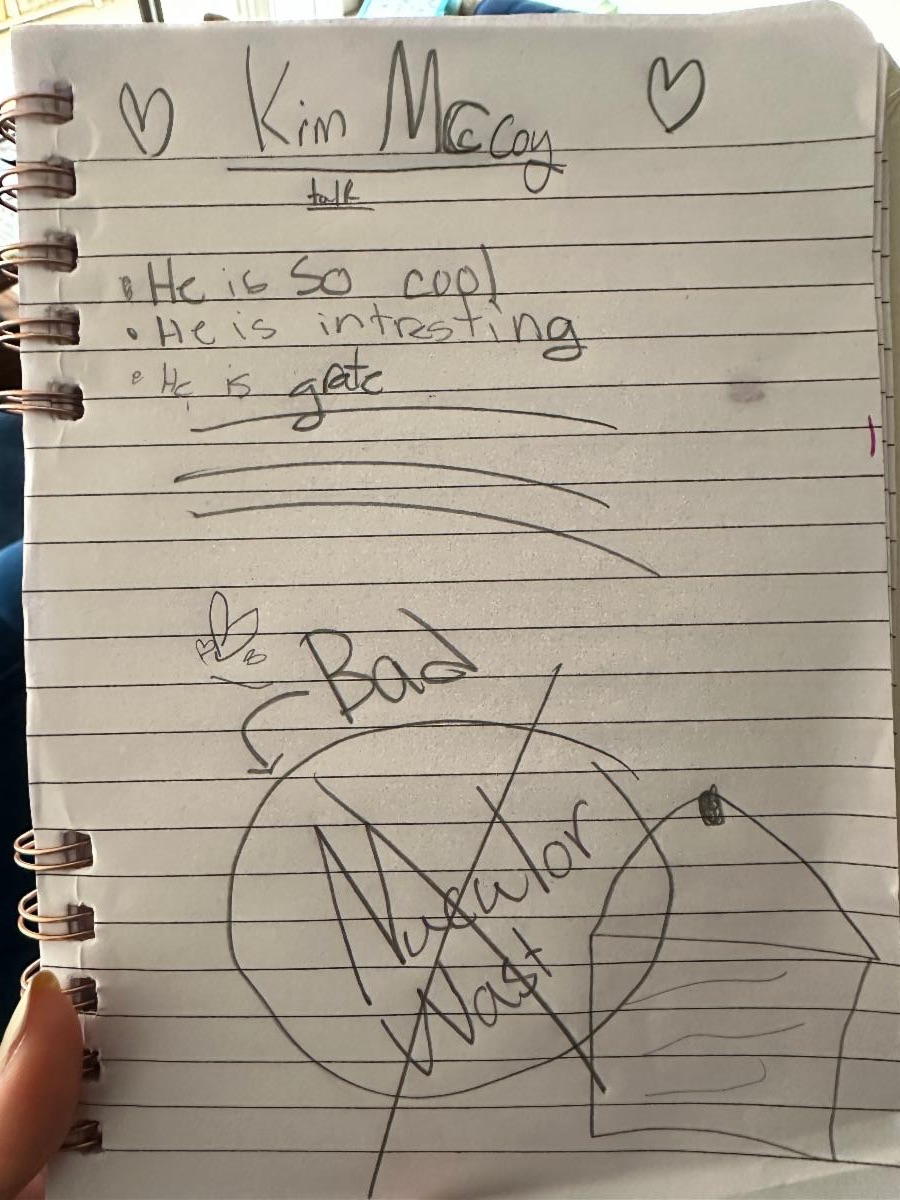
You already know about the San Onofre canisters. What you might not know is that the coastline they're sitting on is actively sliding into the ocean, and has been since 1996. Or that Southern California Edison dismantled the only facility that could have repackaged them into safer casks. Or that the NRC didn't even bother to reply to a German company that offered a better storage solution. Award-winning oceanographer Kim McCoy explained this at our latest Science on Tap. If you thought you were already angry about San Onofre, check out the full video now on our Youtube Channel!
(Our Chief Communications Officer's daughter took great notes from Kim's presentation!)
| | SLF is gearing up for a big summer and we're looking for people to join us. We need volunteers in San Clemente to represent the foundation's goal of moving the waste off the coastline. We are also looking for volunteers to table at EcoFest Encinitas, help with our August Symposium at Scripps Seaside Forum, and passionate folks to support our youth education and art programs. There's a role for everyone, reach out and let's get to work. | | Paying the Price for Nuclear Waste Mess | | |
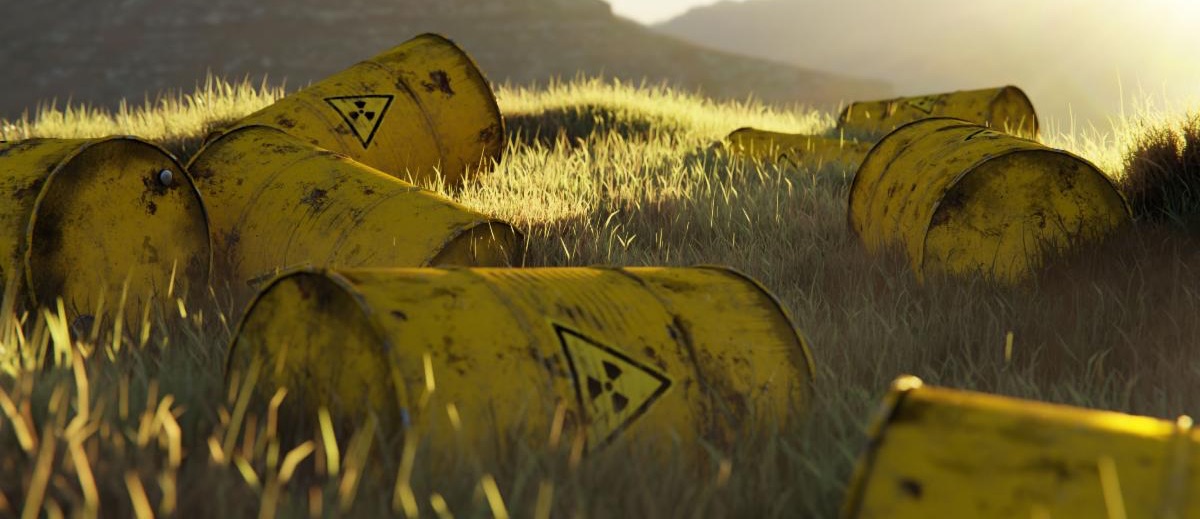
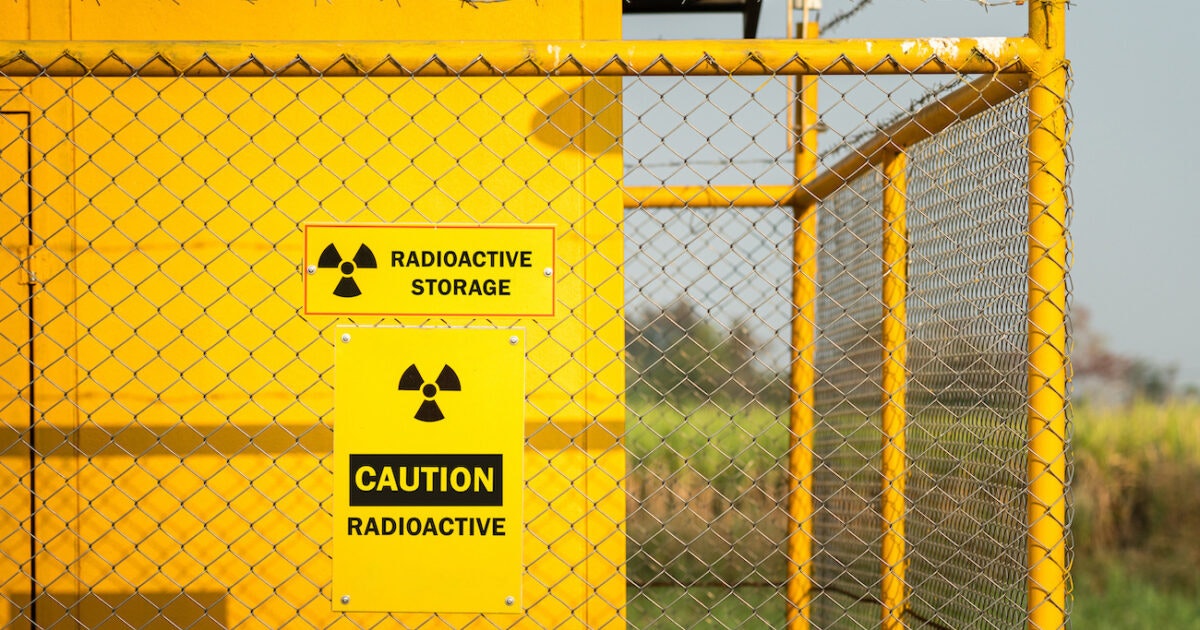
Nuclear waste sites were never designed for the long-haul. Highly radioactive material can remain dangerous for hundreds of millions of years and putting band-aids on temporary sites isn't just dangerous, it's much more expensive than a real, long-term solution.
A recent Department of Energy report shows that its nuclear waste facilities need more than $1.5 billion in emergency repairs and upgrades on top of hundreds of millions in yearly operating costs, with many facilities "well beyond their designed life." New nuclear projects should only move forward with an industry wide plan to manage current and future waste in a way that is safe for communities, secure from threats, and is paid for without leaving taxpayers footing increasingly massive bills down the line.
| | Vote for Us at Lazy Acres! | | |
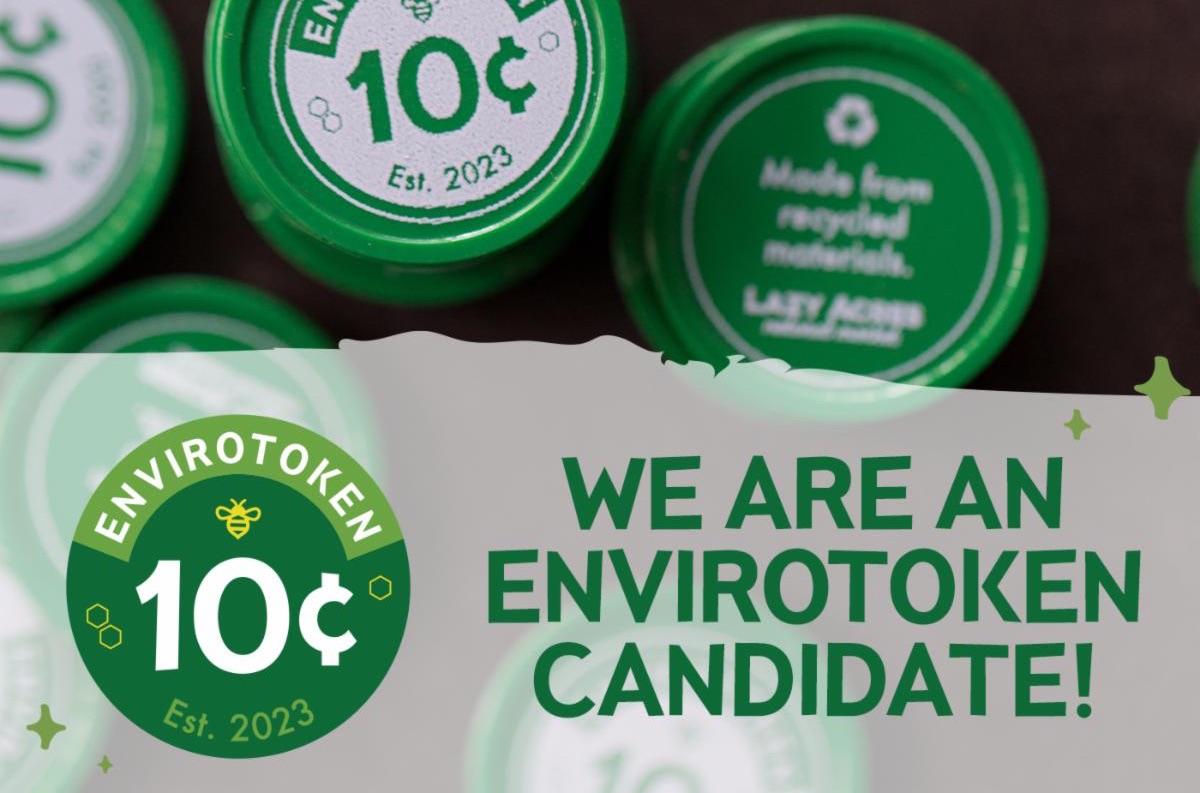
Lazy Acres Market is letting their customers vote for local nonprofits through their EnviroToken program and SLF is in the running! Six organizations win, and every vote counts. No purchase necessary.
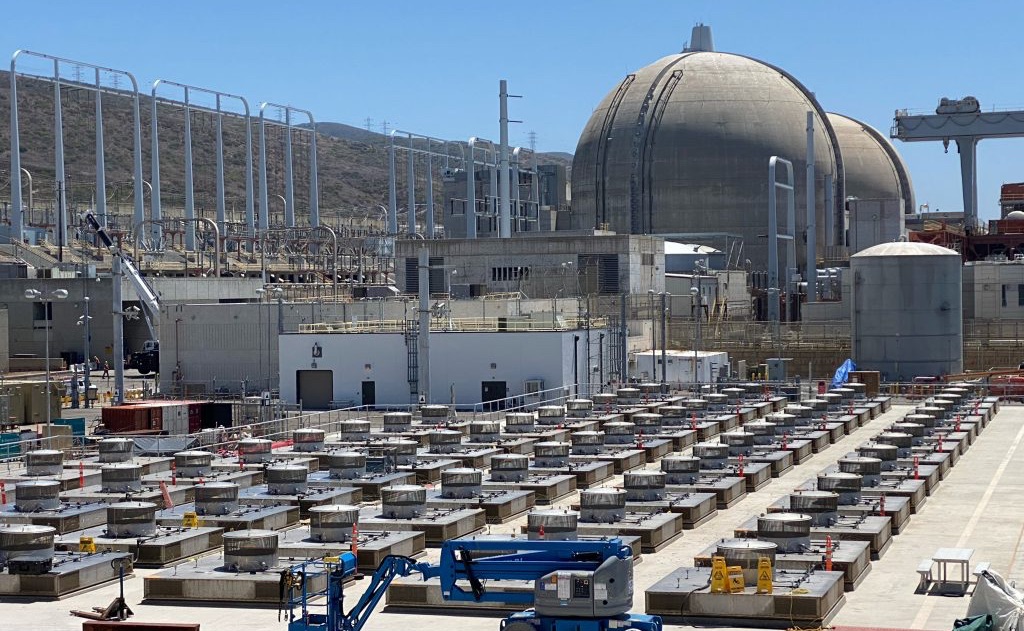
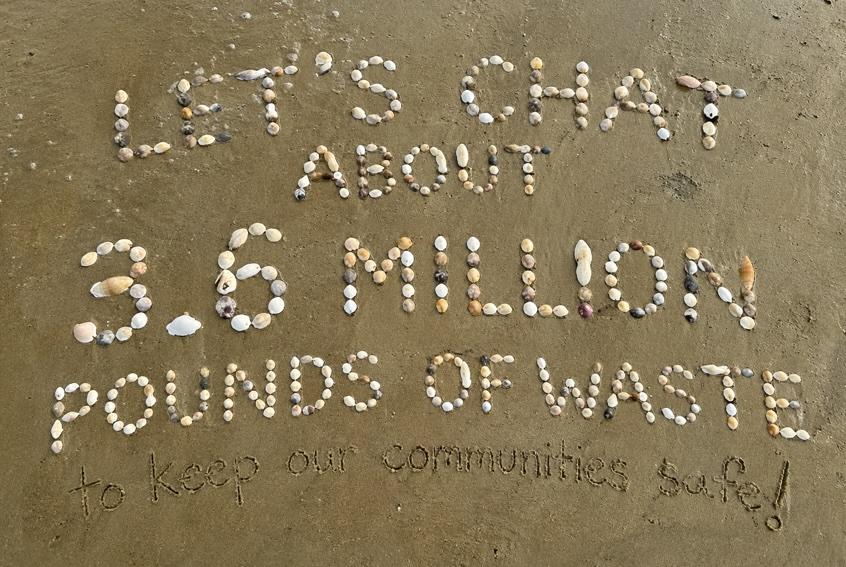
123 canisters of nuclear waste, 100 feet from the Pacific Ocean. Your vote helps us to keep fighting to move it.
| | (check the box next to Samuel Lawrence Foundation, enter your email and zip code, and hit submit) | | The World's First Permanent Nuclear Waste Repository In Finland | | |
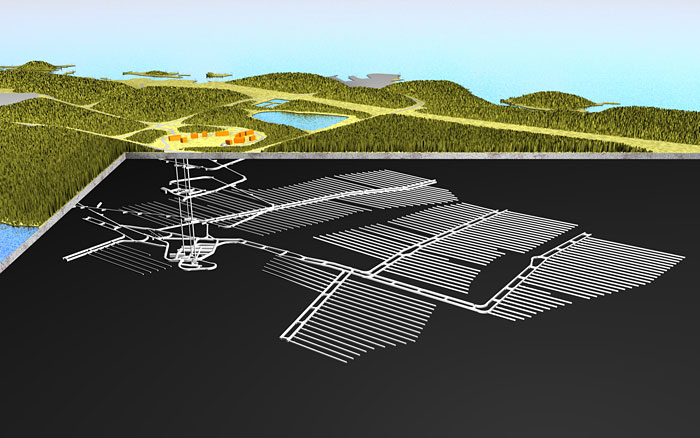
While the U.S. still has no permanent solution for its nuclear waste, Finland is about to open Onkalo, the world's first deep geological repository for spent nuclear fuel. Buried 430 meters underground in 1.9-billion-year-old bedrock, radioactive rods will be sealed in copper canisters and packed in clay, designed to remain isolated for hundreds of thousands of years. The $1.2 billion project was NOT funded by taxpayers, but by Finnish nuclear companies, who saved for it over decades.
While not a perfect option, many experts believe this is the "least bad option.” Copper canisters will eventually corrode, and uncertainties remain. But it's a far better outcome than leaving waste on the surface indefinitely, which is exactly where San Onofre's 123 canisters sit today.
| | How Do We Store Nuclear Waste? | | |
Not everyone follows nuclear policy but most people are curious about what happens to nuclear waste. This short SciShow video breaks it down accessibly, from spent fuel pools to dry cask storage to vitrification, and touches on why long-term storage is so much harder than it sounds.
It's a great starting point for anyone in your life who wants to understand the basics before diving deeper. Send it to a friend, a skeptic, or anyone who's ever asked you "but what do they do with the waste?"
| | |
Show Up & Speak Out
→ Share our message, attend events, and help grow awareness in your community.
Contact Your County Supervisor
→ Demand stronger oversight of waste storage in your region.
Please Volunteer With Us!
→ Join us at tabling events, conferences, and more!
Support Federal Legislation
→ Back Rep. Mike Levin’s push in Congress for long-term nuclear waste solutions.
Join the Movement!
→ Partner with SLF in our grassroots campaign for safety and accountability.
Find a template to contact your reps here.
→ Or email us at admin@samuellawrencefoundation.org to get involved.
| | |
Copyright © 2026
Samuel Lawrence Foundation
All rights reserved.
Our mailing address is:
P.O. Box F, Del Mar, CA 92014, USA
Email us at:
admin@samuellawrencefoundation.org
| |  | |
Thank you for supporting the Samuel Lawrence Foundation. Your gift, of any size, makes our
programs and advocacy possible.
Click here to make a donation
View this email as a Webpage
| | | | |