Get science, coastal safety updates, and public-interest reporting, right here. | | |
REGISTER NOW:
San Onofre Symposium
| | |
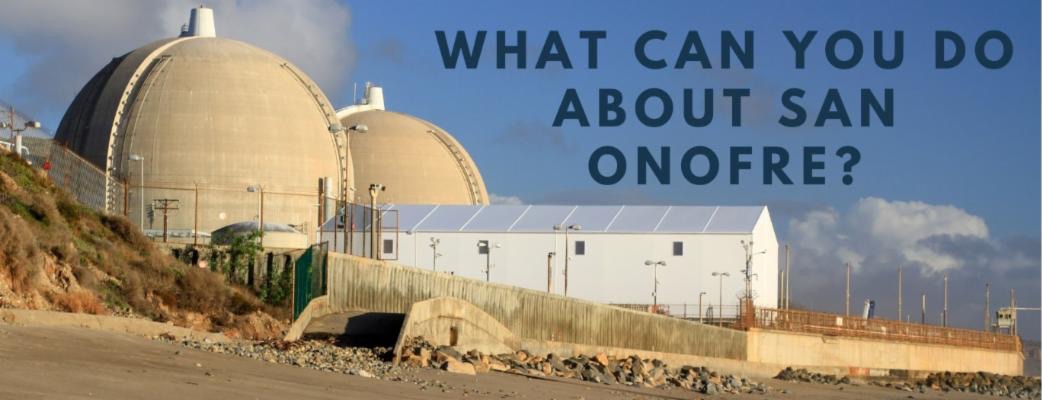
We're one month away from the San Onofre Symposium: Nuclear Waste to Clean Energy, and seats are limited. Speakers include Representative Scott Peters, Stanford's Mark Z. Jacobson, Harvard’s Dr. Yazan Alwadi, Scripps’ James Day, Kim McCoy, and many more! Join policymakers, scientists, and energy experts for a day of discussion on nuclear waste, clean energy, and the future of San Onofre. Register now, seats are limited.
When: August 20, 2026, 9 AM–4 PM (lunch included)
Where: Scripps Seaside Forum, La Jolla
For sponsorship inquiries, email nadia@samuellawrencefoundation.org
And while you're at it, our Student Arts Challenge, "From Hazard to Hope: Arts in Action," closes soon. Submit your work, or send it to a young artist.
| | Overhauling Nuclear Regulations at What Cost? | | |
The Nuclear Regulatory Commission is pursuing its most significant changes in years. While the idea is to save time and money, two of them will have safety impacts that are quite concerning:
-
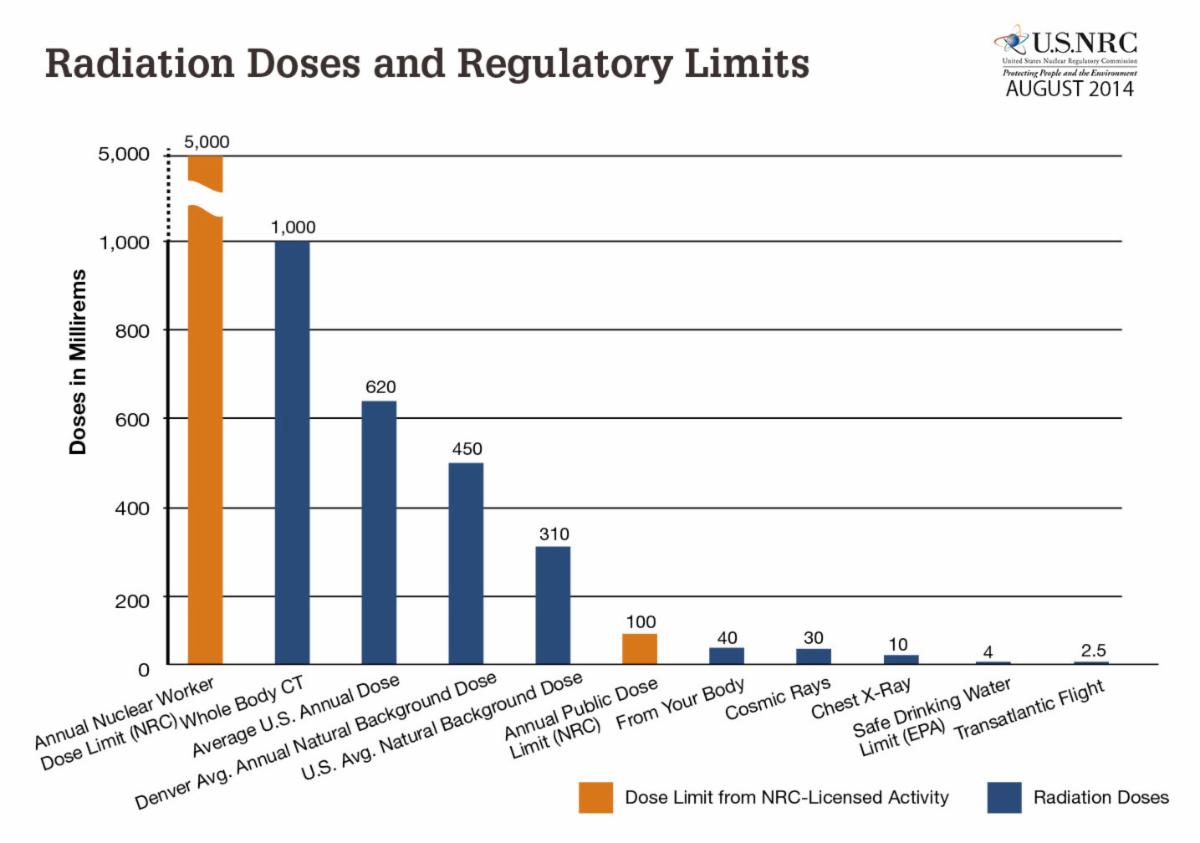
Eliminating ALARA. The requirement that facilities keep radiation exposures "as low as reasonably achievable" would be replaced by a set maximum allowable dosage. If this happened, industry would no longer be incentivized to keep radiation exposures near zero, and decades of work to keep workers and communities safe would diminish. Our colleague David Richardson of UC Irvine was just awarded a $1.8 million NIH grant to study cancer risks from low-dose radiation exposure among more than 300,000 nuclear workers to inform these protection standards. (Comment through August 31)
-
Rushing Reactor Licensing, Safety Oversight, and Siting Practices. In an attempt to "modernize," the NRC is grouping 17 different licensing processes from plant construction to decommissioning. This would overhaul reactor licensing across a facility's entire life cycle, speeding up new reactor deployment, lowering oversight of early construction, and opening a pathway to 40-year license renewals. This follows a related NRC proposal to remove public review of new dry storage cask designs—the containers holding spent fuel at San Onofre and nationwide—on which SLF has already submitted comments. (Comment on casks through August 10)
SLF will be submitting comments. Please watch the workshop below on how to best submit comments. We encourage you to let your voices be heard.
| | |
New Report Confirms
Renewables Still the Cheapest Power
| | |
Lazard, the financial firm whose annual Levelized Cost of Energy analysis is the industry's standard benchmark, released its 2026 report this week. The findings speak for themselves. The cost to generate one megawatt-hour of electricity from new power plants, without subsidies:
- Utility-scale solar: $40–$98
- Onshore wind: $37–$99
- Nuclear: $175–$255 — roughly three times the midpoint cost of solar or wind, based on Vogtle, the only U.S. nuclear plant completed in decades
Lazard concludes that unsubsidized renewable energy remains the most cost-competitive form of new-build generation, even as costs rise across every technology. The report confirms that even after adding the cost of backup capacity for when the sun isn't shining or wind isn't blowing, renewables remain broadly cost-competitive with new gas plants.
| | |
SLF Submits Comment on
"Zero-Based Regulating"
| | |
Last month, SLF filed a formal comment opposing the Department of Energy's "Zero-Based Regulating" proposal, which would add sunset dates to dozens of nuclear regulations, making them automatically expire unless DOE re-justifies it within a year.
Our submitted comment makes a practical point that no agency can properly review that many complex regulations that fast. Required cost-benefit analyses and public comment periods would be rushed or skipped, and rules could lapse before DOE has even decided whether they should. The result would be sudden regulatory gaps in frameworks that matter, including the siting of a permanent spent fuel repository.
We urged DOE to slow down and evaluate these changes properly, with full public and expert input.
| | |
Scripps Scientists Can Now
Forecast Landslides
| | |
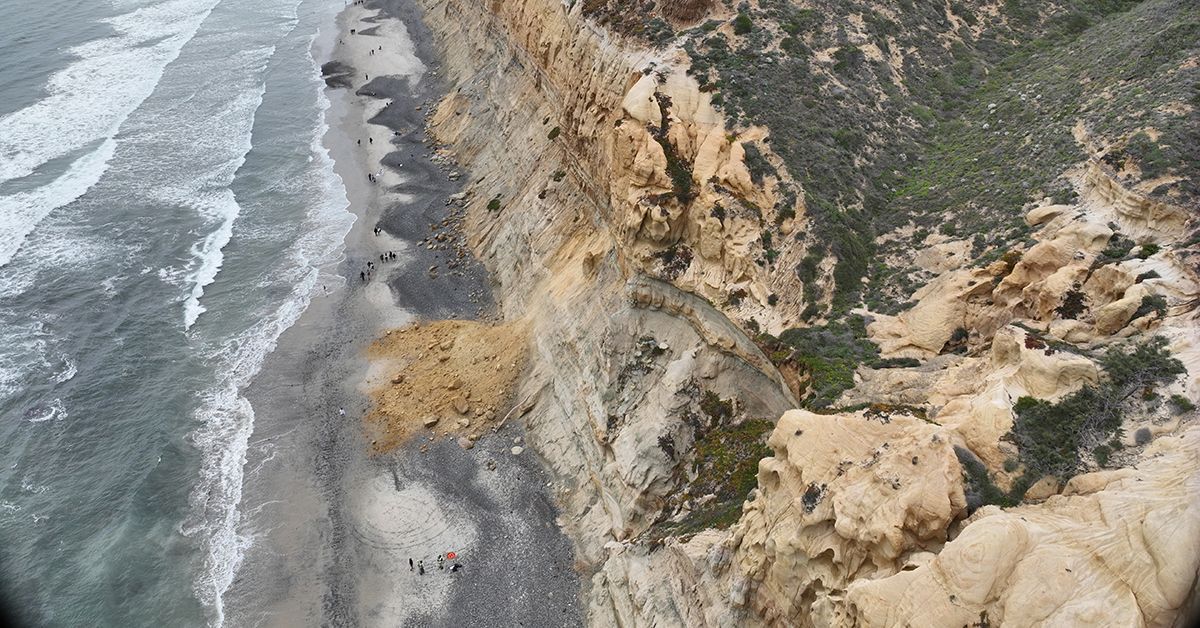
Researchers at Scripps Institution of Oceanography can forecast coastal landslides days in advance. Using sensors and topographic mapping in Encinitas and Del Mar, the team predicted five bluff collapses over four years—including forecasting a 2024 failure two days out that dropped 200 tons of material onto the beach. The study found that landslides give clear warning signals that can be used to take action to save lives and prevent damage.
These findings matter for long-term infrastructure on our eroding coast like San Onofre, especially with National Oceanic and Atmospheric Administration putting the odds of a large El Niño this year at nearly 70%. The Scripps team recommends expanding the monitoring network across San Diego County and beyond.
| | |
Kate Brown's Chernobyl wins
Japan's Best Translation Award
| | |
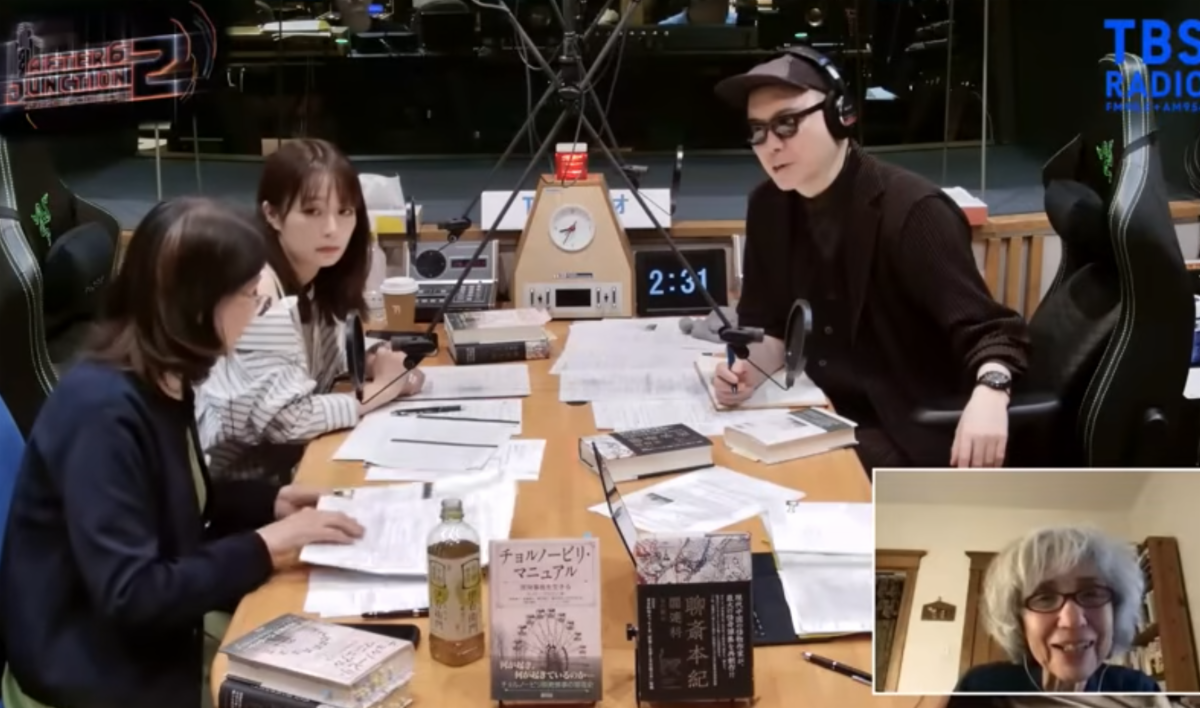
Norma Field, professor at the University of Chicago, is part of the seven-person team behind the Japanese translation of Kate Brown's Chernobyl: Manual for Survival, which just received first prize in Japan's Best Translation Award. It's a rare win for nonfiction in the prize's 12-year history, and a meaningful one as readers in Fukushima have remarked on how much of what Brown documents after Chernobyl mirrors their own experience.
Norma and Shizue Hinokawa were recently interviewed on Japanese national television about the project (the interview is in Japanese, but you can turn subtitles on). To help the translation reach more readers, ask your public or university library to order a copy.
| | |
Sierra Club's Santa Lucia chapter published a detailed response to a recent op-ed in The Hill that urged environmental groups to reconsider nuclear power. The piece focuses on the economics of the debate, which arguably are the driving forces of the energy wars.
Current cost estimates put new nuclear at double the amount per megawatt-hour than solar and wind, and Diablo Canyon's annual output amounts to less than a fifth of what California's renewables are already mandated to supply by 2030. The response also examines the assumptions behind the MIT study cited in support of extending the plant, including cost inputs below PG&E's own estimates. Whatever your view on nuclear's role in the energy mix, it's a useful look at the numbers driving the conversation.
| | |
Brooklyn Story Lab:
"California's Radioactive Riviera"
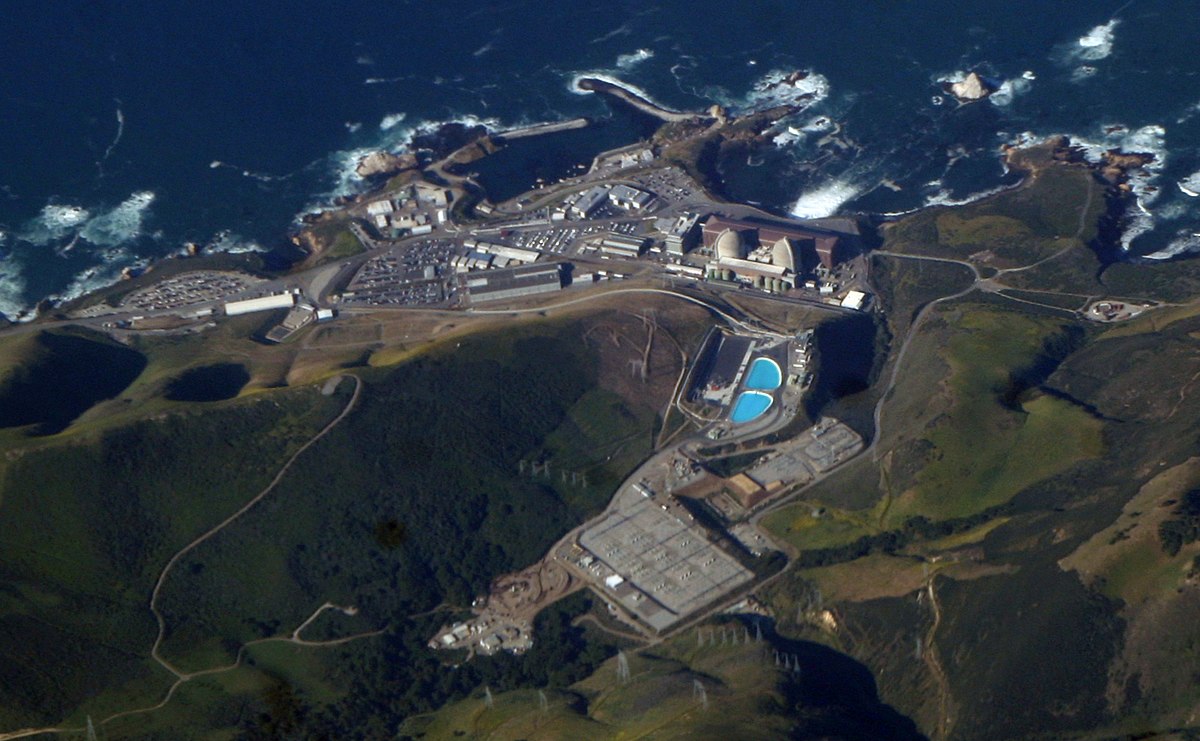
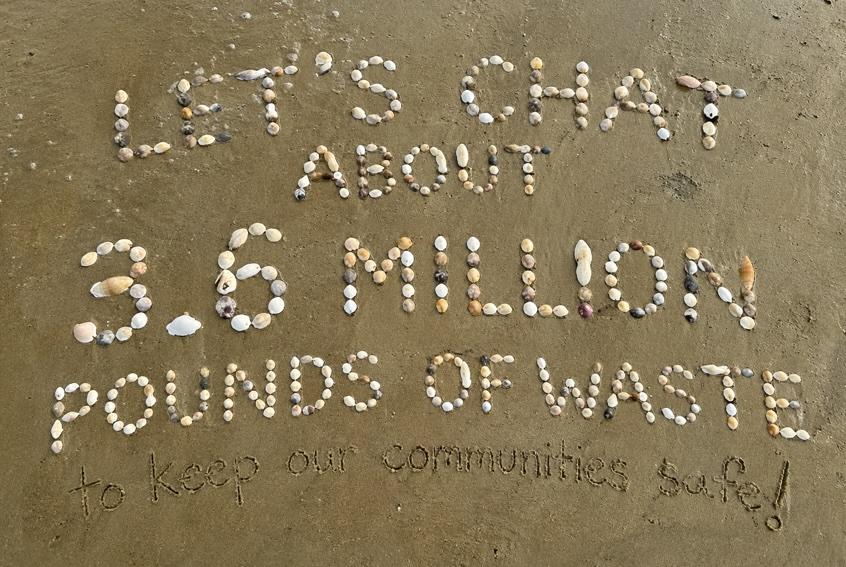
| | Lance Gould of Brooklyn Story Lab has a new piece connecting two of Southern California's recent close calls to the situation at San Onofre. In May, a leaking chemical tank in Garden Grove forced 50,000 Orange County residents to evacuate; weeks later, the Sandy Fire pushed close enough to the Santa Susana Field Laboratory, site of a partial nuclear meltdown in 1959, that nearby residents fled ahead of any official order. Neither became the worst-case scenario, but Gould stresses that near-misses are reminders, not reassurance. At San Onofre, 3.6 million pounds of spent nuclear fuel sit in aging canisters in a tsunami zone, between two earthquake faults, waiting for disaster. | | |
Staff Spotlight:
Heather Freitag, Chief Communications Officer
| | |
Something about me that's not in my bio: I coach my daughter's softball team and have a dog named Meatball.
Most memorable trip: Ethiopia. I went there as part of USAID's disaster response team when the United States was providing humanitarian assistance during a severe drought.
Movie/show you can always watch: Remember the Titans, Ted Lasso, How to Lose a Guy in 10 Days
If you could invite 3 people to dinner, living or dead, who would it be? My grandpa because I miss him, President Lincoln, and Amelia Earhart (what happened to her?!)
Currently working on: Our Symposium - don't forget to register!
| | |
Why Is Your Electric Bill So High?
Find Out.
| | A new utility bill calculator gives you a breakdown of where your electricity payments actually go. Excessive utility profit rates are costing U.S. customers an estimated $300 per household per year, or $50 billion annually, because state regulators allow monopoly utilities to overcharge customers to overpay investors. The more utilities spend on new infrastructure, the more they're allowed to raise your rates, which is a business model that rewards spending, not efficiency. | | |
Dance Start:
Summer Program Update
| | |
Dance Start hosted another successful FREE Summer Dance Program in partnership with the Pacific Beach Recreation Center! More than 70 students, ages 2–7, enrolled in weekly ballet and creative movement classes led by our Program Coordinator and Head Instructor, Megan Wasniewski.
Throughout the summer, young dancers built confidence, developed foundational movement skills, and experienced the joy of dance in a fun and welcoming environment. This summer program reflects Dance Start's commitment to making high-quality dance education accessible to all families in our community. We are grateful to the Pacific Beach Recreation Center for helping make this meaningful opportunity possible.
| | We are gearing up for the rest of the year and we're looking for people to join us. We need volunteers in San Clemente to represent the foundation's goal of moving the waste off the coastline. We are also looking for volunteers to table at events, help with our August Symposium at Scripps Seaside Forum, and support our youth education and art programs. There's a role for everyone. Reach out and let's get to work. | | |
Stay on top of NRC rulemakings
The NRC is rewriting its regulations at a pace not seen in decades, and each proposed rule has a public comment period. Comments become part of the official record, and the agency must respond to them. Bookmark the NRC's Documents for Comment page to catch future dockets. We'll flag the ones that matter for San Onofre in every newsletter.
Attend the San Onofre Symposium (August 20)
Join scientists, policymakers, and community leaders at Scripps Seaside Forum for a full day on nuclear waste and the clean energy transition. Register here.
Tell Congress to pass the Nuclear Waste Administration Act
Rep. Mike Levin's bipartisan bill would create an independent agency dedicated to managing the nation's nuclear waste, with consent-based siting and reliable funding. Ask your representatives to cosponsor. Template here.
Contact Your County Supervisor
San Diego and Orange County supervisors co-chair the Spent Fuel Solutions coalition. Tell them to keep San Onofre at the top of the agenda. Find yours here.
Volunteer With Us
Join us at tabling events, the symposium, and beyond. Sign up below.
| |
Forward this to one Southern Californian who should know this issue exists.
THANK YOU!
| | |
Copyright © 2026
Samuel Lawrence Foundation
All rights reserved.
Our mailing address is:
P.O. Box F, Del Mar, CA 92014, USA
Email us at:
admin@samuellawrencefoundation.org
| |  | |
Thank you for supporting the Samuel Lawrence Foundation. Your gift, of any size, makes our
programs and advocacy possible.
Click here to make a donation
View this email as a Webpage
| | | | |