Sasakawa USA Newsletter March Highlights | | |
Included in this issue of the newsletter:
March Activities
- Washington Kenkyu Group: Discussion on Ukraine with Min. Ken Ono
- US-Japan NEXT Alliance Initiative: Roundtable on 'Mapping the Future of U.S.-Japan Cybersecurity'
-
Policy Briefing: The U.S. Model of ‘Indirect Intervention’: Lessons from Ukraine for the Defense of Taiwan with the National Institute of Defense Studies (NIDS)
-
Sasakawa USA Women's Advancement Network (SWAN): Creating Open Startup Ecosystems in the U.S. and Japan with Ms. Makoto Tsujiguchi
Recaps
- US-Japan NEXT Alliance Initiative: Nuclear Modernization Roundtable
External Engagements
- Mr. James Schoff Speaks to SAIS Japan Club on Emerging Tech and Economic Security
- Mr. James Schoff Participates in the Wilson Center's Discussion on Indo-Pacific Maritime Security and Stability
Publications
-
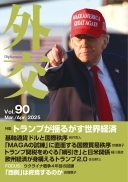
Dr. Satohiro Akimoto Publishes in Gaiko
- Commentary & Analysis: The Japan-U.S. Alliance under New Leadership in Tokyo and Washington, DC (Mr. Hideshi Tokuchi)
Upcoming Activities
- Congressional Study Group on Japan: Members Trip to Japan
- U.S.-Japan Research Exchange: Mr. Robert Tomkin
| | |
Washington Kenkyu Group:
Discussion on Ukraine with Min. Ken Ono
| | |
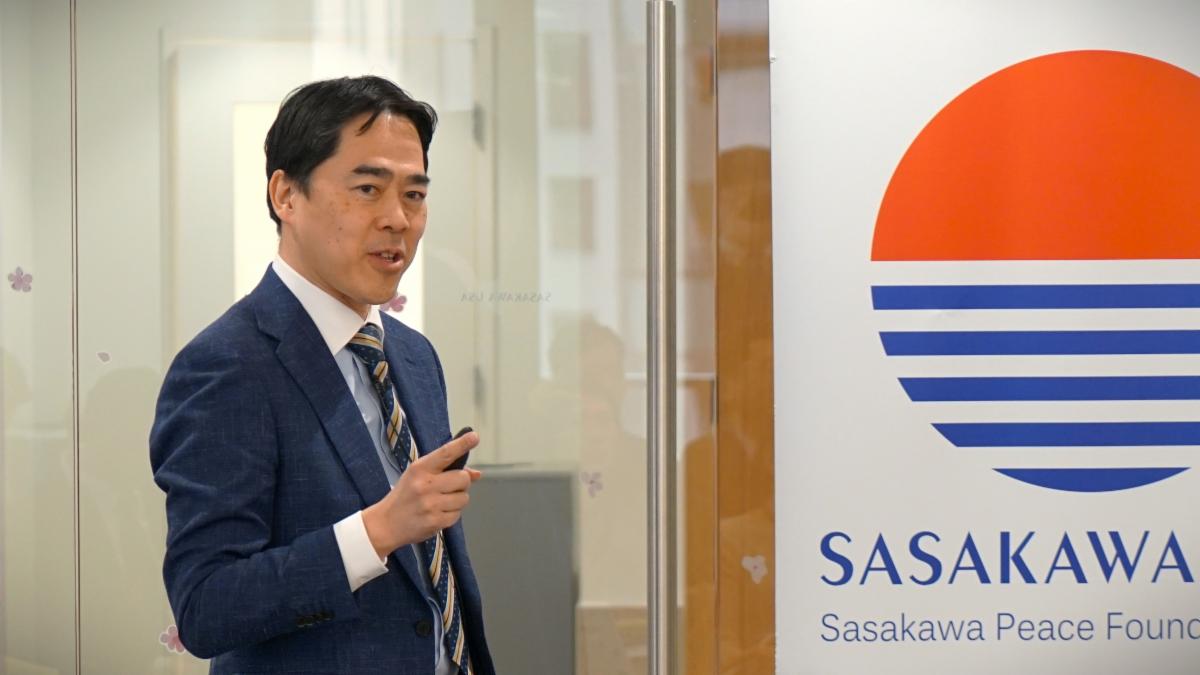
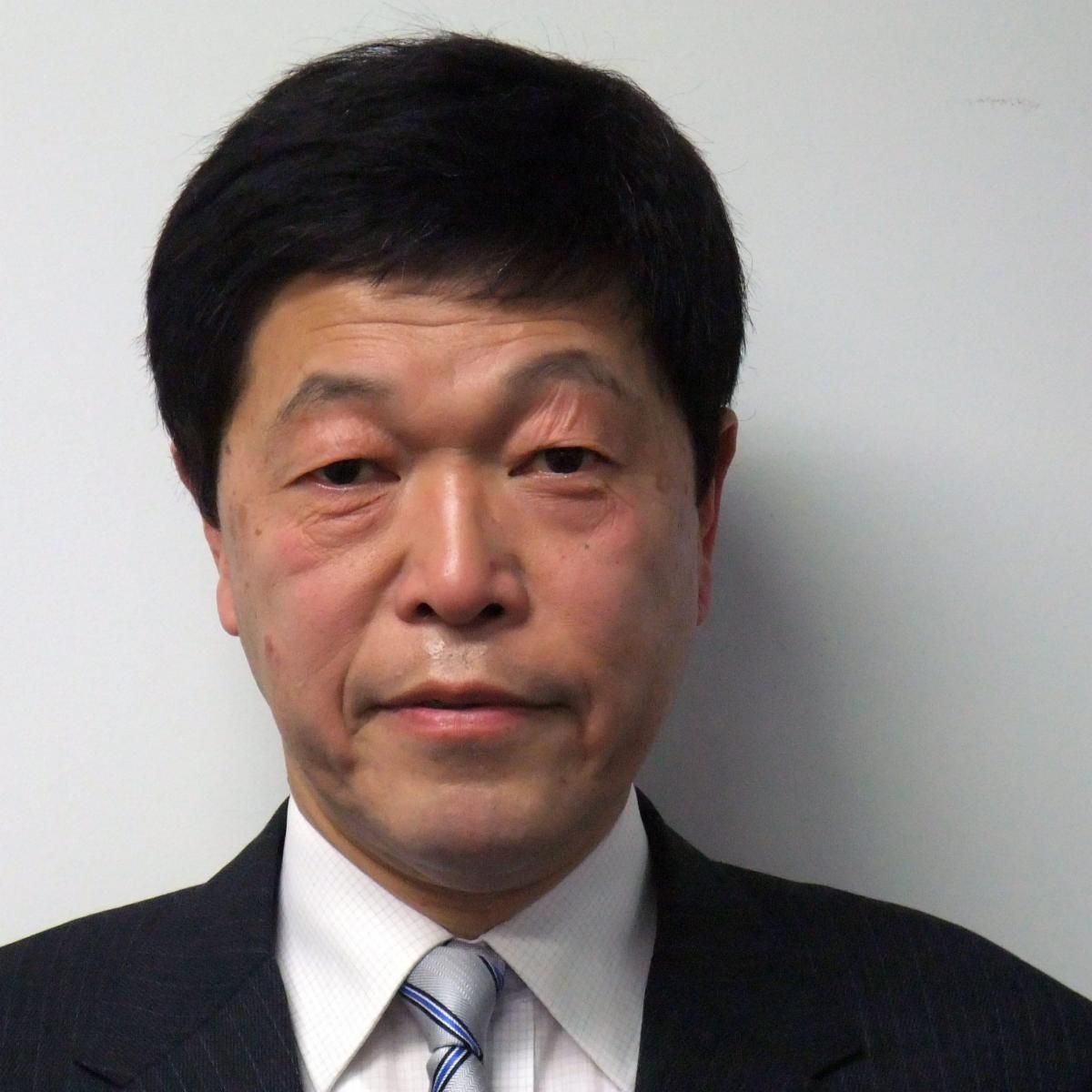
On March 27, Sasakawa USA welcomed Mr. Ken Ono, minister for congressional affairs at the Embassy of Japan, for a Washington Kenkyu Group discussion on the current state of the war in Ukraine and its future trajectory. Min. Ono, a seasoned Japanese diplomat with extensive expertise in Russian affairs, drew on his graduate studies at the Moscow State Institute of International Relations and professional experience serving at the Embassy of Japan in Russia, as well as the director of the Russia division at Japan’s Ministry of Foreign Affairs. During the discussion, he provided attendees with an overview of the ongoing war in Ukraine and shared his assessment of its outlook based on recent developments since the start of the Trump administration.
Photo: Mr. Ken Ono, minister for congressional affairs at the Embassy of Japan, giving a lecture on the current state of the war in Ukraine.
| | US-Japan NEXT Alliance Initiative: Roundtable on 'Mapping the Future of U.S.-Japan Cybersecurity' | | |
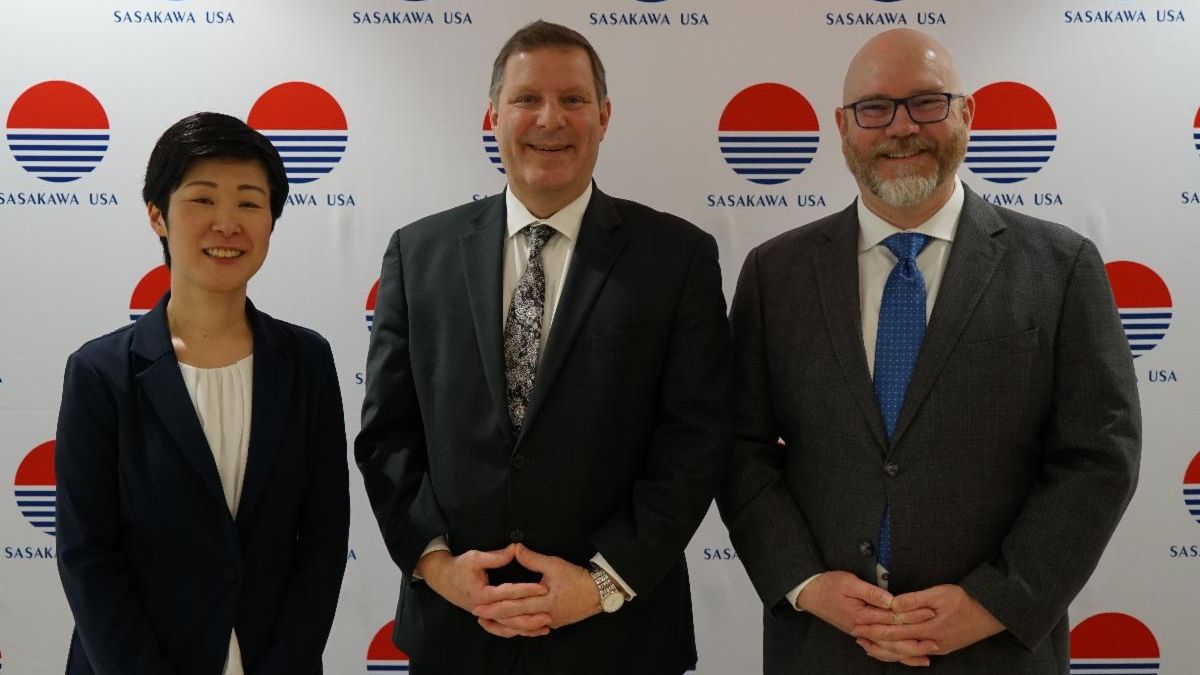
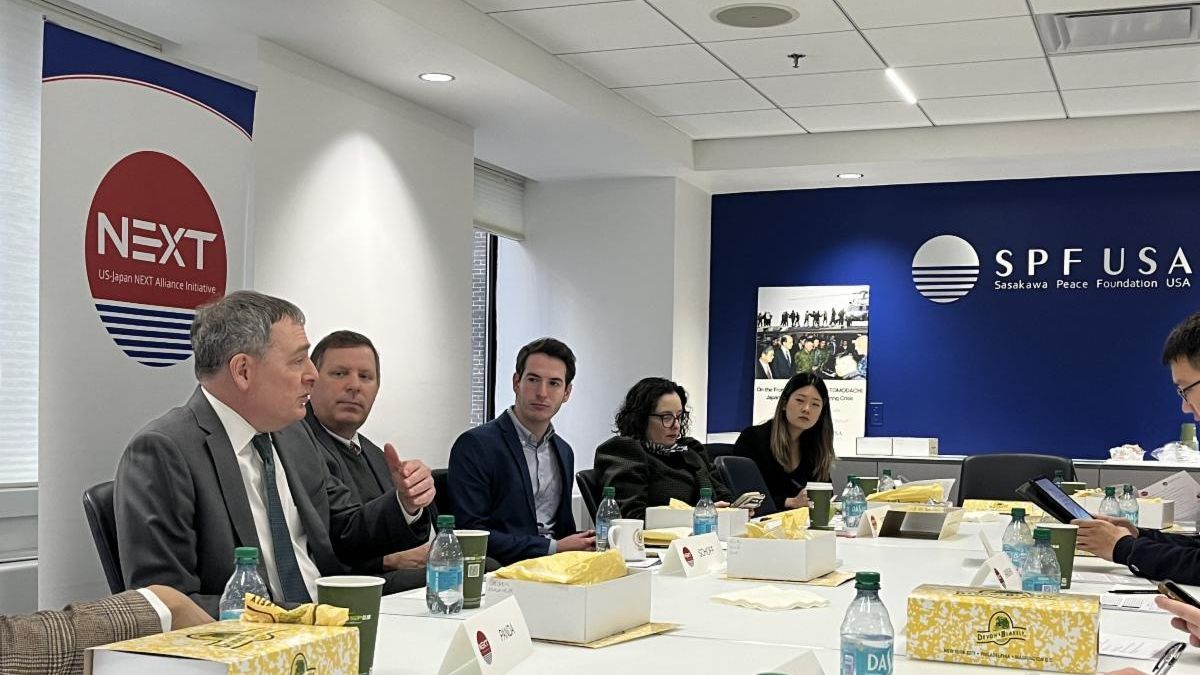
On March 10, the US-Japan NEXT Alliance Initiative convened its seventh hybrid bilateral dialogue on “Mapping the Future of U.S.-Japan Cybersecurity Cooperation,” discussing collaboration under new administrations in Tokyo and Washington. Ms. Mihoko Matsubara, chief cybersecurity strategist at NTT Corporation and Sasakawa USA non-resident scholar, delivered a presentation on key areas where the U.S. and Japan should focus their efforts given the evolving cyber threat landscape in the region and world. She also described Japan’s new Active Cyber Defense bill and related topics being considered by Japan’s legislature.
Her colleague, Mr. David Beabout, chief information security officer (CISO) at NTT Security Holdings, emphasized the need for operational collaboration between the two nations to maintain telecom resiliency as a component of critical infrastructure. The event brought together a bilateral group of approximately 16 experts which included current and former government officials, think tank scholars, and private sector specialists who then built upon the opening remarks in group dialogue.
Photo (left to right): Ms. Mihoko Matsubara, Mr. James Schoff, and Mr. David Beabout
| | Policy Briefing: The U.S. Model of ‘Indirect Intervention’: Lessons from Ukraine for the Defense of Taiwan with the National Institute of Defense Studies (NIDS) | | |
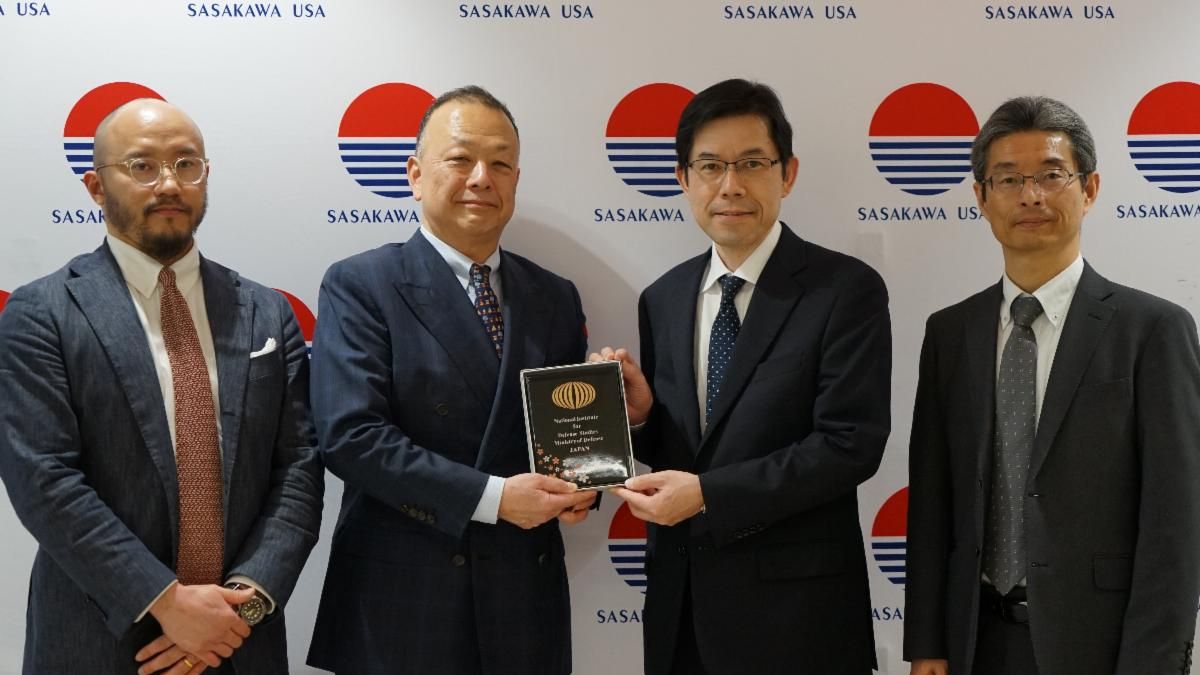
On March 19, Sasakawa USA hosted a distinguished panel of security experts from Japan’s National Institute of Defense Studies (NIDS) to explore their research into the U.S. strategy of “indirect intervention” and its applicability to the defense of Taiwan. Mr. Ryo Kiridori, a research fellow at NIDS, opened the discussion by presenting their findings. He reviewed how the United States has supported Ukraine via indirect intervention, sending supplies and military aid in lieu of direct support with U.S. troops in Ukraine. Then, he examined how this strategy would likely have limited applicability and effectiveness in the Indo-Pacific, particularly in the defense of Taiwan against mainland China. Following Mr. Kiridori’s presentation, Mr. Manabu Imakyurei, president of NIDS, and Mr. Masafumi Iida, director of the Security Studies Department at NIDS, joined him for an engaging Q&A session moderated by Dr. Satohiro Akimoto, chairman and president of Sasakawa USA. The discussion offered valuable insights into regional security dynamics and the challenges of adapting U.S. strategies to the Indo-Pacific context.
Photo (from left to right): Mr. Ryo Kiridori, Dr. Satohiro Akimoto, Mr. Manabu Imakyurei, and Mr. Masafumi Iida
| | |
Sasakawa USA Women's Advancement Network (SWAN):
Creating Open Startup Ecosystems in the U.S. and Japan with Ms. Makoto Tsujiguchi
| | |
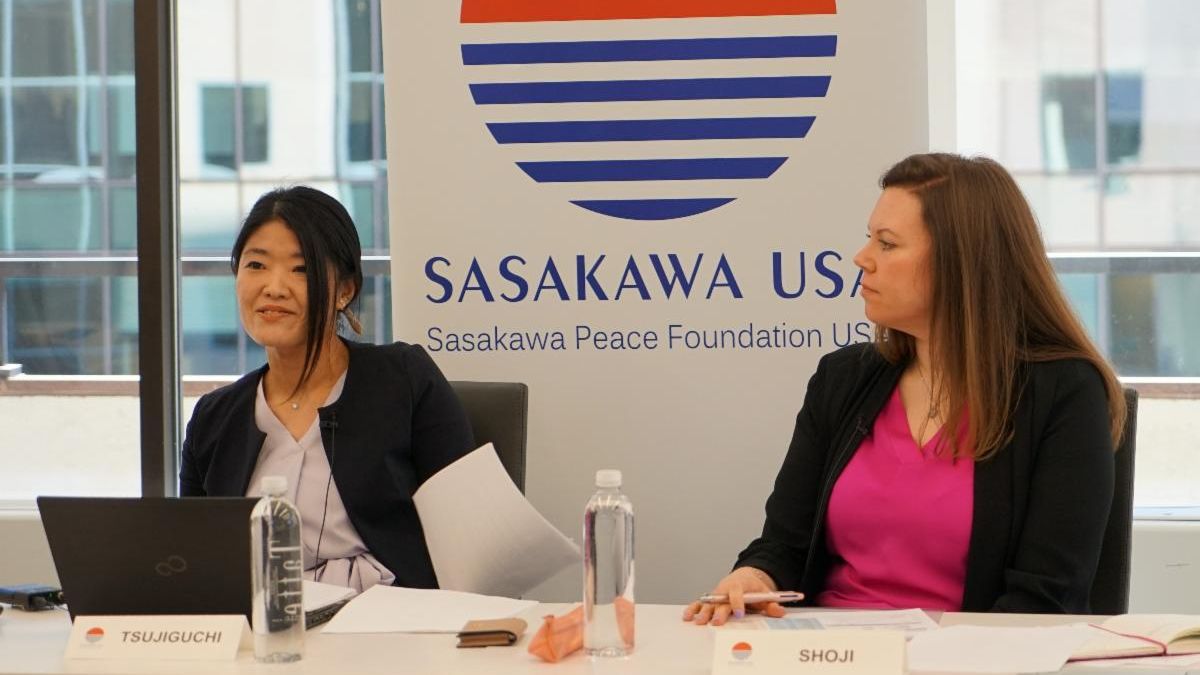
On March 4, the Sasakawa USA Women’s Advancement Network hosted a roundtable featuring Ms. Makoto Tsujiguchi, visiting fellow of the Japan chair at the Center for Strategic and International Studies (CSIS) and senior fellow of the 21st Century Public Policy Institute, Keidanren. As Ms. Tsujiguchi is currently researching the innovation and startup ecosystems in the United States with a focus on exploring potential collaboration between U.S. and Japanese stakeholders, she shared her reflections on the opportunities and challenges in promoting entrepreneurship in both countries, with particular emphasis on issues specific to women entrepreneurs and strategies to better support them. Ms. Tsujiguchi also offered her suggestions as to how Japan can strengthen its entire startup ecosystem while simultaneously fostering an environment in which all entrepreneurs can thrive. Her remarks were followed by an engaging discussion with attendees on topics including the role that civil society organizations and non-entrepreneurial actors can play to support innovation, as well as emerging sectors and countries in the startup space. Ms. Shanti Shoji, director of programs at Sasakawa USA, moderated the discussion.
Photo (left to right): Ms. Makoto Tsujiguchi and Ms. Shanti Shoji
| | |
US-Japan NEXT Alliance Initiative:
Nuclear Modernization Roundtable
| | |
The US-Japan NEXT Alliance Initiative published a summary of its roundtable on “Investing in the ‘Umbrella': Progress and Prospects for U.S. Nuclear Deterrent Modernization.” This dialogue focused on the implications of the U.S. nuclear modernization program for alliance defense policy making and enhanced deterrence strategies with particular focus on two questions: What will the modernized U.S. nuclear deterrent look like? What should it look like?
The recap summarizes presentations by the speakers Mr. Matt Korda, associate director for the Nuclear Information Project at the Federation of American Scientists, and Mr. John Erath, senior policy director for the Center for Arms Control and Non-Proliferation, along with key points made in the discussion segment involving 16 think tank and graduate student participants from both countries.
Photo: Participants at the US-Japan NEXT Alliance Initiative's roundtable on “Investing in the ‘Umbrella’: Progress and Prospects for U.S. Nuclear Deterrent Modernization”
| | |
Mr. James Schoff Speaks to SAIS Japan Club
on Emerging Tech and Economic Security
| | |
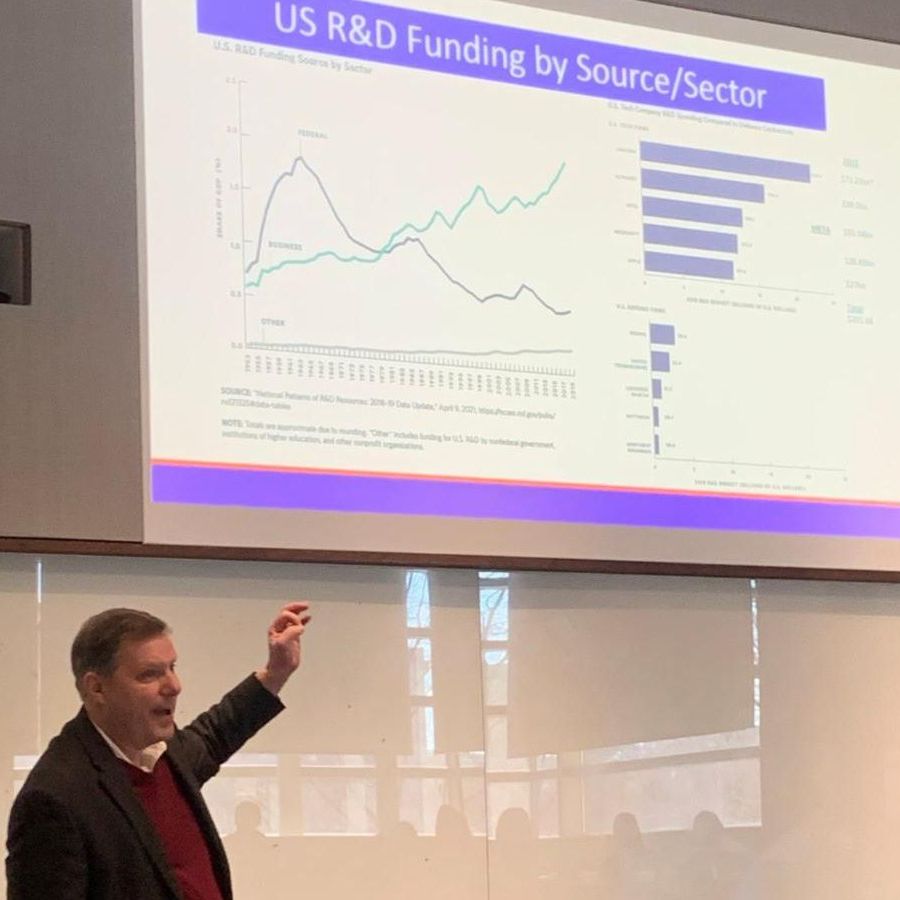
US-Japan NEXT Alliance Initiative Senior Director James Schoff recently spoke about U.S.-Japan cooperation on emerging technologies to approximately 45 students of the Japan Club and Asia-focused studies at Johns Hopkins School of Advanced International Studies (SAIS). His talk explored how Japan and the United States are strengthening their technological partnership amid an increasingly tense geopolitical environment. Mr. Schoff shared valuable perspectives on current topics such as AI assurance, defense technology collaboration, and the importance of multilayered human-to-human connections in building stronger bilateral ties.
Photo: Mr. James Schoff
| | Mr. James Schoff Participates in the Wilson Center's Discussion on Indo-Pacific Maritime Security and Stability | | |
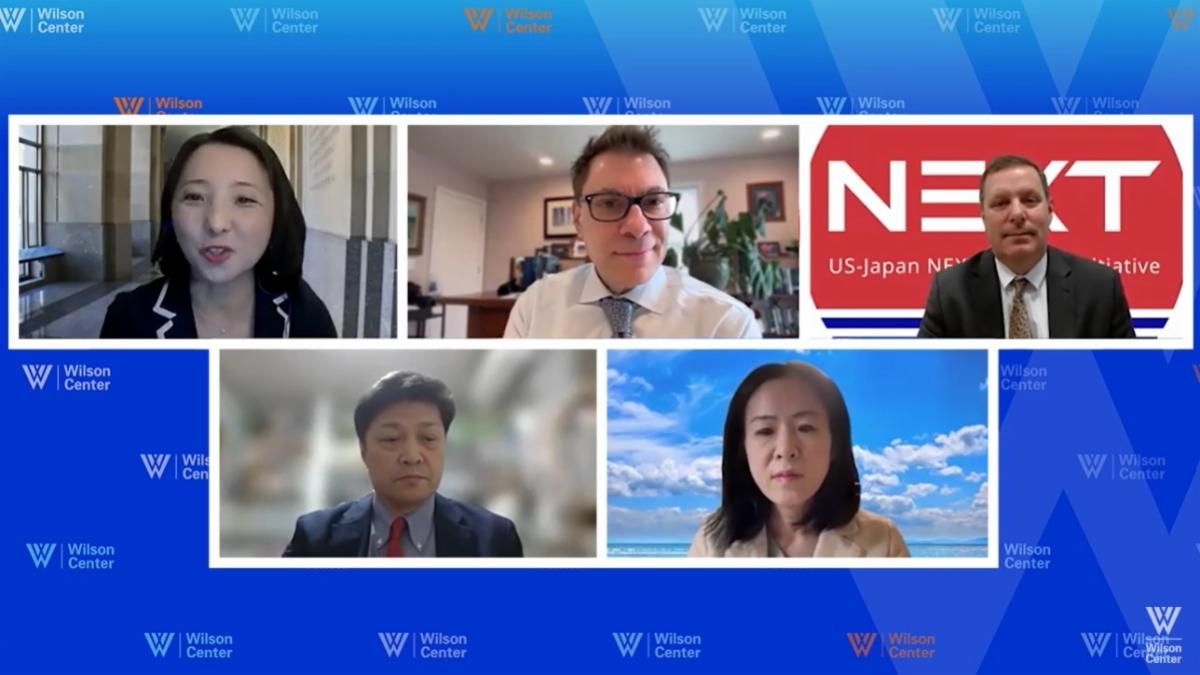
On March 5, US-Japan NEXT Alliance Initiative Senior Director James Schoff participated in a panel discussion with the Wilson Center’s Indo-Pacific Program on “Protecting Maritime Security and Stability in the Indo-Pacific: Challenges for the U.S. and Japan.” Moderated by the Wilson Center’s Ms. Shihoko Goto, director of the Indo-Pacific program, Mr. Schoff spoke alongside Dr. Yasuhiro Matsuda, professor of international politics at the Institute for Advanced Studies on Asia at the University of Tokyo; Mr. James Kraska, chair and professor of international maritime law at the Stockton Center for International Law at the U.S. Naval War College, and Dr. Yurika Ishii, associate professor at the National Defense Academy of Japan. The event explored how the new administrations in Tokyo and Washington can work together to enhance maritime security and maintain stability across the Indo-Pacific. Discussions centered on protecting the freedom of navigation and overflight across the Indo-Pacific as aggressive actors increasingly challenge the integrity of the rules-based international order in the South and East China Seas. Mr. Schoff addressed an audience of 400 participants, sharing insights on Japan’s implementation of its national security and defense strategies to bolster deterrence and foster regional cooperation. He also highlighted how these efforts fit within the alliance transformation agenda, including modernization of command, control, and coordination relationships.
Photo (clockwise from top left): Ms. Shihoko Goto, Mr. James Kraska, Mr. James Schoff, Dr. Yurika Ishii, and Dr. Yasuhiro Matsuda
| | Dr. Satohiro Akimoto Publishes in Gaiko | | |
Dr. Satohiro Akimoto, chairman and president of Sasakawa Peace Foundation USA, contributed an article in the Japanese magazine Gaiko (Diplomacy) published by the Japan Ministry of Foreign Affairs. Dr. Akimoto describes the U.S. administration’s attempt led by Mr. Steve Witkoff, United States special envoy to the Middle East, to work with Ukraine and Russia to stop bullets from flying and save lives both in Ukraine and Russia. Dr. Akimoto touches on the importance of the role that Commerce Secretary Howard Lutnick plays in the Trump administration’s efforts to deal with China in terms of trade through a reciprocal tariff.
| | |
Commentary & Analysis:
The Japan-U.S. Alliance under New Leadership in Tokyo and Washington, DC (Mr. Hideshi Tokuchi)
| | |
Mr. Hideshi Tokuchi’s recent paper for Sasakawa USA, “The Japan-U.S. Alliance under New Leadership in Tokyo and Washington, DC,” emphasizes the critical role the Japan-U.S. alliance plays in Japan’s national security policy. Mr. Tokuchi, a distinguished fellow (non-resident) at Sasakawa USA, advocates expanding communication and cooperation channels between the two nations. In addition, his paper highlights the Japan-U.S. alliance as a time-tested institutional relationship that requires ongoing nurturing. Mr. Tokuchi acknowledges concerns about American democracy but expresses optimism following the first official meeting between Prime Minister Ishiba and President Trump in February 2025. He analyzes five key points from the resulting United States–Japan Joint Leaders’ Statement, which reaffirms the alliance’s strength and shared vision for stability in the Indo-Pacific region. Read Mr. Tokuchi’s paper here.
Photo: Mr. Hideshi Tokuchi
| | |
Congressional Study Group on Japan:
Members Trip to Japan
| | |
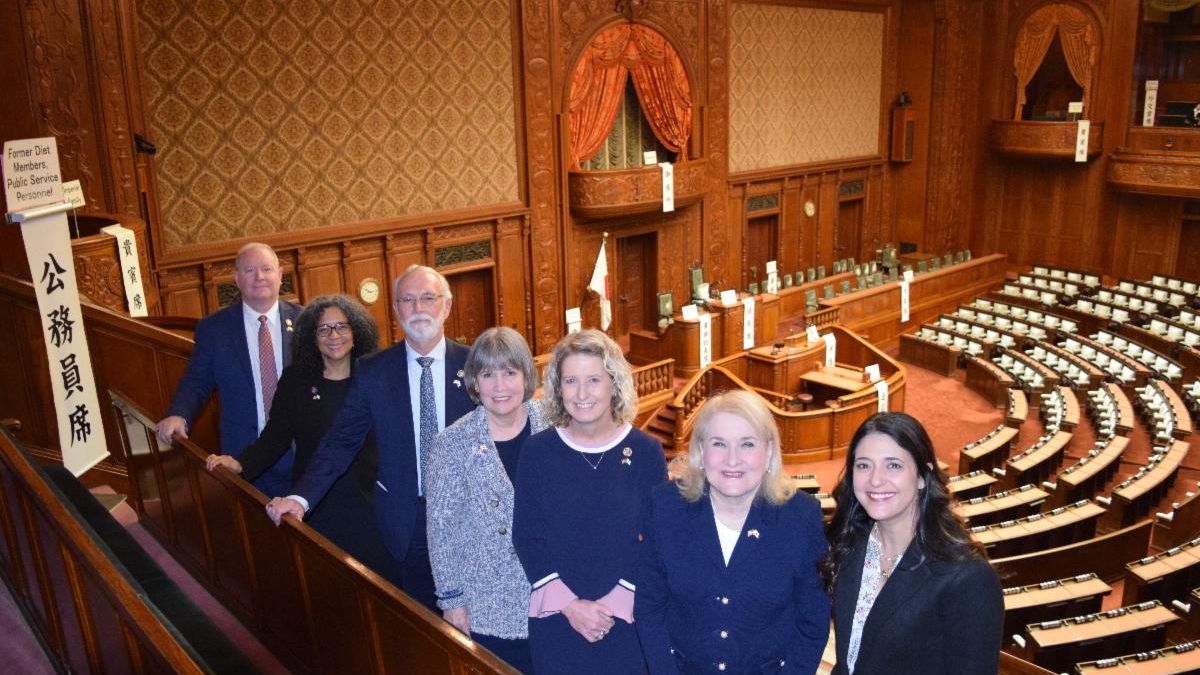
From April 12-19, a bipartisan delegation of eight U.S. Members of Congress participating in the Congressional Study Group on Japan will travel to Tokyo and Sapporo. The delegation is led by House Co-Chairs Hon. Diana DeGette (D-CO) and Hon. Andy Barr (R-KY), with Senate Co-Chair Hon. Mazie Hirono (D-HI) accompanying the group. House Committees represented in the delegation include Agriculture, Armed Services, Appropriations, China Select, Energy and Commerce, Foreign Affairs, Financial Services, Homeland Security, Intelligence Select, and Ways and Means. Senate Committees represented are Armed Services, Energy and Natural Resources, Judiciary, Small Business and Entrepreneurship, and Veterans’ Affairs. Members of the delegation will meet with various Japanese government leaders to discuss geopolitical and economic issues of mutual interest between the U.S. and Japan. The delegation will also have opportunities to deepen their political, economic, historical, and cultural knowledge of Japan through meetings with Diet members, government officials, business and industry leaders, journalists, students, and cultural experts in Tokyo and Sapporo.
The Congressional Study Group on Japan is a program of the Former Members of Congress (FMC), which is supported by Sasakawa USA.
Photo: Congressional Study Group on Japan delegation at the National Diet on a previous Members trip to Japan in 2024.
| | U.S.-Japan Research Exchange: Mr. Robert Tomkin | |
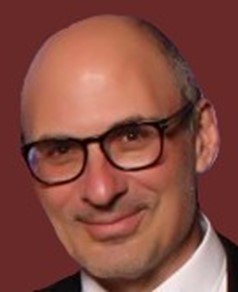
On April 12, Mr. Robert Tomkin, writer and editor with the Congressional Quarterly, will embark on a week-long U.S.-Japan Research Exchange trip to Tokyo.
Mr. Tomkin’s research will focus on the growing ties, including security ties, between Japan and Europe in the wake of increasingly tense relations with China and evolving dynamics with the United States. Part of his research will also examine European efforts in the Indo-Pacific, particularly technology co-development and co-production between Japan and Europe, as well as expanded cooperation in artificial intelligence, cybersecurity, and countering disinformation on social media. His research may also include strategies to counter economic coercion, export controls, or other protectionist measures. Additionally, Mr. Tomkin will investigate the potential for Japan participating in defense related agreements like AUKUS, enhanced intelligence sharing, and any change in nuclear deterrence policies given recent geopolitical events.
Following his research trip, Mr. Tomkin will produce a paper based on his findings, which will be presented at a Sasakawa USA Policy Briefing event. The paper will also be made available on Sasakawa USA’s website.
Photo: Mr. Robert Tomkin
| | |
Sasakawa Peace Foundation USA
1819 L Street, NW, Suite 300
Washington, DC 20036
+1.202.296.6694
| | | | |