Sasakawa USA Newsletter September Highlights | |
|
Included in this issue of the newsletter:
- Message from Sasakawa USA's Chairman Satohiro Akimoto
September Activities
- Policy Briefing: On the Frontlines of Operation TOMODACHI: Japan-U.S. Coordination During Crisis with Retired LTG Koichi Isobe (JGSDF)
- U.S.-Japan Regional Alliance Series: Engagements with Retired LTG Koichi Isobe (JGSDF) at Columbia University and Harvard University
- Japan US Military Program (JUMP): Fort Leavenworth
- Japan US Military Program (JUMP): Norfolk
- Washington Kenkyu Group: Discussion with Mr. John S. Gardner
External Engagements
- Sasakawa USA at JETAA USA National Conference
- Ms. Shanti Shoji Speaks on WPS Panel at Japan Trilateral Forum in Brussels
- US-Japan NEXT Alliance Initiative: Lecture with 2024 Summer Student Program
Publications
- Japan Political Pulse: A Former Prime Minister Leads the Largest Opposition, Yet Faces the Same Dilemma (Dr. Ko Maeda)
- Sasakawa USA Emerging Experts Delegation (SEED): 2024 SEED Publication on DRR and WPS (Dr. Miwako Kitamura)
- US-Japan NEXT Alliance Initiative: AI Report Publication
Upcoming Activities
- Japan US Military Program (JUMP): Honolulu, Air Force Academy, and West Point
- U.S.-Japan Regional Alliance Series: Tulane University
Announcements
- Mr. Shawn D. Harding Named US-Japan NEXT Alliance Initiative Non-Resident Scholar
| |
Message from Sasakawa USA's Chairman Satohiro Akimoto | |
|
Shigeru Ishiba has been elected Japan’s new prime minister. In the Liberal Democratic Party’s (LDP) long history, it was an unusual presidential election. A record nine candidates ran for the LDP presidency, almost double the previous record of five candidates who ran in 2008. This was due to the fact that the major LDP factions, which had been institutionalized as part of the party power politics, were dissolved earlier this year, except for the Aso faction.
In this unusual election, there were unusual developments. There was no winner in the first round, as had been predicted based on the record number of candidates. What was unusual was that two unconventional and somewhat controversial candidates, Sanae Takaichi and Shigeru Ishiba, advanced to the runoff. Takaichi came in first with 181 votes (72 LDP lawmakers, 109 LDP local chapters members) and Ishiba came in second with 154 votes (46 LDP lawmakers, 108 LDP local chapters members). Takaichi seemed to have built up momentum to carry her through in the runoff. However, Ishiba successfully reversed the momentum in less than two hours between the first round and the runoff. As a result, Ishiba came in first with 215 votes (189 LDP lawmakers and 26 LDP local chapters members) and Takaichi came in second with 194 votes (173 LDP lawmakers and 21 LDP local chapters members). It was a stunning victory for Ishiba, as he garnered a whopping additional 143 LDP lawmakers’ votes in the runoff from the first round.
In retrospect, LDP lawmakers apparently became very concerned with the prospect of Takaichi becoming prime minister. First, they worried about Takaichi’s “ultra rightest” stance that could endanger relations with China and South Korea. When Takaichi clearly said during the campaign that she would continue to visit Yasukuni Shrine as prime minister, had she been elected, many LDP lawmakers thought she would seriously hurt Japan relations with China and South Korea and, ultimately, with the United States. Second, they saw Ishiba as a safer bet in terms of protecting seats for the LDP in the next general election. Ishiba was regarded more pragmatic and more popular among LDP’s rank and file members, and thus was generally more acceptable compared with Takaichi, as the face of the party in the general election.
Ishiba has been having a rocky start as prime minister. His approval rating is relatively low compared with previous prime ministers immediately following their becoming prime minister. He has been sharply criticized by the opposition parties for quickly calling a snap election, contradicting his earlier stance during the LDP campaign. He has deeply angered former Abe faction members for his callous and even antagonistic treatment of them in appointments for cabinet positions, as well as his refusal to endorse some faction members for the general election. He has to deal with many issues that he may not be familiar with, as he has long been on the outside of the LDP’s decision making. He does not have many people upon whom he can trust and rely. Most importantly for Ishiba in the short run, it is not clear how the LDP will fare in the upcoming general election scheduled for October 27.
Already, some pundits have begun to predict that Ishiba, as prime minister, might be short lived. That is precisely what Japan does not need. Japan cannot go back to the era when the country had a new prime minister almost every year, as Japan is now facing a critical time to construct its mid- to long-term vision of the country. I wish the prime minister good luck in this respect.
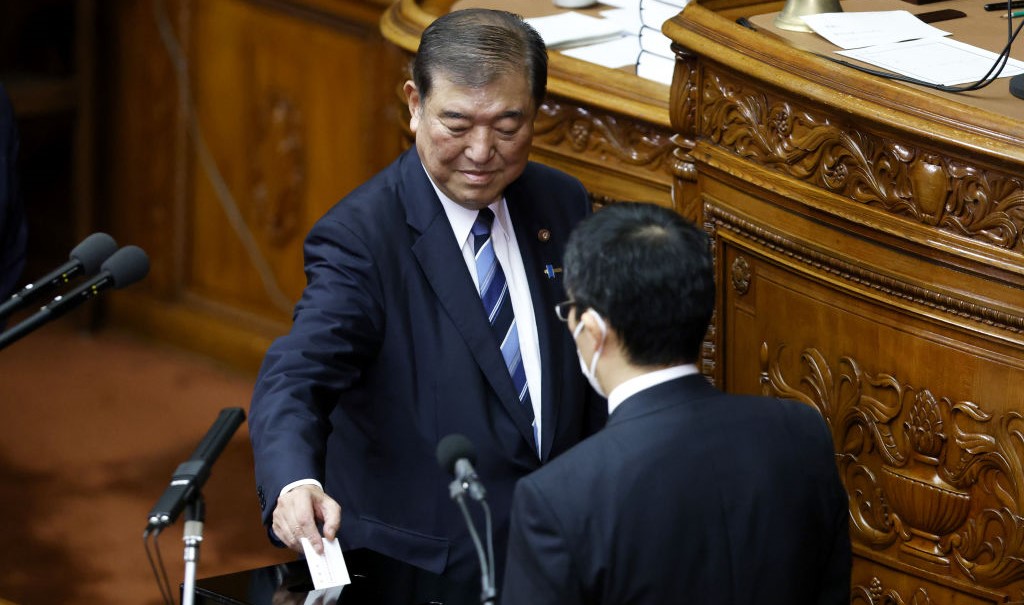
Photo: Mr. Shigeru Ishiba, president of the Liberal Democratic Party (LDP), casts his ballot for the nomination of Japan's prime minister during an extraordinary session at the lower house of parliament in Tokyo, Japan, on October 1, 2024. (Photo by Kiyoshi Ota/Bloomberg via Getty Images)
| |
|
Policy Briefing: On the Frontlines of Operation TOMODACHI: Japan-U.S. Coordination During Crisis
with Retired LTG Koichi Isobe (JGSDF)
| |
|
Sasakawa USA’s NEXT Alliance Initiative hosted a Policy Briefing on September 19, combining a book launch and policy roundtable. The event centered around the publication of On the Frontlines of Operation TOMODACHI: Japan-U.S. Coordination During Crisis by Retired LTG Koichi Isobe, former commander of the Eastern Army, Japan Ground Self-Defense Forces. The gathering attracted attendees from diverse backgrounds, including think tanks, military branches, government, and media.
The author, Retired LTG Koichi Isobe, and guest discussant Retired Lt Gen Burt Field, former commander of U.S. Forces Japan, recounted their firsthand experiences of the bilateral mission during the March 2011 crisis in Japan caused by the earthquake, tsunami, and nuclear disaster. Together, they explored the implications of Operation TOMODACHI for future bilateral missions between Japan and the United States. Moderator and Sasakawa USA Senior Director James Schoff facilitated dialogue focused on assisting alliance managers in designing new command and control (C2) relationships, particularly in light of the U.S. announcement to create an in-country counterpart for Japan’s new Joint Operation Command (J-JOC).
The event’s relevance was underscored by recent developments in Japan-U.S. military cooperation: Firstly, the planned establishment of a Joint Operations Command of the Self-Defense Forces in March 2025. Secondly, the formation of a working group to improve the C2 framework, as called for in the Japan-U.S. 2+2 meeting held in Tokyo on July 28.
A not-for-attribution summary of the event will be available on the NEXT Alliance Initiative page of Sasakawa USA’s website in the near future.
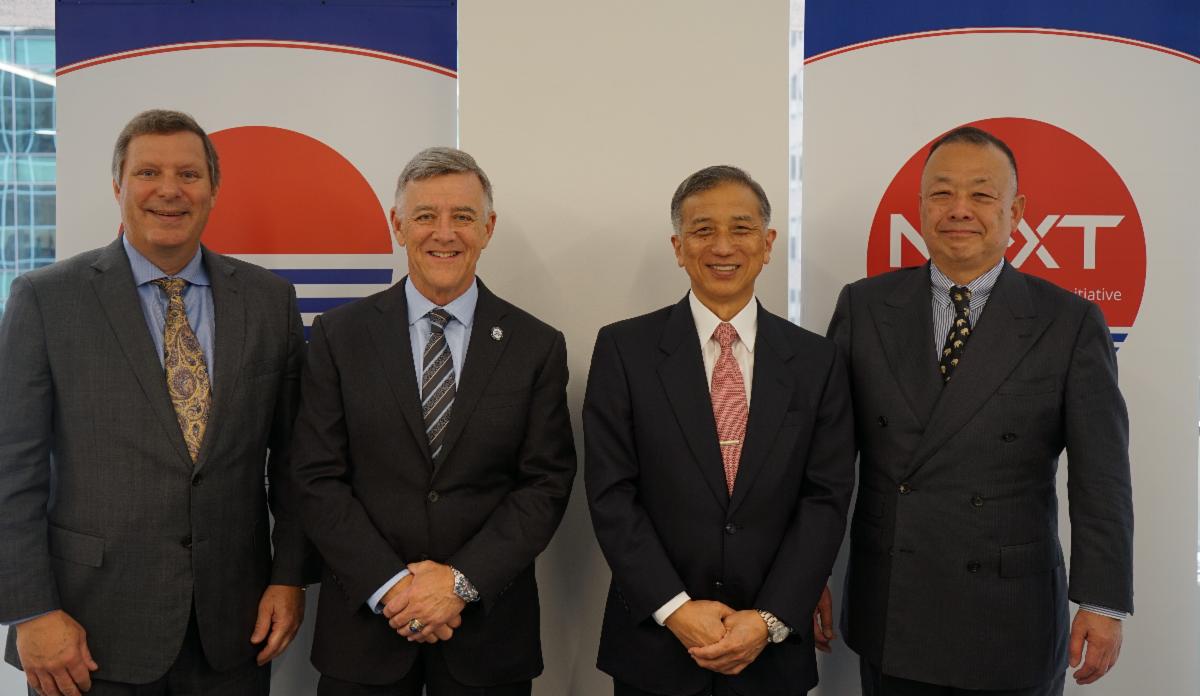
Photo (left to right): Mr. James Schoff, Retired Lt Gen Burt Field (U.S. Forces Japan), Retired LTG Koichi Isobe (JGSDF), and Dr. Satohiro Akimoto
| |
|
U.S.-Japan Regional Alliance Series:
Engagements with Retired LTG Koichi Isobe (JGSDF) at
Columbia University and Harvard University
| |
|
Sasakawa USA organized two significant events in September with the universities of Columbia and Harvard as part of the U.S.-Japan Regional Alliance Series, featuring Retired LTG Koichi Isobe, former commander of the Eastern Army, Japan Ground Self-Defense Forces. These events focused on discussing the major findings from LTG Isobe’s recent English publication of On the Frontlines of Operation TOMODACHI: Japan-U.S. Coordination During Crisis and its implications for modernizing U.S.-Japan command-and-control (C2) arrangements and future defense cooperation.
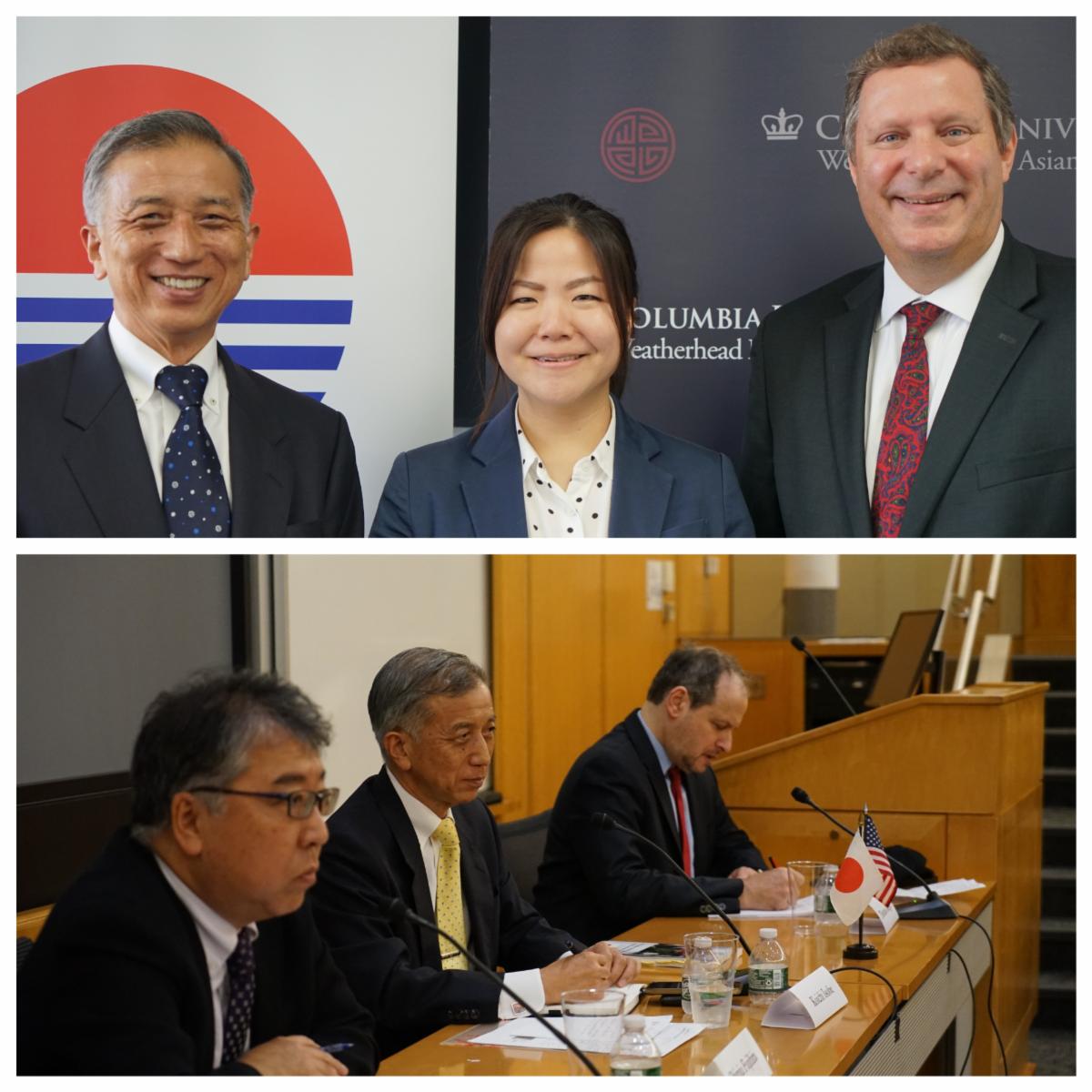
The Columbia University event, “From Friend to Partner: U.S.-Japan Coordination Lessons from Operation TOMODACHI Applied to New Bilateral Missions in Asia,” was held on September 17, in partnership with the Weatherhead East Asian Institute. Dr. Ayumi Teraoka, postdoctoral research scholar at the Weatherhead East Asian Institute and postdoctoral research fellow with the Chian and the World Program, moderated the event after LTG Isobe’s keynote presentation. Mr. James Schoff, senior director of Sasakawa USA’s US-Japan Next Alliance Initiative, provided remarks.
The Harvard University event, “From Operation TOMODACHI to the China Challenge: New Frontiers in U.S.-Japan Alliance Cooperation,” took place on September 18, in partnership with the Program on U.S.-Japan Relations. Dr. Shinju Fujihira, executive director of the Program on U.S.-Japan Relations at Harvard University, moderated the panel and Dr. Satohiro Akimoto, chairman and president of Sasakawa USA, shared welcome remarks. Keynote speaker LTG Isobe’s presentation was followed by a contextual overview of the current state of the U.S.-Japan alliance provided by Dr. Thomas Berger, professor and director at the BU Center for the Study of Asia at Boston University. LTG Isobe was excited to return to Harvard where he started research for his book when he served as a senior fellow at Harvard University’s Asia Center from 2017-2019.
More details on these U.S.-Japan Regional Alliance Series events will be available on Sasakawa USA’s website in the coming weeks.
Top photo (left to right): Retired LTG Koichi Isobe (JGSDF), Dr. Ayumi Teraoka, and Mr. James Schoff
Bottom photo (left to right): Dr. Shinju Fujihira, Retired LTG Koichi Isobe (JGSDF), and Dr. Thomas Berger
| |
Japan US Military Program (JUMP): Fort Leavenworth | |
|
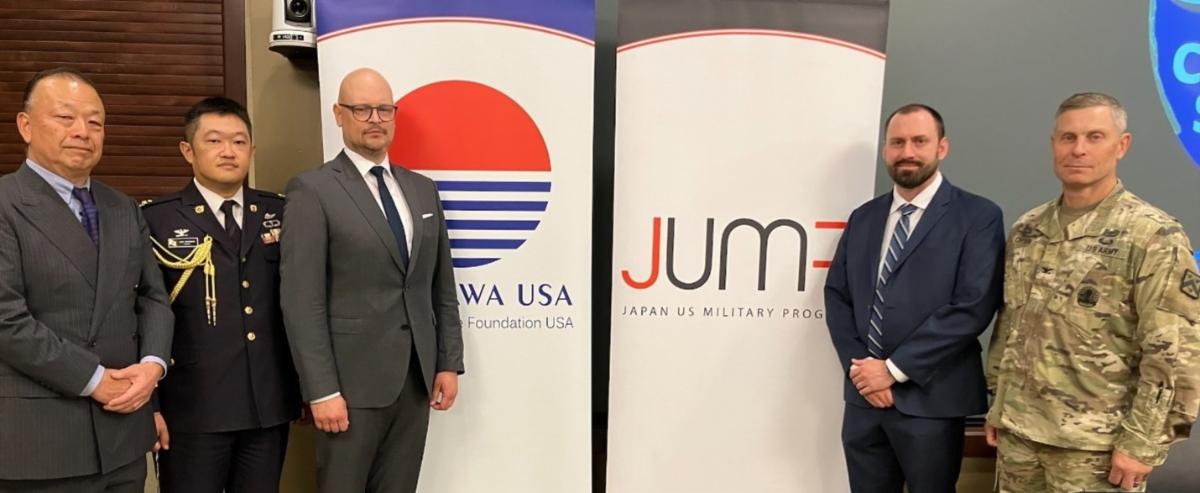
On September 12, Sasakawa USA organized the Japan US Military Program (JUMP) event “War in Ukraine: Impact on Indo-Pacific Strategies” at Fort Leavenworth, Kansas. This event was held in partnership with the U.S. Army Command and General Staff College and the Embassy of Japan. The JUMP event featured remarks by COL Satoshi Masaka (JGSDF), military attaché at the Embassy of Japan; Mr. Lars Geismann, political analyst at the Embassy of Germany; and Mr. Peter Wood, senior China analyst at the Foreign Military Studies Office, U.S. Army Training and Doctrine Command, G2, Fort Leavenworth, KS. JUMP Fort Leavenworth drew a significant audience, with approximately one hundred attendees affiliated with the U.S. Army at Fort Leavenworth. Additionally, the event was livestreamed on the Command and General Staff College website, extending its reach to a broader audience. JUMP is a partnership between Sasakawa USA and the Embassy of Japan. This program aims to foster connections and enhance understanding between the U.S. and Japanese military communities.
Photo (left to right): Dr. Satohiro Akimoto, COL Satoshi Masaka (JGSDF), Mr. Lars Geismann, Mr. Peter Wood, and COL Shane Celeen (USA)
| |
Japan US Military Program (JUMP): Norfolk | |
|
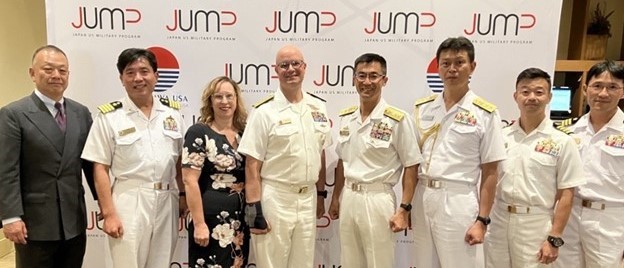
On September 23, Sasakawa USA held the Japan US Military Program (JUMP) event “The Importance of the U.S.-Japan Alliance as a Global Partnership” at Naval Station Norfolk, Virginia, in partnership with the Embassy of Japan. The event displayed the strong alliance between the United States and Japan, particularly in the military sphere. JUMP Norfolk featured remarks by RADM Carl A. Lahti (USN), commander of Navy Region Mid-Atlantic and former commander of U.S. Naval Forces Japan and Navy Region Japan, as well as RADM Takahiro Nishiyama (JMSDF), commanding officer of the Japan Training Squadron. The event coincided with the port call of the Japan Training Squadron at Norfolk and provided a unique opportunity for interaction between the training officers of the Japan Maritime Self-Defense Forces (JMSDF) and the U.S. Navy sailors at Naval Station Norfolk. This timing enhanced JUMP Norfolk’s impact, fostering better understanding and strengthening ties between the two nations’ naval forces.
Photo: Dr. Satohiro Akimoto (left) with Ms. Lisa Lahti (third from left), RADM Carl Lahti (USN) (center, left), RADM Takahiro Nishiyama (JMSDF) (center, right), RADM Takaaki Hayamizu (JMSDF) (third from right), and other JUMP reception guests
| |
|
Washington Kenkyu Group:
Discussion with Mr. John S. Gardner
| |
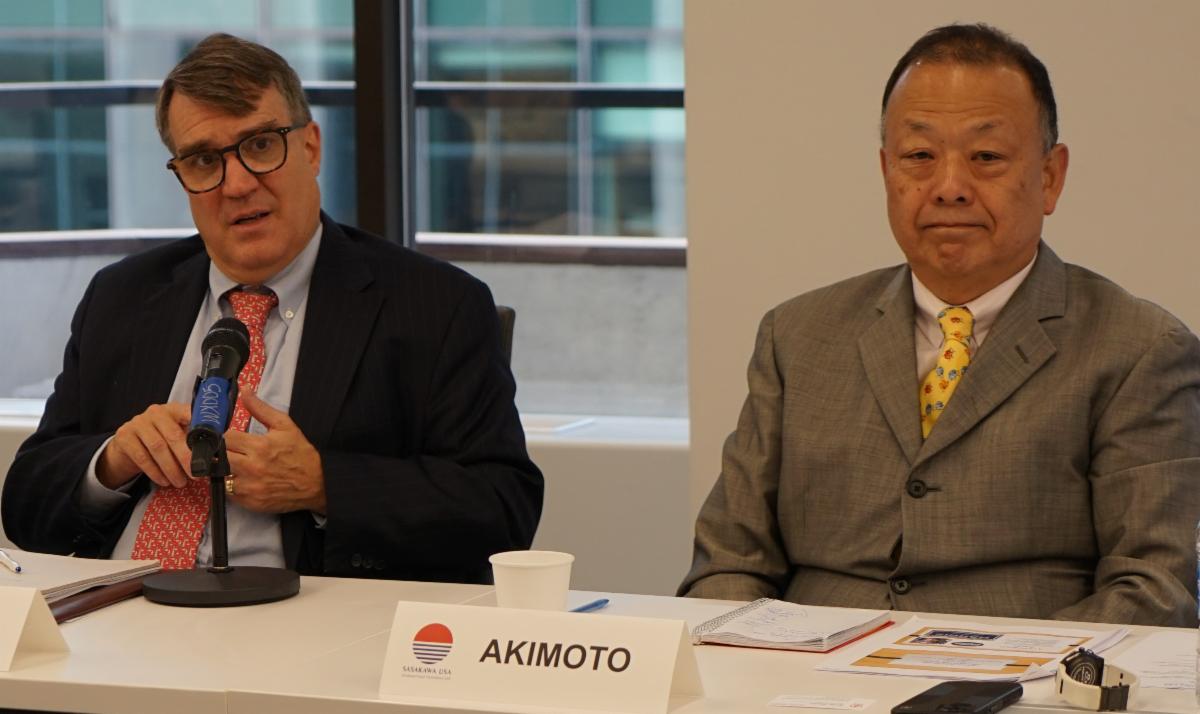
On September 6, Sasakawa USA hosted a roundtable discussion with the Washington Kenkyu Group featuring Mr. John S. Gardner, former special assistant to President George H.W. Bush and former deputy staff secretary at the White House. Mr. Gardner provided his analysis of the 2024 U.S. presidential election and prospects for each of the presidential candidates. Mr. Gardner’s presentation provided valuable insights into the U.S. electoral process and the potential implications of different candidate outcomes. Additionally, the Washington Kenkyu Group roundtable allowed for an interactive exchange of ideas and questions between Mr. Gardner and its members, which was moderated by Dr. Satohiro Akimoto, chairman and president of Sasakawa USA.
Photo (left to right): Mr. John S. Gardner and Dr. Satohiro Akimoto
| |
Sasakawa USA at JETAA USA National Conference | |
|
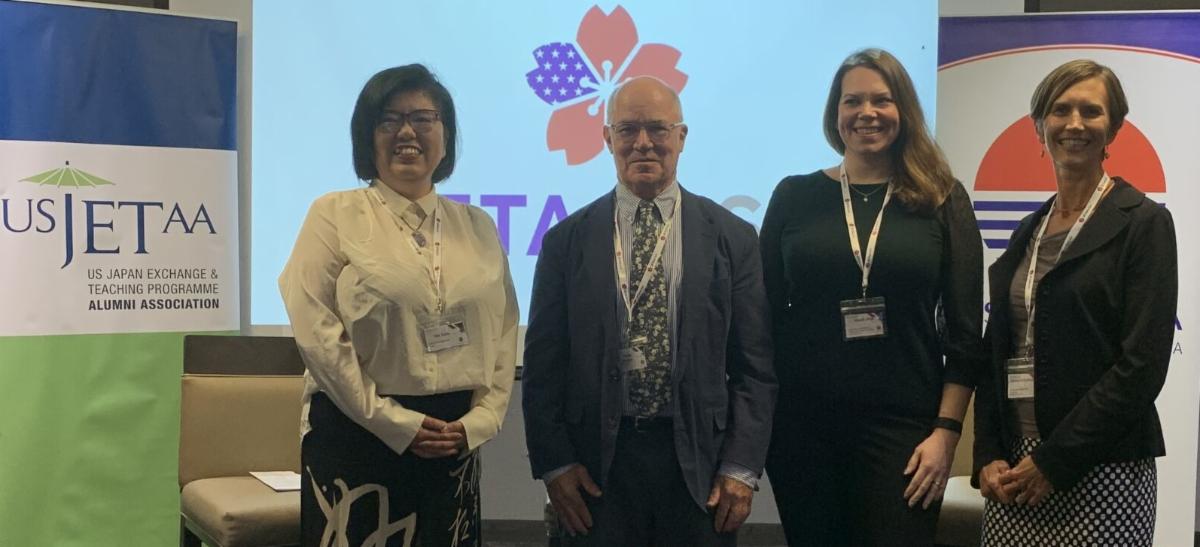
The 2024 JET Alumni Association USA (JETAA USA) National Conference was hosted this year by the JETAA Minnesota chapter and took place from September 26 to 29, in Minneapolis, Minnesota. It brought together leadership from the 19 JET alumni chapters across the United States, as well as from chapters in Jamaica, Trinidad and Tobago, and Canada.
In partnership with the United States Japan Exchange and Teaching Program Alumni Association (USJETAA), Sasakawa USA sponsored the conference keynote fireside chat, “National Support, Local Impact: Leveraging Resources to Build Your Local U.S.-Japan Network” which featured Mr. Peter Kelley, former president of the National Association of Japan-America Societies (NAJAS), and Ms. Rio Sato, executive director of the Japan-America Society of Minnesota, as speakers. Ms. Shanti Shoji, director of programs at Sasakawa USA, moderated the discussion.
Photo (left to right): Ms. Rio Sato, Mr. Peter Kelly, Ms. Shanti Shoji, and Ms. Jessyca Livingston (Photo by Ms. Veronica Mashek)
| |
|
Ms. Shanti Shoji Speaks on WPS Panel at
Japan Trilateral Forum in Brussels
| |
|
On September 12, Sasakawa USA Director of Programs Shanti Shoji spoke on the panel titled “Women, Peace and Security and the Reconstruction of Ukraine” at the 2024 Japan Trilateral Forum (JTF) hosted by the German Marshall Fund in Brussels, Belgium. During the panel, Ms. Shoji and her fellow panelists engaged in a comprehensive discussion regarding the role that Women, Peace and Security (WPS) can play in cultivating sustainable and equitable peace in times of conflict and crises, and areas of opportunity for Japan-Europe-U.S. trilateral cooperation in advancing the WPS agenda. The forum brought together policymakers, scholars, and business leaders from Japan, Europe, and the United States to promote coordination on shared challenges facing both the Indo-Pacific and Euro-Atlantic regions.
Photo (left to right): Ms. Shanti Shoji, Dr. Sayuri Romei, and Ms. Nobuko Sasae
| |
|
US-Japan NEXT Alliance Initiative:
Lecture with 2024 Summer Student Program
| |
|
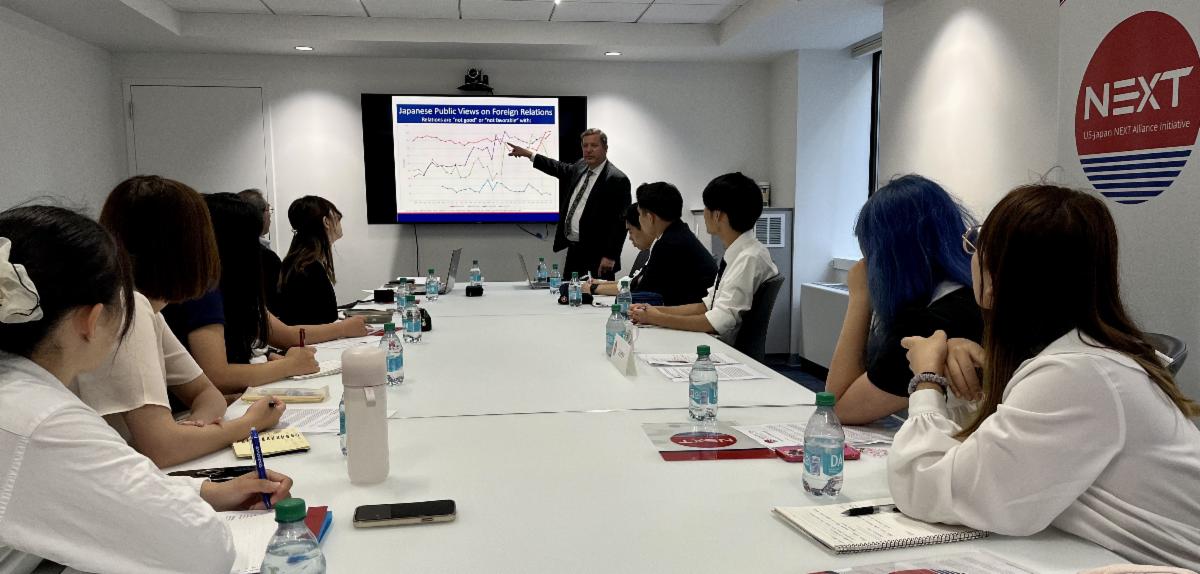
The NEXT Alliance Initiative hosted eleven international affairs focused undergraduate students from Chuo University on September 12. The delegation was led by Mr. Masakazu Watanuki, chairman of the Japan Global Initiative. Sasakawa USA Senior Director James Schoff opened the event with a presentation on the current state of U.S.-Japan bilateral relations, the upcoming U.S. presidential election, and potential implications of the election for the U.S.-Japan alliance. This occasion highlights the ongoing efforts of Sasakawa USA to strengthen educational and cultural ties between the United States and Japan, particularly in the realm of international affairs and security challenges in the Indo-Pacific, by fostering students and future leaders with direct insights into American views on key geopolitical issues.
Photo: Mr. James Schoff (center) speaking with Chuo University students at Sasakawa USA
| |
|
Japan Political Pulse:
A Former Prime Minister Leads the Largest Opposition, Yet Faces the Same Dilemma (Dr. Ko Maeda)
| |
|
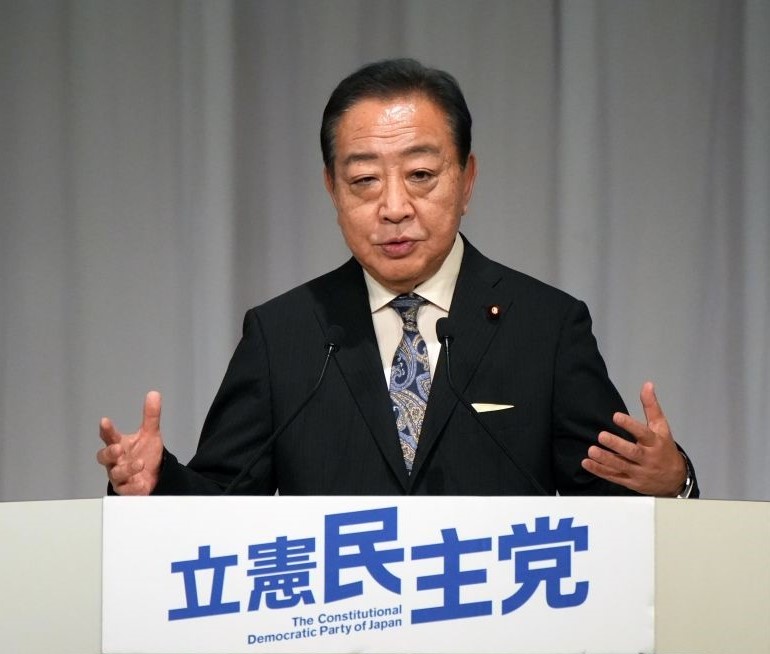
In this new Japan Political Pulse analysis, “A Former Prime Minister Leads the Largest Opposition, Yet Faces the Same Dilemma,” Dr. Ko Maeda, associate professor of political science at the University of North Texas, provides valuable insights into the recent leadership change in Japan’s Constitutional Democratic Party (CDP) and its implications for the party’s future. Yoshihiko Noda, a former prime minister of Japan, emerged victorious in the CDP’s leadership election on September 23.
In this piece, Dr. Maeda outlines the former CDP leader Kenta Izumi’s struggle to maintain party unity and its uneven performance in elections over the past three years, as well as offers context on the CDP’s relationships with other opposition parties in Japan. Furthermore, Dr. Maeda writes that under Noda’s new leadership, the CDP aims to reposition itself from its current left-leaning position towards a more centrist stance. You can read Dr. Maeda’s article here.
Japan Political Pulse (JPP) publishes articles on the state and trends of Japanese politics for American observers and practitioners of U.S.-Japan relations.
Photo: Newly elected party president Yoshihiko Noda speaks during a press conference following the main opposition Constitutional Democratic Party's extraordinary party convention on September 23, 2024, in Tokyo, Japan. (Photo by The Asahi Shimbun via Getty Images)
| |
|
Sasakawa USA Emerging Experts Delegation (SEED):
2024 SEED Publication on DRR and WPS
(Dr. Miwako Kitamura)
| |
|
From July 6 to 14, Sasakawa USA conducted a study trip to Japan focused on integrating Women, Peace and Security (WPS) principles into disaster risk reduction (DRR) efforts. The delegation of U.S. experts in disaster preparedness and response, led by Sasakawa USA Director of Programs Shanti Shoji, visited Tokyo, Tohoku, and Noto to gain insights into Japan’s implementation of WPS within its DRR policies and practices, as well as how to foster more resilient and equitable societies. The full report on the 2024 Sasakawa USA Emerging Experts Delegation (SEED) study trip is available on our website here.
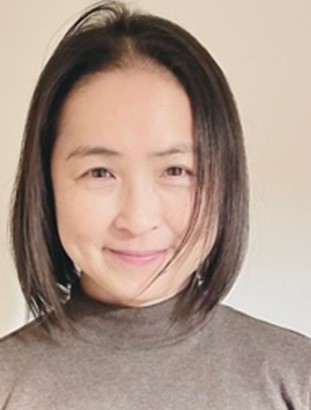
The first in the series of publications following the 2024 SEED delegation’s trip is a report written by Dr. Miwako Kitamura, researcher (specially appointed) at Tohoku University’s International Research Institute of Disaster Science (IRIDeS) and Sasakawa USA senior fellow. Dr. Kitamura was instrumental in orchestrating the delegates’ field study in Tohoku and Noto, as well as engagements with key gender and DRR experts in Tokyo. In her paper, “The Role of Women’s Leadership in Disaster Response and Recovery,” Dr. Kitamura highlights the women and organizations whom the delegation met with who took on leadership roles in the recovery of their communities following the 2011 Great East Japan Earthquake and the 2024 Noto Peninsula Earthquake, and recommends bringing women’s voices to the forefront of disaster management and decision-making. Additional SEED participants’ publications will be posted on our website in the coming weeks.
Photo: Dr. Miwako Kitamura
| |
US-Japan NEXT Alliance Initiative: AI Report Publication | |
 | 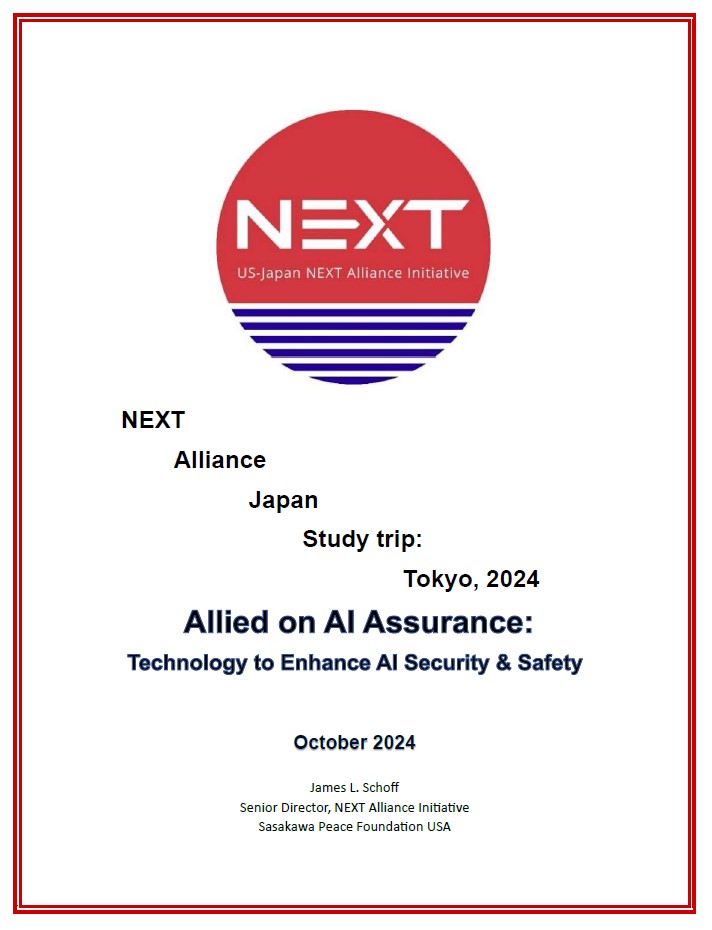 | Sasakawa USA’s US-Japan NEXT Alliance Initiative (NEXT) has made significant strides in fostering bilateral cooperation on artificial intelligence (AI) assurance and security between the United States and Japan. The initiative’s report, “Allied on AI Assurance: Technology to Enhance AI Security and Safety,” provides valuable insights into the current state of AI assurance efforts to protect national security and counter disinformation in both countries, the key players and initiatives involved, and potential areas of bilateral collaboration in support of broader multilateral actions to enhance AI safety and security. A crucial component of this initiative and report was a study trip to Japan organized by Senior Director James Schoff, who brought six senior level U.S. AI security experts from the Department of Energy’s National Laboratories and the Department of Homeland Security to Japan. The AI study trip included three days of meetings and roundtable discussions with Japanese counterparts from government, academia, and the private sector. A site visit to Japan’s AI Safety Institute provided firsthand insight into Japan’s AI safety initiatives. In collaboration with the University of Tokyo, Research Center for Advanced Science and Technology (RCAST) and Economic Security Research Program (ESRP), Sasakawa USA co-hosted a public event which attracted an audience of 125 attendees made up of students, researchers, private sector representatives, and embassy officials from various countries.
| |
|
Japan US Military Program (JUMP):
Honolulu, Air Force Academy, and West Point
| |
|
In the coming months, Sasakawa USA will hold three Japan US Military Program (JUMP) events. The first will take place in Honolulu, Hawaii, on October 25, in partnership with the Japan-America Society of Hawaii (JASH) and the Consulate-General of Japan in Honolulu. The JUMP Honolulu event will feature remarks by Retired Admiral Katsutoshi Kawano (JMSDF), former chief of staff of the Joint Staff in the Japan Self-Defense Forces, and will coincide with the port call of the Japan Training Squadron at Pearl Harbor.
On November 2, the second JUMP event will be held in partnership with the U.S. Air Force Academy in Colorado Springs, Colorado, and the Japan-America Society of Southern Colorado (JASSC). Subsequently, on November 19, Sasakawa USA will return to the U.S. Military Academy at West Point, New York, for a JUMP event in partnership with the Modern War Institute at West Point. Both of these events at U.S. service academies are designed to educate cadets from the U.S. Air Force and U.S. Army about the U.S.-Japan alliance in support of their training as future leaders of the alliance. Sasakawa USA’s JUMP aims to foster a deeper understanding of the importance of U.S.-Japan military cooperation among the next generation of military officers. JUMP is a program made possible by the financial support from the Embassy of Japan.
| |
U.S.-Japan Regional Alliance Series: Tulane University | |
Sasakawa USA is hosting the next installment of its U.S.-Japan Regional Alliance Series from November 11 to 13, in partnership with Tulane University’s Disaster Resilience Leadership Academy. The symposium, titled “Equitable Resilience and Social Vulnerability: Lessons from the U.S. and Japan,” will focus on strengthening community resilience to natural disasters through inclusive disaster preparedness and response efforts.
This event builds upon the 2024 Sasakawa USA Emerging Experts Delegation, which examined disaster risk reduction (DRR) through the lens of Women, Peace and Security (WPS). The upcoming symposium aims to address the needs of vulnerable populations in disaster planning and management.
The U.S.-Japan Regional Alliance Series connects economic and security experts on the U.S.-Japan alliance and the Indo-Pacific region from Japan; Washington, DC; and local communities in the U.S. The program facilitates discussions with local officials, businesses, scholars, and students about the significance of the U.S.-Japan economic and security alliance on both the national and regional levels.
| |
|
US-Japan NEXT Alliance Initiative:
Mr. Shawn D. Harding Named Non-Resident Scholar
| |
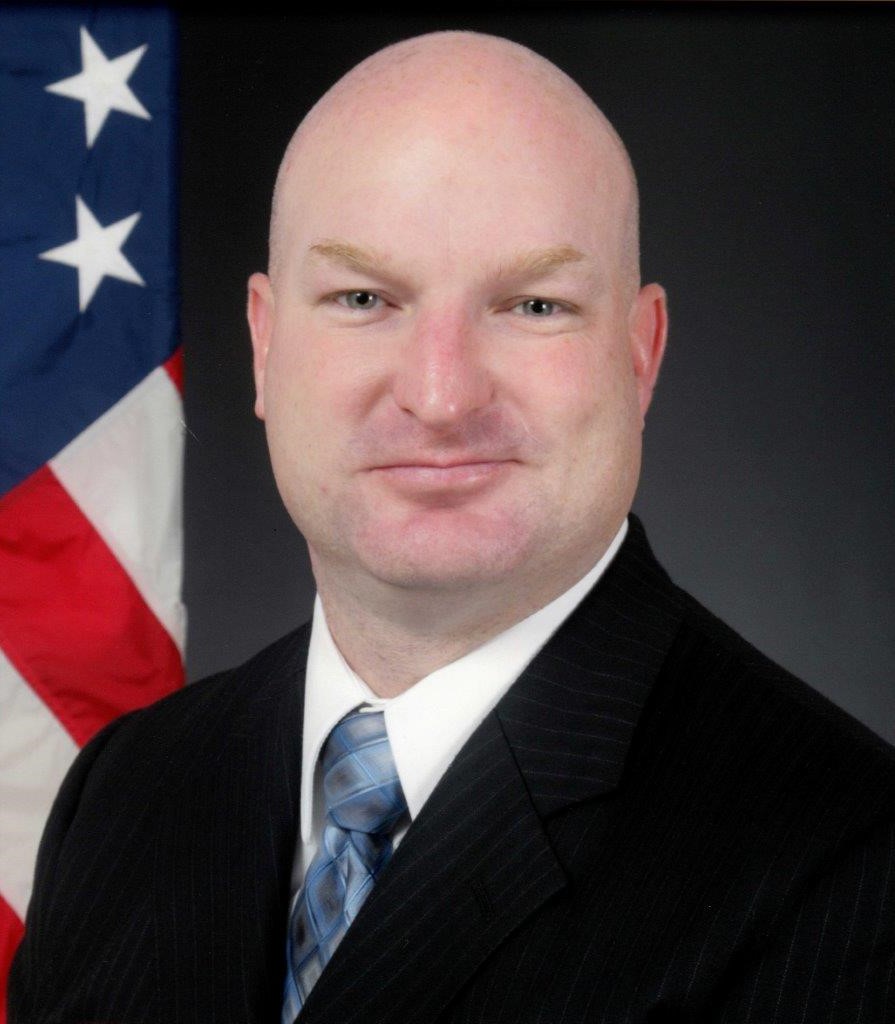 | | Mr. Shawn D. Harding joined Sasakawa USA as a non-resident scholar for the US-Japan NEXT Alliance Initiative in September 2024. In this role, he will contribute research and analysis on various aspects of the U.S.-Japan alliance, Indo-Pacific regional security, and defense equipment cooperation. Mr. Harding brings a wealth of experience and education to his position. He holds a master of international public policy from Johns Hopkins University’s School of Advanced International Studies and is currently pursuing a doctor of international affairs as part of the 2025 cohort. His research focuses on U.S.-Japan security cooperation, international negotiation, and host nation basing. Mr. Harding has over ten years of cumulative service in Japan as an active-duty U.S. Marine and government civilian. Alongside his contributions to the NEXT Alliance Initiative, Mr. Harding serves as a security cooperation program manager at Naval Air Systems Command, F-35 Joint Program Office where he manages the production of F-35 aircraft for eleven Foreign Military Sales customers. As a NEXT Alliance Initiative non-resident scholar, Mr. Harding is part of a select group of highly qualified specialists who contribute regularly to Sasakawa USA’s research and mission, with their writings providing valuable insights into U.S.-Japan relations and regional security issues.
Photo: Mr. Shawn D. Harding
| |
|
Sasakawa Peace Foundation USA
1819 L Street, NW, Suite 300
Washington, DC 20036
+1.202.296.6694
| | | | |