X  Youtube  Linkedin

NASA Harvest's Monthly News

Satellite Data Reveals Where Ukrainian Farmland Has Been Abandoned & Reclaimed

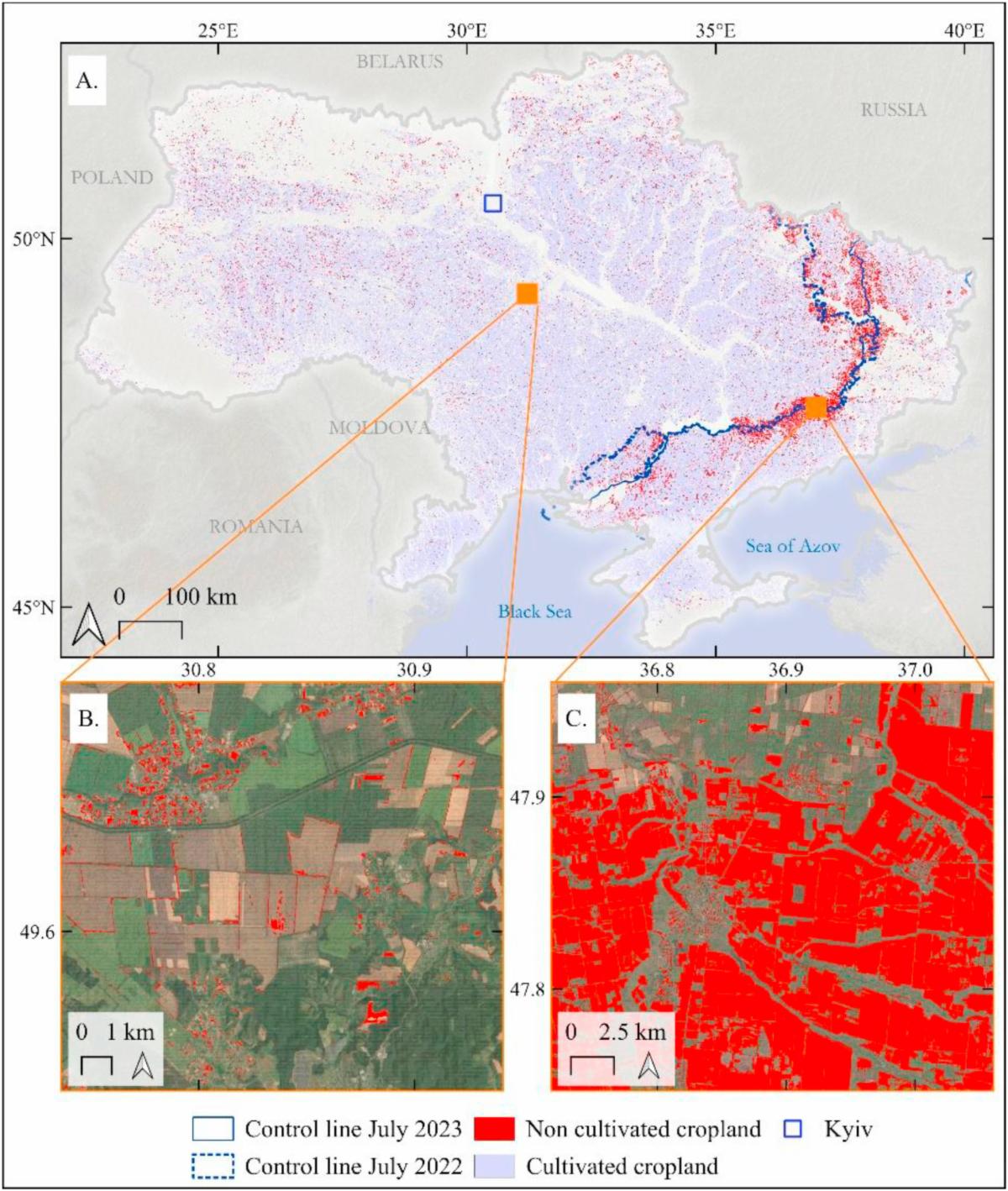
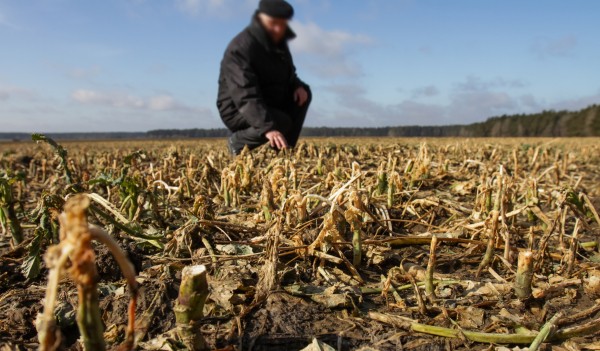
One of the challenges in measuring wartime agricultural loss is knowing what has actually been lost. A field that goes uncultivated for a season may still be managed and expected to return to production, while abandoned land may be inaccessible, damaged, or contaminated by mines and unexploded ordnance.


A new NASA Harvest study separates those categories to give a clearer picture of how Ukraine’s farmland is changing during the war. Researchers also tracked where previously abandoned fields returned to management, revealing signs of recovery in areas where fighting has receded.


The approach can help improve estimates of agricultural damage while also informing demining, farmer support, and longer-term recovery planning. Read more about the project here!

Caption: The 2023 cultivation map shows how non-cultivated cropland was concentrated near the frontlines. The national map (A) is paired with examples from an area far from the front (B) and along the 2022–2023 frontline (C), where large areas of cropland were no longer being cultivated. At this mapping stage, fallow and abandoned fields were grouped together as non-cultivated cropland.

AI Can Help Predict Food Crises, but Experts Advise Caution

A new Nature Food commentary examines where AI can strengthen food security early warning, from satellite analysis to crop forecasting. NASA Harvest's Weston Anderson, Inbal Becker-Reshef, and colleagues argue that AI should support, not replace, expert judgment, particularly in conflict-affected and data-poor regions where information may be limited or unreliable.

What a Powerful El Niño Means for the World

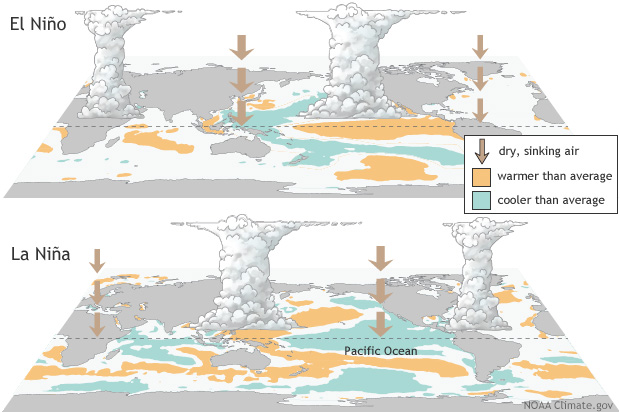
Foreign Policy examines how the developing El Niño could affect agriculture, food security, and the global economy.


NASA Harvest’s Brian Barker explains why impacts vary from one El Niño to another, while the article highlights heightened agricultural risks in southern Africa, Central America, India, and Australia.

NASA Acres Hosts US Farmers in Washington D.C.

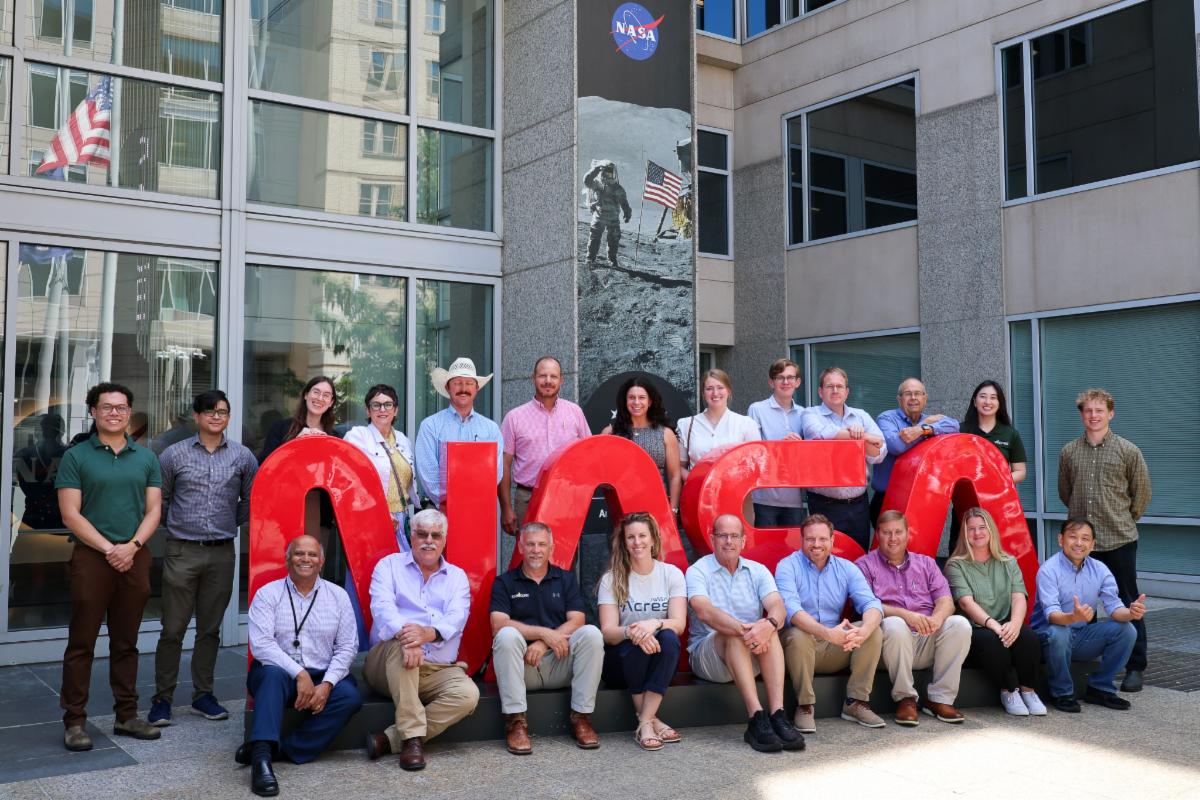
Our sister consortium, NASA Acres, recently hosted a group of US farmers from their FIAT initiative in Washington D.C.


The farmers got to meet with NASA Earth Science leadership, take a tour of NASA's Goddard Space Flight Center, attend a NASA science meeting, and speak on Capitol Hill about how NASA Earth observation science is helping improve the productivity, resilience, and competitiveness of US agriculture.

Upcoming Events

Registration Open for 2026 NASA Space Apps Challenge

November 14-15, 2026

Registration is now open for the 2026 NASA Space Apps Challenge, the world’s largest annual global hackathon. Held November 14–15, the two-day event brings together technologists, students, scientists, designers, and other participants at hundreds of in-person and virtual events around the world.


Teams respond to challenges developed by NASA subject matter experts, using free and open data from NASA and partner space agencies to address real-world problems on Earth and in space. Projects can range from apps and software tools to new approaches for exploration and sustainability. Selected submissions are later reviewed for Global Awards.


Registration remains open through November 15.