Spring 2021 Events Calendar |
|
All events are free and open to the public via Zoom Webinar
unless otherwise listed. New events may be added at a later time.
You may also download a printable PDF document
of the event schedule at the following link.
|
|
Friday, February 5th, 5 p.m. (PST) | RSVP NOW
|
|
Colloquium
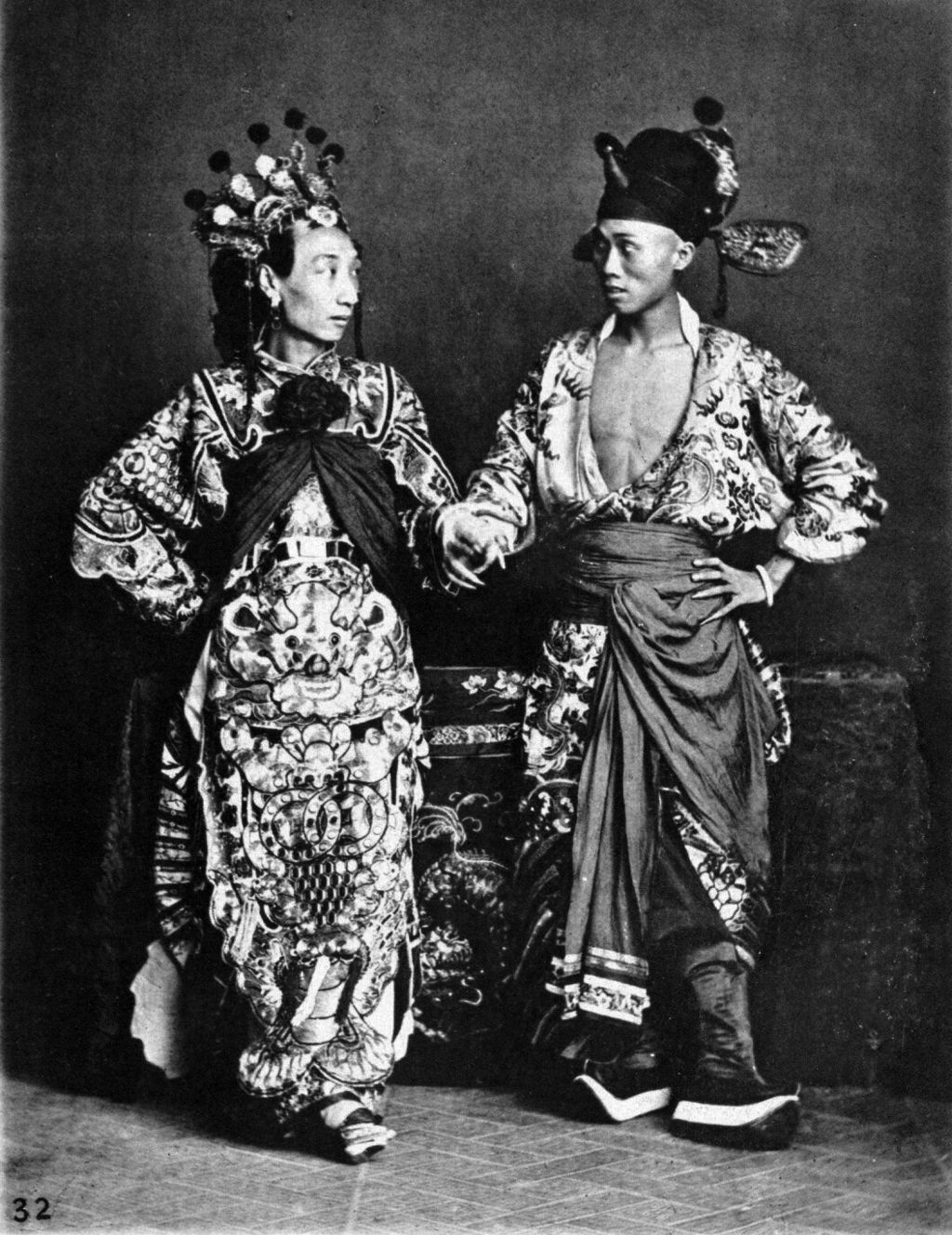
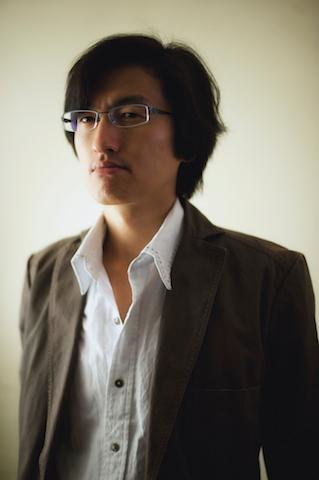
Transgender in Imperial China: Three Qing Case Studies
Matthew Sommer (Stanford University)
This talk presents three case studies from eighteenth-nineteenth century China of people identified male at birth who lived as women, while carefully concealing their assigned sex from others. One presented themselves as a widow and had a successful career as a midwife for thirty years. Two others practiced faith-healing, and enjoyed relationships with male partners whom they served as wives. Learn More
|
|
Friday, February 19th, 5 p.m. (PST) | RSVP NOW
|
|
Book Talk
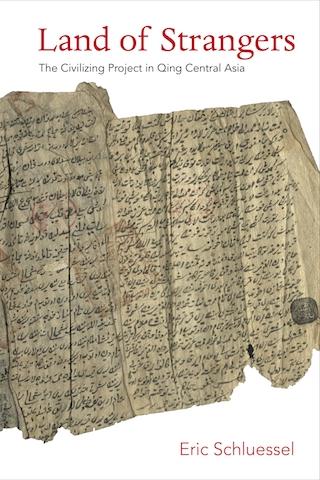
A Colonial Muslim History of Qing Central Asia: Revisiting Sayrāmī’s Tārīkh-i Ḥamīdī
Eric Schluessel (George Washington University)
The Tārīkh-i Ḥamīdī of Mullah Mūsa Sayrāmī (1836–1917) is celebrated as a monument of Uyghur literature and the preeminent Muslim history of nineteenth-century Xinjiang (East Turkestan). Yet Sayrāmī’s work is also a multilayered transcultural text that advances insightful observations of Chinese power and new theories about its workings. This talk places the Tārīkh-i Ḥamīdī into its social and cultural context of late-Qing Inner Asia... Learn More
|
|
Friday, February 26th, 5 p.m. (PST) | RSVP Now
|
|
Colloquium
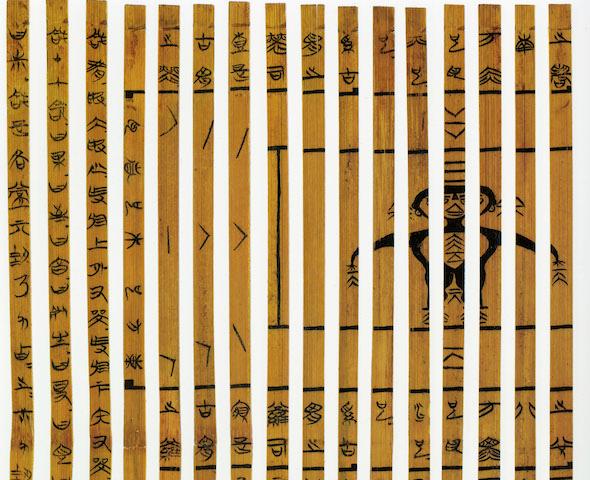
Yin 陰, Yang 陽 and Qi 氣 before Yinyang Theory: The Role of Metaphor in the Formation of a Correlative System
Sarah Allan (Dartmouth College)
In The Way of Water and Sprouts of Virtue (1997), Sarah Allan argued that water and plant life provided root metaphors for some of the most important early Chinese philosophical concepts and that understanding how natural imagery informed these concepts sheds light on their relationships and range of meaning as abstract ideas. Learn More
|
|
Friday, March 5th, 5 p.m. (PST) | RSVP NOW
|
|
Colloquium
Du Fu's Afterlife in Contemporary Chinese Poetry
Ao Wang (Wesleyan University)
The great Tang Dynasty poet Du Fu has been a perennial poetic model in Chinese culture for more than a millennium. To this day, he remains the most highly acclaimed, most extensively studied, and most widely quoted poet in China. Yet his relationship with modern Chinese poetry became strained in the 20th century. Modern Chinese poetry as a genre was largely established as a vernacular free verse, and this radically deviates from the classical poetic forms... Learn More
|
|
Friday, March 12th, 5 p.m. (PST) | RSVP NOW
|
|
Colloquium
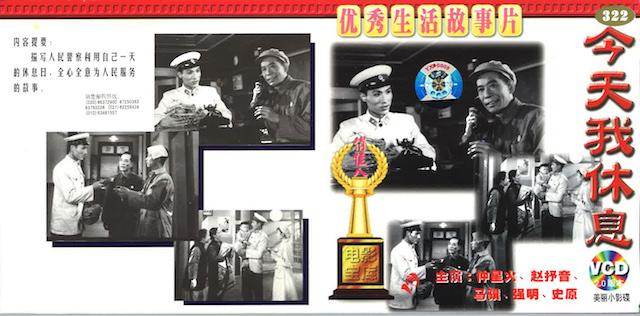
Configuration of Socialist Shanghai: Urban Space, Architecture, and Gender in the Movie It's My Day Off (1959)
Delin Lai (University of Louisville)
Once a colonialist and capitalist icon of China, Shanghai’s image has been characterized by Neoclassical-style banks and hotels that form the Bund, high-rise apartment buildings and lantern towers of department stores that dominate the metropolis’ skyline, and neon signs that highlight movie theaters, ballrooms and their fashionable patrons. The 1959 movie, Jintian Wo Xiuxi (It’s My Day Off), however, exhibits a socialist image of the city...
|
|
Friday, April 2nd, 5 p.m. (PST) | RSVP NOW
|
|
|
Colloquium
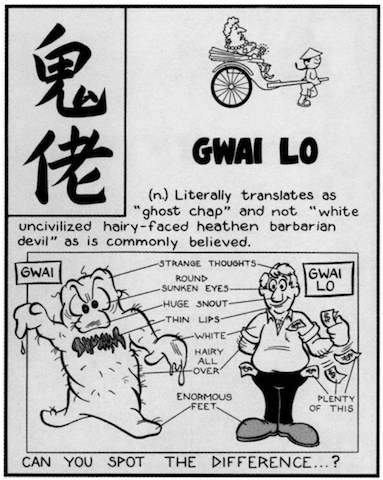
Other Racisms
Christopher K. Ho (Artist and Curator)
“Racism doesn’t exist in China.” Spoken by a Chinese graduate student at a southern American art school reckoning with institutional racism, this comment elicited confusion, even rage, from classmates and faculty alike. Yet dominant racial discourse tends to center the United States, and, in the words of Paul Gilroy,
“project the world only in black and white.” ... Learn More
Image Credit: Larry Feign, Aieeyaaa! Learn Chinese the Hard Way, 1986
|
|
Friday, April 9th, 5 p.m. (PST) | RSVP NOW
|
|
Colloquium
Situating the Everyday in the Mao Era: Beyond the “Actually Existing” Paradigm
Laurence Coderre (New York University)
Given the manifest gap in the twentieth century between socialism as an idealized, egalitarian political project and the failures of self-described communist party-states to bring about that which was promised, many scholars have seized on the notion of the “actually existing” to disentangle the two. First coined by the East German thinker Rudolf Bahro, the disambiguation of “actually existing socialism” from the promise of socialism per se was meant to reinvigorate a sense of revolutionary “possibility,” in Raymond Williams’s words ... Learn More
|
|
Friday, April 16th, 5 p.m. (PST) | RSVP NOW
|
|
Colloquium
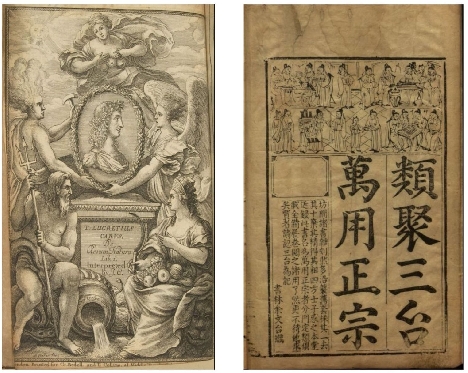
Books without Covers: Reading Digitized Texts
Cynthia Brokaw (Brown University)
Digitization of books, periodicals, and other documents offers researchers easy and convenient access to the texts that are essential to scholarly work. We have all, the speaker imagines, taken advantage of digital collections to check a quotation, search important terms, or simply read works that reside, in their full physical form, only in far-distant libraries and archives. ... Learn More
|
|
Friday, April 23rd, 5 p.m. (PST) | RSVP NOW
|
|
Colloquium
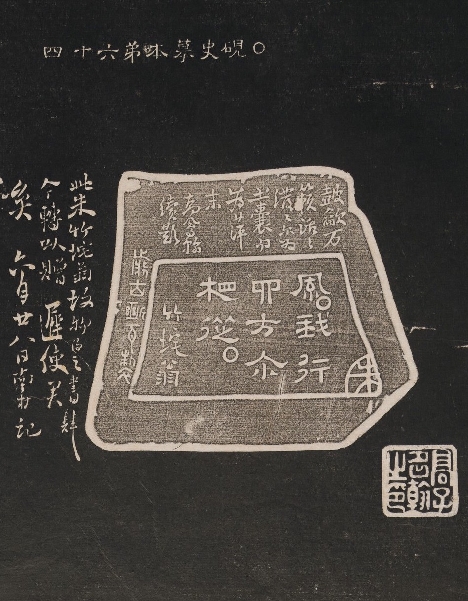
The Matter of Inscription in Early Modern China
Thomas Kelly (Harvard University)
Late Ming and early Qing authors, in addition to writing on paper with a brush and ink, engraved their words onto a range of decorative objects, from vessels and weapons to musical instruments and desktop tools. Working with a selection of artifacts from the seventeenth century, the talk considers ... Learn More
|
|
Friday, April 30th, 5 p.m. (PST) | RSVP NOW
|
|
Colloquium
How Migration Effects Political Change in Rural China
Yao Lu (Columbia University)
Massive rural-urban migration and growing collective resistance are two profound transformations in China. How are these two phenomena connected? Drawing on several data sources, the speaker studies the countervailing effects of migration on collective action in rural China. She finds that migration acts as a vehicle of political diffusion but at the same time undermines the social foundation of collective action. ... Learn More
|
|
|
|
|
|
|