MARKETING
The trade show is dead. Long live the trade show
Rethink, redefine, reevaluate and reengage. Trade show organizers take a fresh look at everything
| |
|
IT'S FAIR TO say that few event formats in the business world were as poorly equipped for a pandemic as trade shows. Between travel, proximity, cost and restrictions, 2020 saw most of them cancelled or pushed back indefinitely; since then, there’s been a bit of a comeback, but they’re far from their former glory. Today’s trade shows look a lot different than the trade shows of old ― and all told, that’s probably going to be okay.
The most common response to Covid has been to make trade shows a virtual affair, which many found advantageous “They became substantially more profitable and less expensive to attend,” writes Jim Schleckser. “Suddenly you could send more people to virtual events than ever because of the lower costs of going.”
For many, the virtual aspect was an advantage on both the attendee and vendor side of things. More than half of businesses surveyed last year by FTI Consulting said they were decreasing their trade show budgets, and 62 per cent said they were “more satisfied” with the virtual experience.
But that changes the shows themselves. “The most common complaint about virtual trade shows is high barriers to networking,” writes David Kreiger, founder of SalesRoads. “This intuitively makes sense. It’s impossible to recreate bumping into someone in the elevator.”
He advocates for trade show planners to not try to simulate that, but to offer different value ― namely, through top-notch keynotes. “They need a way to hook those virtual attendees. I expect the keynotes will be that hook.”
In other words, embrace change. “The value of an in-person trade show will never be what it was,” writes Schleckser. "And that’s okay.
“To say that another way, the trade show is dead; long live the trade show.” Kieran Delamont
| |
PRODUCTIVITY
Short and sweet
Move aside four-day workweek. Say hello to the six-hour workday alternative
| |
|
WHEN YOU’RE THINKING about how to cut down the work week, there are many ways to skin a cat, so to speak.
There’s been a lot of attention on moving to the four-day, 32-hour workweek lately, including an ongoing pilot project in the UK. But some will advocate for a different math breakdown: rather than drop one day from the week, dropping two hours from the day to make for a six-hour workday.
“Wrapping up in a shorter span of time ― such as six hours rather than eight ― could prove a practical solution for more types of businesses, and go a long way toward improving the lives of workers, too,” writes the BBC.
The arguments for it are largely the same as those made for the four-day workweek: that workers (especially those in heuristic fields that require more abstract creativity) with increased personal time work more efficiently in their work hours, ultimately increasing productivity in the aggregate. As evidence, many point to Norway, Denmark, Germany and the Netherlands ― countries that work around 30 hours per week, and regularly outpace us workaholic North Americans in per capita productivity measures.
But which model works best? Experts say that really depends on the field. Those operations that need to be working every day ― like schools or hospitals ― real-world evidence gleaned from a six-hour day trial in Sweden suggests that the hour reduction improves well-being the most; in other offices, where day-to-day function isn’t as important, dropping Fridays might be the simplest way to reduce hours.
“The four-day workweek isn’t a fit for everyone,” writes Adam Grant. “So, for companies reluctant to close for a whole extra day every week, shorter workdays may be an ‘easier sell.’” Kieran Delamont
| |
|
|
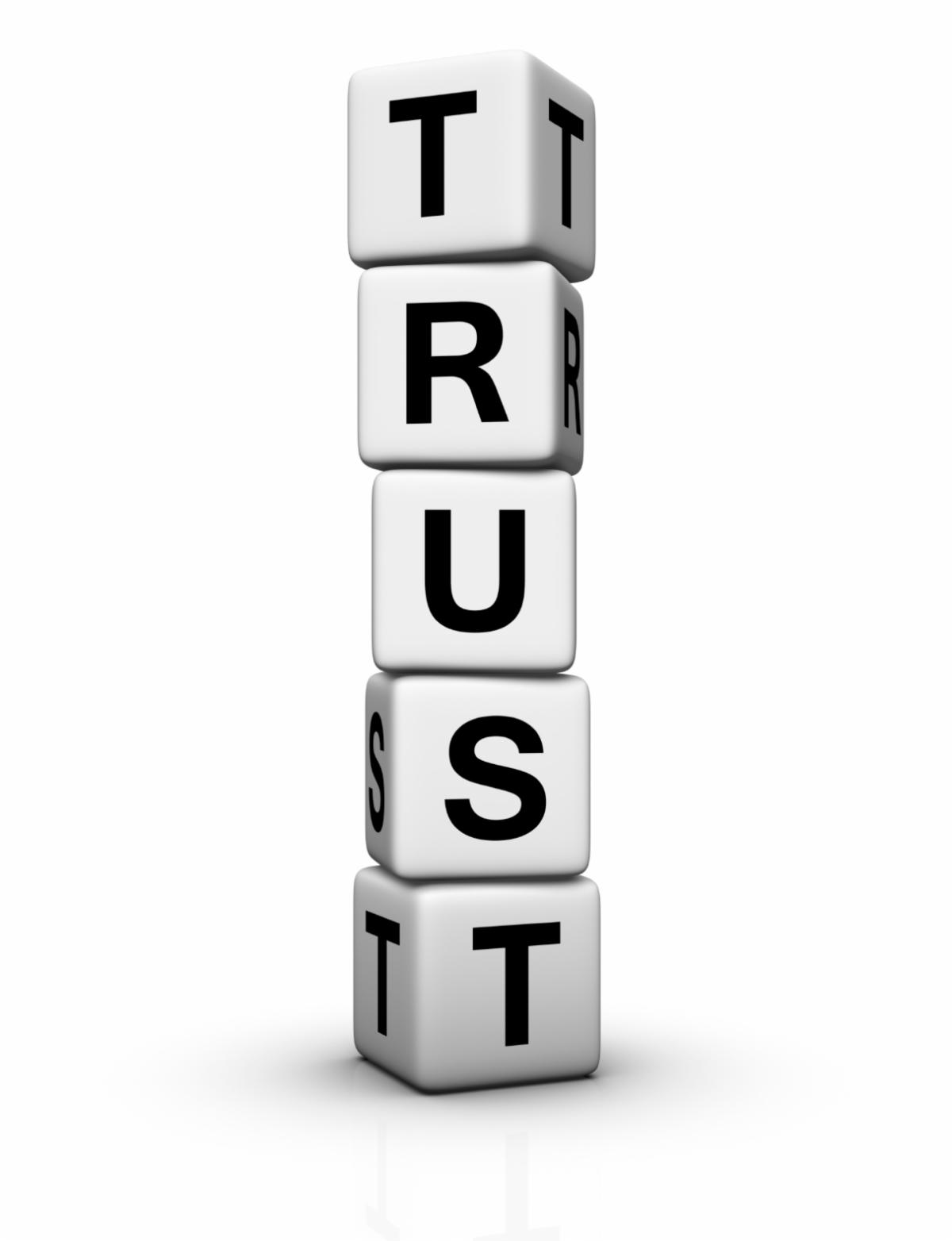
Terry Talks: Five leadership actions to build trust | The secret to any high-performing team is trust. This may seem like a no-brainer, but trust is easy to take for granted ― especially organizational trust. If the recent Rogers outage taught us anything, it serves as a reminder of just how easily organizational trust can be broken (and how difficult it is to rebuild). No matter how great your business strategy, you won’t get far if your employees lack faith in the organization and its future. | | | |
WORKPLACE
Sounds like work
To pump the jams, or not to pump the jams, that is the question
| |
|
AT THE ROOT of all of the debating and consternation about returning to the office is that we often have only vague, fuzzy clarity on what employees actually think the office is ― a collaborative sandbox or focused, library-like place to put your head down and work?
Tough question to answer, so maybe managers ought to start with an easier one: should it be noisy, or quiet? Well, turns out that’s divisive, too.
Advocates of returning to the office often make the case that it should be an active, dynamic place. “It’s the hum of activity that will eventually draw people out of their work-from-home bubbles,” said one exec, who advocates for all-day music in the office ― something he said could “do wonders to make a place seem alive.”
Others disagree, saying that offices need quiet. “We have an official library rules policy,” writes Jonas Downey. “That means hushed voices, or no talking at all. No loud noise, no music, no phones.” (He was writing this before the pandemic, mind you.)
Experts will tell you that there’s pros and cons to music in the office. It tends to reduce stress and aid memory, for one thing, and the right tunes can be a motivator. (I’m writing this, for instance, with big fat headphones on at high volume.) On the flipside, not everyone likes the same music, and people’s dancing, foot-tapping or humming can be distracting.
There’s likely not one right answer to this one ― and striking a balance while you try to lure workers back to the office is paramount. Some will want to come to the office because they can’t stand all the noise at home. Others will want to come to the office because they can’t stand all the quiet at home. Different strokes for different folks. (Not that any of this makes an office managers job any easier, of course, and best of luck choosing a good office playlist… ) Kieran Delamont
| |
TECHNOLOGY
An elevated presence
Hybrid meetings giving you angst? Try these tips
| | |
|
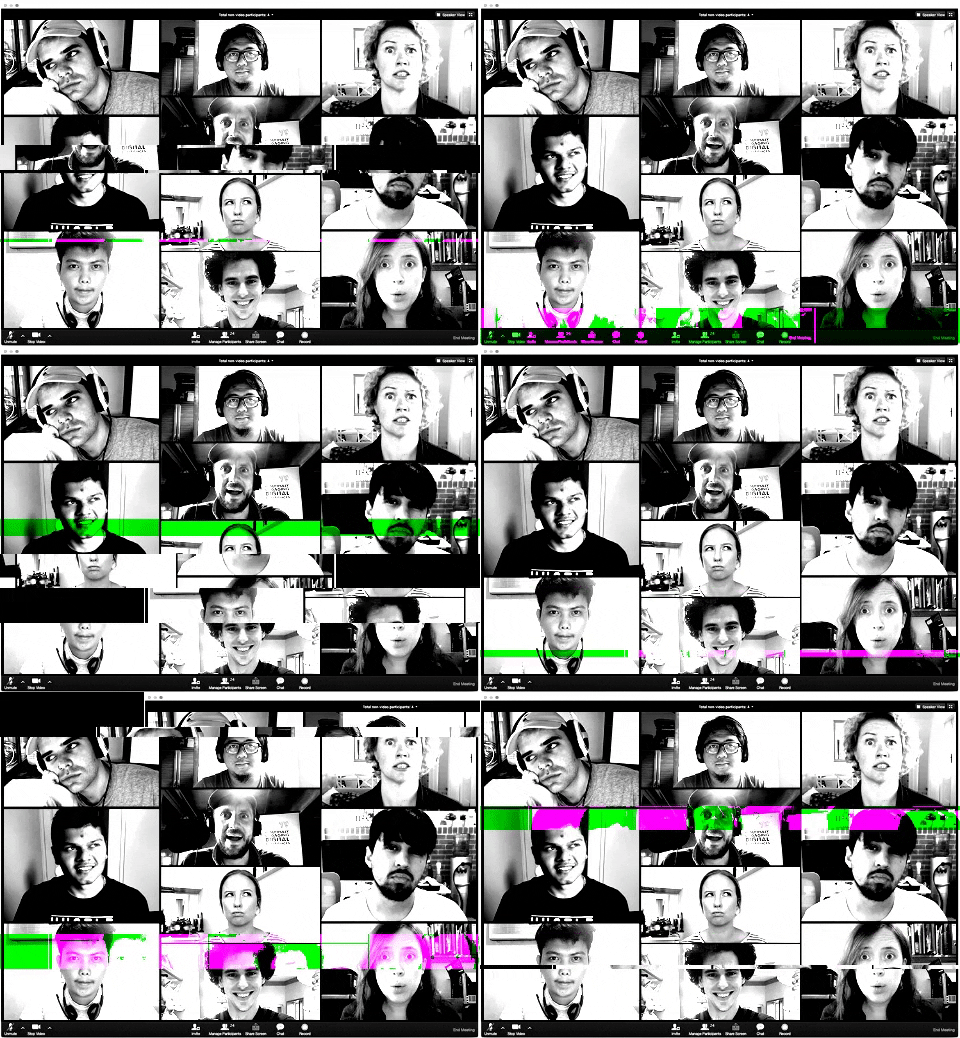
IF YOUR’RE ANYTHING like a certain London Inc. newsletter writer, you might be spending the majority of your Zoom calls looking at yourself, down there in the corner. This is a bad habit ― but a common one.
“Instead of catching the occasional glimpse of themselves in a mirror, now people are looking at themselves for hours a day,” write two University of South Florida psychologists. “Research has shown that being near a mirror, taking a picture of oneself and feeling that one’s appearance is being evaluated all increase self-objectification. When you log into a virtual meeting, you are essentially doing all of these things at once.”
And now, with the rise of hybrid meetings (where some are in person and others are calling in), the question gets trickier. But whatever the arrangement, experts all generally agree on one recommendation: don’t look at the screen, look into the webcam.
A Stanford study recently looked at this question, and confirmed this tip. “Gaze on-camera [was] positively associated with likeability, social presence and interpersonal attraction,” they concluded.
In a group setting, though, things can get tricky. Some workplaces have experimented with wide-angle shots that get the whole in-person team in the picture at once ― but as intuitive as this sounds, many recommend against it, in favour of a room full of people on their own laptops.
“BYO laptop,” was the advice of one Wall Street Journal article. “If people in the conference room turn on their laptop webcams, the people at home can see everybody’s face framed individually, like during Covid times.”
Those mosaically-arranged meetings may bring about flashbacks of 2020 ― but sometimes, the first solution really is the best. Kieran Delamont
|
| | | | |