|
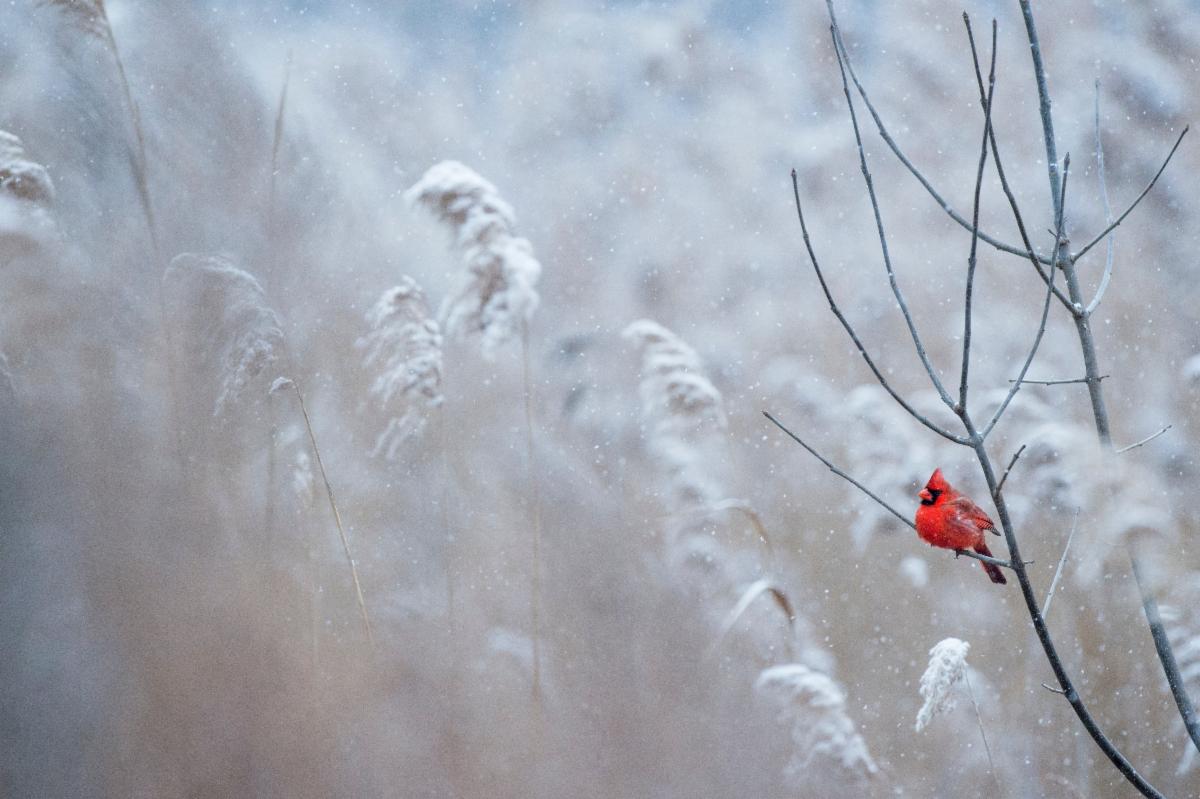
In the past couple of weeks, nearly daily I have donned a hat, coat, gloves, and scarf, for winter is in our midst—even in temperate Camarillo. As I conclude my first seven months with our School of Education, our Fall academic term, and 2022, I find myself reflecting on endings and anticipating beginnings. In the background as I write this note, plays George Winston’s December, which is a meditation on thanksgiving, joy, peace, and many other motifs.
One of Winston’s pieces, Night, reminded me of a lyrical essay that Albert Camus penned titled Return to Tipasa. In it, he returns to a place he had loved as a child, the ruins of an ancient Roman city found in Algiers. But on this occasion—a cold December day—he comes to reflect on the end of World War II and how much has changed since those carefree days of yore. In musing over that day, he wrote,
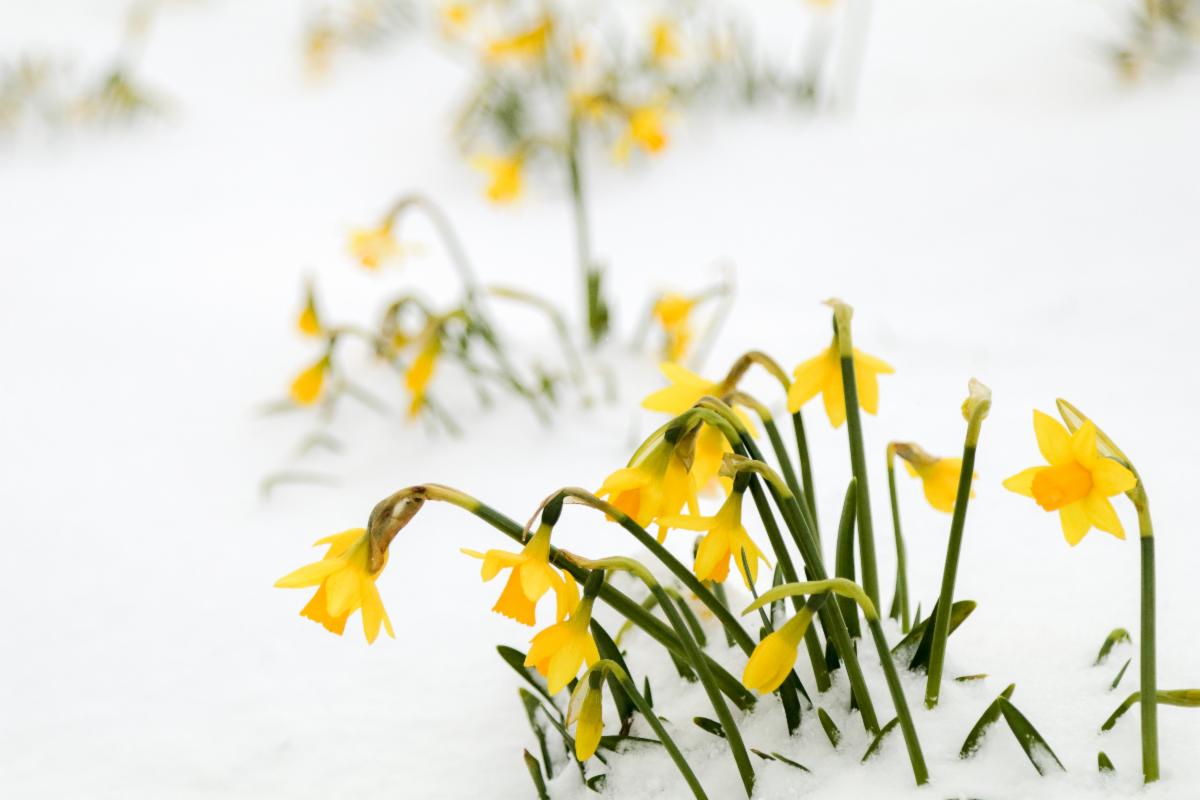
In the midst of winter, I found there was, within me, an invincible summer.
Indestructible. Indomitable. Unconquerable.
On that day in the midst of winter, he recognized a path forward.
Camus then shared about new beginnings.
I have again left Tipasa; I have returned to Europe and its struggles. But the memory of that day still uplifts me and helps me to welcome equally what delights and what crushes. In the difficult hour we are living, what else can I desire than to exclude nothing and to learn how to braid with white thread and black thread a single cord stretched to the breaking point?
Life is a continual weaving of a tapestry of experiences that may seem incongruent on the surface but emerge again and again as a wholeness in the project of being fully human. I frequently refer to our lives pre-global pandemic as The Before Times. I realize, though, that we are far from The After Times. Will there ever be an after times? We do not know. What we can choose, though, is to embrace the midst of winter, exclude nothing, and welcome the warp and weft of threads that comes our way.
With kind regards,
Elizabeth
Elizabeth C. Orozco Reilly
|