Schools are Part of the Climate Change Solution
|
|
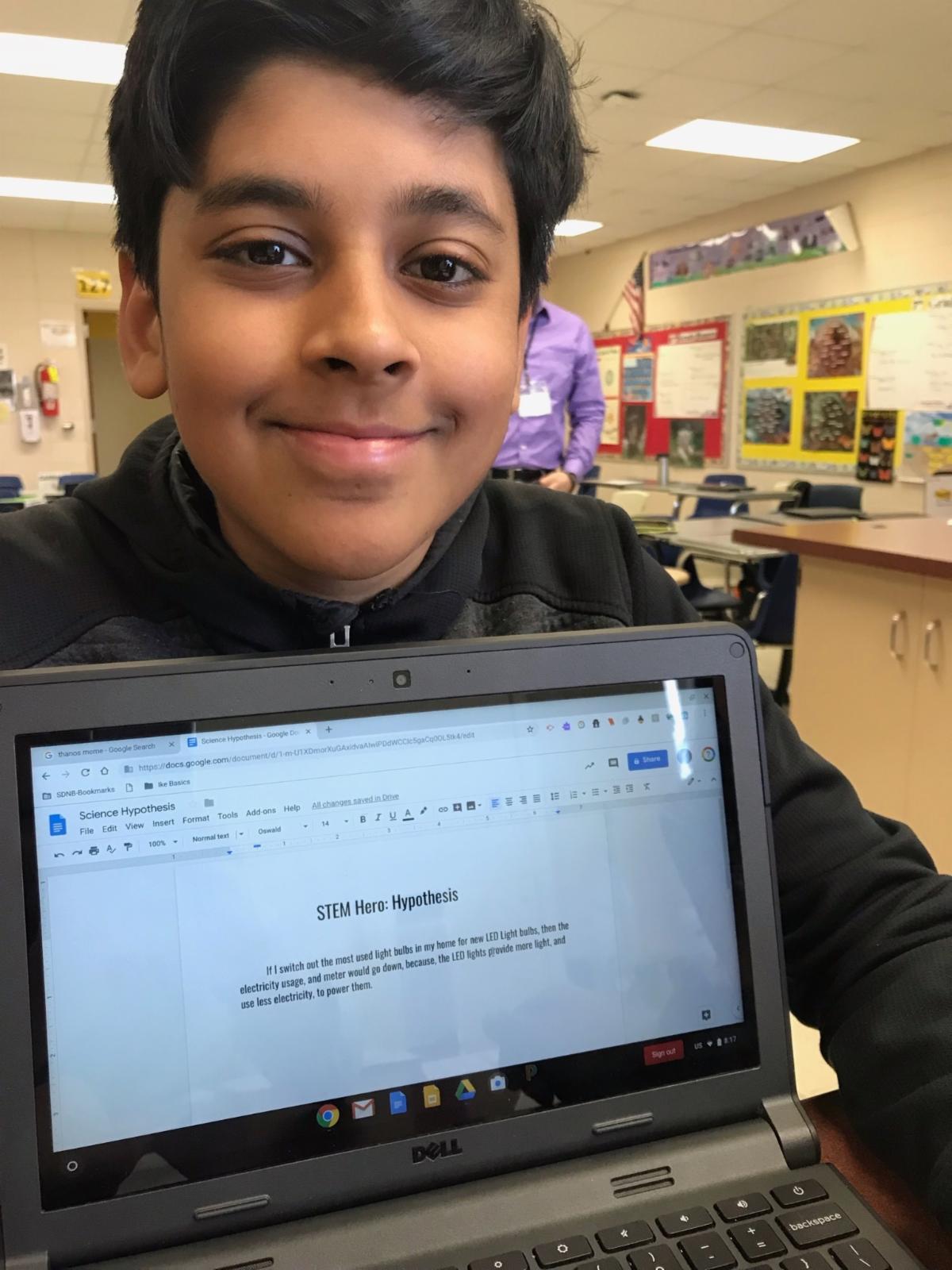
We were at the 2019 Behavior, Energy, and Climate Change conference in November calling attention to the opportunities to include schools in behavior change programs for climate change solutions. One of the major initiatives in the energy efficiency industry, made possible by the installation of smart meters, is getting people to engage with their energy consumption data which will allow them opportunities to make changes to their energy use in real-time. The smart meter portals are sources of real and relevant data. Data that schools crave to get more students excited about Science, Technology, Engineering and Math (STEM). Incorporating this data into curricula supports research that using personal data impacts student’s desire to pursue STEM activities[1]. It also lends itself aptly to inquiry-based instruction and supports middle school NGSS standards that expect students to analyze and interpret data, apply scientific principles to design methods for monitoring and minimizing human impact on the environment, and construct arguments that are supported by evidence.
|
|
A call for action in data literacy education
An initiative of emphasis in K-12 schools in a world where big data’s importance grows daily is data literacy. Our world economy and our jobs are increasingly shaped by data and by the knowledge and skills required to use it effectively. When students collect and analyze their own energy consumption data it provides meaning that other datasets simply cannot provide. By using data already in the students’ homes and schools, students are empowered to leverage their own real-life data to make a difference in their communities. Check out a project with
Focus on Energy, STEMhero, New Berlin School District and the K-12 Energy Education Program to see how students used personal data to make a difference.
There is real potential for schools to have an impact on climate change by leveraging existing datasets that provide meaning to students. Pairing data sets with inquiry-based instruction can produce important value for students’ data literacy, scientific development, and confidence to affect positive environmental changes. For more information on how you can access these datasets for your curricula please contact us at WCEE@uwsp.edu.
[1] Condon, M. & Wichowsky, A. (2018). Developing Citizen-Scientists: Effects of an Inquiry-Based Science Curriculum on STEM and Civic Engagement. The Elementary School Journal, 119(2), 196-222
|
|
Green & Healthy Schools Wisconsin:
Spotlight on School Health and Wellness
|
|
Eighty-seven schools across Wisconsin received
2019 DPI School Health Awards. Among these were 13 schools from 9 school districts that are campuses registered with Green & Healthy Schools Wisconsin. Each of the schools has identified areas of strength and areas for growth. For example, many schools report providing fresh fruits and vegetables, sometimes grown in the school garden by the students. Along with improved food choices, some schools are changing the culture of how recognition happens by offering alternatives to high-calorie treats such as extended recess or choice physical activities.
Read the complete story.
|
|
Student Stewardship Spotlight
|
|
Each month this school year,
we'll be highlighting an interview with a high school student from a Green & Healthy School Wisconsin partner. Recommend a student from your school for the Spotlight by emailing
Lesley.Sheridan@uwsp.edu
.
|
|
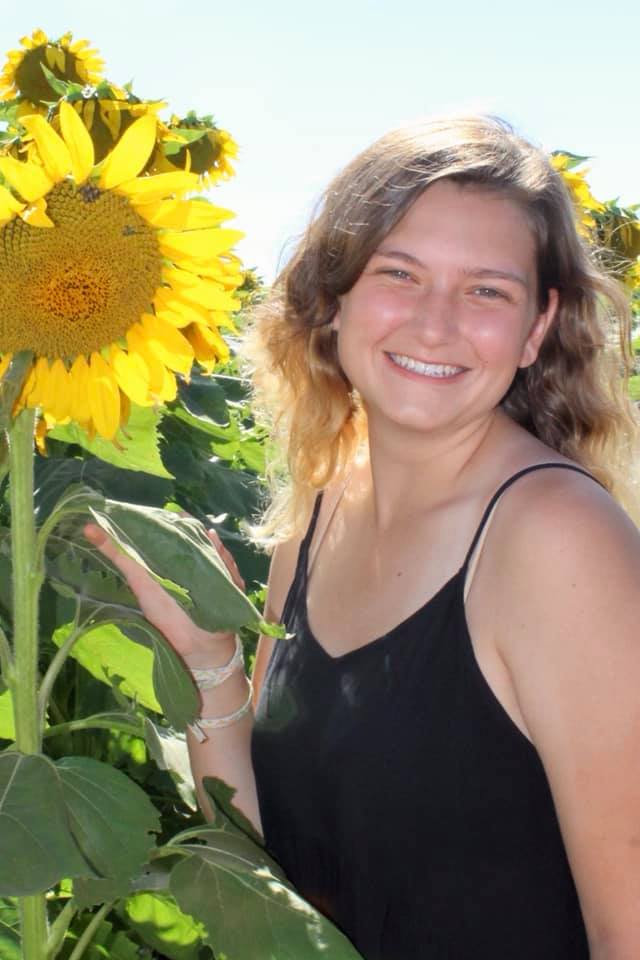
Jackie Wisinski
Stevens Point Area Senior High (Green & Healthy Schools Wisconsin SPROUT school)
|
|
What makes your school green & healthy?
Clubs at Stevens Point Area High School are a driving force to making our school be green and healthy. For example, FFA promotes stewardship of the land and environmental literacy to students, and HOSA brings mental health awareness and resources to students. We are also fortunate to have some teachers that really see the value of teaching students about how to take care of the land and value our health as well. The class Wisconsin River Academy dominates in educating about the environment and healthy lifestyle by giving students hands-on learning opportunities. The class teaches field Biology, outdoor recreation, geography, and about a current issue.
How are you involved in community and school environmental sustainability project?
I am the coordinator of the FFA’s Local Day of Service event which is a day where any SPASH student can volunteer at local non-profits in the area. My responsibilities as coordinator include collaborating with community partners to set up the volunteer locations. An example is the Boston School Forest, an educational forest that promotes environmental education and stewardship, where students helped paint a mural that explains the value and construction of soil. This is a place where I volunteer my time as well. Throughout my years of volunteering at the forest I have been a part of various project that promote stewardship and also sustainability: FFA, Boston School Forest, Key Club, and Student senate. At the forest I have helped teach young children about many different environmental concepts and also have helped construct a deer fence that helps with the protection of small white cedar trees in order for the forest to become more diverse. Through both FFA and Wisconsin River Academy I have gone to Schmeeckle Reserve and have helped clean up the invasive species of Buckthorn to the forest.
Why is it important for your school community to set and achieve green & healthy goals?
Overall, the community of Stevens Point sets goals and achieves them when it comes to being green and healthy. The Stevens Point community has some very supportive individuals and community groups that work together and become stronger.
What would you like to see happen in your school to continue and enhance green & healthy practices?
I would really like to see recycling play a more important role in our everyday school life. I would also like to see a school farm - I think it would be incredible to have students be able to see where and how their food is produced and play a role in that as well.
How is being part of a green & healthy school community connected to your life outside of school and your future plans and interests?
Being a steward to the land has truly shaped who I am today. Stewardship, has driven me to look at the big picture and encourage others to as well. Due to this love of environment outside of school I love to volunteer at Boston School Forest and also advocating for agriculture practices that improve the land. In the future, I plan to continue appreciating the land by continuing my education in sustainable agriculture or agriculture education. In addition, I would like to travel and learn about the environment and agriculture in different parts of the world. I am still unsure of where I will be studying, but I know I want to use the education I receive and promote taking care of the land around us.
|
|
As the holidays start to near, keep your students engaged by connecting their learning to real-life experiences using these hands-on resources.
|
|
Your students can become citizen scientists by participating in the
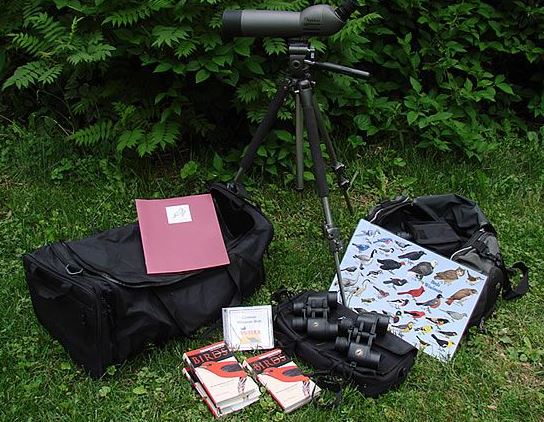
120th Christmas Bird Count! Use the bird monitoring kit to introduce students to birds and their habitats while exploring the outdoors. Many people have become interested in birds and their conservation through seeing them, watching them, and learning to identify them. Contact your local Audubon chapter to get involved. The kit contains the tools to help introduce birds to students, build skills of observing birds in nature, and help them gain knowledge about birds.
The Bird Monitoring Kit Includes:
- 15 pairs of binoculars
- 1 spotting scope with tripod
- 5 field guides
- Posters
- 1 bird placemat
- 1 CD of common birds found in Wisconsin
- 1 Educator's guide
|
|
|
|
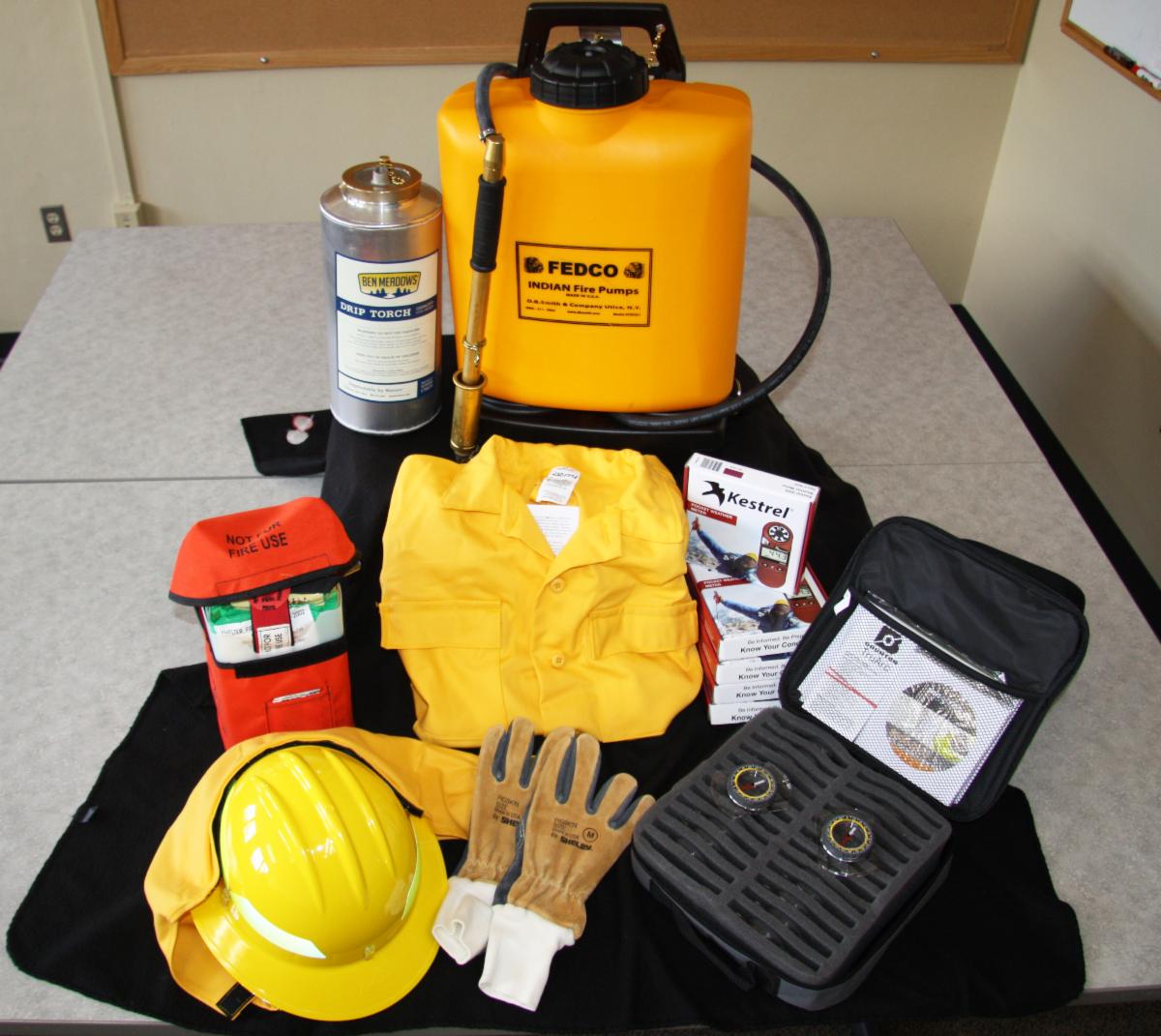
Explore the ever-increasing wildfire phenomenon with LEAF’s Wildland Fire Kit! The kit includes equipment to model what professional wildland firefighter's use in the field. It includes protective gear, digging tools, mapping devices, and weather-monitoring equipment. Increase literacy skills with various fiction and non-fiction books focused on wildland firefighting and the cultural and historic practices of fire management. Pair this kit with LEAF's K-12 Wildland Fire Lesson Guide (included in the kit) to teach students basic wildland fire principles. Note: this kit is for educational purposes only. It is NOT to be used for firefighting.
Wildland Fire kit includes:
- 24 compasses
- 1 drip torch
- 1 set of fire gloves
- 1 flame resistant shirt
- 1 hard hat
- 1 fire hoe*
- 1 fire pump
- 1 fire shelter
|
|
|
|
Are you looking for hands-on teaching resources for a specific topic? There is an amazing array of educational trunks and kits available to educators. Many of these trunks can be borrowed for a few weeks at a time and contain fun hands-on props, posters, puppets, and activity guides that are linked to Next Generation Science Standards as well as Common Core and Wisconsin State standards.
|
|
Upcoming Professional
Development
|
|
The Wisconsin Center for Environmental Education is here to help you integrate environmental education into your curriculum and increase the sustainability of your school community.
|
|
Exploring Solar Energy at Treehaven | Treehaven Field Station, Tomahawk
Explore Treehaven’s solar energy generation through inquiry activities using the online dashboard as well as a full body demonstration. Join the Wisconsin K-12 Energy Education Program (KEEP) to discover new ways to connect students to their place by introducing them to their solar resource and how solar benefits their community.
This session is part of the Winter Workshop hosted by the Wisconsin Association for Environmental Education.
Date:
Sunday, January 19, 2020 | 9:00 a.m - 10:00 a.m.
Facilitators:
Sara Windjue and Stephanie Edit
|
|
Forest Health and the Energy Connection: Leveraging Your School Site to Save Energy | West Bend School District Outdoor Classroom
Join LEAF and KEEP to explore the intersection between energy conservation and forest health. Your urban forest is a powerful tool improving your community’s air and water quality, reducing heating and cooling needs, and curbing greenhouse gas emissions. We’ll demonstrate how to conduct tree inventories on your school grounds then apply the ecosystem benefits derived to evaluate your school building’s energy management opportunities. You’ll become connected to two online civic science tools for the classroom, the Wisconsin Community Tree Map from the WDNR and PLT’s Teaching with i-Tree, as well as receive training using professional forestry and energy tools available for loan to your school. The workshop will include time for school site assessment and lesson planning, and a variety of ready-to-use activities and tools will be supplied so educators can integrate relevant lessons right away. Recommended for educators of grades 5-12.
Date: Saturday, February 1, 2020 | 10:00 a.m.- 2:00 p.m.
Facilitators: Kate Flick and Annie Baker
|
|
Save the Date – Dinner and a Speaker (April 7) and Solar Energy Education Using Treehaven’s Solar Dashboard workshop (April 8) | Treehaven, Tomahawk
April 7: Dinner and a Speaker at Treehaven on “The Future of Solar Energy” with North Wind Renewable Energy from 6:00-8:30 pm.
April 8: Use a solar resource to engage students and drive teaching and learning with relevant experiences. Solar electric systems can be used in math, science, and social studies lessons to analyze data and explore how utilization of renewable energy impacts our community.
If participating in both the Dinner and a Speaker and the Workshop, KEEP will cover your registration for the Dinner and a Speaker as well as dorm style lodging and breakfast.
Substitute reimbursement up to $150 for April 8 is available to your school/district.
Can't attend the workshop, but still want to attend the "Future of Solar Energy" Dinner and Speaker? Click
here to register on your own.
Date: April 7-8, 2020
Facilitators: Sara Windjue
|
|
|
|
|
|
|