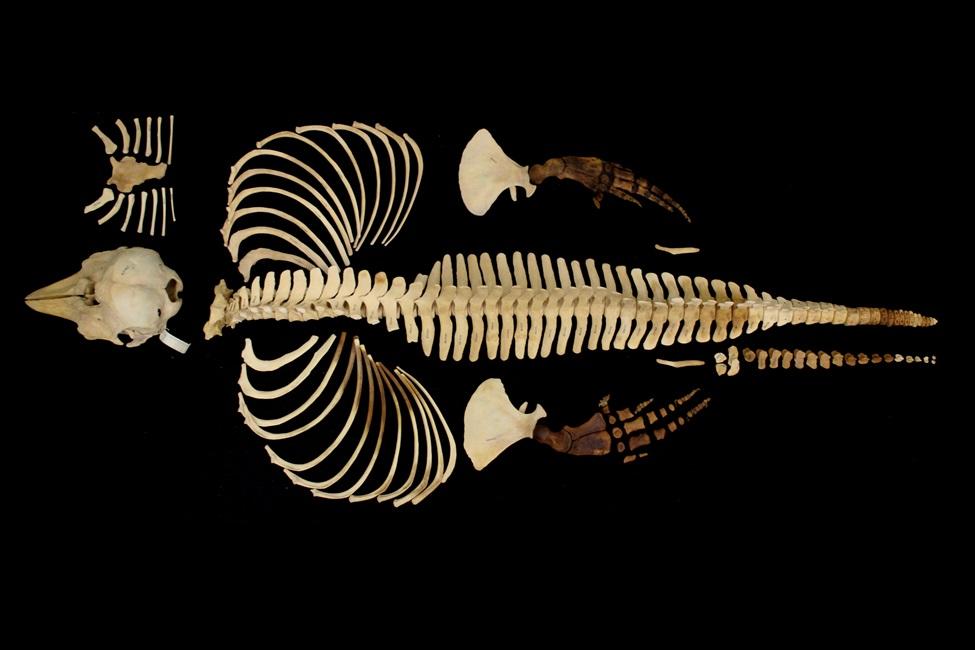
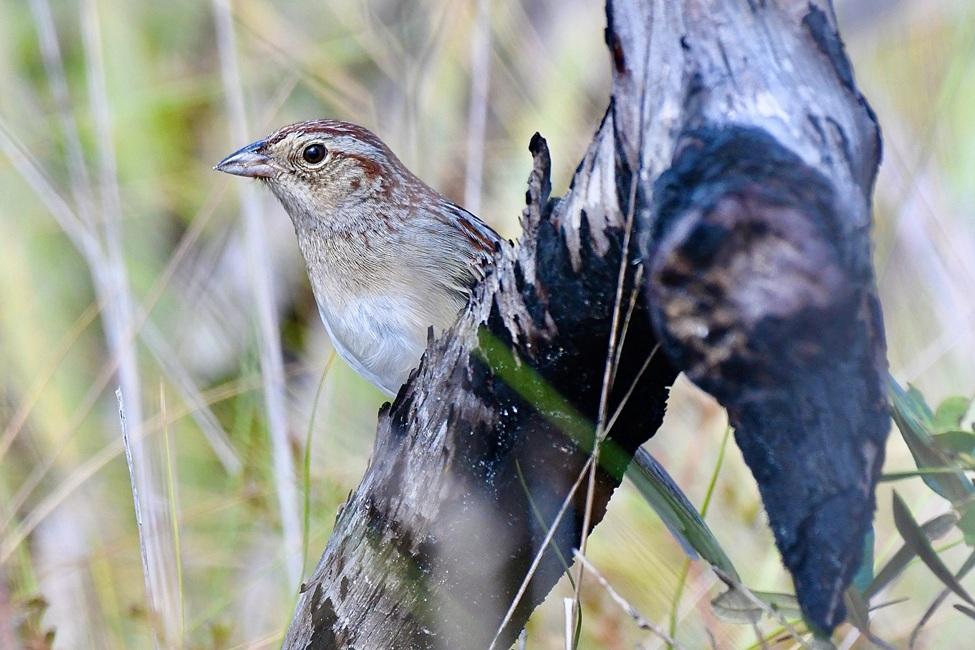
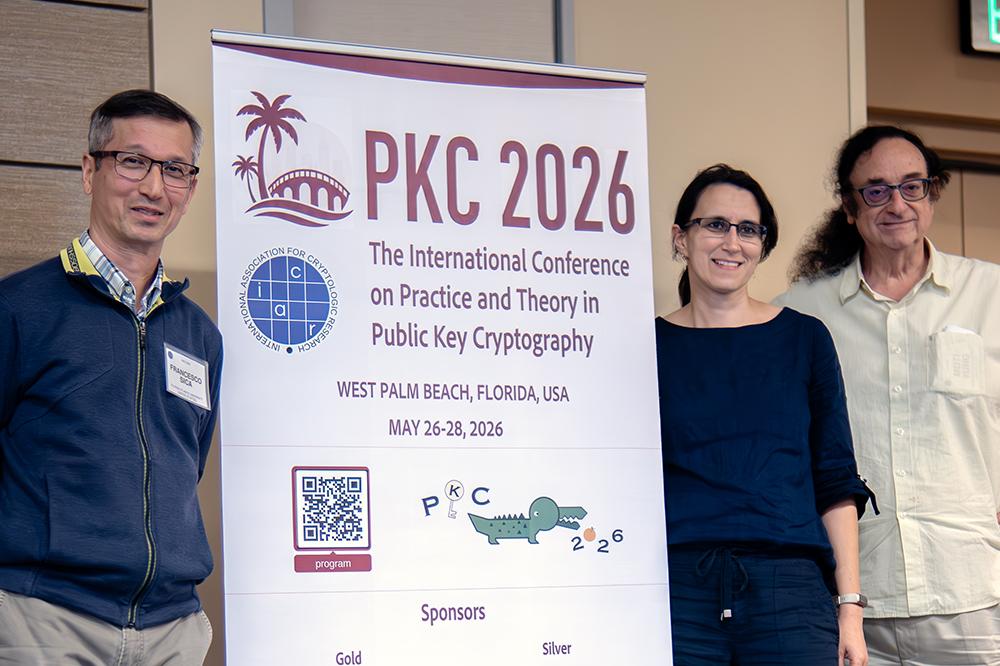
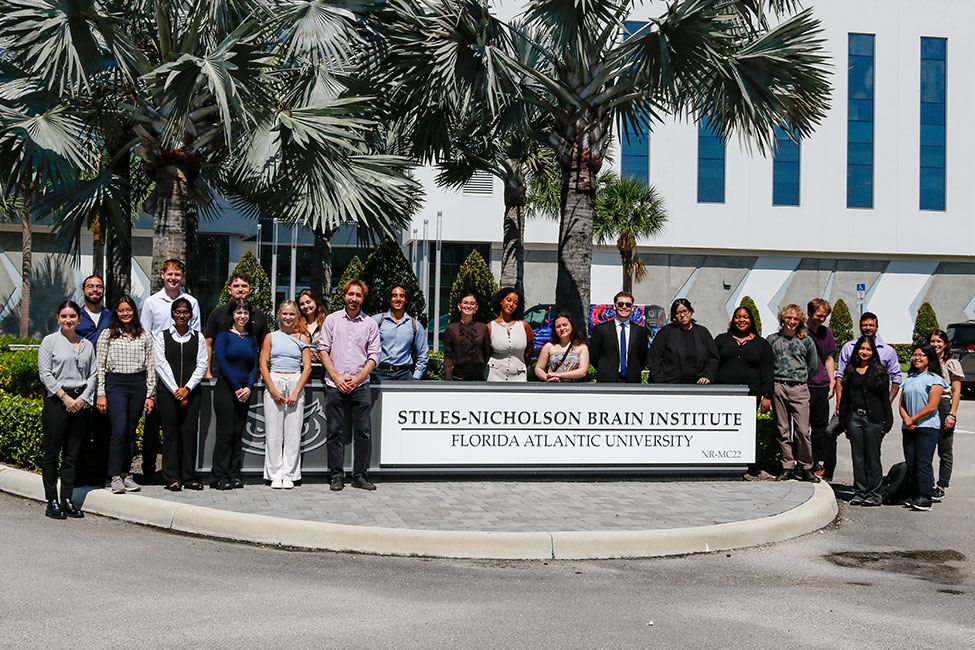
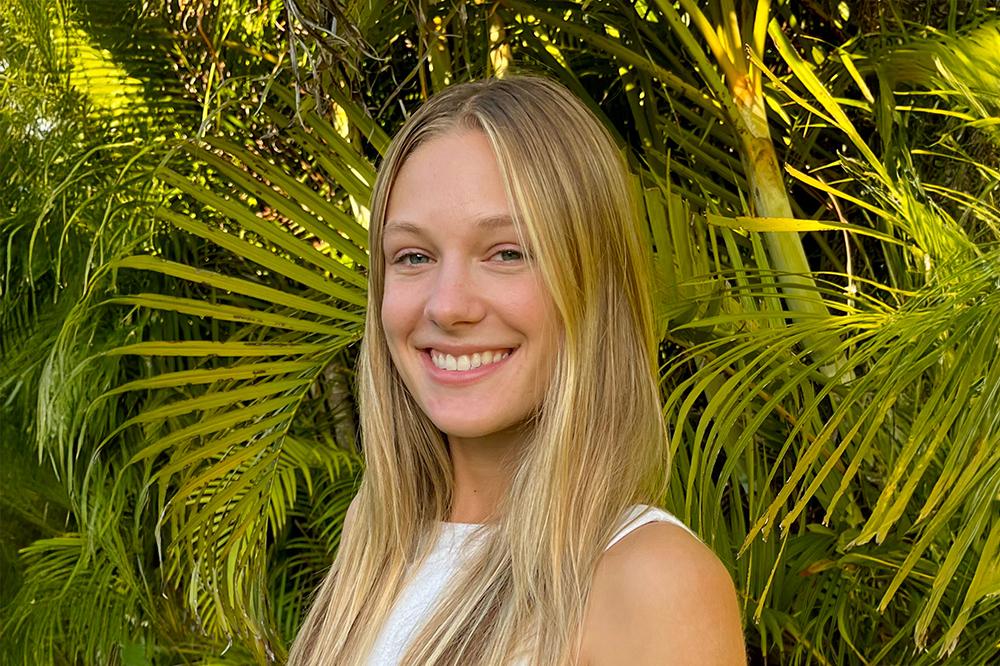
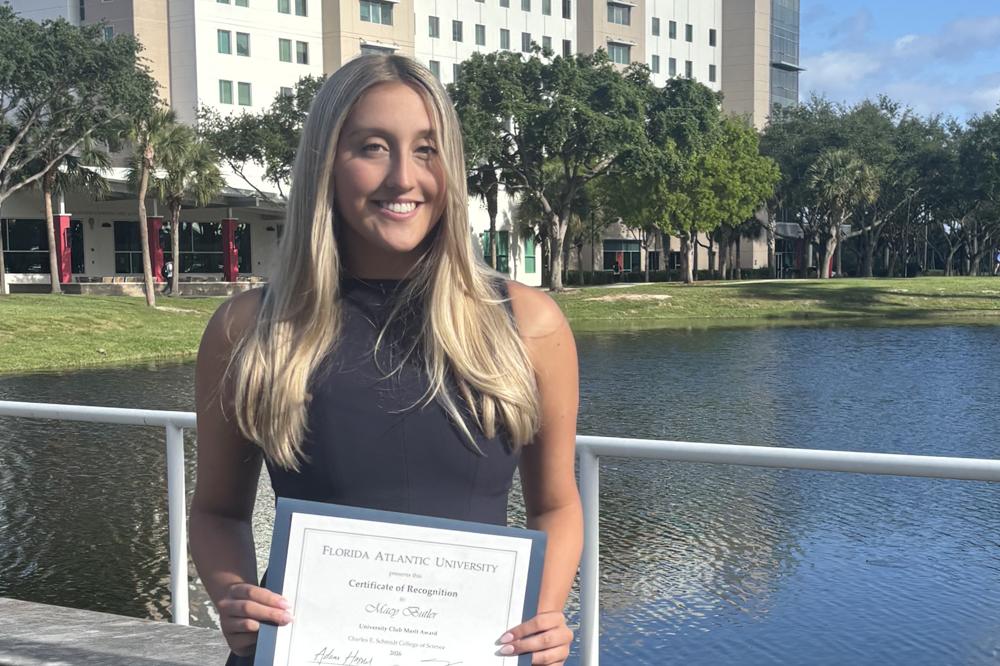
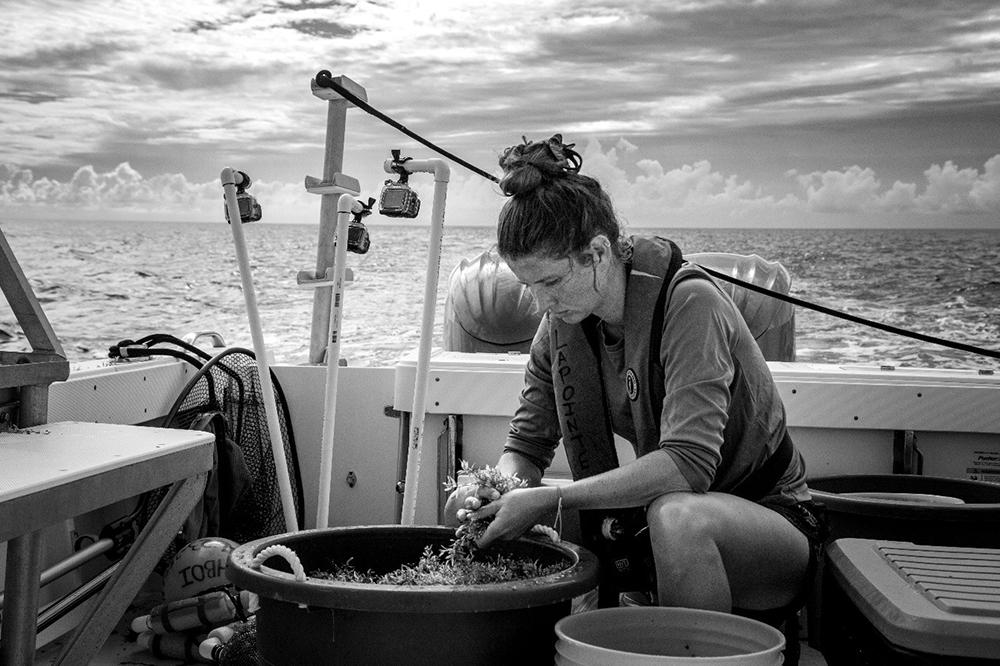
Pixels Preserve World’s Most Endangered Marine Mammal, the Vaquita | | How do you preserve one of the world's rarest animals when so few remain? In collaboration with the San Diego Natural History Museum, SeaWorld California and NOAA Fisheries, FAU researchers have created an unprecedented 3D digital archive of the world's smallest porpoise and most endangered marine mammal. The project, published in Marine Mammal Science, makes all data freely available through the open-access repository MorphoSource, including photographs, scan data and downloadable 3D meshes. Read more. | | “By combining advanced imaging technologies with open-access data sharing, the effort not only safeguards a valuable record of one of the planet’s most endangered marine mammals, but also makes that information accessible to anyone,” said Jamie Knaub, first author, Ph.D. candidate in the FAU Department of Biological Sciences, Schmidt College of Science, and imaging lab assistant in the Berlin Family Bioimaging Lab at FAU Laboratory Schools Marcus Research and Innovation Center. “The project will enable the production of scientifically accurate replicas for museums, classrooms and educational programs, helping to raise awareness and support conservation efforts for a species now teetering on the edge of extinction.” | | | Acoustic Environment May Shape Which Bird Songs Last | | Songbirds learn their vocalizations by listening to and imitating other birds, but scientists have long wondered whether the environment itself also influences which songs are learned and passed on. In a study published in Bioacoustics, researchers from the Charles E. Schmidt College of Science investigated this question in Bachman’s sparrows, a southeastern U.S. songbird with dozens of distinct song types, some common and some rarely heard. Read more. | | “Our findings suggest that the songs most commonly shared within a population may have a built-in advantage because they remain clearer as they travel through the environment,” said Rindy Anderson, Ph.D., senior author and an associate professor of biological sciences, Schmidt College of Science. “One of the most fascinating discoveries was that even small differences in song structure influenced how well songs resisted degradation by some measures. This means the environment may be subtly shaping bird song traditions by influencing which songs juveniles can hear and learn most effectively.” | | | FAU Study Identifies Immune Pathway to Slow Huntington Disease | | Huntington disease is a rare, inherited brain disorder that progressively destroys nerve cells, leading to worsening movement, cognitive and psychiatric symptoms. Although treatments can help manage symptoms, there are currently no therapies that slow or stop disease progression. Increasing evidence also points to chronic inflammation in the brain as a major contributor to Huntington disease. Now, researchers from the Charles E. Schmidt College of Science and collaborators have identified a key immune pathway that appears to drive that damaging inflammation – and a promising new target for future therapies. Results of this new study were published in the Proceedings of the National Academy of Science. Read more. | | “Current Huntington disease therapies largely focus on lowering huntingtin protein levels, but many of these approaches are complex, expensive and difficult to scale because they also risk reducing the healthy version of the protein needed for normal brain function,” said Srinivasa Subramaniam, Ph.D., senior author, associate professor in the Department of Chemistry and Biochemistry, Schmidt College of Science, and a member of FAU’s Stiles-Nicholson Brain Institute, David and Lynn Nicholson Center for Neuroscience Research, and the Center for Molecular Biology and Biotechnology. “Our findings point to a potentially simpler and more accessible strategy: targeting the cGAS-STING inflammatory pathway with small-molecule drugs.” | | | More Jobs, More Local Living: Study Redefines the 15-Minute City | | The “15-Minute City” has emerged as a popular urban planning model focused on creating communities where residents can access daily essentials within a short walk, bike ride or transit trip. To examine how this concept functions in practice, researchers from Florida Atlantic's Schmidt College of Science analyzed nearly 200 transit station neighborhoods in the Portland and Washington metropolitan areas. Published in the Journal of Urban Mobility, the study found that employment density is the strongest and most consistent driver of local travel. Read more. | | “What emerges is a clear and, in some ways, unexpected picture,” said Louis A. Merlin, Ph.D., senior author and an associate professor in the Department of Urban and Regional Planning. “Across both regions, employment density consistently stands out as the strongest predictor of local travel. Neighborhoods with more jobs are far more likely to function as self-contained environments, where people live, work, shop and socialize without leaving the area. What this research shows is that proximity to jobs may be doing far more of the heavy lifting than we realized. If we want communities where people can truly live locally, we need to focus on where and how employment is concentrated – and how that interacts with transit and the street network.” | | | Department of Mathematics and Statistics Hosts International Cryptography Conference | | The Charles E. Schmidt College of Science’s Department of Mathematics and Statistics brought the prestigious International Association for Cryptologic Research (IACR) Public-Key Cryptography (PKC) Conference to West Palm Beach in May. The three-day international event was organized by the department's faculty experts, whose competitive bid secured South Florida as this year’s destination. Sponsored in part by the Schmidt College of Science, the premier gathering attracted approximately 90 leading cryptography scholars and industry professionals from around the globe. Read more. | | “Being chosen to host this event in our local community is a tremendous honor and a testament to our leadership in cryptography,” stated Francesco Sica, Ph.D., assistant professor, Department of Mathematics and Statistics. “While our Center for Cryptology and Information Security has made significant research contributions and has a strong impact within the cryptographic community, it remains relatively unknown to visitors, prospective students and the broader public. As FAU emerges as an R1 university, it is essential that we lead not only in research, but also in visibility – making our bid to host this prestigious conference in South Florida both timely and important.” | | | FAU Hosts School for Computational Applications in Neuroscience Training Workshop | | Florida Atlantic University recently hosted the School for Computational Applications in Neuroscience (SCAN) at the Stiles-Nicholson Brain Institute on the Jupiter campus. SCAN, an immersive two-day workshop for students and researchers who are interested in modern computational approaches to neuroscience, was organized by Rodrigo Pena, Ph.D., an assistant professor in the Charles E. Schmidt College of Science, and taught by FAU researchers and graduate trainees. Read more. | | “By bringing SCAN to FAU, we were able to combine education and community building around computational neuroscience,” Pena said. “This workshop is part of a broad effort to share tools, training and scientific exchange with research communities beyond our own university. We hope to bring more workshops and conferences like this to FAU.” | | | Watch: Unlocking the Microbial World to Reveal How Tiny Organisms Protect Our Planet | | Step inside the microscopic world keeping the Florida Everglades and our oceans healthy. FAU Department of Biological Sciences Assistant Professor Daniel Wieczynski, Ph.D., is uncovering the hidden rules of how ecosystems "rewire" and adapt to change – providing a scientific roadmap to safeguard South Florida’s environmental future. Watch video. | | From the Lab to Local Dunes, Top Science Grad Champions Coastal Conservation | Kayla Mosteller, a recent Schmidt College of Science geoscience graduate and WLW-ECOS Research Fellow and Student Success Scholar, was named the college's 2026 Undergraduate Researcher of the Year for her outstanding contributions to coastal conservation. Learn how the experience and knowledge Mosteller gained from her research opportunities transformed her undergraduate studies and how her faculty mentors and the FAU School of Environmental, Coastal, and Ocean Sustainability (ECOS) gave her the tools to succeed. Read more. | Macy Butler Shines as Summa Cum Laude Graduate and University Club Merit Awardee | Accomplished new alumna Macy Butler graduated in May with a bachelor’s degree in biological sciences, summa cum laude. She was also recognized during the university’s annual Honors Convocation as the 2026 University Club Merit awardee. In addition to her academic honors, Butler was a member of the Schmidt College of Science’s 2023 Soar-in-4 Scholars cohort. Now, Butler intends to pursue a Doctor of Optometry degree and dedicate her career to serving communities in need. Read more. | Seaweed Sleuth: Ph.D. Student Ellyn Willse Dives Into Sargassum’s Secrets and Its Impact on Florida’s Coast | For most South Florida beachgoers and businesses, this summer’s thick sargassum is a smelly nuisance. But for geosciences Ph.D. student Ellyn Willse, the floating brown algae is a valuable source of ecological data. From Fort Pierce to Key West, her research examines the animals that live in sargassum, and how different factors affect this vital drifting ecosystem that helps protect endangered wildlife, supports our seafood supply and provides crucial data for public health. Read more. | | |
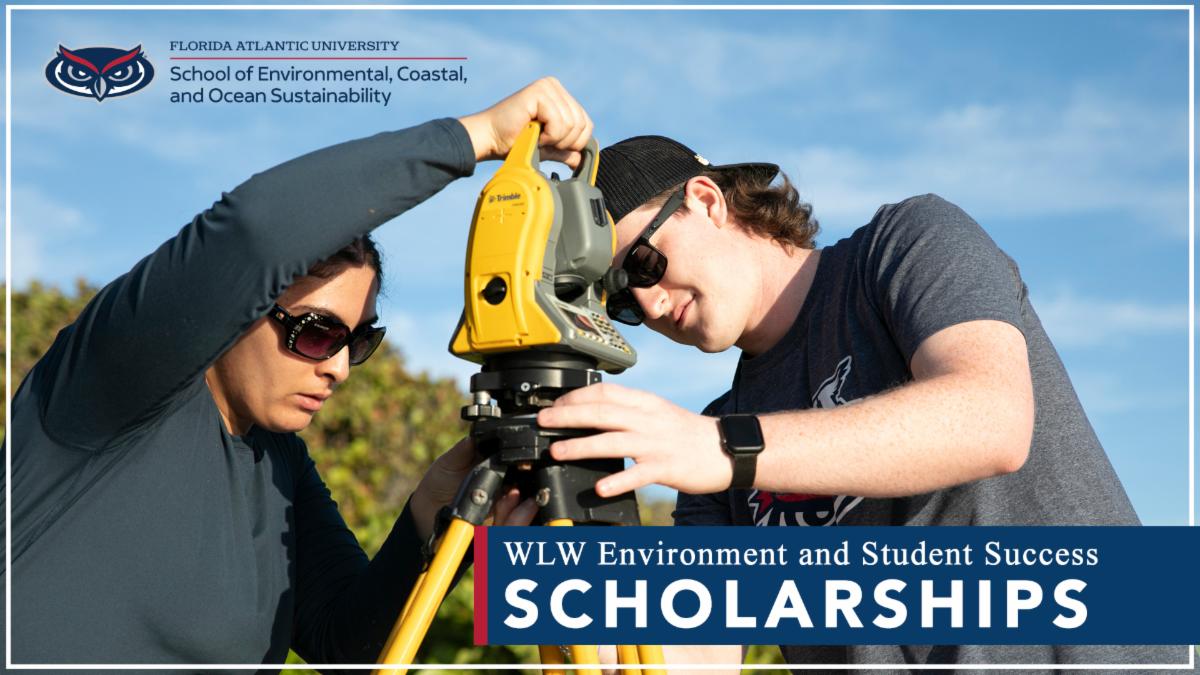
WLW-ECOS Student Success Scholarships
This donor-funded, need-based scholarship provides up to $15,000 annually to Schmidt College of Science undergraduates pursuing solution-oriented environmental research. The award bridges financial gaps to ensure students can focus fully on their academic and scientific goals. Award amounts reach up to $7,500 per semester. Deadline to apply: Aug. 1 for fall scholarships. Learn more.
| |
Fall 2026 Registration
Registration for Fall 2026 courses is now open! Plan ahead, meet with your advisor and secure the classes you need for the next step in your educational journey. Learn more.
| |
Elevate Your Degree: Honors in Biological Sciences Applications Open
The Department of Biological Sciences invites high-achieving undergraduates to apply for the prestigious Honors within the Major programs in Biology. Students can choose between the Research Pathway, which focuses on two semesters of faculty-mentored independent research and symposium presentations, or the Research Thesis Pathway, which prepares students for graduate school by embedding them in an FAU lab to draft an NSF fellowship proposal and write an honors thesis. Deadline: July 28. Learn more.
| |
Plan Your Future with FAU GradSciBRIDGE Student Organization
Schmidt College of Science graduate students from all disciplines are invited to join GradSciBRIDGE to accelerate their professional development. Members gain flexible, exclusive access to expert-led career workshops, resume reviews, interdisciplinary networking, and hands-on industry opportunities. Submit your interest form today to secure invitations to upcoming events. Learn more.
| |
WLW-ECOS Undergraduate Research Fellowships
The WLW-ECOS Undergraduate Research Fellowship Program offers Schmidt College of Science undergraduates the opportunity to gain hands-on research experience by working directly with ECOS-affiliated faculty on solution-driven environmental research projects. Fellows receive paid research positions ($22/hour) while building valuable skills, exploring environmental science careers and contributing to projects that make a real impact. Learn more.
| | |
WLW-ECOS Paid Internship Opportunities
The Florida Atlantic School of Environmental, Coastal, and Ocean Sustainability (ECOS) paid internships provide student stipends while they complete degree-related career experiences at local, well-established nonprofit environment-linked organizations. Students are paid through FAU’s WLW-ECOS Student Success Fund. Learn more.
| |
Summer MCAT Test Prep Course
FAU Test Preparation, in alliance with the Schmidt College of Science, developed FAU's MCAT Course to prepare students for the successful completion of the Medical College Admissions Test (MCAT). The Live Online course offers instructor-created video lessons and problem sets contained within the learning management system CANVAS, supported by live video-conference sessions, and includes six full-length computerized practice exams. Learn more.
| |
Smart Cities and IoT Certificate
The Charles E. Schmidt College of Science’s Department of Urban and Regional Planning, in partnership with the College of Engineering and Computer Science, offers the Smart Cities and Internet of Things (Sc-IoT) Certificate for undergraduate students. Learn more.
| |
Join Florida Atlantic's School of Environmental, Coastal, and Ocean Sustainability (ECOS)
Florida Atlantic's School of Environmental, Coastal, and Ocean Sustainability (ECOS) invites all FAU faculty, postdocs and graduate students to become members of the school. Engage in solution-based interdisciplinary research, teaching and community engagement initiatives that bring forth the collective environmental capabilities of the university. Learn more.
| |
SFL PBS: Hook, Line, and Scientist: Dr. Stephen Kajiura Tackles Angler-Shark Tensions
With shark populations on the rise, mounting frustrations over shark depredation have local anglers looking for answers. The latest episode of South Florida PBS’s Changing Seas features a range of scientists, including the Schmidt College of Science's Stephen Kajiura, Ph.D., as his team tests advanced "repellent" technologies designed to protect fishers' catches. Discover how FAU is translating rigorous marine research into actionable solutions that support our coastal economy and preserve vital apex predators. Read more. Watch here.
| | | |
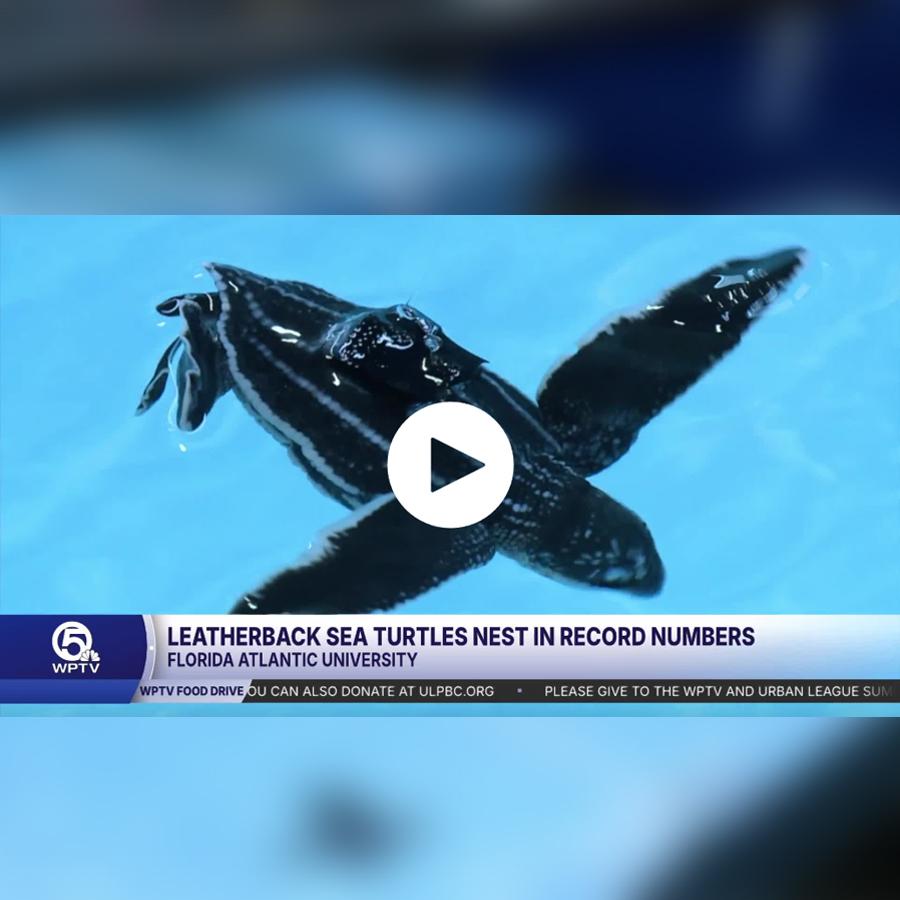
WPTV: Leatherback Sea Turtle Nesting Reaches Record Numbers Along Florida's Coast
WPTV West Palm Beach interviewed FAU researchers Jeanette Wyneken, Ph.D., and integrative biology Ph.D. student Emily Turla, who are celebrating a record-breaking season for endangered leatherback sea turtles. So far, Gumbo Limbo Nature Center has documented 42 leatherback nests along Boca Raton beaches - the highest number ever recorded locally. Read more.
| | | | |
Vice News: ‘Relationship Hitmen’: Your Mom Has a Talent for Subtly Killing Friendships She Doesn’t Like, Scientists Say
Moms seem to have a sixth sense about your friends. They’re good at sniffing out the bad influences from the genuinely chill hangs long before you figure it out yourself. According to a new study published in Child Development by researchers from the Schmidt College of Science at Florida Atlantic University and collaborators, when moms disapprove of one of their kids’ friends, there’s a strong chance that the friendship is doomed. Read more.
| | | | |
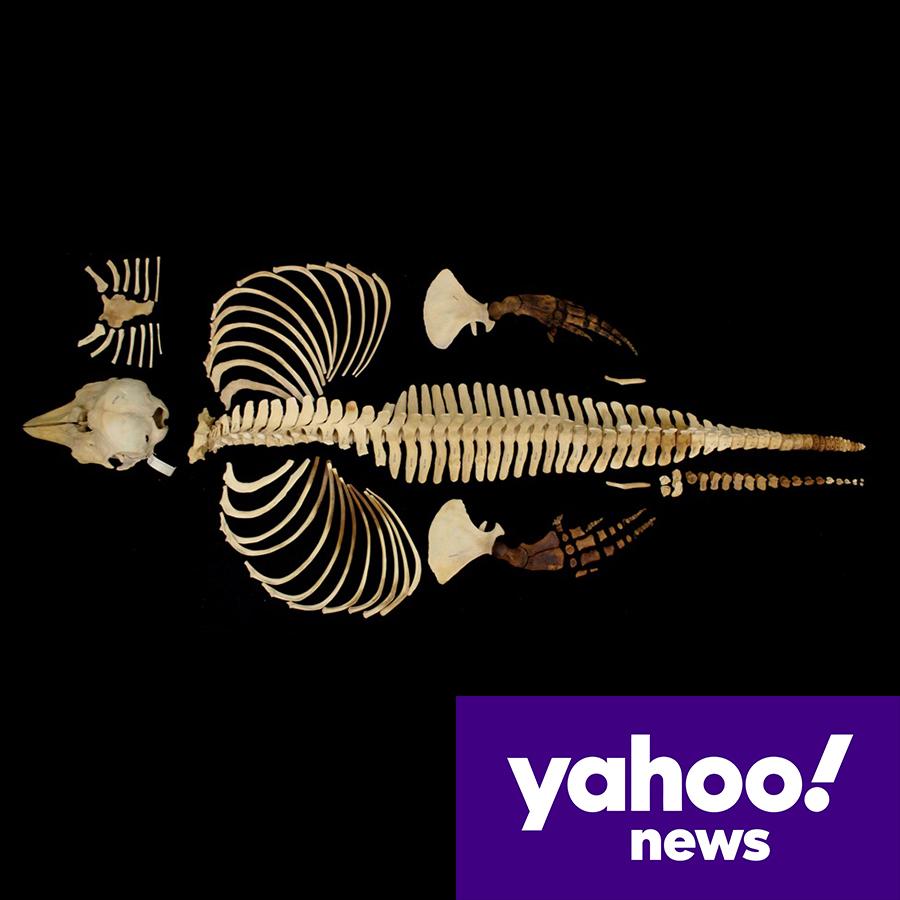
Yahoo! News and BBC Wildlife Magazine: Saving a Tiny Endangered Porpoise One Pixel at a Time
With fewer than 10 vaquita porpoises left in the wild, researchers at the FAU Charles E. Schmidt College of Science are race-against-the-clock archiving the species in unprecedented digital detail. Led by Marianne E. Porter, Ph.D., the intricate imaging project utilizes advanced medical CT and micro-CT scanning to preserve the internal architecture of the tiny porpoise's skeleton - ensuring future generations can study the complex anatomy of this critically endangered animal. Read more on Yahoo!. Read more on BBC Wildlife.
| | | |
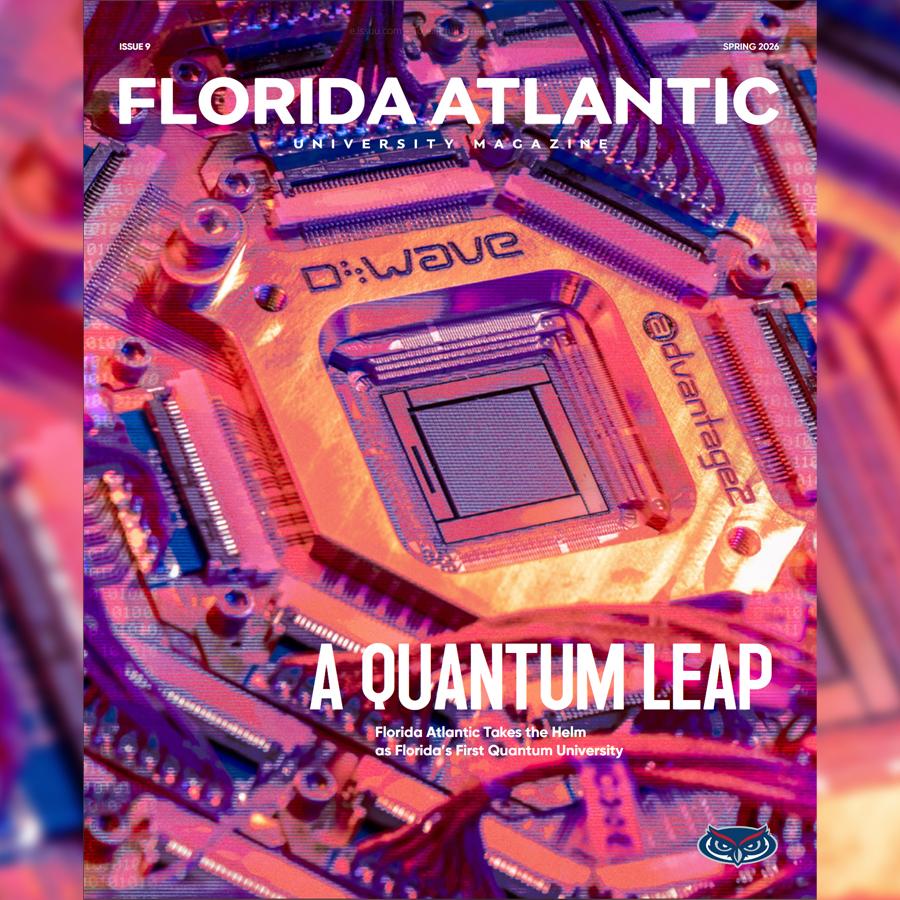
Spring Issue of 'Florida Atlantic' Released
The Charles E. Schmidt College of Science takes the spotlight in the latest Florida Atlantic magazine, headlining major breakthroughs from becoming the state's first "Quantum University" with D-Wave, to securing a $1.4 million Everglades grant for wading bird studies. Flip through the digital edition to read how a transformational gift is forging the future of environmental science through FAU ECOS, meet our top-ranked faculty in the news, and explore our "Changing Direction" alumnus profile. Read more.
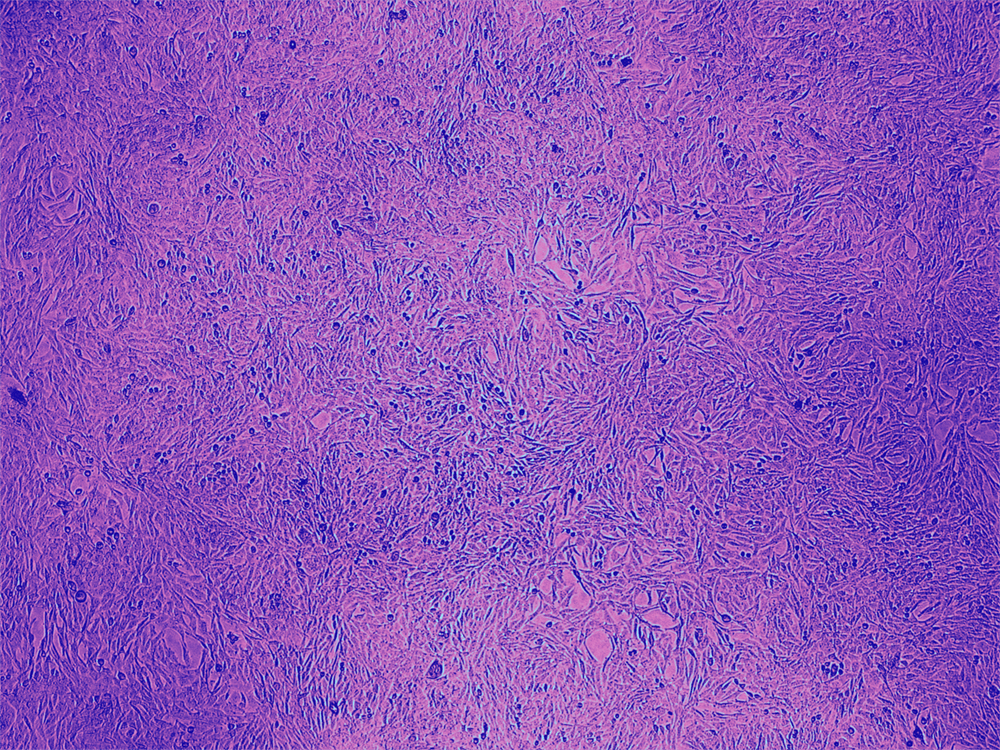
| | Partner With the Charles E. Schmidt College of Science as We Race Toward Excellence! | | Building Better Medicines from the Cellular Level: 2025 FAU Art of Science People's Choice Winner: Aleksandra Nedovic, doctoral student, Charles E. Schmidt College of Science. Before a new therapeutic compound can move forward to treat chronic pain or neurological disease, it must first prove itself under the microscope. Chemistry doctoral student Aleksandra Nedovic’s Developing New Drugs feature pulls back the curtain on the crowded reality of early-stage pharmaceutical research, using engineered Chinese Hamster Ovary (CHO) cells to screen safer, more targeted drug compounds long before they ever reach clinical trials. | | At the Charles E. Schmidt College of Science, we have an unprecedented obligation and opportunity to provide our students and community with the highest caliber of research, scientific invention, and education in the country. | | | | |