Issue no. 4 - 12 August 2025 | | |
UNDERSTANDING CCOM'S WATER QUALITY
REPORTS
PART II: HARMFUL ALGAL BLOOMS
| | |
Bottom Line: Harmful algal blooms (HABs) are on the rise on the East End and globally, fueled by warming waters and pollution. CCOM’s weekly monitoring helps protect public health and inform future remediation for ecosystems in Montauk—but real solutions mean tackling excess nutrient pollution and climate change impacts.
To protect our waters, we have to understand the threats and risks to our community.
💧By reading on, you're part of the effort to defend these vital water resources! Stay informed and stay safe (5 minute read).
| | |
Beyond Bacteria: Understanding Harmful Algal Blooms (HABs)
In Part I of CCOM'S Water Monitoring Explained, we took a closer look at how CCOM tests for enterococcus bacteria—a key indicator of fecal contamination in recreational waters. Enterococcus testing is one central part of our water quality program—year-round bacteria monitoring carried out with long-time coalition partners Surfrider Eastern Long Island and Peconic Baykeeper through the Blue Water Task Force.
The other half of CCOM’s water quality program—seasonal monitoring of Harmful Algal Blooms (HABs)—is led by CCOM in partnership with Stony Brook University.
In this edition, we explore how and why we track Harmful Algal Blooms (HABs).
| | |
What Are HABs?
Harmful Algal Blooms happen when certain algae—especially, in local freshwater, cyanobacteria (blue-green algae)—grow rapidly in warm, nutrient-rich water. Algae are natural and important primary producers in aquatic ecosystems, but under certain conditions, some species can produce toxins that threaten human health and the environment. Factors like excess nutrient contamination (nitrogen and phosphorus), elevated water and air temperatures, stagnant waters, and human disturbances fuel these blooms.
| |
Some HABs produce toxins, such as cyanotoxins (like microcystin) or domoic acid from diatoms like Pseudo-nitzschia, which can cause serious illness or even death in humans, pets, and wildlife.
Other HABs, while not producing toxins, are still harmful. They block sunlight, lower oxygen levels, and disrupt aquatic ecosystems, leading to fish kills and habitat loss.
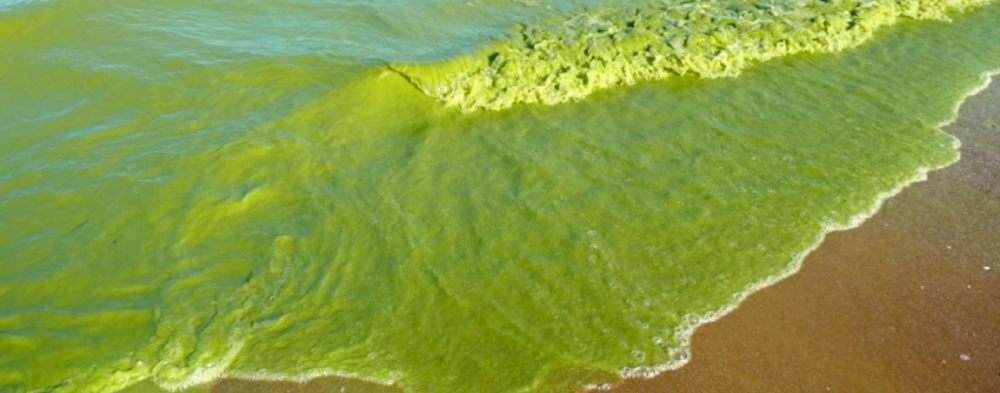
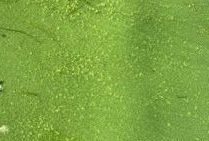
Blooms may appear as green or brown discoloration, surface scum, or floating mats.
| |
Why It Matters to Montauk
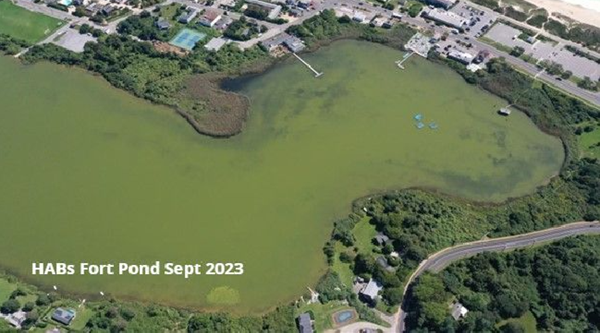
CCOM monitors Fort Pond weekly during warm seasons when they occur to track these conditions and help protect both Montauk's environmental and public health.
Through our partnership with The Gobler Lab at Stony Brook University’s School of Marine and Atmospheric Sciences (SoMAS), we track HABs weekly from June through September—focusing on Fort Pond, one of East Hampton’s central freshwater bodies.
| |
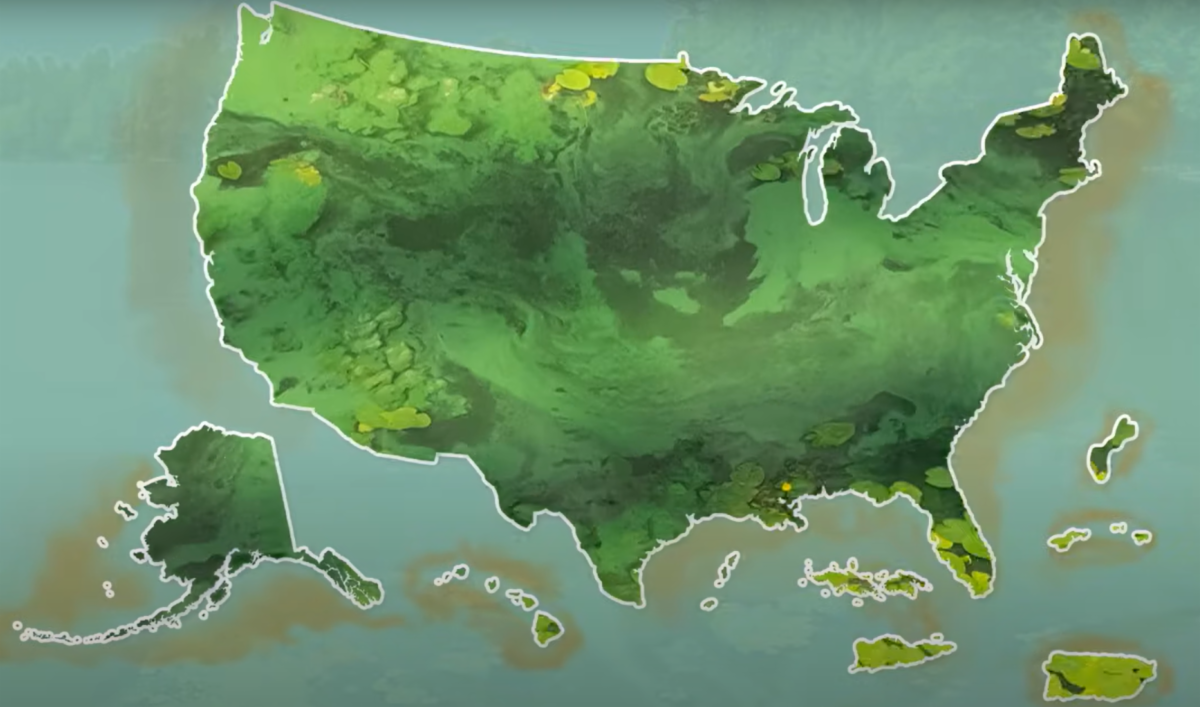
Monitoring by The Gobler Lab has shown that HABs in several East End water bodies
have been increasing over time in frequency and intensity. Blooms identified in Fort Pond are commonly caused by cyanobacteria like Dolichospermum and Microcystis.
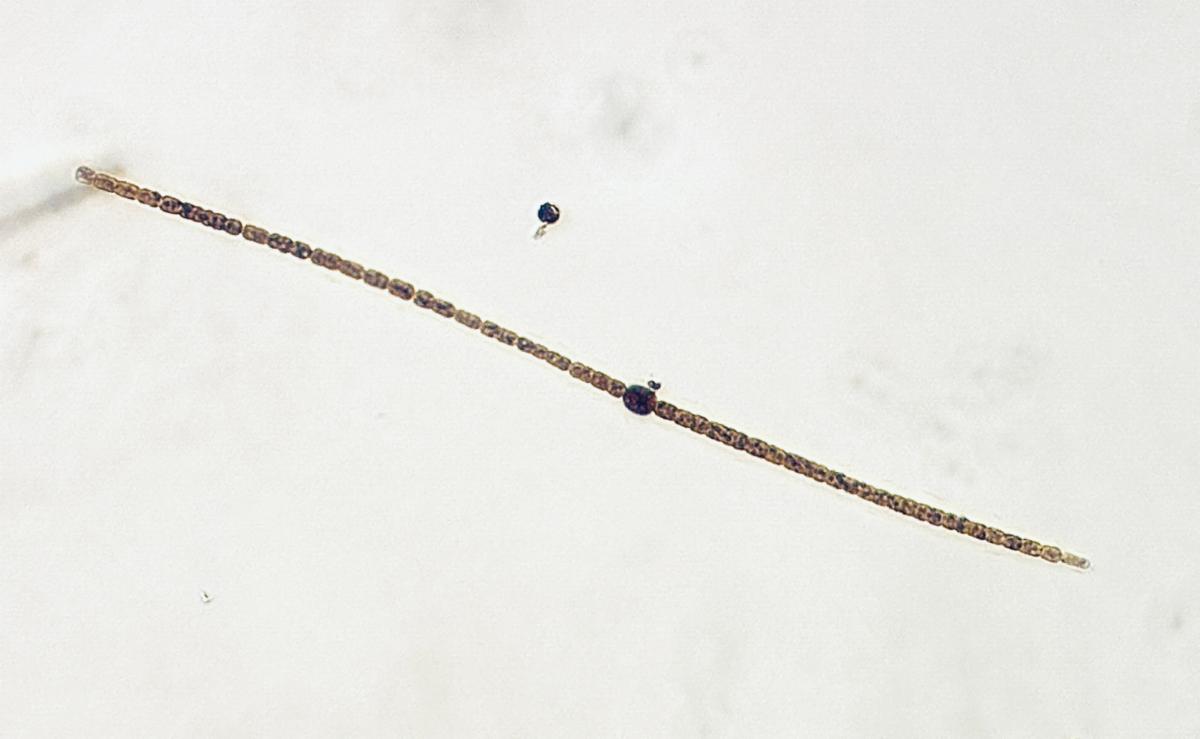
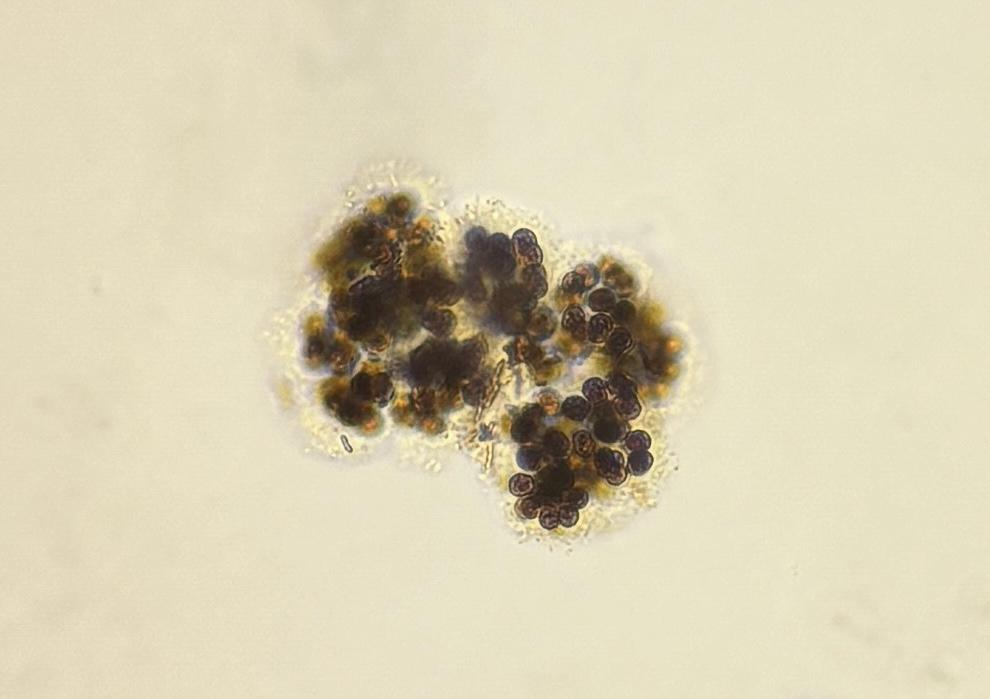
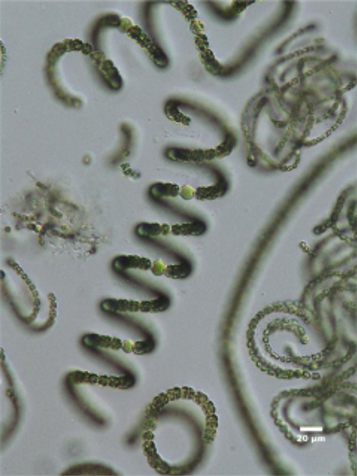
Under the microscope (see below!), these alga look fascinating—but in the water, they can be a sign of serious pollution and public health risk.
| | |
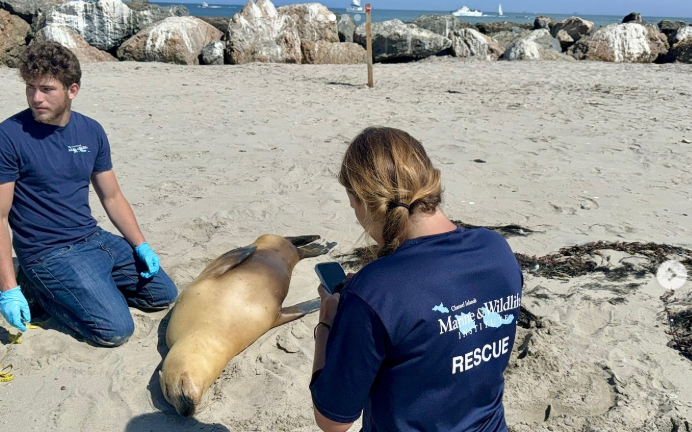
How Do HABs Affect Wildlife & Pets?
Fish kills,
marine mammal deaths,
and pet illnesses
are all linked to HAB events.
- In 2015, Fort Pond was the site of a suspected cyanobacteria-related dog illness.
-
Across the U.S., over a dozen reported dog deaths occurred in 2019 due to toxic blooms.
| HABs thrive in the sunlit zones of water bodies, fueled by warm temperatures, abundant sunlight, and excess nutrients (nitrogen and phosphorus) often from lawn and agricultural runoff, outdated septic systems, and polluted stormwater runoff. | | | | |
How Do We Monitor HABs?
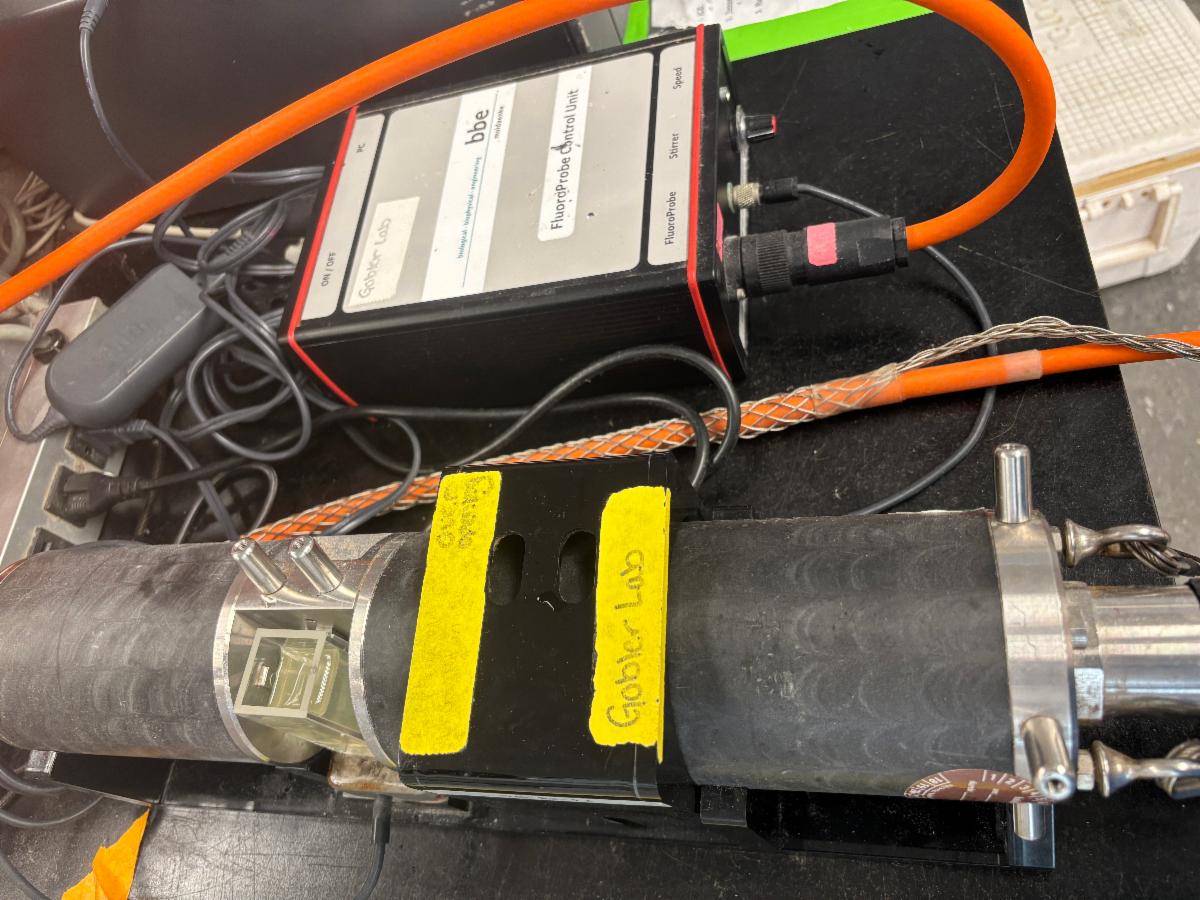
CCOM delivers water samples from Fort Pond to scientists at Stony Brook University. First, they use an instrument called a FluoroProbe, which shines different colors of LED light into the water. Algae in the sample glow, or fluoresce, in response—mainly because of chlorophyll-a, a natural chemical that algae use to capture sunlight for energy, similar to how plants perform photosynthesis.
Each major type of algae (e.g. red algae, diatoms, or blue-green algae) has its own mix of these light-absorbing pigments, which create a unique “fluorescence fingerprint”. The FluoroProbe reads these patterns to estimate how much of each type is present.
If high levels of blue-green algae are found, scientists then use light microscopy—a method that uses visible light and lenses to magnify tiny organisms—to identify the exact types of algae present.
| | Cyanobacteria under the microscope. Credit: WALPA. | bbe Moldaenke FluoroProbe. Credit: Marcella Wallace. | | |
Are HABs Getting Worse?
Unfortunately, yes—and climate change is a big reason why.
Cyanobacteria thrive in warmer temperatures, and with over 1.2°C of global warming since pre-industrial times due to human-driven fossil fuel emissions, conditions are becoming more favorable for HABs. Without action, we can expect more frequent, intense, and toxic blooms in Fort Pond and other East End waters.
📘 Learn more about climate-linked tipping points in the State of the Planetary Climate report ».
| | |
From the Local Experts
Dr. Christopher Gobler of Stony Brook SoMAS explains:
“Before 2006, algal blooms in NY were mostly an ecological concern. But since then, we’ve documented toxin-producing species like Alexandrium catenatum (causing paralytic shellfish poisoning) and Dinophysis acuminata (causing diarrhetic shellfish poisoning) in Suffolk County waters—including East Hampton.”
The East Hampton Town Trustees also reported, "The limited nature of sampling [for HABs], however, has prohibited definitive conclusions regarding the extent and maximal densities of blooms from being established."
CCOM's testing program in partnership with Stony Brook University helps fill these data gaps, providing ongoing monitoring to understand blooms and their impacts.
📄 Read the full 2024 State of the Bays Annual Report ».
| |
|
More FAQs
SEAFOOD SAFETY AND PUBLIC HEALTH
We’re often asked: “can I collect and eat shellfish here?” The answer depends on conditions and closures issued by the NYS DEC.
🦪 Always check the Shellfish Mapper » DEC’s Shellfish Mapper and Reported Closures before harvesting. While commercial products are regularly tested, recreationally harvested shellfish are not—and can be contaminated by HAB toxins without visible signs.
HAB toxins can be ingested by eating contaminated mussels, clams, or snails—or inhaled via aerosols from the water. Some toxins, like saxitoxin (a neurotoxin causing paralytic shellfish poisoning), have led to serious illnesses and even fatalities, including a death in Alaska in 2020 and over 40 people sickened in Oregon in 2024. The neurotoxin was also identified in Suffolk County in 2023.
🌊 What do you want to see in our next Science Explained? Let us know!
| Have a question about HABs? | | |
Thanks for exploring with us,
R Holloway
| | |
SUPPORT OUR PROGRAMMING
CONSIDER A DONATION TODAY
DO YOU LOVE MONTAUK?
Be part of an organization fighting to protect and restore Montauk’s precious environment!
CCOM is a 501(c)(3) not-for-profit environmental organization. Thanks to our donors, we have been protecting Montauk's unique environment since 1970. Please consider making a 100% tax-deductible donation today.
|
| | | | |