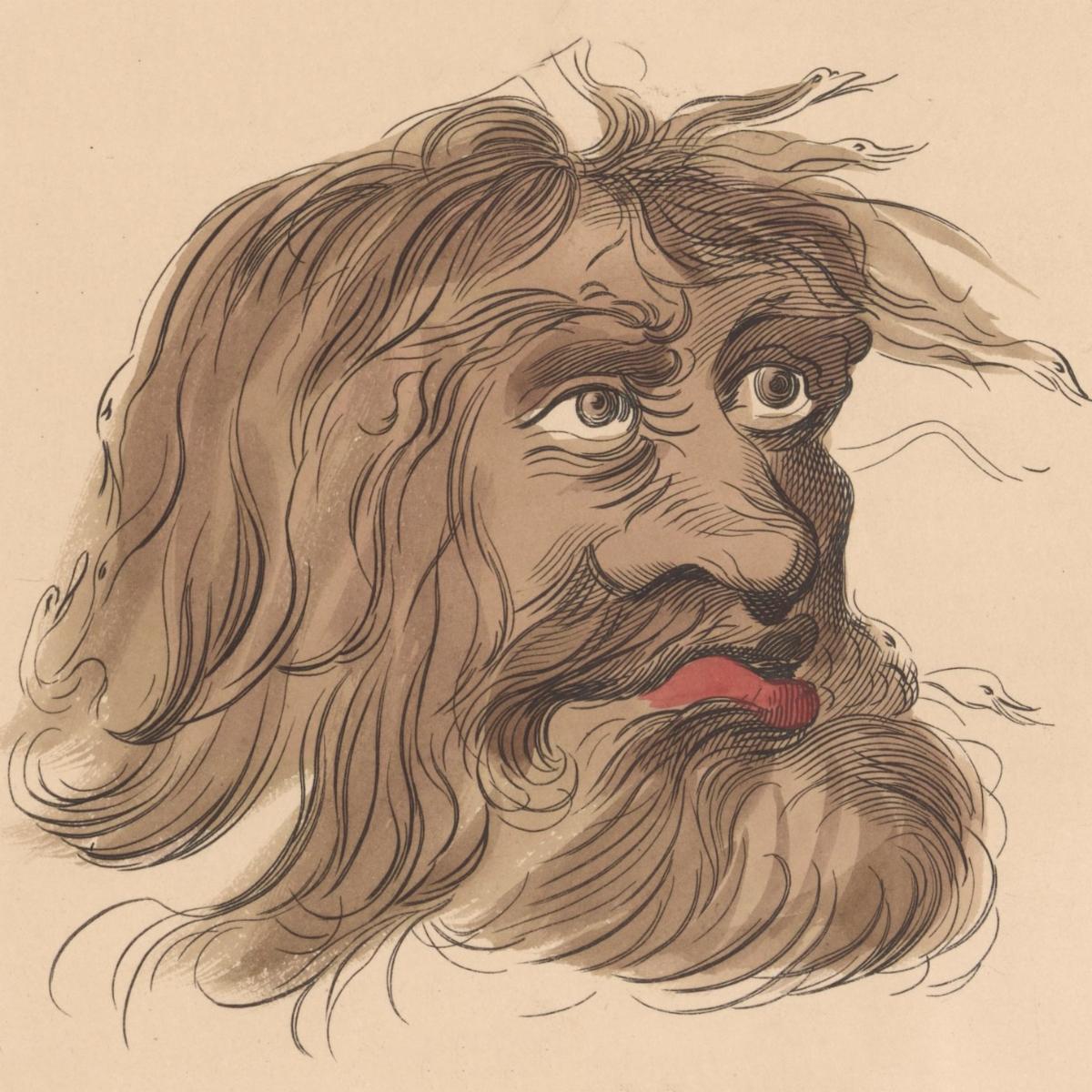
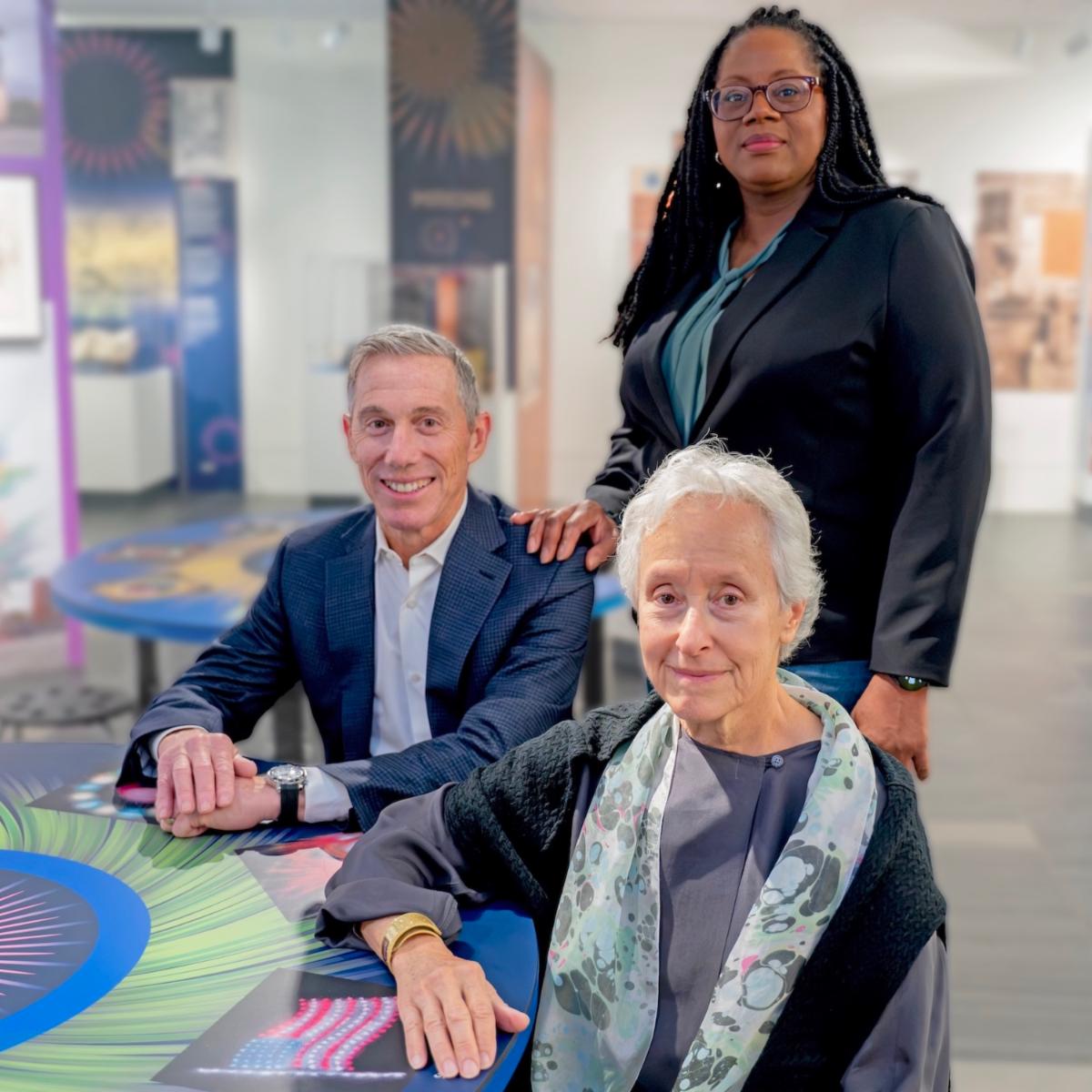
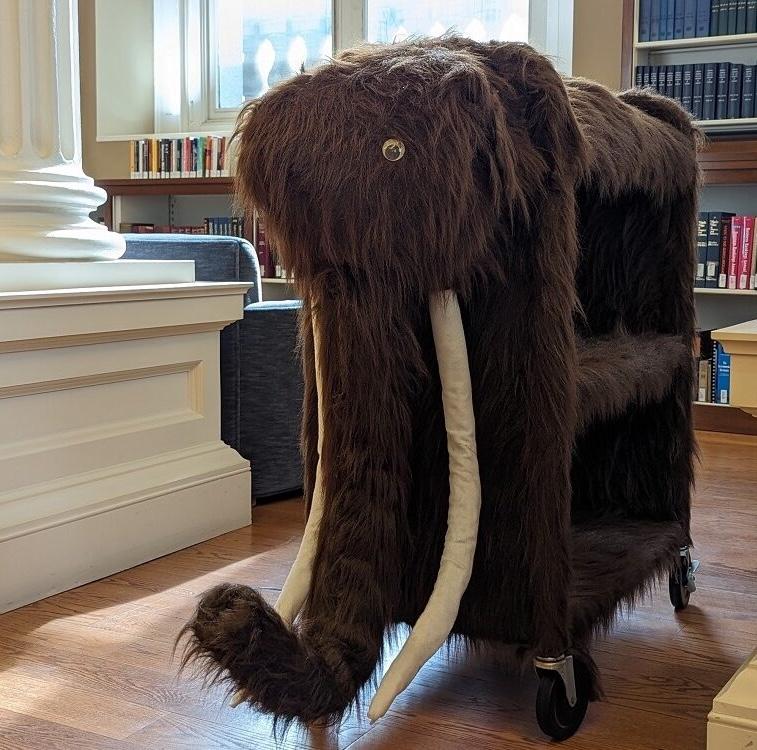
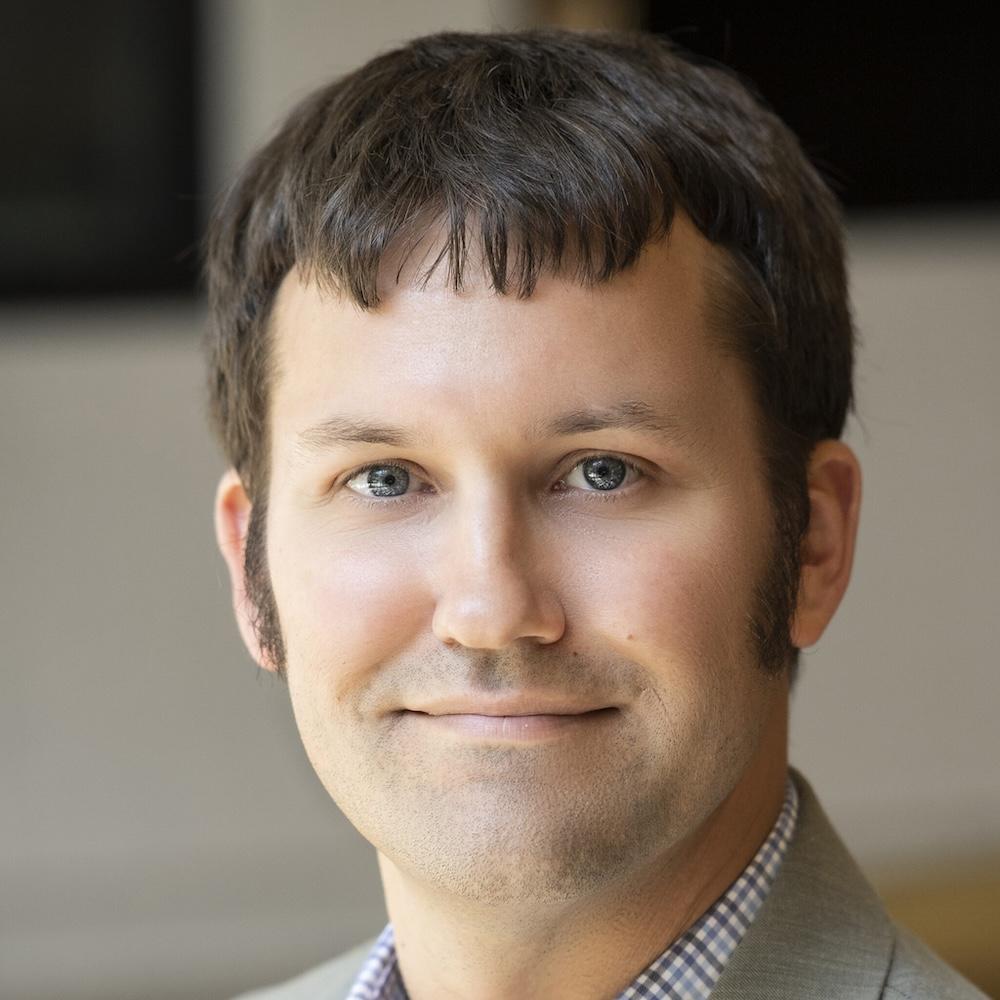
Hairy, bearded depiction of the Spirit Antichrist, from Magus, or Celestial Intelligencer: Being a Complete System of Occult Philosophy, 1801. 📷 Science History Institute | | It’s No Shave November and we’re showcasing some of the most epic beards, mustaches, goatees, and sideburns in science! We don’t think the hairy guy above would mind not using his razor for a month, especially if it helps support cancer research, which is the goal of this annual event. Register for a self-guided visit to see all of the bearded alchemists in our new Fire and Gold exhibition; meet our furry mascot, Oloch, by taking an Othmer Library Tour; or watch a video episode from our Distillations podcast, which touches on an increasing number of cancer diagnoses among Long COVID patients. But first, please join us in welcoming three new members to our Board of Directors, a diverse group that will help us strengthen our industry relationships. | | Geofrey Wyatt (seated left), Jane Frommer (seated right), and Greglynn Gibbs (standing) join the Institute’s Board of Directors. 📷 Science History Institute/Meredith Edlow | | |
Science History Institute Welcomes 3 New Board Members
The Science History Institute is pleased to welcome three new members to our Board of Directors: Jane Frommer, a pioneering nanoscience and nanotechnology researcher; Greglynn Gibbs, a lead research associate on the Neuroscience Platform Team at Roche Innovation Center Philadelphia; and Geofrey Wyatt, former CEO of Wyatt Technology Corporation. Frommer, Gibbs, and Wyatt join a distinguished list of scientists, engineers, academics, entrepreneurs, and other industry professionals from a broad range of organizations that includes Institute president and CEO David Cole. Chaired by Listowel Inc. president Lewis Gasorek, the Board of Directors is charged with fiduciary and policy oversight.
| | All events are free and take place online or at the Science History Institute at 315 Chestnut Street in Old City Philadelphia unless otherwise noted. | | You can meet our hairy mascot, Oloch, during one of our library tours. 📷 Science History Institute | | |
Library Programs & Activities
Othmer Library Tours
| | |
Guided Tours
Alternating Wednesdays
November 4, 18; December 2, 16, 2026
12pm–12:45pm EST
| | | |
Drop-in Tours
First Fridays
November 6, 2026
5:15pm–6pm EST
December 4, 2026
4:15pm–5pm EST
| | | Curious about the other half of the Science History Institute? Step into the Othmer Library of Chemical History! Explore the reading room on a guided tour, learn how our collection has grown, and discover one of the most comprehensive rare book collections on chemistry and its alchemical roots. Registration is required for tours on Wednesdays. | | |
Museum Programs & Activities
First Friday: More Than Meets the Eye
| | |
Friday, November 6, 2026
5pm–7pm EST
| | | Join us for our November First Friday as we celebrate the opening of our upcoming ExhibitLab display, More Than Meets the Eye. Created in partnership with nonprofit organization AltruVision–A Lions Eye Bank, this exhibition presents the history of corneal donations and transplantation. Come experience some of our tactile learning tools for people who are blind or have low vision; check out a copy of Essai sur l'éducation des aveugles (1786), the first embossed book published for readers who are blind; and visit the AltruVision table to learn about the science of sight, the impact of donation, and ways to get involved. | | |
Museum Programs & Activities
Stories of Science
| | |
Saturdays
November 7, 14, 21; December 5, 2026
10am–5pm EST
| | | Join us in our museum EVERY SATURDAY for a family-friendly program that highlights the many strange and surprising stories from the history of science. Our fun, interactive activities are designed for science lovers of all ages. We’re Feasting on Chemistry in November and enjoying a Cuppa Chemistry in December! Admission is free and reservations are not required. | | |
Museum Programs & Activities
Drop-in Tours
| | |
25-Minute Highlights Tours
Every Saturday
November 7, 14, 21; December 5, 2026
11:30am EST
| | | Join our museum’s Gallery Guides every Saturday for one of our Stuff from Your House, Forensics, Unwell Waters, or From Nature to Nylons highlights tours. Our shorter tours are designed to highlight artifacts in our collection with unique stories. These tours last approximately 25 minutes and offer visitors an intriguing introduction to the history of science. Drop-in tours are free and no reservations are necessary. | | |
50-Minute Tours
Alternating Saturdays*
November 14; December 12, 2026
2pm EST
*Please note there is no tour on November 28.
| | | |
Join our museum’s Gallery Guides every other Saturday for one of our Science & Activism, Women in Chemistry, or Fireworks tours. Our longer tours are designed to offer visitors a comprehensive exploration of artifacts in our collection with unique stories. These tours last approximately 50 minutes and provide a deeper understanding of how science history and the present day are linked.
Drop-in tours are free and no reservations are necessary.
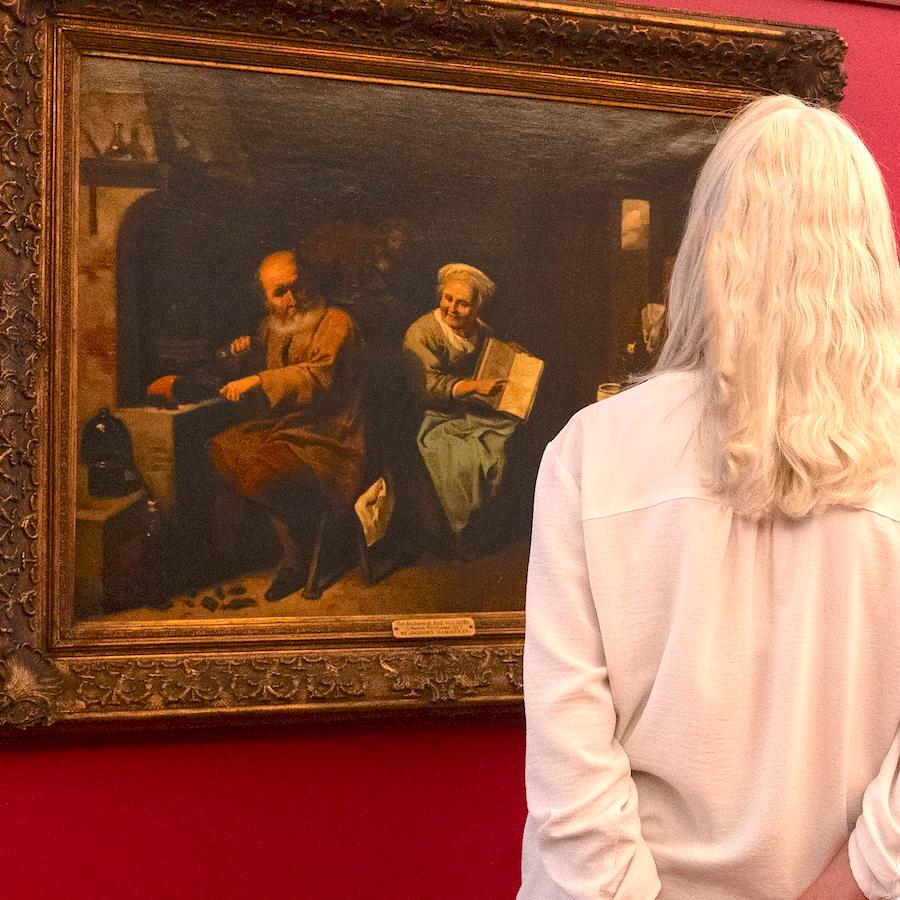
| | Self-guided visits of Fire and Gold include the opportunity to see this painting of a bearded alchemist and his wife, aptly titled The Alchemist and His Wife, by Jacques Hammerer after a 17th-century original by David Ryckaert III, ca. 1928. 📷 Science History Institute | | |
Museum Programs & Activities
Art of Alchemy Self-Guided Visit
| | |
Alternating Saturdays
November 7, 21; December 5, 19, 2026
2pm–3pm EST
Alternating Thursdays*
November 12; December 10, 2026
1pm–2pm EST
*Please note there is no visit on November 26.
| | | Step into the “age of alchemy” and explore remarkable paintings and rare books in the Science History Institute’s new permanent exhibition, Fire and Gold: The Art of Alchemy (1450–1850). This self-guided visit will take you on a journey from underground mines into the alchemist’s laboratory, where they experimented with metals and minerals, attempted to transform matter, and worked to uncover nature’s secrets. Guests under 18 years of age must be accompanied by an adult. Registration is required. | | |
Science on Tap
Prohibition: Then and Now
| | |
November 9, 2026
6pm–7pm EST
National Mechanics
22 South 3rd Street
Philadelphia, PA 19106
| | | Our November Science on Tap talk features harm reductionist, anthropologist, and clinical research coordinator Kelsey Leon, who will examine how alcohol prohibition came into law, trace its lineages to present day drug policy, and discuss its impact on the drug economy and on people who use criminalized substances. She’ll also explore alternatives to prohibition and promising future directions. This event is free and no reservations are required. Seating is on a first-come, first-served basis. | | |
Museum Programs & Activities
From Nature to Nylons: A Touch-Based History of Textiles
| | |
Second Tuesday Each Month
November 10; December 8, 2026
10:30am–12pm EST
| | | Specifically designed to engage with guests who are blind and visually impaired, this touch-based tour offers a private learning experience that combines a personally guided exploration of select gallery exhibits and a hands-on study of objects from our collections. Visitors will learn how fibers like wool, nylon, and Gore-Tex changed our world. Touch tours are free, but registration is required. | | |
Ullyot Public Affairs Lecture and Award
The Art of Building Small: Ben Feringa
| | |
Friday, November 13, 2026
6pm–8pm EST
| | | Nobel laureate and University of Groningen (Netherlands) professor Ben Feringa will present the 2026 Ullyot Lecture with a focus on his journey in the world of molecular nanoscience, designing molecular machines. In particular, he will discuss the synthesis and functioning of molecular switches and motors, as well as applications such as smart medicines and responsive materials and artificial muscles. Feringa will also talk about the process of discovery, the art of building small, and the adventure to control motion at the molecular level. The lecture begins at 6pm; a reception with the speaker begins at 7pm. Registration is required. | | 📷 Courtesy of Dave Walter | | |
Joseph Priestley Society Virtual Lecture Series
The Electrical Grid in Flux
| | |
Thursday, November 19, 2026
1pm–2pm EST
| | | What are the operational and economic limitations to installing alternative generation technologies, such as solar, wind, geothermal, and nuclear? What are the political and social constraints? And how do large-scale storage technologies and data centers affect the needs of the electric grid? Energy engineer Dave Walter, the current director of marine operations at the University of Delaware’s College of Earth, Ocean and Environment, will address these questions and more. Registration is required for this virtual event. | | |
First Friday
Start Talking Science
| | |
Friday, December 4, 2026
5pm–7pm EST
| | | Our December First Friday features dozens of researchers from local universities who will present their innovative projects and answer your questions live. Stop by our museum to explore the history of science education and try out cool, quirky, and engaging science toys and games. Indulge your inner nerd, bring your curiosity, and join us for a fun-filled evening of everything STEM! Start Talking Science is presented in partnership with Drexel University and the Children’s Hospital of Philadelphia Research Institute. | | |
Science and Society | Joseph Priestley Society
Pain and Its Killers: What a New Class of Non-Opioid Pain Medicine Could Mean for Society
| | |
Wednesday, December 16, 2026
6pm–8pm EST
| | | Join pharmaceuticals and drug policy historian David Herzberg, Institute fellow and professor Lucas Richert, and freelance science writer Marla Broadfoot, who will bridge history, science, and society to explore whether a new painkiller can bring relief to people without the risk of addiction. Moderated by the Institute’s Alexis Pedrick, this essential conversation is part of both our Science and Society and Joseph Priestley Society speaker series. The talk begins at 6pm; a reception follows at 7pm for in-person attendees, who can also visit our museum after hours from 5pm to 6pm. | | |
NEW: Distillations Podcast | Video Episode
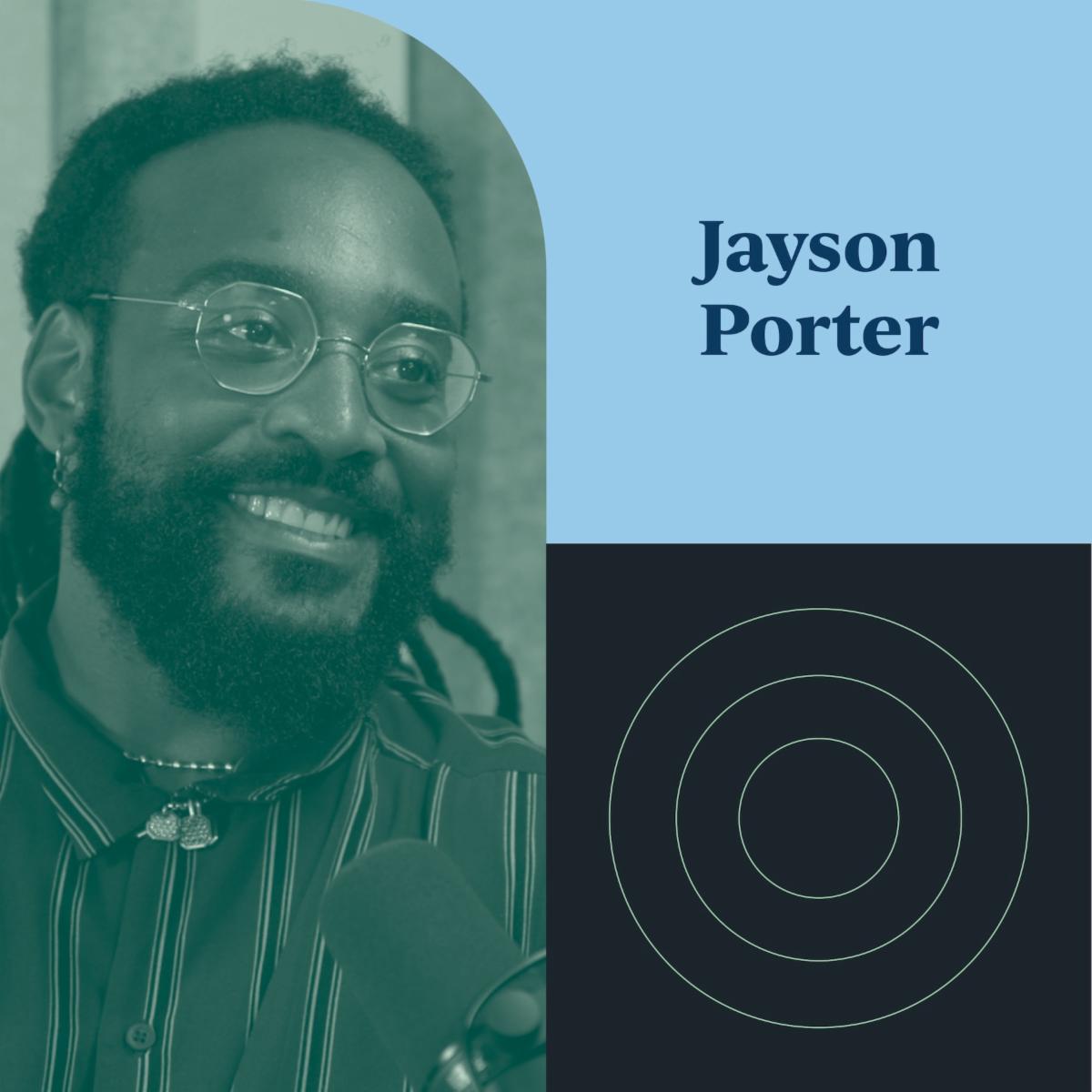
Mules, Arsenic, and Sesame: Untold Black History in the Americas
Environmental writer and historian Jayson Porter talks about revealing a past that wasn’t always written down.
| | | |
NEW: Distillations Podcast | Video Episode
From Hysteria to Long COVID: Invisible Illnesses
Medical anthropologist Emily Medenhall talks about a long history of dismissing patients with mysterious illnesses.
| | | |
NEW: Collections Blog
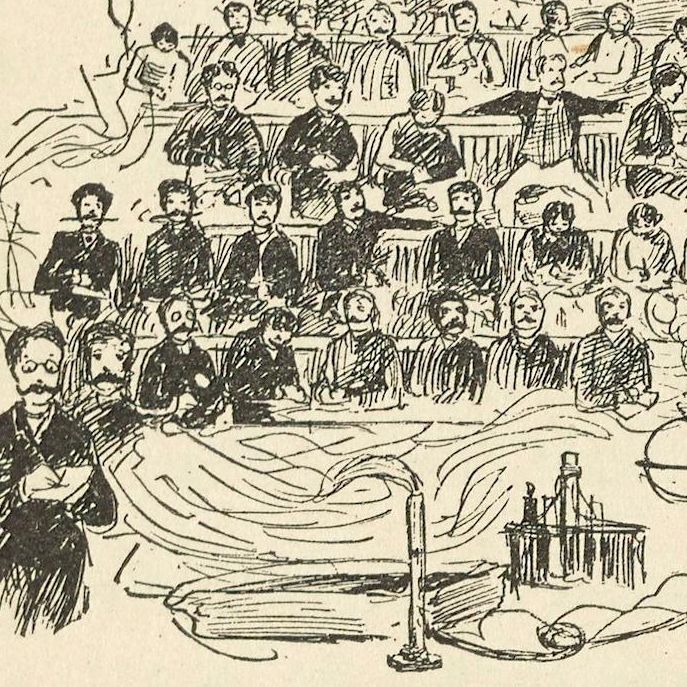
Between the Lines, Beyond the Bench
Curating an exhibit on student notebooks.
| | | The Science History Institute Digital Collections house more than 15,800 curated items, including rare and modern books, scientific instruments, letters, photographs, advertisements, videos, oral histories, and more: | | |
-
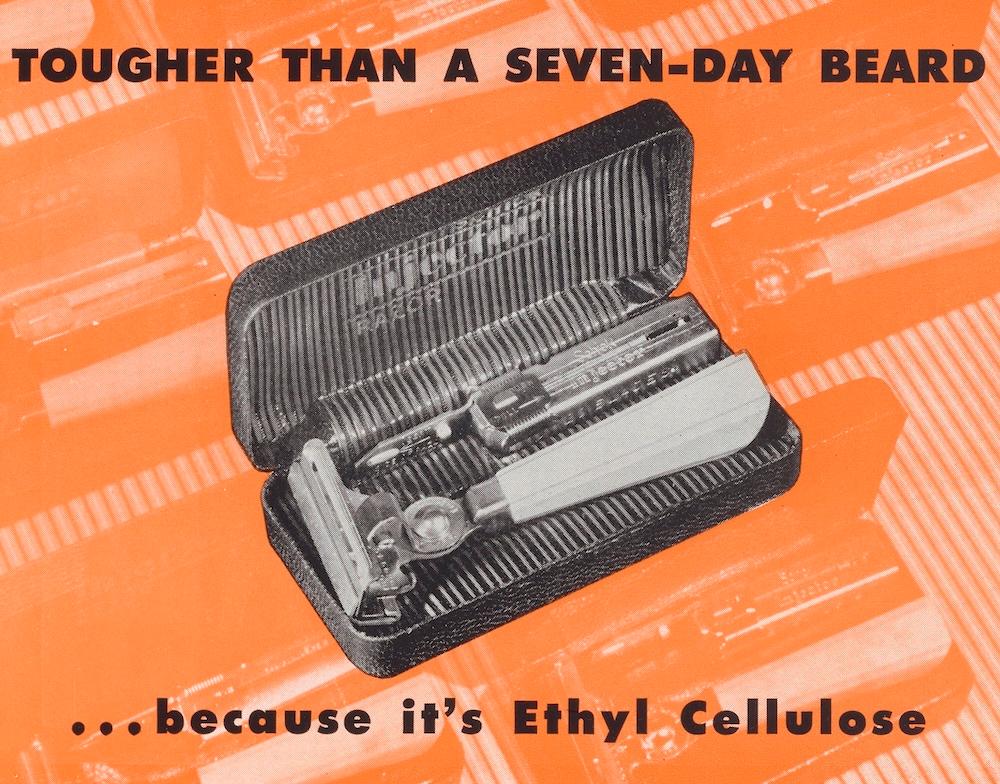
Dmitri Mendeleev, portrait of the heavily bearded scientist best known for the creation of the periodic table, ca. 1900
-
Plate XII: Artist Study of a Bearded Man, engraving from Polygraphice, or, the Arts of Drawing, Engraving, Etching, Limning, Painting, Washing, Varnishing, Gilding, Colouring, Dying, Beautifying and Perfuming, 1685
-
Do Roaches Spread Cancer?, advertisement for Tanglefoot Fly Spray detailing the parasitic theory of cancer proposed by the mustachioed British physician Louis W. Sambon, 1926
-
Samuel Cox Hooker, photograph of the chemist with an overgrown walrus mustache, ca. 1920s
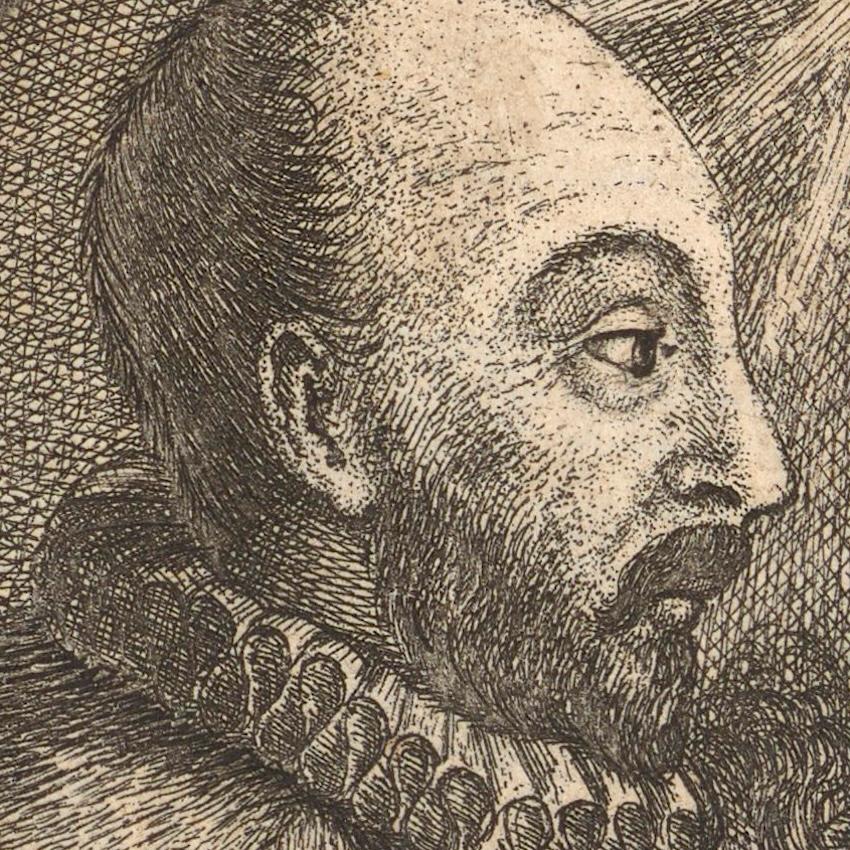
| | Portrait of Giambattista Della Porta with a beard and mustache, featured in the frontispiece of his book, Magiae naturalis [Natural Magic] (1558/1658). 📷 Science History Institute | | |
Giambattista Della Porta
ca. 1535–1615
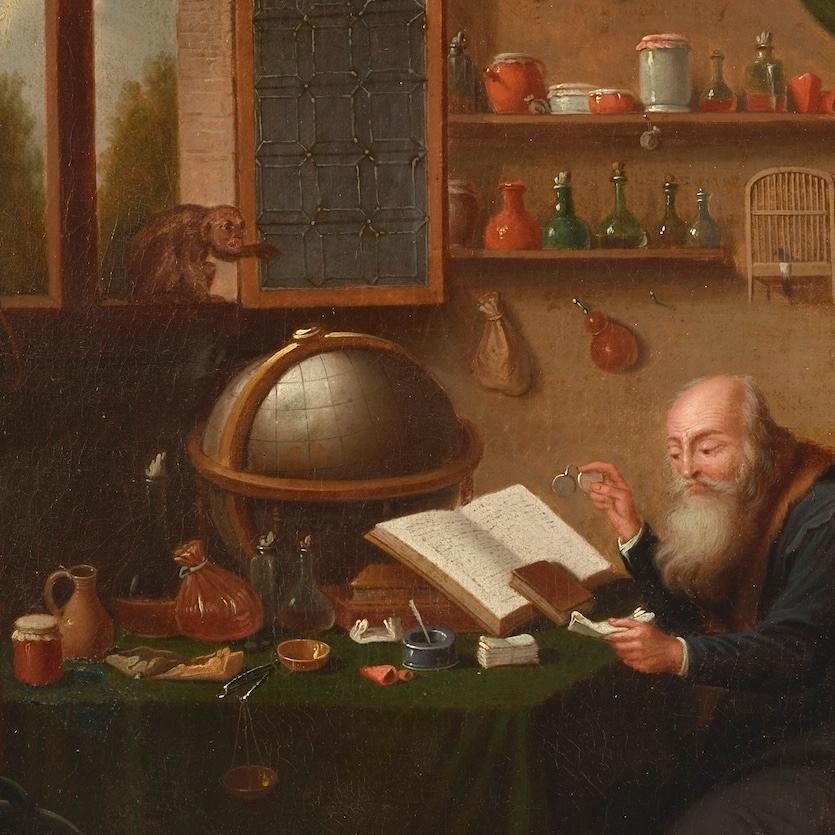
| | | Giambattista Della Porta, also known as Giovanni Battista Della Porta, was a bestselling author with wide-ranging expertise. He allegedly wrote his most famous work, Natural Magic (Magiae naturalis), when he was a teenager, and he went on to found Europe’s first-ever scientific society. Even though he claimed to exclusively study natural phenomena of the world around him, he became associated with the occult and was accused of sorcery. Like many other alchemists of his time—individuals who sought to understand and manipulate matter—Della Porta attempted to discover the “philosophers’ stone,” a mythical substance that could turn base metals into gold and yield the elixir of life. | | Detail of Alchemist with Monkey, oil on canvas in the manner of David Teniers II (1600s–1700s) depicting a bearded alchemist at work as a hairy monkey looks on, featured in our Fire and Gold exhibition. 📷 Science History Institute | | The Science History Institute Museum is open Wednesday through Saturday, 10am to 5pm. Admission is free. | | |
HACH GALLERY
HORIBA EXHIBIT HALL
DU PONT LOBBY
FISHER GALLERY
BUILDING FAÇADE
MUSEUM MEZZANINE
DU PONT GALLERY
| | Beards may be temporary, but the impact of your gift lasts. | | | | | |