|
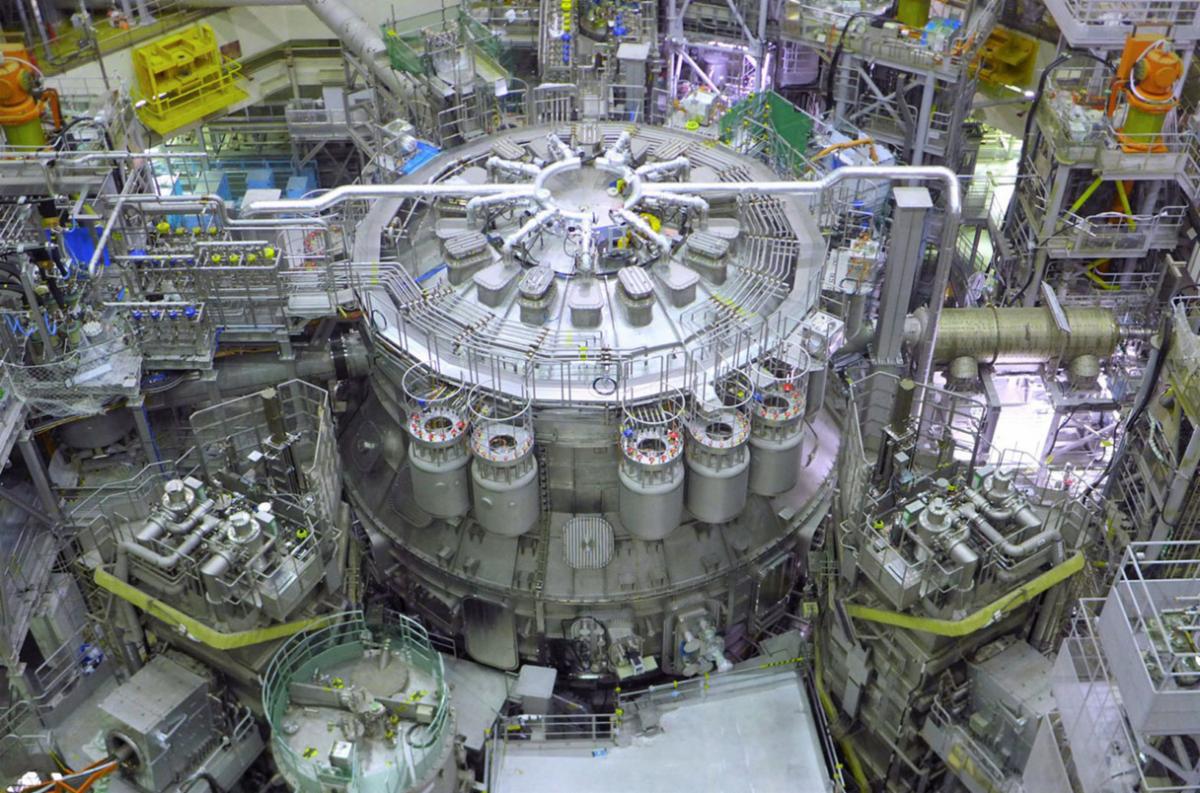
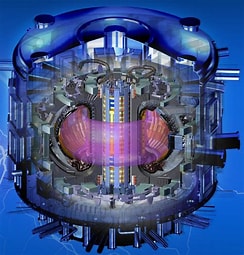
Nuclear fusion has the potential to deliver nearly limitless power, but before it can even get started, the world must build a massive supply of enriched lithium fuel from scratch.
“One of the biggest missing pieces of technology is the enrichment stage, where a specific type of lithium is concentrated,” says Samuel Ward at Woodruff Scientific LTD, a UK consultancy focused on nuclear fusion. “We don’t have a solution that can be scaled to produce the required quantities of fuel for a future fleet of fusion power plants.”
How incredibly simple tech can supercharge the race to net zero
Lithium is a critical fuel for the most common fusion technology in development, which merges two forms of hydrogen to generate energy. The rare lithium-6 form of the metal, which makes up only 7.5 percent of all naturally occurring lithium, is the most efficient for sustaining the fusion process. So most fusion power concepts rely on “enriched” lithium, where the lithium-6 content has been boosted to more than 50 per cent, and sometimes up to 90 per cent, of the total.
Just one demonstration fusion plant – designed to go beyond experimental fusion reactors by supplying net electricity to the grid – would require between 10 and 100 tonnes of enriched lithium to start and sustain operations, Ward and his colleagues found in an analysis. Each new demonstration plant that may come online would add to that demand.
The first such plant will not be ready until about 2040, which gives the world time to enrich more lithium. But enrichment plans must move quickly – one report says the current lithium-6 supply is “practically zero”. The US does have a stockpile from the Cold War: to support nuclear weapons production, the government produced about 442 tonnes of enriched lithium between 1952 and 1963. However, that process relied on toxic mercury, which contaminated the environment so much that the damage is still being cleaned up decades later.
Today, the need has shifted from limited amounts of highly enriched lithium – the nuclear weapons requirement – to much larger amounts of enriched lithium at lower purities for nuclear fusion, says Egeman Koleman at the US Department of Energy’s Princeton Plasma Physics Laboratory.
Researchers have proposed a modernized and cleaner version of the enrichment process to support early fusion power, although it still relies on mercury. Last year, the German government awarded funding to a project that aims to scale up this type of lithium enrichment and make it cost-effective. “We plan to commission the first enrichment plant in Karlsruhe in 2028,” says Michael Franck at Argentum Vivum Solutions, a consulting firm in Germany involved in the effort.
“The only thing that could provide sufficient enriched lithium [in the] short and mid-term is a mercury-based process,” says Thomas Giegerich at the Karlsruhe Institute of Technology in Germany, who is also involved in the project. However, that same process will not be sufficient to meet the eventual demands of hundreds or thousands of commercial fusion plants.
Edited by Robert W. Benedict III from an MSN article
Join Robert on his trip to Indonesia. Please view the videos and article below:
Robert's trip to Asia - Episode 1
Inside Unicorn’s Factories featuring Robert’s Trip to Asia - Episode 2
Here is an article Robert wrote about his trip to Indonesia: Tariffs and Turbulence.
|