|
SCRIPTURE READINGS
I, Paul, am already being poured out like a libation,
and the time of my departure is at hand.
I have competed well, have finished the race,
have kept the faith.
From now on, the crown of righteousness awaits me,
which the Lord, the just judge,
will give me on that day, and not only to me,
but to all who have longed for his coming.
The Lord stood by me and gave me strength,
so that through me the proclamation might be completed and all the Gentiles might hear it.
And I was rescued from the lion’s mouth.
The Lord will rescue me from every evil threat
and will bring me safe to his heavenly Kingdom.
To him be glory forever and ever. Amen.
2 Timothy 4:6-8, 17-18
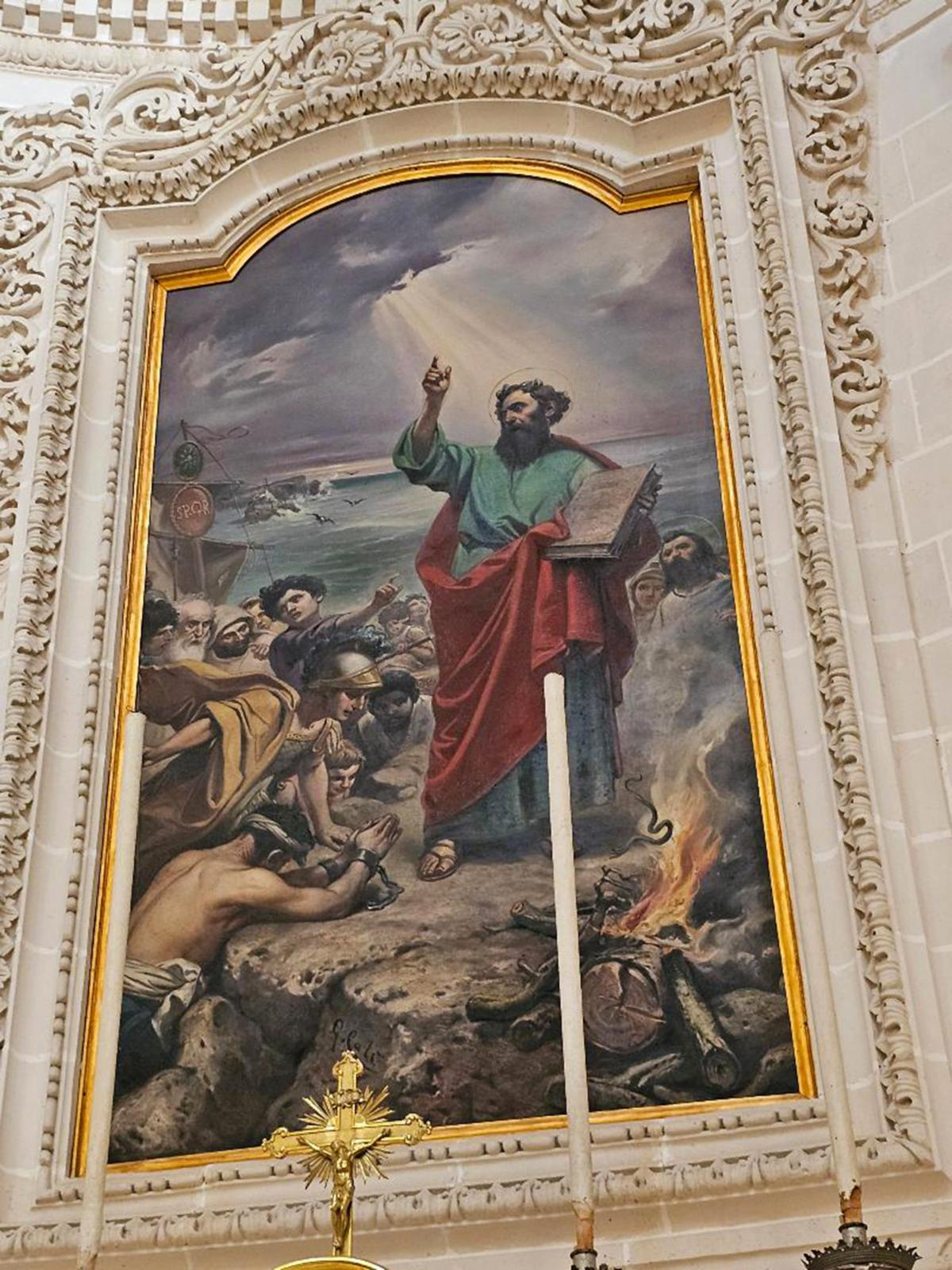
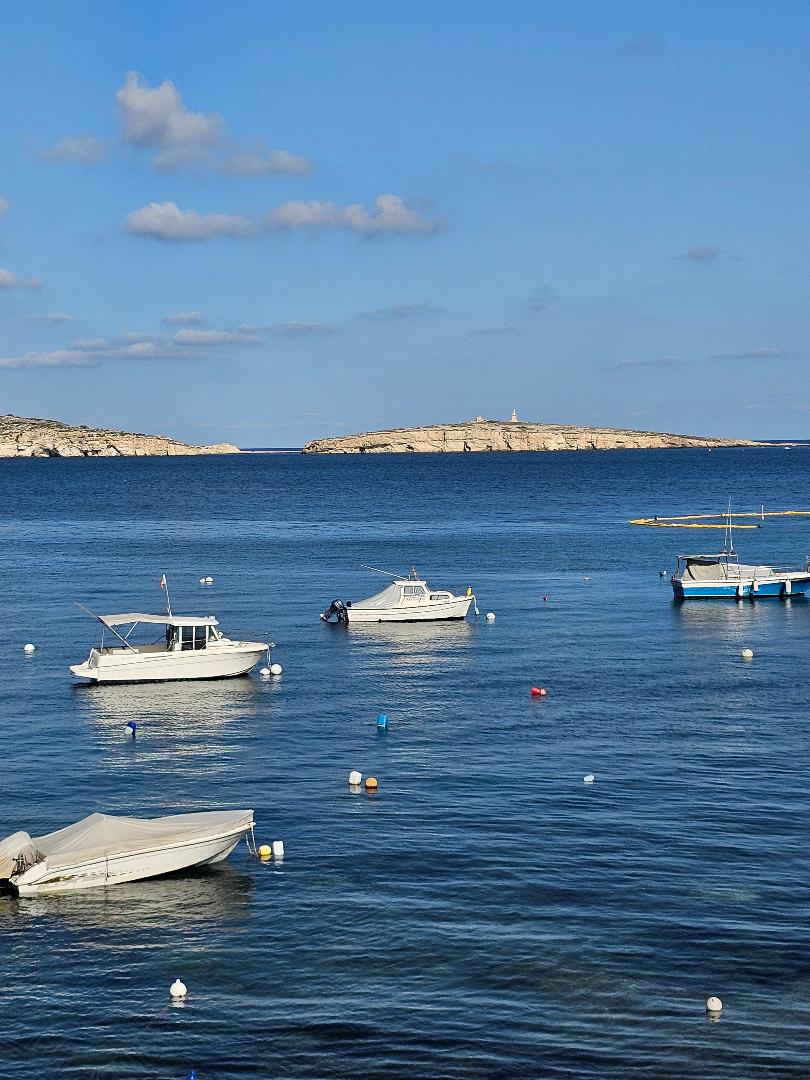
With so much of my childhood spent in Malta, it is only natural that St. Paul had a greater influence on my religious imagination than St. Peter. After all, following the shipwreck chronicled in Acts 27:6-44, St. Paul spent three months on the island before setting sail for Rome. His stay not only brought Christianity to the Maltese islands, but also left its mark on place names --St. Paul's Bay where tradition says he was shipwrecked, St. Paul's Island where his ship ran aground, St. Paul's Grotto (the cave where he allegedly lived), St. Paul's Basilica, The Metropolitan Cathedral of St. Paul in Mdina, St. Paul's Catacombs, The Collegiate Parish Church of St Paul's Shipwreck in Valletta, and the Anglican Pro-Cathedral of St. Paul, also in Valletta. Add to this list a church dedicated to St. Publius, the chief of the island whose father St. Paul healed (Acts 28:8), as well as innumerable wayside chapels, grottos, and band clubs devoted to St. Paul, and you will see that he is omnipresent. Admittedly, there are a few churches dedicated to St. Peter, but it is St. Paul who has a national following, especially on the feast of St. Paul's Shipwreck on February 10th, when he is venerated with fireworks, processions, and marching bands...
But the tour guide in me is getting carried away! Biased as I may be, St. Paul's sojourn in Malta was merely a blip on the global map, a resting place as he made his way to the "ends of the earth" -- Rome! There, under house arrest, he spent two years proclaiming the Gospel in the heart of the Roman Empire, not only evangelizing all those with whom he came in contact, but also extending pastoral guidance through his "Captivity Epistles" to the Ephesians, Philippians, Colossians, and Philemon.
But if St. Paul fulfilled Jesus' mandate to make disciples of all nations (Mt 28:19), St. Peter also played a crucial role in the early church, serving as leader and spokesman; according to Luke, he was responsible for the growth of the church in Jerusalem, at first evangelizing the Jewish community and then extending membership to those from other cultures. On Pentecost, for example, "about three thousand persons were added that day" (Acts 2:41).
It is a mystery how a simple fisherman and a vehement enemy of the Gospel became the foundation stones of Christianity; however, the power God activated in them is the same power that each of us received at Baptism. Anointed with the Holy Spirit, we, too, can proclaim, in Jesus' Name, the Good News of God's saving love and mercy. We may not physically travel to the ends of the earth or visit the holy city of Jerusalem; however, the "ends of the earth" and the "holy city" are closer than we might imagine, especially in this world of interconnectedness. What is essential, however, is that we remain open to God's Word, neither holding anything back, nor adding to it, nor distorting it in any way to suit our own comfort level. Like St. Peter and St. Paul, may we always be servants of the Word, for "The voice speaks up; it makes itself heard; it does not cease to knock on everyone's door." (Bernard of Clairvaux, On Conversion)
|