Contemporary Scripture Reflections for Spiritual Seekers

Dr. Elizabeth-Anne Stewart, BCC, PCC

www.elizabeth-annestewart.com; www.MinistryCoachingFoundation.com

SUNDAY BIBLETALK

Twenty-Fourth Sunday in Ordinary Time

September 14th, 2025

Feast of the Exaltation of the Holy Cross


"He humbled himself,

becoming obedient to death, even death on a cross."

Phil. 2:8

Excerpt from

Jesus the Holy Fool

EAS, Sheed & Ward, 1999


There is much that is ironic--even humorous-- about the Christian story, but we are so used to being "reverent" that we often fail to see the comedy, especially in the narratives of the Passion and Resurrection. This is not to say that we ought to be disrespectful or that we are meant to take God's word lightly; on the contrary, comedy can powerfully affect social and spiritual change-- perhaps even more deeply than tragedy. When we confront what is tragic, we are often drawn into our own darkness and hopelessness; though there is such a reality as "cosmic grief" and communal pain, tragedy more often than not numbs us. We find ourselves focusing on images of horror-- snapshots of pain like the Stations of the Cross or photos of torture victims from Bosnia, Algeria, Central America, Rwanda... Before such images, we can only be silent. We find ourselves recoiling at the inhumanity of the oppressors and at the atrocities they have inflicted upon the oppressed. We journey into the heart of darkness, incapable of uttering anything more than "the horror, the horror," especially when we realize that the very capacity for hatred and violence at which we recoil exists within each of us.


With comedy, on the other hand, there is still the presence of horror, but we are able to laugh, sometimes in spite of it and sometimes because of it... Comedy guarantees that all will be well, not necessarily in the here and now, but in some future time. The final word, we assure ourselves, is not suffering but a deep-bellied cosmic laugh that will one day resound through the depths of creation.

+++

QUESTIONS FOR REFLECTION


  • How does the bronze serpent foreshadow the crucified Jesus?
  • What do you understand by "being born from above"?
  • What is the relationship between humility and exaltation in Phil 2:6-11?
  • Why do YOU think Jn 3:16 is such a cherished text?


AUTHOR'S PAGE

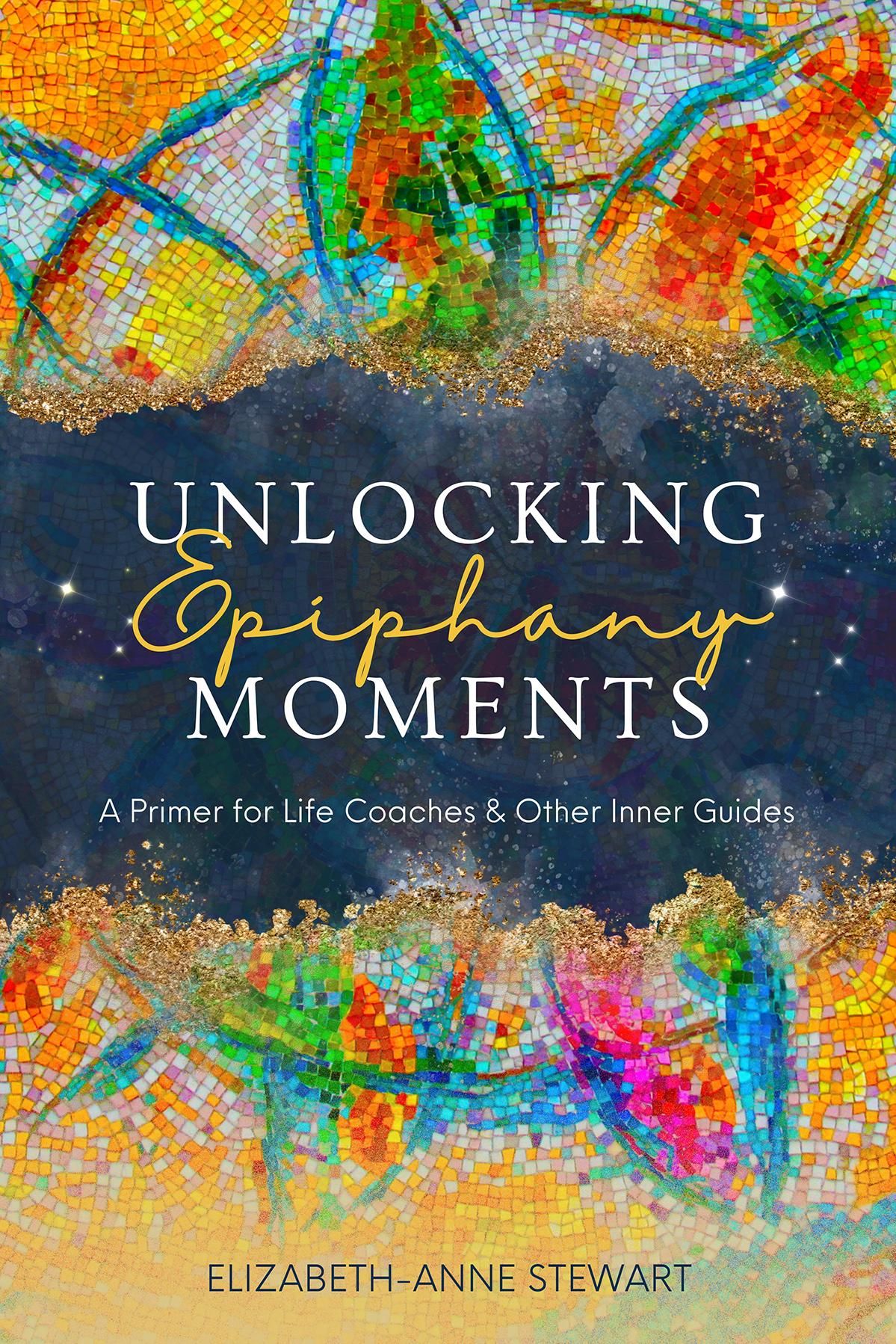
Collective Ink, U.K., 2025

Now Available in the U.S., U.K., Europe and Canada

www.Unlocking Epiphanies.com


THREE VIDEOS

What is an Epiphany Moment?

https://www.youtube.com/watch?v=PBqIhrQyFb8&t=113s


The Murdering of Truth

https://www.youtube.com/watch?v=7QiFuM9a2xg&t=311s


Archimedes and his Eureka Moment:

https://www.youtube.com/watch?v=KdKy5FdHGU4

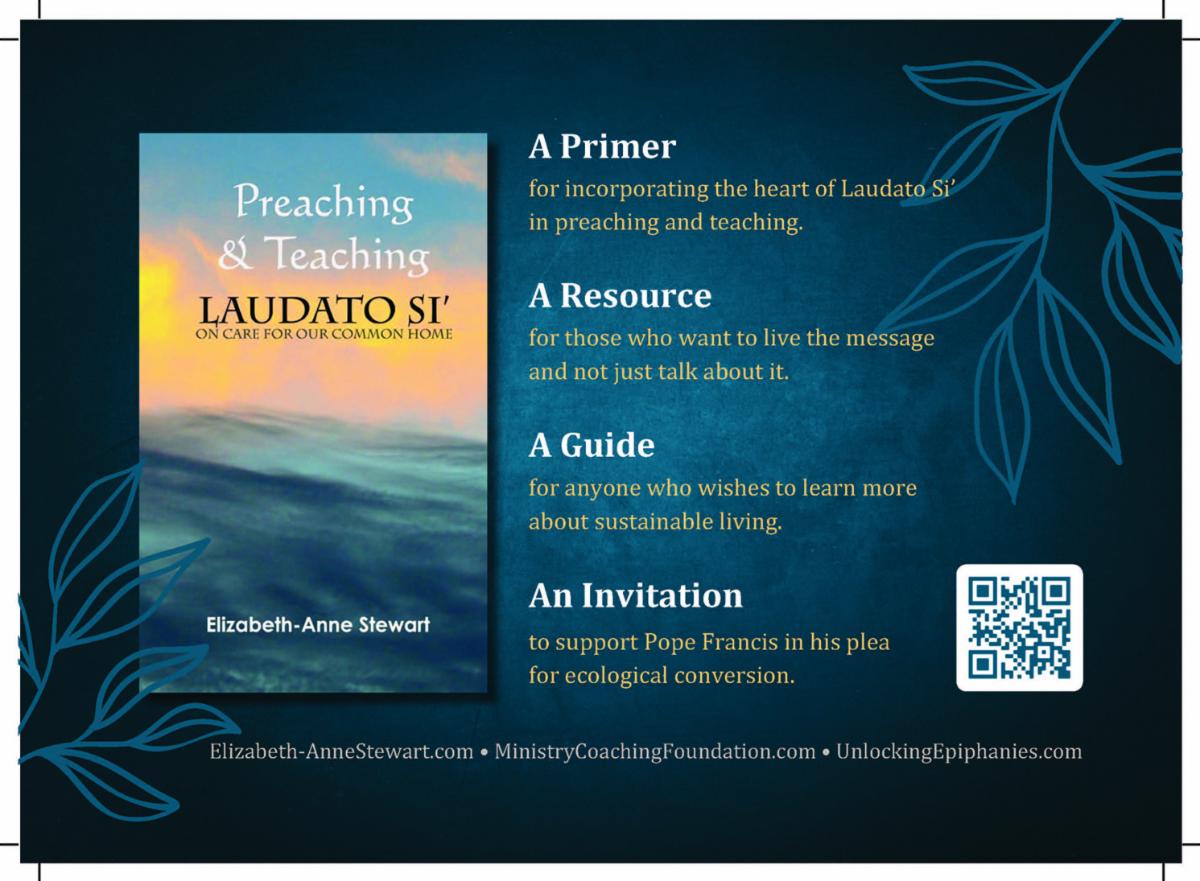
Available on Amazon

A resource for helping promote Pope Francis' call for ecological conversion.

RESOURCES

Spiritual Self-Assessment :

https://assess.coach/eastewart/

+++

Ministry Team Self-Assessment:

https://assess.coach/embracingpossibility


Greetings!


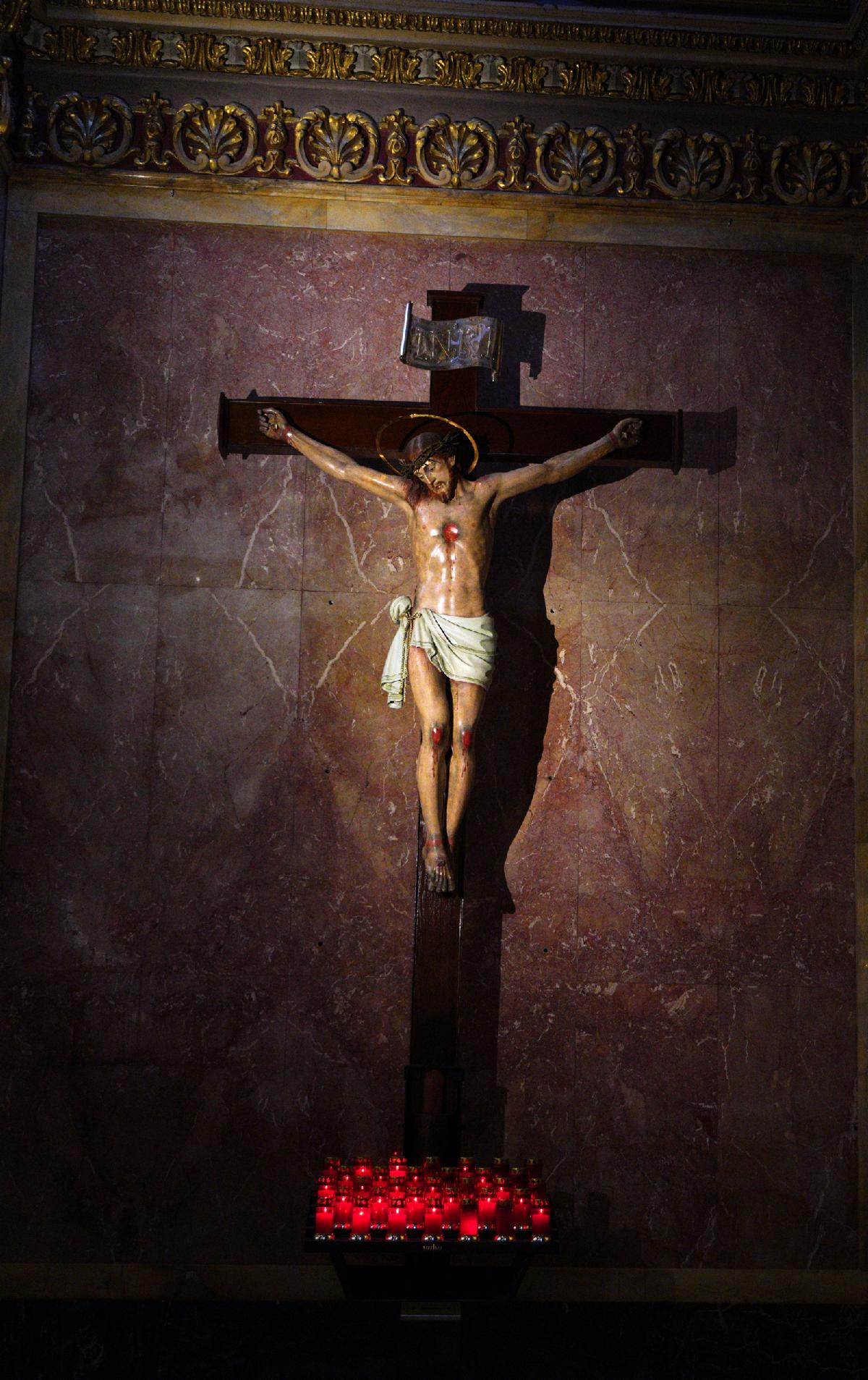
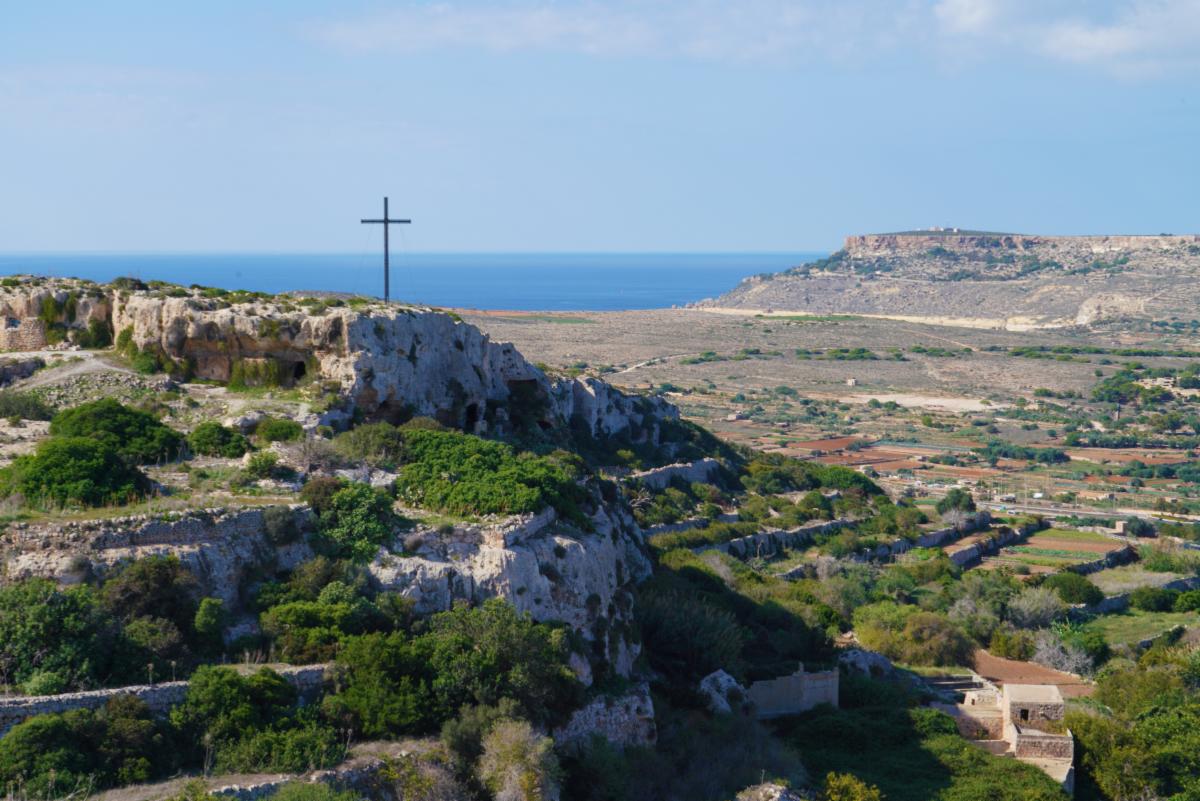
Having spent most of my childhood in Malta, I am no stranger to graphic depictions of the Crucifixion. To this day, the image of the tortured, crucified Christ can be found in every cathedral, every village church, every Good Friday procession, as well as in countless shrines, wayside chapels, band clubs, and private dwellings. Just as Mel Gibson's 2004 film, The Passion of the Christ, did not shy away from the violence and agony of Jesus' Crucifixion, so, too, Mediterranean Europe and Latin America hold nothing back when it comes to portraying the Passion. Raised in a British household, however, I personally prefer less blood-- a cross without a Corpus, for example, or the delicate artistry of the San Damiano Cross, or, in stark contrast, the vibrant hand-painted wooden crosses from El Salvador that incorporate folk art motifs...


No, I confess I have little stomach for blood and gore, whether in paintings, action movies, or even having my blood drawn in a doctor's office. Needless to say, I would not have made a good nurse, and it is a blessing that, growing up, my children had few medical emergencies that involved mopping up blood. That said, I still believe the world today needs to gaze upon the wounded, bleeding Christ and see in Him wounded, bleeding humanity.


The Suffering Christ draws to Himself all those who have been tortured, abused, dishonored, maimed, mutilated, and despised, the forgotten ones whose stories have been lost under piles of rubble or in blood-soaked killing fields, or in the tortured gasps of those starving to death... He is the face of Gaza; of Iran, Yemen, and Syria; of Ukraine, Sudan, and the Democratic Republic of Congo; of Somalia, Ethiopia, and Afghanistan; of Myanmar, the Philippines, and the Americas... He is the Man of Sorrows, bearing the weight of the world's pain, weeping for the world and with the world, as He hangs between Heaven and Earth, an object of ridicule and debasement.


But while the Cross forces us to confront His wounds and our wounds, it also invites us to look beyond the blood and to behold the glory of Christ's exaltation. Through the Cross, death loses its sting, Love triumphs, and a new creation begins to unfold. Dark as the world may seem, we who believe cling to the hope that by His wounds we will be healed and that, ultimately, it is life, not death, that is the end of the story-- an ending that is also an eternal beginning...


Many Blessings!

Elizabeth

+++

LINK TO SCRIPTURE READINGS


Jesus said to Nicodemus:

"No one has ever gone up to heaven except the one who came down from heaven, the Son of Man.

And just as Moses lifted up the serpent in the desert,

so must the Son of Man be lifted up,

so that everyone who believes in him may have eternal life."


For God so loved the world that he gave his only Son,

so that everyone who believes in him might not perish

but might have eternal life.

For God did not send his Son into the world to condemn the world, but to save the world through him.

Jn 3:13-17


Based on all the billboards I have seen along highways and all the quotations publicly displayed outside churches, I had a hunch that the most quoted biblical passage in America was Jn 3:16: "For God so loved the world that he gave his one and only Son, that whoever believes in him shall not perish but have eternal life." To test my assumption, I consulted ChatGPT, which confirmed that "The most quoted and searched biblical passage in the world is John 3:16. While other verses and passages are also popular, John 3:16 is widely recognized as a concise summary of the Christian gospel." 


It is interesting that Nicodemus, a leader of the Pharisees who visits Jesus in the secrecy of night, is the recipient of this message. Unlike other religious leaders who sought to trap Jesus, Nicodemus seems genuinely curious about the source of Jesus' power; he gets more than he bargained for —riddles of rebirth, of flesh and Spirit, and of the wind that blows where it wills... Jesus gently chastises him for not understanding what it is to be born of the Spirit; then, drawing on a biblical image with which Nicodemus is undoubtedly familiar, he predicts the manner of his death. Like the serpent in the desert, he will be "lifted up," becoming a source of eternal life for all who believe in him.

Jn 3:16, then, is both a statement about the Incarnation and the Paschal Mystery.


Why does Nicodemus have such a hard time understanding this discourse on "being born from above"? In many ways, he is not unlike people we may have encountered in our parishes, communities, or even in our households. He is a literalist who confuses "being born from above" with reentering the womb as an adult. His inability to understand symbolic language and his reliance on the rational mind block him from probing deeper. "You are the teacher of Israel, and you do not understand this?" asks Jesus in amazement (Jn 3:10). Similarly, there are Christians today who see "being born from above" as a single decision to follow Christ rather than as a process of dwelling in the Mystery of God. Though making a decision to embrace discipleship can be a life-changing event, it only has meaning if that commitment guides all our decisions, actions, and interactions. To be "born from above" involves a consistent adherence to Truth and a conscious turning away from all that is evil.


Ultimately, Nicodemus makes the decision to embrace the Light. Though he disappears from the narrative in Jn 3, he reappears in Jn 7:50-51 when he risks the mockery of his community by coming to Jesus' defense. Then, in Jn 19:39, he brings "a mixture of myrrh and aloes weighing about one hundred pounds" to prepare Jesus' body for burial. With Joseph of Arimathea, a secret disciple of Jesus, he buries fear to bury Him...

+++

+++

PRAY that sanity will prevail and that all those suffering

on account of hatred, violence, war, and genocide will find the healing, comfort and resources they need. AMEN 


SPIRITUAL DIRECTION &

LIFE COACHING

This video explains my approach to this ministry, while my website provides further details as well. Sessions can either be in person or on Zoom; I am also available to facilitate in-person or "virtual" retreats for groups and individuals.

Spiritual Direction

Dr. Elizabeth-Anne Stewart | www.elizabeth-annestewart.com | e.a.stewart@sbcglobal.net

C. All Photos by Elizabeth-Anne Stewart, www.artfulphotographer.com