Contemporary Scripture Reflections for Spiritual Seekers

Dr. Elizabeth-Anne Stewart, BCC, PCC

www.elizabeth-annestewart.com; www.MinistryCoachingFoundation.com

SUNDAY BIBLETALK

Sixteenth Sunday in Ordinary Time

July 19th, 2026


You, O LORD, are a God merciful and gracious,

slow to anger, abounding in kindness and fidelity. Ps 85:15


Excerpt from

A Pocketful of Sundays

Elizabeth-Anne Stewart, 2009


There are always weeds-- there is no escaping them. Whether we are gardeners dealing with literal weeds, or professionals contending with computer viruses, or teachers with unruly students, or researchers with botched experiments, or parents with wayward children, "weeds" are part of life. In spite of our best efforts, weeds appear, seemingly from nowhere, to thwart, frustrate, discourage, and disempower us.


Perhaps weeds come to test our resilience, to see whether we have the hope and flexibility to spring back from setbacks and disasters; perhaps they come to test our faith, to see if we really believe in God's power when our own efforts end in seeming failure; and perhaps they come to evaluate our ability to love. Possibly, just possibly, weeds keep our egos in check, making us more dependent upon God....


+++

AUTHOR'S PAGE

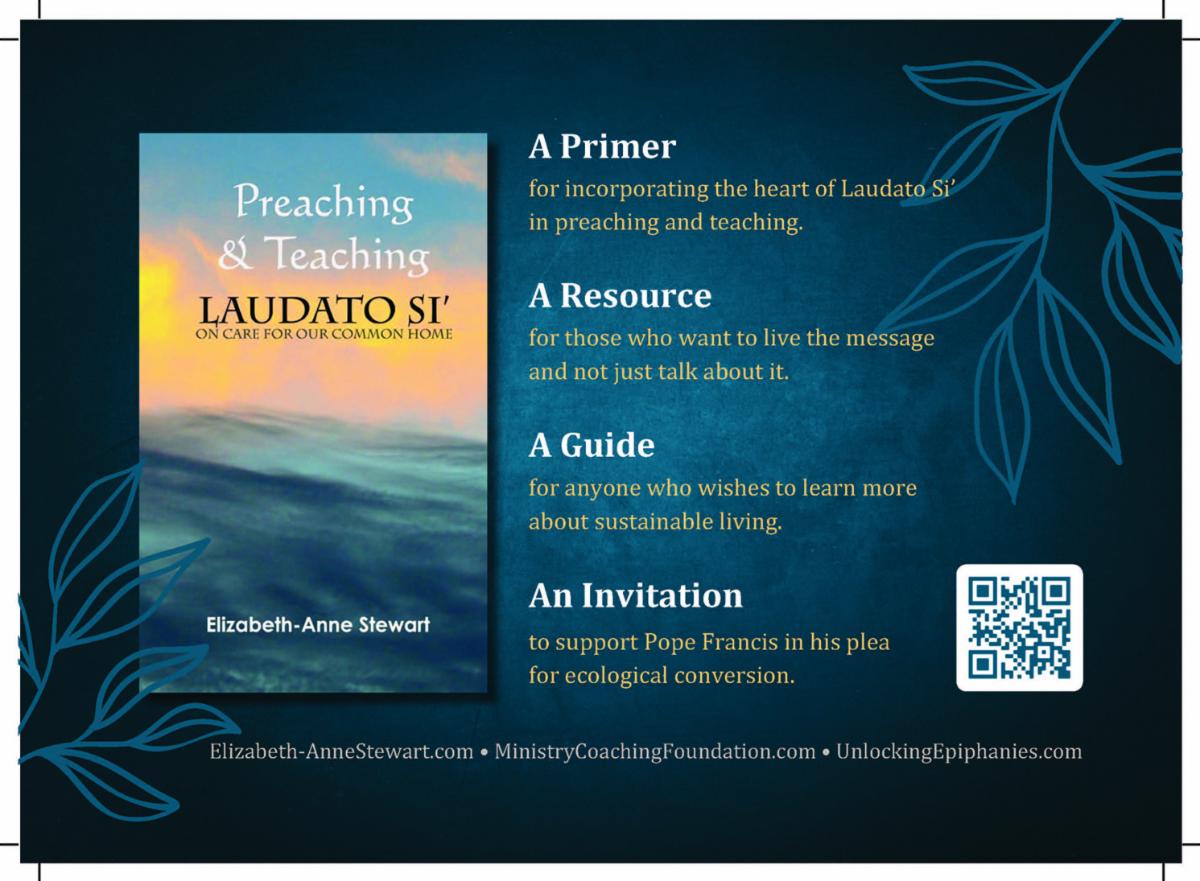
Available on Amazon

A resource for promoting ecological conversion.

UPCOMING WORKSHOPS

Archdiocese of Chicago Liturgy Formation Workshops

St. Elizabeth Seton Parish, Orland Park. Aug 24, 26, 27. 7:00-9:00 p.m.

+++

Mother Cabrini Fall Formation Day

"Following Francis into Holy Folly: Embracing the Wisdom of Jesus."

Mayslake, September 26, 2026.

+++

St. Mary of the Annunciation Women's Retreat

Sienna Center, Racine, WI

October 24-25, 2026 


+++

RESOURCES

Spiritual Self-Assessment:

https://assess.coach/eastewart/


Ministry Team Assessment: https://assess.coach/embracingpossibility

+++


“Let us pray that nations move toward effective disarmament, particularly nuclear disarmament, and that world leaders choose the path of dialogue and diplomacy instead of violence.”

Pope Leo XIV


Greetings, SBT Readers!


I'm just back from Indianapolis, having had a wonderful stay at a historic bed & breakfast before meeting with my hosts, the local chapter of the International Thomas Merton Society. What is amazing about Merton is the timelessness of not only his spiritual reflections, but also his socio-political-environmental concerns. So much of what he wrote applies to the world in which we live today and seems uncannily prophetic. Take, for example, his comments about technology:

"If technology remained in the service of what is higher than itself—reason, man, God—it might indeed fulfill some of the functions that are now mythically attributed to it. But becoming autonomous, existing only for itself, it imposes upon man its own irrational demands and threatens to destroy him. Let us hope it is not too late for man to regain control" (Conjectures of a Guilty Bystander, 1956-65).


Though Merton's language is dated, his concerns are no less relevant than those expressed sixty years later by Pope Leo XIV in Magnifica Humanitas. Without the necessary checks and balances, technology threatens the safety and well-being of humanity, bolstering a culture of power, reducing populations to "collateral damage," and destabilizing the world through cyberattacks and data manipulation. Pope Leo writes, "It is not enough for artificial intelligence to make us more efficient or connected; it must also serve to build a universal human family, with shared rights and duties, where digital proximity becomes a real opportunity for encounter and mutual care" (187). Clearly, technology today is not in the service of "what is higher"; rather, despite its many positive applications, it has been hijacked in the service of war, market manipulation and "seductive ideologies" (230). Citing the Gospel's foundational principle of mercy, Pope Leo promotes St. Paul VI's idea of a "civilization of love" in which "even new technologies can be oriented toward the common good" (227). Let us hope, with Merton, that it is not too late...


Many Blessings,

Elizabeth

LINK TO SCRIPTURE READINGS


Jesus told the crowds another parable, saying:

"The kingdom of heaven is like a farmer who sowed good seed in his field. While everyone was asleep, his enemy came and sowed weeds all through the wheat, and then went off. 

When the crop grew and bore fruit, the weeds appeared as well. The farmer's slaves came to him and said,

'Master, did you not sow good seed in your field? Where have the weeds come from?'

He answered, 'An enemy has done this.'

His slaves replied,

'Do you want us to go and pull them up?'

He answered, 'No, if you pull up the weeds you might uproot the wheat as well. Let them grow together until harvest.

Then, at harvest time, I will tell the harvesters,

"First, collect the weeds and tie them in bundles for burning, but gather the wheat into my barn."

Matt 13:24-43


"Where have the weeds come from?" As my daughter continues her project of replacing the lawn with beds of native plants, this is a question that surfaces with regularity. Despite all the mulch and hundreds of newly planted grasses, sedges, bushes, and flowering plants, weeds still appear, especially after rainfall. At first, we left some of the weeds alone, but then we discovered they propagated quite quickly. Unlike the farmer in today's Gospel, our strategy is to uproot the weeds before they increase and multiply. And we are merciless...


"Where have the weeds come from?" Of course, Jesus was speaking metaphorically and may have been inexperienced with the life cycle of a weed. Perhaps he was unaware that weeds compete with other plants for sunlight, water, and other nutrients; perhaps he didn't know that they attract pests, harbor disease, and entangle the desirable plants. Or perhaps the weeds with which he was accustomed acted differently from American weeds. Regardless, the farmer's reluctance to pull weeds demonstrates God's mercy in two ways: 1) the farmer wanted to safeguard the wheat (the righteous ones), and 2) the farmer gave the weeds (the ne'er-do-wells) more time to repent and change their ways.


"Where have the weeds come from?" In his explanation of the Parable of the Weeds, Jesus affirmed the goodness of creation while acknowledging the presence of evil. The world is full of "good seed," but the Enemy sows weeds to sabotage the Sower's field. The message is simple but punctures our complacency, as Jesus intended. Just as weeds can masquerade as cultivated plants, so evil can present itself as "good." Just as weeds can rob cultivated plants of life-giving nutrients, so evil can destroy faith, create doubt, and entice "the children of the kingdom" away from the path of virtue. Just as weeds can destroy the crop, so evil can seduce great numbers of people, deceiving them, spreading fear, brainwashing them, destroying their ability to think, to feel, to distinguish between right and wrong...


"Where have the weeds come from?" One thing is clear: weeds are not of God, nor from God, nor for God...

+++


QUESTIONS FOR REFLECTION

  • In what way does God judge with leniency and clemency?
  • How do you reconcile Jesus' image of the fiery furnace with God's mercy?
  • What does St. Paul mean when he writes, "we do not know how to pray as we ought"? (Rom 8:26)
  • What weeds have surfaced in your life, and where did they come from?

This video explains my approach to this ministry, while my website provides further details as well. Sessions can either be in person or on Zoom; I am also available to facilitate in-person or "virtual" retreats for groups and individuals.

Spiritual Direction

Dr. Elizabeth-Anne Stewart | www.elizabeth-annestewart.com | e.a.stewart@sbcglobal.net

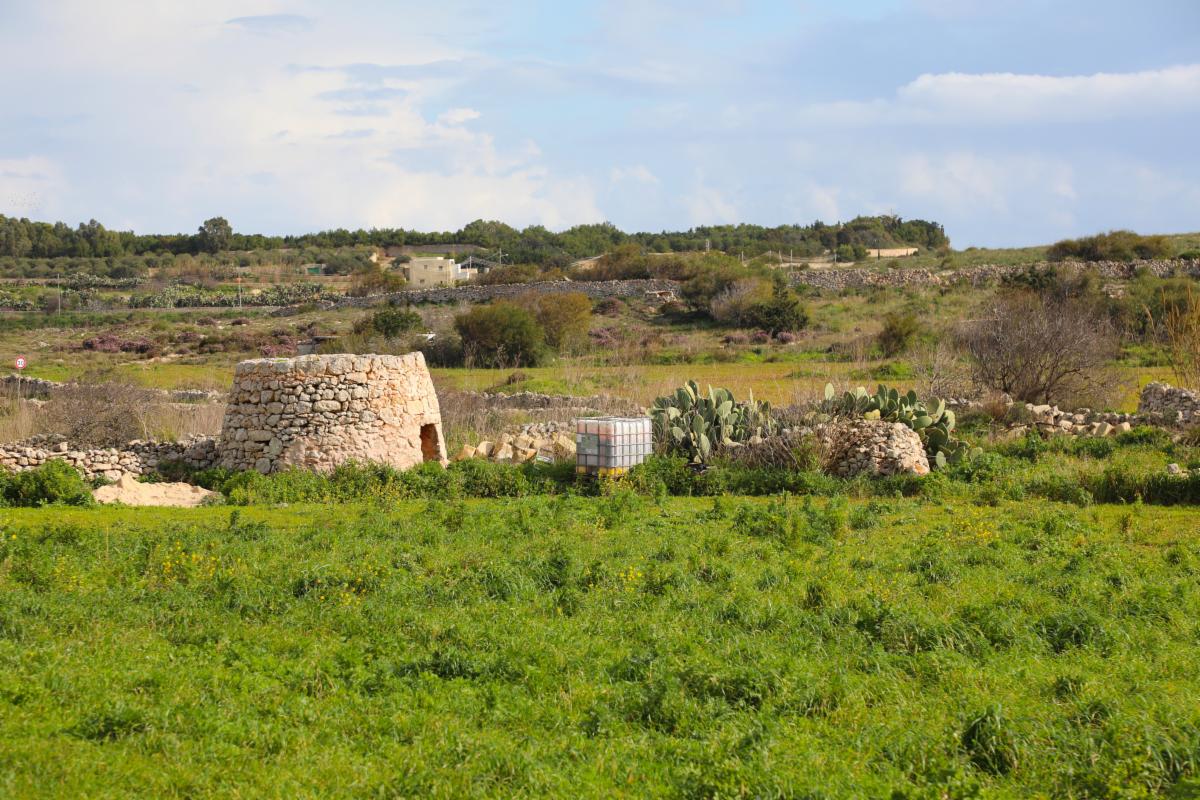
C. All Photos by Elizabeth-Anne Stewart, www.artfulphotographer.com