Contemporary Scripture Reflections for Spiritual Seekers

Dr. Elizabeth-Anne Stewart, BCC, PCC

www.elizabeth-annestewart.com; www.MinistryCoachingFoundation.com

SUNDAY BIBLETALK

Eighteenth Sunday in Ordinary Time

August 3rd, 2025

"Blessed are the poor in spirit, for theirs is the kingdom of heaven."

Matt 5:3

Jesus the Holy Fool

EAS, Sheed & Ward, 1999


In their folly, fools (as opposed to holy fools) imagine they are answerable only to themselves. Instead of acknowledging God's presence in their lives, they invest ultimate authority in themselves alone, pursuing that which is expedient rather than that which is ethical. The fool is also one who fails to grasp God's goodness and God's wonders. Instead of being filled with awe in response to all that God has done, instead of being filled with delight, instead of uttering heartfelt songs of praise, fools understand nothing. Lack of understanding leads to erroneous ways. The implication of Ps. 92, for example, is that fools and enemies of God are one and the same; they lack spiritual grounding and moral sense...


Precisely because fools are completely self-satisfied, they are dangerous. Spiritual blindness leads to self-justification, to denial of one's sinful behavior, and to projecting that behavior onto others. There is no reasoning with fools; on the contrary, because they allow themselves to be used and exploited, fools become passive instruments, capable of any evil.


+++

AUTHOR'S PAGE

Collective Ink, U.K., 2025


Now Available in the U.S., U.K., Europe and Canada

www.Unlocking Epiphanies.com


THREE VIDEOS


What is an Epiphany Moment?

https://www.youtube.com/watch?v=PBqIhrQyFb8&t=113s


The Murdering of Truth

https://www.youtube.com/watch?v=7QiFuM9a2xg&t=311s


Archimedes and his Eureka Moment:

https://www.youtube.com/watch?v=KdKy5FdHGU4

Available on Amazon

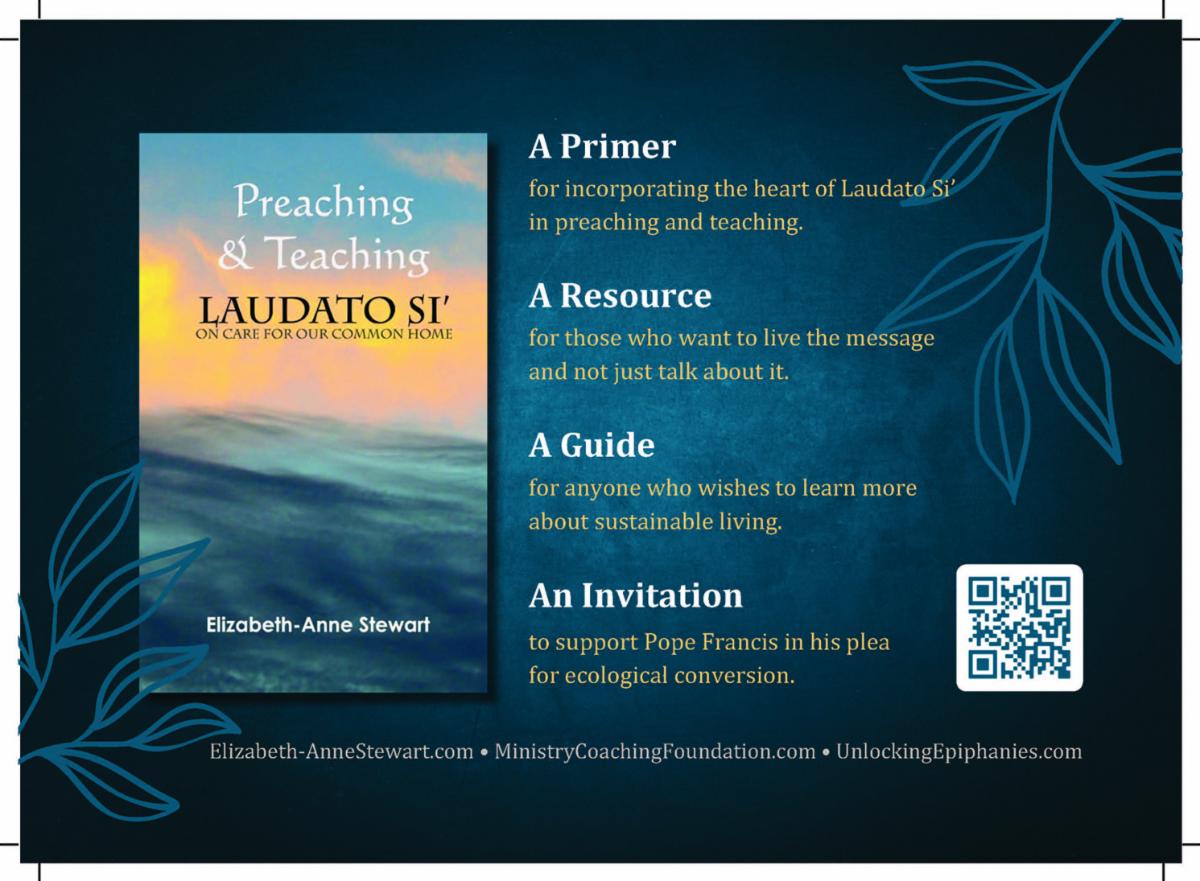
A resource for helping promote Pope Francis' call for ecological conversion.


+++

RESOURCES

Spiritual Self-Assessment :

https://assess.coach/eastewart/


+++

Ministry team self-assessment:

https://assess.coach/embracingpossibility

Greetings!


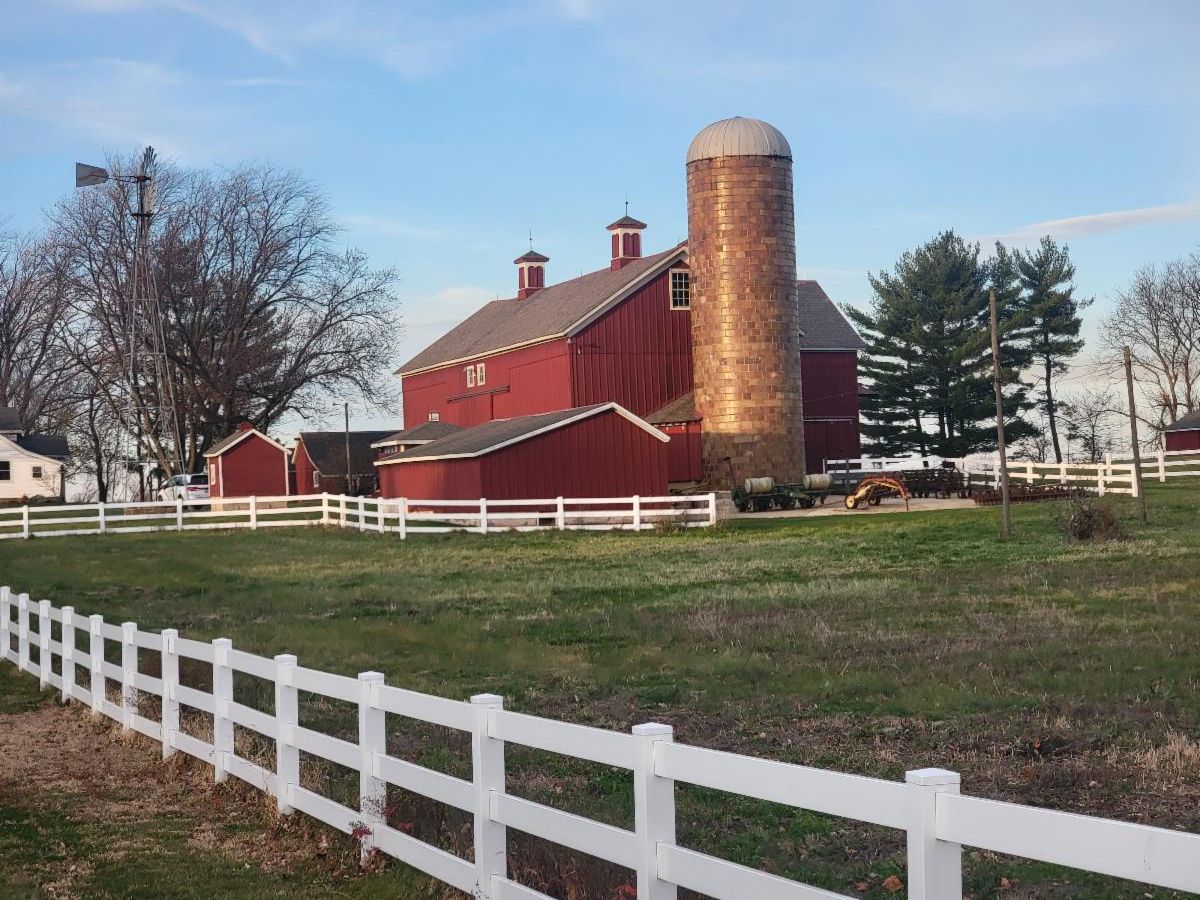
There is foolishness and then there is absolute foolishness. The Rich Fool in today's Gospel can be ranked with absolute fools, not because of his greed but on account of his heartlessness. In biblical times, it was customary for landowners to leave a portion of their harvest for the destitute; on no account were they to harvest the corners or edges of their fields (Law of Pe'ah), or the gleanings (Leket) or forgotten sheaves (Shikhechah). Leaving a portion of the harvest for the poor was mandatory, and was a matter of justice rather than charity. The Rich Fool's neglect of these commandments meant that he was violating the agricultural laws defined in Leviticus and Deuteronomy. He was not obliged to give anything away, but was forbidden to obstruct the poor's access to harvest leftovers, whether in grain fields, vineyards or olive groves. The land, after all, belonged to God.


As I reflect upon the images of starvation surfacing from Gaza, I wonder if the Rich Fool would have been capable of feeling pity. Seeing the tiny bodies of emaciated children awaiting burial, would he have wept? Noting the desperation of parents waiting for life-saving supplies, would he have left behind a few sheaves or widened the non-tilled borders of his fields? Or would he have picked up the very last ears of grain to store in his bigger and better barns, locking the doors against mercy and compassion? Today, the world is witnessing absolute folly -- cruelty beyond all comprehension. What will it take to puncture the consciences of those who have weaponized food? What might we do to make a difference?


Many Blessings!

Elizabeth

SCRIPTURE READINGS


Then Jesus told them a parable.

“There was a rich man whose land produced an abundant harvest.

‘What shall I do?' he asked himself,

'for I do not have room to store my harvest.’

Then he said, ‘This is what I'll do:

I'll tear down my barns and build larger ones.

There I shall store all my grain and other goods

and I shall say to myself, 'Now as for you,

you have so many good things stored up to last many years,

so rest, eat, drink, be merry!'

But God said to him,

‘You fool, this night your life will be demanded of you.

As for the things you have accumulated, to whom will they belong?’

So will it be for all who store up treasure for themselves

but are not rich in what matters to God.”

Luke 12:13-21


The Parable of the Rich Fool pits human wisdom against Divine Wisdom, or rather, it demonstrates that the "wise" of this world are really fools. Like so many of Jesus' teachings, the parable forces us to see that what the world deems as wisdom is really stupidity, while God's ways are beyond human understanding (cf. Is 55:9). From a human perspective, the Rich Fool acts in a purely rational way. In the first place, he is a skilled landowner and, according to human thinking, is deserving of his good fortune. No doubt he hired the right laborers, supervising them carefully enough to make sure that the land yielded a bountiful crop. Secondly, rather than allowing the harvest to rot, he devises a plan to store it, calculating that it will fund a life of pleasure for years to come-- perhaps for the rest of his life! The idea of sharing his abundance with others never crosses his mind; rather than reduce his assets, he will hoard them for himself! From a worldly perspective, all this makes sense.


But the Rich Fool leaves God out of the equation. Instead of expressing gratitude for his good fortune, he feels entitled to his wealth; instead of sharing what he has received, he intends to stockpile the harvest. Not once does he consider throwing a party for his neighbors, serving as a benefactor to the poor, or even tithing. No, everything is for him and him alone. Not once does he ask what God might want him to do with his wealth, or whether he is being called to more than resting and merry-making. On the contrary, he imagines that he is in full control of his future.


The Rich Fool is not merely a symbol of greed but also of a life lived without God. He sees himself as the center of the universe, answerable to no one; moreover, he lives entirely on a materialistic plane, paying no attention to his spiritual needs and obligations. Far from surrendering to God, he has deified himself.


Most of us aren't into barn building, but the Rich Fool's dilemma --"How shall I store my earthly goods?"-- is one that we all have to face. Do we own our "goods" or do they own us? Do we share or do we hoard? Do we depend upon "things" for our happiness, or is God our greatest treasure, the pearl of great price that is worth nothing less than everything?

+++


QUESTIONS FOR REFLECTION


  • If you were to build a barn to safeguard your possessions, what would you put in it?
  • Why is greed a block to growing closer to God?
  • Our first reading (Ecclesiastes 1:2; 2:21-23) focuses on Vanity. What do you understand by this?
  • In what ways does the second reading (Colossians 3:1-5, 9-11) provide an antidote to human folly?

SPIRITUAL DIRECTION &

LIFE COACHING

This video explains my approach to this ministry, while my website provides further details as well. Sessions can either be in person or on Zoom; I am also available to facilitate in-person or "virtual" retreats for groups and individuals.

Spiritual Direction

Dr. Elizabeth-Anne Stewart | www.elizabeth-annestewart.com | e.a.stewart@sbcglobal.net

C. All Photos by Elizabeth-Anne Stewart, www.artfulphotographer.com