Season Watch Newsletter: 6/2/2023


It's the one-year anniversary of the Season Watch Newsletter! Thank you for making the inaugural year a genuine pleasure. Nature is bursting at the seams this week with flowers, baby birds and fawns, and some fertile ferns. I hope you have time to get out and enjoy it!


FEATURE: May Season Watch Podcast

Ready for some shameless self-promotion? Here we go: The May edition of the Season Watch Podcast is live! Thanks to your wonderful comments and questions, I added in a listener Q&A section. Researching those questions turned out to be the most enjoyable part of my month, so please keep 'em coming! In this month's podcast, we explore the leap of faith necessary for wood ducklings to leave the nest, how star-nosed moles' starry noses work, and how Braiding Sweetgrass changed my worldview.


Listen in!

 
Visit our Season Watch Facebook page!
 

STUDENT AND LISTENER CONTRIBUTIONS

Our student phenologists had some great sightings this week, including baby birds, the first fawns of the season, and crayfish carrying eggs. The Shakopee students released their rainbow trout into the wild- may they have long and happy lives! Long Lake visitors enjoyed a slog through the bog, where they found the first plumes of cottongrass and felt the ground bounce beneath them. Our friends in Duluth spotted robin eggs, a fawn, and a lot of gnats.


Hear their voices!


JOHN LATIMER'S WEEKLY REPORT

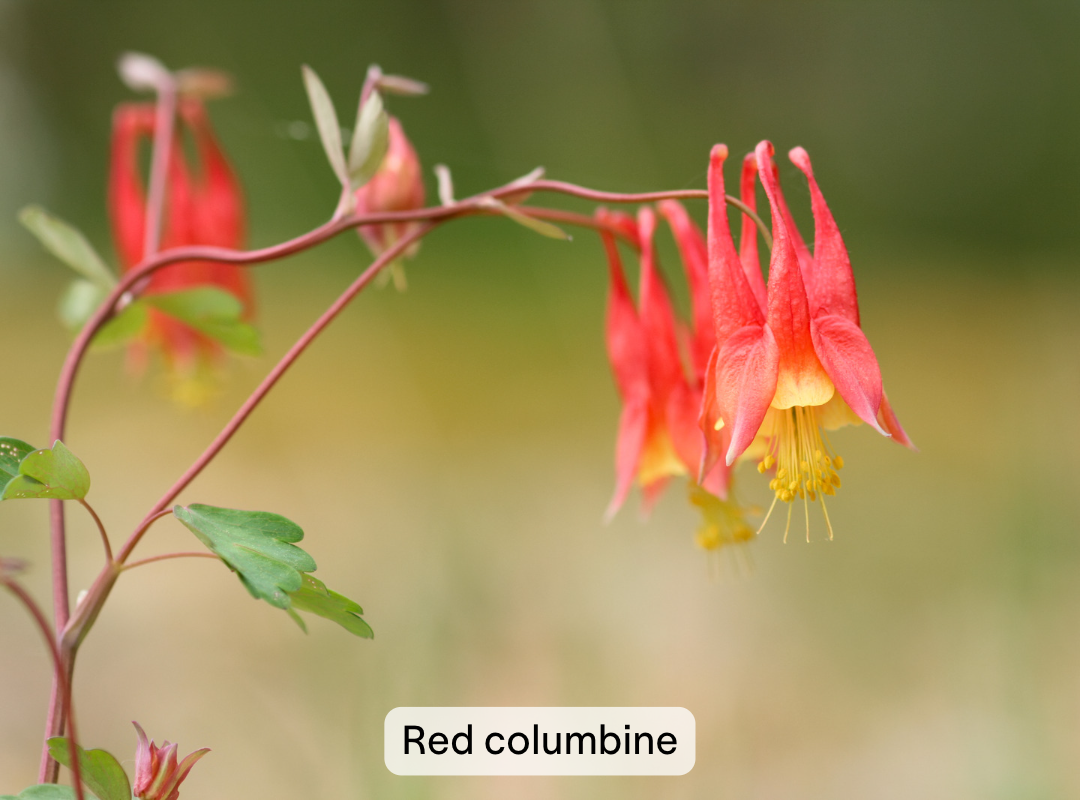
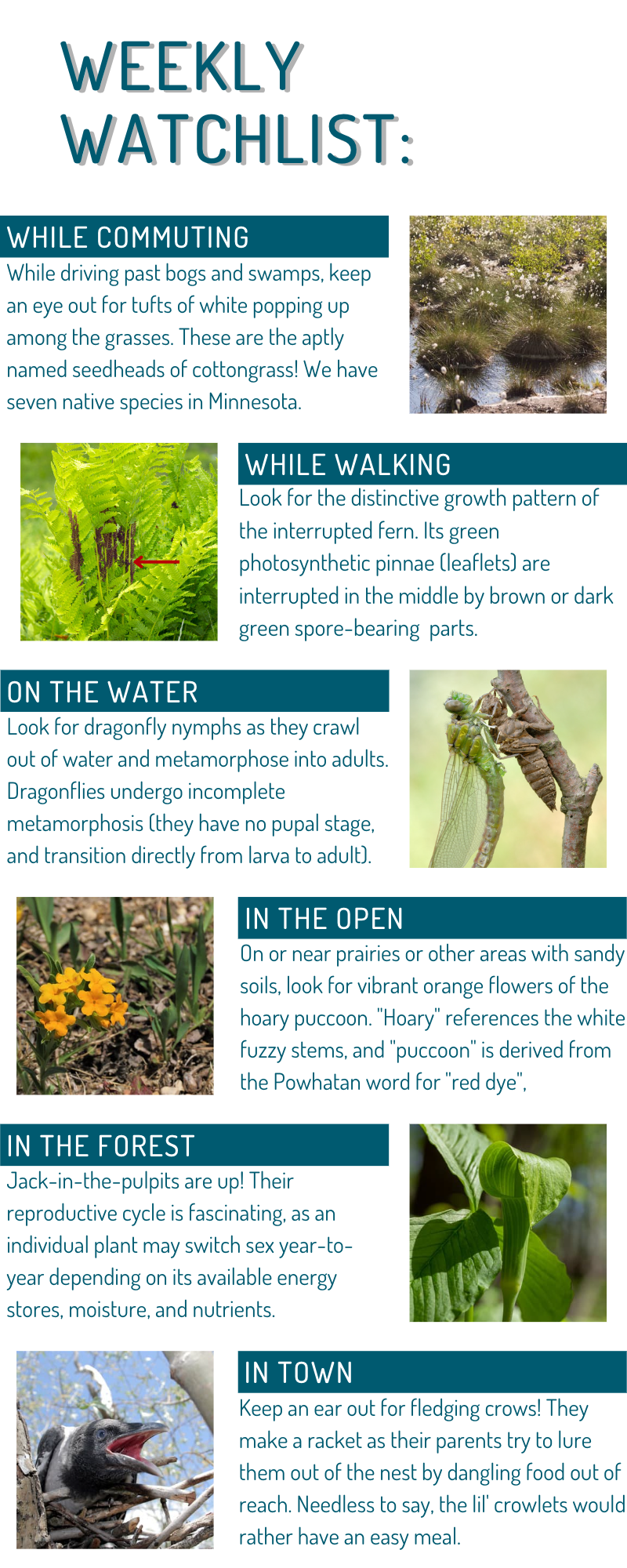
It's a big ol' week for phenology, with red columbines flowering, fingers of new green appearing on the pine trees, and monarch butterflies and tiger swallowtails fluttering into view. John also covers which flowers are blooming, why does leave their fawns alone for long periods of time after birth, and which dragonflies are emerging. Young crows are getting ready to fledge and making a racket as they beg their parents for food. It's a jam-packed episode- enjoy!


Listen to John's report!

Support Season Watch here!

SARAH'S RECOMMENDATION

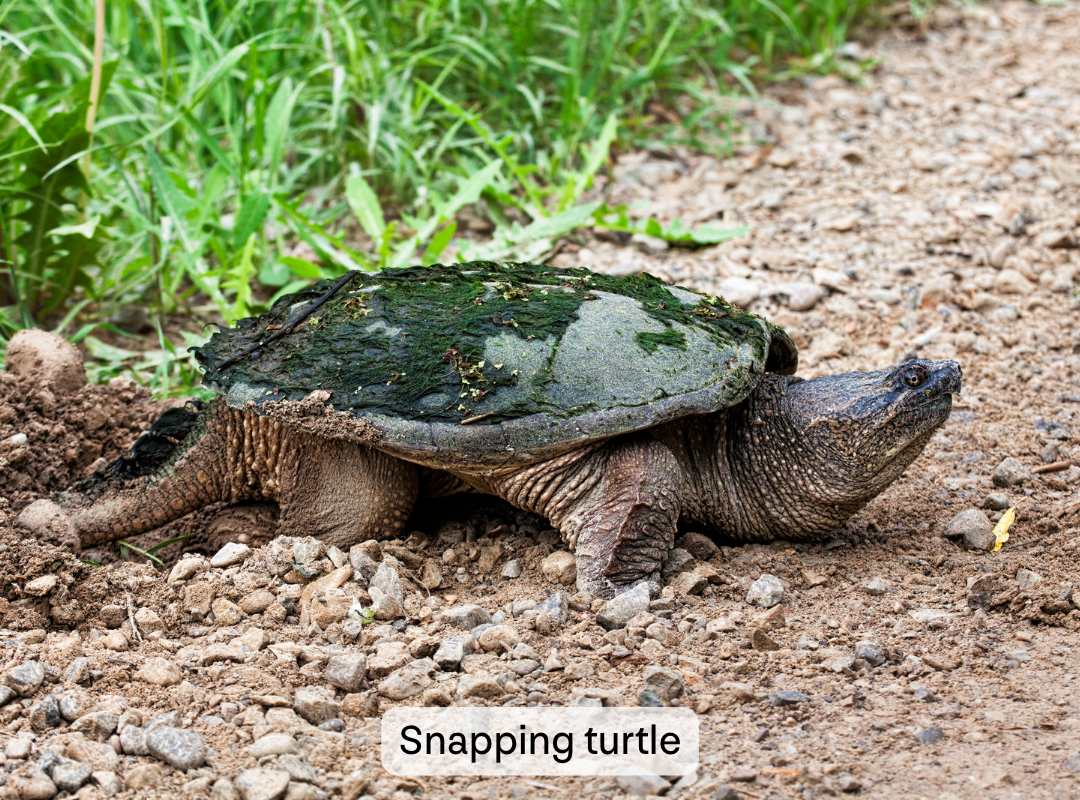
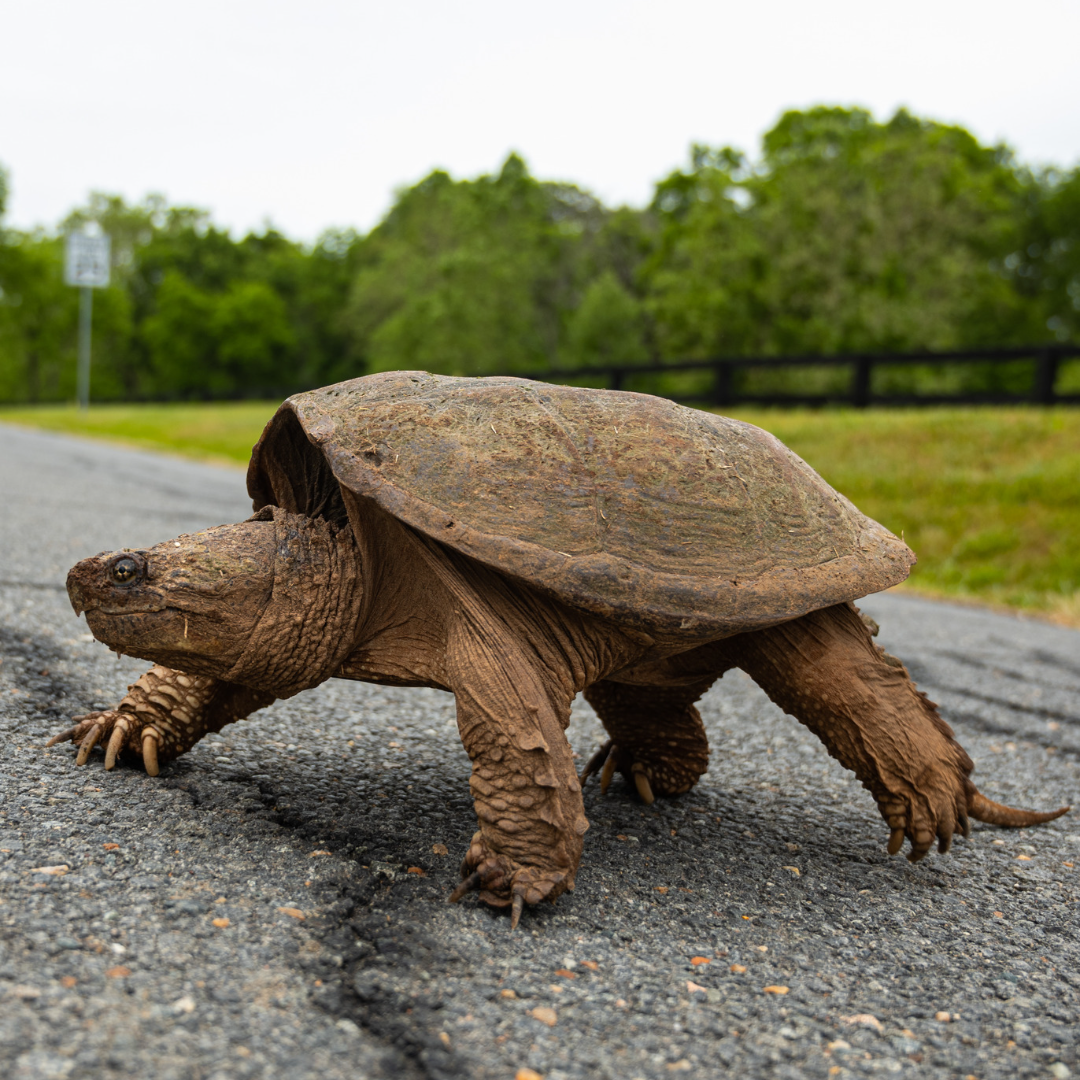
It's nesting season for our native turtles, and they have a shell of a hard time avoiding cars. If you're able, give them a hand!


I was delighted to find this video explaining best practices for helping our reptilian friends cross the road. It also covers some of the common errors well-meaning people can make.


I always find nesting season to provide an excellent excuse for me to handle these charismatic creatures while also ensuring their safety. I hope you get the chance to do the same!


Let's get out and play!

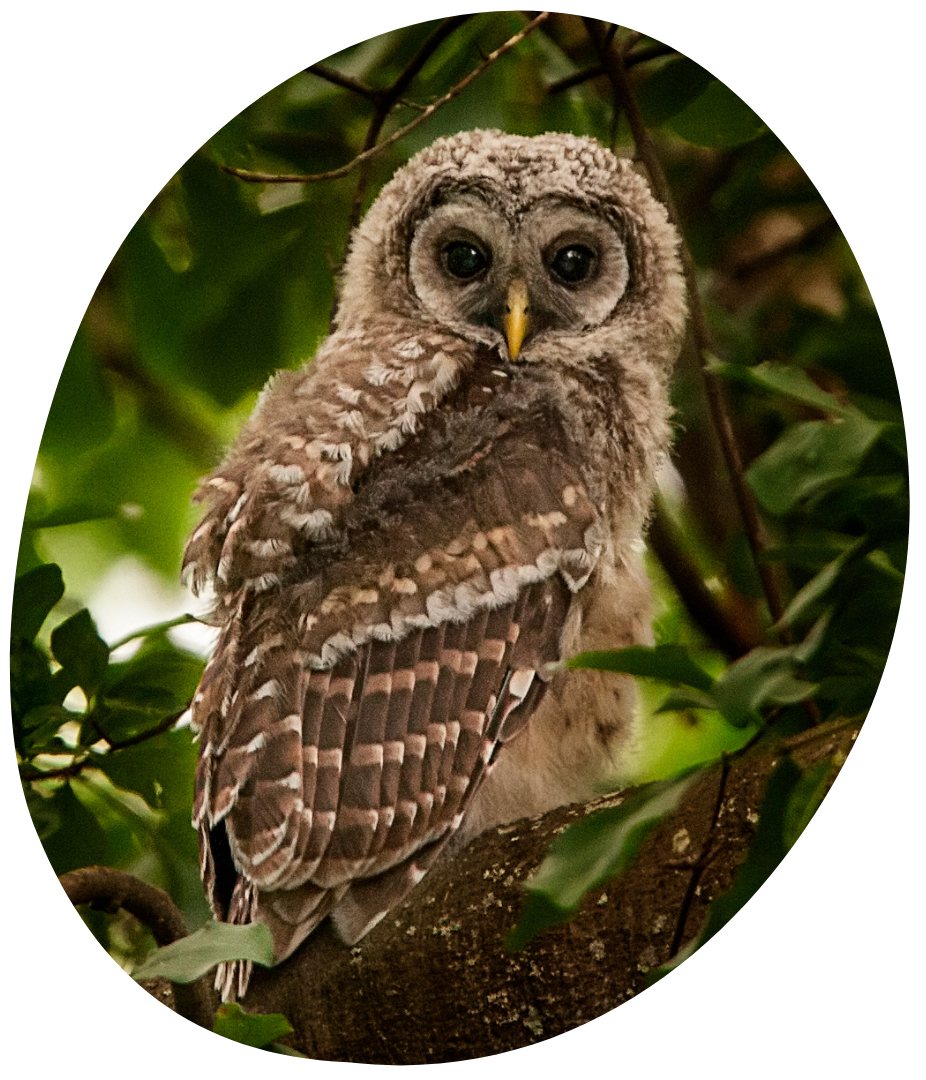
Barred Owlet (Strix varia). Anishinaabemowin: Gokooko'oo.


Bonus fact: Owls' ears are asymmetrical! Their left ear is placed lower on the skull than the right, and also further back. This asymmetry allows the owl to pinpoint the precise direction and height of a sound's source.

Clear your mind of the fog, go chase a frog*!

*Be kind to our web-footed friends: be sure your hands are clean.

Northern Community Radio

KAXE/KBXE

FOLLOW US

Facebook  Twitter  Instagram

Did someone forward this email to you? You can subscribe here.

Funding for this project was provided by the Minnesota Environment and Natural Resources Trust Fund as recommended by the Legislative-Citizen Commission on Minnesota Resources (LCCMR). The Trust Fund is a permanent fund constitutionally established by the citizens of Minnesota to assist in the protection, conservation, preservation, and enhancement of the state’s air, water, land, fish, wildlife, and other natural resources.