Seed Saving From the Past, For the Future

During the cold winter months in the Northeast, you will undoubtedly find many vegetable farmers snuggled up indoors, flipping through the pages of seed catalogues and envisioning the next summer’s harvest bounty. For some growers, this is the time when they also carefully inspect any seeds they've saved from last season, comparing production notes and testing for viability.


Saving seeds connects us to a history reaching back over 12,000 years. Archaeological evidence shows people in as many as 24 different places worldwide domesticating wild plants in the Neolithic era.
1 These founder crops included ancient species of wheat in the Near East, rice in Asia and squash in the Americas. According to the World Economic Forum, humans have historically cultivated over 6,000 plant species for food. Today, just nine crops account for 66% of total global crop production. Crop diversity, which seed saving promotes, is foundational to sustainable and resilient local food systems.2 

Unsurprisingly, in the United States our legacy is complicated by the realities of widespread land and resource theft by colonial settlers from Native nations, including their seeds. This legacy reverberates today in that many seeds valuable to Native communities are held in seed banks with limited access. Many USDA banks make their seeds available to the public but obtaining them often involves a lengthy bureaucratic process.3 In addition to the difficulties that Native people face when seeking to rematriate seeds connected to their cultural history and cuisine, tracing the exact heritage of seeds over time is time-consuming and in some cases impossible. Some seed companies today, including Fedco, pay Indigenous Royalties to recognize Native seed breeders both past and present. 

The intricacies of patent law present problems of their own. Theoretically, the purpose of the patent system is to encourage competition and innovation in the marketplace, but in practice the patent system further consolidates power in the corporate seed industry.4 For this reason, organizations like the Open Source Seed Initiative work to keep as many seed varieties as possible firmly in the public domain.

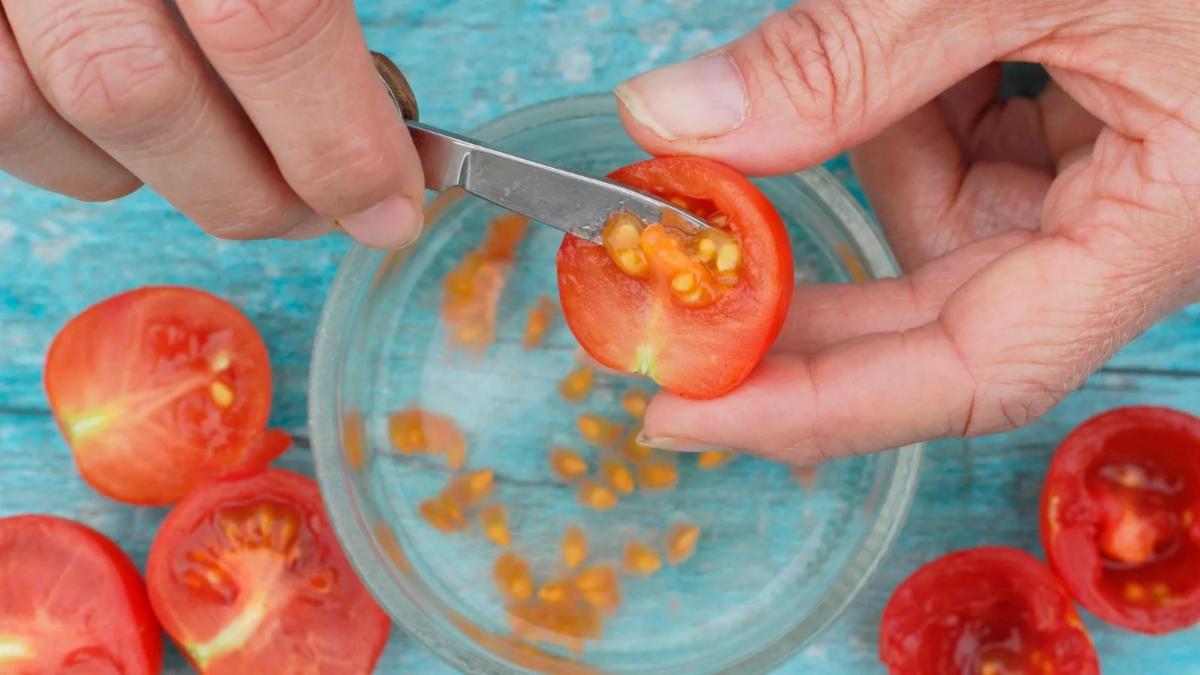
The basic process of seed saving remains close to its historic origins: growers begin by selecting the best seeds from the healthiest open-pollinated plants, which ensures genetic quality. Then they carefully dry the seeds to prevent mold and decay, storing them in a cool, dark place to promote the highest germination rate. In indigenous systems of thought, seeds are considered living beings with consciousness. The relationship takes on a reciprocal responsibility, more akin to a bond shared with family members than with an object that is owned.5

Efforts to incorporate seed saving into a broader cultural and political revitalization are widespread in the Northeast US. To scale up access to traditional food and seeds, the Awkesasne Seed Hub partnered with the Hudson Valley Farm Hub and Hudson Valley Seed Co. in 2017. The Seed Co. provides access to the Mohawk community to their extensive seed varieties. Mohawk leaders guide the growing of beans, corn and squash at the Farm Hub. Seeds produced there support the seed and food sovereignty efforts of the Mohawk people in Awkesasne.

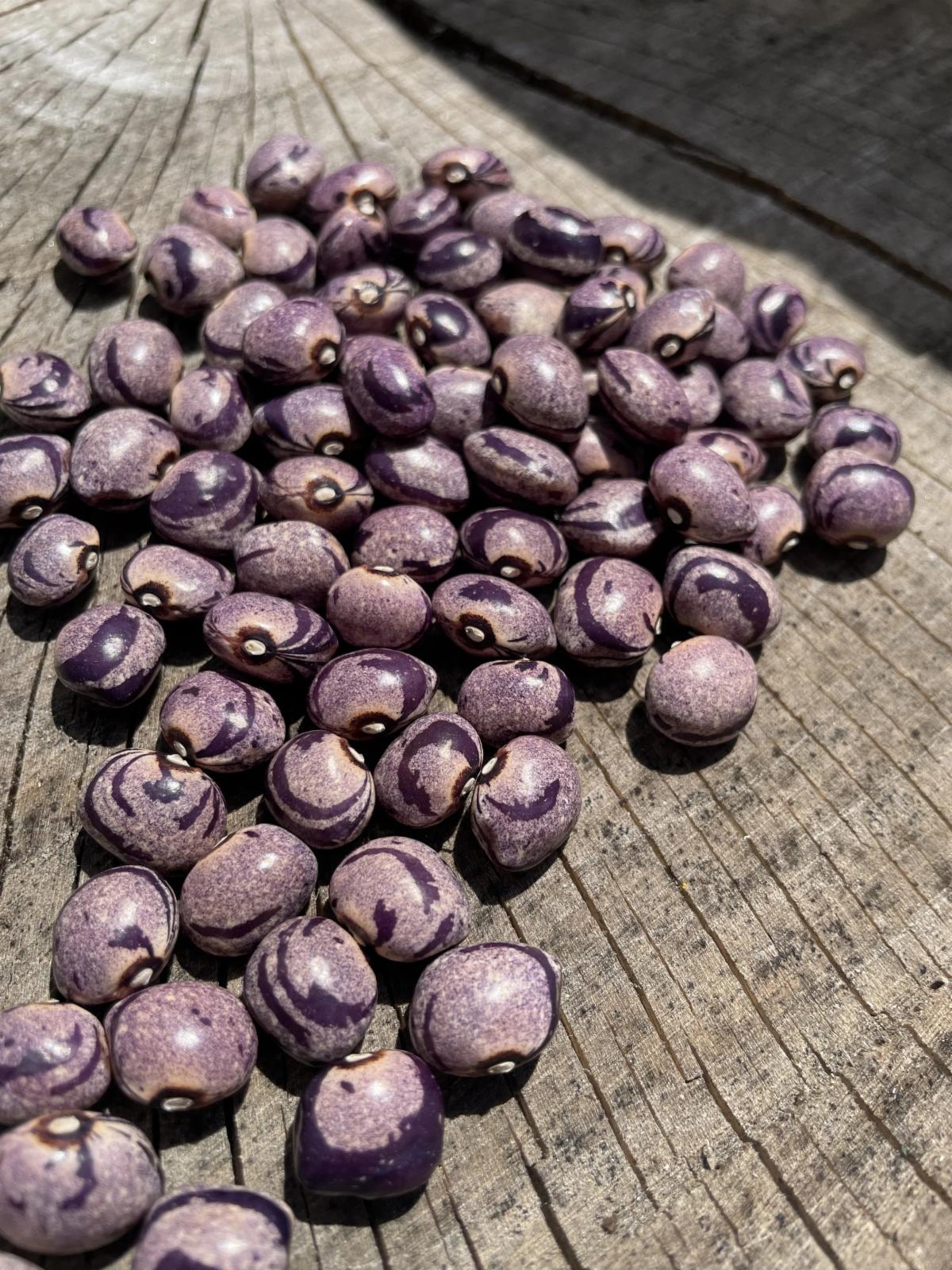
Fliederfarben cranberry beans at Little Bean Farm, Sheffield, MA

Read about other local efforts and the entire article here.

Resources:


The Seed Garden - The Art & Practice of Seed Saving

Indigenous Seed Keepers Network


Open Source Seed Initiative


Berkshire Seed Library


Mass Aggie Seed Library


Hilltown Seed Saving Network

Events


BRIDGE is hosting a Community Dinner Sunday, January 25 3-5pm with tamales to enjoy dining in or as takeout. RSVP here.

The Plant-O-Rama at the Berkshire Botanical Garden is Tuesday, January 27 for horticulture professionals featuring a symposium, trade show and career fair. Purchase tickets here.

This year, we're celebrating National CSA Week Sunday, February 15 - Saturday February 21. CSA farmers across our region depend on your support now for a successful season ahead. Learn more here.

Photo by Stephanie Zollshan Photography

Save the Dates for Winter Farmers Markets


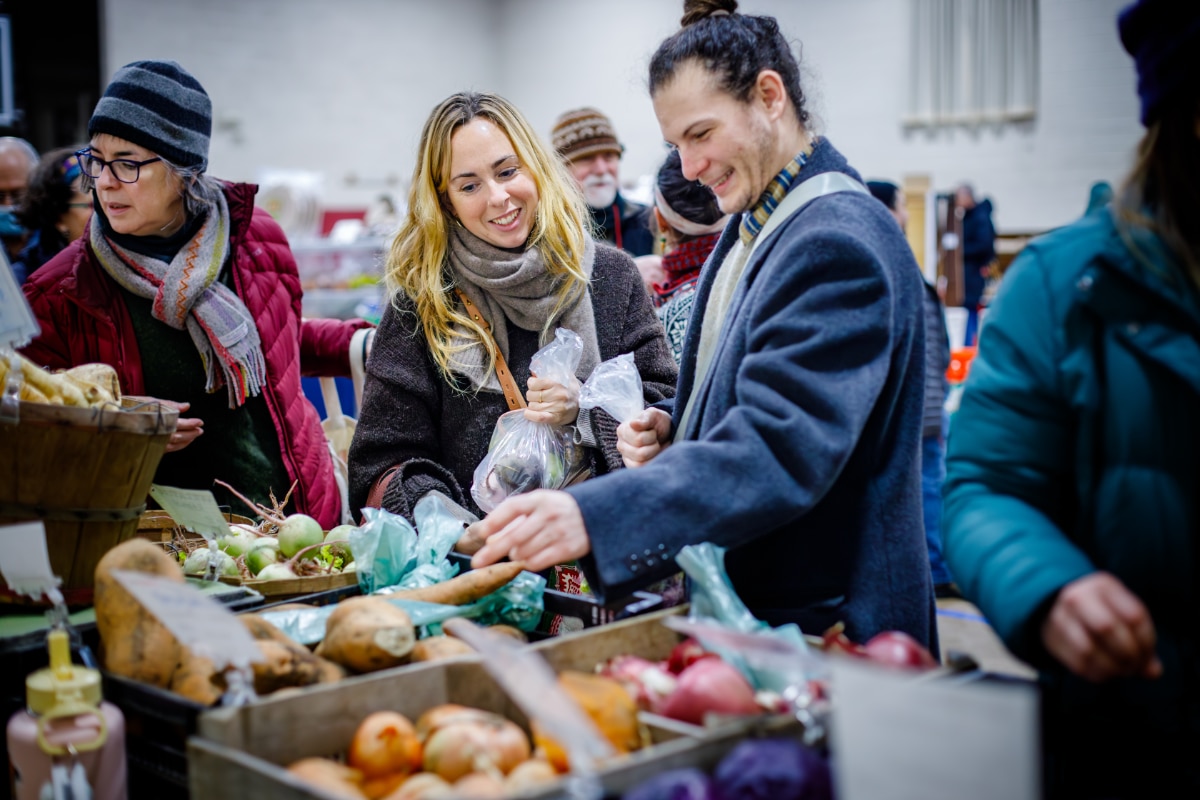
Mark your calendars! Berkshire Grown's 2025-2026 indoor Winter Farmers Market season is underway!


In Great Barrington, the fourth of six indoor Winter Farmers Markets will take place on Saturday, February 21st from 10am-1pm at the Housy Dome (Housatonic Community Center). The two remaining indoor markets will run Saturday, March 21st and Saturday, April 18th. The Housy Dome is located at 1064 Main Street in Housatonic and is included on the Berkshire Regional Transit Authority BRTA route #21.


Admission is free and food access is an integral part of the markets. Shoppers using the HIP incentive reimburses shoppers who spend SNAP funds on fresh fruits and vegetables, and SNAP users will receive a match up to $30. Funding for this match program was provided by the Berkshire Agricultural Ventures Market Match Fund. Please visit the market manager’s table for more details!

What We’re Reading


The Healey-Driscoll Administration awarded $1.8 million in grants to protect farmland in Massachusetts. (Massachusetts Department of Agricultural Resources)


Former EPA official Judith Enck argues that plastic pollution is a production problem and outlines policy solutions that could turn the tide. (Brian K. Mahoney, Rural Intelligence)


Missy Leab of Ioka Valley Farm in Hancock speaks about their 500-acre fourth-generation family-run farm. (Elisa Spungen Bilder, Edible Berkshires)

Support Berkshire Grown

Your contributions help to ensure everyone in the Berkshires has access to fresh, locally grown food. Please consider a gift today.

View this email in your browser