|
Dear Neighbor,
I am so pleased and gratified that the voters of the 28th Senate District have once again given me the opportunity to continue serving this community in Albany, and that voters around the state will be sending several new colleagues for me to work with. Thank you! After 24 years in this role, I may have a bit more wisdom than when I started, but I have lost none of my passion for fighting for my district and a state in which every single New Yorker can thrive.
I was also delighted to see so many amazing candidates around the country winning their races on Tuesday night in an historic rebuke to the Trump Administration and the last decade of MAGA and corruption. If you have been reading my newsletters over the past almost two years, you are well aware of the harm that President Trump's policies have been doing both here in New York and nationwide. Election night sent a resounding message that Americans are hurting and want a government that is focused on their needs, rather than looting the country to benefit a handful of Trump loyalists and supporters.
Below you will find governmental updates from the past month, recent actions by the Trump Administration impacting New Yorkers, and upcoming events and other useful information affecting our district. I would like to highlight a few important events that are coming up soon.
On November 17th, my office is hosting a SCRIE & DRIE clinic with the New York City Department of Finance to help residents with applications. Please see below for more details. After years of advocacy by tenants and legislators, I am extremely pleased that New York State increased the income eligibility cap for the Senior Citizen and Disability Rent Increase Exemption (SCRIE and DRIE) programs from $50,000 to $75,000 as part of this year's State Budget. On October 22nd, the City Council passed a bill to opt New York City into the higher income limit and make it retroactive to July 1, 2026. While the Mayor has 30 days to act on legislation passed by the Council, there is every expectation that the increase will be in effect in NYC before the end of November. This will be the first increase to the income eligibility cap for the SCRIE and DRIE programs since 2014, and will make it possible for thousands of additional New Yorkers to be able to enroll.
On November 16th, I will be hosting a Virtual Town Hall on upcoming changes to Medicare in 2027. Hear about changes coming in 2027 to premium rates and deductibles for Medicare Parts A and B, and changes to Part D, your prescription drug coverage. Additionally, you will learn about Medicare Advantage and supplemental (Medigap) plans, and programs that can help defray Medicare costs, including prescription drug costs.
And on November 20th, I will be holding the first of this year's Virtual Older Adult Roundtable Series. This year's series focuses on Later Life Planning, and the first session is about how to keep your apartment safe and accessible as you age.
Please see below for more information about these events, as well as registration details.
As always, if you have any questions or need assistance, please email or call my office at lkrueger@nysenate.gov or 212-490-9535. If you are not already subscribed to my email list, click here to join.
Liz Krueger
State Senator
| | What's In This Newsletter? | | |
Updates From My Office:
- Pro-Choice Caucus Urges Governor Hochul to Sign Critical Reproductive Rights Bills
-
Op-Ed: Hochul should sign new solar panel bill
- Legislators Submit Comments on Data Center Environmental Impact Study
- Senator Krueger's Virtual Town Hall: Medicare Parts A, B, C and D
- Rent Freeze Clinic
- Virtual Older Adult Roundtable Series Session I
- Update on Trump Administration Impacts
Community Updates, Events, and Opportunities:
- Unemployment Insurance System Upgrade
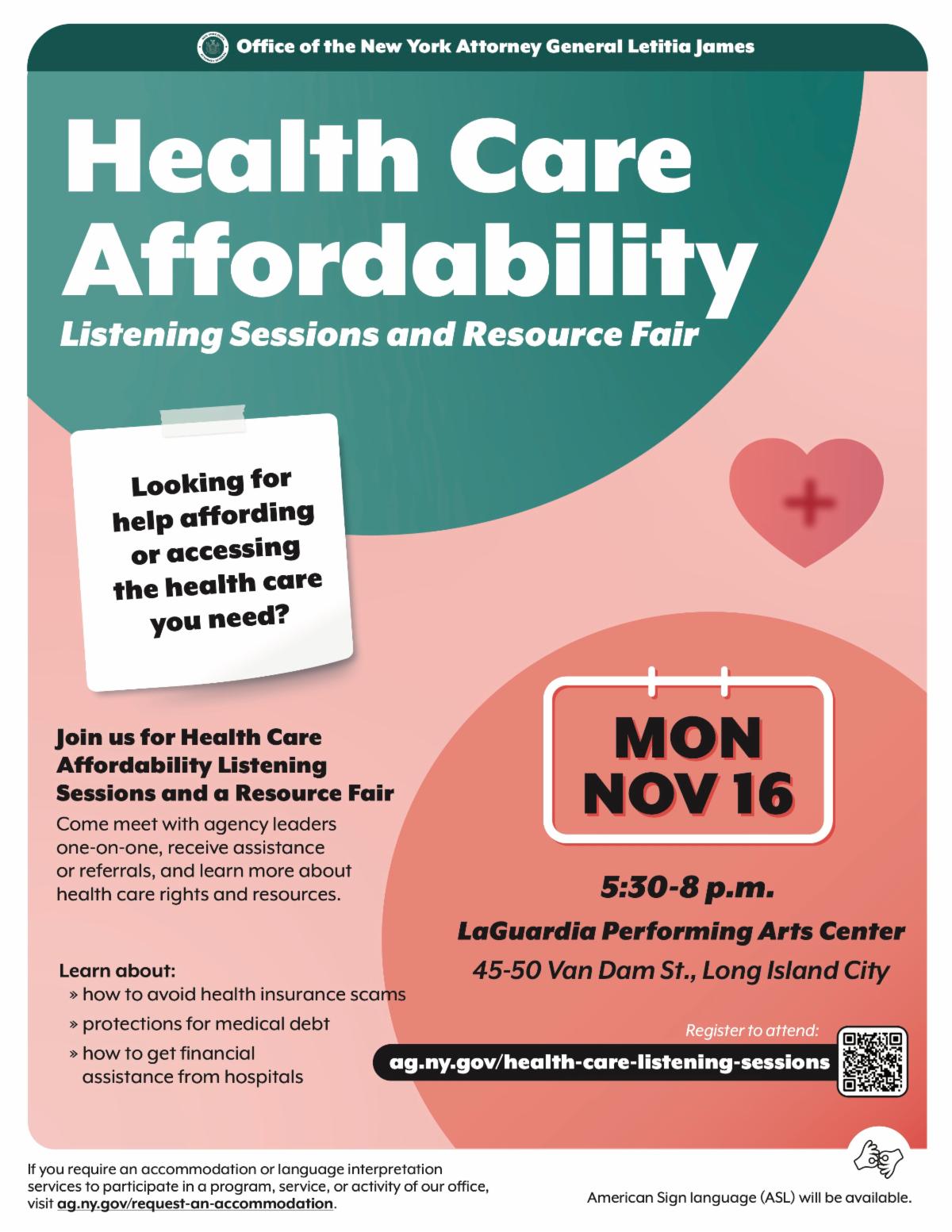
- Attorney General James' Health Care Affordability Listening Session and Resource Fair
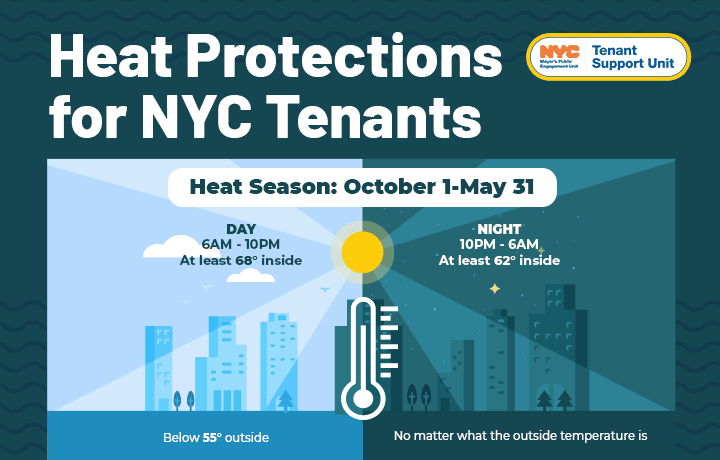
- Heating Season has Started
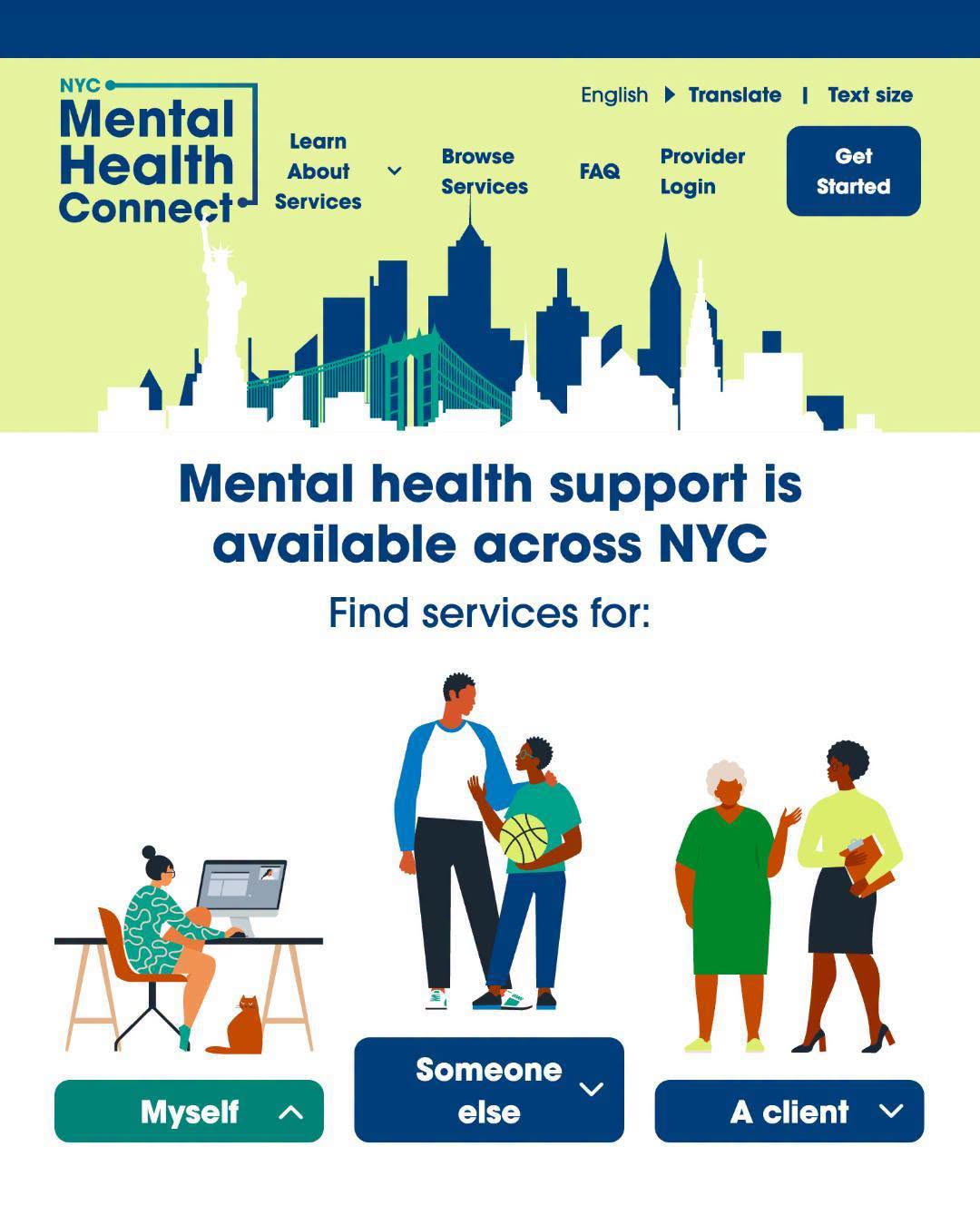
- NYC Mental Health Connect
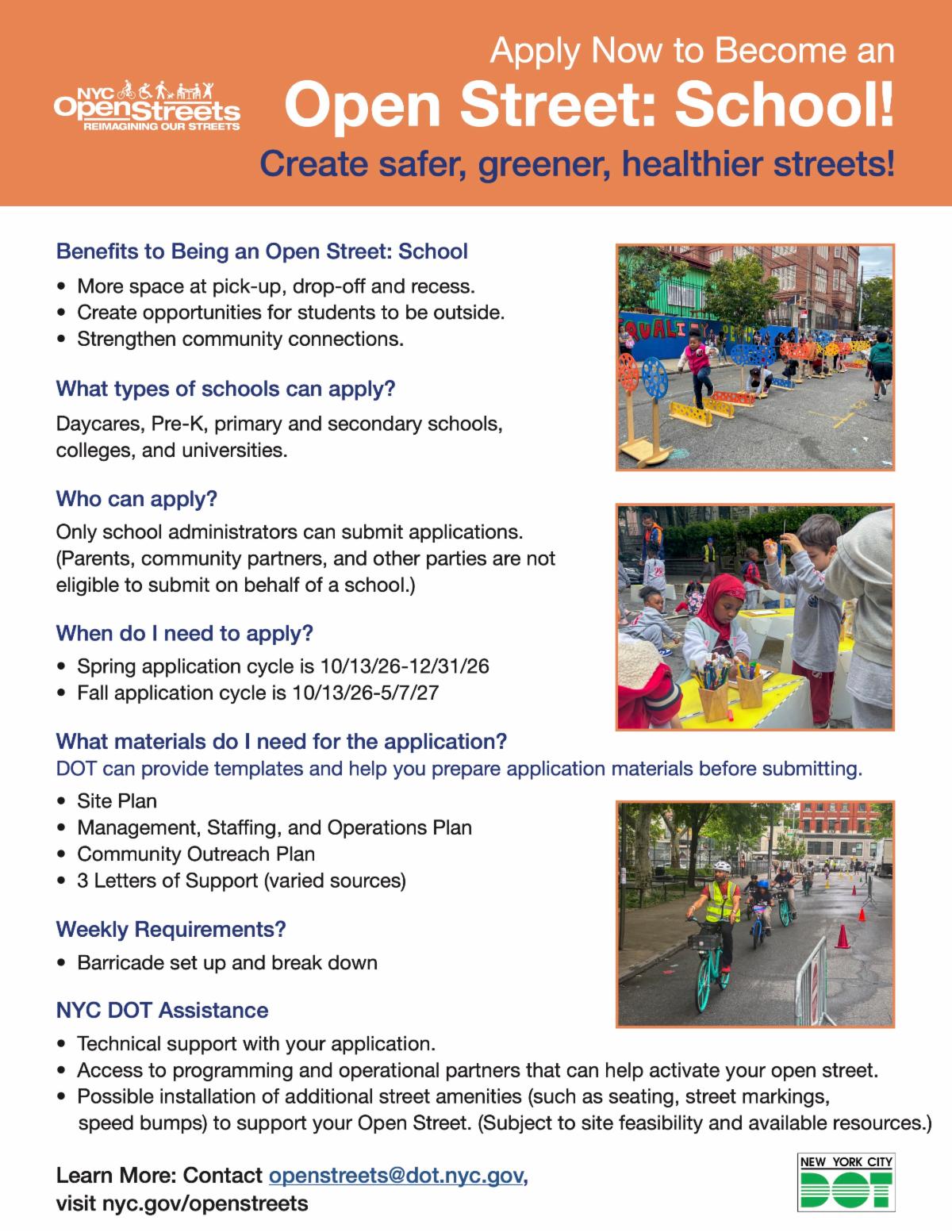
- Play Streets are now Open Streets
- DOROT Thanksgiving Meal Delivery
- Grant Opportunities from CitizensNYC
- Manhattan DA's Youth Ambassador Program
| | |
Pro-Choice Caucus Urges Governor Hochul
to Sign Critical Reproductive Rights Bills
| | |
Late last month, I joined 73 of my legislative colleagues in the Bipartisan Pro-Choice Legislative Caucus (BPCLC), of which I am Co-Chair, in a letter to Governor Hochul urging her to sign key reproductive health bills that passed this year that will help to protect access to abortion medication and health information privacy, as well as advance sexual and reproductive health care in New York. The letter was also signed by my two BPCLC Co-Chairs, Senate Majority Leader Andrea Stewart-Cousins, and Assembly Member Karines Reyes, R.N. (pictured above).
The bills highlighted in the letter include:
- Preserving Access to Safe and Effective Abortion Medication (S.8544/A.9217)
- The New York Health Information Privacy Act (S.9269/A.10357)
- Insurance Coverage for Pharmacist-Provided Birth Control Services (S.8869/A.9519)
- Prohibiting the Use of Restraints on Pregnant People in Custody (S.2667-C/A.1670-B)
- The New York Dignity in Pregnancy and Childbirth Act (S.6983-A/A.4018-A)
- Access to Menstrual Products in Public Buildings (A.1740-A/S.3866-B)
| | Op-Ed: Hochul should sign new solar panel bill | | Last month I joined City Council Speaker Julie Menin in authoring an op-ed in the New York Daily News urging Governor Hochul to sign the SUNNY Act, to open the door for millions more New Yorkers to have access to cheap, clean solar power, be part of the solution to the climate crisis, and shave a little bit off their electricity bill every month. Once the market for plug-in solar fully matures, New Yorkers will be able to simply walk into a store, pay a few hundred bucks for a system, take it home and plug it in like any other appliance, and start saving hundreds of dollars every year. SUNNY is a small but important step to help New Yorkers fight climate change, save money, and claim real energy independence. | | |
Legislators Submit Comments
on Data Center Environmental Impact Study
| | |
Yesterday I joined Assembly Member Anna Kelles and 43 of our colleagues in the Legislature (as well as 11 Assembly Members-elect) in submitting detailed comments to the Public Service Commission on the Draft Scoping Document for the Generic Environmental Impact Statement (GEIS) on data center development. Earlier in the month we succeeded in pushing the Commission to extend the comment period by two weeks to allow for greater public engagement in this critical, but little-known, part of the process.
As part of her Executive Order 62, issued in July, Governor Hochul initiated a GEIS process through the Department of Public Service as part of the Department's ongoing Large Load proceeding. The first step in that process, the Draft Scoping Document, was released on September 18th, with a 30-day comment period that originally ended on October 20th, but was extended until November 4th. The Scoping Document, when finalized, will outline what the Department will and won't include in the GEIS process. Anything that is not included in the scoping document cannot be part of the GEIS investigation.
New Yorkers have made it very clear that they have significant concerns about new data center development in our state, concerns that include rising energy prices, but also impacts on water, air, and soil health, noise pollution, and community character, among many others. The GEIS process is a critical one that impacts the lives of every New Yorker. It must not be rushed, and there must be an effort to enable and encourage real public input.
| | Senator Liz Krueger's Virtual Town Hall | | |
Medicare Parts A, B, C and D:
Changes You Can Make to Your Coverage
Monday, November 16th, 2pm - 3:30pm
On Monday, November 16th from 2pm – 3:30pm, join Senator Krueger and Eric Hausman from the Department for the Aging’s Health Insurance Information and Counseling Program (HIICAP) for a presentation on Medicare coverage options and savings programs. Mr. Hausman is the HIICAP Volunteer Outreach Manager, and an expert on all things Medicare.
During his presentation, you will hear about changes coming in 2027 to premium rates and deductibles for Medicare Parts A and B, and changes to Part D, your prescription drug coverage. Additionally, you will learn about Medicare Advantage and Supplemental (Medigap) Plans, and programs that can help defray Medicare costs, including prescription drug costs. The Medicare Open Enrollment Period begins on October 15th and ends on December 7th; attending this event is a great opportunity to learn about Medicare coverage options, whether you are new to Medicare or are considering making changes to your coverage.
You will have the option of joining the event online through Zoom, a webinar hosting service.
You will also have the option to view the event online through Facebook. Please note that you do not need a Facebook account or profile to view the event through Facebook.
Finally, you will have the option of calling in to access the audio-only portion of the event.
The event will feature a question and answer session with Eric Hausman. If you have questions about changes coming in 2027 to Medicare premiums and deductibles, Medicare Advantage plans, Supplemental (Medigap) plans, your Part D prescription drug plan coverage, or how to find out if you are eligible for programs to defray the costs of your health insurance, please join us on November 16th. You will be able to submit questions during the event but are strongly encouraged to submit them in advance.
The event will be recorded, and will be available to view afterwards at krueger.nysenate.gov and facebook.com/statesenatorlizkrueger, along with any slides and links that were shared. It will also be emailed to everyone who RSVP'd for the event.
Please let us know if you plan to attend on November 16th by registering at https://tinyurl.com/2026MedicareTownHall.
| | SCRIE & DRIE Application Clinic | | |
On Tuesday, November 17th from 10 am – 2 pm, my office is hosting a clinic with the NYC Department of Finance (DOF) to help constituents with initial and renewal applications for SCRIE and DRIE.
The SCRIE and DRIE programs help tens of thousands of low- and middle-income tenants be able to afford to remain in their homes by freezing their rents (property tax credits are provided to impacted building owners to cover the difference in rent).
To participate in this clinic, you must make an appointment in advance and live in District 28. The clinic will include a 15-minute one-on-one meeting with a DOF staff member who will help you to complete your initial or renewal SCRIE or DRIE application. Before signing up, please review the eligibility requirements below. You MUST call our office at 212-490-9535 to make an appointment. Slots are limited.
The clinic will take place in my district office which is located at 211 E. 43rd Street, Suite #2000, located between 2nd and 3rd Avenues.
We will be unable to accommodate walk-ins.
Eligibility for SCRIE and DRIE:
- Be at least 62 years old or at least 18 years old and have a disability;
- Be the Head of Household as a primary tenant named on the lease or rent order in a rent-regulated (Rent Stabilized, Rent Controlled, Mitchell-Lama, or HDFC) apartment;
- Have a combined income for all members of the household of $75,000 or less; and
- Spend at least one-third of your monthly household income on rent.
-
Additional eligibility requirements for DRIE can be found on the first page of the application here.
The DOF has a helpful tool to figure out if you are likely eligible for SCRIE or DRIE online here that includes details on how income is calculated for the programs. Please note that all materials (and the applications) on the DOF’s website indicate that the income eligibility cap for both programs is still $50,000 since the local law opting NYC into the $75,000 limit is not yet in effect.
While the DOF processes all applications for DRIE, the NYC Department of Housing Preservation and Development (HPD) processes applications for SCRIE for residents living in Mitchell-Lama and HDFC apartments. The DOF staff at the November 17th clinic will not be able to assist with applications processed by HPD.
If you are unable to attend the November 17th clinic and would like assistance with SCRIE or DRIE applications, please call 311 or my district office at 212-490-9535. Applications and more details are available online here.
| | |
Senator Liz Krueger’s
Virtual Older Adult Roundtable Series
on
Later Life Planning
| | |
Session I: Keep Your Apartment Safe as you Age
Friday, November 20 from 2 pm – 3:30 pm
We are living longer. If we want to live well and thrive in older age, we need to plan for the next stages of our lives. In this series we will learn about some of these planning efforts, including home safety, creating important planning documents like living wills and health care proxies, and making tough decisions about needing more support, including seeking a guardian for a loved one, or yourself, or deciding you need to go into assisted living or a nursing home.
On Friday, November 20th from 2 pm – 3:30 pm, we will hold the first 2026 Virtual Older Adult Roundtable session on home safety and fall prevention. On the first part of our journey, you will take a virtual guided tour of a typical New York City apartment to learn what changes you might want to make to prevent injuries and falls, and how to negotiate with your landlord to get those changes made. You will also hear about tips to improve your balance, which will help you move with more confidence in your home and in your community.
Session I: Keep Your Apartment Safe as you Age
November 20th 2 pm – 3:30 pm
Introductory Remarks
Assembly Member Rebecca Seawright
Chair, Assembly Aging Committee
Josh Krasner
Home Safety and Fall Prevention Coordinator
Health Advocates for Older People (HAFOP)
Lynn Crimando, MA
Yoga Therapist and Certified Personal Trainer
Health Advocates for Older People
Roberta Mueller, J.D.
Senior Supervising Counsel
New York Lawyers for Public Interest (NYLPI)
To RSVP for the Friday, November 20th event, please click on this link
https://nysenate-gov.zoom.us/webinar/register/WN_zXxLJRvWRA28ZxXMa6e9jg
You will have the option of joining the event online through Zoom.
You will also have the option to view the event online through Facebook. Please note that you do not need a Facebook account or profile to view the event through Facebook.
Finally, you will have the option of calling in to access the audio-only portion of the event.
The event will feature a question-and-answer session with the presenters. You may ask questions about the kind of changes you should make to your apartment and how to negotiate with your landlord to make those changes. Attendees will be able to submit questions through Zoom and Facebook during the event but are *strongly* encouraged to submit them in advance.
Right now you can only RSVP for the first session on Friday, November 20th.
Below, you will find the dates for the four remaining Older Adult Roundtable sessions. Mark your calendar for future events. We will send out separate RSVP forms for each subsequent session closer to the dates.
Session II: Later Life Planning Documents
Friday, December 11th from 2pm – 3:30 pm
Session III: Computers, Robots and Artificial Intelligencer: Can They Improve Life as We Age?
Friday, January 22nd from 2 pm – 3:30 pm
Session IV: Making Tough Choices: Thinking About Guardianship, Assisted Living and Nursing Homes, or Planning Next Steps After a Hospital Stay
Thursday, February 18th from 2 pm – 3:30 pm
Session V: Advocacy
Tuesday, April 20th from 2pm – 3:30 pm
| | Update on Trump Administration Impacts | | |
Below is a small sample of actions the Trump Administration has taken this past month that negatively impact New Yorkers. Click on the links for more details:
-
According to the MTA, the Trump Administration’s tariffs will increase the cost of new transit manufacturing projects to the tune of $1 billion of taxpayer money. These tariffs are being felt most on specially imported products like electronics, wheels, axles, and vehicle frame parts that are not manufactured in the U.S.. While the MTA was planning to replace 1,500 subway cars between now and 2029, this unexpected cost has the potential to bring that number down dramatically. Thus, more of the subway’s most outdated and breakdown-prone cars will likely have to stay in service.
-
The Trump Administration’s decision to start a war with Iran has caused a record rise in fuel prices, and these costs have also impacted the MTA. The MTA has announced that it anticipates having to pay an additional $95.6 million for fuel this year thanks to the rise in oil prices due to the war. This means that even more taxpayer money will have to go towards footing the bill.
-
According to the New York Federal Reserve, the cost of 67 categories of goods was 2.9% higher as of February 2026 as a result of tariffs. If the Trump Administration’s tariffs never went into effect, research estimates that these goods would have dropped in price by about 1%. Despite Trump claiming that companies would absorb the cost of tariffs, this research is some of the first to definitively show that the majority of tariff-related costs are being passed directly to the consumer.
-
By diminishing the American workforce, the Trump Administration’s immigration policy will reduce Social Security benefit payments by a projected 8.6% by 2034, or about $2,152 per beneficiary per year. Undocumented immigrants paid around $26 billion in payroll taxes in 2022. Additionally, diminishing the immigrant workforce has also caused a steep decline in native-born American jobs, since many of those jobs rely on immigrant labor as well. Since Trump has taken office for his second term, the U.S. workforce as a whole has declined by an estimated 919,000 people during just his first 18 months. Mass deportation and immigration enforcement efforts are expected to make a significant dent in the Social Security fund not just by directly reducing the contributions of undocumented immigrants via payroll taxes, but also by taking away job opportunities for native-born Americans.
-
The Medicaid cuts that were central to Trump’s “One Big Beautiful Bill Act” are continuing to take effect in New York. Refugees, survivors of human trafficking and some Afghan and Ukrainian asylum-seekers are among the 60,000 low-income immigrants who lost their federal Medicaid coverage as of October 1st. New York ensured coverage for these individuals through the end of the year through the state-funded Essential Plan, but plans beyond that are unclear. Without federal funding from Medicaid, many community-based clinics that treat low-income New Yorkers could lose an estimated $300 million in revenue annually. For more info on these Medicaid cuts and their impacts, please consult NY State of Health’s website here.
-
As part of President Trump’s son-in-law Jared Kushner and Steve Witkoff’s negotiations with Russia to end the war in Ukraine, they have decided to pursue a deal with the Kremlin and Russian President Vladimir Putin to allow Trump family allies and business partners to purchase Russian oil company Lukoil’s international holdings, valued at $20 billion. The deal would unfreeze these assets from U.S. sanctions by allowing them to be purchased by a group that includes American investor Todd Boehly, who has donated $2 million to President Trump’s political causes, as well as Moutaz Al-Khayyat and his brother Ramez Al-Khayyat. The Al-Khayyat brothers attended Mr. Trump’s inauguration in 2025 and have since formed a partnership with Kushner and his wife, Ivanka Trump, to help finance a luxury hotel resort project in southern Albania. A former DOJ white collar crime investigator said about the potential deal, “This is an alarming and very concerning set of entanglements.”
-
A new book by investigative journalist Matthew Cole alleges that, during President Trump’s first term, Jared Kushner was paid about $2 billion by the United Arab Emirates to act as an unregistered foreign agent. Cole claims that a 2017 Dutch military intelligence unit found that Russian agents had accessed Kushner’s iPhone and attained screenshots showing that he had access to a U.A.E. bank account containing $750 million. Subsequently, the U.A.E. placed another $1 billion into a separate account on Kushner’s behalf, which a source claims was for personal use. The goal of these investments was to recalibrate foreign policy for the U.A.E.’s benefit, and to use Kushner’s influence with the president to ensure that the U.S. would side with them over Iran, who they viewed as a threat. Although much of Cole’s sourcing is anonymous and Kushner’s lawyer has denied the claims as, “crazy, false and defamatory,” a review of the book by the New York Times concludes that, “Cole’s work is sufficiently calm, detailed and forensic to necessitate a large-scale and urgent congressional inquiry.”
-
The Trump Administration’s federal funding cuts hit NOAA, the National Oceanic and Atmospheric Administration, especially hard. NOAA has lost 3,000 staffers, roughly 20% of its workforce, since January 2025, while only bringing on 525 new hires in that time. The impacts of these cuts have shown up in delays in data collection and emergency information dissemination. Being in an El Niño year will bring supercharged storms in the American West and higher sea levels in California. With these cuts, NOAA could have trouble providing proper warning when major, El Niño-fuelled weather events occur, and this could put millions of Americans in danger.
-
In October, the head of FEMA, Cameron Hamilton, indicated that the agency would be shifting financial responsibility for disaster prep and recovery to states and localities in the next six months. The impact of this change would be extremely costly for New York, as our state has received $23.8 billion from FEMA in the past 15 years, mostly in the wake of severe weather events. The Trump Administration’s decision to force states to cover all or most of that funding when disasters hit has been criticized by experts as “nonsensical.”
With so many concerned about the integrity of the midterm elections, the following articles focus on groups that worked on influencing and protecting election outcomes:
During the month of October, there were impressive labor and community mobilization actions that focused on promoting the midterm elections, and protecting voter rights, as well as protecting immigrant and worker rights, from which to draw hope and inspiration:
| | Unemployment Insurance System Upgrade | | |
The New York State Department of Labor (NYSDOL) is launching an upgraded unemployment insurance system called Unemployment Services. This will require an upgrade period beginning November 2, 2026. The upgrade will take about 9-12 calendar days.
During the upgrade, unemployment services will be unavailable and payments will be delayed. Once the upgraded system is up and running, customers must file or certify for benefits in the updated system to receive all entitled payments withheld during the transition period.
Visit the NYSDOL dedicated webpage to find tutorials and FAQs about the upgraded system.
| | |
Attorney General James' Health Care Affordability
Listening Session and Resource Fair
| | Heating Season has Started | | NYC Mental Health Connect | | |
The New York City Department of Health and Mental Hygiene has launched a new website to help New Yorkers find mental health and substance use services that meet their needs — NYC Mental Health Connect.
Explore behavioral health services from over 600 providers based on type of service, appointment availability, ages served, languages spoken, and insurance types accepted.
Get started at mentalhealthconnect.nyc.gov.
| | Play Streets are now Open Streets | | DOROT Thanksgiving Meal Delivery | | Grant Opportunities from CitizensNYC | | |
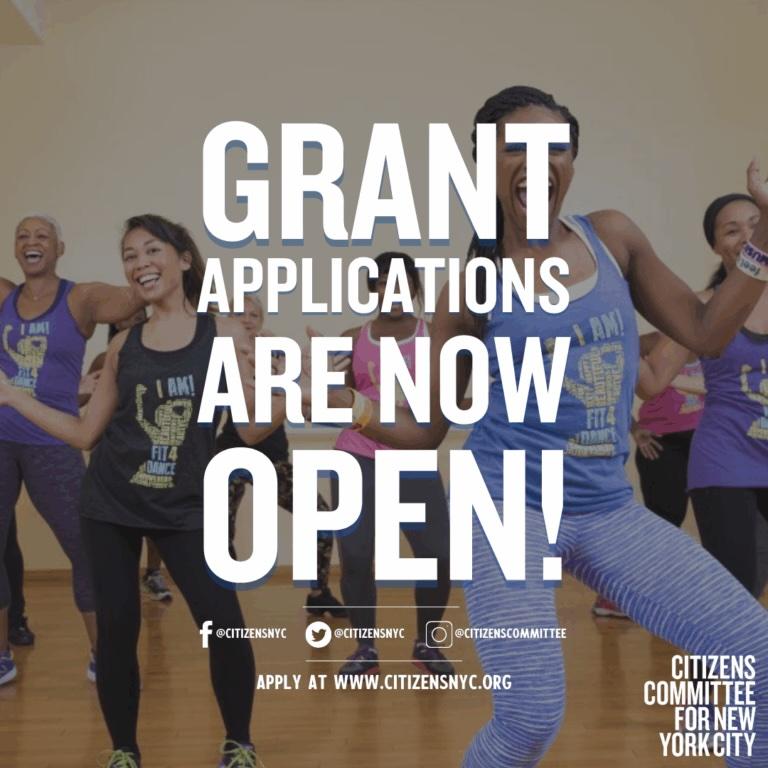
Have an idea to improve your neighborhood, but not sure how to make it happen? Own a small business and need funding for a new project? Curious about ways you can give back to your community?
CitizensNYC has been providing grants and support to community groups, grassroots nonprofits, and small businesses with big ideas for over 50 years. And applications are currently open for community grants, and small business grants of up to $5,000.
If you have questions, you can email CitizensNYC at grants@citizensnyc.org for community grants and businessgrants@citizensnyc.org for business grants. You can learn more about CitizensNYC at https://www.citizensnyc.org/.
| | Manhattan DA's Youth Ambassador Program | | |
District Office: 211 East 43rd Street, Suite 2000 | New York, NY 10017 | (212) 490-9535 | Fax: (212) 499-2558
Albany Office: Capitol Building, Room 416 | Albany, NY 12247 | (518) 455-2297 | Fax: (518) 426-6874
Email: liz@lizkrueger.com | On the Web: krueger.nysenate.gov
|
| | | |