June 29, 2020
Your weekly link to news and information from credible newspaper
and magazine publications, and electronic news media outlets nationwide.
|
|
Amid Pandemic, Fears That Older Americans Are Feeling Expendable:
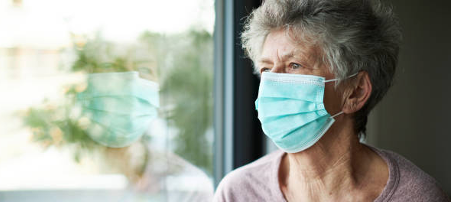
From the start of the coronavirus pandemic, it's been clear that older adults are especially vulnerable to serious illness. Now, experts are concerned that older Americans are falling victim to ageism and messages that they are "expendable" amid the crisis. HealthDay, June 25.
|
|
Who's at Highest Risk From COVID-19?
The list of conditions that put people at risk for severe COVID-19 illness has been expanded by the U.S. Centers for Disease Control and Prevention. HealthDay, June 25.
|
|
Does Coronavirus Trigger New Cases of Diabetes?
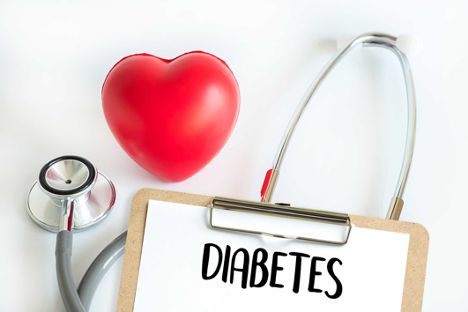
Early in the coronavirus pandemic, doctors learned that people with diabetes face a greater risk of developing serious complications from COVID-19 infections. What they didn't immediately realize is that the new coronavirus might trigger diabetes in people who didn't have the blood sugar disease before. HealthDay, June 22.
Fearing the Deadly Combo Of COVID and Cancer:
Beyond the concern of cancer patients — with their already depleted immune systems — catching the virus, many doctors worry about people delaying their scans and checkups and missing time-sensitive diagnoses. Kaiser Health News, June 25.
|
|
Yes, the Coronavirus is Spreading Through the Air:
Respiratory infections are generally spread in three possible ways: from direct contact, from droplets and from airborne particles. Another reason why universal and habitual mask wearing is imperative. Next Avenue, June 23.
|
|
A Guide to Self-Directed IRAs:
A self-directed IRA allows investors to hold unique and varied investment options inside a retirement account. Unlike traditional IRAs or Roth IRAs, which often consist of stocks and bonds, a self-directed IRA provides a broader selection of investment options. U.S. News & World Report, June 24.
Why Your First Five Years of Retirement are Critical:
If you’re a glass half full person, here’s some good news: About half of retirees are able to maintain their spending levels—in other words, their lifestyles—during their first five years of retirement. On the other hand, half aren’t. MarketWatch, June 22.
|
|
How to Retire in France:
France is a country of superlatives, including sumptuous food and wine and prodigal art and fashion. From beautiful and romantic cities to charming rural settings, France is among the places with the highest quality of life in the world. U.S. News & World Report, June 26.
Best Places to Retire Near Health Care Services:
Whether you need help managing a chronic condition or coping with a sudden emergency, it can be helpful to retire near health care services. When thinking about where to retire, it's important to consider proximity to doctors, specialists and hospitals. U.S. News & World Report, June 22.
|
|
Becoming a Grandparent Through Adoption:
Prospective adopting parents receive mandatory education on adoption regardless of whether they go through the state-administered foster care system or a private agency or attorney who facilitates inter-country or domestic infant adoptions. Grandparents are rarely included in these formal education programs. Next Avenue, June 25.
|
|
Helping Seniors Fight 'Infodemic' (AKA Fake News):
The intersection of misinformation and the coronavirus pandemic is a serious risk for Americans who struggle to sort fact from fiction online, where lies about the nature of the crisis have flourished. But it’s especially concerning for older Americans. USA Today, June 24.
|
|
During the current coronavirus pandemic the
Senior Newswire
remains dedicated to delivering you trusted, fact-based news and information to help us all remain safe, healthy and emotionally well. Please
make a donation today
so we can continue to provide you vital information and resources that are necessary to navigate this entirely unprecedented, stressful period of time.
|
|
The articles linked in this e-news feed may not be published without consent from the publication or outlet from which they came. Also note that some articles to certain publications, including
The New York Times
, may require a subscription to their website to read them.
|
|
|
|
|
|
|